










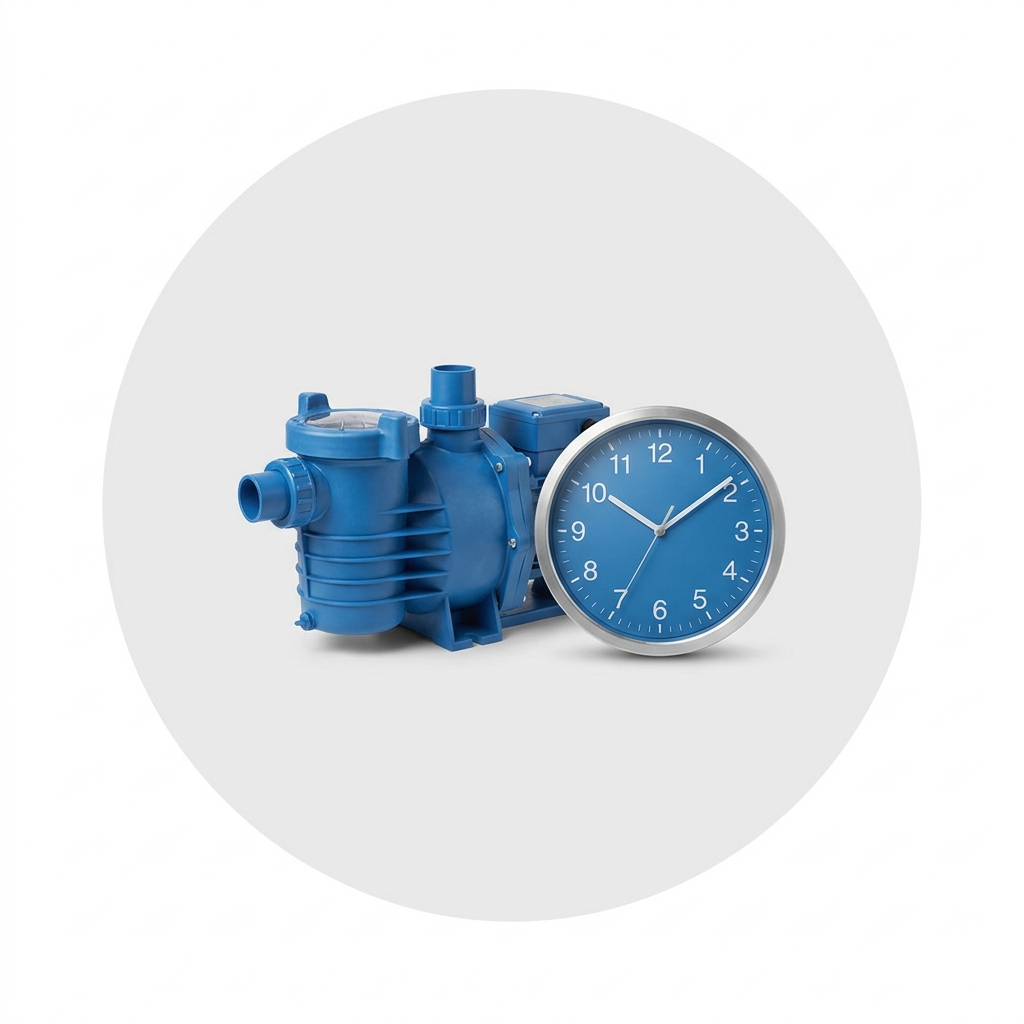

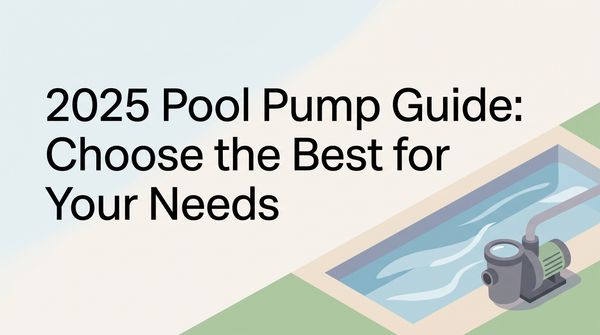
Choosing the right pool pump doesn't have to feel overwhelming. The right one turns tired, cloudy water into a pool you actually want to jump into. There's no single model that fits every backyard, so whether you're a brand-new owner or replacing an old unit, it pays to understand the differences.
Take last summer at my friend Sarah's house. Her pool was the center of every get-together, but her old pump guzzled power, the water stayed cloudy, and she was always fixing something. This year she did her homework and switched to a variable-speed model. Her energy bills dropped, the water cleared up, and her pool became the weekend hangout again.
Pool size, energy use, and budget all matter here. An efficient pump usually costs more up front but pays you back over time, so knowing those trade-offs makes a real difference. Here's how to find the pump that fits your pool.
Your Action Plan
- Figure out your pool's volume and the turnover rate you need.
- Pick a pump type that fits your budget and local rules.
- Match the horsepower to your filter and plumbing so you don't oversize it.
- Check where your filter intake sits to choose top-mount or side-mount.
- Look for utility rebates on efficient variable-speed models.
- Keep up with basket, seal, and motor checks to make it last.
Choose the Right Pump-Type
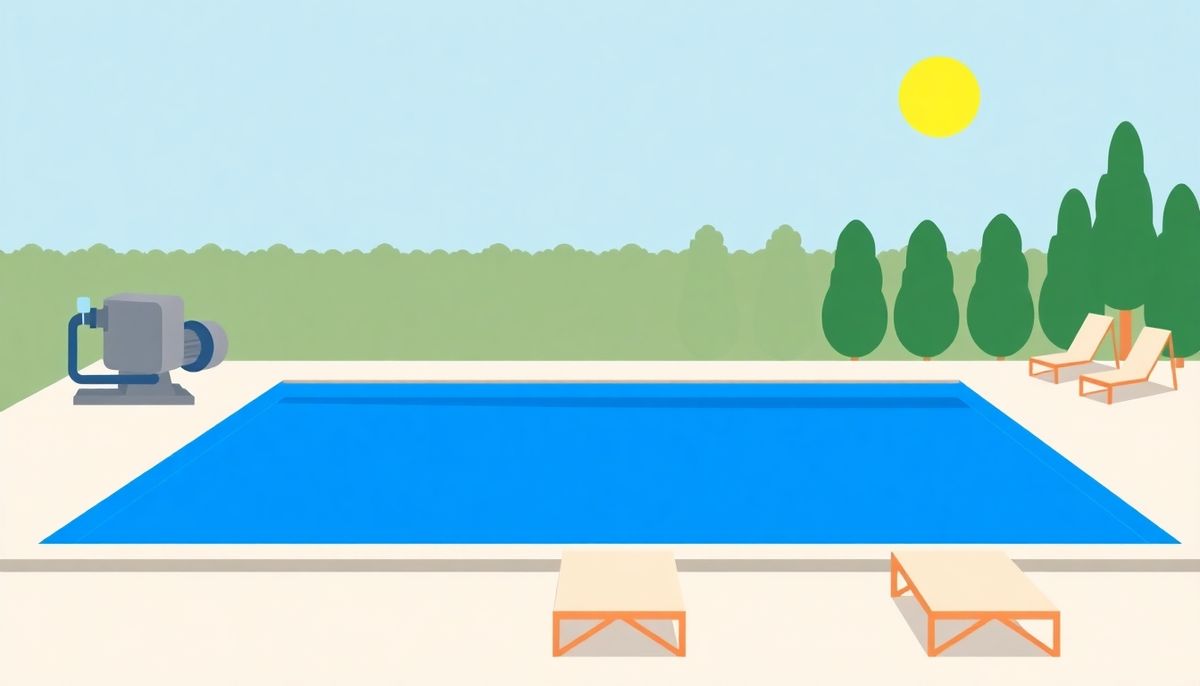
Picking a pump isn't about grabbing the first one you spot on sale. Each type has its own upsides and downsides, and knowing them saves you money and headaches later.
Single-speed, dual-speed, or variable-speed
Single-speed pumps sound simple, but they run flat-out all the time and waste energy, which is why a lot of states are phasing them out. Dual-speed pumps add a high and a low setting, which is handy when your needs change, like a fast turnover after a party or a slower run during routine cleaning. They save some power, but not a lot.
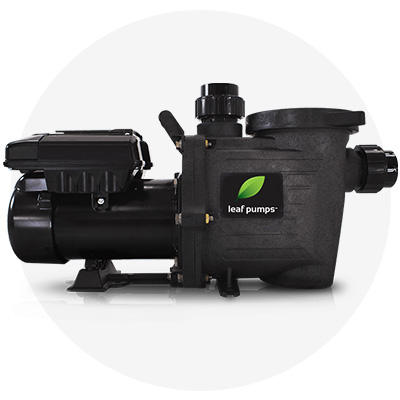
Variable-speed pumps are the top pick for most owners. They use a magnet motor, the same kind you'll find in electric cars, and they adjust their speed to whatever your pool needs at the moment. They cost more up front, but they often qualify for utility rebates, cut your electric bill sharply, and run quietly.
A variable-speed pump costs more to buy, but rebates and lower power bills usually pay you back within a few years.
Understand Pool Pump Components
Every pump has three key pieces: the housing, the impeller, and the motor. Get to know them and you'll run your pool with a lot more confidence.
The housing is the sturdy shell that holds everything. Inside sits a basket under a clear lid that pulls in water and traps debris before it reaches your filter. Think of it as your pool's first line of defense.
The impeller is a fast-spinning blade tucked inside. It spins fast enough to create strong suction, pushing water through the system. How well it works decides how well your whole pool circulates.
The motor is the muscle. Its one job is to drive the impeller, a lot like the engine in a car drives the wheels. Whether it's single-speed, dual-speed, or variable-speed shapes both your energy use and your performance.
Evaluate Energy-Efficient Options
Energy efficiency matters more than ever, with electricity costs climbing and more people watching their footprint. Variable-speed pumps lead the pack because they let you match the flow to the job, so the pump only draws the power it actually needs.
It works like a car that shifts gears smoothly with your speed: you burn less fuel and put less strain on the parts. Many of these pumps also have programmable settings, so you can tune how they run to fit your pool.
Don't skip the rebates, either. Plenty of utility companies offer cash incentives for switching to efficient models, which softens that higher upfront cost and makes a variable-speed unit a smart long-term buy.
Match Pump to Pool Type
The right pump starts with what your particular pool needs.
Above-ground versus inground
Above-ground pools usually do well with lower horsepower, often between 0.5 and 1 HP, sized to handle smaller volumes without overwhelming the filter. A good pump keeps that water clear with a quiet hum.
Inground pools are bigger and have more complex plumbing, so they handle more water pressure and volume. A dual-speed or variable-speed pump shines here, giving you energy savings plus flexible turnover rates.
Think about your design details too. A pool with built-in water features or a spa may need a pump that can push extra water flow. A variable-speed pump handles that while still running efficiently. Matching a pump to your pool is about fitting its specific traits, not just picking a horsepower number.
Understand Pool Pump Mechanics

Once you see the pump as your pool's circulatory system, the whole thing makes more sense. Those same three parts keep the water moving and cleaning itself.
The housing holds everything and includes the bucket-and-basket setup that catches debris before it reaches the impeller. The clear lid isn't just for looks, it lets you peek in and see what the basket has collected.
The impeller spins fast to push water through the system, keeping debris-free water flowing on to the filter. And the motor, often the unsung hero, powers it all. Motors in today's variable-speed pumps use permanent magnet technology, borrowing the efficiency trick from electric cars by cutting friction and saving power.
Explore Pool Pump Components
Knowing these parts doesn't just help you buy the right pump. It also gets you ready to troubleshoot or upgrade later.
The housing feeds pool water into the system and catches the big debris first, setting everything up for clear water. The impeller spins fast enough to create the suction that pulls water from the pool, sends it through the filter, and returns it. And the motor decides how efficiently the whole pump runs, which is why the jump from single-speed to variable-speed often shows up right away as lower bills and a quieter backyard.
As you shop in 2026, this knowledge is your best tool for keeping the water clean and clear.
Select the Right Pump Type
Picking a pump type is a bit like picking the right engine for a car. It shapes how the pool runs, how efficient it is, and how much it costs over time.
The single-speed pump is the traditional workhorse. It runs at one speed, which is simple but not efficient, and where it's still allowed it's cheaper up front but pricier to run. The dual-speed pump adds high and low settings, so it adjusts to different jobs and gives you more control without giving up much power.
The variable-speed pump is the best of the bunch. Its permanent magnet motor is both efficient and quiet. The upfront cost is higher, but the long-term savings and the rebates many utilities offer make it a smart buy. Weigh your pool's needs, your local rules, and your budget, and the right choice gets clear.
Troubleshoot Common Pump Issues
When a pump acts up, it rarely does so quietly. A unit that gets loud, leaks, or won't start can turn your backyard into a hassle. The good news: most problems are common and fixable.
A stubborn leak often points to a worn O-ring or a bad shaft seal. Both are easy to swap out, so you can skip the cost of a pro. The tricky part is spotting exactly where the drip starts, but once you do, you can get it watertight fast.
If the pump won't pull water, look for a clogged skimmer or a blocked impeller first. Clearing out leaves and debris usually gets things flowing. If the trouble sticks around, an air leak in the suction line might be to blame, so check the lines and seal any gaps.
A pump that won't start at all often comes down to a tripped breaker. If the breaker's fine, there may be a deeper electrical issue. Anything past your comfort zone is a job for a pro.
Upgrade for Energy Efficiency
Chasing efficiency isn't just a trend, it's a smart money move. Modern pumps with a permanent magnet motor do the job well while sipping power. Single-speed pumps guzzle electricity; variable-speed models adjust their flow to match what your pool actually needs and run at lower speeds for longer stretches, filtering well while pulling less power.
A variable-speed pump can cut your pumping costs by as much as 70 percent, which adds up fast on a unit that runs year-round.
The savings don't stop at the meter. Some areas offer rebates for efficient appliances, softening the first cost, and these pumps run quietly enough to turn a noisy backyard calm. Check your local rules and your pool's needs before you commit.
Back to the three main types, since your choice really is the foundation for everything else.
Single-speed pumps are the classics. They run at one steady rate and use a lot of power, which is why several states have banned new installs. Dual-speed pumps add flexibility with high and low settings: high matches a single-speed pump, low saves energy, though it doesn't always give you the best water turnover.
Variable-speed pumps use the advanced motors you'll find in electric cars. They give you precise control over speed, so you use less energy and make less noise, and they're often eligible for rebates. Match your choice to your pool's size, your energy goals, and your local rules, and a variable-speed pump becomes a strong pick for most owners.
Maximize Energy Savings
Trimming energy costs can feel like a guessing game, but with pumps a few smart choices lead to real savings. Moving past the old single-speed model opens up efficiency that helps both the planet and your budget.
A variable-speed pump lets you match the speed to the job. Running it slow for everyday filtering saves a good chunk of energy. Dual-speed pumps land in the middle, running high for vacuuming and low for regular circulation, which suits pools with changing needs.
Keep in mind that some states have banned single-speed installs to push people toward efficient models. As energy costs keep rising, the right pump helps keep your summer swims from soaking your wallet.
A little troubleshooting know-how keeps small annoyances from turning into expensive repairs.
For leaks, keep a maintenance kit on hand. These kits usually include replacement O-rings and seals, so you can skip the store run when a drip pops up. If the pump isn't pulling water well, a blockage in the skimmer or pump basket is often the culprit. Keeping those baskets clear gets the flow back.
If the pump won't start, check the circuit breaker first, since a tripped breaker is an easy fix. If the breaker's fine, the motor itself may be the problem, and electrical work is worth handing to a pro. Odd noises can mean cavitation or failing bearings. Cavitation happens when the pump isn't getting enough water, so check the intake for air leaks. Squealing bearings need replacing before they wreck the motor.
Match Pump to Pool Setup

Finding the right pump for your setup comes down to balance.
Match horsepower to your plumbing
Your pump's horsepower has to fit the size of your filter and pipes. Too much horsepower strains the system, wears it out early, and eats power. A pool with fancy water features like waterfalls or fountains does best with a variable-speed pump, since it can handle different flow demands without burning energy. Simpler pools often do fine with a dual-speed model.
Bigger isn't better here: an oversized pump strains your filter and wastes power instead of cleaning better.
Also check where your pump sits relative to your filter, since that decides whether you need a top-mount or side-mount unit. Getting the compatibility right saves you a lot of setup headaches and helps your gear last.
Troubleshoot Pool Pump Issues
The occasional hiccup is about as certain as the sunrise, but understanding these quirks keeps repairs cheap.
A shrieking pump often means cavitation, usually from air sneaking in through a loose connection. A new gasket and a snug fitting typically fix it. If the pump won't start, check the breaker for a trip from a surge or overload. If it looks fine and the pump's still silent, the motor may need replacing, and that's the point to call a pro if you're not comfortable with electrical work.
A leaking pump usually means worn seals, with the impeller housing O-ring a common suspect. Swapping it out saves a bundle over hiring someone. And a screeching sound often means the bearings are going. Replacing them takes some effort, but it's doable with the right tools.
Choose the Right Pump Type
Every pool has its own personality, and understanding yours saves time, energy, and money. It starts with the pump type.
Single-speed pumps are simple but inefficient, and they're banned in states like Arizona and California because they run at one speed and use more power than they need. Dual-speed pumps give you high and low speeds, so they save energy, though the low setting may not circulate bigger pools well enough to keep the water spotless.
Variable-speed pumps use the same motor technology as electric cars. They can run at any speed, so they're quiet and very efficient. The upfront cost is higher, but rebates and big energy savings make them a smart long-term investment. Your best fit really comes down to your pool's size, location, and how you use it.
Evaluate Pool Pump Efficiency
Efficiency isn't only about lower bills. It also means your pump lasts longer and your water stays clear.
The right choice starts with horsepower that fits your pool. Too much horsepower is overkill for a small pool, wasting power. Too little struggles, leaving you with poor filtration and possible damage. The trick is balance: pick a pump that matches your pool's volume and your filter's capacity.
For top efficiency, look at variable-speed models. They adjust to the exact flow rate needed, saving energy and cutting noise. Smart features help too, like programmable settings and digital displays that let you run the pump during off-peak electricity hours.
Maintain Your Pool Pump

A little attention now goes a long way toward a longer-lasting, more efficient pump.
Start with the pump basket. Check it for debris regularly, since left alone that gunk blocks water flow and strains the motor. Clear it weekly to head off costly repairs. Then listen to the motor. A smooth hum is what you want; rattling or screeching can point to trouble with the bearings or impeller, and sometimes a loose bolt is all it takes to sound like a rusty lawnmower.
Don't ignore the seals and gaskets, either. They wear out and start to leak, so give them a quick look every few months, especially at spring opening and fall closing. When you replace parts, buy quality so they last. And if you get hard winters, drain and store the pump properly so it doesn't freeze.
Select the Right Pool Pump
Choosing the right pump in 2026 takes more than a glance at horsepower or the price tag. It's about balancing efficiency, compatibility, and cost.
Size it for your water
Start with your pool's volume, then look at the turnover rate so the pump can filter all the water at least once a day. Aim for the gallons per minute (GPM) you need without overshooting it. An oversized pump on a small above-ground pool can churn the water into a whirlpool while blowing up your utility bills.
Next, think about your setup. Above-ground and inground pools each have pumps built to work best for them, and your filter intake, whether it's on top or the side, decides if you need a top-mounted or side-mounted unit. Finally, weigh energy efficiency and check your state's rules before you buy. Choose thoughtfully and you'll get a clean pool without a drained wallet.
Conclusion

A reliable pump is one less thing to worry about. Once it's sized right and running quietly, you get to spend your weekends in the pool instead of fussing over it. That peace of mind is the whole point.
Want to go further? Our free Pool School course covers everything from basic upkeep to trickier troubleshooting, and it'll teach you how to:
- Save thousands on pool repairs and chemicals
- Keep your water clear all year
- Head off and fix common pool problems
- Handle water chemistry with confidence
Join over 10,000 pool owners who have already changed the way they care for their pools. Get started with our free Pool School course today!
What you need
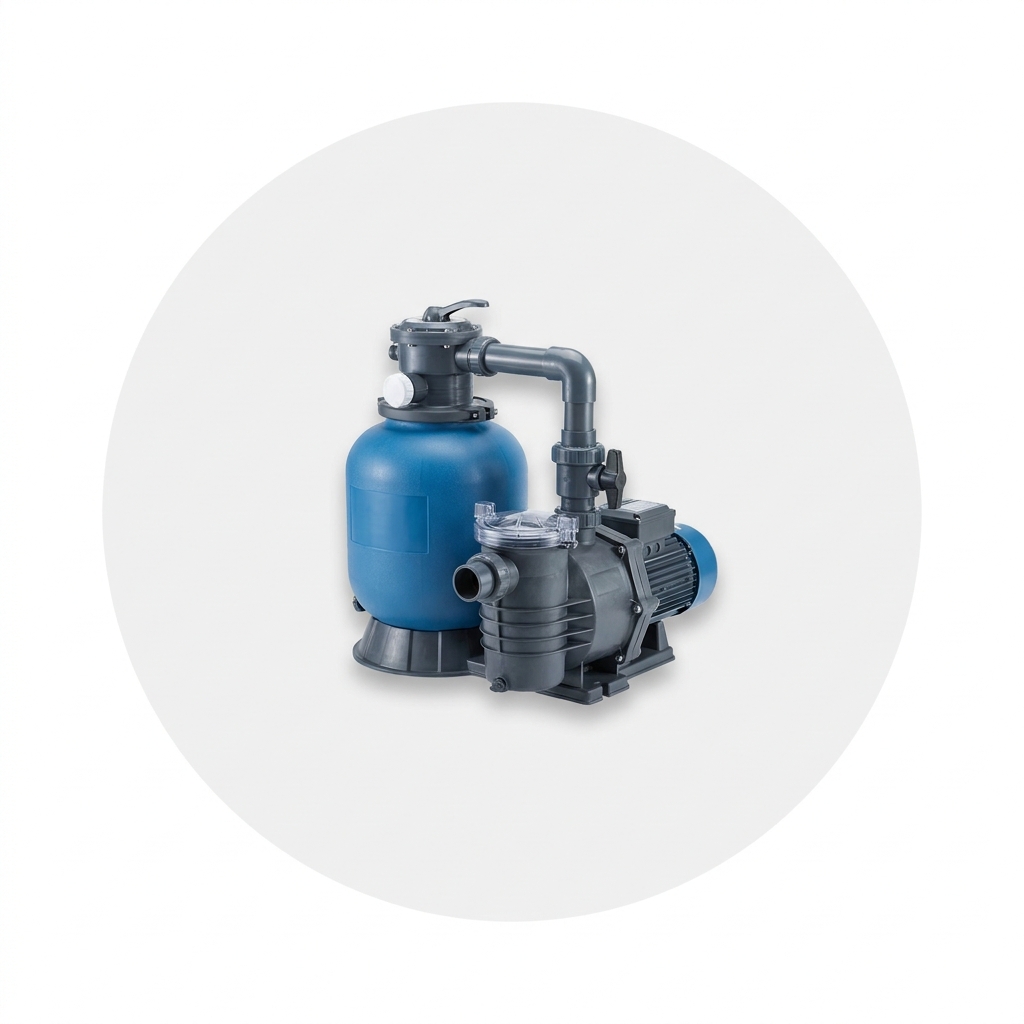
Start with the right pump for your pool's volume and plumbing, plus a maintenance kit with spare O-rings and seals so small leaks never slow you down.