



A backyard pool can be the star of your home, a cool escape on the hottest days of summer. But that oasis comes with a to-do list, and near the top sits one small job: keeping your pool pump primed. When the pump loses its prime, water stops moving the way it should, and your clear pool starts sliding toward green.
If you've ever come back from a trip to a pump that won't catch and water gone cloudy, you know how fast things go sideways. Priming sounds like a job for a pro, but if you can hold a garden hose, you can prime a pump.
It's not only about clear water, either. A primed pump protects your equipment and helps the whole system last. Whether you've owned a pool for years or you're new to all this, learning this one skill saves you time, money, and plenty of headaches. Here's how to keep your pump primed in four simple steps.
Your Action Plan
- Check that the water level sits above the skimmer.
- Take off the pump lid and look inside for dry housing.
- Fill the housing with a garden hose for a solid two minutes.
- Seal the lid, flip the switch, and listen for the gurgle.
- Watch through the lid until the water runs clear, not frothy.
- If it won't catch, check for air leaks and try again.
Prevent Pump Damage
The hardest-working part on your pad
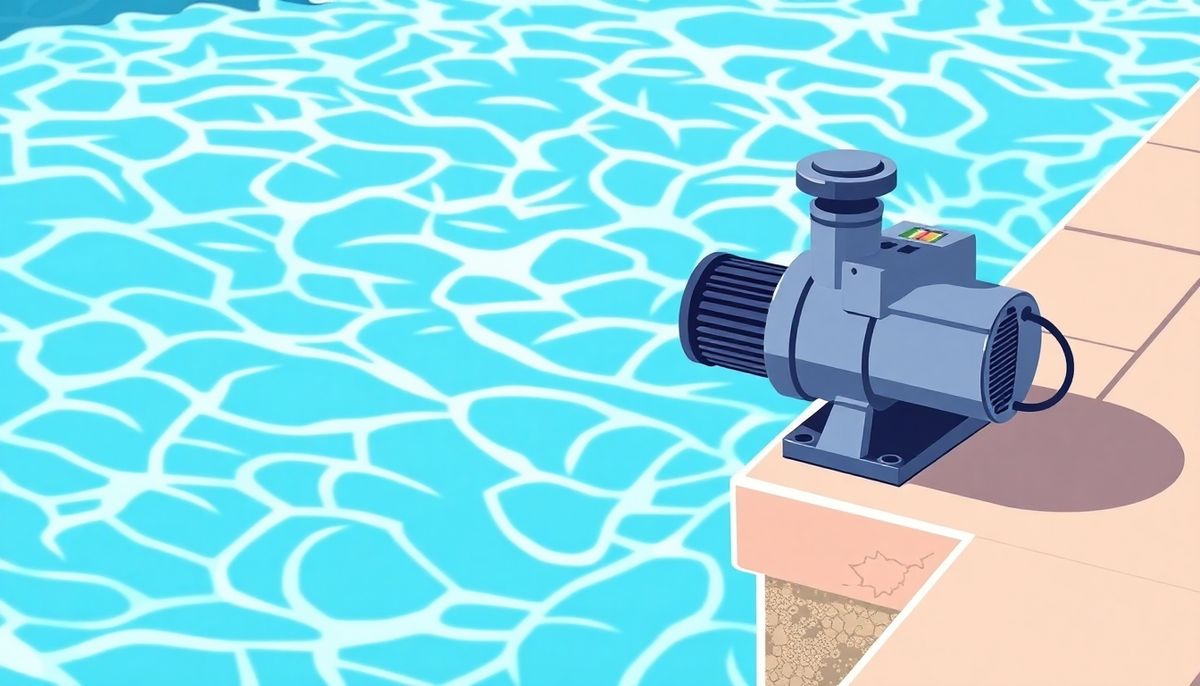
Your pump is the hardest-working piece of equipment on your pad. It's the heart of your pool's circulation. Without it, the water goes still, debris piles up, and algae move in. Ignore the pump and you'll pay for it, in repair bills and in days the pool sits unusable.
A pump that isn't primed is at risk, mostly from overheating. Run it dry and the motor builds friction, which can melt the seals and even warp your PVC pipes. Skip priming when you reopen in spring and you can end up with a bill you never needed.
Knowing what your pump needs is a lot like knowing your car needs oil. Fill the pump with water before you start it, watch for air leaks, and check the seals and fittings now and then. A little care today saves a big mess tomorrow.
Running a pump dry, even for a few minutes, can melt the seals and warp the pipes around it.
Prime Your Pool Pump
Fill the housing the right way
Priming isn't just another chore. It's your defense against costly repairs and downtime. Reopening your pool for the season is a treat, but there's one step that's easy to skip: making sure the pump is primed.
Take off the pump lid and look inside. A dry housing is a clear sign it needs priming. With the drain plugs firmly in place, fill the housing with your garden hose. Don't splash a little in and call it done. Let it run a solid two minutes. Here's why two minutes matters: the water needs time to travel back down the pipes so the pump can build real suction, not just fill the basket.
Put the lid back on, flip the switch, and wait for the gurgle. It might take a moment, so be patient. Soon water fills the housing and you're set. If a stubborn air pocket won't clear, start over. No stress.
Ensure Proper Water Flow
Keep the water moving
Your pump runs best on a smooth, steady stream of water, and keeping that stream going takes more than one fill.
Start with your pool's water level. The skimmer and return jets should be open and clear so water flows freely into the pump. If the level drops too low, the pump can't hold suction and starts to overheat.
Next, check for blockages. Leaves or a clogged skimmer basket choke the flow. Look at these spots often and clear out anything in the way.
It also helps to open the air relief valve on your filter now and then. That lets trapped air escape so water moves cleanly through the system and your pump stays happy.
Prevent Air Blockages
Where air sneaks in
Air blockages quietly wreck pump performance. Air slips in, breaks the steady flow, and the pump can run dry, overheat, and take real damage. The fix is knowing where air gets in and how to keep it out.
Loose fittings are a common culprit. Check your connections often, including the pump lid and union fittings, and make sure they're snug. A quarter turn can make a big difference. Look for cracks or wear in the plumbing too, since those let air in as well.
Keep enough water in the pool. When the level drops, the skimmer starts pulling air instead of water. During heavy use or a hot stretch, watch that it stays above the skimmer intake. And clean the pump basket often, because a clogged basket cuts flow and can lose your prime, which invites more air in.
Let the pool drop below the skimmer and the pump starts gulping air instead of water, which is where most lost primes begin.
Master Pool Pump Care
Give it a regular once-over
Caring for your pump is a lot like caring for your car's engine. It's the quiet workhorse that makes every swim feel fresh, and people tend to ignore it until it breaks.
Check the pump for wear or damage on a schedule. A small crack can shut a pool down in a heatwave, and a routine look catches it early. Keep the area around the pump clear of leaves and debris too, since those block airflow and cause overheating, especially after a windy day.
Keep the water at the right level. Drop below the skimmer and air gets in, the pump runs dry, and it overheats. Finally, pull the lid now and then and check for trapped air. That one habit can stop the whole overheating spiral before it starts.
Prime the Pool Pump
What to listen and look for
A pump has to be primed to bring your pool to life. It's the heart that keeps water circulating, and without water it's just waiting to cause trouble.
Set all your valves so water can flow freely. Take off the lid and look inside. It should be wet, not dry. If it's been sitting idle, it probably needs water, so fill the housing with a garden hose and give it about two minutes.
Put the lid back on and turn the pump on, then listen closely. A rough sputter at first is fine, but you want it to settle into a steady hum, not a dry grinding rattle. Look through the clear lid and wait for the water to change from frothy and bubbly to a solid, clear stream. That's your sign it's primed.
Prevent Equipment Damage
Why a dry pump gets expensive
Priming the right way protects your equipment. The pump is the heart of your circulation, and like any heart, it gets into trouble when you ignore it. No water moving through means friction and heat, and that can trigger a string of expensive repairs.
A pump running dry overheats the motor. The seal inside starts to melt, and that can damage the PVC pipes around it, one problem tumbling into the next like dominoes. Ignore a low water level and you'll hear the pump buzz loudly right before the damage is done.
So always prime properly. Remove any plugs from the skimmers or return jets, check inside the pump, and if it's dry, fill it with a garden hose. That simple move keeps it from running dry and stretches the life of your gear.
Ensure Proper Water Circulation
Chase out the air pockets
Good circulation is about balance and consistency. Without it, you're left with a murky mess nobody wants to swim in. The pump is the heart of the system, and it has to stay in shape to keep your water clear and save you from repairs.
Make sure all your valves and connections are airtight. Even a tiny leak pulls air into the system and messes up the flow. Check that your skimmers and return jets are clear of anything blocking them, since those small openings move a lot of water.
When you pre-fill the pump, be patient. Letting water seep into every part of the system leaves air pockets nowhere to hide. Put the lid back on, turn the pump on, and watch the flow steady out. A well-circulated pool is proof you're staying on top of things.
Ensure Water Circulation

Circulation is the heartbeat of your backyard retreat. Without that steady flow, a pool turns from a refreshing spot into a murky pond. Skip a few days of care and you'll see it fast.
Make sure the skimmers and return jets are clear so water flows freely into the system. Clear out any debris, like leaves or a stray toy that drifted in overnight. Then fill the pump housing with water so it doesn't run dry, which is what leads to overheating.
With the lid back on tight, switch the pump on and listen for the hum. A few gurgles at the start are normal, just the system pushing out air. If you get silence or steady sputtering, work back through the steps and hunt for trapped air. Your pool's rhythm depends on getting these first moves right.
There's a real satisfaction in knowing one small task can save you hundreds and keep your pool in shape. Priming your pump is one of those tasks.
Start with the water level, high enough for the pump to build the suction it needs. Take off the lid and look inside. It should be wet in there. If not, pour water into the housing for a good couple of minutes so it fills the pipes too.
Put the lid back on snug, flip the switch, and listen for that comforting hum as water moves through. If the pump stutters, don't stress. Turn it off, add more water, and try again. This little routine is your pool's lifeline.
Prevent Pump Overheating
Keep it cool
Few tasks matter as much as keeping your pump from overheating. Skip it and you could shut the pool down and land in a costly repair. The pump is the engine of your pool, and it needs a steady flow of water to stay cool. Cut off that flow and friction builds, heat climbs, and parts give out under the strain.
Stay watchful. Check water levels often, especially in the hot months when evaporation quietly steals the water. A quick look at the skimmer and return jets keeps water flowing and the pump from running dry. Don't forget the seals, which keep air out and water where it belongs. When they wear, air sneaks in and throws the pump off. A simple weekly check and cleaning heads off most of the trouble before it starts.
Inspect for Air-Leaks
Play detective before you prime
Before you even think about priming, take a minute to check for air leaks. They love to hide out of sight until they throw off your pool's circulation.
Start with the pump lid. A loose lid lets air right into the system, so make sure it's on tight and the O-ring is in good shape and lubricated. Use a Teflon-based pool lube on that O-ring, not Vaseline or petroleum jelly, which breaks down the rubber over time. A dry or cracked O-ring only causes trouble, so replace it if you need to.
Next, the plumbing connections. Vibration loosens these joints over time. Snug them gently with a wrench, but be careful, since overtightening does more harm than good.
Still suspect a leak? Brush a little soapy water around the spots you're worried about and watch for bubbles. Bubbles mean air is escaping, and now you know exactly where to fix it.
Grease your pump O-ring with Teflon-based pool lube, never Vaseline, which slowly eats the rubber and creates the very leaks you're trying to stop.
Avoid Costly Repairs
Your pump works constantly to keep water moving, clean, and ready for those sun-soaked afternoons. It's easy to forget how much priming matters when everything seems to be humming along.
Ignore a strange grinding noise and a pump can shut down completely, turning your backyard into a stagnant pond. A simple priming often would have prevented the repair. Priming just means filling the pump with water to clear out air pockets, which stops needless friction and overheating.
When air gets into the system, it throws off how the pump works and can melt seals and warp pipes. Starting a dry pump is like running a car engine with no oil: damaging, and completely avoidable. Check your water levels regularly and keep the pump primed, and you'll steer clear of these expensive surprises.
Prime the Pump Properly
Bringing the pump back after winter
After a long winter, your pool's been sitting idle and the pump is waiting for its yearly revival. Priming it is your first move.
Remove all the return jet and skimmer plugs so water can flow freely into the pump. Open the lid and look inside. If it's dry, run the garden hose into the housing for about two minutes. That pre-fill draws water into the connecting pipes and sets up the suction the pump needs.
Put the lid back on tight and switch the pump on. Some gurgling or sputtering at first is just the pump working air out of the system. Watch for the housing to fill all the way, which tells you it's primed.
If it won't prime on the first try, turn it off, add more water, and repeat. If it keeps giving you trouble, look for a blockage or a crack. When troubleshooting doesn't fix it, call a pro before you make things worse.
Prevent Overheating Mishaps
To keep the pump humming without a hitch, head off overheating. An overheated pump means expensive repairs and time away from the water. The heat comes from the pump's need for constant flow. Cut it off and friction cooks the motor, melting seals and damaging nearby PVC pipes.
If you've ever left a pool idle for months and then flipped the switch without checking the pump, you know how fast a motor can start smoking. A costly replacement usually follows.
Before you start it, clear the air pockets out of your plumbing. If the housing is dry, pre-fill it with a garden hose to keep the internal parts from hitting dangerous temperatures. Watch your water level too, since a sudden drop can leave the pump dry all over again. It's a small step that pays off big.
Maintain Water Circulation
One more trick for a stubborn prime
Water circulation quietly keeps everything running well. Let it slip and the pump struggles, algae take over, and a summer oasis turns into a green swamp.
Start by checking your pool's water level is where it should be. A sudden drop lets air into the system and throws off circulation. Keep an eye on the skimmer basket too, a common spot for blockages that slow the water and make the pump work overtime.
When you're starting a fresh season or wrapping up a big maintenance job, fill the pump housing with water. Let the hose run a couple of minutes straight into the housing so the pump can build suction.
Here's another trick: run water right into the skimmer to knock loose any air bubbles hiding in the lines. And watch for leaks if priming keeps failing, since even a tiny crack turns into a big headache.
Priming your pump is a lot like keeping oil in your car's engine. Skip it, and a minor hiccup can grow into a full-blown mess. Never underestimate the power of that one step.
First, get to know your setup. The pump is the heart of your pool, and water has to flow freely through it. Remove all the skimmer and return jet plugs, which act like bottlenecks keeping water from reaching the pump. Next, take off the lid for a quick look. Dry as a desert means it badly needs water.
With a garden hose in hand, fill the housing, letting it run a solid two minutes so water reaches the connected pipes and builds suction. Put the lid back on tight, switch on the pump, and listen for the telltale gurgles that mean water is moving through. Once the housing brims with water, you've primed your pump and you're ready for a clear pool.
Keeping your pump undamaged gives your pool a healthy heartbeat. The pump is the engine that keeps everything running, yet plenty of owners overlook how important it is to protect it. One small slip, like running the pump dry, quickly turns into costly repairs or a full replacement. A dry pump overheats, melting seals and damaging PVC pipes, and that leads to an early breakdown.
Seasonal changes can let air into the system, especially when you winterize your pool. You have to push that air out by priming properly when you reopen in spring. This isn't just routine. It's a key step in protecting your investment, and skipping it leaves the pump open to overheating and failure.
Check your water level regularly and keep the pump primed, and you'll stop air pockets from forming and blocking flow. The process is simple, but it takes attention to detail. A well-primed pump means cleaner water, longer-lasting equipment, and summer days that aren't interrupted by surprise repairs.
Conclusion
Now that your pump is humming and the water is moving, you're ready to actually enjoy your pool.
Want to get better at the rest of pool care? Our free Pool School course covers everything from basic upkeep to tricky troubleshooting. You'll learn how to:
- Save thousands on pool repairs and chemicals
- Keep your water crystal clear year-round
- Prevent and solve common pool problems
- Handle water chemistry with confidence
Join over 10,000 pool owners who have already changed how they care for their pool. Get started with our free Pool School course today!
What you need
Grab a garden hose, a fresh O-ring with Teflon-based pool lube, and a clean skimmer basket so your next prime goes off without a fight.