



Summer heat sends everyone toward the pool. But a good swim loses its shine fast when the pump quits on you. I still remember one hot afternoon with friends when the water had gone still and cloudy because my pump had failed, and the whole party ended up moving indoors.
Sorting out pool pump problems can feel like a maze, but it doesn't have to be. Most issues you can track down with a little patience and the right guidance. Odd noises, sudden shutdowns, weak flow—each symptom tells you something about what's going wrong under the surface.
This guide walks you through the most common pump troubles and how to fix them. Whether you've owned a pool for years or you're brand new to all of this, these steps aim to get your pump running again so your pool stays the easy pleasure it's meant to be.
Your Action Plan
- Turn off the power at the breaker before you touch the pump.
- Clean the pump basket, skimmer, and impeller.
- Check the seals and o-rings, and find hidden air leaks with shaving cream.
- Listen to the motor to figure out what a noise means.
- Replace worn seals or bearings, or call a pro when it's over your head.
- Keep the water level up and the filter clean to stop repeats.
Identify Pump-Priming Issues
Why your pump loses prime
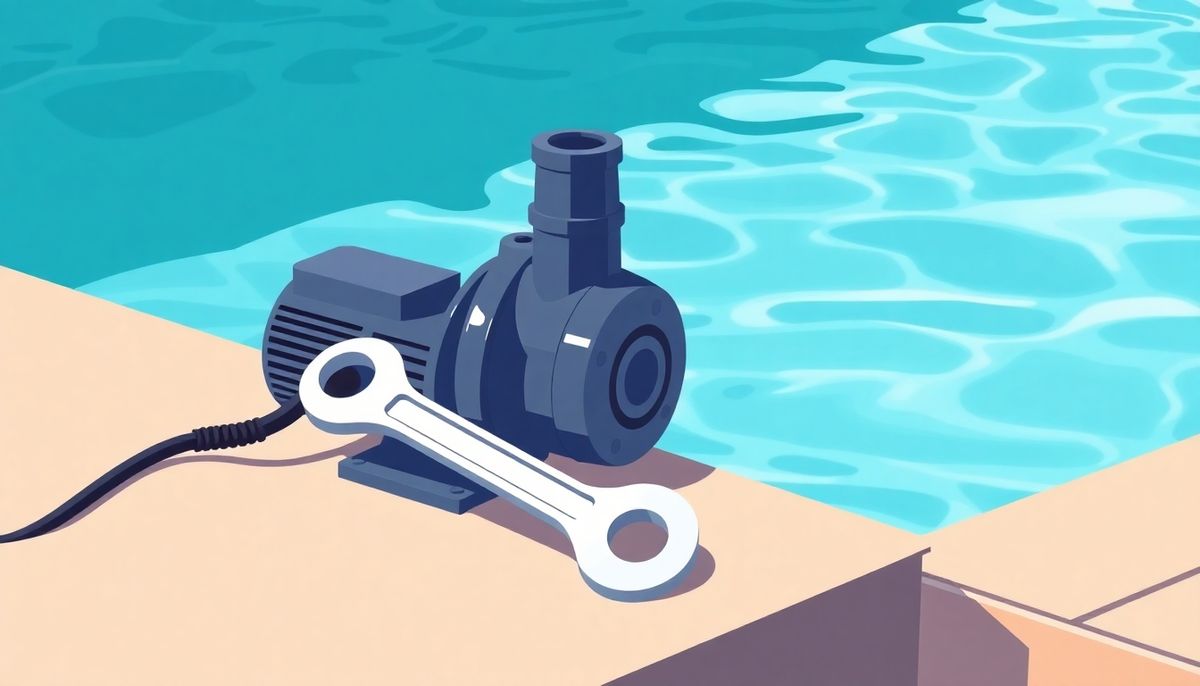
When a pump can't hold its prime, it's struggling to pull water because air got into the suction side or the flow got blocked. Before you touch anything, turn off the power at the breaker. Water and electricity are a bad mix, and this one step keeps you safe for every fix in this guide.
Start at the pump basket and skimmer. Scoop out leaves and dirt, since a clogged basket alone can starve the pump. Then look over the seals and o-rings—the rubber rings that seal each joint—and swap out any that are cracked or brittle. If the pump still won't hold prime, you may have a worn impeller (the spinning part that moves water) or a bigger air leak to chase down.
Troubleshoot Common Suction Interruptions
Clearing a clogged impeller
Lost suction usually comes down to a blockage or an air leak. With the power off, unscrew the pump housing and pull out the impeller. Debris loves to lodge in there and jam the works. Clear it, put it back together, and test.
Next, empty the pump basket, since an overflowing one chokes the flow. Then check the lid and o-rings, and smear a little pool lubricant on them for a tighter seal. If none of that helps, the problem may be deeper, and a pro can pin it down quickly.
Whenever you open the pump, cut the power at the breaker first—every time, no exceptions.
Identify and Seal Leaks
Hunting down air leaks
When the pump won't stay primed and you spot tiny bubbles in the pool, air is sneaking in somewhere on the suction side. Start at the pump housing, the pipe joints, and the o-rings—the usual suspects. A brittle seal or a hairline crack is all it takes.
Here's the one trick worth knowing for leaks you can't see: smear a layer of shaving cream over the joints and seals while the pump runs. Where air is getting sucked in, the cream dimples and shows you the exact spot. Once you find it, swap the worn seal for a new one, or run thread sealant on threaded joints. Fix it fast and your pump runs smoother and lasts longer.
Address Motor and Noise Issues
Reading your pump's noises
A healthy pump gives off a steady hum. When that turns into a racket, the sound tells you a lot.
A rattle often means debris is loose in the plumbing, so a cleanout may quiet it down. A high-pitched screech usually means the bearings are worn—those are the small metal rings that let the motor shaft spin smoothly. Replacing them is a job for a pro, but a gentle tap with a rubber mallet can sometimes free a stuck motor long enough to limp through the weekend. Go easy; you're nudging it, not beating it.
A steady buzz means power is reaching the motor but it won't turn. Suspect a failed capacitor—the part that gives the motor the jolt it needs to start spinning—or an impeller jammed with debris.
Seal Leaks with Precision
When it's the shaft seal
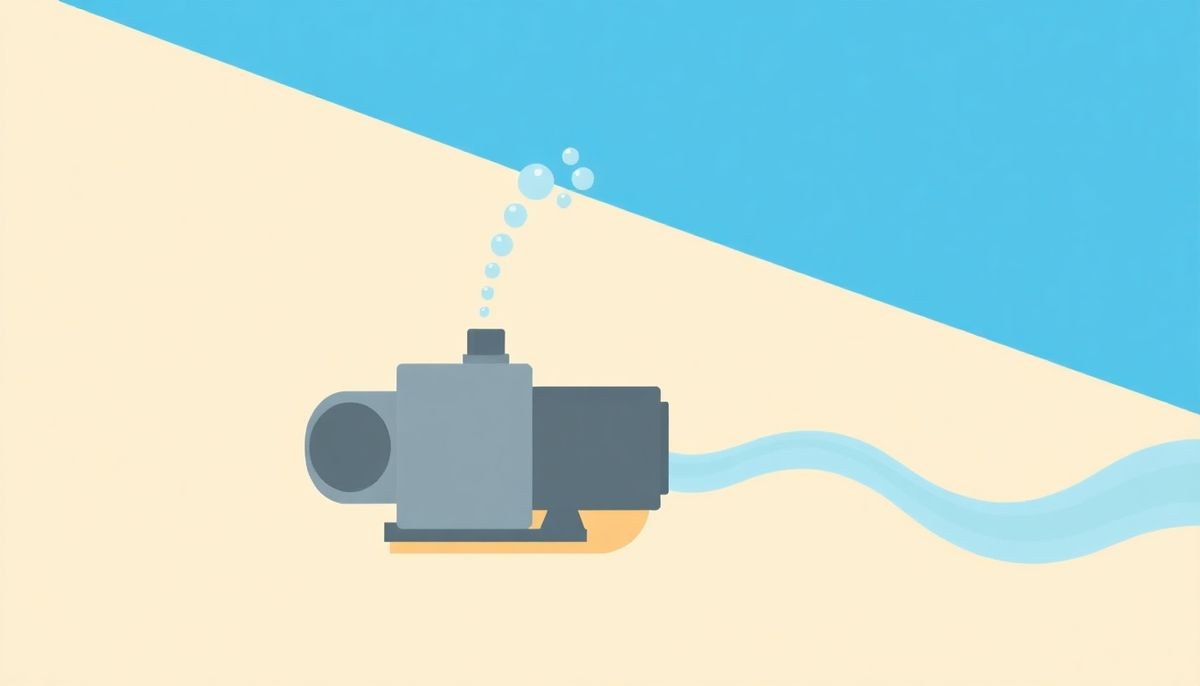
A puddle under the pump usually traces back to the o-rings or the shaft seal, the seal that keeps water from creeping along the spinning motor shaft. These parts take a beating from pool chemicals and weather, so they harden and shrink over time.
With the power off, open the pump and look closely at each seal. If you find a cracked shaft seal, a cheap replacement from any pool store fixes it. Coat new o-rings with silicone lubricant so they seat well and last. If the leak keeps coming back even after that, it's worth a call to a pro.
Diagnose Pool Pump Issues
Matching the symptom to the cause
When you're not sure where to start, let the symptom point you. A pump that can't draw water points to lost suction from a blocked line or clogged filter. One pulling in more air than water points to a leak. Loud noises point to the motor. And low pressure that won't budge after cleaning points to an aging impeller.
Work from the easy checks to the hard ones and you'll usually land on the cause without tearing the whole system apart.
Let the symptom lead—suction trouble, air leaks, and motor noise each leave their own clear clue.
Replace Faulty Seals
Keeping pressure where it belongs
Good circulation depends on the pump holding pressure, and worn seals quietly bleed that away. As the shaft seal wears from friction and chemicals, the pump loses efficiency and starts to weep water at the base.
Replacement seals are cheap and easy to find. Shut off the power, open the housing, and inspect the o-rings and shaft seal for brittleness. Lube the new o-rings, reassemble, restore power, and watch for drips. It's a manageable afternoon job that saves you bigger repairs down the road.
Enhance Pump Efficiency
Simple habits that boost efficiency
A few habits keep your pump from working harder than it needs to. Clean the pump basket and skimmer often; when they clog, the pump strains and can overheat.
Watch your water level, too. If it drops below about halfway up the skimmer opening, the pump starts pulling in air and loses prime. Keep it topped up.
If your pump is an older single-speed model that runs full blast all the time, think about switching to a variable-speed pump. It adjusts its flow to what the pool actually needs, which cuts your energy bill and eases the strain on the motor.
A variable-speed pump matches its flow to the pool's needs, trimming energy costs and stretching the motor's life.
Clear Blockages for Better Flow
Clearing blocked pathways
Water has to move freely, so clear every choke point. Start at the impeller with the power off: open the housing and pull out any leaves or twigs wound around it.
Then rinse the skimmer and pump baskets, which catch the bulk of the debris. Empty them often so they don't restrict the flow. Finally, check the plumbing lines for cracks and loose fittings. A gurgling sound often means air is trapped in the line, which is your cue to tighten the connections on the suction side.
Troubleshoot Pool Pump Issues
When noise means call a pro
Some noises you can chase yourself, and some are a signal to stop. A rattle from a blocked line or a loose bit of debris is fair game for a cleanout. A screech from worn bearings, though, means it's time to bring in a pro rather than force the motor apart.
If the pressure gauge stays low even after you've cleared every basket and line, the impeller is likely worn and due for replacement. Recurring trouble like that is the pump telling you it's near the end of its useful life.
Seal Leaks for Longevity
A little upkeep prevents big leaks
Even a small drip around the pump is worth chasing before it grows. Check the o-rings and the impeller housing, since they sit under constant pressure and wear first. A generous coat of silicone lubricant on the o-rings both improves the seal and buys them a longer life.
Don't shrug off minor drips. Handling them early keeps a cheap seal from turning into a full pump replacement, and it keeps the pump running at full efficiency all season.
Improve Water-Flow Efficiency
Start with the filter
Clean water comes down to steady flow, and a dirty filter is the most common thing slowing it down. Rinse or replace your filter on a regular schedule to keep the path open.
Next, check the impeller for leaves, twigs, or pebbles that restrict its spin. Taking off the housing to clean it sounds daunting, but it's a straightforward job. And if you suspect air is getting in, brush soapy water over the fittings; bubbles will form right at any leak.
Address Motor Noise Problems

Buzzing, humming, and rust
A buzzing or humming pump that won't turn is almost always an electrical issue—power is arriving, but the motor can't spin. A failed capacitor is the usual reason, and in humid, wet climates, rust building up on the shaft can seize things too. A visual once-over often reveals corrosion or a jammed impeller.
If the motor sits silent with power connected, or if it keeps tripping the breaker, stop and get help. Electrical faults inside a motor aren't a place to guess.
If a motor trips the breaker or sits silent with power connected, stop troubleshooting and call a pro.
Troubleshoot Common Pool-Pump Issues
A quick run-through of common causes
When the pump sputters, run through the short list. Weak suction usually means it needs priming or a basket cleaned. A leak usually means a worn seal. Loud noises point to the motor. Low pressure points to a clog or a tired impeller.
Most of these are quick fixes once you know which one you're dealing with. And when a fix keeps slipping away from you, a pro's touch is money well spent.
Fix Leaks with Replacement Parts
Finding the right replacement parts
Once you've traced a leak to a failed seal, the repair is usually cheap. O-rings and shaft seals keep water where it belongs, and most pool supply stores stock plenty of them. Bring the old part in if you can, and the staff can match it.
Swapping them is often just a matter of loosening a few bolts and setting the new seal in place. Coat every new o-ring with pool-safe lubricant so it seats snugly and lasts. If the mechanics feel over your head, a pro handles it quickly.
Check every choke point
Sluggish, cloudy water is often just a flow problem. Work through the choke points in order: skimmer basket, pump strainer, then filter. Leaves, twigs, and stray toys block the baskets, while a grimy filter drags down efficiency and overworks the motor.
If the water's still slow, open the pump and check the impeller for hair or dirt wrapped tight around it. Clear it out, put it back together, and you should feel the flow pick right back up.
Replace Worn-Out Parts
Knowing which parts wear out
When a pump acts up for no obvious reason, a worn-out part is often the quiet cause. Seals go first, breaking down from constant contact with water and chemicals; replace them promptly to stop leaks and lost efficiency.
Bearings are next, and that screech is your warning. Replacing them gets technical, so lean on a pro if you're unsure. And keep the impeller clean, since trapped debris grinds it down over time. A little upkeep now saves a big repair bill later.
Troubleshoot Pump Suction Issues
One last suction checklist
If suction drops and the pool starts to look more like a pond, go back to basics. With the power off, open the housing and clear the impeller—a single leaf is often all it takes. Then check the seals and o-rings for wear and replace anything cracked so air can't sneak in.
Still weak? Look for clogs in the skimmer and pump baskets. And if the pump keeps struggling after all that, the impeller may be worn or the motor may need a pro's attention.
Conclusion
You've now got a real toolkit for the most common pump problems, from lost prime to worn bearings. Take them one at a time, keep the power off while you work, and you'll spend more of your summer in the water than standing beside it.
Want to get even more confident with your pool? Our free Pool School course walks you through everything, from routine care to trickier repairs. You'll learn how to:
- Save thousands on pool repairs and chemicals
- Keep your water clear year-round
- Prevent and solve common pool problems
- Handle water chemistry with confidence
More than 10,000 pool owners have already changed how they care for their pools. Get started with our free Pool School course today!
What you need
Grab replacement o-rings and shaft seals, silicone pool lubricant, and a fresh filter cartridge so you're ready to fix leaks and restore flow the moment you spot trouble.