



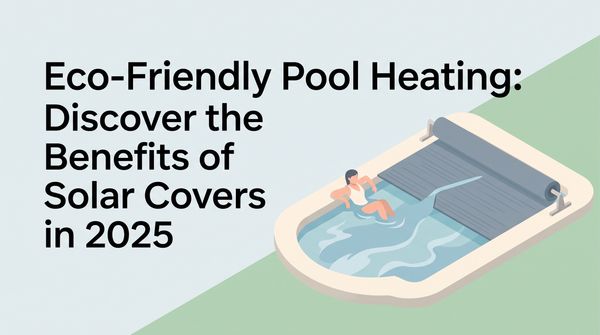
Your backyard pool sits in the sun, waiting — a great spot to relax and cool off. But as energy costs climb and more of us think about water waste, keeping the water warm without a scary bill can feel like a chore. That's where solar pool covers come in. They give you a cheap, low-effort way to hold heat and save water. In 2026, better materials and smarter designs have made these covers something most pool owners want.
A neighbor of mine wouldn't stop talking about her new solar cover last summer. It kept her pool warm well into the evening and cut way down on evaporation, so she wasn't topping up the water every few days. Stories like that are why more people are making the switch.
They look simple, but today's best covers pack in some clever engineering. From sun-proof plastics to thermal bubble designs, they pull in the sun's warmth with surprising efficiency. This year there are options built for different climates and pool sizes, so there's a good fit whether you've got a small lap pool or a big backyard lagoon.
Your Action Plan
- Figure out your climate and how you actually use the pool.
- Pick a cover type — blanket, rings, or liquid.
- Choose the thickness (12 to 16 mil) or color that matches your goal.
- Keep the cover on during sunny hours and overnight to trap heat.
- Add a reel or storage cover so it lasts longer.
Optimize Pool Heating

What a solar cover actually does
A solar cover can change how you use your pool. Sunny days stretch longer because the water stays warm after sundown, so you can swim at night without running a heater. The idea is simple: the cover captures the sun's energy and moves it straight into the water. It also slows evaporation — under good conditions a blanket can cut water loss by up to 95%. Fewer top-ups means fewer chemicals and less money spent.
Clear covers let the most sunlight through to heat the water, while darker ones are better at trapping heat in. So a cover isn't just about warm water. It's about saving energy, water, and money — an easy call whether you want a cozy midnight swim or a smaller utility bill.
Cover your pool and you can cut water loss by up to 95%, which means fewer refills and fewer chemicals to buy.
Choose the Right Solar Cover
Match the cover to your climate
Picking the right cover is about matching what it does to what you need, not looks. If your area gets plenty of sun but the nights turn cold, a clear blanket is often the best bet — it soaks up heat all day and holds it after dark.
If hauling a bulky cover on and off sounds like a pain, liquid covers work around the clock with no daily handling. Want something in between? Solar rings are easy to move and store, though they won't cover the whole surface.
Finally, think about thickness. A mil is just a measure of how thick the plastic is — one mil is about the thickness of a sheet of paper, so a 12-to-16-mil blanket is roughly as tough as a heavy-duty tarp. That range hits the sweet spot for holding heat and lasting a few seasons.
Maximize Heat Retention Strategies
Get the most heat from your cover
Where and when you use the cover makes a big difference. Cover the pool during sunny hours to catch the rays, and keep it on overnight to hold that heat in. If your nights get cool, adding a liquid cover on top gives you another layer against evaporation, which is a hidden drain on your wallet.
Solar rings shine for quick warm-ups in peak summer. They're ready when you need them and simple to store when you don't — a good choice if a full cover feels like too much work. Put these habits together and you'll save energy, water, and money while keeping your swims comfortable.
The single best habit is simple — keep the cover on overnight so the day's warmth doesn't slip into the cool air.
Implement Cost-Saving Techniques
Where the savings add up
A solar cover works like a natural heater, using the sun to raise water temperature so you lean less on electricity or gas. That warmth also stretches your swimming season without paying to heat the water artificially.
Covers also fight evaporation, an overlooked source of water loss. Less water lost means fewer chemicals to balance and less money out of pocket — good for your wallet and for a resource that's getting scarcer. Pay a little upfront for a good cover and the savings quickly make it worth it.
Reduce Evaporation Costs

Every splash out of your pool has a hidden cost. Evaporation quietly steals water, chemicals, and heat, driving up your upkeep. A solar cover earns its keep by trapping the sun's energy and keeping heat where it belongs. Less water evaporates, so you refill less and spend less.
Solar rings float like little islands and cut evaporation nicely while adding some charm. Liquid covers lay down an invisible layer that's surprisingly effective, with nothing to haul off or store. Either way, you're building a setup that pays you back with lower bills and less wasted water.
Utilize Solar Pool Covers
Before you spend big on an electric or gas heater, look at the cheaper, greener option. A solar blanket can raise water temperature by up to 15 degrees while sharply cutting evaporation — a big help if you want to shrink both your footprint and your bills.
If you'd rather skip the effort, solar rings are easy to put on and pull off for everyday use. Liquid covers add a nearly invisible layer that holds warmth with almost no work. Each mixes convenience and efficiency in its own way, so your pool stays warm without draining your budget.
Implement Liquid Solar Covers
How liquid covers work
Liquid covers come as a bottle or packet you pour into the pool. They form an invisible layer on the surface that slows evaporation and keeps the water warmer, with nothing you can see or touch. It's a little surprising that something you can't even see can hold heat in, but it does — especially if you'd rather not wrestle with a bulky blanket.
A friend in Arizona swears by them. With scorching days that cool off fast at night, she found regular covers too much trouble, and the liquid version gave her warmer water without the hassle. Each bottle or packet is easy to use — just follow the directions and you're set.
Worried about safety or how it plays with your filter? Don't be. These products are non-toxic, work with your existing system, and are safe for pets and swimmers, with no residue or irritation. They won't keep debris out, but for heat and simplicity they're worth a look.
Opt for Solar Rings
The case for solar rings
Solar rings are small discs that float on the water. They're not just decorative — each one acts like a mini solar panel, catching the sun's warmth and passing it straight to the water. You inflate them, toss them in, and let the sun do the work. Many have magnets around the edge so they cling together and cut heat loss through the small gaps. They can stop around half your evaporation, which trims chemical and heating costs.
There's a safety angle too. If a child or pet falls in, a solid blanket can trap them, but rings break apart on impact so getting back to the surface is quick. You get warmer water and a little peace of mind. If you want something easy and effective, solar rings could be your pool's new best friend.
Choose the Right Cover
With blankets, rings, and liquid forms to choose from, the right pick comes down to warmth, cost, and how much maintenance you want. A blanket between 12 and 16 mil balances durability with solid heat retention. Rings are the flexible option — easy to handle, quick to lay out, though they don't cover every inch. Liquid covers just get poured in and go to work invisibly.
Each type has its strengths. Knowing your own needs and how you actually use the pool will point you to the right one, and the payoff is a pool that's both more fun and more sustainable.
Consider Solar Options
A solar cover is a smart buy that goes beyond comfortable water. A clear, lightweight blanket can raise the temperature by up to 15 degrees while cutting water and chemical evaporation, so you refill and treat the pool less often. The upfront cost is modest, and the savings on energy and upkeep add up over time.
Prefer less fuss? Rings soak up the sun and pull off easily when it's time to swim. Liquid covers hold heat with no physical cover at all. Whichever you choose, it's a small change with a big payoff — a warm swim without the steep energy costs.
Maximize Heat Retention
Keeping heat once the sun sets
Once the sun fades, holding onto the heat you already have is the whole game. A cover catches the sun's energy through the day and keeps it from escaping into cooler night air. Just covering the pool overnight and during long stretches when nobody's swimming can cut water loss and drop your energy costs, since your heater works less.
Thickness matters here — a 12-to-16-mil rating gives better durability and heat absorption. Color plays a part too: clear covers let more sunlight in to warm the water, while darker ones hold that heat longer.
A solar cover is one of the few pool upgrades that keeps paying you back in lower heating and water bills every month.
Explore Cover Accessories
Accessories worth having
The little extras keep your cover working and lasting longer. Start with a solar cover reel. Anyone who's wrestled a wet cover knows the struggle — a sturdy reel lets you roll it up and store it neatly, which really helps on larger pools.
Next is a storage cover for the reel, basically a weather-resistant jacket that shields the rolled-up cover from sun and rain so it doesn't break down. If you don't have indoor storage, this one's a lifesaver. Last, a roller stand with wheels lets you move the cover out of the way for guests or maintenance. Small buys, but they save you plenty of hassle season after season.
Discover Solar Cover Benefits
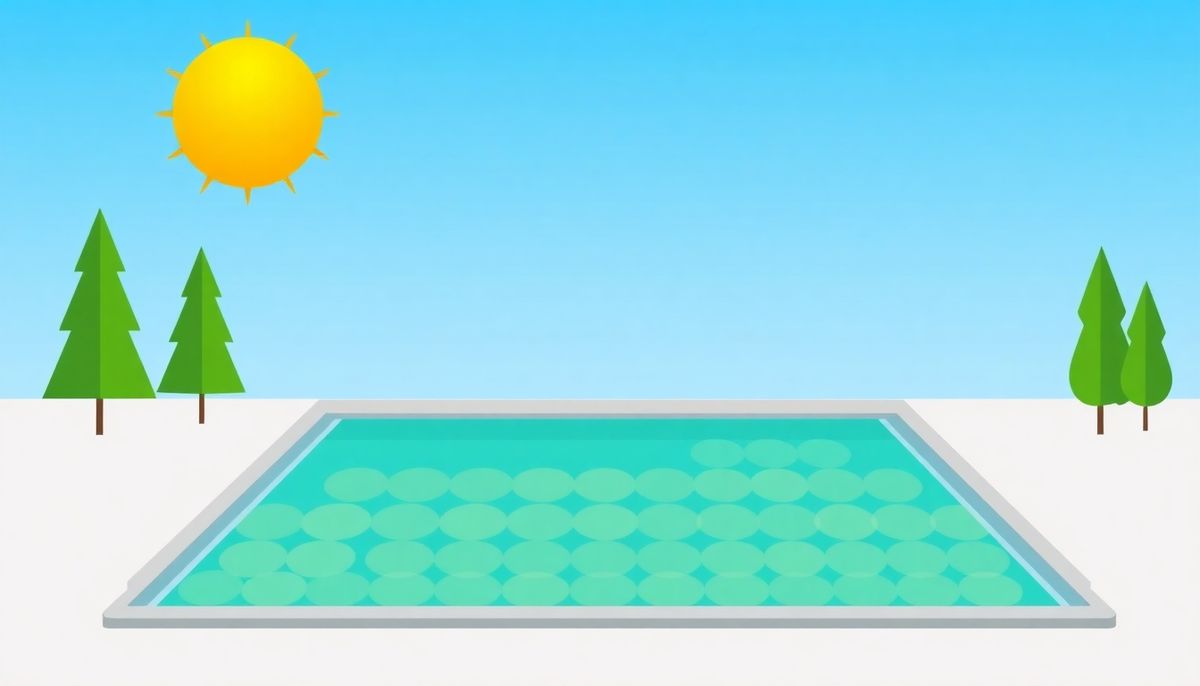
Water evaporates fast in heat and wind. A solar cover slows that loss dramatically, so you refill less often and your pool temperature stays steadier. Fewer refills also means fewer chemicals, since those need constant topping up when water disappears. Less water lost, fewer chemicals, more money in your pocket.
There's a fit for every pool, from sturdy blankets to newer liquid covers. So while you soak up the sun, your pool stays warm and easy on resources — a sustainable swim season with no chilly morning surprises.
Think of a solar blanket as your pool's cozy duvet. The bubbles on the underside act as insulators, catching solar energy during the day and passing it right to the water, then holding that warmth as the night chill tries to steal it. Less energy wasted, more time enjoying the water.
If you want less fuss, rings are a flexible, good-looking option that still cut evaporation and help hold the temperature. And a liquid cover works invisibly, forming a barrier on the surface to slow heat loss — a set-it-and-forget-it choice. Whatever you pick, these covers make a real difference in how well your pool holds heat.
Reduce Pool Water Evaporation
Pool water can seem to vanish overnight, especially after a windy evening. A cover acts like a shield, cutting the water you lose to the air and keeping your chemistry balanced — which saves on both water and chemicals.
Blankets can look clumsy but work well; just lay them bubble-side down. Rings skip the manual work and still cut evaporation a lot, and they're easy to toss on and off. Liquid covers are the quiet standouts, forming a thin barrier with no physical cover to deal with. Whichever you go with, tackling evaporation is a simple but powerful step toward a warmer, more efficient pool.
Comparing the three types
Solar blankets are the most common. They float on the surface, can raise water temperature by up to 15 degrees, and cut evaporation sharply. Rings are the convenient pick — no reel needed, less bulk, and they trap heat well even if they don't cover every square inch. They're handy for oddly shaped pools, and some come in decorative patterns.
If you'd rather be hands-off, a liquid cover creates an invisible layer that curbs evaporation with nothing to move around. It won't pull in sunlight the way a blanket or rings do, but it keeps heat from escaping overnight. With any type, the goal is to balance cost, convenience, and how much warmth your swimming life calls for.
Increase Energy Efficiency

When the sun drops below the horizon, your pool can turn cold fast — and a solar cover is the cheap fix. It soaks up sunlight during the day and holds that warmth in the water when temperatures fall, so you rely far less on electric or gas heaters and see real savings over time.
Sealing the surface also cuts evaporation, a sneaky source of energy loss. That reduction can save 50 to 70% of the energy you'd normally spend keeping the pool warm. You save on heating and conserve water at the same time, which makes a cover an easy, eco-friendly choice.
Implement Solar-Powered Solutions
Setting it up
Getting started is simple. Choose your type — a blanket for full coverage and heat retention, rings for flexibility on oddly shaped pools, or liquid for quiet, invisible protection. Then spread the blanket bubble-side down, let the rings float, or just pour in the liquid.
The payoff goes past warmth. Less evaporation means fewer top-ups, so your water bill drops too. Once you're soaking in sun-warmed water, you'll wonder why you waited.
Optimize Pool Cover Usage
Habits that make it last
Timing is everything. Keep the cover on during peak sunlight to soak up energy, and leave it on overnight so heat and water don't slip away. Match the cover to your climate: if you live somewhere windy, secure the edges, since wind speeds up evaporation and undoes the cover's work.
Fit matters too. Trim the cover to your pool's shape so it reaches the corners without extra material dragging in the water, which causes wear. If a lot of debris blows in, a compatible reel lets you take the cover off and put it back fast. Uncover the pool while you swim to let sunlight help disinfect the water, then re-cover to hold the warmth and protect your chemicals. Line up these habits and your cover will last longer and work harder.
Conclusion

Ready to get more out of your pool without the high heating bills? A solar cover is one of the easiest upgrades you can make — so start today.
Want to become a pool care pro? Our free Pool School course covers everything from basic maintenance to tricky troubleshooting. You'll learn how to:
- Save thousands on pool repairs and chemicals
- Keep your water crystal clear year-round
- Prevent and solve common pool problems
- Master water chemistry with confidence
Join over 10,000 pool owners who have already transformed their pool care routine. Get started with our free Pool School course today!
What you need
Grab a solar cover that fits your pool — a 12-to-16-mil blanket, a set of solar rings, or a liquid cover — plus a reel to store it neatly and make it last.