



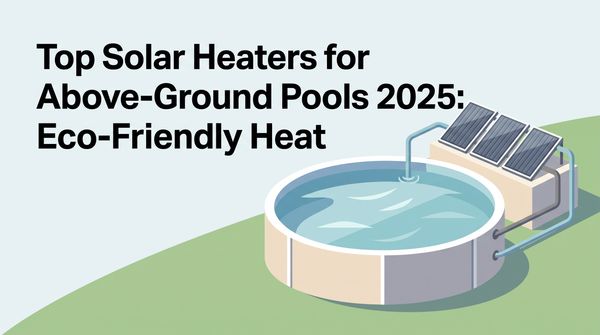
Sunny days make you want to jump straight into the pool, but a cold shock ruins that fast. A good solar heater turns a chilly plunge into a warm, welcoming swim. It stretches your season, and it's kinder to the planet since it runs on free sunshine instead of gas or electricity. Heading into 2026, there are plenty of efficient, low-cost options.
Picking the right one takes thought. Weigh your pool's size, your local weather, and your energy goals. Some folks want something cheap and simple. Others prefer systems that tie into their existing pool gear. I once had a pool that never hit the right temperature, so I know how much a solid heater matters. This guide walks through the best solar heaters you can get in 2026.
Your Action Plan
- Check your climate and how much sun your yard actually gets.
- Measure your pool and match it to the right number of panels.
- Pick a heater that fits your space and your budget.
- Mount the panels in full sun, angled toward the midday sun, near your pump.
- Add a solar cover to hold heat overnight.
- Rinse the panels and check for leaks on a regular schedule.
Discover Top Solar Heaters
Three heaters worth your time
Choosing a solar heater gets easier once you match it to how you swim. The SunHeater S220 is the flexible pick. Its modular design lets you link several panels together to size the system to your pool. On sunny days it gives the water a real boost and pushes your season into the cooler months.
Short on space? The SolarPRO Curve is a clever fix. Its curved shape saves room while soaking up sun all day. I watched it nudge the water up a few degrees over several days at a friend's poolside. It's solid for smaller pools with tight surroundings.
If money's the main worry, the Goplus Solar Dome is compact and effective. The light, dome shape is easy to set up and link together, and you can tilt the domes for the best sun. It's great for anyone who likes a hands-on approach.
Choose the Right Solar Heater
Start with your climate and pool size
Choosing a heater means more than grabbing the most popular model. Every pool has its quirks, shaped by size, its spot in the yard, and the local weather. Sort those out and heating stops being guesswork.
Start with climate. In sunny regions, a solar heater warms the water naturally and stretches your season. If you don't get many sunny days, plan to pair it with a gas or electric backup.
A solar heater only shines where the sun does, so match it to your climate first and add a backup heater if your skies are often gray.
Your pool's size decides how many panels you need. Bigger pools call for more panels or a higher-capacity system. Smaller pools do fine with a compact option like the Goplus Solar Dome. Installation matters too. The SunHeater S220 ties right into your existing filter, while dome heaters tuck neatly beside a pool when space is tight.
Maximize Solar Heating Efficiency
Get more heat from the same sun
A few habits can boost your heater's efficiency. Placement comes first. Aim the panels toward the midday sun and keep them out of shade. That small tweak noticeably improves how well they heat.
Next, add a solar cover. It traps heat and cuts evaporation, so your heater works less to hold the same temperature. I tried one on my backyard pool and the overnight difference was remarkable.
Clean the panels, too. Dust and debris block sunlight and drag down performance, so rinse them with a garden hose now and then. A pool pump timer helps as well, running water through the panels during peak sun so they soak up the most heat. Finally, check the system for leaks or blockages every so often, since both quietly sap performance.
Explore DIY Solar Solutions
Building your own is easier than you think
If you like weekend projects and want to save cash, building your own heater is surprisingly easy. Start with the basics: your local weather, pool size, and how much sun you get. From there you can plan a system that fits.
The materials are cheap and simple: black irrigation tubing, a coil, and a basic wooden frame. The idea is straightforward. Pool water runs through the black tubing, picks up the sun's warmth, and flows back into the pool.
A friend rigged one up with black irrigation tubing across his garage roof. His family was skeptical, but the pool's slow, steady warm-up won them over. Just pick a sunny spot and secure everything against wind and weather. The nice thing is how flexible these builds are. You can add more tubing or throw on a solar cover any time you want more warmth.
Maximize Pool Warmth Efficiently
Picking an efficient system
Warming your pool the green way is about putting the sun's energy to work for your setup. Where you live leads the decision, but so does where the pool sits. A big tree or the shadow of the house can steal hours of sun, so scout the spot before you buy.
As mentioned earlier, the SunHeater S220 is the adaptable choice. Link several panels to shape the system around your pool's size, and it works smoothly with your existing pump. It needs flat, open space, but its efficiency earns that. Imagine swimming comfortably into October without spiking your electric bill.
If room is tight, the SolarPRO Curve captures heat all day in a small footprint. And for a modest backyard pool, the Goplus Solar Dome is an affordable, easy install. Add a solar cover to any of them to hold heat on cooler nights.
Select the Right Solar Heater
Match the power to your pool
Sorting through heaters gets simpler once you look at your own pool. Climate is the first check. Sunny, mild areas get the most from solar heating. If you deal with gray skies and chilly winds, think about a gas or electric heater alongside it.
Your pool's size and shape decide how much power you need. A sprawling 24-foot round pool might take several panels like the SunHeater S220 to reach a comfortable temperature. Smaller setups do great with the Goplus Solar Dome, which stays capable without taking over the yard.
Space is the other big one. Flat panels need room to lay out, often on rooftops or roomy decks. Dome models, with their compact shape and tilt-ready legs, slip into tight spots more easily.
Install Solar Panels Effectively
Where to mount your panels
Sunshine can turn a chilly above-ground pool into a welcoming spot if you use it well. Placement is everything. Put the panels where they'll catch the most sun, clear of shade from trees or tall buildings.
Think of the panels as part of your pool's plumbing. They work with your pump, pulling water through a network of tubes to soak up warmth before sending it back. Set them close to the pool to cut resistance and lost energy. A flat, sunny rooftop or a sturdy deck works well, as long as it can hold the weight.
Placement does more for performance than anything else, so put the panels in full sun and keep them close to the pump.
Match the number of panels to your pool's size and target temperature. For larger pools or cooler climates, link several together. For a small pool, one panel may be plenty. Just drain and store the parts in cold months so nothing cracks.
Enhance Heating with Pool Covers
The cover does half the work
Talk about solar heaters long enough and you have to credit the pool cover. It's less flashy than the panels, but it works quietly to keep your pool warm. At a friend's backyard get-together, their pool felt far warmer than mine. The secret wasn't just the panels, it was their snug cover trapping the day's heat.
The idea is simple. A barrier between the water and the air cuts way down on evaporation, the main source of heat loss. On a windy night, a covered pool holds its temperature while an uncovered one can drop several degrees.
Covers and solar heating make a great team. The heater builds heat during the day, and the cover locks it in after dark.
Used together, a heater and cover can raise water temperature by up to 15°F, letting you swim earlier in spring and later in fall.
Choose Eco-Friendly Pool Heating
A greener way to heat
Eco-friendly heating isn't a passing trend. It's good for your wallet and the environment. As more of us watch our energy use, solar heaters stand out against gas and electric systems because they run on the sun's free, plentiful energy while keeping your pool comfortable.
Climate still shapes the payoff. I visited a friend in Southern California who'd put a solar heater on his above-ground pool. The setup amazed me with how simple it was: a few panels on the garage roof, quietly warming the water at no ongoing cost. It kept the pool reliably warm and cut his energy bill.
Solar works best in places with lots of sun and mild winters. If you're somewhere cooler and want quick heat, pair it with a backup. But if a greener lifestyle is the goal, solar shows how well sustainability and everyday comfort go together.
Optimize Solar Heater Selection
Weighing climate, size, and budget
Choosing a heater can feel like a puzzle with a lot of pieces. You'll catch yourself eyeing the forecast, wondering if those sunny days are enough. Where you live plays a huge role. One friend's solar heater worked wonders in sunny Southern California, stretching her season into fall. Another friend up north struggled to get the warmth she wanted without extra heating.
Pool size matters too. A bigger pool needs more power, which means more panels. The SunHeater S220 is flexible thanks to its linkable panels, so it suits large bodies of water, while smaller pools do great with the compact GAME 72000-BB SolarPRO.
Then there's installation and budget. Your space decides whether a ground-level or rooftop setup makes sense, and while solar saves money over time, upfront costs vary. Weigh those costs against efficiency and what your climate demands.
Maximize Installation Efficiency
A smart install plan
You're ready to jump in, but the water's still too cold. A smart install plan keeps it inviting. First, think about where the panels go and which way they face. Put them somewhere that gets full sun all day, facing south in the northern hemisphere.
Next, lean on your existing pump. Its power keeps water circulating so the panels warm every drop. That usually means placing the heater close to the pump to cut travel distance and lost energy. If you have room, raising the panels on a sloped roof or rack helps them catch more sun.
I set mine up on a southwest-facing fence, and it turned my pool from a rarely-used feature into a neighborhood favorite. A solar cover trapped heat overnight so the water didn't cool too fast. Every pool is different, so tailor the install to your space and size.
Enhance Pool Heating Performance
Small habits, warmer water
A few thoughtful moves go a long way. The simplest is a solar cover. It traps the day's heat and cuts overnight loss, like tucking a blanket around the pool once the sun goes down.
Placement matters just as much. Put the panels where they get the most sun, angled toward the midday sun. If roof space is tight, a ground rack works too, just keep the panels clear of shade.
Regular upkeep rounds it out. Panels free of debris absorb more sunlight, and a well-kept filter keeps water moving smoothly through the collectors. I've seen a simple monthly check extend a heater's life and improve its performance. In cooler climates especially, solar works best alongside other heat-retention tricks, so fine-tune every part of the setup.
Build Your Own Solar Heater
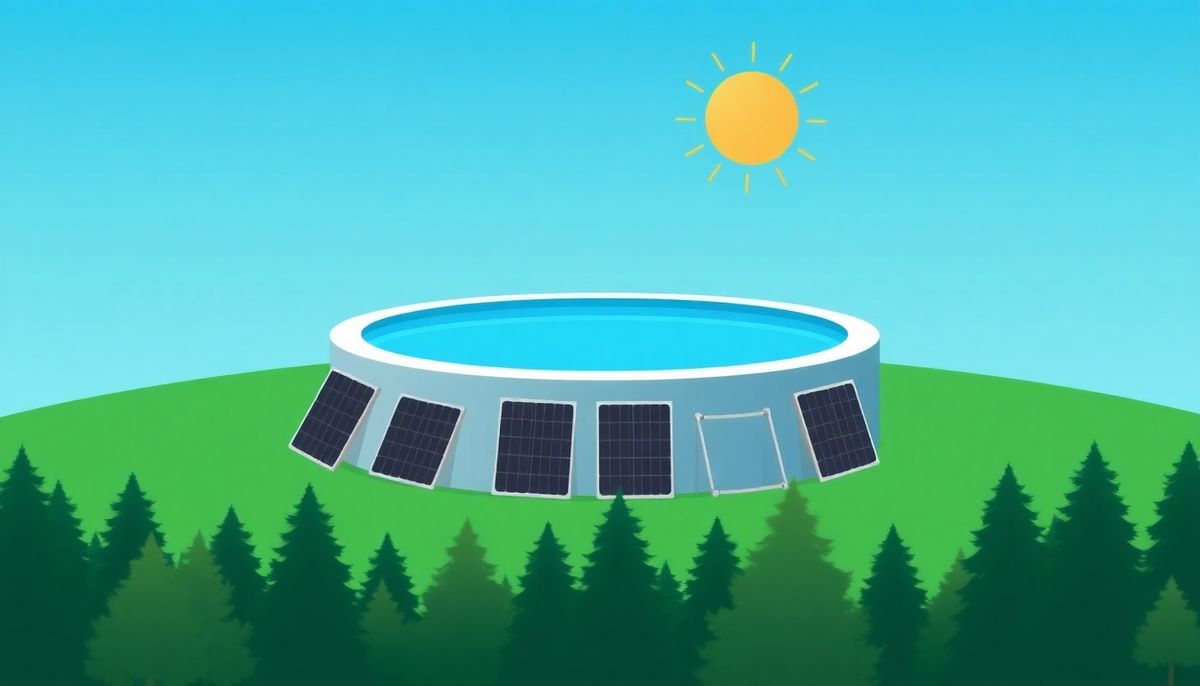
A weekend build, step by step
Want to warm your pool without spending a fortune? Building your own heater is affordable and effective, and it's a hands-on way to see how solar energy works.
Start with cheap materials, mainly black irrigation tubing, which most hardware stores carry. The black color soaks up heat well. You'll want about 100 feet of tubing, a piece of plywood, some zip ties, and a couple of connectors to tie into your pump.
Coil the tubing onto the plywood and secure it with zip ties. Set the plywood in a sunny spot; rooftops or nearby sheds catch the most sun. Connect one end of the tubing to your pump outlet and the other to a return inlet. As water runs through, the sun heats it, and warm water flows back into your pool.
A neighbor who built a similar system gets a steady 5-degree bump with no extra energy cost. It's a rewarding project for any pool owner.
Choose the Right Solar System
Fitting a system to your yard
Picking the right system comes down to matching your pool's needs. First, how much sun does your backyard get? A solar heater lives on sunlight, so if your pool area bakes in it most of the day, you're off to a good start. In sunnier spots, the SunHeater S220 works especially well, since its customizable panels scale to your pool.
Next, pool size. Bigger pools need more paneling. For smaller setups, the compact SolarPRO Curve pulls in plenty of sun without hogging space.
Budget is another factor. The upfront cost can be steep, but long-term savings make it worthwhile, and the Goplus Solar Dome is a cost-effective place to start. Finally, in cooler areas or shorter seasons, a hybrid setup, pairing solar with an electric or gas heater, covers those cold, sunless days.
Maximize Solar Heater Efficiency
Squeeze out every degree
To get the most warmth, start with placement. Put the panels in full sun, angled toward the midday sun to catch the most energy through the day.
Next, timing. Running your pump during peak sun hours means the water heats up while the panels are at their most productive. A solar cover helps here too, holding warmth in on cooler nights.
Upkeep matters as well. Check the system for blockages or leaks, since a clear path for water keeps your heater running at its best. And don't skip seasonal adjustments. In colder months, drain and store the panels to protect them from freeze damage, so they're ready come spring. These simple steps take a solar setup from good to great.
Install Your DIY Solar Heater
Handling the DIY install
Installing your own heater is rewarding and practical. Start by finding a spot with plenty of sun, usually a flat part of the roof or a sunny patch in the yard. Direct sun all day is the key to efficiency.
Round up your tools: a drill, a screwdriver, and some basic plumbing fittings usually cover it. Connect the panels to your existing filter system, installing them in a series so water flows through and picks up heat before returning to the pool. Tighten every connection to prevent leaks.
Angle the panels slightly toward the sun to soak up the most heat. Grab a friend for the install, since wrestling panels into place alone is tough. Watch the setup over the next few days, adjust as needed, and check regularly for wear or leaks. Soon you'll have a warmer pool and a project you built yourself.
Extend Your Swim Season
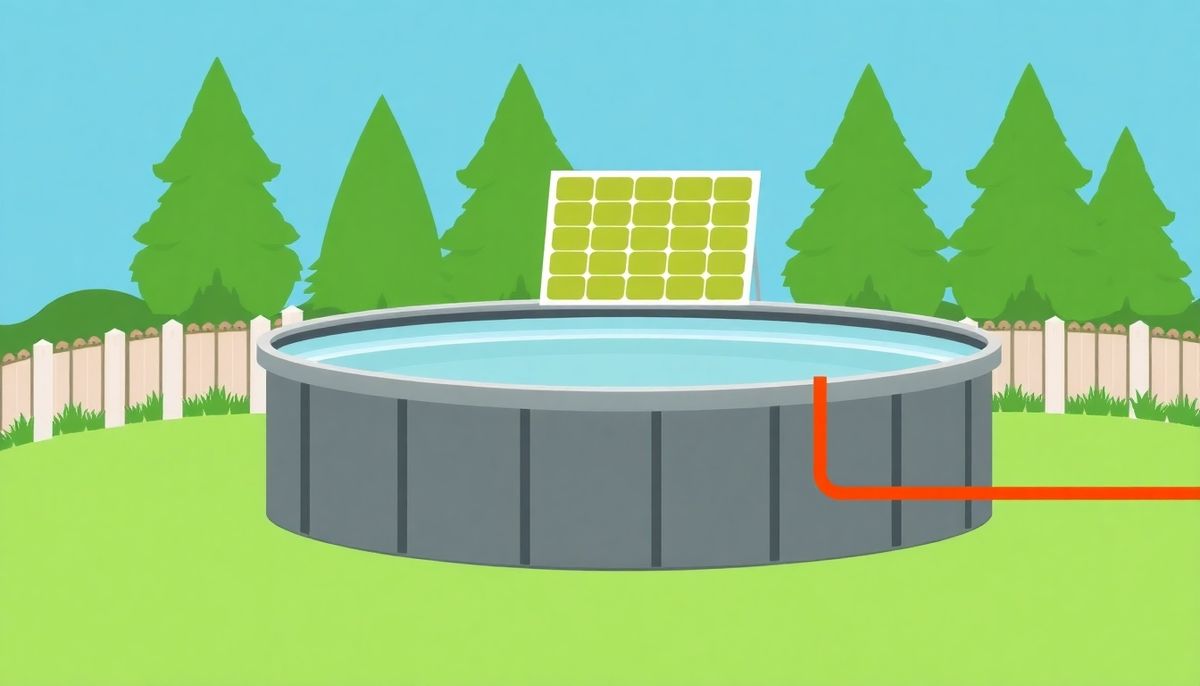
Stretching the swim season
Summer warmth fades fast, but a solar heater buys you extra weeks in the water. Imagine stepping into pleasantly warm water even as the leaves turn gold, all on the sun's free energy.
As mentioned earlier, the SunHeater S220 is a favorite for its flexibility. Link several panels to dial in the heat you need, and it installs easily onto your existing pump. If you're short on space, the compact Goplus Solar Dome gathers solar energy in a small footprint that's perfect for smaller pools.
Performance still depends on location and sun. In sunny regions, these systems raise temperatures a lot, so cold dips become a thing of the past. In cooler climates, pair solar with a traditional heater for the best comfort.
Matching a heater to how you swim
Settling on the right heater comes down to your climate and your habits. If you soak up plenty of sunshine, a solar heater could be your pool's best friend. In cooler or cloudier areas, plan on backup from an electric or gas heater.
Think about the season you're after. If you love early spring or late fall dips, a system like the SunHeater S220 can add weeks to your pool time, and its linkable panels customize the power for larger pools. For smaller pools or tighter budgets, the GAME 72000-BB SolarPRO or Goplus Solar Dome deliver practical, affordable warmth.
Don't overlook install details. The SolarPRO's curved design and adjustable legs adapt to all kinds of setups, while the SunHeater's flat panels need roomy, sunny space. Size up your pool's shape and dimensions, and if it sits in the shade, make sure your system can make up for it.
Conclusion
Now that your pool is warm and ready, keeping the water clean is your next step. Clear, balanced water is what makes all that warmth worth it.
Want to become a pool maintenance expert? Our free Pool School course covers everything you need to know about pool care. From basic upkeep to advanced troubleshooting, you'll learn how to:
- Save thousands on pool repairs and chemicals
- Keep your water crystal clear year-round
- Prevent and solve common pool problems
- Master water chemistry with confidence
Join over 10,000 pool owners who have already transformed their pool care routine. Get started with our free Pool School course today!
What you need
To finish the job, grab a solar cover to lock in heat plus a test kit and the sanitizer and balancing chemicals that keep your warm water clean and clear.