










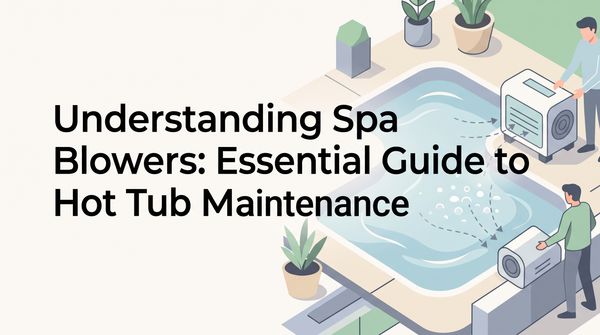
A spa blower can seem like a mystery until you know what it does. Then it clicks. The blower is the quiet workhorse that puts the fizz in your bubbles, turning a plain soak into a small luxury. Without it, your spa falls a little flat.
I noticed mine had lost its signature fizz one evening while trying to unwind after a long week. A quick look pointed me to the spa blower, a small but mighty part that pushes air into the water. That's when it hit me: keeping this part healthy matters as much as keeping the water warm. It's not just about swapping a broken piece. It's about protecting the calm of your own little oasis.
Learning to repair and replace a spa blower saves you time and money. Maybe it's an occasional rattle, maybe it's dead silence from the jets. Either way, knowing how to handle blower trouble keeps your spa the peaceful spot you want it to be. Once you can spot a bad part and manage a smooth replacement, you go from frustrated owner to confident do-it-yourselfer. In this guide, you'll learn how to bring back your spa's bubbly charm, so every soak feels like a real break.
Your Action Plan
- Listen and look for signs of a bad blower: silence, humming, cracks, or frayed wires.
- Kill the power at the breaker and confirm the system is dead with a voltage tester.
- Check voltage, airflow, and connections to decide between a quick fix and a replacement.
- Match a new blower to your voltage (110V or 220V), plumbing, and CFM.
- Remove the old blower, then install the new one, reconnecting air lines and wiring.
- Restore power and test for a steady hum and returning bubbles.
Identify Faulty Spa Blower

Listen and look for trouble
A silent hot tub can end a relaxing evening fast, and a failing blower is often the reason. You don't need an engineering degree to find the problem, just a little detective work. Start by listening. No sound at all is a big red flag. A blower that hums but won't push air through the jets can point to a seized motor or a burnt-out part inside.
Then look. Check the housing for cracks or breaks, and scan the wiring for frayed or burned spots that hint at electrical trouble. It's really about noticing the small things that look out of place.
Check for power and airflow
See if the blower is getting power. A multimeter, which is just a basic electrical tester, shows the voltage at the terminals. No power? Trace it back to a tripped breaker or a blown fuse. If power's there and the blower still won't move, the failure is probably mechanical. Last, make sure the air channels are clear, since blockages choke off airflow. Taking a few minutes to check these basics will tell you right away if you just need a simple tweak or a brand new blower.
A blower that hums but won't push any air usually points to a seized motor, not a simple wiring fault.
Recognize Common Spa Blower Issues
A home spa loses its shine fast when the jets won't bubble, and the blower, the engine behind the bubbles, is usually why. Knowing the common faults saves you real money and frustration.
If the blower doesn't hum when you switch it on, suspect electrical trouble first, like a tripped breaker or a blown fuse. Make sure power is actually reaching your spa before you grab any tools. After one windy night, my own hot tub sat silent because of a tripped breaker, and a single flick of the switch brought the bubbles right back.
Vibrations or odd noises point somewhere else, usually a misaligned motor mount or worn bearings. A quick look tells you whether to tighten a bolt or replace the part. Weak or stop-and-start airflow usually means a blockage. Leaves and debris sneak in, especially on outdoor spas, so a gentle cleaning of the air intake now and then heads it off.
Replace Instead of Repair
When a blower fails, replacing it usually beats repairing it. The parts inside a blower motor are often too worn, too hard to find, or too fiddly to bother with. Swapping the whole assembly skips the misery of repeated fixes and shaky results, and matching the new unit to your hot tub's electrical specs makes the install easy.
Newer blowers also add features that help performance and longevity, like noise-reducing rubber motor mounts. Those extras make replacement money well spent. Repairs may tempt the tinkerer in you, but a clean swap is often the smarter move, and it gets you back to warmth and relaxation faster.
With a failing blower, replacing the whole unit is usually cheaper and less frustrating than chasing an internal repair.
Ensure Safety with Precautions
Safety comes first, especially where water and electricity meet. Before anything else, the power to your hot tub has to be completely off. That's more than flipping a switch. Shut off the breakers, unplug every connection, and verify the system is completely dead. It's easy to miss something when you're eager to start.
Beyond cutting power, keep your work area dry. Wet surfaces can carry current you don't expect and raise the risk of an accident. Keep the space tidy too, with your tools within reach and clutter cleared away. A clean area speeds things up and helps you stay focused. And know your limits. If you ever feel unsure, there's no shame in calling a professional. Your safety is worth more than any DIY win.
Replace Spa Blower Safely
Repairing a blower is a simple job, but you can't cut corners on safety. Kill the power at the source, breakers off and plugs pulled, then confirm no electricity is reaching the tub.
With the power dead, find the blower. It usually sits near the control panel. Take off the cover and note how it's connected. That's your road map for installing the new one. If you're unsure about anything, snap a few phone photos to lean on during reassembly.
Now gently free the blower from its mounts and disconnect the wires. Have your matching replacement ready, wired for the same voltage and specs. Connect the wires carefully, secure the blower, and put the cover back on. Reconnect the power and test your work. Those first bubbles are a great sound. If the job feels like too much, or you hit a snag, professional help is only a phone call away.
Ensure Electrical Safety
Before you unscrew that first panel, nail the one step people love to skip: electrical safety. Plenty of hot tub mishaps happen because someone rushed past this basic precaution.
Go straight to your main panel and flip the breaker that powers the hot tub, then unplug any connected devices to rule out sneaky current. Keep a voltage tester handy to confirm the wires are dead before you touch them. This isn't only about fixing the blower. It's about doing it without a scare. And if you're ever in doubt, there's no shame in calling a professional.
Never touch a wire until a voltage tester tells you the system is completely dead.
Select Compatible Replacement
Picking the right replacement blower is like finding the puzzle piece that fits just right, both compatible and precise. Every hot tub has its quirks, so match the new blower's specs to your setup. Start with voltage, usually 110V or 220V. Get it wrong and you'll see poor performance or, worse, a safety risk.
Next, look at the physical layout of your old blower. Some models use a manifold to spread the air, while others use a built-in channel cavity. Knowing how yours ties into the plumbing saves headaches later. While you shop, match the noise-suppression features too, like a rubber motor mount, so you can soak in peace. If the details feel like a lot, check the manufacturer's guide or ask a professional. The goal is a happily bubbling hot tub.
Install and Test New Blower
Out with the old
Swapping an old blower for a new one is less daunting than it looks. Make your workspace safe first, with goggles and gloves for this electrical job. With the power already off, remove the old blower. That usually means unscrewing a few bolts and disconnecting the air lines. Note the positions and connections before anything comes loose, and take a quick photo in case your memory slips.
In with the new
Installing the new unit is basically retracing your steps. Set it where the old one sat and make sure the rubber motor mount is secure to dampen vibration and noise. Reconnect the air lines and double-check every joint, since a loose fit leaks air and hurts performance. Tighten the bolts firm but not cranked down. Then restore power, switch on the jets, and listen for a steady hum and returning bubbles. Run it a few minutes to be sure it's smooth. If all is well, you've saved a good chunk of change and brought your oasis back to full bubbling life.
Choose the Right Blower
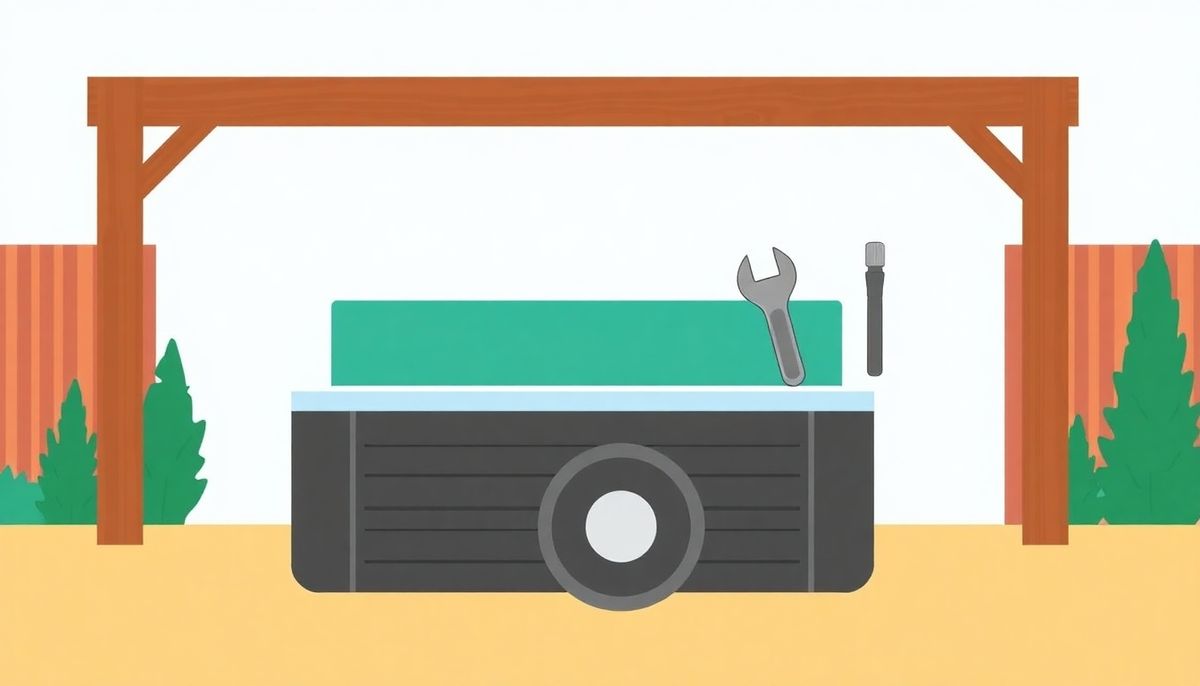
Choosing the right blower comes down to matching your specs. Start with voltage, since most hot tubs run either a 110V or a 220V unit. Buy the wrong one and you're making an extra trip to the store, or risking damage.
Then think about your plumbing. Some systems use manifolds to spread the air, while others rely on a channel cavity built into the shell. Knowing your design points you to the correct blower type. Get both right and you'll be back in the bubbles soon, unwinding after a long day.
Match your replacement blower to your spa's voltage, 110V or 220V, before you check anything else.
Understand Blower Basics
Knowing how a blower works makes any repair less intimidating. At heart it's a fan motor inside a casing, built to push air into the water and make those pleasant bubbles that turn a plain bath into something special.
When you're deciding whether to fix or replace, replacement is usually simpler and cheaper. Fixing a motor tends to cause more headaches than it solves, with no real savings to justify the effort. Before you buy, check your voltage, 110V or 220V, and understand the plumbing, whether the air moves through a manifold or straight through the shell. Both setups use a rubber motor mount to cut noise. With these basics down, you're ready to tackle the job and get your spa bubbling again.
Ensure Safety Precautions
With hot tub repair, your safety comes first. Water and electricity are a dangerous mix, so before you pick up a screwdriver, cut all power to the spa. Switch off the breakers, unplug any outlets, and check with a voltage tester that nothing is flowing. One slip can lead to more than a bad day.
Once the power is off, remove any cover panels carefully, since sharp edges can catch you off guard. Keep a flashlight handy, because those nooks and crannies stay dark even on bright days, and a pair of gloves helps steady your grip. If your work area is damp, dry it before you start. A slip in tight quarters can spell trouble. These steps protect you and help your parts last longer.
Replacing a blower can feel as simple as swapping a light bulb, and just as satisfying. Repairs often cost more in time and money than they're worth, which makes a fresh unit the smarter pick. A new blower means good compatibility, solid performance, and no repeat problems.
My own blower sputtered its last breath on a cold evening, the silence of still water matching my mood. Rather than lose a weekend to scattered tools and frustration, I chose replacement. A quick look at the voltage, either 110V or 220V, was all it took to pick the right model.
Whether your blower connects through a manifold or drilled channels in the shell, the install stays pleasantly simple. The rubber motor mount on new units keeps things quiet and helps them last. Just follow the safety steps to the letter: power off, confirm it's dead, then go with confidence. Before long I was back in my hot tub, bubbles happily rising, with no trace of the earlier hassle.
Ensure Safety Before Repair
Before you start, with your tools laid out and the new blower ready, put your safety first. Water and electricity are both part of this job, and that combination deserves respect and careful prep.
Cut the power at the breaker box. This one's non-negotiable. Double-check by trying to turn the hot tub on. It should stay silent. For extra safety, unplug any cords from their outlets. There's no worse surprise than an unexpected jolt.
Once you're sure the power is off, look over your workspace and keep it dry and clear of clutter. An organized space makes the job faster and a lot safer. Keep a dry towel nearby to wipe away stray droplets. And if you ever feel unsure, don't hesitate to call a professional. No amount of money saved is worth risking your safety.
Turn Off Power Completely
A dead, unresponsive set of jets can wreck a relaxing evening, and troubleshooting the blower starts with the same rule: all power off. Before any repair, making sure your hot tub is fully de-energized isn't a suggestion. It's a must.
Find the main electrical panel and switch off the breakers for the hot tub, even if that means shutting down the main supply to be absolutely sure. Unplug any cords so there's no chance of accidental current. Then try to turn the tub on. If nothing happens, you can trust the power is truly cut. A few extra moments here can save you from harm and keep the repair moving smoothly, which sets the stage for a solid fix or swap.
Understand Blower Mechanics
When the soothing bubbles go quiet, the blower is often the culprit. At its core it's a fan motor inside a sturdy housing. That motor-driven fan pushes air into the water and makes the familiar, therapeutic bubbles you enjoy during a good soak.
Voltage matters most here, either 110V or 220V depending on your spa, so match it when you buy. How the air travels matters too. Some designs send it through a manifold to the jet fittings, while others move it through a cavity beneath the tub with carefully drilled holes. A rubber motor mount keeps vibration and noise down and extends the blower's life. Tinkering with a repair is tempting, but replacing the whole unit is usually the more practical route, and it gets your bubbles back with little fuss.
Follow Safety Precautions
Working on a blower takes more than a few handy tools. It takes respect for safety. Always cut all electricity to the hot tub: switch off the breaker that controls the spa, unplug any connections you can, and confirm no current is flowing. Skip that and you risk an ugly run-in with electricity.
Just as important, keep your workspace dry. Water and electricity really are a dangerous mix. Dry your hands and clear any standing water before you start, because wet surfaces make slips and accidental shocks far too easy.
Every good repair starts with a plan. Gather your tools and parts beforehand so you're not wandering around mid-job. And if any step feels risky or overwhelming, calling a professional is a smart call. The goal isn't only a working hot tub. It's being around to enjoy it.
Reinstall and Test Blower
With the new blower snug in place, you can practically feel those jets coming to life. Start by confirming every connection is secure and lined up right, and that the power cables are wired correctly for the voltage.
Now restore power. Flip the breakers back on, replug anything you disconnected, and stand clear as you power up. Switch on the blower, and if all's well you'll hear a gentle hum and see those inviting bubbles show up. Give it a few minutes to settle, listening for odd noises or vibration that might signal an install problem.
If everything runs smoothly, give yourself a pat on the back. You've brought your hot tub back to life. If you gave it a shot but aren't the hands-on type, don't hesitate to call a professional. Sometimes an experienced eye catches what isn't obvious. Then it's time to enjoy the warm, bubbling oasis waiting to carry you away from the daily grind.
One more reminder before you replace that blower: your safety comes first. Working with both water and electricity is a delicate balance, best handled with care and prep.
Cut the power completely. That's more than flipping a switch. Go to the breaker panel, turn off the hot tub's breaker, then unplug any related devices. A forgotten cord still plugged in can turn dangerous fast.
Next, keep your workspace bone dry before you open the blower compartment. Water sitting near electrical parts is asking for trouble. Gear up too. Rubber-soled shoes and insulated gloves are your first line of defense against accidental shocks. And if you ever have a doubt, it's wiser to call in the pros. A little caution today can prevent an accident tomorrow.
Choose the Right Replacement
Matching your specs is what makes a replacement work. First, get familiar with your hot tub's voltage. Is it a 110V or a 220V model? That small detail is vital, because a mismatch can cause performance problems or even damage.
Then think about airflow. Different blowers push different amounts of air, measured in cubic feet per minute, or CFM, which is just a way of saying how hard the blower pushes air. The right CFM keeps your jets delivering that full bubble massage. Check your manual or ask the manufacturer for the numbers you need.
Look at size and fittings too, since brands use different dimensions and connector types, and getting these wrong leads to a frustrating mismatch. Online retailers often let you filter by brand and model compatibility. Favor a blower with a rubber motor mount as well, so a motor's hum doesn't drown out the calm.
Conclusion
This guide gave you the essentials for keeping your hot tub and spa in good shape. Start today.
Want to go deeper on maintenance? Our free Pool School course covers everything you need, from basic upkeep to advanced troubleshooting, so you can:
- Save thousands on repairs and chemicals
- Keep your water clean and clear year-round
- Prevent and solve common problems
- Handle water chemistry with confidence
Join over 10,000 owners who have already transformed their care routine. Get started with our free Pool School course today!
What you need
Grab a voltage tester, safety gloves, and a replacement blower that matches your spa's voltage and CFM before you start. That's the whole kit for a safe, smooth swap.