






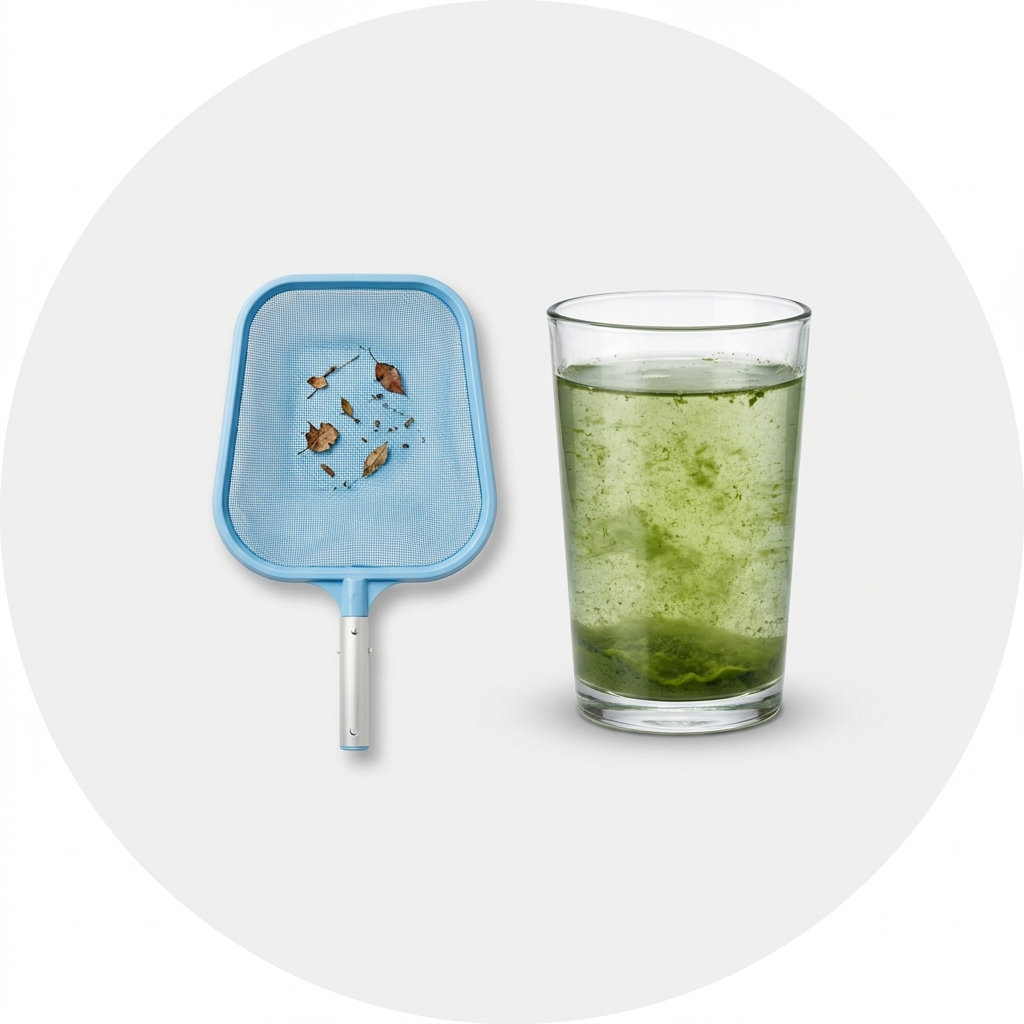
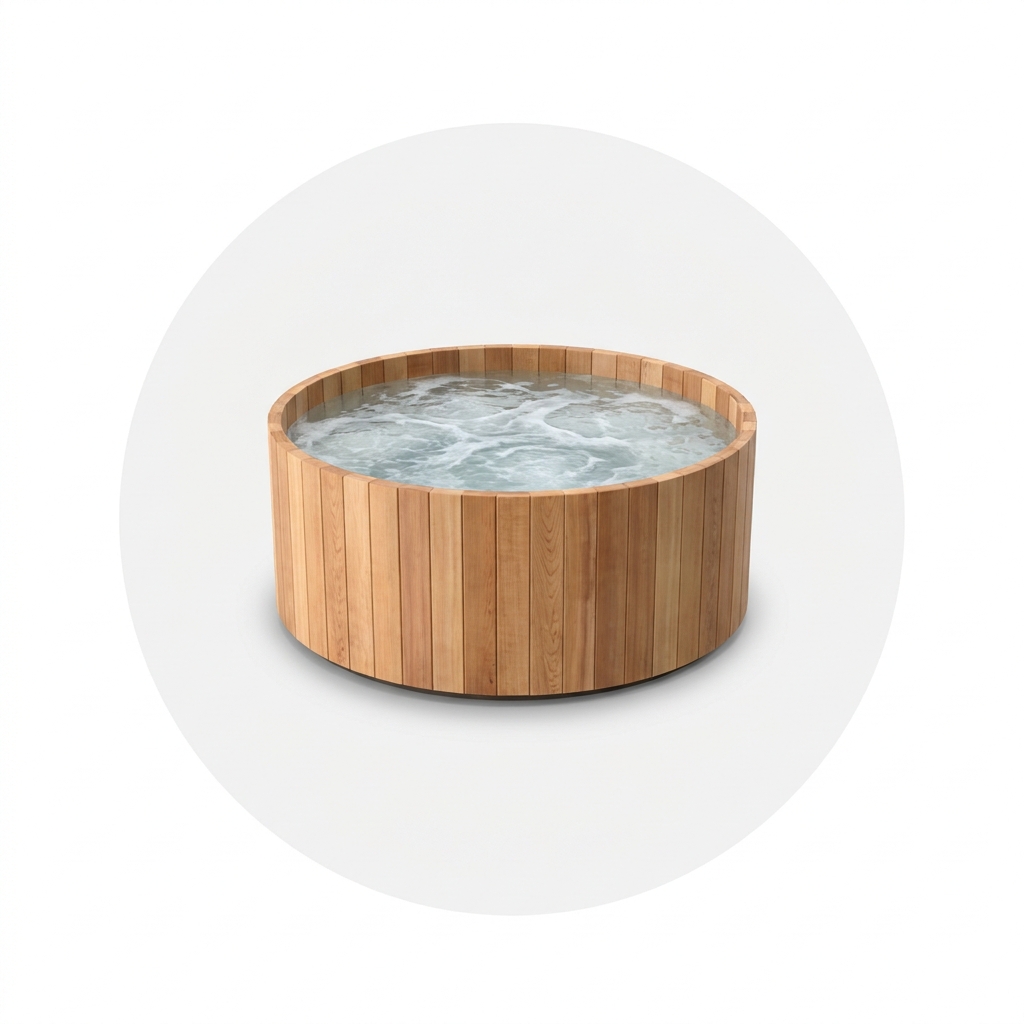


The bubbles and heat get all the attention, but the real work in a hot tub happens out of sight, in the filtration system. That's the part that keeps your water clear and free of gunk. Whether you soak every night or just on weekends, knowing how the system works helps you take better care of your spa.
The filtration system pulls dirt, oils, and tiny organisms out of the water all day long. It's a mix of moving parts and chemicals, each doing its share. The skimmers, filters, and pumps work together to catch debris so every dip stays fresh and safe.
When I first set up my hot tub, water filtration was a mystery to me. But watching the system clear out the day's leftovers hooked me. It runs like a small water treatment plant in your backyard, quiet and steady.
The best thing about a hot tub filtration system is how simple and effective it is, which is why it's the backbone of any spa. Once you understand what it does, you can look after it properly and count on hours of clean, easy relaxation.
Your Action Plan
- Learn the three main parts: the filter, the circulation pump, and the control panel.
- Rinse your suction filter every two to four weeks.
- Deep-clean the filter monthly with a dedicated filter cleaner.
- Set your filtration cycles to match how often you use the tub.
- Test and balance your water weekly.
- Replace the filter about once a year.
Understand Filtration Basics
Once you get into hot tub maintenance, you'll see the filtration system does the heavy lifting. It works in the background so your soak stays clean and pleasant. A few key parts make it happen.
The filter that strains the water
At the center sits the filter, which strains out impurities. Most modern hot tubs use suction-type filters, set right at the surface for easy care. They're on the larger side, so they need regular attention, but the upkeep is simple. Some older or alternative models use pressure filters, tucked inside sealed canisters. Those need service less often, though the job is more involved.
Pumps that keep the water moving
Hot tubs also rely on circulation pumps. These run all the time, pushing water through the filter even when the main system is off. That steady flow stops the water from going stale and keeps it clean around the clock.
The control panel
The control system, usually a panel on the tub, lets you manage your filtration settings. Depending on the model, you can change the water flow or pick from preset modes matched to how much you use the tub. Get comfortable with these controls and you'll keep things running well, especially when the tub is full of people.
Steady circulation is what keeps your water from going stagnant, even when nobody's using the tub.
Explore Filter Types
The filter you pick shapes how clean your water stays. Suction filters are the top choice for most owners. Sitting right on top, they're easy to reach for routine care, and their larger size often helps them catch more debris. The trade-off is that they need regular attention.
Pressure filters are less common, especially in newer models. Tucked inside a sealed canister, they handle higher pressures and need service less often. When it's time for a check-up or a swap, though, the setup can test your patience. You'll see them more in older hot tubs, where durability comes first.
The choice comes down to what you prefer: rolling up your sleeves often for a simple job, or taking on a tougher one less frequently. Both aim for the same thing, a clean and inviting hot tub.
Maintain Filtration Systems
Your hot tub's cleanliness rides on the filter, which works nonstop to keep the water clear. I learned the hard way that a neglected filter clogs up fast, drags down water quality, and invites bad smells.
Set a cleaning routine
Start with a regular check-up. For suction filters, which are easy to reach, clean every two to four weeks depending on how much you use the tub. A gentle rinse under a hose usually does it, but for a deeper clean, soak the filter in a special cleaner to bring it back to full strength. Pressure filters sit out of easy reach and need attention less often, but when service time comes, be ready for some elbow grease.
Use the control panel and replace on schedule
Learn your control panel's settings so you can dial in performance during heavy use. An efficient cycle means less strain on the filter and cleaner water. And replace filters once a year, or whenever your hot tub's maker suggests. That small cost extends the life of the tub and keeps every soak fresh.
Rinse a suction filter every two to four weeks, and give it a deeper soak in filter cleaner about once a month.
Optimize Filtration Cycles
Setting a steady filtration schedule keeps the water clean, and it's one of the easiest wins you have. The trick is fine-tuning how often and how long the system runs. Too little, and contaminants build up. Too much, and you waste energy.
Start with your hot tub's own needs. Some models let you set the schedule right from the control panel, so you can adjust the cycle to how often you use the tub or how many guests you host. After a weekend gathering, you might extend the cycle to clear the extra debris more bathers bring in.
Even when the tub barely gets used, keep a regular pattern going. If you have a variable-speed pump, running it at lower speeds during quiet times saves energy without giving up cleanliness. Match the cycles to your life and the filtration system will hum along on its own.
Optimize Water Circulation
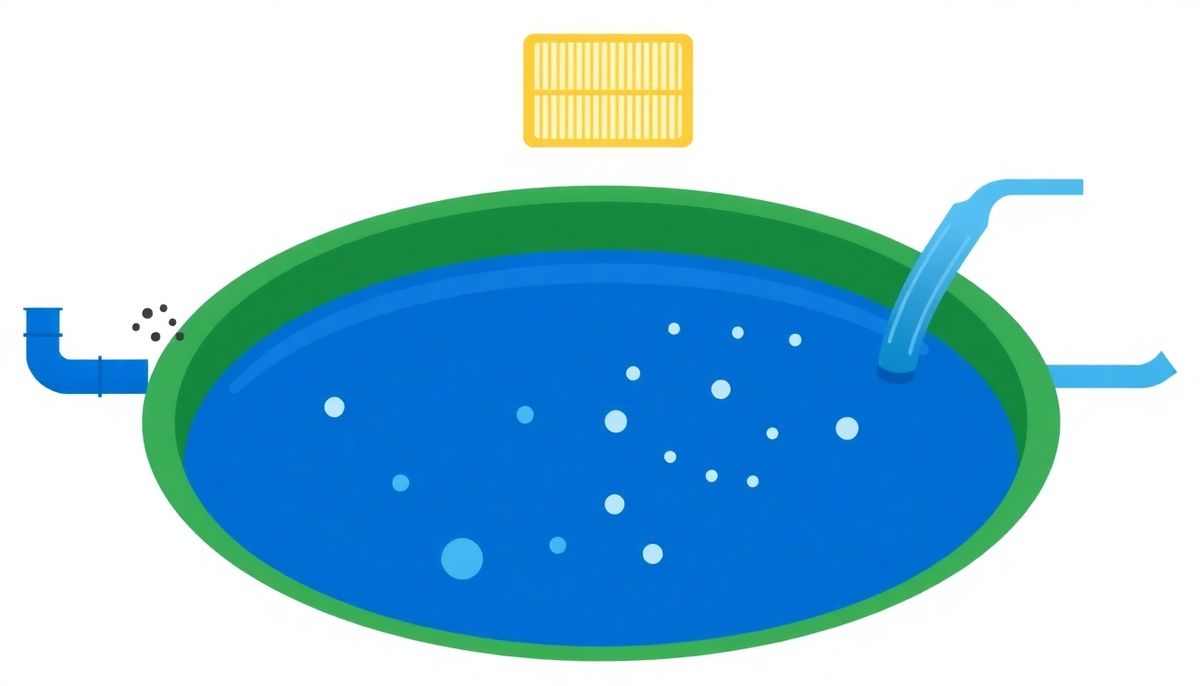
A hot tub's calm appeal comes from the warmth and from the gentle movement of water. That movement isn't just for looks. The circulation pump keeps water flowing through the filter even when the main pump is resting, which stops the water from going stale and heading toward bad smells and bacteria.
The jets push water through the filters so debris gets caught. How fast that happens, called the flow rate, matters a lot. A higher flow rate cleans more water at once, but there's a sweet spot: too much force wears down the parts, and too little leaves the water short of its best.
Adjusting these settings during heavy use makes a real difference. During a family gathering, bumping up the circulation keeps the water clear despite the extra bathers. Check and fine-tune the system regularly and your hot tub runs efficiently and lasts longer.
Maintain Filtration Systems Effectively
Filter care is a key part of a consistently great soak, and by now you know the basics: rinse suction filters every couple of weeks, and give pressure filters a careful teardown less often.
What's just as important is watching your water quality. A quick weekly water test can flag chemical imbalances or hidden problems before they spread. Fixing the chemistry right away keeps the filter from being swamped with extra contaminants it was never meant to handle. Setting your cycles to match how often you use the tub helps too. Every cleaning and test is an investment in future soaks that need nothing more from you than showing up.
Utilize Circulation Pumps Efficiently
The circulation pump runs all the time, pushing smaller amounts of water through the filter even when the tub is resting. If you've ever left a hot tub alone for a few days and come back to murky water, you've seen what happens without it. Constant flow keeps filtration and chemicals evenly spread, which cuts the risk of contamination.
Managing the pump well also extends its life and saves energy. Some hot tubs let you change the pump's speed. Turn up the circulation during heavy use for a more thorough clean, and drop to a slower setting during quiet stretches to save power. Dial it in and you get cleaner water for less.
Control Water Flow Precisely
Controlling the water flow is a big part of keeping your hot tub clean and comfortable. The control panel, usually built right into the tub, puts filtration timings and flow rate at your fingertips.
Some systems let you adjust based on how many people are in the tub. Crank up filtration during a lively evening with friends, then dial it back on quieter nights to save energy. It's not only about cleanliness, either. Turning down the flow during a long soak can add to the calm, letting you enjoy the water without the rush of the jets. A well-managed flow protects your investment and makes every soak better.
Choose the Right Filter
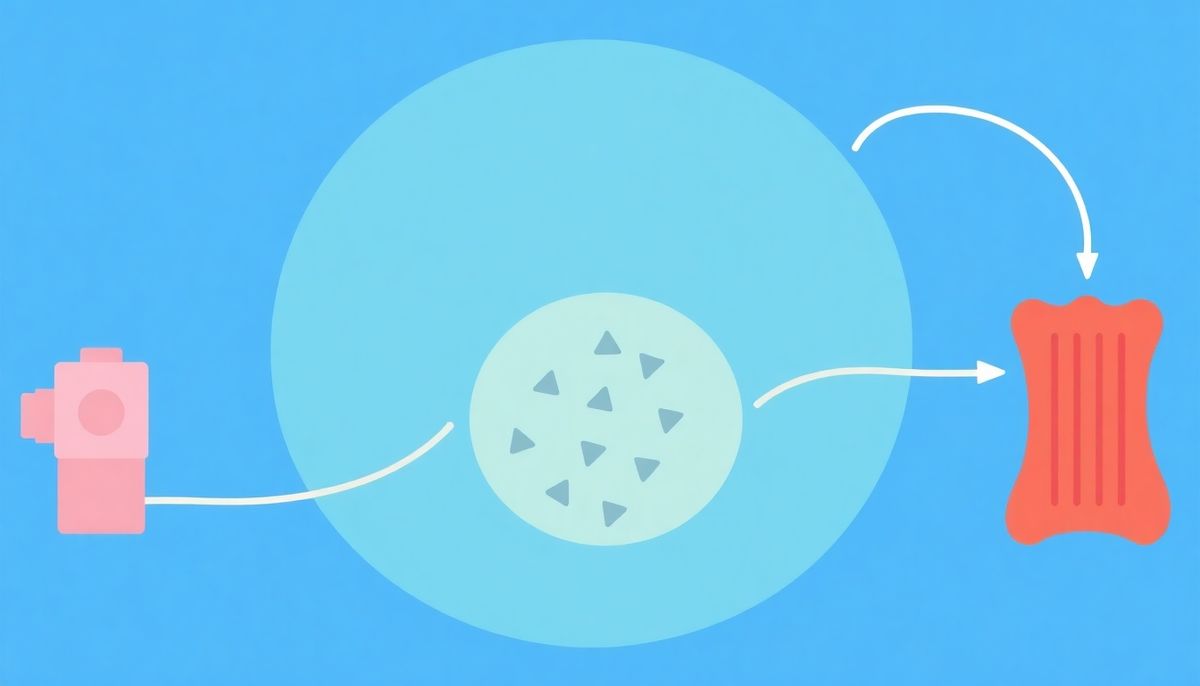
There are two main options in hot tub filtration, and picking the wrong one leaves your water less than clean. Suction-type filters are the mainstays of modern hot tubs. Set on top, they're easy to clean, with simple upkeep that pays you back in consistently clear water. Pressure filters are less common but sturdy, and they do well in older models or higher-pressure systems, asking for more work only now and then.
When you decide, think about your routine. If you prefer minimal fuss with frequent but simple maintenance, a suction filter fits. If you'd rather take on tougher upkeep less often, a pressure filter might suit you. Both get the job done. The difference is how the maintenance feels.
Understand Hot Tub Filtration
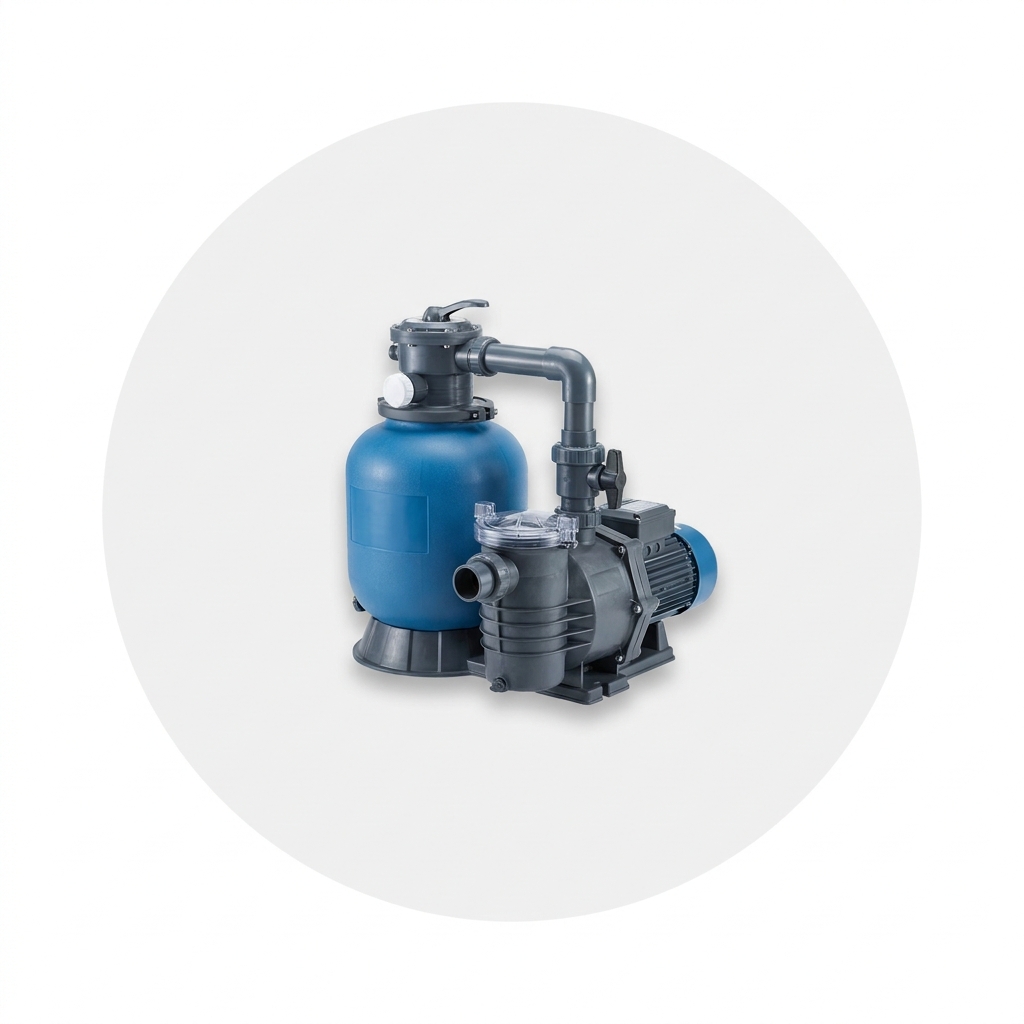
At its core, the filtration system circulates water through a filter built to catch unwanted particles. How well it works depends on the filter type, suction or pressure, and on the circulation pump quietly moving water even when the main pump takes a break.
You know the strengths of each filter by now: suction types sit out in the open for easy access, while pressure filters handle higher pressures and need service less often. What ties them together is the circulation pump. Its steady motion prevents stagnation and keeps the whole system cleaner, so no single part carries the load alone. Understand how they work as a team and you'll keep your soaks a pleasure, with no murky water in sight.
Maintain Your Filter Effectively
A clean filter isn't only about looks. It helps your hot tub run efficiently and lowers the risk of pricey repairs down the line.
Regular cleaning is the step you can't skip. For suction filters, a rinse under a garden hose each week keeps the water noticeably clearer. If your schedule is tight, mark your calendar for a monthly deep clean with a filter cleaner solution, which removes the oils and calcium deposits a plain rinse can't touch. Pressure filters need cleaning less often, but expect a more thorough session with careful disassembly. And keep an eye on the filter's lifespan. Most last about a year, though some wear out faster.
A five-minute weekly rinse of your filter does more for water clarity than almost anything else you can do.
Choose Between Suction and Pressure
Both filter types have their perks and quirks. Suction filters put ease of access first. Mounted on top, they make maintenance simple, which suits a hands-on owner. Their larger size means more frequent upkeep, but that's manageable once it's part of your routine.
Pressure filters pack a compact design into a sealed canister, which lets them handle higher pressures and need attention less often. When maintenance time does come, expect a more involved job. Neither is truly better than the other. It's about finding the rhythm that works with your schedule.
Control Filtration Settings
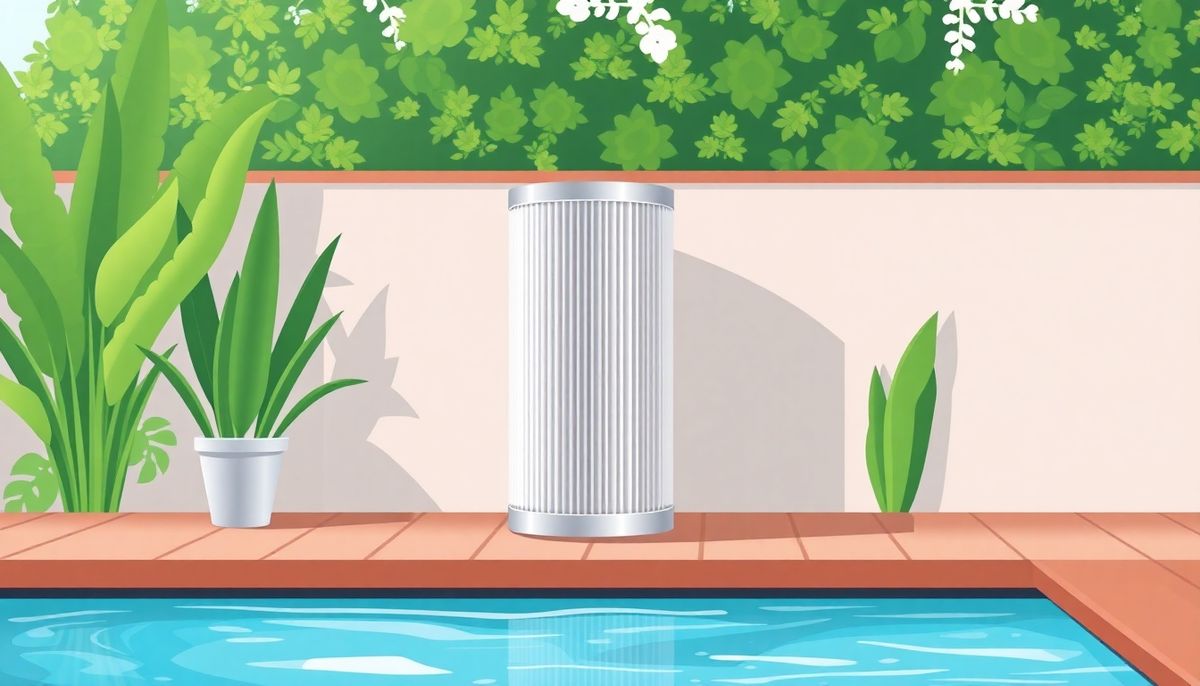
Getting comfortable with your filtration settings can take your spa from ordinary to something special. The control panel, usually within easy reach, is where you set everything: how fast water flows through the filter, plus how long and how often the cycles run.
Each model gives you a different level of control. Advanced systems let you fine-tune the schedule to your habits. After a weekend gathering, raise the filtration frequency to handle the extra bathers and head off murky water and bad smells. During slow weeks, dial it back and save on energy while keeping the water clear.
Learning these controls is like learning your car's dashboard. It may feel daunting at first, but with a little practice you'll move through the settings easily. Check the user manual now and then to uncover features and tips you might have missed.
Ever notice how a hot tub feels extra refreshing after a good clean? That's a well-tuned filtration cycle at work.
Beyond matching cycles to how often you use the tub, think about timing. Running cycles at night, when energy costs may be lower and the tub sits empty, means it's fresh and ready for a soak by morning. It's also worth experimenting with the balance of filtration time and pump speed. Sometimes a small tweak boosts efficiency, giving the system the push it needs to keep every soak spotless. Tailor these cycles to your life and you'll get more out of every dip while extending the tub's life.
Select Filter Type
Choosing a filter type is one of the more important calls you'll make for your water. Suction filters are the popular pick for many modern hot tubs, sitting at the top where they're simple to reach and clean. They need attention more often, but the upkeep is straightforward and doesn't take much know-how.
Pressure filters bring their own advantages, especially for older hot tubs. Sealed inside canisters, often set in separate skimming units, they're built to take more pressure and don't need as much routine care. When it's time to service them, though, the job gets more complex. Weigh your lifestyle and your maintenance preferences, then pick the one that keeps every soak safe and refreshing.
Adjust Filtration Flow
Adjusting the flow isn't only about keeping the water sparkling. It's about matching your setup to how you actually use the tub.
Start at the control panel. If you've just hosted a splashy party or notice more bathers than usual, you may need to raise the filtration frequency. Many modern hot tubs let you change how long and when the cycles run. With older or simpler systems, manual adjustments might mean turning valves or changing the flow rate right on the pump. My own hot tub needed a careful balance: too much flow and the jets got aggressive, too little and the water clarity dropped.
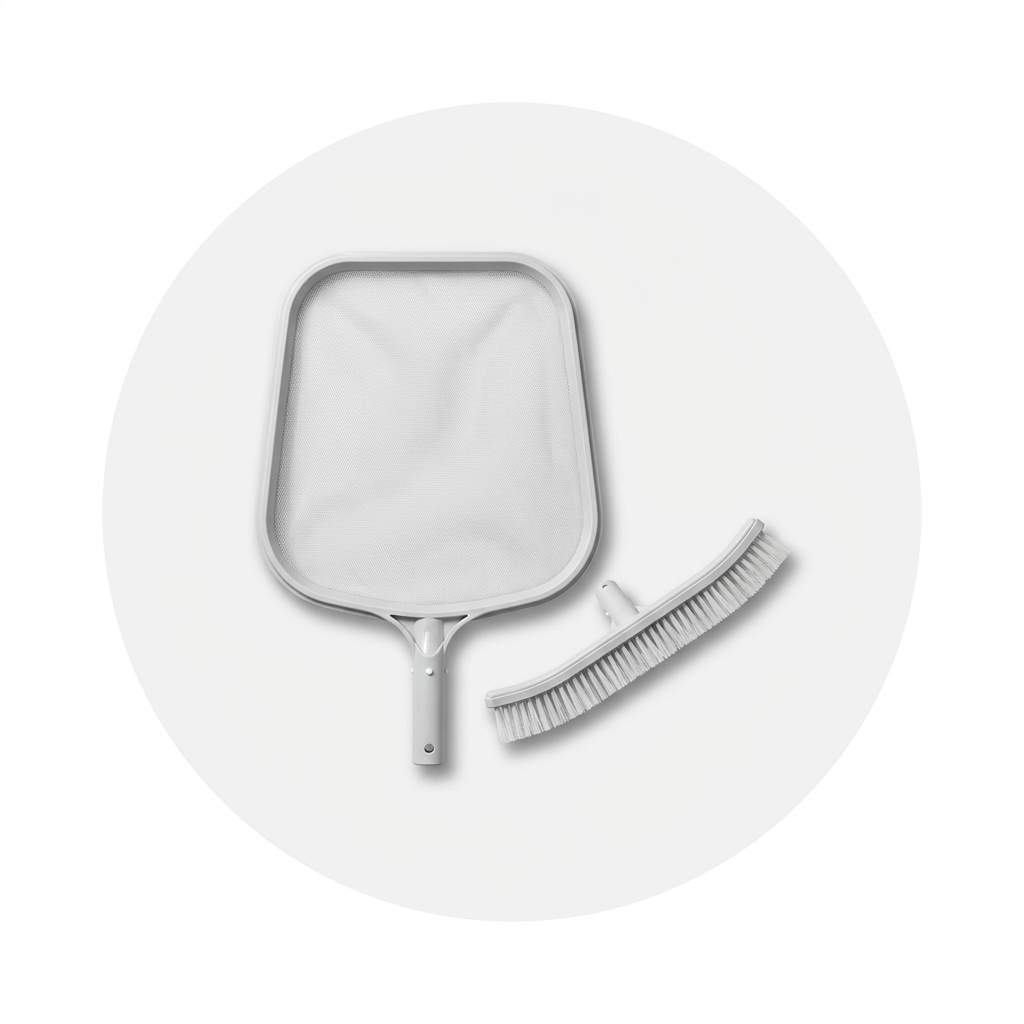
Inspecting and cleaning your filters keeps the flow where you want it, since a clogged filter chokes water movement. Keeping a spare filter on hand can be a lifesaver, so there's no break in your tub's cleanliness.
Maintain System Efficiency

Keeping the filtration system at its best is what gets you clear water, and it takes steady, regular care.
Start with the filter
Care depends on whether you have a suction or pressure filter. Suction filters need frequent cleaning, usually monthly: take the filter out, rinse it with a hose, and now and then soak it in filter cleaner to clear stubborn oils and minerals. Pressure filters need attention less often but call for a more thorough scrub, thanks to their compact design.
Don't overlook the pump or panel
The circulation pump works quietly in the background, but its constant running is vital. Check for signs of wear or odd noises, which can mean it's struggling, and a little attention now saves headaches later. Then review your control panel settings and adjust them to how you use the tub. Lots of guests in the tub might call for more filtration cycles to keep the water clean. Anticipate your hot tub's needs and you'll protect its life.
Optimize Filtration System Performance
Getting the most from your filtration system comes down to a few habits. Start with a regular schedule for cleaning and replacing your filters, since a clogged one can't do its job. Depending on use, a monthly rinse and a quarterly deep clean with a dedicated filter cleaner keep the system in top shape.
Next, look at your cycle settings. Many hot tubs let you customize the cycle based on how often you use the tub and how many people are in it. If your hot tub is the center of weekend gatherings, lengthen the filtration time. On quieter weeks, a shorter cycle may be plenty.
Keep the water balanced
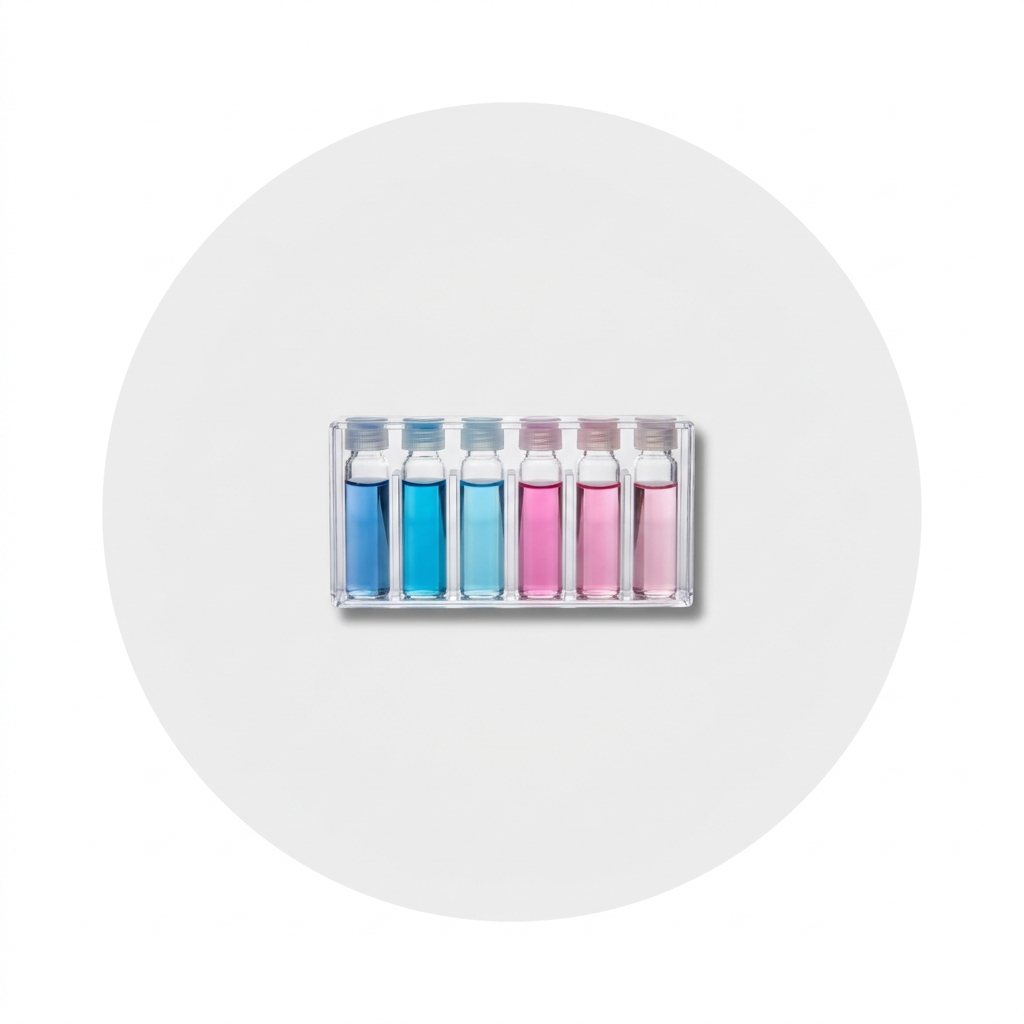
Test and balance your pH and alkalinity regularly. Out-of-balance water can cause scaling or corrosion, both of which drag down your filter's performance. A good water testing kit or digital tester saves you headaches later.
Balanced water protects your filter, so testing pH and alkalinity is part of good filtration care, not a separate chore.
#
Choose the Right Filter
-Type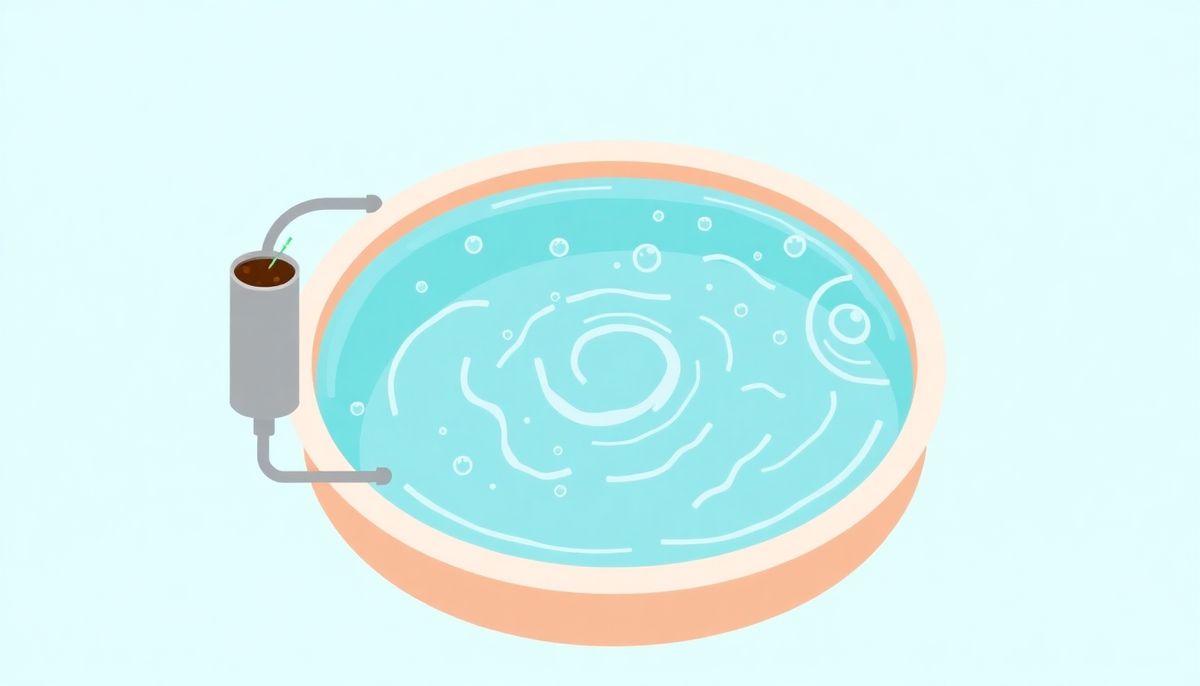
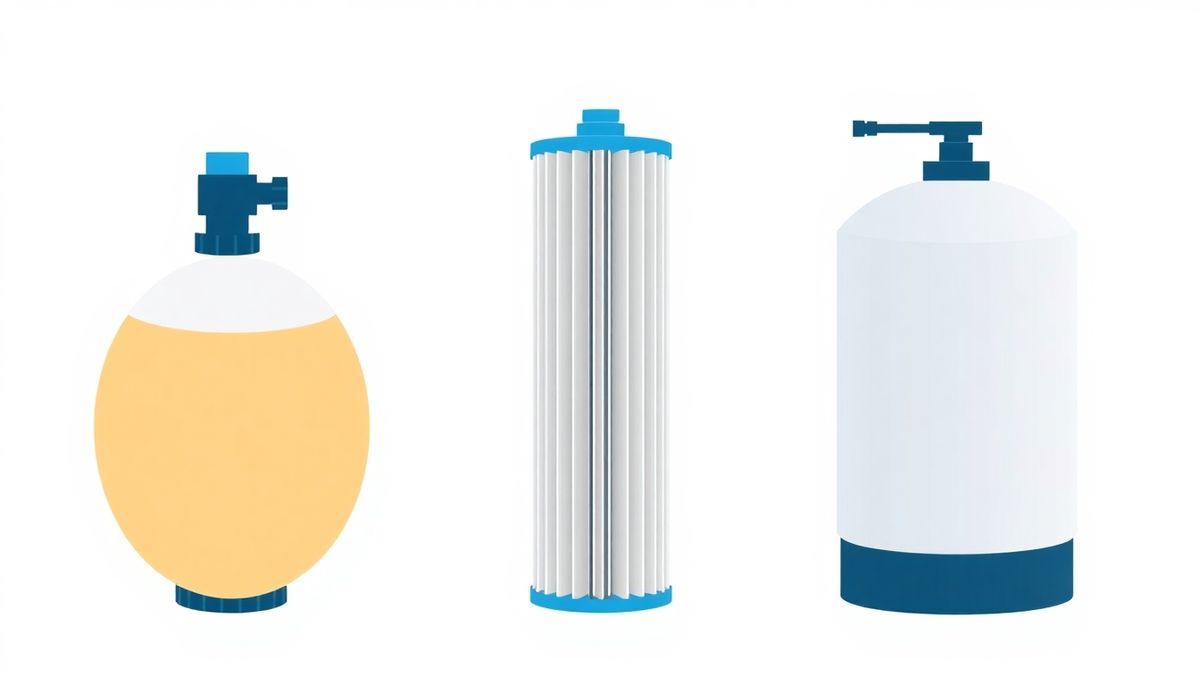
Each filter type has its own benefits and challenges, so knowing your options is key. Suction-type filters, usually set at the top of the tub, lead modern designs. Their generous size makes them easier to clean, and easy access lets you fold maintenance right into your routine, though they need regular attention to stay at their best.
Pressure filters take a different tack. Common in older models, they pack a compact cartridge snugly inside a sealed canister, so they handle higher pressures without frequent care. When maintenance is due, it can turn into a bigger job. Neither filter is truly better. The choice comes down to whether you'd rather do regular, manageable tasks or fewer, more intensive ones. Pick the one that fits your style and keeps your hot tub a clean escape.
Conclusion
This article walked you through keeping your hot tub's filtration system in top shape, from the filter itself to the circulation pump and control panel. Put these habits into practice and your spa stays clear, warm, and ready whenever you are.
Want to sharpen your water-care skills even further? Our free Pool School course covers everything you need to know about keeping water clean, and much of it applies straight to your hot tub and spa. You'll learn how to:
- Save thousands on repairs and chemicals
- Keep your water crystal clear year-round
- Prevent and solve common problems
- Master water chemistry with confidence
Join over 10,000 owners who have already transformed their water-care routine. Get started with our free Pool School course today!
What you need
Grab a spare cartridge filter, a bottle of filter cleaner, and a reliable water testing kit so you can rinse, deep-clean, and balance without missing a beat.