




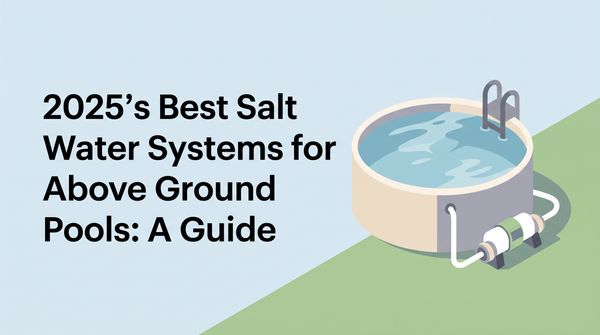
Keeping a pool clean used to mean juggling a shelf full of chemicals. In 2026, salt water systems make that job a lot simpler, and they're gentler on your skin and eyes too. Instead of adding chlorine by hand, the system makes its own from ordinary salt, so the water stays clear with far less fuss.
The payoff shows up fast. My cousin, a self-described pool fanatic, switched last year and couldn't stop talking about the difference, both in how soft the water felt and how little time upkeep took. His weekends went from chores to lazy afternoons by the pool.
The best systems this year are built around simple controls and low energy use, so there's a good fit for just about any backyard. Here's how to choose one, set it up, and keep it running.
Your Action Plan
- Measure your pool's volume in gallons.
- Check your frame, pump, filter, and heater are salt-compatible.
- Pick a chlorinator rated for 1.5 to 2 times your pool's volume.
- Mount the controller, wire it, and connect the generator cell.
- Add pool-grade salt and let it dissolve for about 24 hours.
- Switch on the chlorinator and keep salt and pH in range.
Discover Easy Pool Maintenance
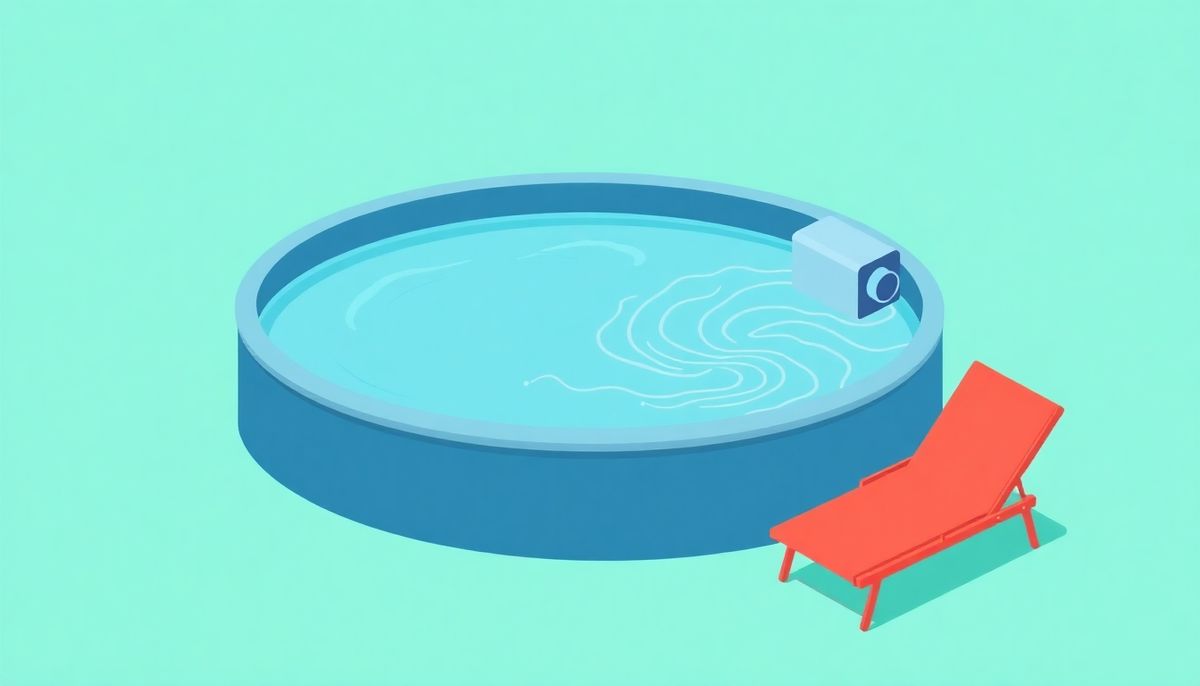
Looking after a salt water pool is far simpler than the balancing act a chlorine pool demands. The generator quietly turns salt into chlorine, so the water stays clear and soft without you measuring and dosing every few days. You get your weekends back, and over a season you'll spend less on chemicals too.
A salt generator makes its own chlorine from ordinary salt, so the daily measure-and-dose routine disappears.
Convert to Salt Water System
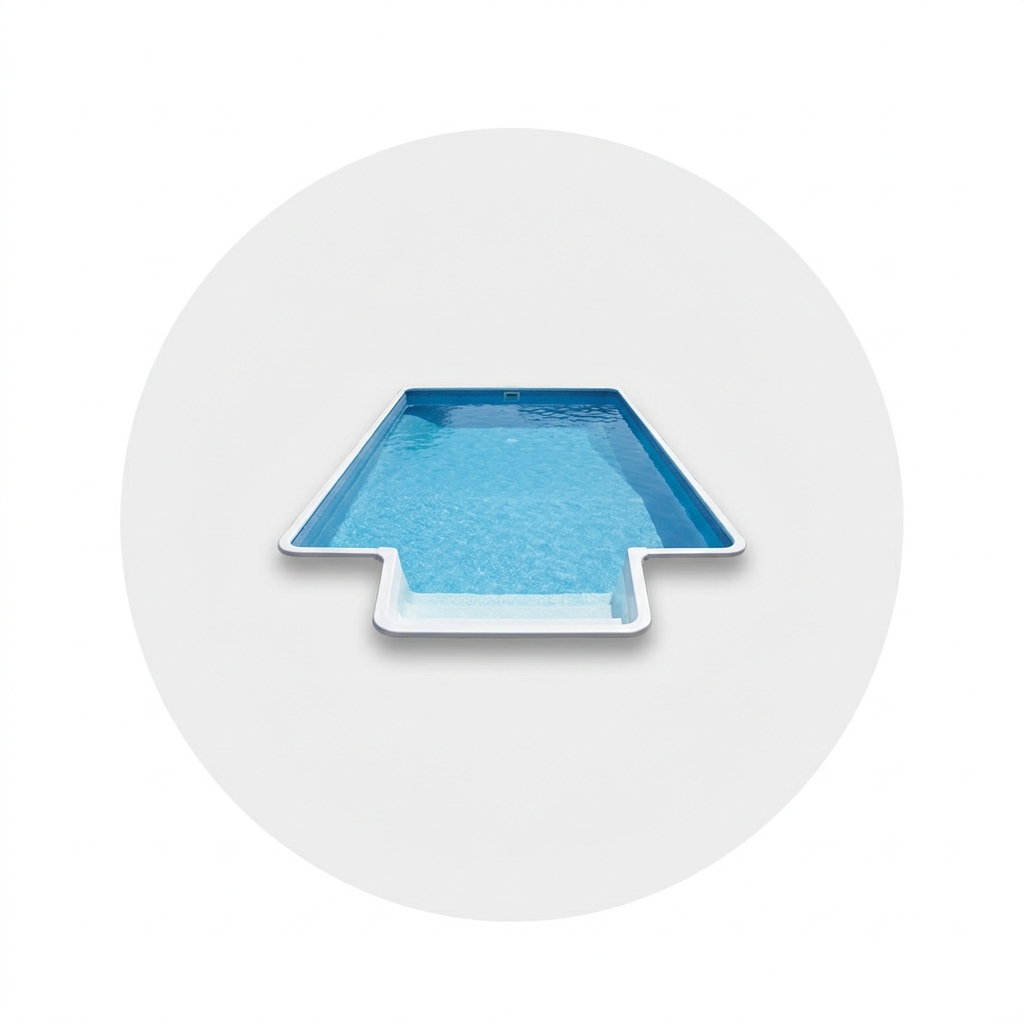
Switching an above ground pool to salt water is a popular move, not a passing fad. My neighbor took the plunge last summer and hasn't stopped raving about it.
Check your pool can handle it
The first thing to sort out is whether your pool can take it. Vinyl and resin pools handle salt fine. Metal frames are the problem: salt corrodes steel and aluminum over time, so those aren't a good match. Check that your pump, filter, and heater can support a salt generator too.
Setting it up
The install is straightforward. Mount the chlorinator controller near your equipment, connect the generator cell to the plumbing, and wire it for power. Then spread pool-grade salt around the edges, six to seven bags for a typical 10,000-gallon pool, and let the pump circulate it. Once it dissolves, switch on the chlorinator and you've got a salt water pool.
Salt corrodes steel and aluminum, so only vinyl or resin pools are a good match for a salt system.
Choose the Right Equipment
Two systems worth knowing
Two systems come up again and again, and between them they cover most backyards. The Hayward Goldline AquaTrol suits larger pools up to 18,000 gallons. Its digital salt display and diagnostic indicators keep tabs on your water and equipment, and a super-chlorinate setting gives you a temporary boost when you need it. It's the dependable workhorse of the two.
The Intex Krystal Clear is the budget pick, built for pools from 2,200 to 15,000 gallons. Included adapters let it connect to non-Intex pumps, and a 24-hour automatic timer runs the system for you. Choose based on your pool's size and your budget, and you won't have to babysit the water all summer.
Simplify Pool Maintenance
With the right gear, pool care stops feeling like homework. Salt water systems give you a gentler, less chemical-heavy way to keep the water clean, and the water itself feels silky and easy on your eyes. The AquaTrol handles the sanitizing in the background, and the Krystal Clear does the same for smaller pools. That frees you up to actually enjoy the water instead of fussing over it.
Choose Reliable Salt Systems
A good system protects your pool and your wallet, not just your weekends. Start with size: the AquaTrol covers pools up to 18,000 gallons, while the Krystal Clear fits smaller pools and tighter budgets. Then factor in climate and use. Strong sun burns through chlorine, and rain keeps diluting the water, so a system with higher output saves you constant tweaking. My pool sits under trees, so I needed something that could keep up with debris and shifting weather.
Match it to your gear
Materials matter too, but you already know the rule: vinyl and resin are fine, metal frames aren't. And make sure the new system works with your existing pump and filter before you buy. I learned that the hard way, replacing an incompatible pump mid-season.
Select Quality Salt Chlorinators
When you shop for a chlorinator in 2026, look past the name on the box. The AquaTrol earns its reputation with easy controls and that handy boost setting for cleanups after a party. The Krystal Clear wins on price and its hands-off timer. Weigh your pool's size and your climate: a bigger system costs more upfront but gives you room to spare and tends to last longer, which is worth it in hot climates or with heavy use.
Evaluate Pool Size Compatibility
Getting the size right is like buying shoes: too big or too small and nothing works well. Measure your pool's capacity in gallons first. Then pick a system rated for about 1.5 times that number, so a 15,000-gallon pool wants a unit good for around 22,500 gallons. That margin covers hot days and crowded weekends without making the system run at full tilt all the time, which wears it out early.
Size your chlorinator for 1.5 to 2 times your pool's volume so it never has to run flat out.
Assess System Installation Needs
Before you switch, run through a quick checklist. Size comes first, using that 1.5-to-2-times rule. Then materials: vinyl and resin are safe, metal frames aren't. Check that your pump, heater, and filter can support a salt generator, since a mismatch means weak sanitizing or damaged gear. Finally, think about your setting. Hot climates speed up evaporation and chemical swings, and frequent rain dilutes the salt, so both call for a system with some muscle.
Convert Your Pool Effortlessly
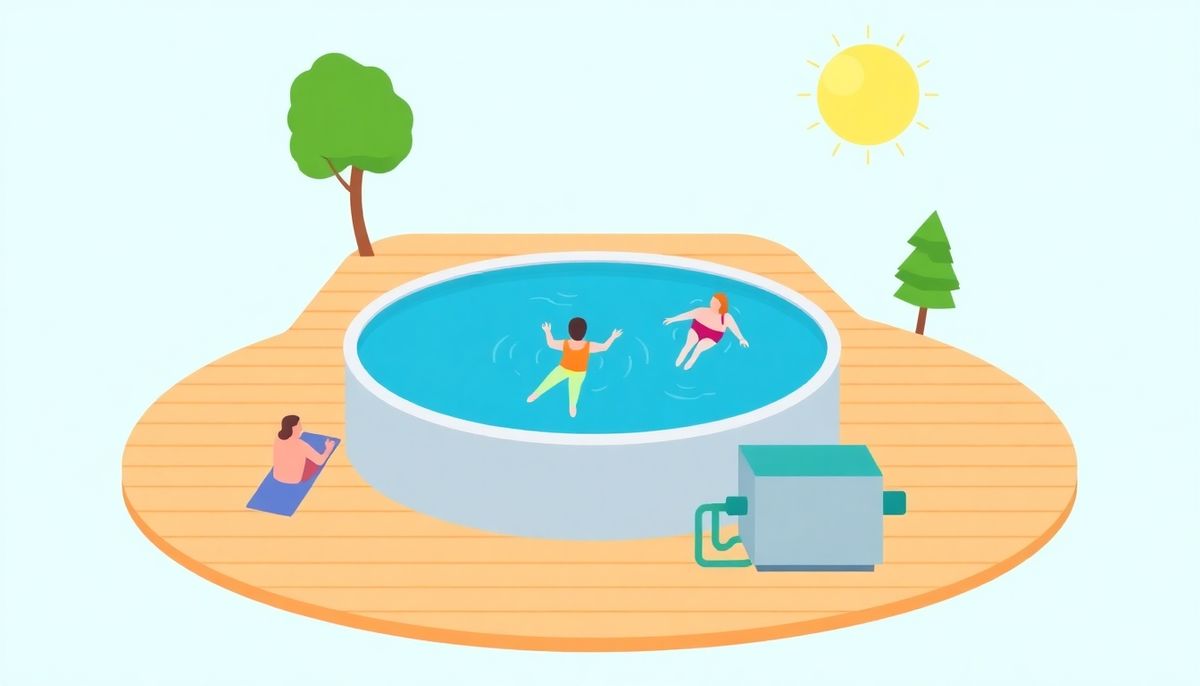
Converting a chlorine pool to salt is quicker than most people expect. Start by confirming your pump, filter, and other parts will play nicely with a salt system, and remember metal frames don't. Then mount the controller, wire it for power, and connect the generator cell to the plumbing. Follow the manual closely so you don't void the warranty.
Salt comes last. A 10,000-gallon pool takes roughly 250 to 280 pounds of pool-grade salt. Spread it evenly around the edge and give it about 24 hours to dissolve fully. Switch on the chlorinator and the water will feel noticeably softer within a day.
Choose the Right System
The right system fits your pool and your life, not just your price range. Blistering summers burn off chlorine fast, so look for one where you can adjust output easily. More swimmers mean more contaminants, which is another reason to leave yourself headroom. On size, the AquaTrol would be overkill for a tiny splash pool but perfect for a big one, while the Krystal Clear is happy in small to medium setups. And budget for the long haul, including upkeep, not just the sticker price.
Install Your Salt System
Most of these systems install in under an hour, so this isn't a lost weekend. Confirm your filter, pump, and heater are compatible, then mount the controller close to your equipment pad. Wire it to power, connect the generator cell to the plumbing, and follow the manual step by step. Add your salt, about six or seven 40-pound bags for a 10,000-gallon pool starting from scratch, scatter it around the edges, and let it dissolve overnight with the pump running. Flip the chlorinator on and you're done.
Maintain Your Salt Water Pool
Keep salt and pH in range
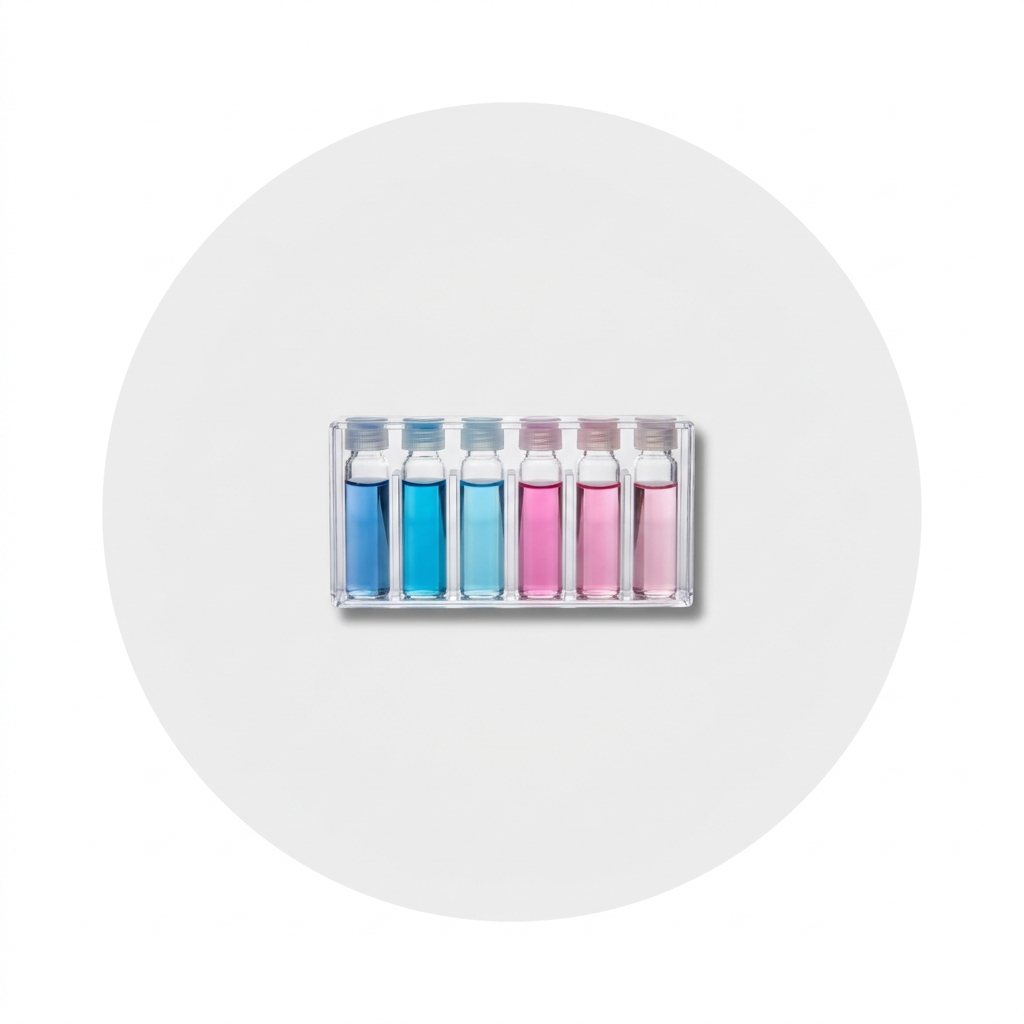
A salt pool still needs a little regular attention. Aim for a salt level around 3,500 parts per million, often written as ppm; that's where the generator makes chlorine most efficiently. Keep pH between 7.2 and 7.6. Too high and you get scaling and cloudy water; too low and it stings skin and eyes. Most systems flag when something drifts, but keep a test kit handy so you catch changes early.
Clean and brush
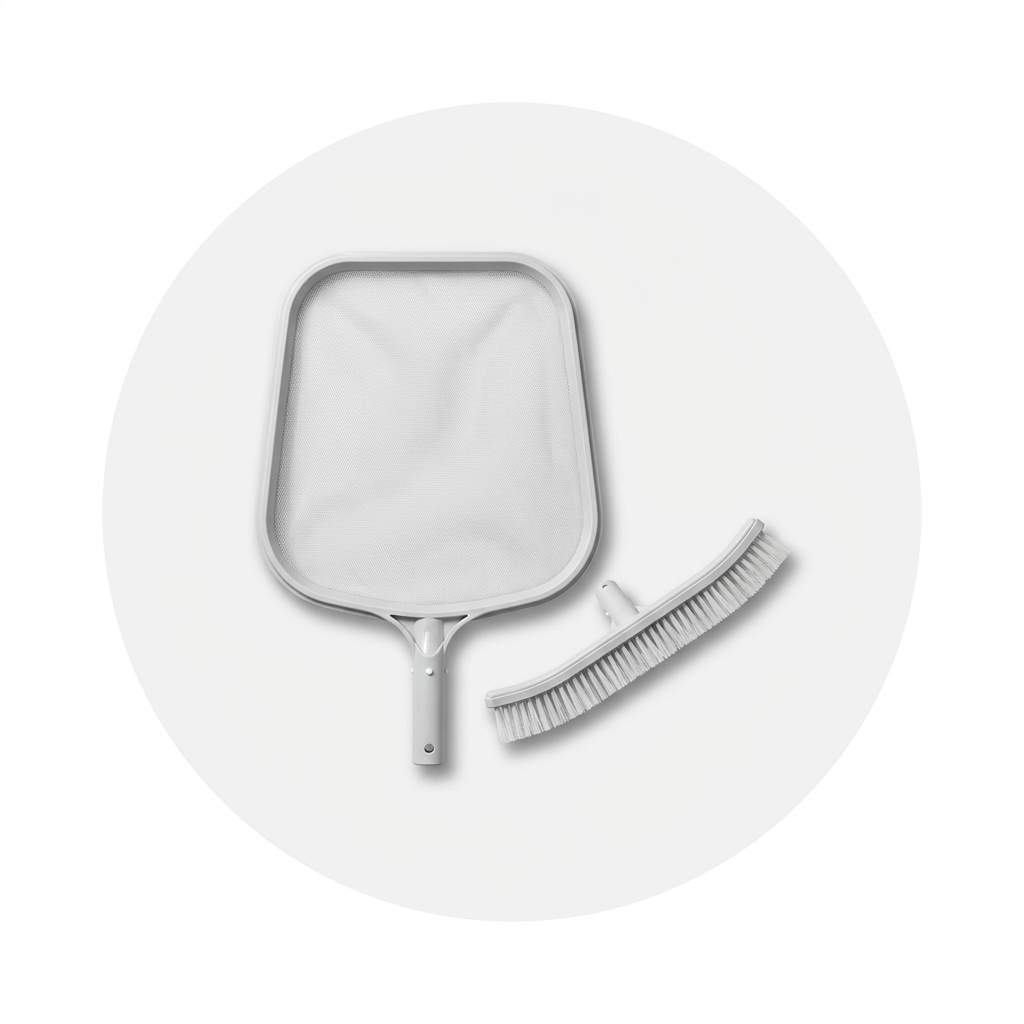
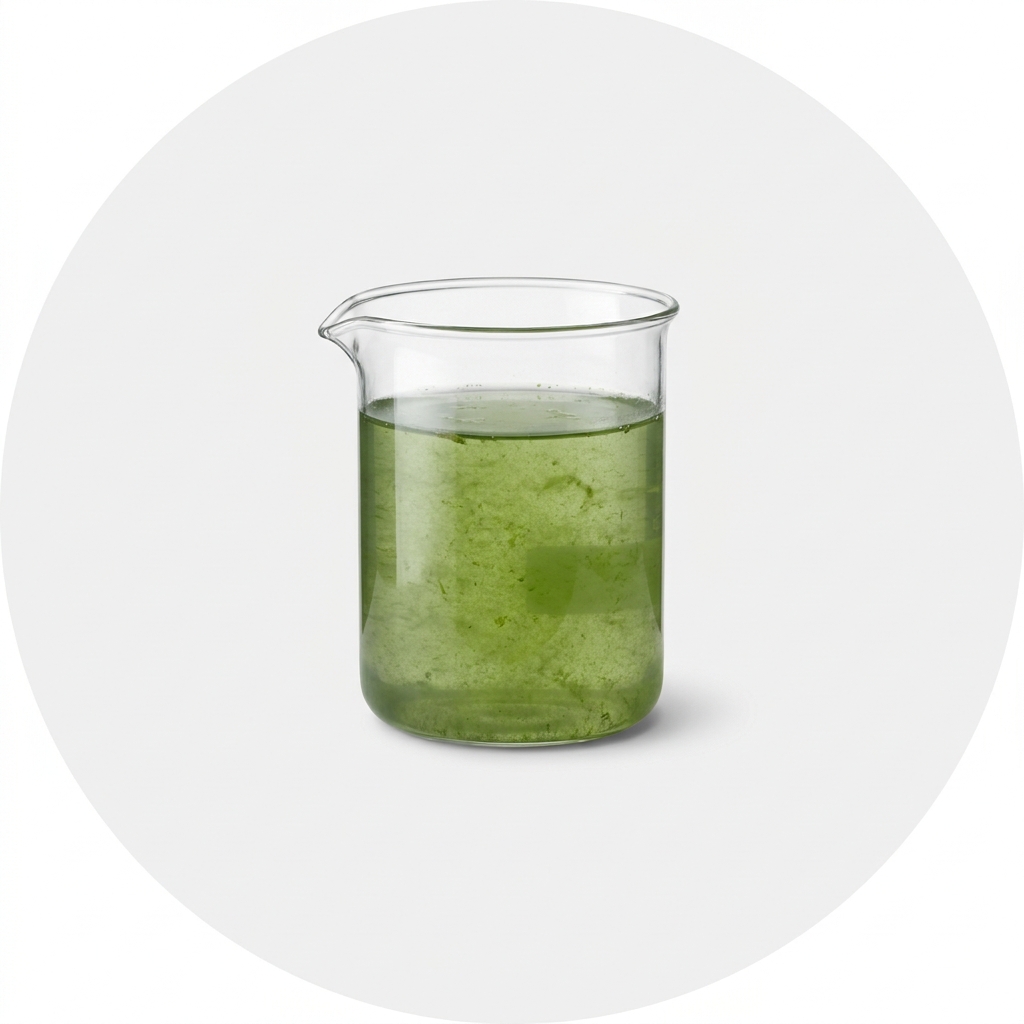
Rinse the generator's salt cell now and then, since calcium builds up and slows it down. A hose usually does it, or a vinegar soak for stubborn deposits. Then brush the walls and vacuum the floor weekly to keep algae from getting a foothold. A few minutes here saves you bigger headaches later.
Keep salt near 3,500 ppm and pH between 7.2 and 7.6, and the system does most of the work for you.
Maximize Chlorine Efficiency
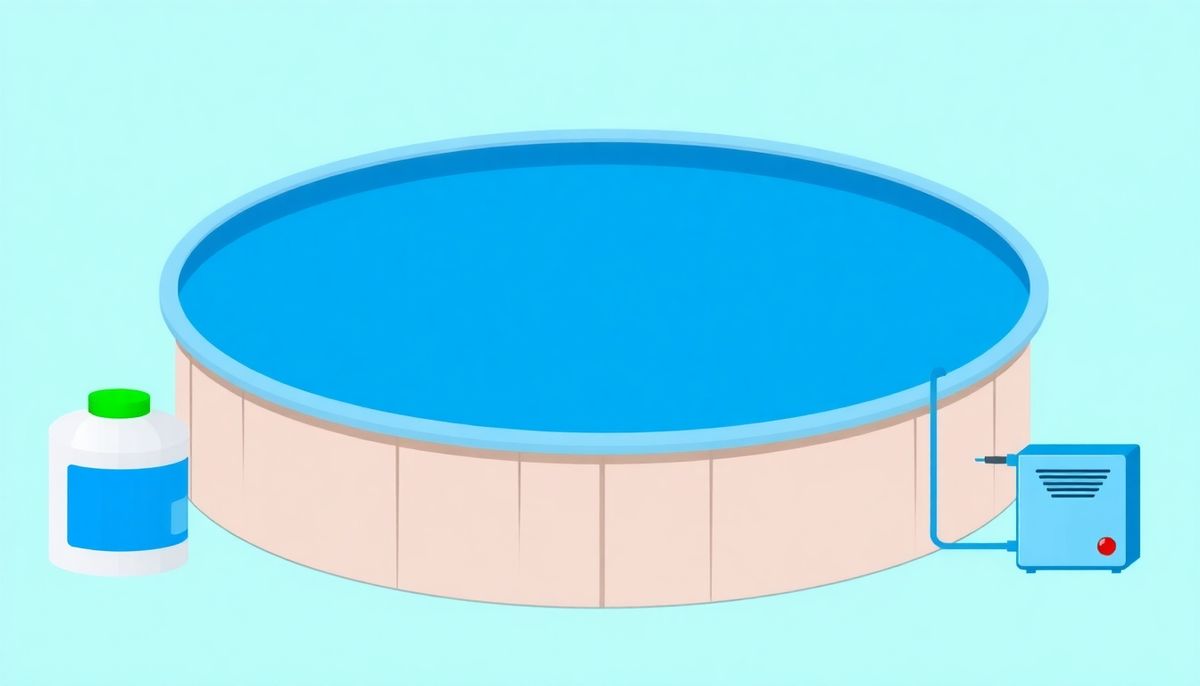
Because the AquaTrol fine-tunes its own chlorine production, you get steady sanitizing with almost no effort. The system splits salt into chlorine through electrolysis, holding a consistent level day to day. To help it along, keep salt near that 3,500 ppm mark and check it on the digital display so you never over- or under-salt. The super-chlorinate setting, that temporary boost, is your friend after a party or a heavy rain. Keep the filter clean and the pump running well so chlorine spreads evenly, and both the water and the equipment will last longer.
Optimize System Installation
Turning an above ground pool into a salt water pool takes prep more than expertise. Make sure the filter and pump can handle the added salt, and if your frame is steel or aluminum, plan on switching to vinyl or resin parts first. Then mount the controller near your equipment pad, wire it for a stable power connection, and attach the generator cell to the plumbing. Add salt based on volume, roughly 240 to 280 pounds for a 10,000-gallon pool, let it circulate and dissolve, and turn the chlorinator on.
Ensure Compatibility with Pool Equipment
Match the system to your gear
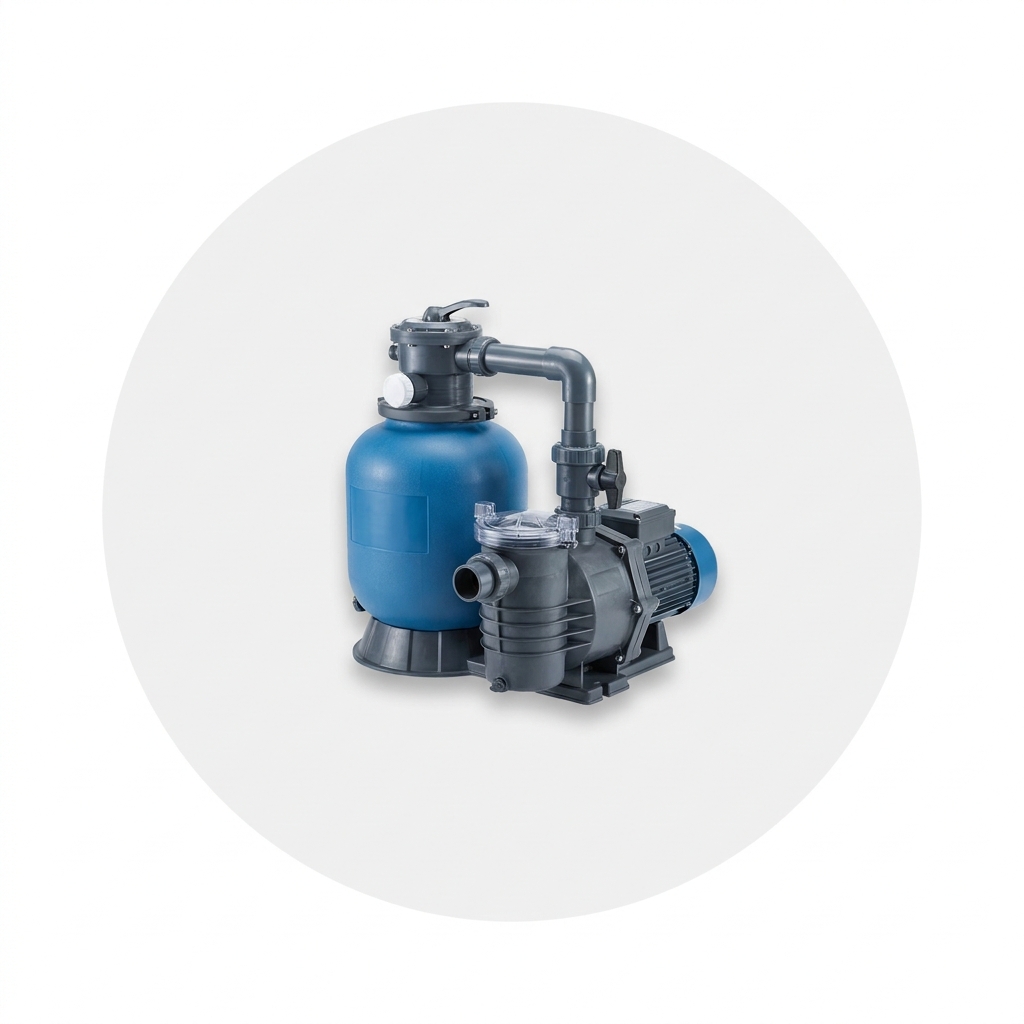
How well the new system gets along with your existing equipment can make or break the project. Start with the pump: you don't need a special one, but it has to have enough capacity to drive the generator. An underpowered pump leaves you with murky water. On materials, the corrosion rule holds, though you can swap vulnerable parts for tougher ones if you're set on salt. Don't forget the heater either; some don't tolerate salt water well, so check the maker's guidance before you commit.
Select the Right Chlorinator
Think of the chlorinator as the heart of the pool. Size it for 1.5 to 2 times your maximum volume so it keeps up during peak use without straining. Pay attention to output capacity, and if you entertain often or live somewhere warm, get one you can dial up and down easily; that flexibility saves wear after a storm or a big party. Check compatibility with your pump and filter, and lean toward systems that are easy to install. The AquaTrol gets steady praise on that front.
Install a Salt Water System

Converting a pool is a smart move if you want easier upkeep and a more natural swim, whether you're starting fresh or switching from chlorine. Confirm the pump, filter, and heater can work with a salt system, and steer clear of steel or aluminum frames. Mount the controller near your equipment, wire it for power, and connect the generator cell to the plumbing. Add salt based on size, about six or seven 40-pound bags per 10,000 gallons, spread it around the edges, and run the pump to dissolve it. Then switch on the chlorinator and let it work. Still deciding? The AquaTrol and Krystal Clear cover most sizes and budgets.
Choosing well comes down to capacity, climate, and traffic. Measure your volume and pick a system rated for 1.5 to 2 times that. Hot regions break down chlorine faster; my cousin in Arizona needed a beefier setup than I do in New York. Busy pools need more output to stay clean. Skip salt on metal-framed pools unless the metal is coated against corrosion; my neighbor had to replace parts after his aluminum frame started rusting. Confirm your pump and filter can keep up, check the manufacturer's guidelines, and upkeep nearly disappears.
Install and Set Up Equipment
Setting everything up goes smoothly once you work in order. Confirm your filter, heater, and pump are salt-ready. Mount the controller within easy reach on a wall near the equipment pad. Wire it safely to power, then connect the generator cell to the plumbing and back to the controller. Work out your salt from your pool's volume, six or seven 40-pound bags for 10,000 gallons, spread it evenly, and let it dissolve for up to 24 hours with the pump running. Switch on the chlorinator and the water's ready. If you're a visual learner, a step-by-step video walkthrough makes the wiring stage much clearer.
Conclusion
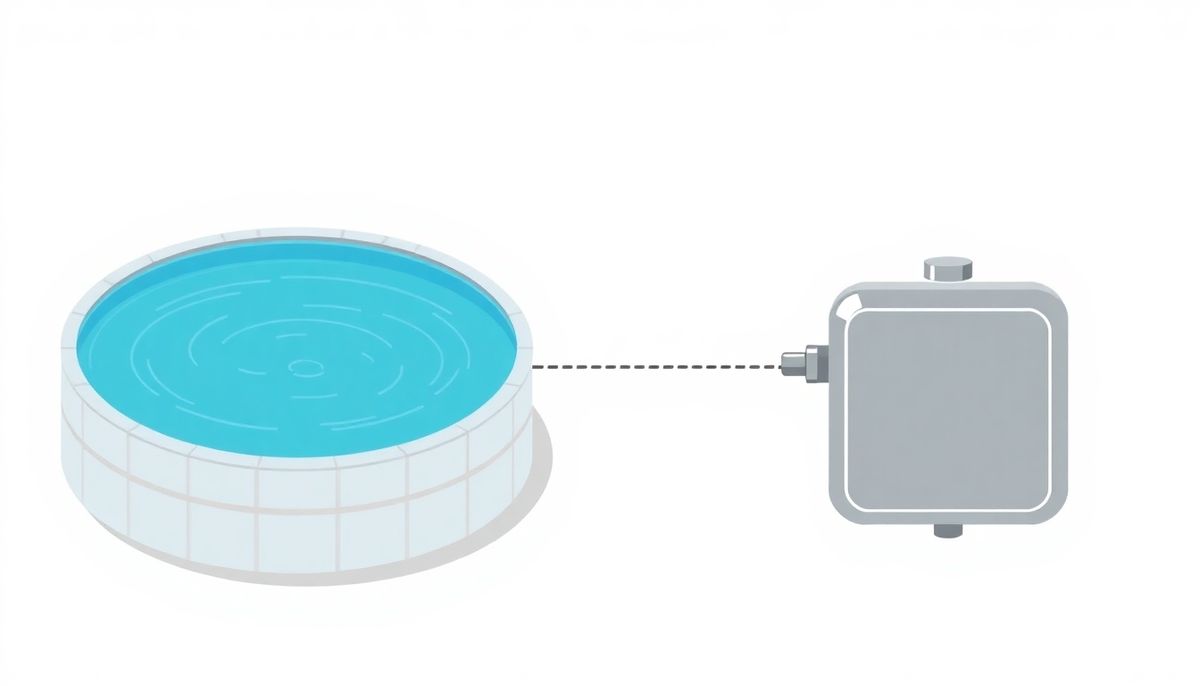
You've now got the full picture: how salt water systems work, how to pick one that fits your pool, and how to set it up and keep it running. None of it is complicated once you know the order to do things in, and the reward is water that's softer on your skin, easier on your budget, and a lot less work to maintain.
Want to go deeper? Our free Pool School course covers everything from basic upkeep to troubleshooting. You'll learn how to:
- Save thousands on pool repairs and chemicals
- Keep your water crystal clear year-round
- Prevent and solve common pool problems
- Master water chemistry with confidence
Join over 10,000 pool owners who have already changed how they care for their pools. Get started with our free Pool School course today!
What you need
To make the switch, grab a compatible salt chlorinator sized for your pool, several bags of pool-grade salt, and a reliable test kit for salt and pH.