



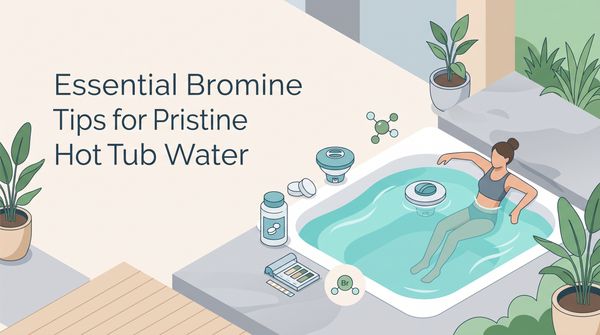
On a chilly evening, there's little better than slipping into the warm water of a hot tub. For a lot of us, it's a small oasis where the day's worries melt away. But keeping that oasis nice takes more than switching on the jets. Good care, especially with bromine, is what keeps the water clear and safe.
Bromine is a great sanitizer for hot tubs because it stays stable in warm water. Unlike chlorine, it doesn't give off a strong smell, so you get a calm soak without that chemical scent. Getting the balance right can feel tricky at first, a bit like following a new recipe.
When I first started caring for my own hot tub, I stood there confused, holding a bunch of containers that all promised perfect water. Things clicked once I understood how bromine levels work, how to shock the water, and why testing with simple strips matters. This guide breaks bromine care into small, doable steps, whether you've owned a spa for years or you're just starting out.
Your Action Plan
- Add a bromine booster (sodium bromide) to your fresh water.
- Add a non-chlorine shock to turn the bromide into active bromine.
- Load bromine tablets into a floating dispenser and set the dial for your tub's size.
- Keep the tub covered to protect bromine from sunlight.
- Test weekly and hold bromine between 3 and 5 ppm.
- Shock the water after heavy use to keep it clear.
Master Bromine Basics
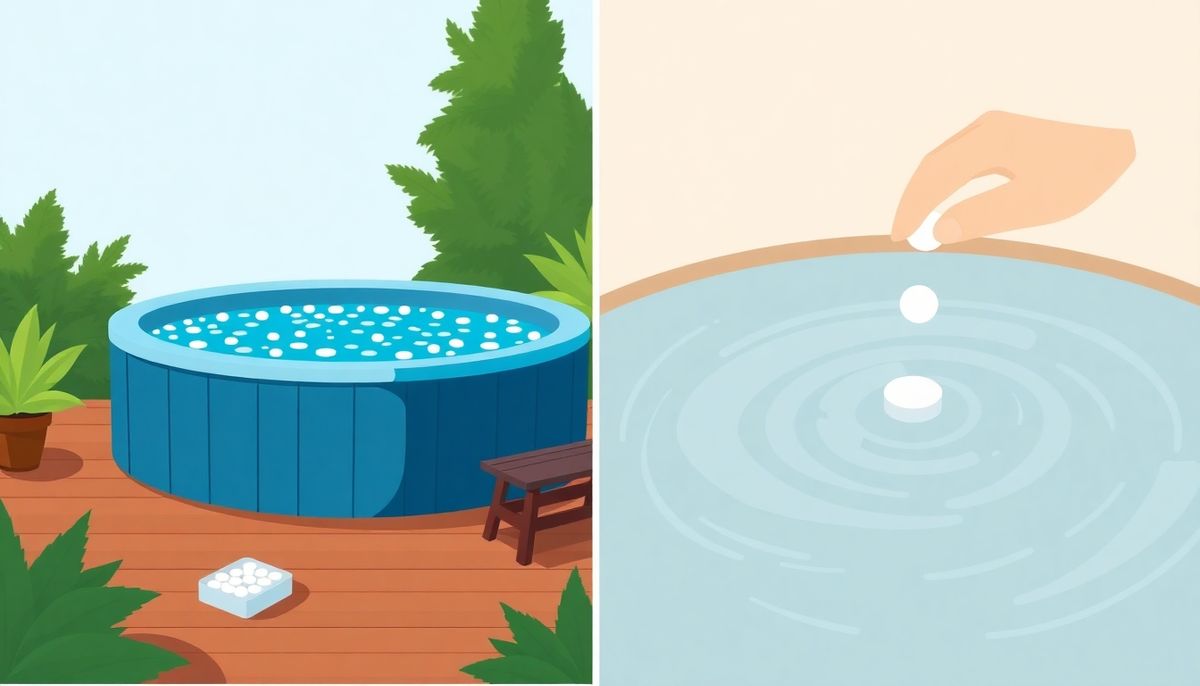
When you dip into a warm hot tub, the last thing you want is a harsh chemical sting. That's where bromine shines. Unlike chlorine, it stays steady in hot, steamy water, which means fewer adjustments and a routine you can count on.
The workhorse here is the bromine tablet. These slow dissolvers drop into a floating dispenser. Toss a few in, set the dial, and they keep working all week. Bromine does need an initial boost to get going in a freshly filled tub, but I'll walk you through that in a moment.
One reason so many spa owners like bromine is how gentle it feels. If you have sensitive skin, you'll probably notice it's softer than chlorine. It does fade in sunlight, so a cover helps. Test regularly to keep levels between 3 and 5 ppm, and your hot tub stays a relaxing spot.
Bromine stays stable in hot water, so it keeps sanitizing even after chlorine would have burned off.
Optimize Bromine Usage
Getting the hang of bromine can turn a dull chore into a smooth routine. Compared to chlorine, it gives steadier performance in hot water, so you can relax without always wondering whether the water's sanitized. To get the most out of it, you need to understand both timing and which chemicals to pair it with.
Get the water going
Here's the setup process, explained once so you can refer back to it later. When you fill the tub fresh, start with a bromine booster called sodium bromide. On its own, sodium bromide just sits in the water as bromide ions. To wake them up, add a non-chlorine shock, which acts as an oxidizer. That reaction turns the bromide into active bromine, ready to attack contaminants. From then on, slow-dissolving tablets in a floating dispenser keep your levels topped up, usually three to five tablets a week depending on your tub's size and how often you soak.
Test, then wait
Testing matters as much as the setup. Test strips give a quick read; a liquid test kit gives more detail if you want precision. Patience pays off here: wait at least 20 minutes between adding different chemicals so each one can dissolve and react. Stick to that rhythm and you'll avoid an over-concentrated mix, so every soak stays safe.
Compare Sanitizer Options
Choosing a sanitizer is a bit like picking a seasoning. Each one gives your water care its own character, and your two options are bromine and chlorine.
Bromine is the top pick for most hot tub owners because it stays stable in hot water and keeps working even after it mixes with contaminants. Chlorine works faster but fades quicker, especially under strong sun. While it's active, chlorine oxidizes contaminants quickly. The downside is the occasional whiff of chloramines, the spent chemicals that cause that harsh bleach smell, if your levels drift off.
Bromine is less reactive than chlorine, which makes it friendlier for sensitive skin, and it gives the water a softer feel. It does break down in direct sunlight, so a cover is a must. Chlorine holds up better outdoors when you stabilize it with cyanuric acid, a chemical that shields it from UV. In the end, your choice comes down to your preference and your tub's conditions.
Maintain Ideal Water Chemistry
Keeping your bromine chemistry right can feel like a balancing act, but the payoff is clean, inviting water. Bromine still needs attention to stay in its sweet spot of 3 to 5 parts per million. Below that, the water isn't sanitized enough. Above it, a relaxing soak can start to irritate your skin.
Test strips are a lifesaver here. A quick dip and a glance at the color chart tells you what to tweak. When you want more precision, a liquid test kit spots imbalances before they cut your relaxation short.
Patience matters too. After you add bromine or an oxidizer, wait about 20 minutes between additions. Keep the jets running and the air blower off so everything mixes in well. Test and adjust weekly, pair that with a reliable floating dispenser, and your hot tub stays a place where stress melts away.
Aim to keep bromine between 3 and 5 ppm, the range where water stays clean without stinging your skin.
Choose Bromine Over Chlorine
Switching to bromine can feel like an easy win. I made the change after one strong, chlorine-heavy soak left me second-guessing things. What makes bromine appealing is its stability at the higher temperatures hot tubs run at. It keeps sanitizing even as it mixes with contaminants, so your water stays cleaner longer, without that familiar chlorine smell.
Bromine also holds steady when pH drifts, so you get reliable cleaning. The water feels softer and less harsh on your skin, which is a real plus if you react to chlorine.
The routine is simple, and it's the same setup from earlier: booster, shock, then tablets in a floater. Since bromine dissolves slowly, weekly adjustments are usually enough. Keep the tub covered to protect it from UV, and add an occasional chlorine shock during heavy use.
Optimize Bromine Stability
Start with a solid base
Keeping bromine stable is part science, part routine. When you fill the tub fresh, add sodium bromide, then a non-chlorine shock to turn those bromide ions into active bromine. After that, regular tablets in a floating dispenser keep your levels steady.
Watch your levels and storage
Aim for 3 to 5 ppm so the water is sanitized but comfortable. Test weekly with strips or a liquid kit, and adjust as needed. If you're unsure about the chemistry, jot your readings in a dedicated hot tub log. Storing bromine well helps too. Keep the tub covered when it's not in use to shield the bromine from sun and hold onto your water's warmth and clarity.
Sunlight breaks bromine down fast, so a good cover is one of the cheapest ways to protect your water.
Enhance Water Comfort
Bromine has a nice edge over chlorine: it doesn't just clean the water, it makes the soak more comfortable, with a softer, more skin-friendly feel. The first time I switched, the water felt noticeably smoother, without the tight dryness chlorine sometimes leaves behind.
Timing helps you get that comfort. Bromine handles the warm, bubbling water of a hot tub well and keeps working even as the temperature climbs. Many beginners find it takes less effort than chlorine, since the tub stays ready for a dip without constant fiddling.
Use tablets in a floating dispenser for a steady release, cover the tub when you're not using it, and test regularly to keep levels between 3 and 5 ppm. Once you feel how gentle bromine-treated water is, harsher sanitizers are a tough sell.
Simplify Bromine Maintenance
Bromine care can turn your hot tub from a chore into an easy part of your week. Bromine does well in hot water and stays effective for a long stretch, so you get less frequent upkeep without giving up water quality.
If you're working with fresh water, you already know the drill: sodium bromide first, then a non-chlorine shock to activate it. Once your spa is primed, tablets in a floating dispenser become your long-term partner.
A good floater makes the whole thing easier and keeps bromine between 3 and 5 ppm. Adjust the settings based on how much you use the tub, and check the water weekly with strips. And don't let direct sun undo your effort. Always cover the tub when it's idle, and bromine care starts to feel less like a task and more like a habit.
Activate Bromine Effectively
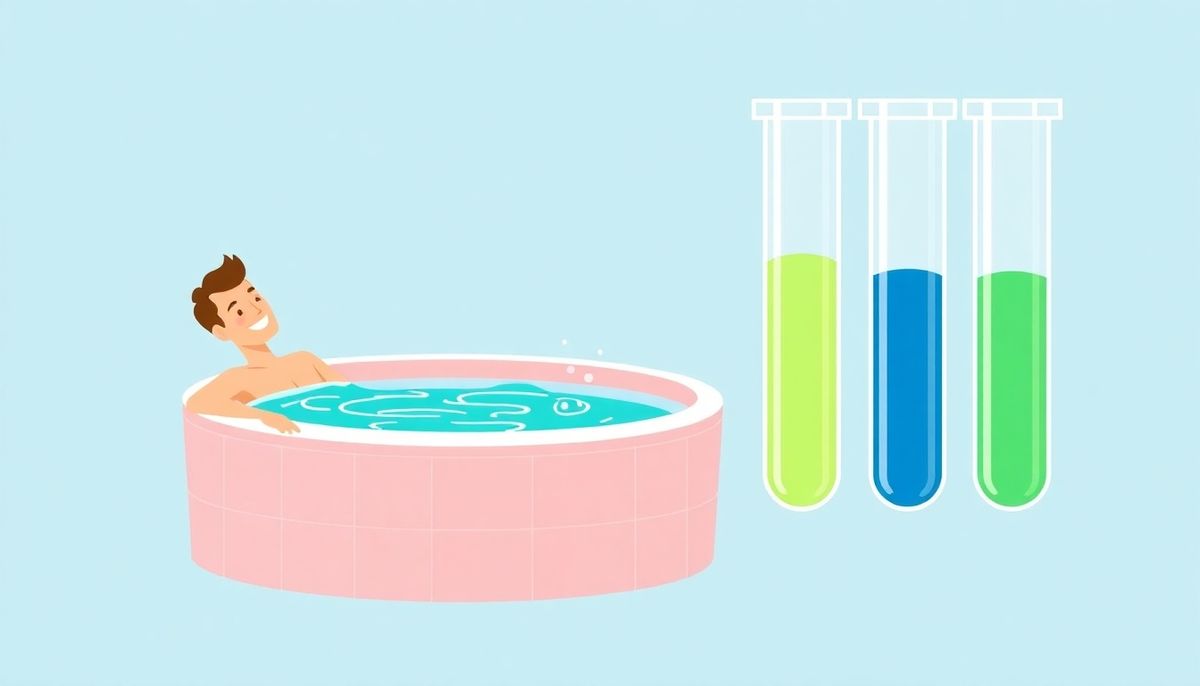
Tablets or granules?
Bromine comes in two forms. Tablets are your slow-release option, ideal for floaters that drift on the surface. Granules give a quicker boost, handy when your levels dip and you need to catch up fast, a little like a quick espresso on a long day.
Priming a fresh fill
If you're new to bromine, the initial setup takes a little chemistry, and it's the same sequence every time: a bromine booster (sodium bromide) lays the groundwork, then a non-chlorine shock activates the bromide into working bromine. Keep your level between 3 and 5 ppm, that sweet spot where unwanted microbes don't stand a chance. As you learn your tub's needs, adjusting how often you add bromine becomes second nature, whether it's a weekly habit or a quick top-up after a party.
Optimize Bromine Application
Bromine is simpler to use than it looks. It stays stable even when the temperature climbs or the pH drifts, so you get a gentler experience without chlorine's harsh smell.
Start by knowing your tub's capacity in gallons, which tells you how much of each product to add. Prime a fresh fill with sodium bromide and a non-chlorine shock, then keep things steady with slow-dissolving tablets in a floating dispenser, roughly three to five a week for your tub's size. Test about once a week with strips or a liquid kit to hold bromine within 3 to 5 ppm. And since bromine doesn't hold up in direct sun, a good cover keeps it working longer.
Select Ideal Bromine Products
Picking the right bromine products is all about balance. Tablets are popular because they dissolve slowly, which makes them ideal for floating dispensers: steady release, stable levels, and far less fuss than constantly adjusting chlorine.
Granules give you a faster fix when you need an immediate bump, like a new fill or a sudden drop. Pair granules with a bromine booster like sodium bromide when you're starting fresh, then follow with a non-chlorine shock to get the spa ready for regular care. Every tub and owner is a little different, so keep experimenting until you find the combo that fits your routine and keeps your soak inviting.
Maintain Safe Bromine Levels
Bromine needs a range of 3 to 5 ppm to work well. Below that, the water may not be sanitized enough. Above it, a relaxing soak can turn into an itchy one.
Finding that spot starts with a weekly habit: testing. Test strips or a liquid kit both work; just do it consistently, like checking your car's oil. Account for your tub's water volume so your numbers stay on target.
When bromine dips, you may need a boost more often than you'd expect, especially if your hot tub is the star of frequent get-togethers. Add bromine after heavy use, or a shock after a party, to keep the water clean. Bromine reacts slower than chlorine, but its stability in hot water gives you longer-lasting defense.
Test and Adjust Bromine Levels
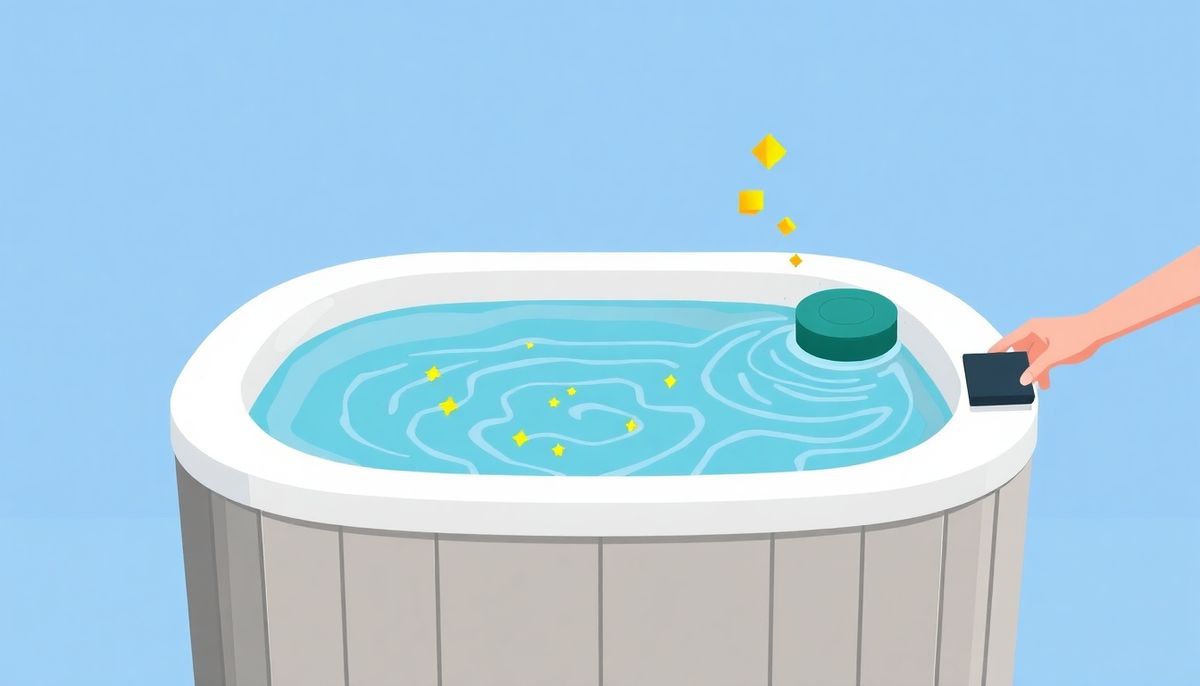
Testing and adjusting your bromine is a habit that keeps your oasis clean. Grab test strips or a liquid kit; liquid kits often read more precisely. Dip the strip or take a sample, wait a moment, and read the result. Make it part of your weekly wind-down.
Every hot tub is different. Your water volume and how often you soak change how often you'll adjust. If you soak nightly, you may need to tweak every day or two, while a weekend-only tub might get by with a weekly check.
One rule you should never break: don't mix bromine and chlorine directly in the tub. That's a chemistry experiment to skip. Take your time and enjoy the small ritual, knowing it leads to uninterrupted calm in your own water haven.
Implement Bromine Testing Routine
Getting the hang of testing is easy once you've done it a few times. Start by knowing your tub's water capacity, since that sets how much bromine you need. Then test at least once a week with strips: dip, wait about 15 seconds, and match the colors to the guide on the package. That keeps your bromine in the ideal 3 to 5 ppm range.
If strips leave you guessing, a liquid test kit paints a clearer picture. It takes a little more effort but makes adjusting easier and builds your confidence.
Water chemistry is sensitive, so wait at least 20 minutes between adding different chemicals and testing again. Keep the jets running and the air blower off during that time so everything spreads evenly. With these steady habits, your bromine routine folds right into your hot tub care.
Adjust Bromine Levels Safely
Keeping bromine right matters for your health and the life of your spa. A common mistake is trusting clear water alone; it can look perfect while the bromine sits too high, leaving anyone who gets in with irritated skin.
Regular testing catches that. A strip quickly shows your level, which should sit between 3 and 5 ppm. If it's low, add a booster or more tablets to the floater. If it's high, pull the floater out and let normal use bring it down, or drain and refill part of the water.
Always wait about 20 minutes after adding any chemical before you test again. Running the jets spreads the bromine; keep the air blower off so you don't lose it to evaporation. Stick with these habits and you'll get the gentle, odor-free feel bromine is known for, without the risks of too much.
Optimize Bromine Effectiveness
Balancing your tub with bromine comes down to timing and precision. Bromine works with a steady hand, breaking down contaminants without that bleach-like smell, and it does especially well in high heat. It's like a reliable friend who stays calm under pressure. The catch is sunlight, which breaks bromine down, so a cover isn't an extra, it's a necessity.
To get started, you know the routine by now: sodium bromide, then a non-chlorine shock to activate it, then tablets in a floater to keep things balanced at 3 to 5 ppm. Test weekly with strips or a liquid kit. And if the water turns cloudy after a lively get-together, give it a chlorine shock to get it ready for your next soak while keeping bromine's gentle touch.
Sanitize with Bromine Tablets

Bromine tablets are the trusty go-to for keeping water clean in a gentle, effective way. Bromine keeps working even after it binds with contaminants, so you get longer-lasting protection against bacteria and other microbes, and it stays stable at higher temperatures.
Working tablets into your routine is easy: put them in a floating dispenser for a controlled, steady release. Three to five tablets usually cover a week, depending on your tub's size and how much you use it. Once you've set the floater, the tablets do the heavy lifting while you relax.
If you're adding bromine to a freshly filled tub, prime it first with sodium bromide and a non-chlorine shock, then switch to regular tablets. Test weekly to hold bromine between 3 and 5 ppm, and your hot tub stays ready for a soak.
Choose the Right Bromine Dispenser
The right dispenser can be the difference between easy upkeep and constant headaches. A common problem is a dispenser that doesn't release bromine evenly, which makes your levels swing no matter how careful you are.
Floating dispensers are popular because they're handy and they work. They're perfect for slow-dissolving tablets; just adjust the settings to control how fast bromine goes into the water. For smaller tubs, a compact floater keeps distribution even without overloading things.
If you want to do as little as possible, an in-line brominator is worth a look, though it tends to suit faster-dissolving chemicals. Tablets can dissolve too slowly in some units, but newer models with adjustable feeds give you better control. Whichever you choose, aim to hold a steady 3 to 5 ppm and keep your tub a relaxing place.
Conclusion
This guide walked you through caring for your hot tub with bromine, from priming a fresh fill to holding steady 3 to 5 ppm levels week after week. Get your spa care going today.
Want to go deeper? Our free Pool School course covers everything about water care, whether it's a pool or a hot tub. You'll learn how to:
- Save money on repairs and chemicals
- Keep your water clear year-round
- Prevent and solve common water problems
- Handle water chemistry with confidence
Join over 10,000 owners who have already transformed their care routine. Get started with our free Pool School course today!
What you need
Stock up on sodium bromide, non-chlorine shock, bromine tablets, a floating dispenser, and a set of test strips, plus a snug cover to keep sunlight off your water.