



Choosing a hot tub sanitizer doesn't have to be complicated. Two names come up again and again: bromine and chlorine. Both keep the water clean and safe, but they get there in slightly different ways.
Growing up, my family had a hot tub tucked in the backyard, a warm escape on chilly evenings. My parents argued about bromine versus chlorine so often it became a dinner-table topic. Bromine earned praise for working across a wider pH range and for being gentler on skin. Chlorine hit bacteria hard and oxidized fast, which made it a favorite for a lot of people.
It helps to know what sets these two apart. It's not just their chemistry, but how they respond to water temperature, how often you soak, and what you personally prefer. If you have allergies or sensitive skin, bromine may be the gentler choice. If you want something that acts fast, chlorine might be more your speed. Both have real strengths, and the right pick makes your tub more comfortable and safe.
Your Action Plan
- Test your water weekly for pH, alkalinity, and sanitizer level.
- Choose bromine for indoor or always-heated tubs and sensitive skin.
- Choose chlorine for outdoor tubs and fast, budget-friendly cleaning.
- Add tablets through a floater or feeder for a steady release.
- Shock the water regularly to clear odor-causing byproducts.
- Clean the filters, scrub the shell, and keep a good cover on.
Discover Bromine Benefits
Why bromine deserves a second look
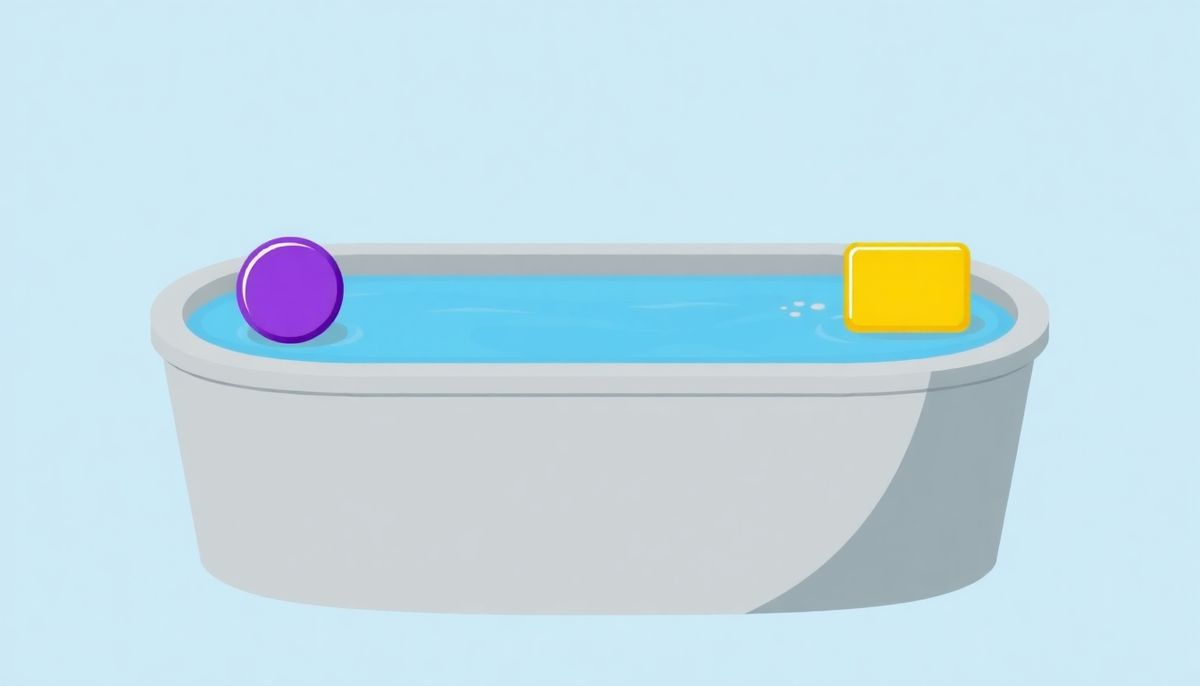
Bromine gets overlooked, but it quietly does a lot for your soak. If you like soaking indoors, it skips the harsh chemical smell chlorine is known for, so stepping into a warm tub feels far more pleasant right away.
It also holds up well in warm water, which makes it a strong fit for tubs that run hot. Even after it bonds with contaminants, bromine keeps cleaning longer than chlorine. That means fewer top-ups and steadier sanitizing, so you save time and effort.
If you have sensitive skin or breathing trouble, bromine's gentle nature is a real plus. It's less likely to cause irritation, so everyone can enjoy the tub. Its lower pH also keeps your water more balanced, so you adjust the chemistry less often. For anyone who values comfort and low maintenance, that's a lot to like.
Choose Bromine for Indoor Use
Bromine indoors
Indoor tubs are where bromine really earns its keep. In an enclosed space, chlorine's smell can build up fast, especially where ventilation is limited. Bromine works more quietly, keeping the water clean while the air stays fresh.
When my family switched our indoor tub to bromine, guests stopped mentioning that pool smell, and it was a relief for anyone with sensitive skin. The lower pH kept the chemistry balanced too, which meant fewer adjustments and more time actually enjoying the water. It takes a bigger starting dose than chlorine, but its staying power tends to even out the cost. For a calm, odor-free soak at home, it's the better choice.
Improve Water Stability with Bromine
Bromine holds up in higher temperatures far better than chlorine, which is what makes it stand out for hot tubs. It stays active even after it neutralizes contaminants, because of how it reacts to the heat. Chlorine burns off quickly and forms chloramines, the byproducts behind that sharp pool smell and skin irritation. Bromine's waste product, bromamines, is far less irritating and keeps working longer.
Its lower pH helps keep your levels balanced, so you test and tweak less. Slow-dissolving tablets work well in a brominator or floating dispenser, giving you steady, long-lasting protection. You'll pay a bit more up front, but the tradeoff is a low-hassle soak.
Bromine stays active in hot water long after chlorine would have burned off, which is why heated and indoor tubs are where it shines.
Avoid Strong Odors with Bromine
Small differences between sanitizers add up, and smell is a big one. Chlorine often leaves a sharp odor hanging in the air, while bromine's scent is much lighter. That matters most for indoor tubs, where you can't count on fresh air moving through.
A friend of mine switched to bromine because her family kept complaining about the chlorine smell. Almost overnight, their cozy indoor spa went from a chemical-scented room to a calm retreat. Bromine costs a bit more, but the better air quality is usually worth it. Its lower pH keeps the chemistry steady, which is another win if you'd rather not fuss over constant adjustments.
Compare Chlorine Efficiency

Chlorine's biggest strength: speed
Chlorine's main advantage is how fast it works. It wipes out bacteria almost right away, which is handy if you use your tub often and want it ready with little waiting. I've leaned on that quick cleanup during last-minute get-togethers with friends.
It does need steady upkeep. As chlorine binds with contaminants, it forms chloramines, and those cause the familiar pool smell and can irritate skin and eyes. Regular dosing and the occasional shock treatment keep that in check. A weekly reminder to test and adjust has always been the key for me.
Sunlight matters too, especially outdoors. UV rays break chlorine down faster than bromine, so you have to watch your levels closely. Still, chlorine is cheap and easy to find, which is why so many owners reach for it. The trick is weighing that speed against the steady care it needs.
Evaluate Chemical-Stability Differences
Bromine and chlorine both belong to the halogen family, but they react very differently to heat and sunlight. Bromine handles high temperatures without losing its punch, which is why it's recommended for indoor tubs or ones that stay heated. Chlorine kills germs fast but struggles in warm water, burning off quickly so you refill more often.
Outdoor tubs flip the script. Here, UV light weakens bromine faster than it does chlorine, so chlorine is the better pick for open-air setups, especially paired with a solid cover to block the sun. A friend's outdoor tub kept swinging in water quality until she switched to chlorine and used her cover regularly. That fixed it.
Chlorine's speed and low price make it the better choice for outdoor tubs, where sunlight burns bromine off fast.
Compare Cost-Effectiveness
What it really costs
Look past the price on the label. Chlorine costs less up front, and its wide availability makes it appealing if you're new to hot tub care. But it needs frequent topping off, sometimes weekly, to fight the chloramine buildup behind that sharp smell and irritation. Those costs add up.
Bromine costs more at first but is steadier, and it really shines when the water stays hot. Because it dissolves slowly, you dose it less often, which evens out the higher price over time. It can also be easier on sensitive skin, saving you money on products to soothe irritation. If you use your tub a lot or share it with family and friends, that reduced hassle is worth a lot.
Assess Indoor-Outdoor Suitability
Where your tub sits, indoors or out, changes how well each sanitizer works. For indoor tubs, bromine usually wins: a lighter smell, a better fit for enclosed spaces, and steady performance in warm water so it keeps working without constant reapplication.
Outdoor tubs bring their own challenge. The sun's UV rays break bromine down fast, which makes it less efficient. Chlorine resists UV better and keeps sanitizing longer out in the open. You may need to add it more often to stay ahead of buildup, but its quick action keeps the tub safe and inviting. Match the sanitizer to the setting, and your routine runs smoother.
Balance Your Water Chemistry
Keeping the water balanced
Getting your water chemistry right is what makes any sanitizer work. Every time someone climbs in, the balance of pH and sanitizer shifts. Your job is to keep an environment where the sanitizer can actually do its work.
Bromine's lower pH naturally helps steady the water, so you adjust less often, which means more time to soak. Chlorine acts fast and precise, but it needs regular checks so it doesn't tip into chloramine overload.
Regular testing is where it all comes together. A kit or test strips show your sanitizer level plus pH, total alkalinity, and other key numbers. A friend kept getting skin irritation until she realized her pH was too low, which was making the chlorine irritate instead of sanitize. Once she balanced it, her tub turned into a comfortable retreat with none of the harsh side effects.
Regular testing is the single habit that makes any sanitizer work the way it should.
Choose the Right Sanitizer
Chlorine acts fast and holds up outdoors against UV light. But its strong smell and tendency to irritate skin can be a turnoff, especially indoors or for people with sensitive skin. One friend swore by chlorine for years until her family started getting itchy after every soak. Switching changed their whole experience almost overnight.
Bromine works steadily, even in warm water, which suits indoor tubs. Its low odor and gentler touch make it a favorite for people with respiratory sensitivities, and its stability means fewer swings in chemistry, so you maintain it less often. The tradeoffs are the higher cost and the bigger doses needed to match chlorine. Weigh the upfront price against long-term comfort and upkeep, and you'll know which one fits.
Master Chlorine and Bromine Usage
Chlorine has long been the go-to for owners because it's effective and cheap, and it works fast when you need quick results. It just needs regular attention, with frequent topping off to keep its byproducts from irritating skin and eyes.
Bromine takes the prize for stability, especially in the warm water of a hot tub. It costs a little more but dissolves slowly, so you dose it less often, and its byproducts are gentler. Its lower pH also helps keep the water balanced, which cuts down on extra chemical adjustments. Knowing when and how to use each turns care from a chore into something easy.
Optimize Hot Tub Maintenance
Building a maintenance routine
Picking the sanitizer is just step one; clear, safe water takes regular upkeep. A small investment in test strips or a digital tester saves a lot of headaches by tracking pH, alkalinity, and sanitizer levels so you can keep them in range.
If you use chlorine, remember it burns off fast in sunlight, so an outdoor tub needs a sturdy cover, and regular shocking keeps that bleach smell away. Bromine stays stable in warm indoor tubs; it costs more, but slow dissolving evens that out over time.
You can also add a mineral purifier alongside either one. That cuts how much chemical sanitizer you need, which is easier on the environment and can be gentler on skin. Check levels weekly, adjust as needed, and clean water becomes the norm instead of the exception.
Bromine and chlorine come from the same chemical family but give you different experiences. Bromine is the one to reach for with indoor tubs; its subtle scent won't fill the room the way chlorine can. Its stability in high heat is a real draw, since it stays effective longer when your tub runs hot. Its one weak spot is UV light, so an outdoor tub often does better with chlorine.
Chlorine is the more familiar option: fast against contaminants, budget-friendly, and easy to find. Just watch for its byproducts, which can dry your skin and leave that smell behind. Your own preferences matter too. If you have sensitive skin or breathing concerns, bromine's gentler nature may win you over. Either way, a steady schedule and good testing make any soak a good one.
Compare Chlorine and Bromine
Both come from the halogen family, and both keep your tub free of bacteria and contaminants, but they go about it differently. Chlorine is the pick for outdoor tubs because it reacts fast, though that speed brings the odor and irritation you have to stay ahead of. Shocking the water now and then keeps it clear.
Bromine is the favorite indoors, prized for staying stable in warm water and for its milder smell. Part of its cleaning power stays active even after first use, so it keeps working over time and helps balance out the higher cost. Its lower pH keeps the chemistry steady, so you adjust less. Your choice may come down to your own sensitivities and where your tub sits.
Choose the Best Sanitizer Type
Bromine and chlorine each shape how you enjoy your soak. If chlorine's sharp, lingering smell has ever put you off, bromine is easy on the senses and, despite the higher price, stays stable in warm water so you reapply less. It's the steady, dependable option, especially for indoor tubs and sensitive skin.
Chlorine is no slouch. It acts fast, killing bacteria quickly, and it's cheaper and simpler to use. Outdoor tubs benefit from its resilience in sunlight, since UV breaks bromine down faster. If you soak often and want a low-maintenance, less irritating option, bromine could be the one. If you want a cheaper, fast-acting choice and your tub is outdoors, chlorine may win. It comes down to matching the strengths to how you actually use your tub.
Understand Sanitizer Effectiveness
Chlorine's fast action makes it great at dealing with contaminants quickly, but that efficiency comes with a lingering smell and possible skin irritation. Bromine's lighter smell makes it a strong indoor choice, and its stability in hot water keeps it active longer with less upkeep.
It's not flawless. Over time, bromamines build up and slowly cut its effectiveness, but regular shocking fixes that, just as it does with chlorine. Both need careful balancing and regular water testing. Bromine may cost more at first, but its longevity can even out the expense over the long run. With that in mind, choosing a sanitizer feels less like a chore and more like a path to clean, clear water.
Maintain Hot Tub Cleanliness
The habits that keep water clear
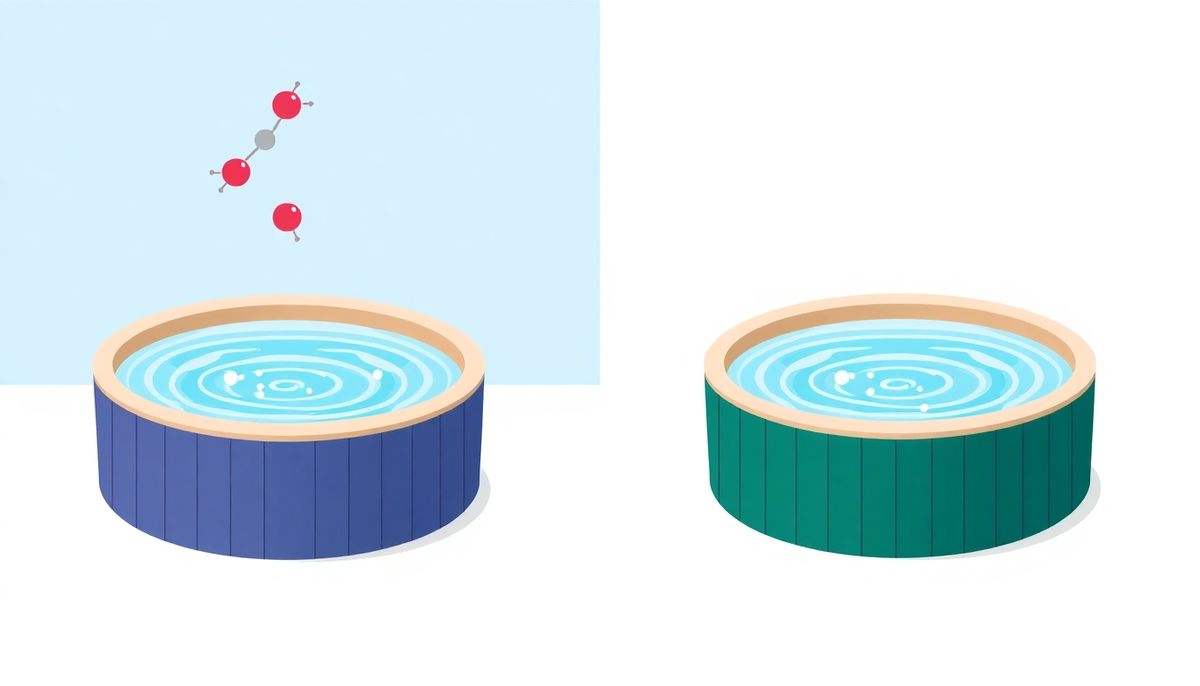
A hot tub is only relaxing when it's clean, and both sanitizers need steady attention to keep the water inviting. The secret is the same either way: regular testing and balancing. A friend fought murky water for months until she started checking pH and sanitizer levels every week, and that turned her tub into a real retreat. Test strips show your water's chemistry in seconds.
Don't skip shocking. It's like hitting the reset button, breaking down the byproducts that cause odors and irritation, whether you use non-chlorine or traditional chlorine shock. And upkeep is more than chemicals. Clean your filters, scrub the shell, and keep your cover in good shape, since a cover blocks debris and the UV rays that break bromine down faster than chlorine.
If you love a soak without the harsh smell of chemicals, bromine is likely your pick, with its warm-water stability and gentler touch on sensitive skin. Just remember it costs a little more and reacts more slowly than chlorine. If cost and ease of use are your priorities, chlorine is efficient and easy on the wallet, and it resists UV, so it holds up outdoors.
Want to keep things even simpler? A saltwater system uses a generator to turn salt into chlorine and cuts down on hands-on work. Whatever you choose, regular testing is a must to keep levels right for a safe, enjoyable soak. It's a balance of convenience, cost, and comfort, tuned to what you need.
Optimize Sanitizer Effectiveness
Start with where your tub sits. Chlorine's fast reaction does best outdoors, handling contaminants from weather and frequent use. Indoors, bromine's warm-water stability keeps it working longer, so you re-dose less often.
Then think about how you add it. Tablets dissolve slowly for a steady release but need watching; granules let you control the dose precisely, though you'll add them more often.
Test the water regularly and keep the right parts-per-million level. Good test strips measure several chemistries at once, including total chlorine, total bromine, and pH. And don't skip periodic shocking, which restores your sanitizer's ability to fight contaminants. Once you know each one's strengths and weaknesses, the smart choices come easily.
Conclusion
This article shared some tips for keeping your hot tub in good shape. Start your spa care journey today!
Want to become a pool and spa maintenance expert? Our free Pool School course covers everything you need to know about water care. From basic upkeep to advanced troubleshooting, you'll learn how to:
- Save thousands on repairs and chemicals
- Keep your water clear year-round
- Prevent and solve common problems
- Handle water chemistry with confidence
Join over 10,000 owners who have already transformed their care routine. Get started with our free Pool School course today!
What you need
Grab bromine or chlorine tablets, a floating dispenser or feeder, a bottle of shock, and reliable test strips so you can dose right and keep the water clear.