



Slipping into a hot tub should feel great, but that calm falls apart fast when the water chemistry is off. A frequent troublemaker is high pH, which can leave the water cloudy, make your skin itch, and keep your sanitizer from doing its job. The good news? Getting things back in balance is easier than you'd think.
I ran into this exact problem years ago. After we bought our first hot tub, the water looked cloudy and just wasn't inviting. Our pH was too high, which is why our pricey sanitizer wasn't pulling its weight.
It helps to know what pushes pH up. Usually it's fresh water going in, alkaline cleaning products, or plain evaporation. Once you spot the cause, the fix is clear. A pH decreaser like sodium bisulfate lets you lower pH with real precision, and regular testing keeps that balance steady and your equipment lasting longer.
Stay on top of your hot tub's pH and you'll get clearer, more relaxing water, plus you'll protect your investment for years of good soaks.
Your Action Plan
- Test your water with a strip, aiming for a pH of 7.4 to 7.6.
- Check alkalinity too, keeping it around 80 to 120 ppm.
- If pH is high, add a dedicated pH decreaser with the jets running on low.
- Wait a few minutes, then retest and adjust in small amounts.
- Test weekly, and again anytime you add water or chemicals.
- Keep a simple log of your readings and what you did about them.
Use pH Decreaser Effectively
Balancing pH is one of the most important parts of hot tub care, both for how the water feels and how long your equipment lasts. High pH can cause scaling, cloudy water, and skin irritation, so a pH decreaser like sodium bisulfate is a smart pick. It's built for hot tubs, which gives you a predictable, safe way to shift pH.
How to use a pH decreaser step by step
Start by testing your water with a good strip, aiming for that sweet spot between 7.4 and 7.6. Once you have a reading, check the label for how much to add. Sprinkle the decreaser in while the jets run on low so it spreads evenly. Wait a few minutes, retest, and repeat if needed. Learn this well, because you'll lean on it in every section that follows.
When I first tried this on my own spa, I learned that precision matters. I misjudged the amount and sent my pH bouncing up and down. Be careful and patient. Wear gloves and goggles too, since sodium bisulfate is an acid and can irritate your skin.
Keep your hot tub's pH between 7.4 and 7.6, and make small adjustments rather than big ones to avoid the up-and-down seesaw.
Choose the Right Product
Picking the right product to lower your pH might feel like a job for a chemist, but you won't need a lab coat. Just focus on a reliable, dedicated pH decreaser like sodium bisulfate, made for hot tubs and swim spas.
Why does this matter? Left alone, high pH can tear up your equipment, causing costly repairs from scale buildup and weak heating. Household vinegar can technically lower pH, but its strength varies and there's no dosing chart, so you're stuck guessing. Besides, who wants their relaxation time smelling like a salad bar?
Stick with a product made for hot tubs and you keep your pH, and your maintenance costs, in the right range. Handle it carefully and follow the label, and you set up a nicely balanced soak every time.
Test and Adjust Regularly
Testing and adjusting your pH means finding a rhythm. One day everything's in tune, and the next an unexpected swing throws it off. That's why frequent testing matters. A reliable test strip gives you a quick snapshot and shows whether you've drifted outside that 7.4 to 7.6 sweet spot.
A friend once told me about their nightmare with murky water and itchy skin, only to find their pH was way off because they hadn't checked it in weeks. Don't go down that road. Make testing a regular habit, like a checkup for your water.
Once you've got your readings, adjust as needed. If your pH is too high, add your decreaser and retest after a few minutes. Small tweaks beat drastic changes, and they keep you from overcorrecting.
Monitor Alkalinity Levels
If you're ready for a soak but the water looks dull, alkalinity is often the culprit. It's the foundation of your water chemistry, soaking up swings and keeping things steady. When it's off, your pH can bounce all over the place.
Where to aim your alkalinity
Check alkalinity regularly with a strip or kit and aim for a reading between 80 and 120 parts per million (ppm). That range keeps pH stable without constant fiddling. I once ignored alkalinity and ended up messing with my pH all the time, so trust me on this.
When alkalinity climbs too high, your pH can get stubbornly stuck up there. That's when your decreaser earns its keep. Add it slowly, retest after each adjustment, and everything settles into place.
Alkalinity is your pH's safety net, so get it in range first and pH becomes far easier to hold steady.
Balance Water Chemistry
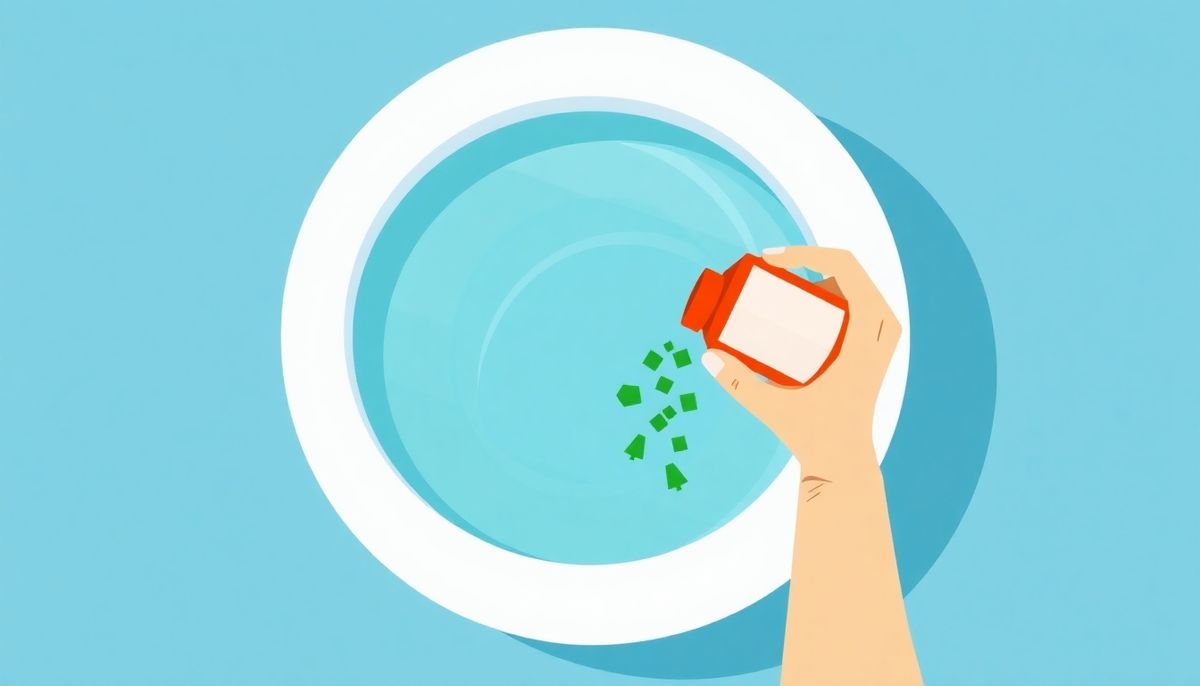
The aim is to keep both pH and alkalinity in check, which protects your comfort and your spa's equipment. Say you've just tested and the pH is creeping above the ideal 7.4 to 7.6 range. This is where a trusted pH decreaser like sodium bisulfate comes in. It's built for hot tubs, so it's a safer bet than improvising with pantry items.
Adding the decreaser takes patience and precision. Sprinkle it evenly with the jets on low and let it mix fully before you retest. That careful approach prevents the yo-yo effect, where pH swings up and down and undoes your work.
Alkalinity matters here too, since it buffers those swings. Keep it in range and pH stays steady. If it drifts too far, your pH turns unpredictable and routine upkeep becomes a guessing game. Getting these two right guards against costly repairs and keeps your water clear.
Use Proper pH-Decreaser
Standing in front of rows of bottles that all promise miracles, it's easy to feel swamped. Sodium bisulfate, often labeled "pH Reducer" or "pH Decreaser," is your simple ally. This dry acid is made for hot tubs, unlike vinegar, whose strength varies enough to leave you guessing at the dose.
I remember trying vinegar in a pinch. It took several tries to get the dose right, and the faint smell hung around, leaving my hot tub smelling more like a salad bar than a spa. That's when I switched to a proper pH decreaser. With a quick dip of a test strip, adjustments got precise and stress-free, which protected my equipment from scale and kept the water comfortable on my skin.
Accuracy is the key. Check your current pH with a strip, then follow the maker's chart to add the right amount.
Watching your pH is less a one-time fix and more an ongoing habit. It starts with a simple dip of a test strip, a small routine that saves you hours of frustration later.
Think of it like tuning an instrument
Just as a guitar needs regular tweaks to sound its best, your hot tub does better with regular checks. Testing weekly is enough for most people, but if you've just added water or chemicals, a couple of extra tests can head off future headaches. Consistency is what counts. Keep a log if it helps, jotting down any pH changes and what you did.
Make adjustments slowly, respecting the balance between pH and alkalinity. Add your decreaser bit by bit and give it time to mix before retesting. That patience pays off with reliably clear water and fewer surprises.
A quick weekly test with a strip is the single habit that prevents most hot tub water problems before they start.
pH gets the spotlight for irritating skin or damaging equipment, but alkalinity quietly keeps pH from swinging wildly. Without it, holding a balanced pH is like aiming at a moving target.
Think of alkalinity as the buffer that absorbs swings so your pH stays in the 7.4 to 7.6 range you want. Test it regularly, aiming for 80 to 120 ppm, and a reliable strip makes it easy to see whether you need to adjust.
I've found that keeping alkalinity a touch higher, around 120 ppm, cuts down how often I have to adjust. That means less time fussing with chemicals and more time relaxing. Over time, steady monitoring protects your skin and equipment and keeps the water clearer.
Test with Strips Regularly
Test strips are a quick, effective way to stay on top of your pH. You don't need fancy gadgets or a pricey digital reader when a simple strip tells you everything in seconds. Dip, wait, compare, adjust.
One chilly winter evening I sat down for a soak only to find the water murky and itchy. A quick strip showed a sky-high pH, which explained the discomfort. The right amount of decreaser set things right, and my hot tub became the cozy haven it was meant to be.
Test strips aren't just about convenience, they're your first defense against damage. High pH can lead to costly heater and pump repairs from scale buildup. Check your levels routinely and you can stop those problems before they start.
Choose the Right Decreaser
With your hot tub and your skin on the line, it's worth choosing your decreaser carefully. Sodium bisulfate lets you hold the ideal pH without guesswork, and a dedicated product makes it much easier to keep your water comfortable and safe.
In my own hot tub days, I've tried alternatives, from white vinegar to citric acid. They can technically lower pH, but they often leave you playing chemist, trying to pin down the right amount. Add a splash too much and your relaxing soak feels like a cooking experiment.
Sodium bisulfate stands out because it gives you consistent, predictable results. It's not only about hitting that number between 7.4 and 7.6, it's about getting there efficiently, and a test strip lets you track your progress without much hassle.
Monitor and Adjust pH Levels
Keeping your pH in check is a lot like getting the spice level right in a dish. Too much or too little spoils the whole thing. Watching and adjusting pH regularly helps you avoid dry skin, cloudy water, and damage to your tub's parts.
Start with reliable test strips. They're quick, cheap, and easy to use, and they tell you where your pH stands. Ideally, it should sit between 7.4 and 7.6. Once you see the pH needs lowering, add your decreaser with the jets on low, wait a few minutes, and retest to confirm you're in range.
Consistency is your friend. Regular testing and gradual tweaks keep pH from swinging out of control, like tending a garden with small, steady care.
Balance Alkalinity for Stability
Getting the perfect soak isn't only about nailing your pH, you also have to balance alkalinity. Think of it as the backbone of water chemistry. It absorbs pH shifts and keeps everything steady.
What happens when alkalinity drifts
When alkalinity is low, pH can drop with almost no warning, creating an acidic mix that damages equipment and irritates skin. When it's high, adjusting pH gets tricky, and you're left with stubborn scale and cloudy water.
Getting the balance right starts with testing. Use reliable strips to read both alkalinity and pH. Aim for an alkalinity range of 80 to 120 ppm, keeping it in a spot that fits your pH target of 7.4 to 7.6. You can adjust with sodium bisulfate, which nudges alkalinity down a bit too. Add it slowly and watch closely, since sudden changes throw things off.
Avoid Damaging High pH
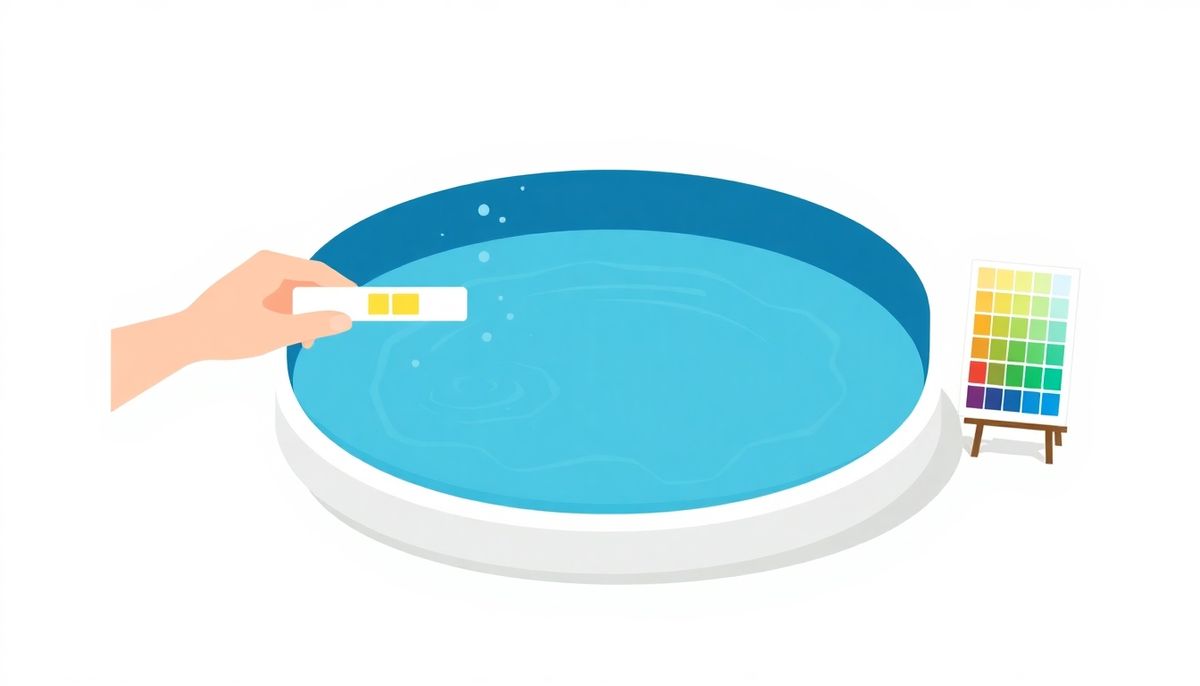
Keeping your pH right isn't just about comfort, it matters for your equipment and your skin too. When pH climbs, the water turns harsh, kicking off a string of problems that are annoying and expensive. That dry, itchy feeling after a soak? Often it comes from high pH irritating your skin and eyes.
High pH is rough on your hot tub's inner workings too. It encourages calcium buildup, or scaling, especially on heating elements and pumps. Over time that scale drags down your heater's efficiency, which can push your energy bills up for no reason. You could even face pricey repairs if corrosion eats away at pipes and seals.
On top of that, high pH gives the water a foggy, uninviting look. Cloudy water often means your sanitizer, whether chlorine or bromine, is struggling to work. Keep your pH in the 7.4 to 7.6 range and your hot tub stays a clean, inviting spot.
Use Recommended pH Decreasers
Handling your hot tub's chemistry can feel daunting, but a recommended pH decreaser makes it simple. Sodium bisulfate, often labeled a pH reducer, is a dry acid made for hot tubs. Think of the annoyance of hazy water or stinging eyes after a soak, both often caused by high pH. Keep your pH between 7.4 and 7.6 and you'll have a comfortable, efficient hot tub.
Home remedies like white vinegar or citric acid show up in online searches, but they lack the precision you need. With no clear guidelines, you're left guessing how much to add. A dedicated decreaser gives you reliability instead, with clear directions made for your spa.
A commercial decreaser also protects your hot tub from damage. High pH can leave stubborn scale inside your heater, driving up your energy use and your bills. It's a small step that makes a big difference.
Avoid Household Cleaners
It's tempting to raid the kitchen for quick fixes like white vinegar or baking soda when your pH is off. Handy as these are elsewhere, they bring a lot of uncertainty to hot tub care. White vinegar can lower pH as a mild acid, but it leaves you guessing on amounts. Every pour becomes a gamble, without the precision your spa needs.
Everyday items also skip a big point: what they do to your hot tub's parts over time. Using household cleaners again and again might miss the pH balance you want and can damage things down the line. A dedicated pH decreaser is made for hot tubs, so it gives you reliable, steady results without risking your equipment.
Skip the guesswork and the mishaps. Going with precision protects both your hot tub and your peace of mind.
Monitor and Adjust Regularly
Watching your pH isn't a set-it-and-forget-it job. A weekly routine with a few test strips can save you real headaches later. One day you might notice the water feels a little different on your skin, or it isn't as clear as it used to be. Those subtle cues often point to a pH imbalance, and a quick test will confirm it.
From my own experience, skipping these little checks can leave you with cloudy water and a sluggish heater. Last summer I spent a whole afternoon troubleshooting cloudy water, only to realize a small pH tweak would have prevented all of it.
When you adjust, remember that less is more. Add small amounts, give the tub a few minutes to circulate, then retest. Keep a log of your adjustments and readings. It's a great way to see what works best for your tub, and it helps your equipment last.
Choose Safe Alternatives

Managing your pH should put safety and precision first. A dedicated pH decreaser like sodium bisulfate gives you a targeted, effective fix. It's made for hot tubs, so you skip the guesswork of household alternatives. White vinegar might work in a pinch, but its unpredictable strength throws off your water balance and often leaves you more frustrated than relaxed.
On a chilly evening last winter, I tried vinegar after reading about it. The result was a tub my partner wasn't thrilled about, and keeping the pH steady turned into an uphill battle. That taught me the value of using the right product.
Sodium bisulfate lets you adjust pH with confidence. Pair it with regular strip testing, and you can easily keep your water in the ideal 7.4 to 7.6 range, free of cloudy water or skin irritation.
Select pH-Reducing Products
Choosing the right products to lower your pH takes precision and the right gear. For many owners, the standout choice is sodium bisulfate, usually sold as a pH decreaser. This dry acid is made for spa use, so it lowers pH smoothly without the guesswork of non-specialized products.
Going with a dedicated decreaser over household items is the smart move. Vinegar might seem handy, but its strength varies, which makes it an unreliable partner for keeping your spa balanced.
Always follow the maker's guidelines when adjusting pH. Test strips give you a quick, fairly accurate readout, and they're essential for staying in the ideal 7.4 to 7.6 range. That range keeps your tub comfortable and protects your equipment from scale and weak sanitizer performance. Next time your pH starts creeping up, reach for that decreaser. It's a small step that saves you future headaches.
Opt for Natural Solutions
Leaning on natural solutions can be a real win for both your spa and the planet. Standard pH decreasers like sodium bisulfate work well, but sometimes they aren't on hand, or you'd rather go greener. That's where white vinegar and citric acid come in.
Using white vinegar
For every 100 gallons of water, adding half a cup of white vinegar can nudge your pH down. Its milder acetic acid makes it safer to handle than commercial acids. It does take patience, since its strength can vary by brand. Always test after each addition so you find the sweet spot.
Using citric acid
This citrus-based powder, the same stuff found in lemon juice, is just as friendly. Added in about the same proportions as vinegar, it gently lowers pH without the harshness of stronger chemicals, and the light citrus scent is a nice bonus.
These natural choices take a bit more trial and error, but they open the door to a greener, more personal approach to upkeep. They're gentle on both your senses and the environment.
Conclusion
Ready to master your hot tub maintenance? Keep testing, make small adjustments, and your spa will stay clear and inviting all year.
Want to go deeper? Our free Pool School course covers everything you need to know about keeping your water in shape. From basic upkeep to advanced troubleshooting, you'll learn how to:
- Save money on repairs and chemicals
- Keep your water crystal clear year-round
- Prevent and solve common water problems
- Master water chemistry with confidence
Join over 10,000 owners who have already transformed their care routine. Get started with our free Pool School course today!
What you need
Grab a fresh pack of test strips and a dedicated pH decreaser like sodium bisulfate, then test weekly and adjust in small amounts.