



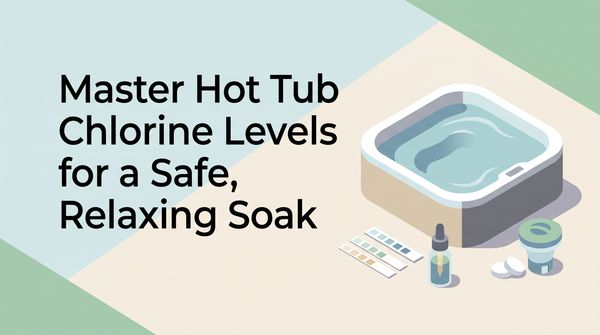
There's something inviting about the gentle swirl of warm water in a hot tub, a little oasis tucked away from the noise of daily life. But keeping that water clear takes more than filling the tub and hopping in. A big part of a safe, enjoyable soak is managing your chlorine. Without the right balance, your hot tub can turn from a relaxing retreat into a home for bacteria fast.
How much chlorine to add matters, and not just for cleanliness. It affects the health of the whole tub. A few things decide the right amount: the size of the tub, how often you use it, and how many people are soaking. A friend of mine once threw a hot tub party without thinking about the extra chlorine all those guests would need. The result was cloudy water and a quick lesson in proper dosing.
In this guide, I'll walk you through measuring and adjusting your chlorine so you can relax without second-guessing the water. Whether you've owned a hot tub for years or you're brand new to it, the dosing chart here will clear things up.
Your Action Plan
- Find your tub's volume from the manual or a quick online search.
- Test the water weekly for chlorine, pH, and alkalinity.
- Aim for a chlorine level around 3 ppm.
- Add about 1/2 teaspoon of chlorine granules per 100 gallons for routine upkeep.
- Shock cloudy water with 1 teaspoon per 100 gallons, run the jets, and retest.
Maintain Optimal Chlorine Levels
Aim for around 3 ppm
Keeping chlorine in check is a balancing act. Too little, and your spa becomes a home for bacteria. Too much, and you're basically soaking in a chemical bath. For most hot tubs, around 3 ppm is the sweet spot. That keeps the water sanitary without irritating your skin or wearing down the surfaces.
Working out the dose starts with your tub's volume. For a standard 500-gallon tub, a good rule of thumb is about 2 1/2 teaspoons of chlorine granules a week, enough to hold your level steady under normal conditions. When the water looks murky or the chlorine suddenly drops, you'll want to shock it by adding 1 teaspoon per 100 gallons.
Consistency is what makes this work. Test strips give a quick snapshot, but a digital tester gives you precision. Always err on the side of less, since it's much easier to add more chlorine later than to pull out the excess.
For most hot tubs, a chlorine level around 3 ppm keeps the water sanitary without irritating your skin or wearing down the tub.
Choose the Right Chlorine Type
Granules, tablets, or liquid?
The best chlorine comes down to how your tub is set up and how you like to maintain it. Granular chlorine, or sodium dichlor, tops most lists because it dissolves fast. It has a built-in stabilizer that protects the chlorine from being burned off by UV rays, which makes it great for open-air spas. I like tossing in a few granules after a good soak and watching how quickly they work.
If you'd rather stay hands-off, slow-dissolving tablets sit in a floating dispenser and release chlorine on their own. Just keep an eye on the dispenser settings so you don't over-chlorinate.
Liquid chlorine is another option, but its strength and tendency to swing your pH make it less popular with hot tub owners. If you want precision and control, you'll probably skip it.
Measure Chlorine Accurately
Know your volume, then measure
Measuring accurately keeps your soak pleasant, with no sting from too much chlorine and no bacteria from too little. Before you start, find your tub's volume. Most manuals list it, or a quick search for your model will turn it up. Once you have that number, you can work out exactly what you need. For a 450-gallon tub aiming at 3 ppm, that's roughly 2.25 teaspoons of chlorine granules a week.
Grab a good set of measuring spoons, much like the ones in your kitchen. A teaspoon here or a tablespoon there can be the difference between crystal-clear water and an irritating, cloudy haze. Test regularly with strips so you stay in range, and the whole thing settles into a simple routine.
Test and Adjust Water Levels
Test weekly and adjust slowly
Testing is just a simple, weekly habit. With a reliable kit or strips, check the chemical balance at least once a week so you're watching chlorine, pH, and alkalinity all at once. A well-balanced tub holds chlorine between 1 and 3 ppm. Go higher and you risk skin irritation; go lower and you leave the door open for bacteria.
Once you have your readings, adjust. If chlorine has dipped below the ideal range, add granules a little at a time, following the guideline of 1/2 teaspoon per 100 gallons. Sprinkle them evenly across the surface rather than dumping them in one spot, so they spread out well.
If your levels are too high, patience is your friend. Leave the cover off, run the jets to let the chlorine dissipate naturally, and hold off on adding any more chemicals for now.
Superchlorinate for Cloudy Water

Shocking cloudy water back to clear
When your water starts to look more like murky soup than a clear, relaxing soak, it's time to shock it. That means hitting the water with a strong dose of chlorine to cut through the cloudiness and break down the buildup. It's a fresh start after heavy use or a stretch of neglect.
Last winter I came home from a week away to find my hot tub cloudy and far from inviting, with the chlorine sitting at 0 ppm. For my 400-gallon tub, that meant adding 4 teaspoons of chlorine granules. That strong dose clears out the gunk causing the cloudiness.
There's more to it than dumping in chlorine and walking away. Keep the jets running with the air valves off so it spreads evenly, and let the water reach at least 85 degrees Fahrenheit to help it dissolve. After 15 to 20 minutes, test again, aiming for a level around 3 ppm before anyone gets in.
It's always safer to add a little less chlorine and top up than to overshoot and wait for the excess to clear.
Choose the Right Chlorine
Matching the type to your routine
Sodium dichlor granules stay popular because they dissolve quickly and sanitize hard at nearly 99% active chlorine. Reach for these when you need fast, clean results. Slow-dissolving tablets hold a steady level over time but need a floating dispenser, and they can over-chlorinate if it's set wrong, so they suit a more hands-off owner. Liquid chlorine, common in pools, is hard to measure in a hot tub's smaller volume and tends to upset the balance. Whatever you use, test regularly to protect both your spa and your skin.
Superchlorinate Effectively
Getting the shock dose right
Getting the dose right is critical. Adding 1 teaspoon (0.34 oz) of chlorine granules per 100 gallons gives the water a thorough cleanse, raising chlorine quickly to knock out contaminants. For a standard 500-gallon tub, that's 5 teaspoons. Measure carefully with a kitchen cup, run the jets for at least 15 minutes so the chlorine spreads, then retest and aim for around 3 ppm before anyone climbs in. Too much irritates skin and can damage the tub; too little leaves the water unsafe.
Maintain Safe Chlorine Levels
Staying in the 1–3 ppm range
Safe levels sit around 3 ppm. Too little, and your soak becomes a home for bacteria. Too much, and you end up with irritated skin or a worn-down tub. Start by getting a reliable test kit, one simple enough for weekly checks. For routine maintenance, a modest 1/2 teaspoon per 100 gallons works well, but bump that up to 1 teaspoon per 100 gallons if the water's cloudy or hasn't seen chlorine in a while.
Above 5 ppm, your skin starts to itch and the tub's material can break down. Below 1 ppm, you're inviting germs in. Each time you adjust, let it circulate, then check again. Over time you'll build a sense for what your tub needs.
Granular sodium dichlor wins a lot of fans for how fast it dissolves and how strongly it sanitizes, which makes it handy for weekly upkeep. Tablets suit a more passive approach: slow-dissolving pucks in a floater give a steady release, and the smaller one-inch versions are the ones that fit hot tubs, as long as you watch the settings. Liquid chlorine spikes levels and is hard to manage without dosing gear. When in doubt, granules give you the best mix of convenience and control.
Determine Chlorine Type
Granules dissolve fast, which makes them great for quick adjustments, and their stabilizer (CYA) shields them from UV breakdown outdoors. Tablets dissolve slowly and steadily for hands-off sanitizing, but that slow release won't fix cloudy water quickly. Liquid chlorine works a lot like bleach and needs careful measuring to avoid over-chlorinating. Many owners start with tablets, then switch to granules when the slow release can't clear the murk fast enough. Your choice of chlorine really can make the difference between crystal-clear water and a lingering haze.
Calculate Proper Dosage
Scale the dose to your tub
Knowing your tub's size is the key. A 500-gallon spa needs about 2 1/2 teaspoons of granules a week for maintenance, so scale up or down for other capacities. Before adding chlorine, check where your levels sit now. Starting fresh or facing cloudy water calls for a stronger approach, around 1 teaspoon per 100 gallons.
A reliable test kit keeps chlorine, pH, and alkalinity where they belong, and that balance is what lets the chlorine do its job. Precise measurement matters, since a teaspoon too much or too little can matter a lot. And be patient: give the added chlorine 15 minutes to spread before you retest, and remember it's always safer to add less and top up than to overdo it.
Balancing chlorine is a bit like tuning an instrument. Everything has to work together for a clean, comfortable soak. The target is around 3 ppm, the sweet spot that holds off bacteria without irritating your skin or corroding the tub's surfaces. The urge to overdo it is real when you're staring at cloudy water or a zero reading, so measure carefully and adjust to what your spa actually needs.
Knowing your water volume matters most. Underestimate it and you'll add too much, which makes for an uncomfortable soak. A kitchen scale or measuring spoon heads that off. Watch your tub's sun exposure too, since UV breaks chlorine down, and that's easy to overlook. Test after each addition, and you'll keep levels in the ideal range without shortcuts.
Avoid Overchlorination Risks
When you add too much
Over-chlorination usually comes from misjudging how much you need. A 500-gallon tub only needs about 2 1/2 teaspoons a week for maintenance, but the urge to toss in extra "just in case" is strong after a party or during warmer months. More isn't better. Excess chlorine wears down the tub's components over time, which can lead to leaks, plus a sharp odor and itchy skin during your next soak.
To steer clear of that, always measure carefully and test regularly. If your chlorine climbs past 5 ppm, leave the water uncovered so it dissipates naturally. In extreme cases, drain some water and refill with fresh. Patience and precision keep chlorine in a healthy balance.
Ensure Proper Chlorine Dosage
What shifts your chlorine needs
Aim for around 3 ppm, just enough to fend off bacteria without irritating your skin or damaging the surfaces. Tub size is the starting point: a 500-gallon tub needs roughly 2 1/2 teaspoons of granules a week for ordinary upkeep. But if the tub just hosted a crowd or the water's turned cloudy, step it up with a stronger dose, around 1 teaspoon per 100 gallons.
Regular testing shows whether chlorine has dropped too low or climbed too high. Test once a week, and again after adding chlorine, to fine-tune the balance. Measure the granules out carefully, and over time this becomes an easy habit that keeps your tub a calm escape.
Find your rhythm
Getting your water chemistry right is a lot like making a good cup of coffee. Start with a little knowledge, add some trial and error, and soon you find your rhythm. Reliable test strips or a liquid kit are your compass, guiding your pH, alkalinity, and chlorine to where they should land.
After testing, note any imbalances. Low chlorine breeds bacteria and murky water, while too much brings irritating fumes and itchy skin. Aim for that 3 ppm sweet spot. In a 500-gallon tub, 2 1/2 teaspoons a week is enough for maintenance. When you adjust, do it gradually: sprinkle the granules evenly across the water with the jets on, then give it time before you retest. That steady approach keeps you from overcorrecting.
Choose Appropriate Chlorine Products
Granules, again called sodium dichlor, slot neatly into a weekly routine and let you dose precisely. Half a teaspoon per 100 gallons keeps the water clear with no fuss. Tablets offer hands-off convenience in a floater and hold levels steady, but they can spread chlorine unevenly and over-chlorinate if you don't watch them. Liquid chlorine needs careful measuring since concentrations vary, usually one to two ounces per 500 gallons. Whatever you choose, frequent testing keeps you at that ideal 3 ppm.
Test and Balance Water Chemistry
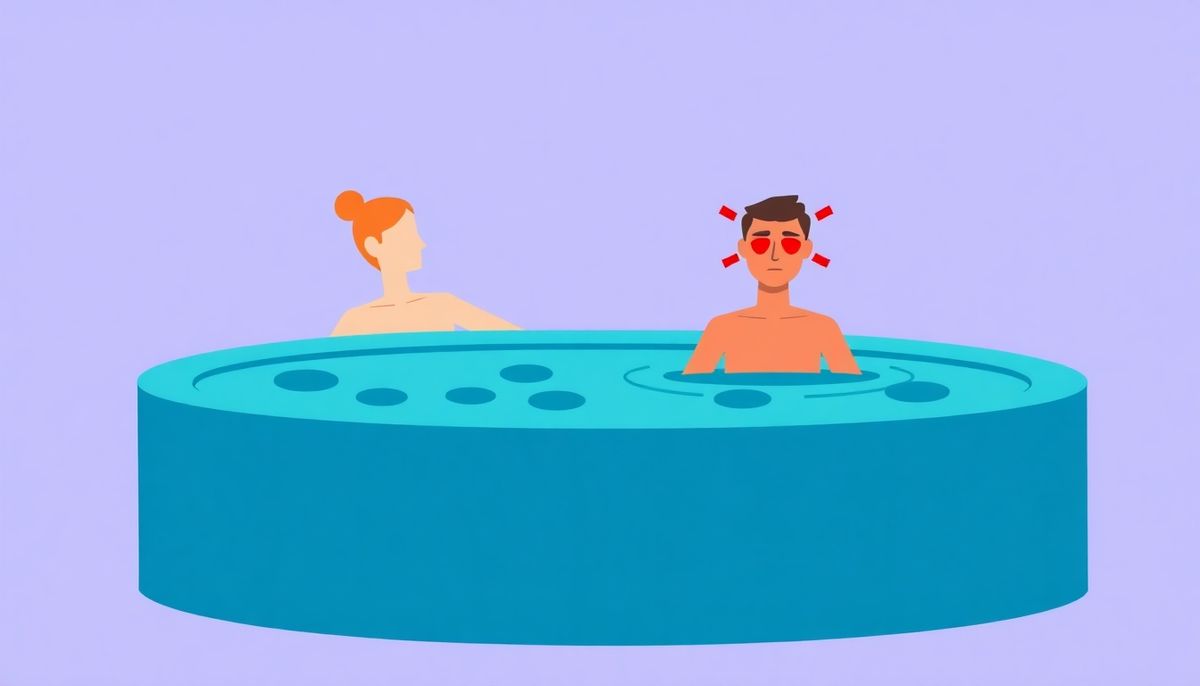
Don't forget pH and alkalinity
Balancing chlorine depends on keeping pH and alkalinity in tune. When they're off, chlorine works less well, and that opens the door to problems. Aim for a pH between 7.2 and 7.8 and total alkalinity between 80 and 120 ppm.
Too-low pH turns the water acidic, which can damage the tub and irritate your skin. Too-high pH forms scale that clouds up your once-clear water. Total alkalinity buffers pH, so adjusting it first makes balancing pH much easier. A liquid test kit reads all three with real precision, and that kind of proactive habit saves time and money down the road.
Balance total alkalinity first, since it buffers your pH and makes everything else much easier to dial in.
Ensure Proper Chlorine Levels
Granules dissolve quickly and go straight to work on contaminants. For general upkeep, use about 1/2 teaspoon per 100 gallons a week, which comes to around 2 1/2 teaspoons in a typical 500-gallon spa. If the water's cloudy or reads 0 ppm, step up to 1 teaspoon per 100 gallons to restore clarity fast. A quick test strip tells you whether you've hit the mark or need to adjust. With a little practice and steady testing, this becomes second nature.
Choose the Right Sanitation Method
Chlorine shock vs. non-chlorine shock
Granules dissolve fast and apply directly, which makes them ideal for regular upkeep. Slow-dissolving tablets release chlorine steadily for a hands-off routine, as long as you watch for over-chlorination. Liquid chlorine doses quickly but varies in concentration, so it needs more frequent testing to stay balanced.
Then there's the shock question. Chlorine shock is strong and cuts through murky water, while non-chlorine shock revives your existing sanitizer so your chlorine or bromine works more efficiently. In the end, it comes down to your maintenance style and water conditions. Try a couple of methods and you'll find what fits your life.
Conclusion
This guide gave you the essentials for keeping your hot tub in good shape. Start your spa-care routine today.
Want to become a hot tub maintenance expert? Our free Pool School course covers everything you need to know about water care. From basic maintenance to advanced troubleshooting, you'll learn how to:
- Save thousands on repairs and chemicals
- Keep your water crystal clear year-round
- Prevent and solve common problems
- Master water chemistry with confidence
Join over 10,000 owners who have already transformed their care routine. Get started with our free Pool School course today!
What you need
Stock up on sodium dichlor chlorine granules, a reliable test kit or strips, and a set of measuring spoons so you can dose accurately and keep your water in the safe range.