











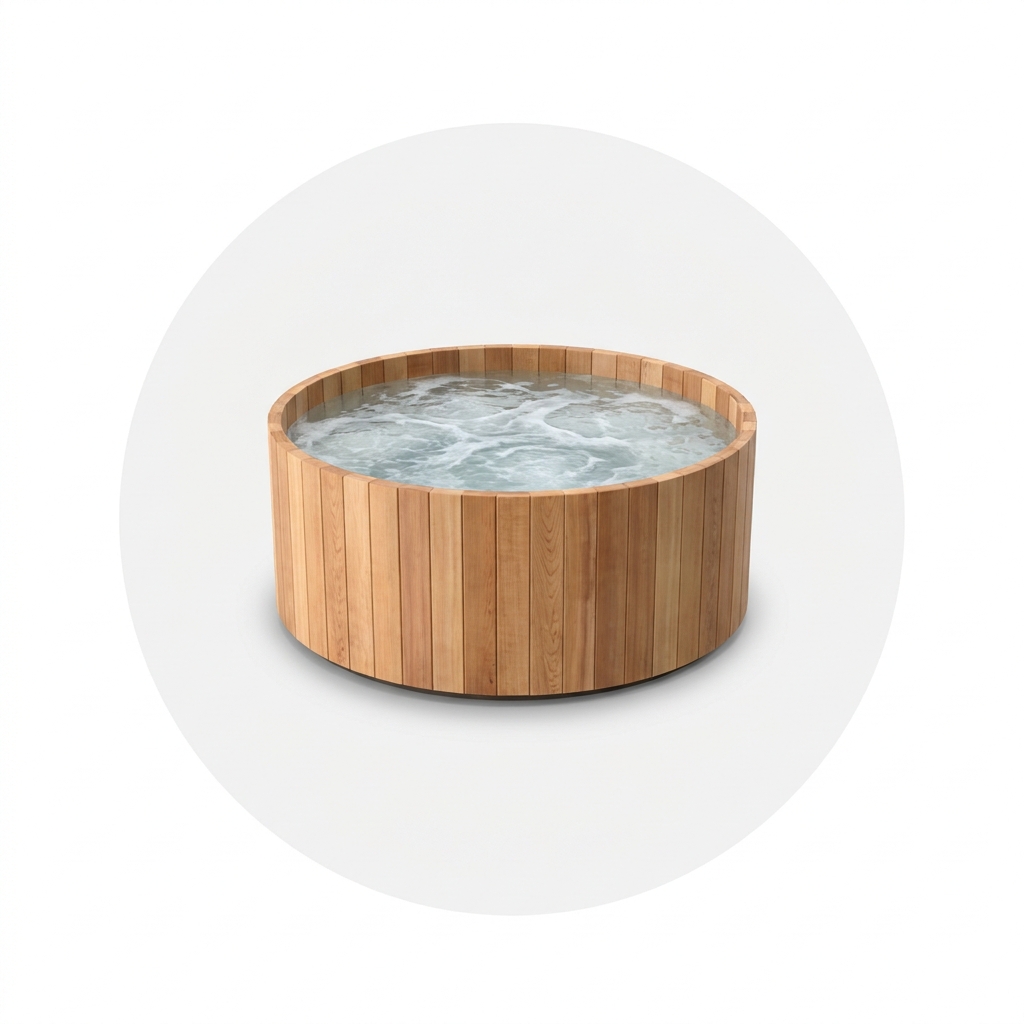



In your backyard, a hot tub can feel like a little escape. But keeping that water clean often feels like a chore. That's where the ozonator comes in—a small device that cleans the water with ozone gas and promises to make hot tub care easier. Plenty of owners wonder whether it's worth the money.
My friend Sarah swears by hers. She says it's cut back on the harsh chemicals she used to need, and her tub stays spotless. Every time I visit, she shows off the crystal-clear water and credits the ozone.
Ozone is a molecule made of three oxygen atoms, and it's a powerful oxidizer—meaning it breaks things down fast. Pump it into hot tub water and it wipes out contaminants more effectively than the usual sanitizers like chlorine or bromine. Still, questions hang around about how well it works long term and whether it pays off.
Let's walk through the claims and the pushback, see what owners say, and check what the experts think. The goal is to figure out whether ozonators truly make hot tubs better.
Your Action Plan
- Check whether your tub is "ozonator ready."
- Pick a Corona Discharge or Ultraviolet unit based on your climate.
- Install the one-way check valve and a Hartford Loop to stop backflow.
- Plug it in or hardwire it (call an electrician if you hardwire).
- Set the timer to match when you use the tub.
- Test the water and inspect the check valve regularly.
Understand Ozonator Benefits
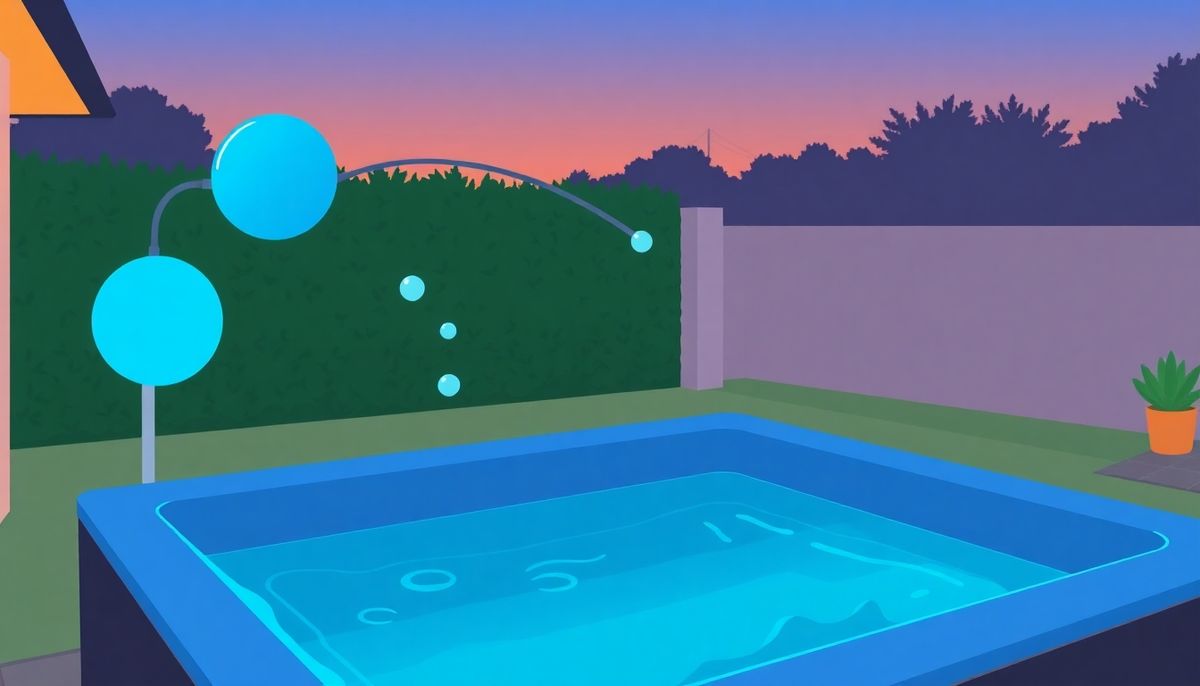
Cleaner water, fewer chemicals
An ozonator can add a cleaner, fresher soak with fewer chemicals. By making ozone gas, it cuts how much chlorine and bromine you need. That's good for your wallet, and it makes the water nicer to sit in—especially if you have sensitive skin or allergies.
The idea is simple. Ozone is a strong disinfectant that acts as a fast, natural purifier, zapping bacteria and grime the moment it hits the water. Your water stays clear without a heavy chemical load, and you won't need to shock it as often. Ozone even breaks apart used-up chlorine and bromine, freeing those sanitizers to keep working—so they last longer and you waste less.
It's not all smooth sailing. Installing an ozonator brings upfront cost, and you have to keep the reactive ozone from damaging a vinyl cover. A thermal blanket helps there, protecting the cover and holding in heat. Still, the real drop in chemical use makes a strong case, especially if you want a healthier, more sustainable hot tub.
An ozonator can cut your chlorine and bromine use by up to 90%, which is easier on your skin and your wallet.
Enhance Water Quality
What clearer water actually feels like
Cleaner water is usually the first thing owners bring up. Ozone clears up to 99% of bacteria and other unwanted stuff through oxidation, which is what lets you cut back so far on chlorine or bromine.
Sarah told me her ozonator changed how she uses her tub. Before, balancing chemical levels felt like a juggling act that never ended. Now the water stays clear and soft, and using far less chemical means less skin irritation—a relief if you're sensitive.
It doesn't stop at cleaning. Ozone breaks down lotions, oils, and other residue, so the water lasts longer and you shock the tub less often. There's some upfront cost, but you feel the payoff in how pure the water is.
Reduce Chemical Dependency
Plenty of us want to simplify life and cut down on chemicals, and an ozonator fits that bill. Add one and you lean far less on chlorine or bromine. You get a healthier soak with less skin irritation and fewer bad smells. Sarah noticed the difference right away in how the water smelled and felt.
Keeping the water balanced, that dreaded chore, gets a lot lighter, which frees you to enjoy the tub instead of fussing over it. Less chlorine also means a greener routine.
Weigh the good against the bad, though. The upfront cost and the odd bit of maintenance add up, and you have to protect certain parts of the tub from reactive ozone. Even so, if you want a cleaner, more natural hot tub, an ozonator might be the fix.
Minimize Maintenance Hassles
Less time testing, more time soaking
A hot tub is a great place to unwind, but the upkeep isn't. This is where an ozonator earns its keep. Instead of constantly mixing chemicals, it quietly cuts your reliance on chlorine and bromine. Fewer chemicals means less worry about pH and less testing.
Ever fished out test strips only to get murky, confusing readings? An ozonator cuts down on those moments. It breaks down contaminants efficiently, so you get less residue and fewer swings in your water chemistry. It quietly cleans up after every soak without you lifting a finger.
It's not fully hands-off. Check now and then that the ozone is reaching the tub, and look over the check valve and ozone injector every so often. Even with those small tasks, running an ozonator is simple next to the constant grind of adjusting chemicals.
Reduce Chemical Usage
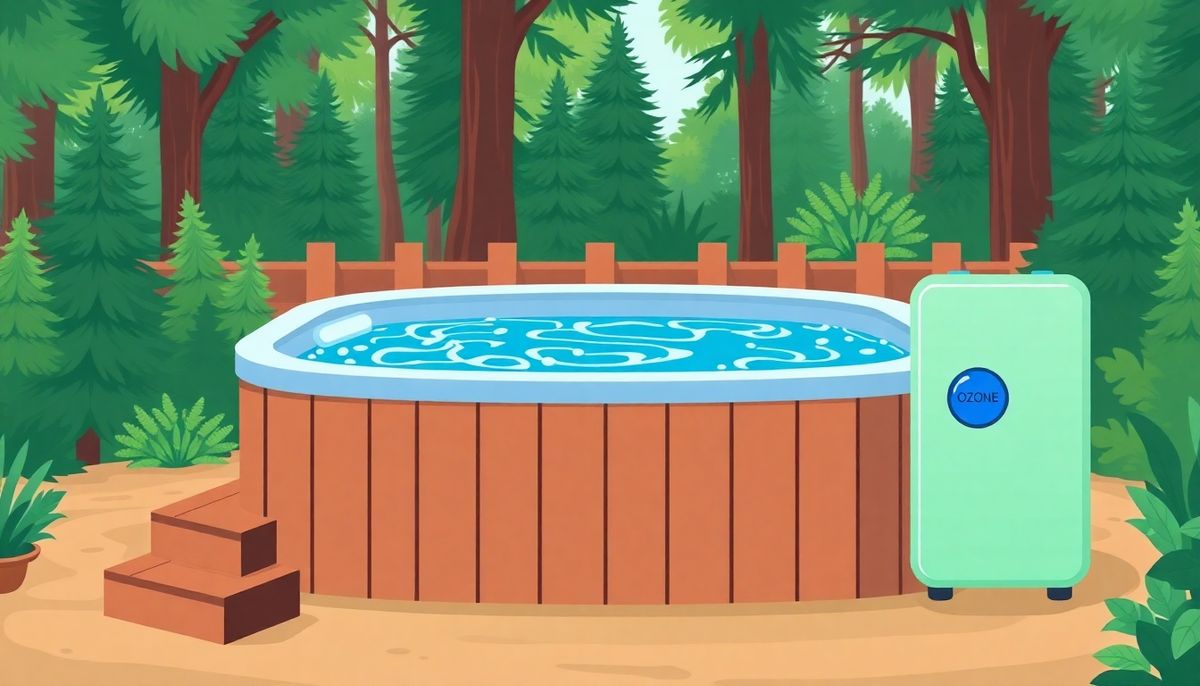
A quiet evening soak seems harmless, but the invisible mix of chemicals under the bubbles tells a different story. An ozonator tips the balance toward something more naturally clean by breaking down contaminants and cutting your need for sanitizers.
Sarah couldn't stand the lingering smell of chlorine before she installed hers. That sharp smell that used to cling to her skin and towels is basically gone. With far less chemical in the water, her soaks are more pleasant and easier on her skin and hair.
Setting one up might look intimidating, but the long-term payoff is worth it. Just weigh the upsides against the downsides like install costs and upkeep.
Install an Ozonator Properly
Getting the install right
Installing an ozonator the right way matters if you want it to work well. Start by checking whether your tub is "ozonator ready." That usually means it already has a connection for the unit, which saves you trouble. If not, you may need a bit of DIY plumbing or a call to a pro.
Next, find a good spot, often inside the spa cabinet or close by. It needs room for airflow, so don't wedge it into a tight space. If your tub has an ozonator jet, hook it straight to the unit. If not, adjust the plumbing with help from your tub's manual.
The check valve and Hartford Loop
Once it's connected, turn to the vinyl tubing and check valve. The check valve stops water from flowing back into the ozonator. Cut the tubing and fit the valve about six inches from the connection point, making sure the flow direction is right. A Hartford Loop is another smart move: you loop the tubing above the water line for extra protection against backflow.
Wiring is the last step. You can plug the ozonator into an outlet or hardwire it into the tub's system. If you hardwire, call an electrician, especially if wiring isn't your thing. Once it's set, adjust the timer to match when you use the tub, and keep up with regular checks.
The one-way check valve is the part that keeps water from flowing back and wrecking your ozonator—don't skip it.
Choose the Right Ozonator Type
Corona Discharge vs. Ultraviolet
Picking the right ozonator comes down to two main types, and each suits a different climate and use.
Corona Discharge (CD) ozonators are the dependable workhorses. They pass air through an electric field to make ozone, and they're very efficient—clearing up to 99% of bacteria and contaminants. With no bulbs or cartridges to swap, they can last up to a decade. They're a strong pick for larger tubs and frequent, spur-of-the-moment soaks. Their one weak spot: high humidity drags down how well they work.
Ultraviolet (UV) ozonators use UV light to make ozone. Humidity doesn't bother them, so they're ideal near the coast or in the tropics. The trade-off is a shorter lifespan—you'll replace the bulb every couple of years—and higher running costs on bigger tubs.
So the choice comes down to your climate and tub size. If you live somewhere damp, lean UV. If your air stays dry and you want maximum efficiency and long life, go CD.
If you live somewhere humid, choose a UV ozonator; a Corona Discharge unit loses efficiency once humidity climbs past about 60%.
Optimize Chemical Levels Safely
Balancing chemicals can feel like a chemistry lab gone sideways, but an ozonator makes the job less stressful—fewer bottles of chlorine on the shelf and a nicer soak. Ozone breaks down contaminants and makes them harmless, so you need much less sanitizer: roughly 0.5 PPM chlorine or 1.0 PPM bromine, well below the usual amounts.
That doesn't mean you can toss the test strips. Regular checking still keeps that balance between too little sanitizer and too much. The ozonator doesn't replace every chemical; it just streamlines things.
Watch one trade-off: ozone is reactive, which is great for cleaning but can damage the hot tub cover. A thermal blanket buffers that. An ozonator gives you a safer, more efficient way to handle chemical levels without the usual chemical soup.
Explore Installation Challenges
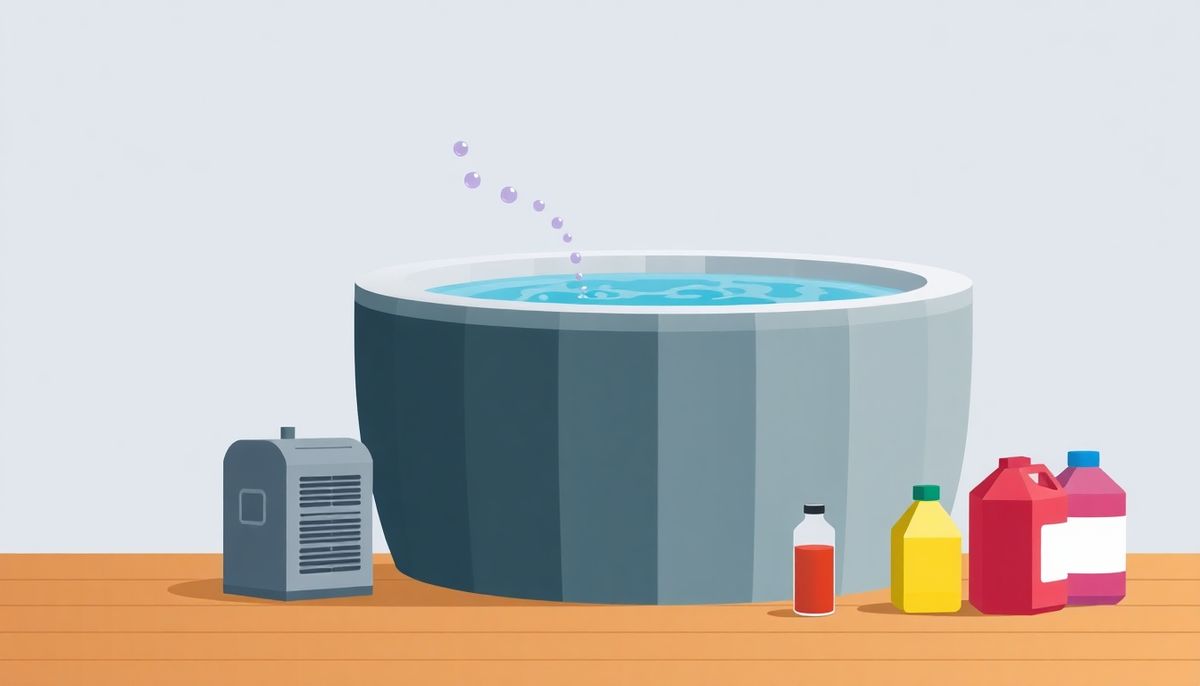
The excitement of a new ozonator often hits a snag at install time. Getting it running isn't always simple—the setup can feel like assembling furniture with vague directions.
Not every tub is ready, even ones labeled "ozonator ready." You might spot a tiny jet with a capped air tube in the cabinet and wonder what's next. Connecting the parts takes care, and the one-way check valve has to go in correctly to stop backflow. The Hartford Loop adds another wrinkle.
The electrical side is no small thing either. If you're not comfortable acting as your own electrician, call a pro. Mistakes here can damage your hot tub system, not just annoy you. Taking time to get it right protects your peace of mind and the life of your tub.
Understand Ozonator Compatibility
Making sure it fits your tub
Choosing an ozonator isn't buy-it-and-plug-it-in. The trick is making sure the unit works with your particular hot tub. Most models can take one, but the install method varies—some newer tubs come "ozonator ready" with built-in ports.
Match the type to your climate, as covered above: CD for dry air and long life, UV for damp conditions. When Sarah set hers up, she learned fast how much airflow around the unit matters; crowd it and it won't last. Check your manual or ask a pro so the ozonator fits in smoothly without putting your tub at risk.
Address Humidity Limitations
Humidity shows up like an uninvited guest when you run an ozonator. Moisture in the air gets in the way of a Corona Discharge unit's ozone-making, dragging down its results—a bit like trying to strike a match in the rain.
In really humid areas, where humidity tops 60%, a CD ozonator may not be your best bet. But you're not stuck: a UV ozonator shrugs off moisture. It may not be as powerful, but it's dependable where humidity runs high. Match your ozonator to where you live and the water stays clean without you fighting the weather.
Implement Proper Installation Techniques
A careful install pays off
A good install comes down to understanding how your tub is built and what the ozonator needs. Check first whether your tub is ozonator-ready; those models usually have a dedicated ozone jet. If yours doesn't, you'll need some plumbing know-how or a pro's help. Mount the unit securely inside the cabinet with plenty of airflow.
Connecting it is about building a system that keeps water from flowing backward. The one-way check valve is essential, and a Hartford Loop above the water line adds a second layer of protection. Power it through a standard outlet or hardwire it—hire an electrician if hardwiring feels like too much. Once it's in, fine-tune how it runs based on how much you use the tub. Expect a little trial and error to hit the sweet spot.
Compare CD and UV Ozonators
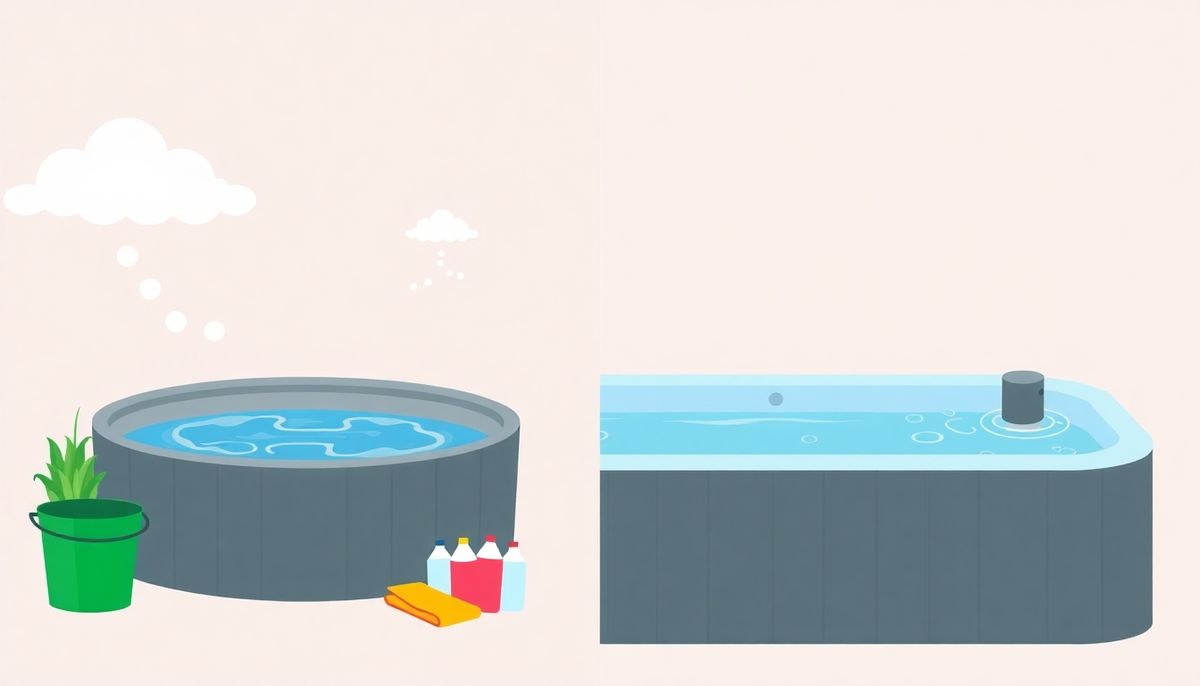
You've met the two types already, but here's the short version when you're deciding. CD ozonators win on efficiency and lifespan—no parts to swap, up to a decade of service—but they struggle in high humidity. UV ozonators work in any climate and aren't fazed by moisture; the catch is bulb replacements every couple of years and higher running costs on a large tub. Picking one comes down to balancing efficiency, upkeep, and the conditions around your hot tub.
Evaluate Efficiency and Lifespan
Efficiency and lifespan will steer your choice too. A CD ozonator is efficient and, with no bulbs or cartridges to replace, often lasts up to a decade in the right conditions—though high humidity limits where it works well. A UV unit doesn't mind damp air but has a shorter life and needs its bulb replaced every few years, which raises upkeep costs. Weigh upfront cost and ongoing maintenance against the perk of needing far fewer chemicals.
Assess Cost and Installation
What it costs
An ozonator can run from $100 to $400, depending on the type and brand. That upfront price might seem steep, but the savings on chlorine and bromine over time, plus the softer water, make it worthwhile for many owners.
If your tub is already ozonator ready, installation is simpler. If plumbing and wiring aren't your strong suit, hiring a pro is the smart move—a proper install keeps the unit running efficiently and avoids backflow damage. Then there's ongoing maintenance: periodic checks and the odd part replacement, like the check valve or ozone injector. Ignore those and you risk weaker performance or damage.
Explore Maintenance Requirements
Keeping it running
An ozonator cuts your reliance on chemical sanitizers, so upkeep gets easier, but it still needs attention. Get in the habit of inspecting the check valve and tubing—the parts that stop water from flowing back and harming the unit. It's like a routine oil check: simple, but it heads off bigger problems. If you spot leaks or wear, swap the part out.
Test your water with ozone test strips to confirm the unit is working. If ozone levels come back low, the problem might not be the ozonator itself but the injector needing a clean or replacement. With basic care, a CD unit can last up to a decade and a UV unit will need new bulbs every few years—either way, the savings on chemicals add up over time.
An ozonator does most of the cleaning, but you still need to test the water regularly to keep it running well.
Maximize Water Sanitation

Chasing spotless water often feels like a balancing act. An ozonator changes that, keeping the water clean with barely any chemical interference. Instead of leaning hard on chlorine or bromine, it uses ozone to tackle bacteria and impurities—so you can enjoy a soak without the sharp smell or the sting on your skin and eyes.
Just keep an eye on ozone levels. Testing regularly with ozone test strips keeps the system running at its best, holding that balance between clean and comfortable. The install and upkeep might seem like a lot at first, but the long-term payoff far outweighs the early hassle.
Install Ozonators for Cleaner Water
Adding an ozonator can turn your downtime into a cleaner, more pleasant experience. The unit usually sits inside the spa cabinet, with a dedicated hose sending ozone to the water jets. That turns contaminants like body oils and lotions into harmless compounds and keeps the water clean.
Don't rush the install, though. A bad one can hurt both your tub and the ozonator's efficiency, so a check valve to stop backflow is a must. If the setup feels like too much, bringing in a pro takes the worry out of mistakes. Think of it as an investment of time and peace of mind, so your soaks stay carefree—and a small step toward a healthier, more eco-friendly space for you and your family.
Optimize Chlorine and Bromine Levels
An ozonator lends a hand with the juggling act of balancing chemicals. With one in place, you can usually hold chlorine at just 0.5 PPM and bromine at 1.0 PPM—a big drop from the usual 1–3 PPM for chlorine and 3–5 PPM for bromine. That lowers your chemical exposure along with the effort and cost of keeping the spa clean.
Sarah added one recently and is thrilled—her skin feels less irritated and she no longer dreads that chemical smell after a soak. Her advice: test the water regularly to keep those levels where they should be. Even at lower levels, you still need to keep chlorine or bromine in check. Testing on a schedule protects that balance and keeps your soaks cleaner and fresher.
Conclusion
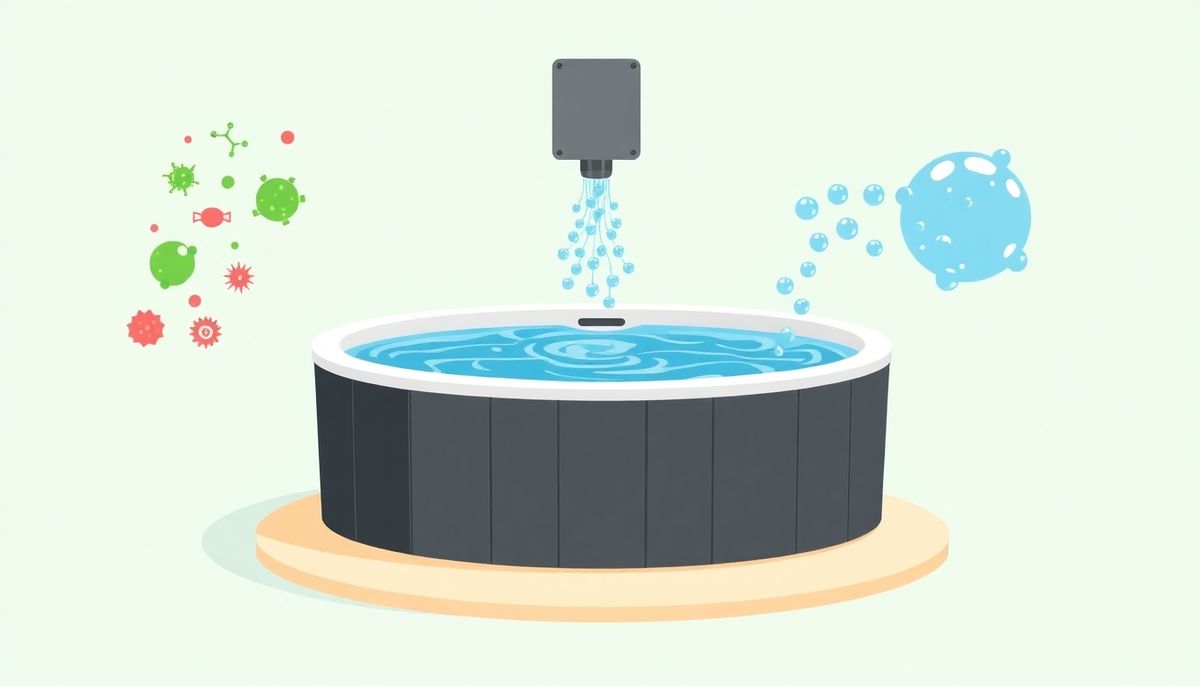
This article shared tips for keeping your hot tub in good shape with an ozonator. Ready to take your spa care further?
Want to become a pool and spa maintenance expert? Our free Pool School course covers everything you need to know about keeping water clean and clear. You'll learn how to:
- Save thousands on repairs and chemicals
- Keep your water crystal clear year-round
- Prevent and solve common problems
- Master water chemistry with confidence
Join over 10,000 owners who have already transformed their care routine. Get started with our free Pool School course today!
What you need
To get started, grab an ozonator sized for your tub, a one-way check valve and tubing for the install, ozone test strips, and a thermal blanket to protect your cover.