




The pull of slipping into a hot tub is hard to resist: warm water, soothing jets, and your stress just melts away. But nothing spoils that faster than cloudy, uninviting water. Clear water isn't only about looks. It tells you the water is clean and safe to sit in. If you own a hot tub, you've probably felt the frustration of cloudiness, then tried a pile of "solutions" that promise fast results and take forever to deliver.
I once hosted a small get-together at home. The hot tub is usually the star of the show, but that evening it was far from sparkling. Guests were arriving in a couple of hours, and I started to panic. Clear water wasn't just nice to have that night; I needed it. If I'd known then what I know now, clearing it up would've been easy.
Turning your hot tub from murky to crystal clear isn't as hard as you might think. With a few solid tricks and the right approach, the water can look inviting again in under an hour. This guide gives you practical steps and lessons I've picked up from my own mistakes and from expert advice, so your tub stays a clean, relaxing spot that's ready whenever you are.
Your Action Plan
- Test pH, alkalinity, and sanitizer with a strip or liquid kit.
- Balance alkalinity to 100–150 PPM, then set pH to 7.4–7.6.
- Shock the water, then run the jets and filter for 24 hours.
- Rinse the filter weekly, deep-soak it monthly, and replace it when worn.
- Add a metal sequestrant and use a hose filter at every refill.
- Flush the plumbing lines every three to four months to clear biofilm.
Balance and Shock Your Water

Test and balance first
Getting cloudy water clear usually starts with two quick tests: pH and alkalinity, both of which shift as you use the tub. Once, after a backyard party, I found my pH way out of range. A dose of pH decreaser (a chemical that lowers pH) settled it down fast. Aim for a pH of 7.4 to 7.6 and alkalinity of 100 to 150 PPM, the ranges where your sanitizer works best.
Then shock and circulate
Once the water's balanced, shock it. Shocking is a wake-up call for your sanitizer. Use chlorine shock if your levels are low, especially after heavy use; it's strong and fast. Non-chlorine shock is gentler and good for weekly upkeep. Wait at least 20 minutes after shocking before you retest, then keep the tub running and filtering nonstop for 24 hours so every last particle gets caught.
Keep your pH between 7.4 and 7.6 and alkalinity at 100 to 150 PPM, and your sanitizer can actually do its job.
Troubleshoot Cloudy Water Causes
What clouds the water
Cloudy water usually traces back to one of two things: unbalanced chemistry or stuff that got into the water. Think about your last party. While friends soaked, so did their sweat, body oils, and lotions, and that can overwhelm your sanitizer.
Filters do the heavy lifting here. When they clog with debris or aren't seated right, they can't trap the fine particles that cloud your water. Chemistry matters too: high pH and alkalinity can quietly cause calcium buildup and haze. And then there's biofilm, a stubborn layer hiding deep in your plumbing that shrugs off normal cleaning and needs a targeted flush. Knowing these causes helps you fix today's cloudiness and head off the next round.
Balance and Test Water Chemistry
When water goes cloudy, the fix usually comes down to rebalancing chemistry. Grab your test strips or a liquid kit and check pH, alkalinity, and sanitizer. As mentioned earlier, aim for pH 7.4 to 7.6 and alkalinity around 100 to 150 PPM. Stray far from those and you get cloudiness or scale, neither of which makes for a nice soak.
Alkalinity buffers pH, so adjust it first with a pH increaser or decreaser. Give the water a good 20 minutes before you recheck. Sanitizer matters just as much: keep chlorine at 1 to 3 PPM and bromine at 3 to 5 PPM. When they run low, the tub turns into a breeding ground for contaminants. A carefully measured dose of chlorine shock clears the haze and knocks out any bacteria or algae hiding in the water.
Shock and Revitalize Sanitizer
Sanitizers are your first line of defense against murky water. When it turns cloudy, your instinct might be to add more chlorine, but the better move is often to revive your sanitizer with a shock. A double hit works well after heavy use: chlorine shock for fast relief, then non-chlorine shock to keep things clear. The change can be quick, with the water getting its sparkle back inside an hour.
A non-chlorine shock once a week keeps your sanitizer active, which matters most after oils and lotions have built up. It's like giving your sanitizer a shot of caffeine. If your tub is the hangout spot, test and balance often. Shocking isn't just a reaction to a problem; done regularly, it prevents cloudiness and gets you more years out of the tub.
Eliminate Biofilm Buildup
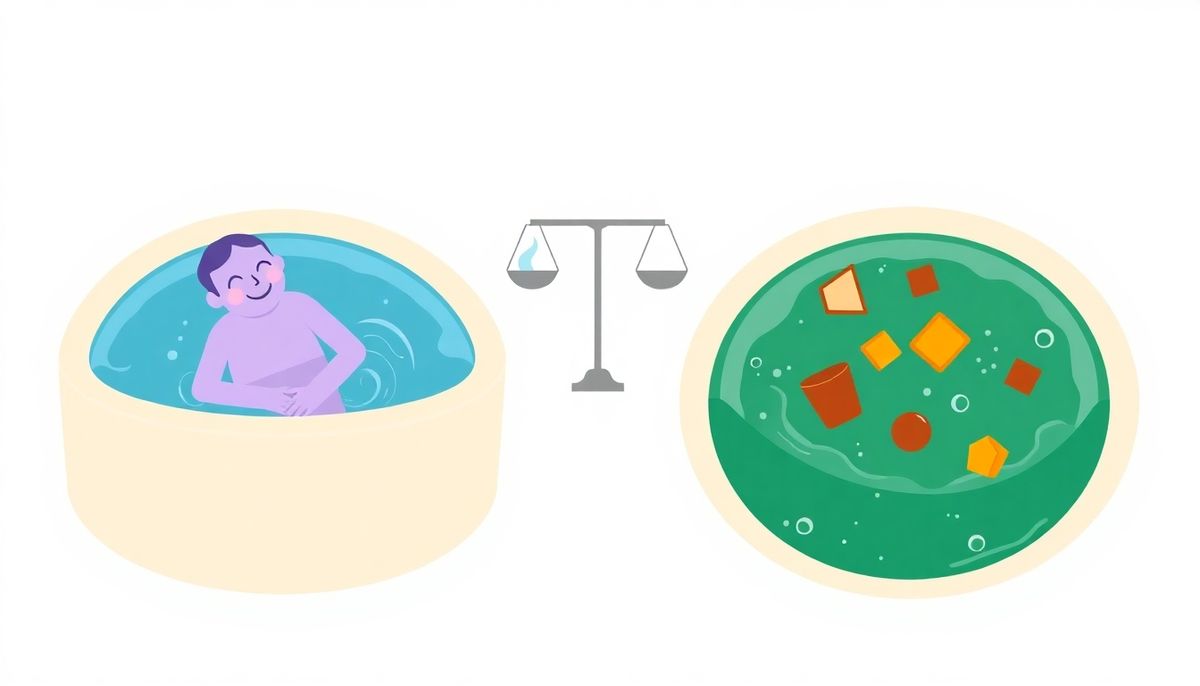
Biofilm is a stubborn layer of bacteria and organic gunk that forms inside your pipes and shields itself from chlorine or bromine. Left alone, it clouds the water and can bring bad smells and even health risks.
Balancing water and cleaning filters won't touch it. You need a hot tub line flush cleaner. Work a flush into your routine every three to four months: add the product to a full tub and let it circulate for at least 30 minutes. You'll likely see discolored, foamy water as the buildup loosens and washes out. When it's done, drain the tub, clean the shell, and refill with fresh water.
If your water stays cloudy after you've balanced the chemistry and cleaned the filter, hidden biofilm in your plumbing is the likely culprit.
Optimize Water Chemistry
Balancing your water is a bit like tuning an instrument: every part has to work together to get clear results. Start with pH and alkalinity, again aiming for 7.4 to 7.6 and 100 to 150 PPM. If those are off, your chlorine or bromine can't work well.
Once they're dialed in, check your sanitizer, chlorine at 1 to 3 PPM and bromine at 3 to 5 PPM, to wipe out algae and bacteria. A weekly non-chlorine shock refreshes it and keeps it working. Keep these in balance and you're not just clearing today's cloudiness. You're setting up consistently clear water down the road.
Apply Regular Shock Treatments
Shock treatment is a reset button for your water, and using it regularly handles both the cloudiness you can see and the stuff you can't. Think back to the last barbecue you hosted, when everyone piled in for a soak. The lotions, sweat, and oils from one gathering can overwhelm your sanitizer. A good dose of shock breaks down those contaminants before they turn into stubborn problems. Do it weekly, and especially after heavy use, with a non-chlorine shock to revive your main sanitizer.
Don't let this slide onto your list of forgotten chores. Like oil changes on your car, regular shock treatments keep the water clear and clean. Build it into your routine and every soak stays a clean escape.
Purge Pipes with Line Flush
Biofilm builds up deep in your plumbing, out of sight, forming a barrier that resists even careful sanitizing. It's easy to overlook and a common reason water stays cloudy.
The fix is a thorough line flush, a deep clean for your pipes, like clearing a drain that's seen too much soap and hair. Every three to four months, add a line flush product and let the jets run for a good half-hour, or as directed, and watch the water foam as it pulls out the grime. Then drain the tub, scrub the shell, and refill with fresh water to reset the tub to its original clarity.
Clean and Replace Filters

Grabbing a towel, heading out for a soak, and finding cloudy water is a real letdown, and a dirty filter is often to blame. Filters are the lungs of your hot tub, pulling in particles and debris until they clog and stop working.
Rinse weekly, deep-soak monthly
A weekly rinse with a garden hose knocks loose dirt and gunk. Once a month, go deeper: soak the cartridge overnight in a filter cleaning solution to break down oils and organic matter a quick rinse misses.
When to replace the cartridge
Checking the filter's condition matters just as much. If you spot tears or a graying surface, it's time to replace it, because no amount of cleaning brings back a worn-out filter. Keep a spare on hand so your tub isn't out of commission while you clean.
A weekly rinse and a monthly deep-soak keep your filter working, but a worn cartridge is worth replacing, not scrubbing.
Clean Your Filter Regularly
Your filter does a lot of unglamorous work to keep the water clear, and a clogged one quickly becomes the problem, letting debris and tiny particles cloud your water. Beyond the weekly hose rinse and monthly deep-soak, make sure the cartridge is seated right in its housing so the water actually gets filtered. And don't assume a filter lasts forever. When it shows wear or won't come back to life after cleaning, replace it, and keep a spare around so you're never caught off guard.
Replace Worn-Out Filters
Filters catch dirt, debris, and particles you can't even see, and over time they clog and turn clear water into a murky mess. Changing a filter is like replacing worn-out running shoes: eventually the wear is obvious. Pull the cartridge, rinse it, and hit it with a monthly soak in filter cleaner, but if it looks more tired than fresh or shows tears, buy a new one. A fresh filter can restore clarity fast and helps your chemicals work better. Keep a spare cartridge handy so the tub stays usable while you clean the main one.
Balance Water Chemistry
Start with alkalinity
Foggy water usually comes down to chemistry, and getting it right saves you a lot of ongoing frustration. Total alkalinity is the anchor that keeps your pH from bouncing around, so adjust it first, aiming for 100 to 150 PPM. Then set pH to 7.4 to 7.6. Too high invites cloudy water and itchy skin; too low risks corrosion.
Every time you add chemicals, be patient and give the water 20 minutes to mix before you retest, so you don't overcorrect. If your water has high calcium hardness or metals, a pre-filter on the garden hose can stop cloudiness before it starts. Come back to this routine weekly, especially after heavy use, and your hot tub stays a clear spot to escape the chaos.
Test and Adjust pH Levels
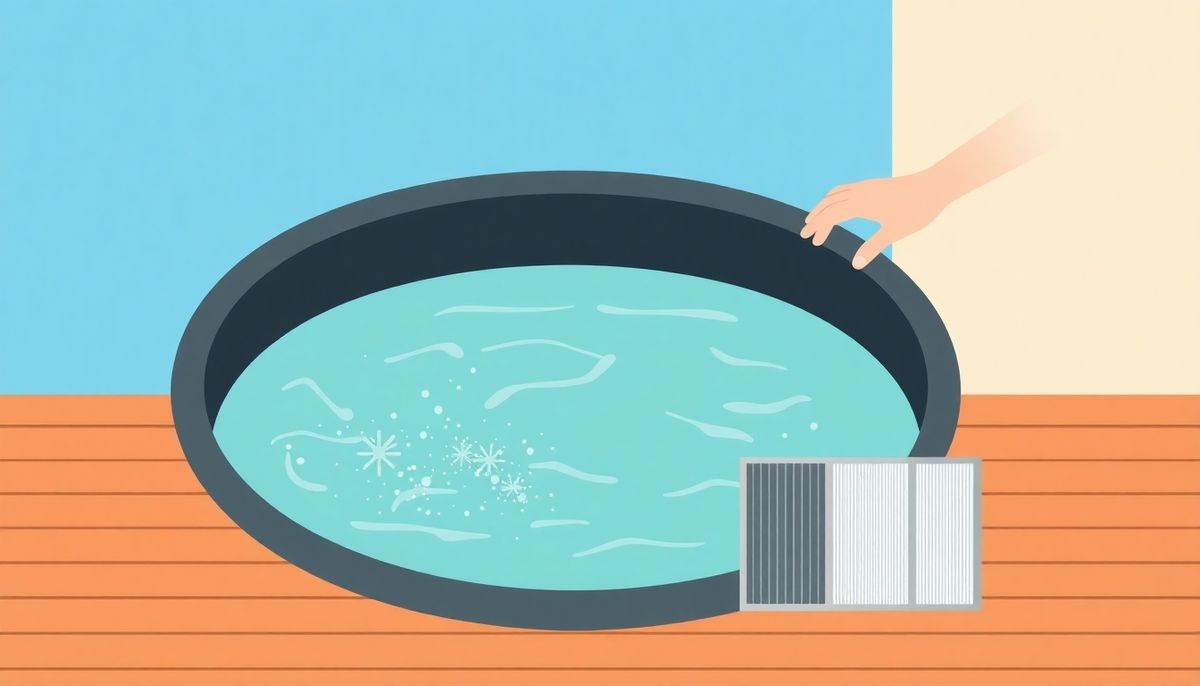
A slight pH imbalance can turn a relaxing spa into a murky mess. The sweet spot is 7.4 to 7.6, which keeps the water clear and easy on your skin and the tub's parts. Getting there takes a little chemistry, but even a brand-new owner can manage it.
Start with a reliable test kit. Strips are handy, but a liquid kit gives more precise readings. If pH reads high, add a pH decreaser; if it's low, a pH increaser. Always add chemicals with the jets on and the cover off, then let the water circulate about 20 minutes before you retest. Consistent checking and adjusting is what keeps the water clear and your sanitizer working.
Balance Alkalinity for Stability
Alkalinity is the backbone of your water chemistry. It buffers pH and keeps it steady; without it, pH swings all over the place, setting up perfect conditions for cloudy water and scale.
Test with a strip or liquid kit and keep alkalinity between 100 to 150 PPM. If it's too high, a pH decreaser gently brings it back into line. Once alkalinity is set, your pH tends to fall into place on its own, usually right around 7.4 to 7.6. Get it right and you keep the tub calm and clear while helping it last longer, saving both time and money.
Shock Hot Tub Water
Shock treatment is one of your best tools for getting the sparkle back, a deep clean that targets stubborn grime and the contaminants you can't see. Shocking means adding a concentrated dose of chemicals, usually chlorine or a non-chlorine option, that break down organic matter, kill bacteria, and revive your sanitizer. It matters most after heavy use or when the tub has sat neglected, since it clears the body oils, lotions, and residue that leave water cloudy.
With the jets running and the cover off, measure and add it carefully. Then keep the tub running and filtering for several hours so every last impurity gets carried away. Make shock treatment a regular habit and cloudiness stops being a repeat visitor.
Remove Biofilm Build-up
Biofilm is like a guest who lingers long after the party's over. These sticky colonies of bacteria and organic matter thrive in the nooks and crannies of your plumbing, causing cloudiness that regular maintenance can't touch.
Reach for a hot tub line flush cleaner, a product made to dislodge biofilm from its hiding spots. Pour it in, run the jets, and you'll see foamy, grimy water come up as the buildup breaks loose. Oddly enough, that's a reassuring sight. Do this deep clean every three to four months, then drain the tub, scrub the shell, and refill with fresh, filtered water.
Remove Metal Contaminants

Metals are invisible, but they can wreck your water's clarity. When you fill the tub from a garden hose, trace metals like iron and copper come along for the ride. Over time they react with your other chemicals, leaving stubborn stains and murky water.
A metal sequestrant fixes this by binding to the metals so they can't cause trouble. Add it during each refill and those particles never get a chance to settle in. Pair it with a hose filter when you fill up, a simple step that strains out unwanted minerals before they ever mix in.
Use Metal Sequestrant Effectively
Metal sequestrants handle a culprit most people overlook. Plenty of owners fill their tubs with water that carries traces of iron and copper without knowing it, and those metals cloud water and stain surfaces. When you fill up, add the sequestrant before any other treatments so metal trouble is neutralized from the start. Even if your source water seems fine, using one now and then keeps metals from slowly building up. Filters and shocks handle the visible and organic debris; sequestrants take care of the invisible metallic threats.
Filter and Test Regularly
Regular filter care is like letting your tub breathe instead of choking on debris. Rinse the filter weekly with a garden hose to clear larger debris, and once a month soak it in a cleaning solution for a deeper clean that clears dirt and oils and helps the filter last longer.
Testing matters just as much, since your chemistry can change fast after heavy use. Check the water at least once a week with strips or a liquid kit, aiming for pH 7.4 to 7.6 and balanced alkalinity. Keep a log of your results; it's a handy way to spot recurring issues, and it helps your tub's parts last longer.
Conclusion
Keeping your hot tub clear comes down to a steady routine: test and balance the water, shock it regularly, care for your filter, and flush the lines a few times a year. Do that and cloudy water stops being the surprise you scramble to fix an hour before guests arrive. Every soak stays the clean escape you wanted when you first stepped in.
What you need
Grab a good test kit, chlorine or non-chlorine shock, pH adjusters, a metal sequestrant, a line flush cleaner, and a spare filter cartridge so you're ready for anything.