




A hot tub promises warmth and calm after a long day. But behind those soothing jets sits the real heart of it all: the pump. It moves water through the system so your soak stays clean and warm. Without it, your hot tub is just a big basin of still water.
I learned to appreciate mine the hard way. One chilly autumn evening, ready for a soak, I found my hot tub had gone cool and lifeless. That's when it clicked that the pump is the pulse of the whole setup.
Once you understand how these pumps work, maintenance stops feeling scary. A hot tub pump is more than a motor and an impeller (the spinning part that pushes water). Modern ones offer different speeds, energy-saving designs, and near-silent running. Whether you're new to this or an old hand, knowing your pump helps its performance and its lifespan.
This guide covers the types of pumps, what they need to stay healthy, the problems they run into, and how to fix them.
Your Action Plan
- Listen and look: catch odd noises, weak jets, or dampness early.
- Clean the filter and leaf trap regularly to protect flow.
- Check the breaker and wiring first if the pump goes dead.
- Inspect the seals and connections for leaks, and dry any moisture.
- Keep your water chemistry balanced so parts don't corrode.
- When replacing, match horsepower, voltage, frame size, and discharge orientation.
Identify Pump Problems Early
When your hot tub makes a strange grinding noise, or just clicks and does nothing, pay attention. Like a car engine, the pump runs best when all its parts work together, and catching trouble early saves money and downtime. My first run-in was a clogged impeller. One quiet evening a grinding noise came from the cabinet, and a quick look turned up the culprit. Easy fix, but it could have gotten much worse.
Trust your ears and eyes
A soft hum is a good sign. Clanks and groans are not. Uneven jet pressure or a stalled motor can point to blockages or electrical faults. Shine a flashlight into the cabinet and look for leaks or moisture, since hidden dampness is what kills electrical parts.
Don't underestimate routine care. Clean your filters and leaf traps often, and watch the water chemistry. Catch problems early and your tub stays a place to relax instead of a source of frustration.
Spot Early Warning Signs
A screech usually means worn bearings or a motor near the end of its life. Weak or dead jets can mean an internal blockage or a failing impeller. Start by listening: grinding, thumping, or whining all signal mechanical trouble. Then watch the flow. Slow or uneven jets can point to blockages or air trapped in the lines. A faint burning smell means an electrical problem that needs attention right away.
Keep a maintenance log. Jot down any odd behavior or sounds, since those notes help you or a technician find the problem faster. Regular checks for leaks around the seals and loose connections keep everything running well.
A faint burning smell is never normal—cut the power and check the wiring before you run the pump again.
Troubleshoot Pump Issues
A hot tub pump can hum happily one day and sputter the next. The trick isn't just spotting the problem but fixing it right.
When the pump won't start
Flip the switch and get silence? That often means an electrical problem, like a tripped breaker or faulty wiring. Start at the power supply. A multimeter (a tool that measures electrical current) tells you whether power is reaching the motor and whether a deeper issue is in play.
When it screeches or grinds
Odd noises usually mean mechanical trouble, and a stuck impeller is the common suspect, thanks to debris or built-up gunk. Turn the power off, then carefully clean the impeller and clear anything blocking it. Sometimes you'll need to open the pump to inspect the parts, and a damaged impeller may need replacing.
Leaks are the third worry, and left alone they cause serious damage. Check the seals and connections for wear or moisture, and if you find a leak, replace the bad seal or tighten the connection before it spreads.
Maintain Optimal Pump Performance
Keeping the pump in good shape isn't a nice-to-have. Checking it regularly is like checking your car's oil: small effort, big payoff.
Get familiar with the specs first. The label tells you horsepower and RPM (how fast the motor spins), which tells you what the pump can do. Then clean often, since leaves, hair, and dirt clog the system fast. Clear the leaf trap and filters as a habit.
Pay attention to sound and vibration. A healthy pump hums quietly, so anything different is worth a look. If a breaker keeps tripping, don't wait, because small issues snowball into costly repairs, and it might be time to call a pro or plan a replacement. Keep the housing dry, too. Moisture is the enemy of the motor.
Choose the Right Replacement
Picking a replacement pump isn't just swapping old for new. You need to match a few numbers, and the sticker full of symbols is less intimidating once you know what they mean.
Horsepower and voltage
Horsepower tells you how powerful the pump is. Too much can wreck your plumbing; too little won't give you strong jets. If your old pump was 2 HP, stay close to that unless you're redoing the plumbing. Then check the voltage: 110–120 volts or 220–240 volts. Match it exactly to avoid electrical mishaps.
Frame size and fittings
Frame size is either 48 or 56. Get it wrong and the pump won't fit snugly in the cabinet. Check the discharge orientation and fittings too, since some brands use their own connectors. Match all of these and your new pump drops in cleanly.
Match horsepower, voltage, frame size, and fittings before you buy, and installation goes from a nightmare to a bolt-on job.
Identify Pump Specifications
The label on your pump is a goldmine. Horsepower and speed options keep the pump matched to your spa's plumbing and power. Too much horsepower without the plumbing to handle it can leave you with a leaky mess.
Flip the pump over to find the discharge orientation, which tells you whether you need a top or side discharge. That small detail saves an installation headache later. Voltage matters too (110–120 volts or 220–240 volts). Check the spec sticker to confirm which one you need. The wiring is a secondary clue: green and white for lower voltage, with black and red added for higher. If anything looks off, call an electrician rather than guessing.
Evaluate Voltage Requirements
Getting the voltage right is like giving your phone the right charger. First, figure out whether your pump needs 110–120 volts or 220–240 volts. A 220–240 volt pump usually gives more power, good for larger tubs with lots of jets, while 110–120 volts can be plenty for smaller setups.
Wire a low-voltage pump onto a higher-voltage line and it'll overheat and burn out fast. To find the right voltage, check the label. As a visual clue, two wires (usually green and white) point to 110–120 volts, while four wires (green, white, black, and red) mean 220–240. Matching the voltage isn't only about avoiding breakdowns; it also helps your equipment last. If you're unsure, ask a professional.
One more tip: when you replace the pump, hang onto the old power cord if it still works. It comes in handy more often than you'd expect.
Consider Discharge Orientation
Discharge orientation gets ignored, but it decides whether your pump fits your plumbing. It's just the port where water shoots out of the pump. It either points straight up (top discharge) or out to the side (side discharge).
The first time I replaced my own pump, I missed this and ended up with something that didn't fit. Lesson learned. Match the orientation to your spa's plumbing and you save yourself the hassle.
Some brands use non-universal fittings. If your new pump is one of them, you'll need to replace the unions, the large threaded plastic nuts that connect the pump to your plumbing. It sounds daunting, but with a little patience it's doable, and a snug fit keeps water flowing and helps the equipment last.
Maintain Pump Efficiency
The pump is the heart of the setup, and it needs regular attention. Drops in flow or strange noises are signs of underlying issues that get worse if you ignore them.
My neighbor had weak jets and found that a simple impeller cleaning brought his tub back to life. Regular care like that, plus checking for debris that chokes the flow, goes a long way. Make sure the specs match too, since mismatched horsepower and plumbing cut efficiency and can damage the equipment.
Start with the basics: clean the filters, check for leaks, and look for worn parts. A pump that keeps cycling on and off may have an electrical fault, so check for corrosion or loose connections. If you're comfortable with DIY, a multimeter helps you test the electrical inputs. Most modern pumps self-prime, but now and then you'll need to manually push out trapped air.
Identify Pump Issues Early
Listening to your pump each day is one of your best defenses. A steady hum means all is well; inconsistent sounds can mean air in the lines or debris in the filters. Every so often, give the pump a visual once-over. Dampness or rust can mean a leak, which quietly wrecks electrical parts if you don't catch it.
I once ignored a low hum, figuring it was normal wear. Months later I got a hefty bill to replace a fried motor that a slow leak had been killing. That's the value of prevention.
Also watch the water flow. Weak jets or uneven pressure often mean a blocked impeller or trapped air. Deal with these early and every soak stays enjoyable.
A slow leak you ignore today can cost you a whole motor tomorrow.
Select the Right Pump Specifications
Choosing pump specs feels a bit like matchmaking. When I upgraded my own hot tub, reading the labels was like learning a new language, so let's break it down.
Horsepower and speed
Your pump's horsepower needs to line up with your spa's plumbing. It's tempting to go big, but too much horsepower strains the system and causes leaks. Spa pumps run from ¾ HP to 5 HP, so aim for balance, not the biggest number. Then decide on speed. Many tubs use variable-speed or two-speed pumps, which switch between a gentle soak and a strong massage. If yours has a separate circulation pump, a single-speed jet pump may be enough and cuts energy use.
Voltage, frame, and fittings
Most pumps need 110–120 volts or 220–240 volts; confirm on the label. Make sure the discharge orientation and frame size match your setup, or you'll be paying for modifications. Measure everything twice and note the quirks of your current setup before you shop.
Prevent Pump Damage with Proper Care
Your hot tub is a system of moving parts, and the pump is the conductor. A little neglect turns smooth performance into a mess.
Start with water chemistry. When the water gets too acidic or too alkaline, it doesn't just irritate your skin, it eats away at the pump's parts. Check the levels regularly, the way you'd watch a favorite plant's soil.
Mind the filters and leaf traps. A dirty filter lets debris build up, straining the pump and causing clogs. Regular cleaning keeps things flowing. Inspect for wear or leaks around the seals too, since a tiny drip today becomes a costly repair tomorrow. Longevity comes down to consistency. Look after the pump and it keeps your hot tub ready whenever you are.
Protect Your Pump from Leaks
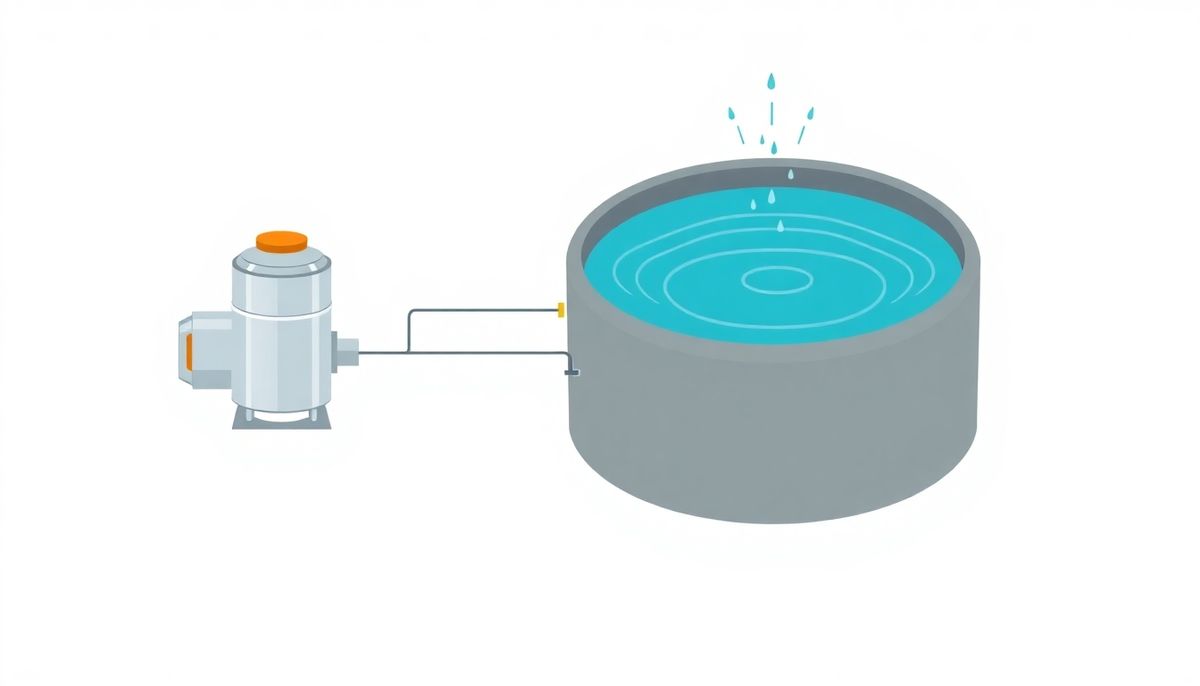
Turn the jets on and get a trickle, or nothing? Leaks are often the reason, and they're sneaky, slipping by until they're a real problem. A little routine care keeps your pump in good shape.
Check the seals and connections for drips or dampness regularly, since moisture there is an early warning sign. A flashlight around the housing catches these fast. Look for cracks in the housing or impeller too, which show up more in climates where freezing temperatures weaken the system.
Balanced water helps here as well, since imbalanced water corrodes seals and internal parts. Build a monthly inspection into your routine, catch issues early, and you'll get a longer-lasting pump and steady enjoyment of your hot tub.
Before you panic over a noise or a dead pump, find the label on the side. That sticker lists the essentials: horsepower and speed. Horsepower tells you how strongly the pump circulates water and drives the jets. Oversized HP can cause plumbing problems or leaks if your spa isn't built for it.
Check the speed too. Variable-speed models shift between high and low RPM for both energy savings and strong jets. Single-speed pumps are less flexible but often pair with a separate circulation pump. Note the discharge orientation (top or side) and the voltage (110–120V or 220–240V), both usually marked on the label or clear from the wiring.
Prevent Moisture Damage
Keeping moisture out is easy to overlook. Water sneaks into the motor housing and does real damage, and a motor's defenses against water are surprisingly weak.
Regular checks around the seals and connections catch these leaks early, so keep a flashlight handy for scanning the cabinet for dampness. A leaky seal once slipped by me, water crept into the motor housing, and it cost me a pricey repair, so I don't skip this anymore.
Make sure your spa cover fits snugly, too. It holds in heat, but it also keeps rain and condensation out. In very humid weather, a dehumidifier in the spa area adds extra protection. Replacing worn seals and keeping the area dry keeps the motor humming.
Troubleshoot Common Issues
Flip the switch and get a screech, or nothing at all? Spotting these signs early saves time and money. A screech often means a dry run, where the pump isn't getting enough water and its parts grind against each other. Weak or dead jets usually mean debris is clogging the system.
Start with the label for clues like horsepower and speed. A pump wired to the wrong voltage can act erratically, so make sure the wiring matches its voltage requirements.
Debris is a common cause of poor circulation, and cleaning the filter and leaf trap often fixes it. If you hear gurgling, air may be trapped; priming the pump, or "burping" it by toggling the jets, releases the air pocket. If the power keeps dropping out, you may have an electrical fault, and a multimeter helps you trace it to bad wiring or a failing motor. When nothing else works, replacing the pump is the answer.
Troubleshoot Electrical Issues

A pump that won't run is often the simplest fix. Start by making sure the spa has power. Check the electrical panel, and if the breaker is tripped, reset it. Sometimes that's all it takes. If it trips again right away, you may have a wiring problem or a fault in the pump itself.
Next, look at the control panel. An error code? Check your manual, since codes usually point straight to the problem. If the panel is dead, inspect the wiring for corrosion or loose connections. Tightening a connection can bring a sleeping pump back to life.
Still nothing? Test the motor with a multimeter to confirm steady voltage. Sometimes the wiring just needs corrosion cleaned off, or a frayed wire replaced. If none of this works, call a professional.
Before assuming the worst, check the breaker—a simple reset fixes more dead pumps than any other repair.
Identify Common Pump Problems
The hum of a healthy pump becomes background music, so when it changes, act fast. A screech usually means a motor bearing near the end of its life, showing up as a high-pitched whine. Check for lubrication or plan a replacement. Bubbling jets with a weak stream can mean an air lock or a blocked impeller, which calls for cleaning or priming.
A completely dead pump is the most worrying, and it often points to electrical issues like a tripped breaker or faulty wiring, so inspect carefully or get help. In every case, knowing your pump's specs, like voltage and horsepower, makes diagnosis easier and keeps your spa a place to relax rather than a chore.
Caring for the pump keeps your spa flowing smoothly. Keep it clean first: inspect the leaf trap and filters often, since clogged filters strain the pump and hurt efficiency. Flush the lines now and then to prevent buildup around the impeller.
Check the seals next. They wear down and start to leak over time, and a flashlight inspection spots moisture where it shouldn't be. Act quickly to seal drips before they spread.
Listen for odd noises like grinding, which can mean a jammed impeller or motor trouble. Catch it early and you're looking at minor fixes, not replacements. And keep the water chemistry balanced, since corrosive water wears out parts before their time. Do these simple things and you're investing in hours of easy soaking.
Conclusion
This guide covered the basics of keeping your hot tub pump healthy. Start today.
Want to get better at spa and pool care? Our free Pool School course covers everything from routine maintenance to troubleshooting. You'll learn how to:
- Save on repairs and chemicals
- Keep your water clear year-round
- Prevent and solve common problems
- Handle water chemistry with confidence
Join thousands of owners who've already improved their routine. Get started with our free Pool School course today!
What you need
Keep a clean filter, spare pump seals, a water test kit, and a multimeter on hand to keep your hot tub pump running strong. If yours is on its way out, match the horsepower, voltage, and frame size before you buy.