



Winter turns quiet backyards into snowy scenes, but if you own a hot tub, that calm can hide trouble. The steaming water that comforts you through the cold has one real enemy: freezing temperatures. Ignore them, and they can wreck your setup, leaving you with expensive repairs and weeks of downtime.
Keeping your hot tub from freezing takes more than crossing your fingers and throwing on a cover. You need steady upkeep and a watchful eye. Every part matters, from a heater that runs well to a cover that still insulates. Last winter a sudden cold snap caught me off guard, and a quick look showed my cover had lost some of its insulating power. This guide walks you through the practical steps so your hot tub stays a warm, welcoming spot all through the cold months.
Your Action Plan
- Flush the plumbing with a hot tub line flush to clear out summer gunk.
- Drain the tub completely and vacuum water from the jets and pipes.
- Run the blower about 30 seconds to purge any leftover water.
- Clean and dry the filters, then store them somewhere dry.
- If you keep the tub running, check and top off the water level often.
- Cover it with a snug, insulated cover and add a floating thermal blanket.
Winterize Your Hot Tub
Give it a deep clean first
As winter closes in, get your hot tub ready before the cold sets in. Start with a good deep clean. Drain the water completely, and make sure none stays behind in the pipes. A hot tub line flush, a specialized liquid cleaner that breaks down the unseen gunk inside your plumbing, clears out debris and lotions that built up over summer. Once it's drained, check the plumbing for hidden pockets of water. Loosening the fittings lets any trapped water escape, so it can't freeze and crack something.
Cover it and watch the level
A well-fitted, marine-grade vinyl cover is your first line of defense. Slip a floating thermal blanket under it to insulate the water even more and cut your energy use. If you plan to keep the tub running all winter, check the water level often, since a low level can shut down the pump and heater, and then things freeze. If you're shutting it down for good, run the spa blower for a bit to dry out the system, then take out the filters, clean them, and store them somewhere dry until spring.
The single biggest threat to your hot tub in winter is water left sitting in the pipes, where it can freeze, expand, and crack expensive parts.
Protect Against Freezing Damage
When a cold snap sets in, the last thing you want is a hot tub frozen solid. A neighbor of mine let a few key steps slide one winter and came back to a block of ice, plus a big repair bill. A little preparation saves a lot of hassle.
Watch the water level closely, since even a small drop can shut down your pump and heater. Top it off regularly. Spend a little on a good, well-fitted cover to hold heat in and keep frost out, and slip a floating thermal blanket underneath for another barrier. If you're planning a long break from soaking, drain and dry every part. Hold a wet-dry vacuum hose against the jets to suck out water trapped deep in the plumbing before it freezes.
Optimize Winter Energy Efficiency
Winter's cold is a real challenge, but a few smart moves keep your spa bubbling without draining your wallet. Check your cover first. A snug, undamaged cover is your main defense against heat loss, and if yours is worn, upgrade to a marine-grade vinyl one. A floating thermal blanket adds another layer, floating right on the surface to trap warmth.
Keep an eye on the water level, since a low level can stall the pump and heater. And look at your settings: dropping the thermostat a few degrees saves energy without giving up comfort. If you won't use the spa much, set it to a maintenance temperature that keeps things from freezing while using as little power as possible.
A snug cover paired with a floating thermal blanket is the cheapest insurance you can buy against both freeze damage and sky-high heating bills.
Prepare for Winter Shutdown
When it's time to shut the tub down for winter, a little prep now spares you costly repairs in spring. Skipping it is how people end up with cracked pipes and a big bill. Clean the tub thoroughly and run a line flush to clear residue from the plumbing. Then drain every drop, unscrewing a few fittings or blowing out the jets with a wet-dry vacuum so no water stays behind to freeze and crack things.
If your tub has a blower, run it briefly to push out leftover water. Clean and dry the filters and store them safely; if they're near the end of their life, replace them when you reopen. Finally, secure a sturdy cover to keep debris out and insulate against the cold, so the tub is ready for a dip when the thaw arrives.
Drain and Clean Properly
Leaving your hot tub unattended once cold weather creeps in can spell disaster. The trick to dodging pricey repairs is a careful drain-and-clean routine. Flush the plumbing lines first to clear out leftover lotions and cosmetics that clog the system over time. It's a lot like cleaning your car's engine, a little effort now saves major headaches later.
Once the lines are clear, drain the tub. Just pulling the plug isn't enough; water left behind can freeze, expand, and crack important parts. After draining, run the spa blower for about 30 seconds after you shut off the heater to purge any leftover water. Last of all, take out the filter, wash it, and store it somewhere dry, and replace it if it's worn out so you don't get a nasty surprise in spring.
As I mentioned earlier, a thorough clean is where good winterizing starts. Flush the lines to clear hidden grime, then drain the tub completely. The first time I did this, a wet-dry vac turned up leftover water hiding in places I never expected, so I ran it until the plumbing was bone dry.
Next, focus on the cover. A tough, well-insulated cover holds in heat and cuts your energy use, and a floating thermal blanket underneath guards against heat loss even more. During one harsh winter that extra layer kept my tub warm while keeping costs in check. Make sure the filters are clean and stored somewhere dry, and replace them in spring if they're worn.
Prevent Freezing Damage
Shore up the insulation
Keeping your hot tub safe from freeze damage starts well before the first snowflake. Check the tub's insulation, which works like a winter coat, holding in warmth. If it isn't up to the job, add foam or replace worn sections.
To brace against the cold even more, keep the water temperature steady. A sudden drop means trouble, so consider a smart thermostat that lets you check and adjust the temperature from anywhere, even during a cold snap while you're away. Look your cover over for wear, and add a floating thermal blanket to trap escaping heat. Watch the water level too, since even a small dip can make pumps and heaters fail. During really cold spells, a small heater placed nearby can warm the surrounding air and hold off ice.
Maintain Optimal Water Levels
If you want your hot tub to survive a hard freeze, keeping the water at the right level is crucial. I learned this the hard way one bitter January when I skipped my checks. The water dropped too low, the pump shut down, and ice formed in the pipes. The fix was expensive and slow.
The water should always cover the skimmer by at least half an inch so it can circulate properly. That spreads heat evenly, heads off freezing, and keeps your pump and heater running efficiently. If the level gets low, top it up with a garden hose, then add the right chemicals to keep the balance right. A steady level also saves energy, since your tub doesn't have to work overtime to hold its temperature on bitterly cold nights.
Even a small drop in water level can shut down your pump and heater, and that's exactly when freezing starts.
Safeguard with Thermal Blankets
Why a thermal blanket earns its keep
As I keep coming back to, the humble thermal blanket is one of the best-kept secrets in hot tub care. It rests right on the water's surface like a cozy duvet, acting as a strong barrier against heat loss. Think of it as one more layer, like pulling on an extra coat when the wind bites.
In my own backyard, this simple addition has been a real help when the temperature flirts with freezing. It traps heat that would otherwise slip into the cold air, taking a big load off the heater, cutting your energy use, and lowering the risk of freeze damage. It's easy to put on, upkeep is little more than an occasional shake-out, and its effect on your energy bill is clear.
Protect Your Hot Tub
Protecting your hot tub in winter is about both practicality and peace of mind. Start with a sturdy cover that fits snugly, with no gaps for heat to slip out, and pair it with a floating thermal blanket underneath. Together they trap warmth and cut your energy costs.
Watch the water level, since water can evaporate faster than you'd expect and a sudden drop can shut off the heater and pumps. If you're closing the tub for winter, dry out every part, from the spa blower to the jet system. Run a wet-dry vac so no hidden pockets of water can turn to ice, then secure the cover and rest easy.
Optimize Energy Efficiency
Keep the heat in and the bills down
When the temperature drops, running your hot tub efficiently really matters. Insulating the tub is a big step. Wrap the outside with a foam board or a thermal blanket made for outdoor spas to hold in heat and ease the load on your heater.
Set a steady temperature rather than cranking it up and down. Holding your tub at a cozy 98 degrees instead of bouncing between 90 and 104 uses less energy, because the heater isn't fighting big swings. Clean filters help the system run smoothly, and clear jets and pumps keep it from straining. Finally, use a timer to schedule heating during off-peak electricity hours, which pairs well with a programmable thermostat that matches how you actually use the tub.
Prepare for Winter Closures
There's a certain charm in getting your hot tub ready for the colder months, whether you're dreaming of snowy soaks or tucking the spa away until spring. If you're closing it, start with a thorough clean and flush the plumbing to stop buildup during the idle months. Drain the tub completely, then use a wet-dry vacuum to force out every drop from the jets and pipes.
Then it's about the details. Take out and clean the filters, store them dry, and plan to replace them in spring if they've seen better days. Run the blower for about 30 seconds to push out leftover moisture. Give the interior a good wipe-down before sealing it with a sturdy cover to shield it from the elements until you're ready to enjoy it again.
Inspect and Repair Covers
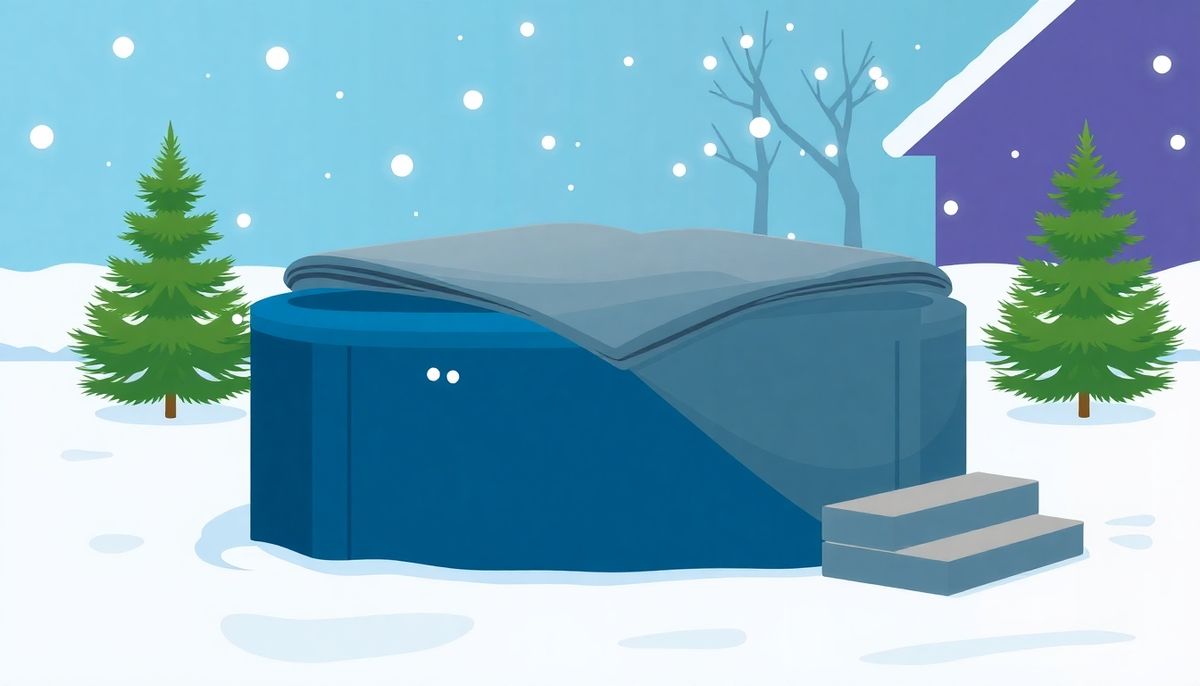
Inspect and repair your cover
Once cold weather creeps in, your hot tub's first line of defense is a reliable cover, and even the sturdiest one needs upkeep. Check yours for cracks, tears, or waterlogging, which badly hurt its insulating power. A cover that's falling apart is almost like leaving the door open on a frosty night.
You can often patch minor tears with a heavy-duty vinyl repair kit, a small cost compared to the heat you'd lose. If the damage is beyond repair, replace the cover; quality ones use marine-grade vinyl and dense insulation built for harsh winters. Add a floating thermal blanket for extra insulation, and fasten the cover securely with straps or locks so heat can't escape.
Inspect Hot-Tub Cover Quality
A good cover isn't just about keeping snow out. It holds in warmth and keeps your tub efficient. Check the outer vinyl for cracks or splits that let cold air seep in. A waterlogged or sagging foam core means the insulation is fading; if the cover feels unusually heavy, it's probably soaked up water.
I once tried to get by with a questionable cover and a quick duct-tape patch. That choice cost me plenty in heating bills, plus a minor freeze repair. A quality cover holds heat in and eases the strain on your heater, which can otherwise wear out early. It feels like a steep expense up front, but it pays off in energy savings and protection over time.
Repair Damaged Cover Components
Cold snaps are brutal on hot tub covers, and ignoring them can lead to a frozen tub. A small tear that goes unnoticed can leave you with a block of ice by mid-January. Before the cold sets in, check your cover for rips, sagging, or waterlogging, since these hurt the insulation and drive up your energy use as heat escapes.
For minor damage like small tears or loose seams, a vinyl repair kit keeps the cover a strong barrier against the cold. For bigger damage, buying a new cover is often the wiser long-term investment. As always, add a floating thermal blanket underneath to trap heat and cut down on evaporation, trimming those heating bills.
Enhance Insulation with Thermal Blankets
A thermal blanket is one of the simplest ways to protect your spa from the freeze. It floats just above the water, forming a barrier that traps heat and keeps it from escaping, like a cozy quilt for your tub. A friend up in Minnesota swears by hers. After a mid-winter freeze left her with a hefty repair bill, she added a thermal blanket to her routine and saw a real drop in energy costs, plus the peace of mind of knowing her tub was safe.
These blankets are simple to use, and you can cut them to fit your tub exactly. They work alongside your cover to cut heat loss and ease the strain on your heater, so your tub stays warm and ready for a soak while the snow falls.
Monitor Water Levels Regularly

Check the water level every week
One simple task is vital: checking the water level regularly. Water evaporates faster than you'd think, especially when temperatures swing, and if the level drops too low the pump struggles to circulate water, which opens the door to freezing. I skipped a few weekly checks once and ended up thawing pipes and regretting every minute I'd let slide.
It's not just about looking, though. It's about timing. Check after heavy use and when the forecast calls for colder-than-usual weather. If you spot a low level, top it up right away with a garden hose, then disconnect it afterward so it doesn't freeze.
Prevent Freezing with Proper Maintenance
Steady maintenance is the underrated hero of keeping your hot tub alive through winter. Start with regular inspections. My neighbor Jim found a tiny tear in his cover that turned into a hefty heating bill, so keep a close eye on its condition. And remember, it's not just about keeping the water warm. It's about keeping it moving. Still water is the enemy in freezing weather, so make sure your circulation system works flawlessly.
Don't neglect the filter. A clean filter keeps the water clear and stops the system from overworking; clean or replace it every six weeks or so. Check for leaks too, since even a tiny drip can become a major problem when the temperature plummets. Tighten loose connections and swap out worn parts. It's the little things that, left alone, lead to big repairs come spring.
Conclusion
These steps will carry your hot tub safely through winter, and the same careful habits keep any pool or spa in top shape year-round. Want to go deeper? Our free Pool School course covers everything from basic maintenance to advanced troubleshooting, so you can save on repairs and chemicals, keep your water clear, and handle common problems with confidence. Over 10,000 owners have already used it to transform their routine. Get started with our free Pool School course today!
What you need
Grab a hot tub line flush, a marine-grade cover, a floating thermal blanket, and a wet-dry vacuum before the first freeze, since those are your core winterizing supplies.