



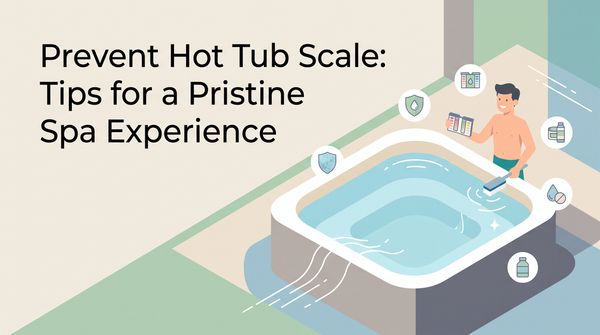
A hot tub should be a place where stress melts away. Nothing spoils that faster than scale — a thin, gritty layer of mineral deposits that builds up along the waterline and on the jets. It looks bad, and it quietly wears down how well your tub runs.
In my own backyard, scale was a regular chore until I figured out a few things that actually work. Getting the water chemistry right was the big one. Test and adjust your pH and calcium hardness on a regular basis, and you stop scale before it starts.
Water matters too. If you live in a hard-water area, the high mineral content speeds up buildup unless you stay ahead of it. A steady routine — pre-filters and sequestering agents (products that lock up minerals so they can't settle) — cuts the risk way down. Once you understand what causes scale, keeping your tub clear turns from a chore into an easy habit.
Your Action Plan
- Test your water weekly and hold pH at 7.4 to 7.6 and alkalinity at 80 to 120 ppm.
- Put a hose filter on when you fill, especially with hard water.
- Add a scale preventer or sequestering agent to your routine.
- Rinse your filters every few weeks and deep-soak them monthly.
- Drain and deep-clean the tub every quarter.
Prevent Hot Tub Scaling
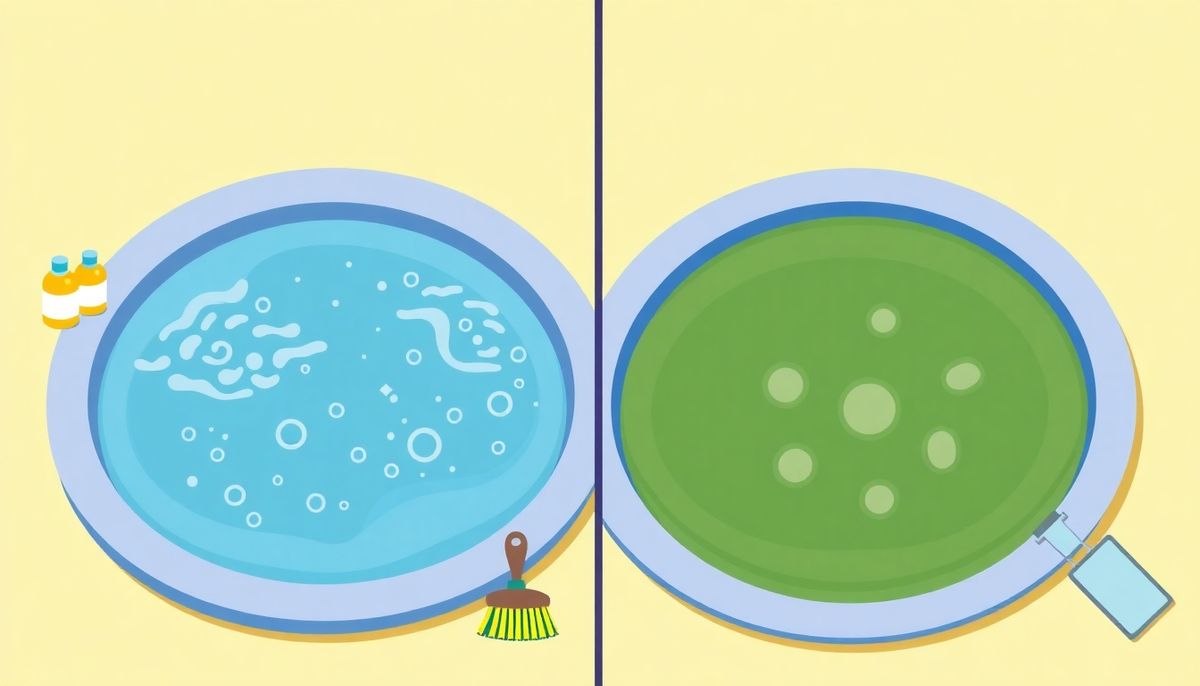
Nobody wants to sink into a hot tub and spot scale creeping up the surface. Luckily, prevention is pretty simple, and it starts with the water you use. If your home has hard water, a hose filter is worth the money — it strips out minerals before they ever reach your spa.
Keep your water balanced
Next, watch your chemistry. Check and adjust pH and alkalinity regularly, since balance is everything. Aim for a pH between 7.4 and 7.6 and total alkalinity between 80 and 120 parts per million. When those numbers drift, minerals separate from the water and harden into scale.
Work a scale preventer into your routine too. It grabs onto calcium and stops buildup before it starts. Clean your filter often so it keeps catching debris. Finally, drain and deep-clean the tub every few months. That clears scale and keeps bacteria from moving in.
Balanced water — pH 7.4 to 7.6 and alkalinity 80 to 120 ppm — is your single best defense against scale.
Control Water-Alkalinity Levels
Why alkalinity matters
Keeping the right alkalinity in your hot tub is a bit like keeping a band in tune — every part has to hit the right note. Alkalinity is the manager, keeping your pH from wandering off track. When it runs too high, you get scaling, and no one wants that.
Aim for total alkalinity between 80 and 120 ppm. This range buffers your pH and keeps it steady. When pH climbs too high, calcium settles on the surfaces as scale.
A simple test kit lets you keep tabs. Testing weekly makes it much easier to catch changes early. If your levels are off, use an alkalinity increaser or reducer to bring them back. Watch your water temperature too, since warmer water pushes pH up and makes scale more likely. Controlling alkalinity also extends the life of your tub's parts and saves you from pricey repairs.
Regularly Clean Hot Tub Filters
Filters do more than you think
Filters aren't the first thing that comes to mind with hot tub care, but they do a lot to keep scale away. They're your first line of defense, catching oils, hair, and dissolved solids before they settle on your surfaces and plumbing. A clean filter cuts scale risk and helps the tub run longer.
Every few weeks, rinse them with a hose. For a deeper clean, soak them in a solution made for filter cleaning to dissolve stubborn deposits and get them working like new. I learned this the hard way — skipping it once left a clog in my plumbing, and the fix was neither quick nor cheap. Now I clean my filters every month, and that small effort saves me big headaches.
A clean filter is doing the heavy lifting in your hot tub, so rinse it every few weeks and deep-soak it monthly.
Use Water-Softening Solutions
On a chilly evening, when all you want is to sink into your spa, the last thing you need is scale on the surfaces. Water-softening products help a lot if you're dealing with hard water. They go after the calcium and magnesium that cause buildup.
A friend of mine, a serious spa fan, swears by them after fighting scale for years. He lives in a hard-water area, and the rough spots gave way to a smooth feel once he started using a softener.
You've got options. A liquid additive made for hot tubs is easy — pour in the right amount and let it work. Or install a water softener system for a longer-term fix. Either way, less scrubbing and more soaking, plus a longer life for your tub.
Combat Mineral Build-Up
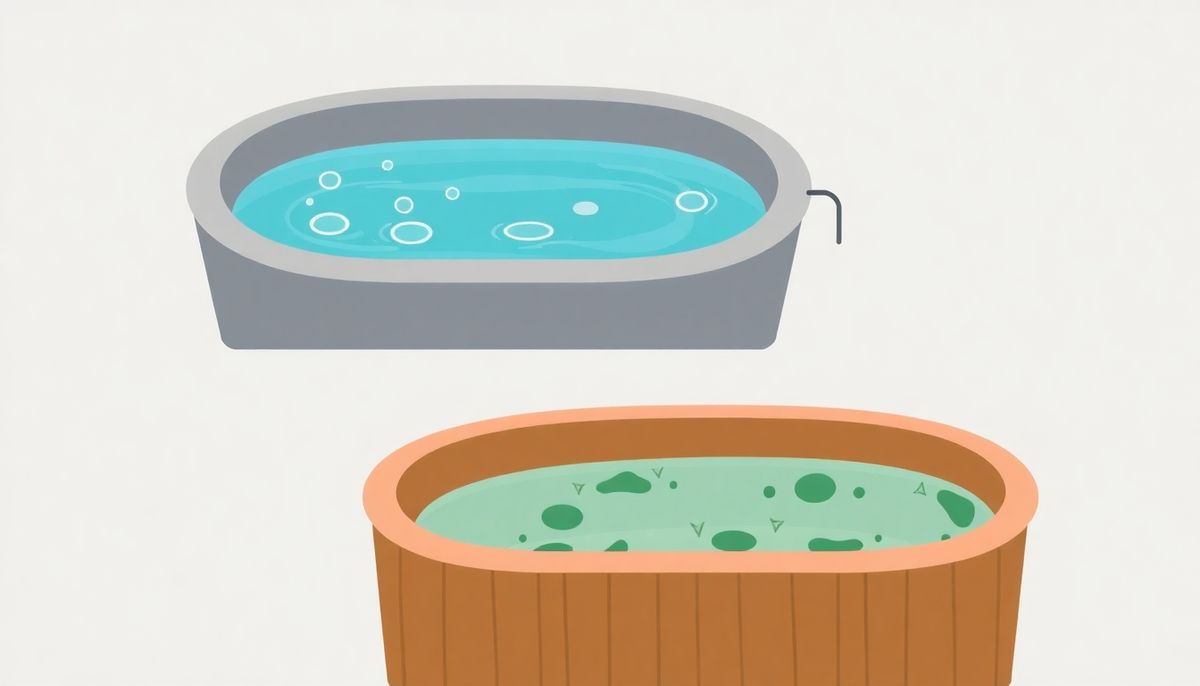
A quiet evening in the tub can turn frustrating fast when mineral buildup shows up. It sneaks up on owners, leaving ugly scaling and sometimes damaging the tub you love.
Know what you're up against
Hard water is loaded with calcium and magnesium — the main cause of scale. If your water is notoriously hard, put a pre-filter on the hose when you fill. That one small addition catches minerals before they reach your spa.
Test and adjust your chemistry regularly. As I mentioned earlier, keep pH between 7.4 and 7.6 and alkalinity between 80 and 120 ppm. When those numbers swing, minerals stick to the shell. A sequestering agent helps too — it binds to minerals so they can't settle or clog the internal parts. And don't skip routine cleaning: wipe down the surfaces and do a full drain-and-clean every quarter.
Prevent Hard-Water Damage
Hard water is more than the nuisance that spots your glassware — it's a real threat to your spa. Left alone, those minerals crust over the tub's insides and turn peaceful soaks into maintenance headaches.
The humble hose filter heads off a lot of that mess, filtering out minerals before they touch your spa. I learned this the hard way after a stubborn bout of scaling left my jets sputtering and barely pushing any water. Since I added a hose filter, the tub has stayed scale-free.
Water chemistry is the other key. Hold pH and alkalinity in the recommended ranges and the minerals can't harden onto the surfaces. For extra protection, a scale preventer keeps buildup down. And stay alert — checking the surface and plumbing for early signs of scale saves you from bigger fixes later.
Eliminate Contaminant Residue
Fighting contaminant residue is the first step toward a scale-free tub. Every time you slide in, you bring oils, hair, even leftover body wash. On their own they seem harmless, but they team up with the minerals in your water to drive stubborn scale.
Simple cleaning habits
Skim the surface and wipe down the edges regularly. A friend of mine wipes the tub with a microfiber cloth after every soak so oils and lotions never get a chance to settle. That small step makes a huge difference.
It also helps to use a good enzyme product made for hot tubs. It breaks down organic matter before it can cling to the surfaces. Just follow the label. Make it part of your routine, right alongside sanitizer and pH, and you set yourself up for a stress-free soak every time.
Maintain Optimal Water Balance
Keeping your water balanced isn't only about a nicer-looking tub — it's how you stop stubborn scale. A pH between 7.4 and 7.6 is your sweet spot. Step outside it and calcium deposits start settling where you don't want them.
Hard water, full of calcium and magnesium, needs careful handling. A hose filter is your frontline defense when you refill, sifting out minerals before they can settle. And don't forget regular testing — it keeps you a step ahead, adjusting as needed to keep your spa smooth and scale-free.
Balance Water Chemistry
Getting your water chemistry right is like nailing the sweet spot in a favorite recipe. The ingredients — pH, alkalinity, and calcium hardness — all have to be just right to avoid damaging scale. When I first set up my hot tub, I learned that the hard way. Let them drift and you get mineral deposits that hurt both the look and the function of your spa.
Start by testing with reliable strips or a digital tester. Keep total alkalinity between 80 and 120 ppm to buffer your pH, which should sit around 7.4 to 7.6. High pH means more calcium deposits, so correct the numbers when they creep up. I once ignored a small pH spike and ended up with a chalky film on the walls. Lesson learned.
If your local water is hard, a water softener or hose filter during refills keeps extra minerals out. A scale preventer is worth adding too — think of it as insurance for your tub.
Prevent Mineral Buildup
Preventing mineral buildup is a big part of keeping your spa in balance. First, get to know your water source. If it's rich in calcium and magnesium, you've got hard water, and a hose filter when you fill is a simple, effective fix.
Next, don't skip regular testing. Aim for a pH between 7.4 and 7.6. Drift from that and calcium starts to separate from the water and form scale. Adjust alkalinity first to give yourself a stable base for holding pH where you want it.
Finally, give your filters a good soak. Cleaning them regularly means they keep catching minerals and debris. Pair that with a full drain and scrub every quarter and you've got clear, scale-free water.
Use Scale-Preventing Products
Every owner has watched scale creep in and spoil a soak. The good news is there's a simple fix: scale-preventing products. They run in the background, so the biggest decision you face is picking the right playlist and grabbing a cold drink.
Liquid scale inhibitors sit on the shelf at your local spa store. Add them straight to the water and they bind with the minerals that cause scale, keeping them from latching onto your tub's surfaces. They break up those mineral bonds before they can harden into scale, saving you from constant deep-cleaning sessions. Next time you're grabbing supplies, toss one in — it's a small buy that keeps your tub running well and lasting longer.
Maintain Optimal pH and Alkalinity
Keeping the right pH and alkalinity is like eating a balanced diet: important, and easy to overlook. When I first got my hot tub, I noticed a chalky buildup creeping around the edge and realized that ignoring water balance was asking for trouble.
It bears repeating: keep total alkalinity between 80 and 120 ppm. Alkalinity stabilizes your pH even as temperatures swing. If it drops too low or climbs too high, your pH follows, giving you either corrosive low pH or irritating high pH — both can encourage scale, especially in hard water.
For hot tubs, a pH between 7.4 and 7.6 is ideal. High pH doesn't just feed calcium buildup, it can also make a soak uncomfortable. Test and adjust with pH increasers or decreasers as needed. Ever since I started watching these closely, my water has stayed clear and I've skipped the hard scale-removal sessions.
Clean Fixtures Effectively

Fighting scale isn't only about the water — it's about every nook and cranny, especially the fixtures that get ignored. Those are exactly the spots where deposits love to settle.
Gather your supplies and drain the tub
Before you start scrubbing, grab your supplies: a soft brush or sponge, a good hot tub scale remover, and a clean cloth. First, make sure the tub is powered down and fully drained. That makes the job easier and keeps cleaning agents out of the water you'll soon soak in.
With the tub empty, apply the scale remover to the affected areas, especially the jets and metal parts, and gently scrub. My neighbor swears a toothbrush works wonders for tricky spots, and it does. Wipe everything down well afterward to clear any residue. A regular scrub-down really extends the life of your fixtures — a little effort now saves a lot of hassle later.
Prevent Water-Related Buildup
Preventing buildup isn't just about looks — it keeps your tub running well and lasting longer. Start with your chemistry: test pH and alkalinity regularly and keep them in range. When they're off, you get mineral deposits, so staying on top of those numbers is crucial.
Live in a hard-water area? Put a hose filter on when you fill. Some people rely on chemical scale preventers, while a water softener naturally reduces the calcium and magnesium behind that gritty buildup.
Build maintenance into your routine. Keep your filters clean and swap them when needed so they catch debris and oils before they turn into scale. One handy trick: a weekly wipe-down of the interior with a non-abrasive cloth stops residue from building up.
Remove Existing Mineral Deposits
Ever faced a stubborn layer of grime that won't budge no matter how hard you scrub? That's what hot tub scale can feel like. You don't need superpowers to beat it, just a few tricks and some patience.
First, size up the situation. If it's just a light dusting, a soft cloth and a gentle scrub might do. Scale removers are handy here, but keep those chemicals out of the water unless you like the idea of a chemical bath.
For deposits that have really dug in, drain the tub completely. With the water gone, you can apply your remover freely and scrub with some muscle. And don't forget the plumbing — a line flush product chases out deposits hiding in the pipes. Once you've won, remember that prevention is your best move for the soaks ahead.
Prevention always beats removal — a little chemistry and a clean filter save you hours of scrubbing later.
Maintain Optimal Water Chemistry
Water chemistry is the unsung hero of hot tub care. Get the balance right and you skip the scale problem entirely. One day, soaking in my own tub, I felt a slight roughness on the shell — a clear sign my chemistry needed attention. A quick test pointed to high pH and alkalinity. Left alone, that speeds up calcium deposits. Once I adjusted the levels, I stopped more scaling and made the water clearer and more comfortable.
Regular testing is key. A simple test strip tells you the hidden story of your water's health. Keep your pH between 7.4 and 7.6 and alkalinity between 80 and 120 ppm. If your source water is especially hard, add a water softener or a sequestrant — these bind calcium so it can't settle on the surfaces.
Drain and Scrub Thoroughly
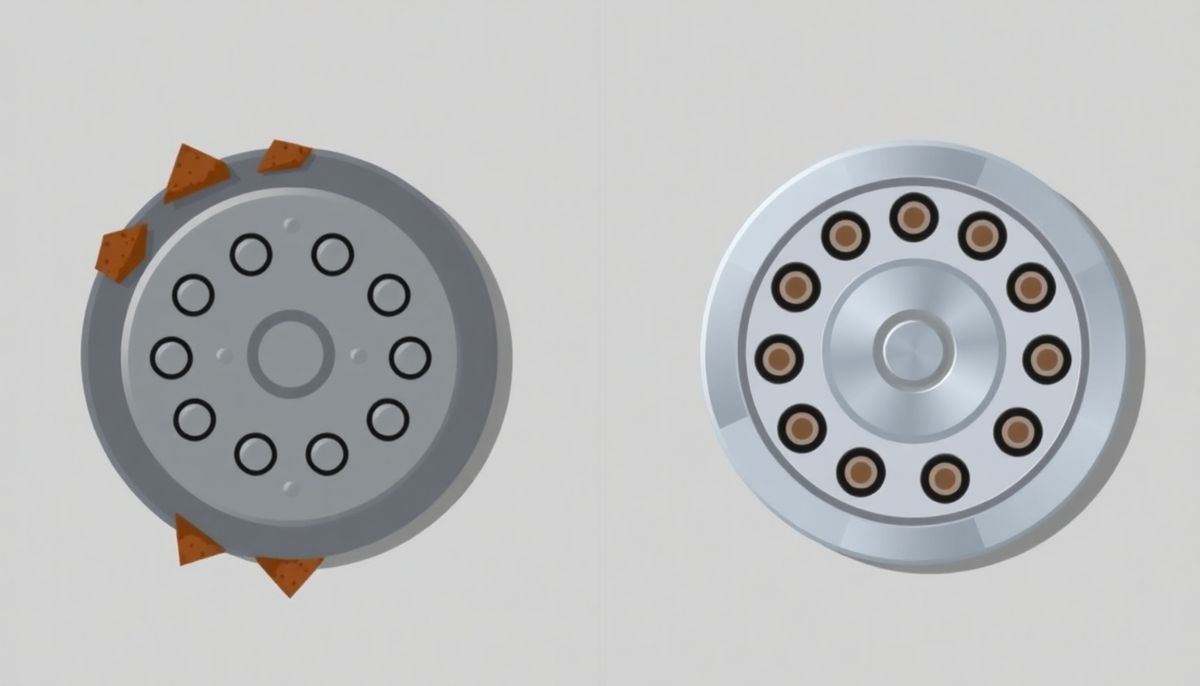
Scale is a stubborn problem, and sometimes you just need to drain and scrub. Start by emptying the tub completely. It feels like a hassle, but it's the only way to reach every spot the scale has touched, and the effort pays off in the long run.
Once the water's out, scrub with a non-abrasive brush and a strong scale remover made to dissolve deposits without harming the surface. Pay special attention to the nooks and crevices where scale hides. For the really stubborn spots, a line flush product clears hidden buildup in the plumbing and prevents future clogs. Rinse everything well before you refill — leftover cleaner can mess with your next soak.
Remove Existing Scale
Removal starts with figuring out how bad it is. If the scale is just a surface nuisance along the waterline, a specialized remover and a gentle touch might be enough. It's like handling a familiar kitchen stain: a little patience and the right cleaner go a long way. Just mind the water — nobody wants to soak in a chemical stew.
For scale that's dug in below the waterline, drain the tub so you can clean freely without tainting the water you'll soak in. A thorough scrub with a good cleaner, hitting both the visible surfaces and the hidden nooks, makes sure nothing slips past. Then flush the lines to clear buildup clinging to the pipes, so the water flows smoothly once the tub's back in action.
Prevent Future Buildup
Prevention is your secret weapon against scale. Maintenance can feel like juggling — balancing sanitizers, chasing foam, checking the heater — but stopping scale before it starts keeps things hassle-free.
Watch your chemistry. Aim for a pH between 7.4 and 7.6 and total alkalinity in the 80 to 120 ppm range. This keeps your water feeling silky smooth too. A friend of mine skipped this, sure his spa was immune. It wasn't — he spent a whole weekend scrubbing mineral deposits instead of relaxing.
If hard water is a constant, use a hose filter when you fill, or add a water softener to your routine. A good scale preventer is worth having too, binding to minerals before they settle. And wipe down the surfaces above the waterline often, with a full drain and scrub every quarter.
Conclusion
This article gave you what you need to keep your hot tub in good shape and free of scale. The routine is simple: balanced water, clean filters, and a little planning ahead. Start today, and every soak stays clear and inviting.
What you need
Grab a reliable test kit, a hose pre-filter, a scale preventer or sequestering agent, and a filter cleaner to keep your spa scale-free.