




A hot tub is a warm, relaxing spot to unwind, but draining it for maintenance can feel like a big job. With a few simple steps, it's quicker than you'd think. Whether you're gearing up for a deep clean or just swapping out the water, knowing how to drain your hot tub fast is a skill worth having.
One chilly autumn evening, I promised some friends a weekend soak. As the day got closer, I realized the water needed refreshing. That little scramble taught me a lot about speeding up the draining process without the usual hassle.
Draining well is about more than pulling the plug. You want to do it safely, keep your equipment in good shape, and go easy on the environment. After a few tries and a few mistakes, I found a method that saves time and water. Here's how to handle it in three simple steps.
Your Action Plan
- Cut the power at the circuit breaker.
- Flush the plumbing with a line cleaner, jets on high for 20 minutes.
- Drain fast using the drain valve and a sump pump together.
- Vacuum out the last puddle with a wet/dry vacuum.
- Scrub the empty shell and soak the filter in cleaner.
- Send the water to a sewer cleanout, not a storm drain.
Purge Plumbing with Line Flush
Why flush the lines first?
Standing over your hot tub, you might not think about the maze of pipes below the surface, but they matter a lot for a good soak. Over time those pipes fill with biofilm, a sticky mix of bacteria, oils, and residue that your usual sanitizers can't reach. A line flush clears it out.
Before you shut off the power to drain the tub, add a line flush cleaner. Pour it in, turn the jets up high, and let it run about 20 minutes. You'll probably see ugly foam form on the surface as the cleaner works. It's not pretty, but that foam means the stubborn buildup is getting pushed out. Use a small skimmer to lift the foam off so it doesn't settle back in.
The first time I did this, I was skeptical about the foam. But the results won me over: fresher water and better jet flow. It's a step you won't want to skip before a full drain and refill.
Chlorine and bromine can't touch biofilm, so only a line flush clears it out of the pipes.
Implement Effective Line-Flushing Techniques
Getting your line-flushing routine down keeps everything running smoothly. As before, run the jets at full power with a line flush cleaner for at least 20 minutes, and skim off the foam as the grime surfaces. The first time I did it, I was amazed at how much my tub had been holding onto.
One more tip: while the water drains, take care of your filters too. Soak them in cleaner and let them recover overnight, and keep a spare on hand so nothing stalls your downtime. Once the lines and filters are clean, you're halfway to a fresh soak.
Prepare for Thorough Surface Cleaning
Scrub the shell while it's empty
A freshly cleaned hot tub feels great, but it takes a little elbow grease first. Once the water's drained, grab a non-abrasive cleaner and a soft cloth or sponge. Start at the top and work down, clearing out the dirt and buildup left behind.
Pay attention to the spots people skip, like the seats and footwells. Mineral deposits get tough around the jets and waterline, but a gentle scrub brings back the clean surface underneath. Check the shell for cracks or damage too. Grime can hide these, and they only get worse if you leave them. Catching them early saves you costly repairs later.
Optimize Water-Draining Strategies
Team up the drain valve and a sump pump
To drain quickly and without stress, combine two methods. The drain valve sits at the bottom of the tub and lets gravity do its work. The sump pump adds real power, pulling water out much faster. Together they can empty your tub in under 30 minutes.
Before you switch on the pump, flush the lines to clear the buildup your usual sanitizers can't reach. And while you drain, keep an eye on where the water goes. Aim for a sewer access point rather than a storm drain, which can harm local waterways. Once most of the water's gone, a wet/dry vacuum handles the last bit sitting at the bottom.
The drain valve and a sump pump working together can empty your hot tub in under 30 minutes.
Clean Filters for Better Performance
Give the filter a deep soak
A clogged filter slows water flow and strains your hot tub's system, cutting its lifespan short. Give these parts the attention they deserve.
Pull out the filter cartridge and mix up a cleaning solution. I use a 5-gallon bucket filled with water and a dose of filter cleaner. Submerge the filter so it's fully covered and let it soak for 24 hours. That time lets the solution break down oils, lotions, and other residue that's built up. After soaking, rinse the filter well, since leftover cleaner causes foaming once it's back in the water. Keeping a spare cartridge around lets you keep using the tub while the other gets its deep clean.
Even the best cleaning won't rescue a badly worn filter. If it's past its prime, replacing it is your best move.
Drain Water Effectively
Draining fast starts with the right tools. First, shut off the power at your circuit breaker so the jets or pumps don't kick on and splash you. Next, find the drain valve, usually tucked behind a panel at the base of the tub. Connect a garden hose to send the water to a proper spot, like a sewer cleanout port or a utility sink. Steer clear of storm drains and any chemically sensitive beds in your yard.
The valve works at a steady pace, but pairing it with a sump pump speeds things up a lot. Set the pump at the deepest point, turn it on, and watch it pull the water out. Once most of the water's out, a wet/dry vacuum handles any leftover puddles, especially in the footwell.
Flush and Clean Plumbing
Before you drain, deal with the hidden troublemakers in your plumbing. You might be careful about adding chlorine or bromine, but those sanitizers alone can't shift the buildup. That's where a line flush cleaner comes in. With your jets on full blast, pour it in and let it circulate for at least 20 minutes. Don't worry about the ugly foam that bubbles up, it's a sign the cleaner is doing its job. A simple surface skimmer clears it in no time.
While the cleaner works, think about your filter. As the water drains, pull it and soak it in cleaner, and swap in your spare so the tub keeps running. A well-kept hot tub means every soak feels as fresh as the first.
Soak and Rinse Filters
While your hot tub slowly empties, give those hardworking filters the care they've earned. As mentioned earlier, a 24-hour soak in a bucket of cleaner will do the trick. The long soak lets the cleaner reach every crevice and loosen stubborn residue that a quick rinse would miss. Rinse the filter under clean water afterward to get it ready to go again.
Keep a spare cartridge on standby so the water stays inviting while one filter soaks. And remember, if your filters look discolored, brittle, or always dirty, it's time to replace them.
Utilize a Sump Pump Efficiently

Let the pump do the heavy lifting
A sump pump turns a slow task into a quick one. It's incredibly fast, much better than waiting on a garden hose. Set it in the deepest part of your tub, make sure it's fully submerged, and let it get to work. Connect a hose and run the other end to a good drainage point, like a sewer cleanout or a utility sink. Keep in mind that hot tub water carries chemicals that cause trouble if they end up in storm drains or on your garden.
While the pump does the heavy lifting, a shop vac or siphon vacuum clears any leftover puddles. By the time the last drop is gone, your hot tub is prepped and ready for its next use.
Drain Your Hot Tub Properly
Draining the right way takes more than pulling the plug. First, cut the power at the circuit breaker so the pumps and jets don't start up without water and get damaged.
Now prep your plumbing with a line flush cleaner. Run the jets high for about 20 minutes, and the buildup, that unpleasant residue from lotions and sunscreen, starts surfacing as foam. Scoop it away with a skimmer.
Then pick your draining method. The drain valve at the base works well for gradual drainage. For speed, add a sump pump to empty the tub in under 30 minutes. Send the water into a sewer cleanout or utility sink, since the chemicals can harm lawns and gardens. After most of the water's out, a wet/dry vacuum or spa wand makes short work of the puddle in the center footwell. With the tub empty, clean the surfaces well and swap out the filter.
Deep-Clean Plumbing Lines
A truly satisfying soak often comes down to something people overlook: the plumbing you can't see. Once, my water stayed murky despite regular care, and the culprit was buildup hiding in the pipes. It thrives there and slips right past chlorine or bromine, so it needs a targeted approach.
Add a line flush cleaner to the water before draining. Turn the jets on high for about 20 minutes and let it circulate. Foam will rise to the surface, and messy as it looks, it means the cleaner is pulling out the hidden grime. Skim it away and enjoy the progress happening below the surface. Then drain however you like; the drain valve and sump pump combo is quick and thorough. Staying on top of the buildup pays off with clearer, fresher water every time.
Maintain Clean Filters
Ignore your filters, and your relaxing oasis turns murky faster than you can say "spa day." When I first got my hot tub, I underestimated regular filter care, and I learned the hard way.
Take out the cartridges before you begin draining and soak them, as covered above. Rinse them well afterward so leftover cleaner doesn't foam up your next soak, and keep a spare handy to avoid downtime. If your filters look worn or too grimy to clean, replace them. It's like changing the oil in your car, essential for smooth running.
Avoid Storm Drains and Protect Nature
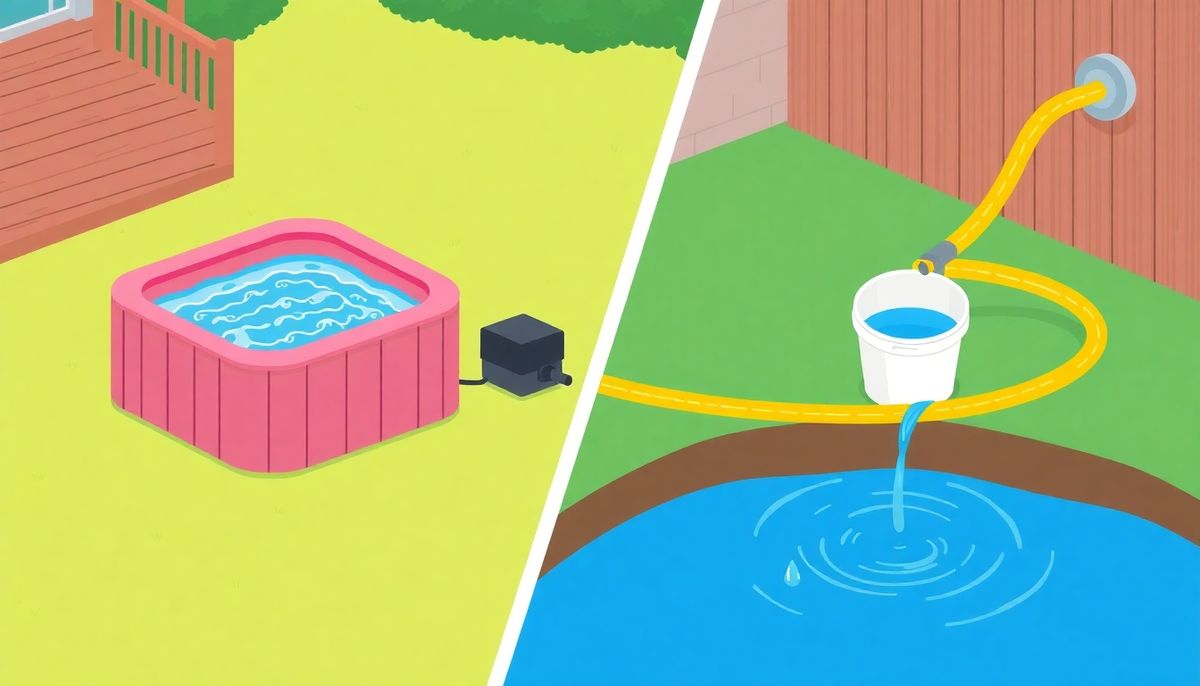
Where your water should go
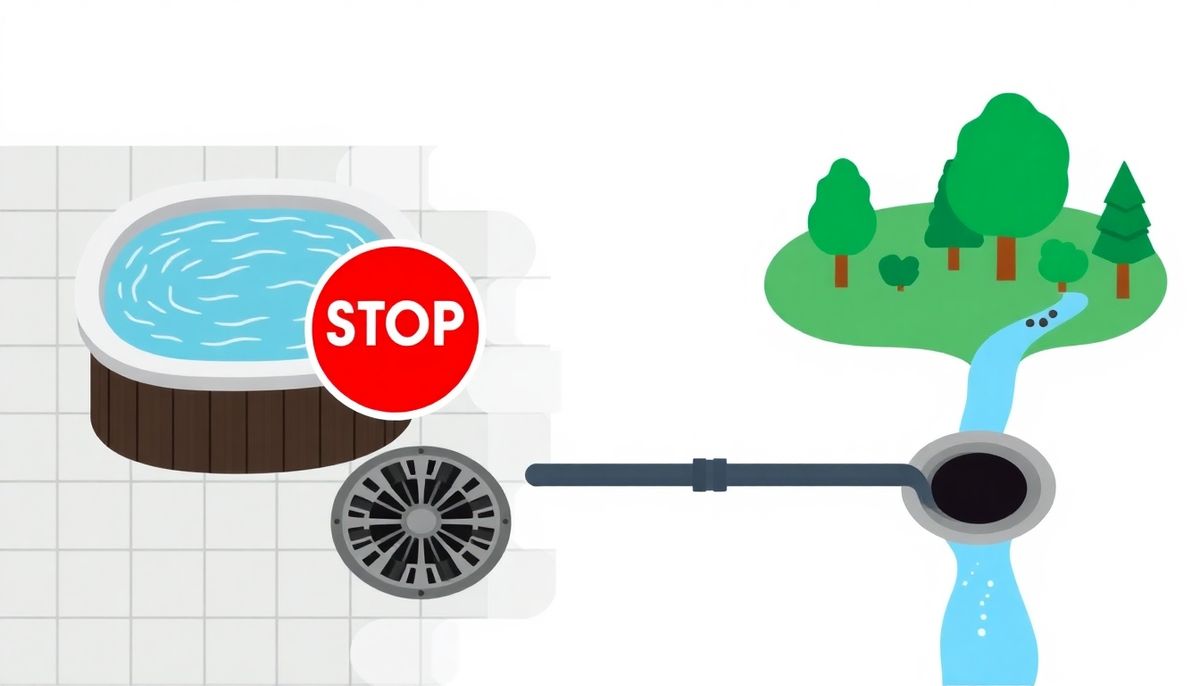
Where you send that water really matters. Storm drains flow straight into local waterways, so pouring in hot tub water full of chlorine or bromine can be a disaster for fish and other aquatic life. Growing up, our neighborhood was fiercely protective of a local pond where ducks and fish thrived, and we all learned early to keep chemicals out of the drains that fed it.
A sewer cleanout access point is your best bet, since the water gets treated before it goes back into the environment. You can also reuse the water on your yard. Just leave the cover off and let it sit for a few days without adding chemicals, then water your lawn or garden. Many cities require responsible disposal anyway, so it's a habit worth building.
Never drain a hot tub into a storm drain, because the chlorine and bromine run straight into local waterways.
Follow Effective Draining Methods
Draining well saves real time and effort. Pairing the drain valve with a sump pump speeds things up a lot. The first time I tried it, an hour-long job was suddenly done in under 30 minutes. The valve gets things going by letting gravity work, while the pump clears the deepest part of the tub, leaving almost nothing behind.
Clearing every drop also keeps leftover water from becoming a home for bacteria. While the water drains, soak the filter in cleaner overnight so it's ready when you refill. And always turn off the power before you start, to protect your equipment from accidental damage.
Protect the Environment
How you handle draining can really affect the ecosystem. Sending chlorinated water into storm drains might seem easy, but it can pollute nearby rivers, lakes, and oceans, harming aquatic life. Instead, drain into a sewer system where the water gets filtered and treated. If that's not available, let the chemicals dissipate over a few days, then use the water on non-sensitive plants to give your lawn or garden a boost.
While you're at it, choose biodegradable, non-toxic cleaners to tackle the buildup and grime. They're safer for the environment and gentler on your hot tub's parts, so they last longer.
Ever looked into your hot tub and found the water less inviting than you'd hoped? That cloudiness is often a sign it's time to focus on the filter, the quiet hero of your spa's cleanliness. Think of it as your tub's kidney, pulling impurities, dirt, and debris out of the water nonstop.
Remove the filter cartridge and rinse it under a garden hose to knock off loose particles. Then soak it in filter cleaner overnight; by morning it's refreshed and ready to go. Rinse it well afterward, since leftover cleaner can cause foam when you refill and restart. Keep a backup so you can keep using the tub while the other soaks, and if yours looks especially grimy or damaged, replace it.
Perform Regular Hot Tub Maintenance
Build a simple maintenance routine
Skipping regular maintenance leads to more than murky water; it opens the door to problems that turn your relaxing haven into a headache. Steady care starts with knowing what needs attention.
First, set up a weekly water test. A simple strip lets you check pH, alkalinity, and sanitizer levels, heading off scale buildup or corrosive water that damages parts.
Next, look after your filters. Clean them monthly with a hose spray to remove surface dirt, and every three months give them a soak in filter cleaner. This helps them last and keeps them working well.
Don't skip a visual check of the shell and jets. Wipe the shell with a non-abrasive cleaner to clear residue above the waterline, and make sure nothing's blocking the jets. Finally, do a full drain and refill every three to four months, using a line flush to clear the pipes. A little attention goes a long way.
Flush and Purge Plumbing Lines
The fight against buildup starts before you drain. This sneaky layer of bacteria and organic matter clings to the plumbing, forming from lotions, sunscreens, and other products. A line flush cleaner loosens and flushes out the gunk that ordinary sanitizers leave behind.
Turn the jets on and let it run a solid 20 minutes. Foam will rise to the surface, and that froth shows the cleaner is drawing out impurities trapped in the pipes. A surface skimmer helps you scoop it away so none gets back into your soon-to-be clean water. A thorough flush prevents clogs and keeps water flowing smoothly. Much like an oil change for your car, it keeps everything running well.
Clean and Replace Filters
While you empty the tub, give the filter its soak. Fill that 5-gallon bucket, add the recommended dose of cleaner, give it a swirl, then submerge the cartridge for 24 hours to dissolve the grime clinging to every fold. That downtime matters, since it lets the filter come out ready to work.
Patience pays off here. Once it's soaked, rinse it well with clean water so it doesn't foam when the tub gets bubbly again. Swap in a backup while the first one recovers, so you never miss a moment. And if your filter looks worn or exceptionally dirty, replace it. A fresh filter keeps your retreat crystal clear.
Conclusion
That's the whole routine: flush the lines, drain fast with the valve and sump pump, clean the shell and filter, and get rid of the water responsibly. Keep it up, and your hot tub stays a clean, inviting spot instead of a chore. Want to get better at spa care? A little steady attention saves you money, keeps your water clear, and heads off the most common problems before they start.
What you need
Grab a line flush cleaner, a filter cleaner and a spare cartridge, a sump pump, and a wet/dry vacuum so your next drain-and-refill goes smoothly.