



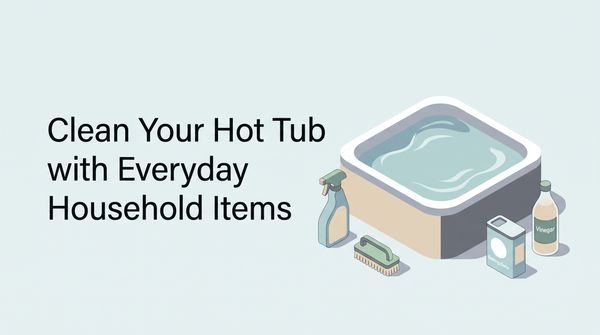
Steam rising off the water is a fine way to end a long day, but a hot tub only stays inviting if you clean it regularly. Here's the good news: you probably already own most of what you need, and it's sitting right under your kitchen sink.
Baking soda cuts through grime and knocks out odors. White vinegar dissolves stubborn deposits. Dish soap lifts grease off the shell without harsh chemicals. Each one earns its place in keeping the tub fresh. My own run-in with these fixes came last winter, when my usual supplies ran out right before guests arrived. A quick rummage through the cabinets saved the day.
With the right approach, caring for your hot tub stops feeling like a chore. The secret to a clean tub is usually within arm's reach.
Your Action Plan
- Mix equal parts white vinegar and water, then wipe the scum lines off the shell.
- Make a baking soda and water paste to scrub stubborn spots without scratching.
- Dab olive oil on sticky sap, let it soften, then wipe it away.
- Soak your filters in a 50/50 vinegar-and-water mix for a couple of hours.
- Use a dedicated line flush for the pipes, since vinegar won't clear biofilm.
- Apply a surface protectant to slow down future buildup.
Discover Natural Cleaning Solutions
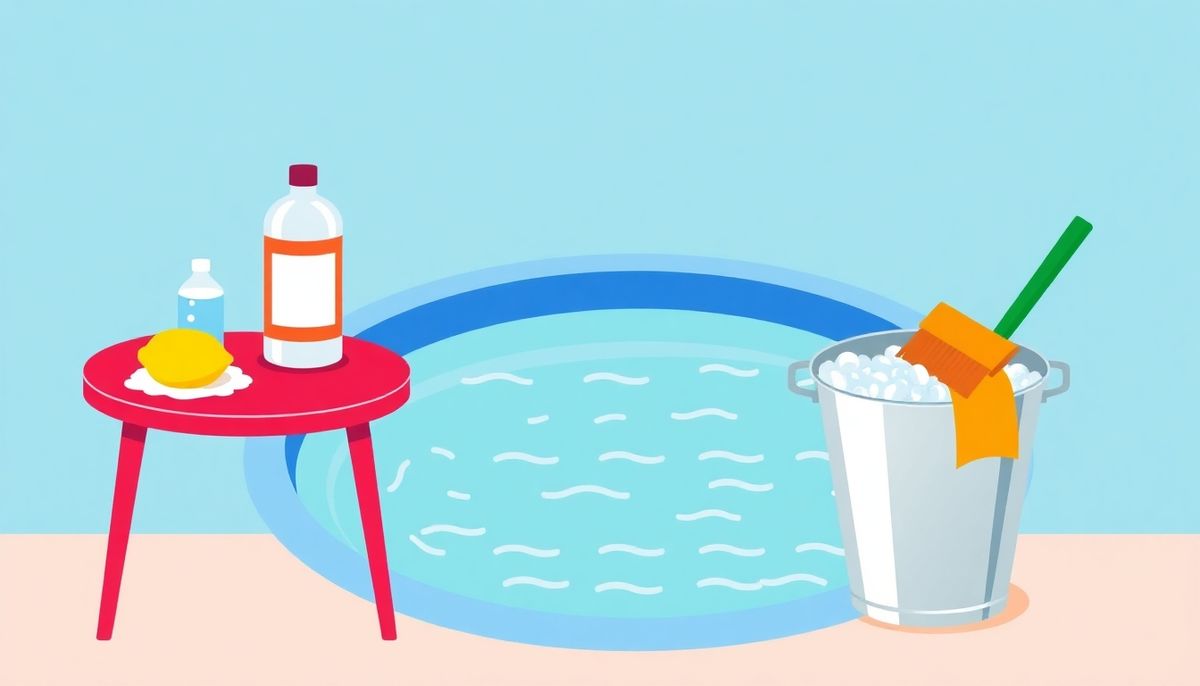
Good cleaning doesn't have to be complicated. A quick look in your pantry turns up your best tool against grime: white vinegar. Its mild acidity, usually around 2.5 to 4 pH, dissolves stubborn residue on the shell, and it naturally cuts through grime so it rinses right off. Just don't count on it for the pipes. The slimy layer of bacteria called biofilm needs a specialized line flush instead.
For sticky messes, olive oil works wonders. Its natural fats break down greasy stains and loosen sap on your cover. Finish with a protective coating so the buildup doesn't come straight back.
Baking soda rounds out the group. It's gently abrasive, so it lifts scum without scratching. Mix it with a little water into a paste, then buff. These natural picks keep grime off your tub and keep your family and pets away from harsher products.
White vinegar cleans almost every surface of your hot tub, but never rely on it to clear the pipes.
Embrace Pantry Essentials
Skip the pricey spa cleaners when you already have what you need at home. Mix half vinegar and half water, apply it with a sponge, and watch it wipe away the scum lines on your shell. Vinegar's mild acidity cuts through the grime without harming the surface underneath.
Olive oil isn't the first thing you'd grab for cleaning, but it loosens sticky sap so it comes right off, saving you a long scrub. And baking soda on a damp cloth or sponge gives you a gentle scrubbing paste that beats even stubborn grime, with no risk of scratches. The friction does most of the work for you. Next time you reach for a store-bought cleaner, take a detour to the kitchen first.
Master Vinegar Techniques
A bottle of white vinegar might be your hot tub's best friend. It's tough on grime without the harshness of commercial products, and its mild acidity is strong enough to break down scum lines yet gentle enough to leave delicate surfaces alone. The first time I tried it on an ugly ring of grime, the scum melted away with a vinegar-water solution and a soft cloth, and there was no harmful residue left behind.
Give your filters a soak
For a deeper clean, soak your filters in a 50% vinegar solution for a couple of hours. This handles moderate buildup and gives them new life. If they're really grimy, reach for a dedicated filter cleaner. And one caution worth repeating: vinegar won't clean the pipes. To clear biofilm in the plumbing, stick with a line flush product made for the job.
Optimize Olive Oil Uses
When sap clings to your hot tub cover, olive oil is a surprising fix. Using oil to fight oil sounds backwards, but its natural fats dissolve and lift the sticky film without hard scrubbing. Dab a little on a soft cloth, gently rub the spot, and the bond between the surface and the sap breaks so you can wipe it away with ease.
Olive oil doesn't stop at cleaning, either. Once the sap is gone, apply a surface protectant to head off the next mess. That keeps the cover looking good and cuts your work down the road. Worked into your routine, it saves plenty of elbow grease over time.
Maximize Household Cleaning Essentials
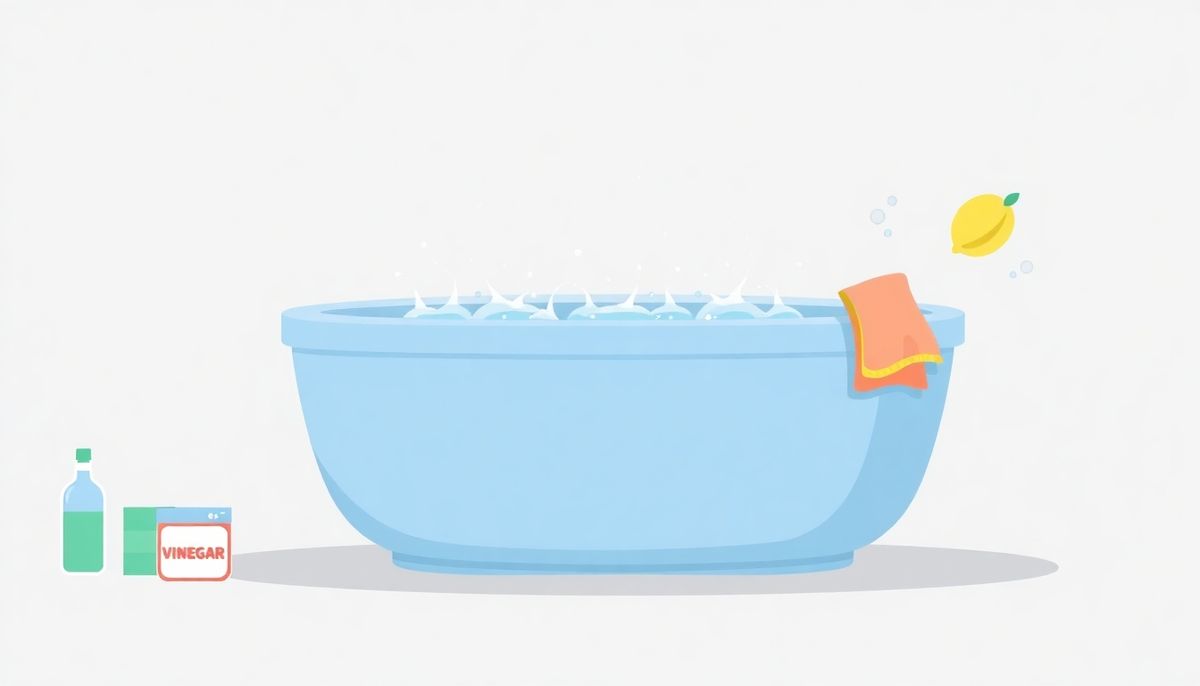
Those everyday products under the sink are strong allies in hot tub care. Take white vinegar: a quick swipe with a vinegar-soaked cloth erases scum lines on the shell while leaving the surface unharmed. Olive oil breaks down sticky sap on the cover, and a follow-up protectant fends off future stains.
One product per surface
Baking soda mixed with water works as either a gentle scrub or a base cleaner, depending on what you need, and its mild abrasive quality handles tough spots without scratching. For chrome or stainless fixtures that show every fingerprint, a few swipes of rubbing alcohol bring the shine right back. Lean on these staples and you'll keep the tub gleaming while skipping the cost and chemicals of specialized cleaners.
Utilize Everyday Kitchen Cleaners
Sprucing up your hot tub can be simpler than you think, with the answer sitting in your kitchen cabinets. White vinegar isn't just for salads. If you've ever cleaned out a coffee maker, you already know how well it dissolves grime, and it does the same on a vinyl hot tub cover without harming it.
Baking soda earns a spot too. Sprinkle some onto a damp sponge and it becomes a gentle abrasive, perfect for stubborn scum lines. Its alkaline nature can even nudge your water chemistry in the right direction, so you clean and balance at once. Got sticky sap on the cover? A little olive oil on a cloth dissolves it, no harsh detergent required. Just rub the spot and watch the goo disappear.
Embrace Natural Cleaning Solutions
A stroll through your kitchen turns up a few unexpected cleaners. Vinegar dissolves stubborn deposits along the shell, so next time you hit those scum lines, try it instead of a pricey commercial product. It works by cutting through and loosening the grime so it rinses away. Just steer clear of the pipes, since vinegar isn't strong enough to fight biofilm.
Olive oil might seem like an odd pick, but it lifts sticky residue like sap from your cover, breaking down the oils that trap dirt and leaving surfaces clean without damage. Once the mess is gone, a good protectant guards against future stains and UV damage. Then there's baking soda, that versatile powder we tend to overlook. A little on a damp sponge is perfect for scrubbing spots that won't budge.
Optimize Vinegar for Hot Tubs
Vinegar earns its keep on the tub the same way it clears limescale from a kettle. Mix equal parts vinegar and water in a spray bottle, mist it over the surface, let it sit a few minutes, then wipe with a soft cloth. That mild acidity breaks down grime without harming the finish.
Bring your filters back to life
Don't stop at the surface. Your filters can enjoy a vinegar bath too. Soak them in a 50/50 mix of water and vinegar for a couple of hours to dissolve mineral buildup and extend their life. If a filter is extremely grimy, it might be time for a dedicated cleaner or a replacement. Vinegar falls short on the internal plumbing, but for surfaces and filters it's a must-have.
Soaking your filters in a 50/50 vinegar-and-water mix for a couple of hours dissolves mineral buildup and adds months to their life.
Clean Hot Tubs with Everyday Items
Hot tubs feel like a luxury, but they're surprisingly easy to care for with things you already own. White vinegar works wonders on scum lines, dissolving residue without harming delicate surfaces like vinyl covers, and it can refresh your filters in a half-and-half soak. Particularly grimy filters might need a stronger cleaner.
Olive oil is an unexpected helper against sticky messes, breaking down sap stains and oily films that cling to the shell. A light rub loosens the deposits so they wipe away, and a surface protectant afterward locks in the clean. Baking soda, your reliable household helper, scrubs tougher scum without scratching when you sprinkle it on a damp sponge. All of it cleans well, saves a trip to the store, and keeps harsh chemicals out of your spa.
Utilize Vinegar for Effective Cleaning
I was skeptical about vinegar at first, kind of like when a friend swears you'll love some strange food combo. Once I saw how well it worked, it became a staple in my cleaning routine. It's easy on the wallet and tough on grime, and its mild acidity dissolves residue without harming the vinyl or acrylic surfaces of your tub. A soft cloth and some diluted vinegar wipe out the scum lines along the water's edge, leaving the tub sparkling.
A word to the wise, though: don't pour it down the pipes. It's no match for the biofilm hiding inside, so use a hot tub line flush product for that. For the filters, a couple of hours in an equal-parts water-and-vinegar soak loosens debris and mineral deposits. For really stubborn grime, a dedicated filter cleaner is worth it now and then.
Harness Olive Oils Cleaning Power
Olive oil isn't the obvious pick for hot tub care, but it shines on stubborn sap and sticky residue clinging to the shell or cover. Those stains come with an oily film that traps dirt, which makes them hard to remove. That's where olive oil steps in like a natural detergent, breaking down the greasy bond so cleanup gets easy.
A pro tip: dab a small amount right onto the stain, rub it in gently with a soft cloth, then apply a surface protectant to guard against the next mishap. Olive oil is biodegradable and less likely to irritate sensitive skin, which is a plus in homes with curious kids or pets. Next time your tub needs a little care, reach for the bottle in your pantry.
Olive oil breaks the greasy bond that holds sap to your cover, so a gentle wipe lifts what scrubbing alone can't.
Master Stain Removal with Baking Soda
Baking soda does double duty: it raises the water's alkalinity and cleans a wide range of surfaces. Think of how the kitchen sink sparkles after a simple baking soda treatment. The same idea works on your hot tub.
Start by making a paste of baking soda and water. Dab it onto a sponge and target the scum lines or any stubborn spots that won't budge. Its gentle abrasiveness is tough on stains but kind to the finish. When rings built up around my tub after a busy summer, a little patience and this paste brought the surface back to new, with no harsh chemical residue left behind. It's affordable and efficient, which helps if you're watching both your budget and the environment.
Embrace Green-Cleaning Practices
Cleaning a hot tub doesn't have to be a chemical-heavy chore. Green-cleaning habits keep your spa clean while being kinder to the environment and safer for your family, and there's real satisfaction in getting sparkling results from things already in your pantry.
White vinegar cuts through the scum lines on your shell, its natural acidity dissolving grime without harming the surface. Baking soda mixed with a little water makes a paste that scrubs stubborn stains without scratching, so the finish stays intact. Olive oil, an unexpected pick, lifts sticky residue like sap that synthetic detergents struggle with. It felt like finding a secret weapon when I realized it worked well beyond the kitchen.
Green cleaning protects both your hot tub's finish and the people who soak in it.
Choose Non-Toxic Cleaners
Reaching for non-toxic cleaners is a mindful choice for a healthier, more sustainable home, and you'll be surprised how many solutions your pantry already holds. Take vinegar: its acidity dissolves grime and scum without the harshness of heavy-duty products. A simple vinegar and water mix handles those stubborn water lines, and you won't worry about residue lingering where children or pets might touch.
Baking soda is another great ally. Mixed with water, it forms a mild abrasive that scrubs away tough stains, and it's safe on many surfaces and gentle on the environment when you rinse it away. Olive oil rounds things out, breaking down sap stains and sticky residue like a natural detergent. With a few pantry staples, you can keep your soaking space clean and safe, so every dip stays refreshing.
Utilize Pantry Essentials
A hot tub might seem to need specialized care, but the fixes are often sitting in your pantry. Diluted vinegar handles scum lines without harsh cleaners. One evening I spent an hour scrubbing my tub with it, and the shell came out sparkling. Just be careful in the plumbing, where vinegar won't touch the biofilm in the pipes.
Baking soda is useful well beyond the kitchen. Combined with a little water, it forms a gentle abrasive paste that lifts stubborn grime, and it helps keep your water's pH balanced too. Don't underestimate humble olive oil, either. A dab of it breaks down a sticky sap mark without harming the surface. These pantry basics may not have a catchy jingle, but they're a wallet-friendly, eco-conscious way to keep your hot tub clean.
Protect Surfaces Effectively
Protecting your tub's surfaces is easy to overlook, but a well-guarded surface extends the life of the tub and makes every soak better. Plenty of folks turn to commercial products, but household staples like vinegar and olive oil work well here too.
Vinegar's gentle acidity makes it ideal for surfaces prone to wear, like vinyl covers. A simple wipe-down with diluted vinegar prevents buildup without the harshness of commercial cleaners. Olive oil does double duty as a cleaner and a protector: apply a small amount after cleaning and you create a barrier that repels future stains. That saves time and keeps the tub pristine for those spontaneous late-night soaks. It's all about balancing effective cleaning with gentle protection.
Tackle Stains with Pantry Staples
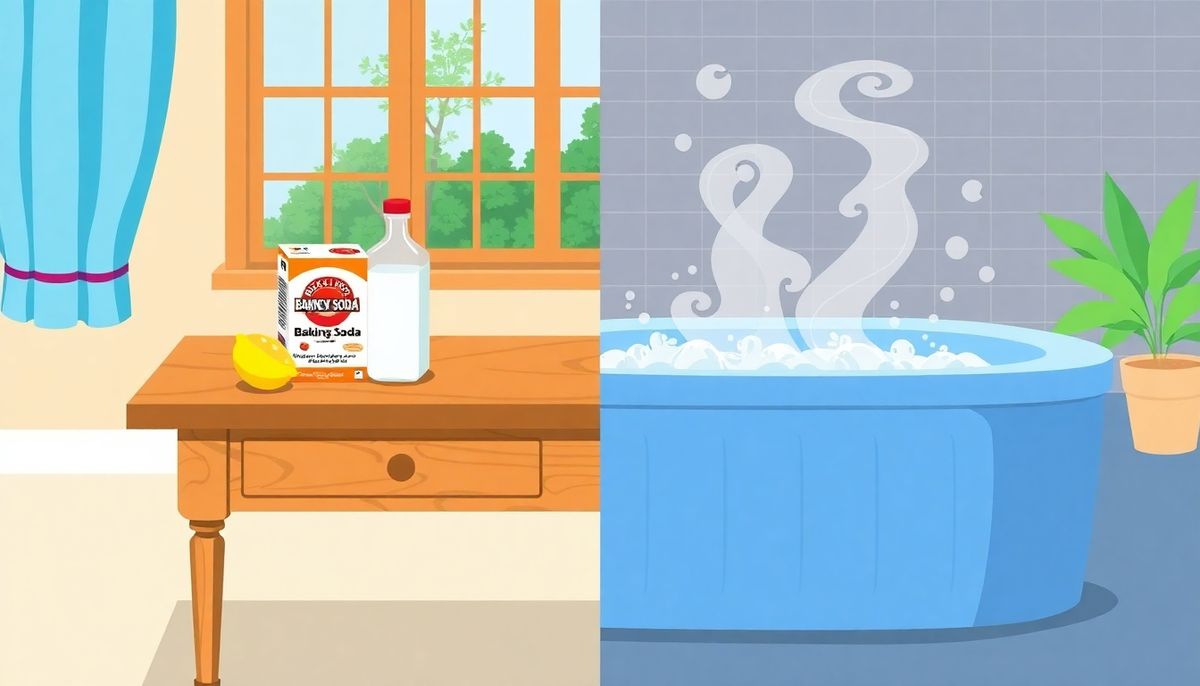
A few more pantry staples handle the tough spots, no heavy-duty cleaners required. You can also mix baking soda and lemon juice. The powder scrubs while the lemon's acidity breaks down grime, and it leaves behind a fresh, citrusy scent that beats any chemical fragrance.
Reach for salt on mildew
Don't overlook the humble box of salt, either. Mixed into a paste with a bit of water, it works as a gentle abrasive against mildew or stubborn stains. Rub it on, let it sit a few minutes, then scrub with a non-scratch sponge and rinse well. Working these staples into your routine isn't only about savings; it's about effective, eco-friendly answers that skip the harsher products.
Use Vinegar for Scum Removal
You don't need to scour the store aisles for a cleaning workhorse when vinegar is already in your pantry. It's more than a splash for salads; it banishes the stubborn scum that clings to your hot tub. Spotty watermarks and mysterious rings were no match for it in my own tub.
Vinegar's mild acidity breaks down grime and cuts through it so it wipes away easily. For those scum lines, dab a sponge or cloth in undiluted white vinegar and give the area a good scrub. The change is almost immediate, leaving a gleaming surface at a fraction of the usual cost. Put it to work on your filters too, with a couple of hours in a 50/50 vinegar-and-water soak. If a filter has really seen better days, replacement is sometimes the only answer.
Conclusion

Keeping your hot tub clean doesn't take a cabinet full of specialty products. With white vinegar, baking soda, olive oil, and a couple of other staples, you can handle scum lines, sticky sap, and grimy filters while spending less and keeping harsh chemicals out of your soak. Start your hot tub care routine today, and slip into the water knowing it's clean, fresh, and safe for everyone.
What you need
Keep white vinegar, baking soda, and olive oil on hand, plus a soft cloth, a non-scratch sponge, and a hot tub line flush for the pipes.