




Picture your hot tub glowing under a starry sky. It's your own little escape—until the cover turns stiff, heavy, and a pain to lift. Over time, dirt, grime, and weather wear turn a quick chore into a real struggle. A well-kept cover keeps your water clean, and it keeps the lid from feeling like a workout every time you open it.
Years back, my own cover turned heavy and grimy after months of neglect. Then it clicked that a few simple habits could bring back both the ease and the good looks. Regular care stretches the life of your cover, saving you time and money while keeping your spa ready when you are.
It helps to know what your cover is made of. Vinyl is the most common material, and it needs the right cleaning to avoid wear. The tools matter too—mild soap, a soft brush, and a good protectant each play a part. In this guide you'll pick up smart ways to keep your cover looking great and lifting easily.
Your Action Plan
- Sweep off leaves and debris with a soft-bristled brush.
- Deep clean every couple of weeks with a marine-grade vinyl cleaner on a sunny day.
- Treat any mildew with a 1:10 bleach or vinegar solution.
- Let the cover dry all the way in the sun before putting it back.
- Apply a UV protectant after each cleaning.
- Secure it with hurricane straps and patch any tears right away.
Protect Against Mold Mildew
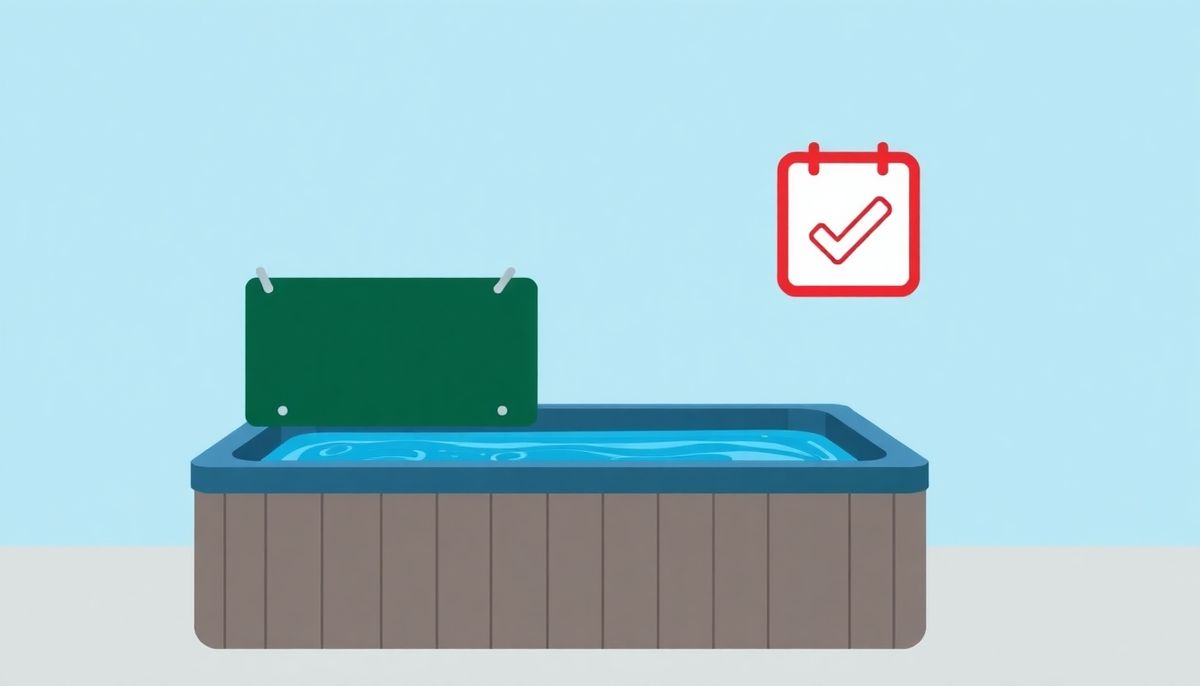
Mold and mildew can quietly wear down your cover, turning a helpful shield into a smelly headache. A friend once complained about a funky odor in her spa area—it was mildew on her neglected cover.
Air it out and catch problems early
When you're not using the tub, take the cover off now and then and let it dry all the way. That breaks up the dark, damp conditions mold loves. If you catch a strange smell or discoloration, act fast. Mix one part bleach with ten parts water to clear surface mildew, or use the same 1:10 ratio with white vinegar if you'd rather go natural. That simple mix is your go-to for spots and odors all season.
Check the cover for damage while you're at it. Even small tears let moisture reach the foam core, where mold takes hold. Patch any breaks with a vinyl repair kit right away.
Implement Effective Cleaning Practices
Good cleaning habits turn cover care from a chore into a quick routine.
Start with debris. A soft-bristled brush sweeps away leaves and dirt without scratching the vinyl. I once grabbed a regular broom, and it left marks that took ages to fade. Stick with the soft brush and skip my mistake.
Every couple of weeks, pick a sunny afternoon for a deeper clean. The warmth helps the cover dry through, which keeps mildew away. Reach for a marine-grade cleaner; I like the 303 Marine Multi-Surface Cleaner because it cleans without leaving residue and helps guard against UV damage. Finish with a UV protectant, and let the cover air-dry fully before it goes back on.
Ensure Proper Drying Techniques
Cleaning is only half the job—drying is the other half. Skip it and you're inviting mildew, odors, and a slow breakdown of the material.
Once you've scrubbed off the grime, pull the cover off on a sunny day and let it sit. Sunlight dries it and helps kill leftover bacteria. I learned this the hard way. Years ago I cleaned a cover, felt proud of how spotless it looked, and jammed it right back on. Within days the musty smell was back.
A damp cover is a breeding ground for mold that soaks into the foam core, so never put it back until it's completely dry.
No sun? Use a fan or a spot with good airflow, and flip the cover so both sides breathe. While it dries, look it over for small tears water could sneak through.
Prevent UV and Weather Damage
Match your defense to your climate
Every season tests your cover. If you live somewhere sunny, UV rays are the biggest threat—a coat of quality UV protectant every three to five weeks builds an invisible barrier against fading and cracking.
In stormy climates, add wind straps (sometimes called hurricane straps). They latch onto the spa cabinet and keep the cover from becoming an accidental kite. Don't forget the underside, either. Let the cover dry fully in the sun after cleaning so trapped moisture can't breed mildew.
For extra protection, add a cover cap—a lightweight slipcover that goes over your main cover. Made from tough polyester canvas, it shrugs off rain, hail, and even stubborn bird droppings.
Apply UV-Protectant Regularly

Even on a beautiful day, the sun is tough on vinyl. Your cover works hard out there, and it needs a little armor of its own.
UV rays fade, dry, and eventually crack vinyl. A sturdy cover can turn brittle in a season or two if it isn't shielded right. Applying UV protectant regularly builds a barrier that keeps the cover working and looking its best. This isn't only about looks; it's about protecting your investment.
When I first used a UV protectant, the difference was obvious. It brought the rich color right back, and the surface felt smoother. Every three to five weeks I made it a habit, and the cover started shrugging off dirt and stains.
Choose the Right Protectant
Choosing a protectant is a lot like picking sunscreen—it's about guarding your investment, not looking good for a single day. A good one shields the cover from UV rays, and it repels dirt and stains so the vinyl stays fresh-looking.
Back when I worked in hot tub showrooms, I saw plenty of covers wear out early simply because they weren't protected. Look for a vinyl-specific protectant with UV inhibitors, like 303 Protectant, which gives strong sun protection without a greasy film. Applied every three to five weeks, it builds a defense that makes future cleanings easier.
A UV protectant is the cheapest single step you can take to add years to a vinyl cover.
Skip multi-purpose products that aren't made for vinyl. They often carry harsh chemicals that dry the material out. Go with something that has a proven track record instead.
Ensure Thorough Cover Cleaning
Keep debris off between deep cleans
A soft-bristled brush is your everyday tool. My hot tub sits under a big oak, so it collects leaves fast, but a quick sweep keeps buildup from wearing down the material.
Every couple of weeks, do the deeper clean on a sunny afternoon so the cover dries fast. Spray on your marine-grade cleaner, wipe it down, and go over it again if you need to. If you catch a musty smell, treat it with your 1:10 bleach or vinegar mix, scrub gently, and let it dry all the way.
Secure and Store Properly
Your cover holds in heat and keeps the water clean, so storing it right matters. After cleaning, let it dry fully—ideally in the shade—so moisture doesn't seep into the foam.
Don't leave it baking in the sun on a chair. UV rays fade the vinyl and weaken it over time. A cover cap adds a protective layer and cuts your upkeep time. And if the wind kicks up where you live, use hurricane straps. I once underestimated a gust and found my cover stuck in a neighbor's tree. A little extra security goes a long way.
Choose the Right Cleaner
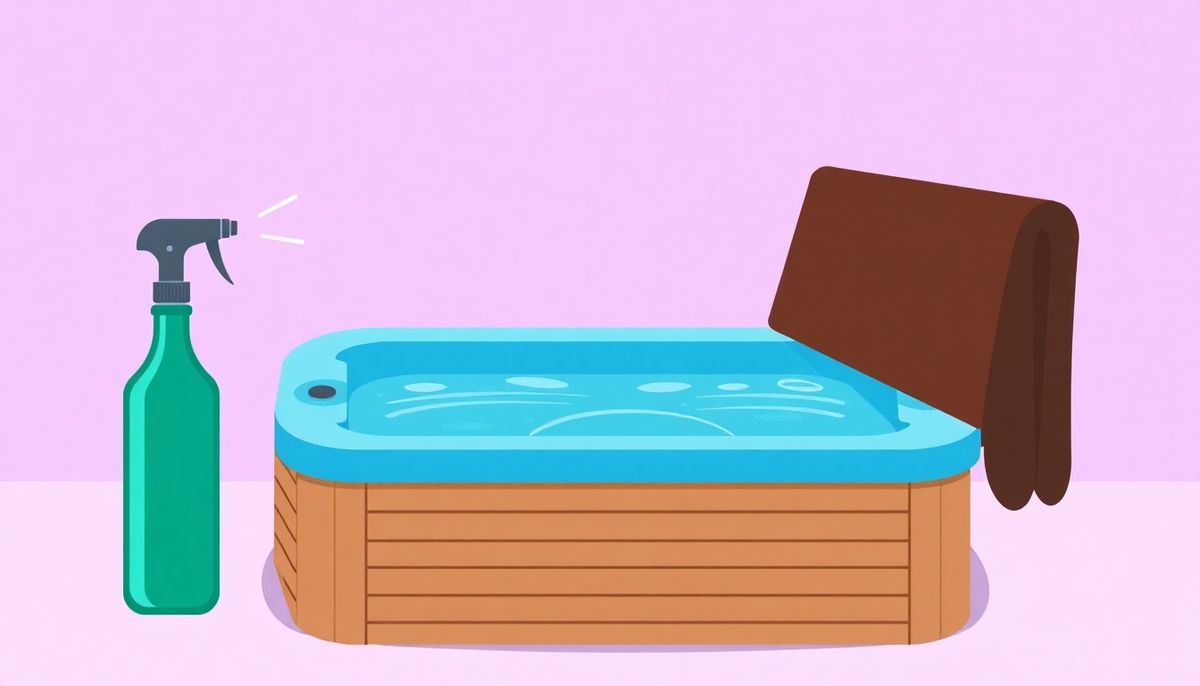
Gentle beats harsh every time
I've tried plenty of cleaners since the early '90s, and not all are equal. Skip anything with harsh chemicals or abrasives—they strip the vinyl's natural oils and lead to cracking and fading. A mild, pH-balanced cleaner is your cover's best friend, and a good marine-grade formula cleans without leaving residue.
For stubborn mildew, your vinegar mix (ten parts water to one part white vinegar) works great as a natural option. Just rinse well so you don't leave a lingering smell. Follow any cleaning with a UV protectant and the cover keeps working smoothly season after season.
Prevent Mold and Mildew
Keeping mold away is one of the most important parts of cover care, and it's simpler than it sounds. Check often, especially the underside where moisture likes to linger. Watch for dark spots or a musty smell.
When you find it, act quickly with your vinegar mix. For deeper stains, step up to a mild bleach solution and rinse well so no residue is left behind. Dry the cover fully in the sun afterward—the UV helps kill any remaining spores. A regular protectant repels moisture and adds one more layer of defense.
Protect Against UV Damage
Sunlight feels great to us, but it's rough on vinyl, slowly bleaching it and stiffening it until it cracks. A vinyl UV protectant every few weeks reflects the worst of it and keeps the surface supple.
It also helps to set the tub in a bit of shade. A well-placed umbrella or a gazebo cuts direct sun and makes the space nicer to sit in. A cover cap adds another layer—think of it as a raincoat for your hot tub, easy to pull off for a soak and tough enough to fend off sun, dust, and debris the rest of the time.
Maintain Regular Cleaning Routine
Let cover care slide and it only gets harder. I've wrestled with covers that seemed to gain weight overnight. A steady routine keeps that from happening.
Weekly, sweep off leaves and debris with a soft-bristled brush so extra weight and tears don't build up. Every few weeks, set aside a sunny afternoon for a deeper clean with your vinyl cleaner, then apply a UV protectant once it's rinsed and dry—sunscreen for your cover, basically. Patch minor wear right away, and the whole thing stays light and easy to lift.
Secure and Repair Damage
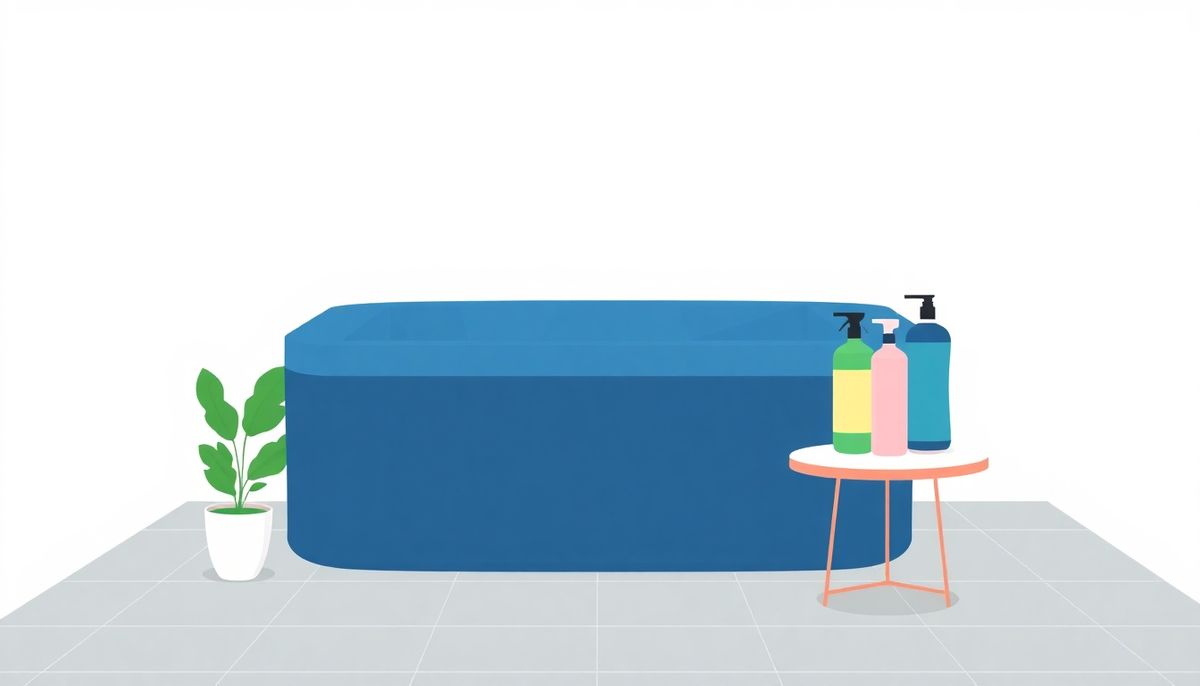
Inspect, repair, and anchor
As you clean, watch for small tears or damaged seams in the vinyl. A vinyl repair kit seals minor damage before it grows into a bigger problem.
Picture a sudden gust sending the cover flying. Cover locks or hurricane straps prevent that, and they install easily. For broken zippers or worn hinges, you may need a pro. Timely repairs keep water out of the foam core, which is what adds weight and cuts a cover's life short. Finish each cleaning with a protectant or a cover cap for one more layer of defense.
Clean and Maintain Regularly
Regular cleaning stops mildew and mold from turning a light cover into a heavy burden. My neighbor learned this when her cover got so waterlogged it took two people to lift.
Every few days, sweep off leaves and twigs with a soft brush. Once a month, do a deeper clean on a sunny day with a gentle vinyl cleaner. Then let the cover dry completely before it goes back on, so moisture can't waterlog the foam core. Stay alert for small tears or zipper trouble and fix them early, before they become costly replacements.
Protect Against Weather Hazards
Every season throws something at your cover. Start with the sun: UV rays fade and crack vinyl, so a protectant every few weeks holds onto its color and flexibility. In peak summer, a gazebo or big umbrella over the spa helps a lot.
Winter piles on real weight. Snow strains the seams and clips, so brush it off with a light broom before it builds up. Rain matters too; angle the cover so water runs off instead of soaking in. And wind can turn a loose cover into a sail, which is exactly where hurricane straps earn their keep in high-wind areas.
Repair and Dry Promptly
A tiny tear can seem like nothing, but ignore it and water seeps into the foam core, making the cover heavy and hard to manage. A vinyl repair kit fixes it fast, a lot like patching a bike tire.
Give the cover a chance to dry out fully, too. Each month, when you clean the shell and balance the water, let the cover air in the sun. That cuts the risk of mildew on the underside, which is usually behind that stubborn odor. After heavy rain or snow, a gentle sweep keeps water from pooling and wearing the cover out early.
Prevent Water Accumulation
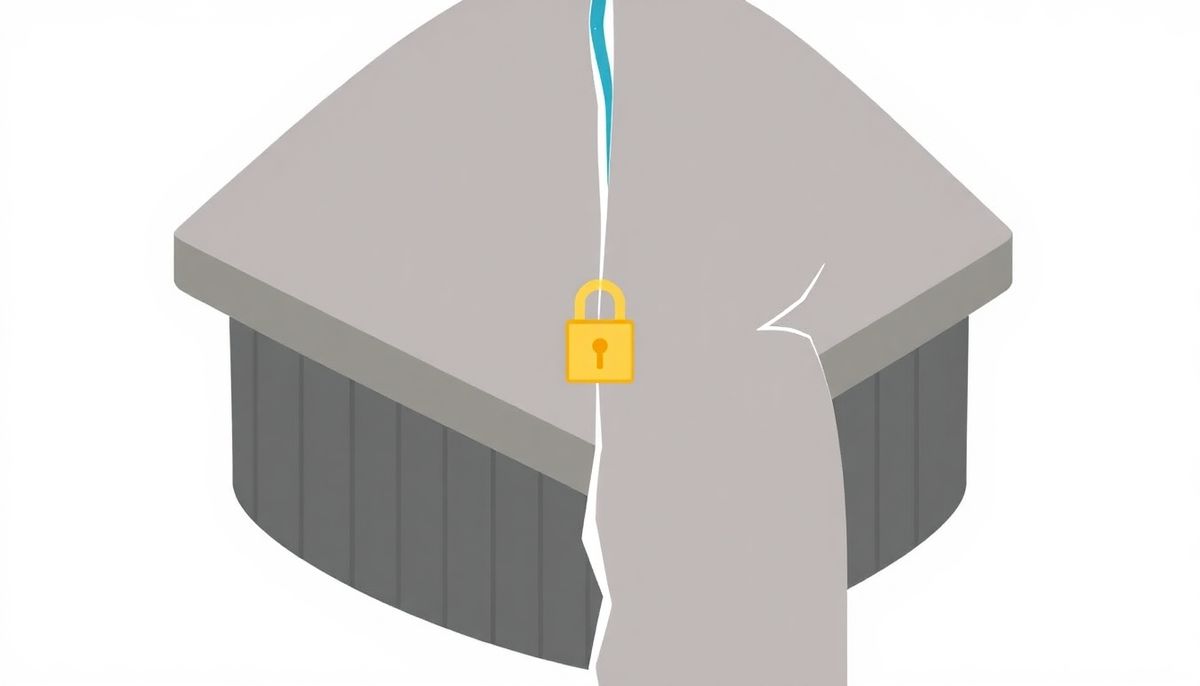
Let water pool on top and the cover slowly turns waterlogged, heavy, and frustrating to lift. Staying ahead of it keeps the cover light.
Think about where the tub sits. Under a tree or in a low spot, and you'll fight buildup more often. After storms, use a soft broom to push off standing water and debris, and skip sharp tools that can scar the vinyl. A cover cap adds a shield against moisture, though it's no substitute for regular upkeep. In winter, brush snow off before it melts into the seams; in warm months, rinse off pollen and dust with a garden hose.
Maintain Proper Drainage
Nobody wants a cover that feels like a wet wool blanket. Good drainage is the fix. Keep the cover slightly raised so rainwater slides off on its own—a flat surface just becomes a little reservoir.
For snow and debris, a quick pass with a soft push broom every few days works wonders. A sharp tool will compromise the vinyl and cause leaks; I once tried to scrape off bird droppings with a kitchen spatula, so trust me on that. Check the seams and stitching regularly and handle loose threads right away with a repair kit, before small tears become doorways for moisture.
A waterlogged cover strains its seams and shortens its life, so a slight slope and a quick sweep after storms save you a costly replacement.
Conclusion
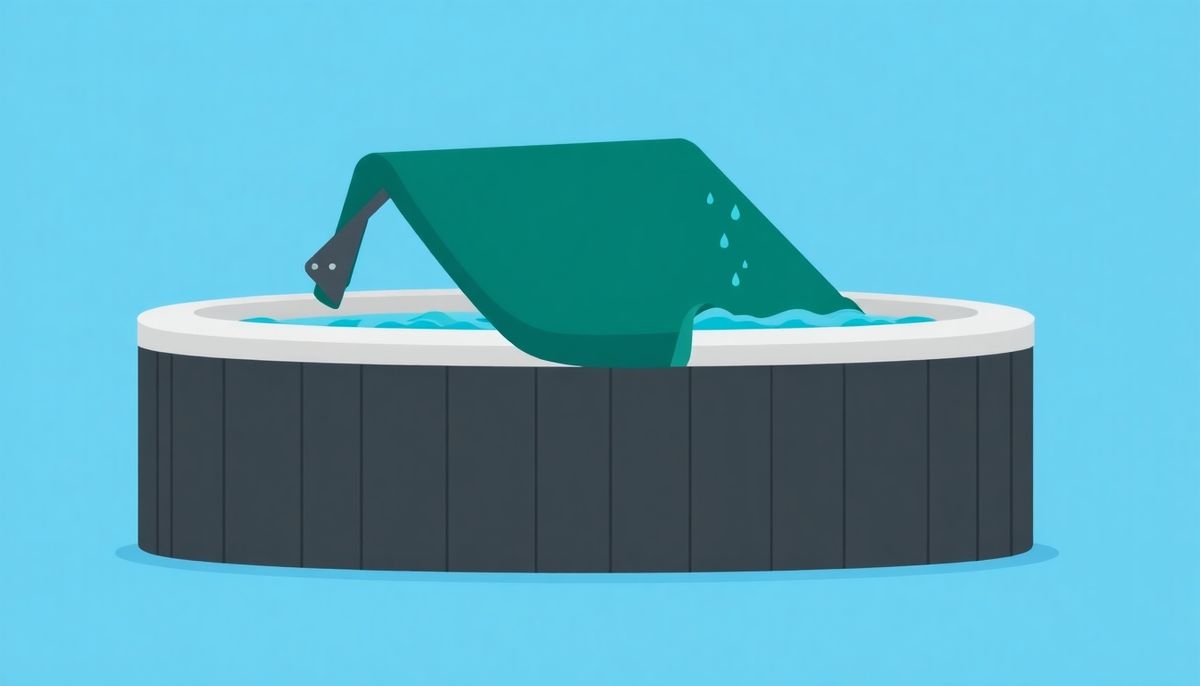
These habits keep your hot tub cover clean, light, and easy to lift for years. Start your cover-care routine today.
Want to get even better at spa and pool care? Our free Pool School course covers everything you need to know. From basic upkeep to advanced troubleshooting, you'll learn how to:
- Save thousands on repairs and chemicals
- Keep your water crystal clear year-round
- Prevent and solve common problems
- Master water chemistry with confidence
Join over 10,000 owners who have already transformed their care routine. Get started with our free Pool School course today!
What you need
Grab a soft-bristled brush, a marine-grade vinyl cleaner, a vinyl UV protectant, and a repair kit or cover cap to keep your cover light and lasting.