




After a long day, nothing beats sinking into a bubbling hot tub. But that soak gets ruined fast if the water reeks of chemicals. Chlorine keeps your spa clean, but too much of it stings your eyes, dries out your skin, and makes you wonder if the next soak is even worth it.
I ran into this myself. I pulled the cover off my hot tub one evening, ready to relax, and got hit with a sharp chlorine smell. The level was way too high, so instead of soaking I spent the evening bringing the water back into balance.
Chlorine is great at keeping water safe, but you have to manage it. Add too much, or skip your regular water tests, and it's easy to end up with an excess. Balancing it back down is just part of routine care.
Here's the reassuring part: the fixes are simple. You can dilute with fresh water or use a chlorine neutralizer, and both work quickly. The trick is spotting the problem early and knowing what to do next.
Your Action Plan
- Test your water for free and total chlorine.
- Stop adding chlorine: turn off the chlorinator or pull the floater.
- Open the cover, run the jets, and let sunlight break the chlorine down.
- Drain about 20% and refill with fresh water to dilute.
- Use a chlorine neutralizer for a fast fix when you're short on time.
- Retest and adjust pH before you soak.
Test Water for Chlorine Levels

Testing your water sounds like a chore, but it's really just dipping a strip in the water. Do it and you'll almost always find that stinging eyes and itchy skin trace back to chlorine that's out of balance, not simply too much of it.
Know your numbers
The first thing you need is a test kit or strips made for hot tubs. They check both free and combined chlorine. Free chlorine is the active part that sanitizes the water. Combined chlorine is the used-up stuff that causes that strong chlorine smell. Aim for free chlorine between 1 and 3 parts per million (PPM).
Check both free and total chlorine when you test. If total chlorine is high but free chlorine is low, you've got a chloramine buildup. You'll just need a non-chlorine shock to clear it out and get your sanitizer working again. Testing regularly means you catch problems early, before they bother your skin or wear on the tub's surfaces.
Testing takes less than a minute, and it's the single best habit for keeping your water comfortable.
Assess Chlorine Levels
You might blame a strong smell or a bit of irritation on too much chlorine, but the real cause is often leftover chloramines. So before you do anything, test. A strip or digital tester shows you both free and total chlorine in seconds.
Free chlorine should sit between 1 and 3 PPM. That number tells you how much chlorine is actively ready to fight bacteria. If free is low and total is high, chloramines are the problem, and a non-chlorine shock fixes it. Once you confirm a real chlorine surplus, you can move on to lowering it. Get the balance right and your hot tub goes back to being a relaxing escape instead of a source of guesswork.
Reduce Excess Chlorine
Let sunlight and the jets do the work
When chlorine climbs too high, the easiest fix is to let it fade on its own. Start by stopping any chlorine going in: shut off an automatic chlorinator or pull out a floating dispenser. Then help the existing chlorine escape. Take off the cover, turn on the jets, and let the sun hit the water. Sunlight's UV rays break chlorine down, and the moving water from the jets speeds up evaporation by exposing more surface to the air.
Keep an eye on the water level while this happens. As water evaporates, the level drops, and it needs to stay above the skimmer port (the water intake) so your pump doesn't run dry. Once the chlorine is down, top off with fresh, filtered water. That dilutes what's left and helps balance pH too.
Don't use the tub while the chlorine clears out. Depending on how high you started, it can take anywhere from a few hours to a couple of days.
Pulling the cover, running the jets, and letting the sun in is the simplest way to bring chlorine down, no chemicals required.
Implement Regular Maintenance
Build a weekly and monthly routine
Preventing high chlorine is easier than fixing it. Set a steady schedule and you'll stop it from building up before it ever becomes a problem.
Test your water every week to keep chlorine in the 1 to 3 PPM range. Use a reliable kit to check pH and alkalinity too. That keeps things balanced, cuts down on skin irritation, and protects the tub's surfaces from corrosion.
Don't neglect the filters. Clogged filters slow water flow, which hurts how well your sanitizer circulates. Rinse them weekly and give them a deep clean once a month. This one habit can seriously improve your water quality.
Drain and refill the tub every three months or so. Fresh water rebalances the chemistry naturally and cuts down on how many chemicals you need. Sticking to this routine has saved me plenty of headaches and kept my hot tub a welcoming retreat.
A weekly test and a quarterly drain-and-refill prevent most chlorine problems before they start.
Stop Adding Chlorine
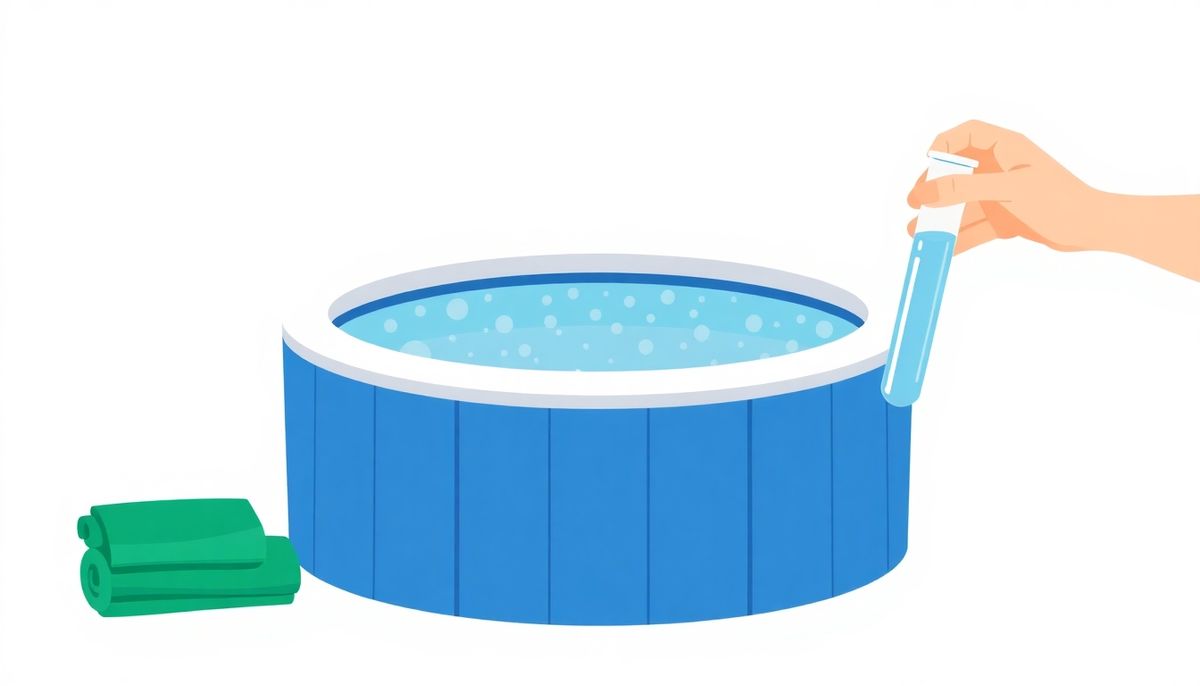
Stop feeding the problem
The simplest fix is often to just stop adding more. It's easy to over-chlorinate, thinking more is better, but if levels are already high, adding more just wastes chlorine and can do harm.
Find the source and deal with it directly. If you use an automatic chlorinator or a floater, turn it off or pull it out. That stops the steady stream and gives the existing chlorine a chance to fade on its own.
From there, the evaporation trick does the rest: cover off, jets on, sun on the water. Watch that the level stays above the skimmer port, and once a few inches are gone, refill with fresh, filtered water to dilute what remains and keep things balanced.
Eliminate Chlorine Sources
High chlorine usually traces back to an overactive chlorinator or a forgotten floater bobbing around. Remove them first, then let direct sunlight and the running jets bring levels down naturally. Sunlight is a natural chlorine buster, and the jets stir the water so it evaporates faster.
Keep the water above the skimmer port so you don't damage the pump. Refill with fresh water once evaporation drops the level, then test again. A balanced tub is about more than chlorine, so check pH too.
Encourage Chlorine Evaporation
Letting chlorine evaporate is about as simple as spa care gets. It just takes patience and some sunshine.
Take the cover off and turn on the jets so the chlorine in the water can mix with open air. The churning gives the water more surface area to evaporate from, and sunlight breaks the chlorine down with UV rays. Keep the tub empty while this happens so the chemistry can settle without interference. Watch the water level, top off with fresh, filtered water when it drops, and recheck your numbers when you're done. It's an easy habit that keeps chlorine in line without any additives.
Neutralize with Chemical Agents
When you need a faster fix
When chlorine spikes and you can't wait, a chlorine neutralizer steps in. A standard chlorine neutralizer (like sodium thiosulfate) quickly lowers chlorine and resets your water chemistry. Handle it with care, though. Too much strips out the sanitizing power your tub needs.
Careful measuring matters. One small slip can leave you over- or under-dosed, so your water is either unprotected or still harsh on your skin. Follow the directions on the package and use only as much as you need. Treat neutralizers as a quick fix, not a routine solution, and always recheck your balance after using one.
If you'd rather skip the chemicals, evaporation does the same job with a little more time. Open the tub to the air, run the jets, and let the sun work. Ultraviolet rays break chlorine down, and the jets agitate the surface so it escapes faster. You can see a big drop after just a few hours of strong sun and jet action. Keep the water above the skimmer line, top off with fresh, filtered water as needed, then test to confirm everything's balanced.
Stop Chlorine Dosing
Cutting off the chlorine supply is a simple but important move when you're fighting high levels. Turn off any automatic chlorinator and pull out any floater sitting in the tub. These devices help under normal conditions, but they make things worse when chlorine is already climbing.
With the source stopped, evaporation slowly sorts out the rest: cover off, jets on, sun on the water. Just don't use the tub during this time so you avoid skin irritation. Watch the water level and top it off as needed so the system keeps running smoothly.
Facilitate Chlorine Evaporation
Once the source is under control, put the jets to work and take the cover off so sunlight and air can do their thing. Depending on where you started, clearing the chlorine can take anywhere from several hours to a couple of days, so keep everyone out of the tub in the meantime.
Watch the water level as you go, since evaporation drops it. Keep it above the skimmer port so circulation stays smooth, then refill with fresh, filtered water to dilute any leftover chlorine. When you're done, grab your test kit and confirm chlorine is back in the 1 to 3 PPM range.
Use a Chlorine Neutralizer
A chlorine neutralizer is your friend when patience is running thin. Most are made from sodium thiosulfate, and they work by deactivating free chlorine molecules.
The catch is accuracy. Add too much and you strip the water of its sanitizing power, leaving it open to bacteria and algae. Start with a small amount and retest after each addition until you land in the ideal range of 1 to 3 PPM. Lean on neutralizers too often, though, and you'll chase constant imbalances. For everyday care, a steady schedule and a basic feel for your water's chemistry keep you from needing emergency measures.
Refill with Fresh Water
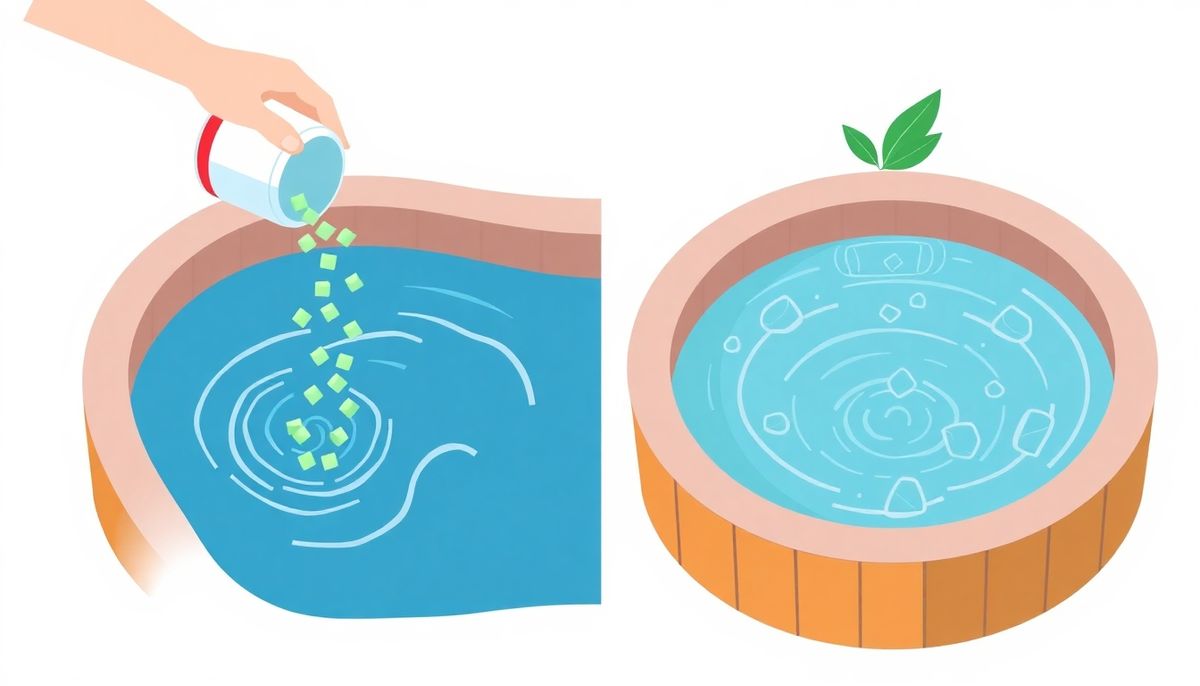
Drain and dilute
Swapping out some of the water is a fast, reliable way to drop high chlorine. First, shut off any dispensers so the level can't climb higher. Then remove about 20% of the water; a submersible pump or a simple garden hose siphon works fine. Replace what you took out with fresh, filtered water to dilute the chlorine.
Run the jets for a few minutes to mix everything thoroughly and rebalance the other chemicals that may have shifted. Test again, then adjust pH and alkalinity as needed. You might repeat this if levels are still too high, but it's straightforward and doesn't rely on neutralizers. Keeping your chemistry balanced week to week helps you avoid these scrambles down the road.
Draining about 20% and refilling with fresh water dilutes high chlorine fast without a single chemical additive.
Test and Adjust Chlorine Levels
Read your test results
Adjusting chlorine is really just testing and reacting. Use a reliable kit that measures both free and combined chlorine. Free chlorine is your active sanitizer; combined chlorine, or chloramines, is the used-up stuff behind that unpleasant smell.
Aim for free chlorine between 1 and 3 PPM, and watch the gap between free and total. High total chlorine with low free chlorine points to chloramines, so use a non-chlorine shock to clear them out. That freshens the water without adding more chlorine. Recheck your chlorine before adjusting anything else, and go easy on neutralizers so you don't strip the sanitizer entirely. Balance is everything here, and patience is on your side.
Stop Adding New Chlorine
The moment you realize your tub has turned into a chlorine bomb, stop adding more. If you've been leaning on a floater or an automatic chlorinator, give them a break.
With no new chlorine going in, the existing chlorine fades on its own. It doesn't drop instantly, but within a day or two you'll see levels start to fall. Keep the jets bubbling, and if the weather cooperates, take off the cover and let the sun do its work. Just watch the water level. Giving the tub a break from constant chlorine protects its surfaces and makes your next soak easy on your skin.
When chlorine overstays its welcome, natural evaporation is a simple ally. Take the cover off so sunlight and fresh air can get to work. Sunlight acts as a catalyst, breaking chlorine down with its ultraviolet rays.
Circulation matters too. Turning on the jets gets the water moving, which helps release chlorine from the surface, the way a fan speeds up drying a wet floor. One word of caution: watch your water levels as you go. As chlorine evaporates, so does some water, so top off with fresh, filtered water to keep the level right and dilute the chlorine even more.
Use Chlorine Neutralizer Wisely
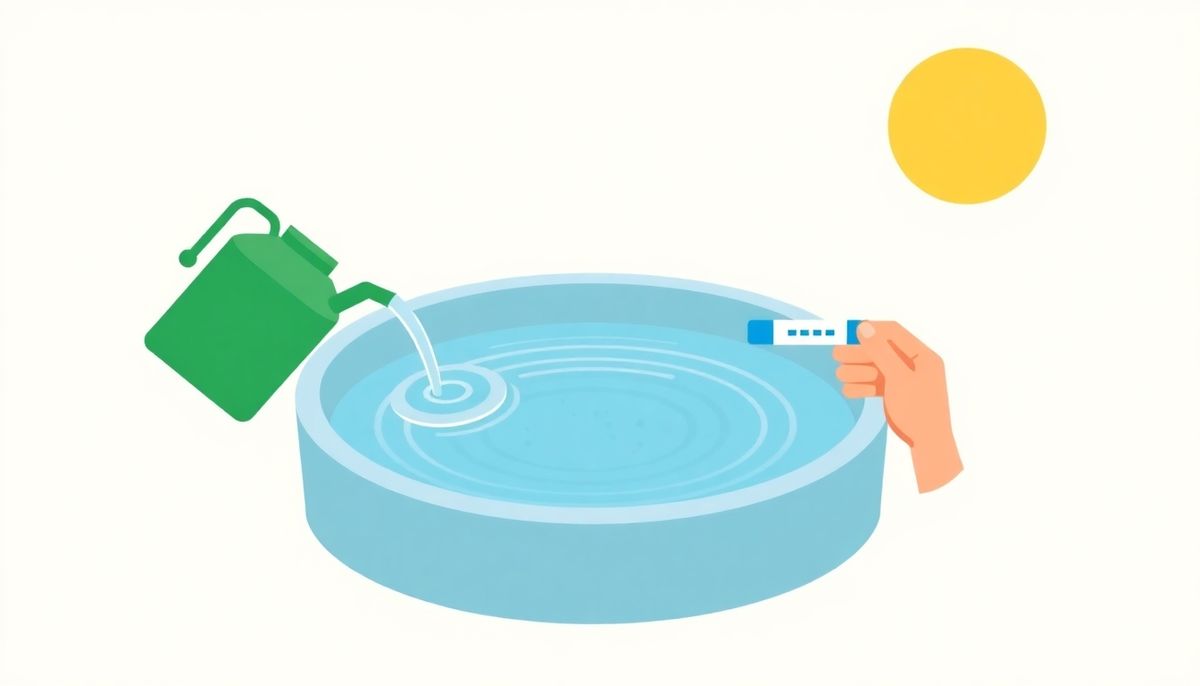
It's tempting to dump in a pile of neutralizer when the chlorine smell is sharp, but that's how people end up spending a week trying to bring their levels back up. Chlorine neutralizer, usually made from sodium thiosulfate, acts fast, but a little goes a long way. Overdo it and your tub ends up under-sanitized, which isn't just useless; it can be unsafe.
Take the measured approach. Test first to see how high you actually are. The goal is to ease levels back into balance, not wipe them out. Add the neutralizer in small amounts, letting it circulate fully before you retest. It's like seasoning a soup: add, stir, taste, adjust. Restraint keeps you in the sweet spot between safety and comfort, and it saves you from recalibrating the whole tub.
Identify Chlorine Imbalance
When the smell means you need more, not less
The signs of an imbalance aren't always what they seem. A harsh chlorine smell or stinging eyes often points to chloramines, not too much chlorine. Chloramines form when chlorine mixes with impurities, and they create that misleading odor. In those cases you actually need more chlorine, or a non-chlorine shock, to knock them out.
Testing tells you which way to go. Free chlorine is the active part, ready to neutralize bacteria; combined chlorine is the used-up portion behind the smells and irritation. Aim for free chlorine between 1 and 3 PPM, though mineral systems can run lower, around 0.5 PPM. If total chlorine is much higher than free chlorine, combined chlorine is taking over. If free chlorine really is too high, the hands-on steps (removing dispensers, running the jets, letting the sun in) bring it down naturally. Keep pH balanced too, since good pH helps chlorine do its job and cuts down on skin discomfort.
Promote Chlorine Evaporation
If chlorine has gotten out of hand, encouraging evaporation clears it up fast while protecting the tub's parts and your skin. Switch on the jets and take off any cover trapping the chlorine so more can escape into the air. Direct sunlight speeds things up even more, since UV rays break the molecules down.
Keep an eye on the water level. As evaporation happens, it will drop, so make sure it stays above the skimmer port while the tub is running. Top off with fresh, filtered water if it dips far, which dilutes the leftover chlorine and brings it down faster. It's like airing out a musty room; a little patience and good ventilation do the trick.
Conclusion
Keeping chlorine in check isn't complicated once you know the moves. Test regularly, stop adding chlorine when it spikes, let sunlight and the jets do the work, dilute with fresh water, and reach for a neutralizer only when you're short on time. Do that, and your hot tub or spa stays the relaxing escape it's meant to be.
What you need
Keep a hot tub test kit, a chlorine neutralizer, and clean filters on hand so you can catch and fix high chlorine before your next soak.