




Stepping into a hot tub after a long day is more than a comfort. It's a ritual that eases the body and quiets the mind. Keeping that little sanctuary in shape takes some know-how about water care, and a big piece of that puzzle is the mineral sanitizer. Unlike the usual chemical treatments that leave a strong smell and irritate sensitive skin, mineral sanitizers offer a more natural, gentle way to keep your water clean.
When I first put a hot tub in my backyard, the maintenance choices swamped me, and the idea of constantly handling harsh chemicals put me off. Then I found mineral sanitizers. They promised a nicer soak and a simpler routine, and they delivered. Because they lean on natural elements like silver and copper, I spent less time fussing over chemical balances and more time in the water.
In this guide, I'll explain how mineral sanitizers work and what they're good for, from cleaning your water to picking the right one. By the end, you'll see how to turn your tub into a spot that's both inviting and easy to look after.
Your Action Plan
- Test your hot tub water and note the copper and metal levels.
- Pick a mineral system: a cartridge for the filter or a floating dispenser.
- Keep a small amount of chlorine or bromine (around 0.5 ppm) working alongside it.
- Add a metal sequestrant sparingly if your water is already high in copper.
- Swap the mineral cartridge every three to four months.
- Check pH and alkalinity regularly to keep everything balanced.
Discover Mineral-Sanitizer Benefits
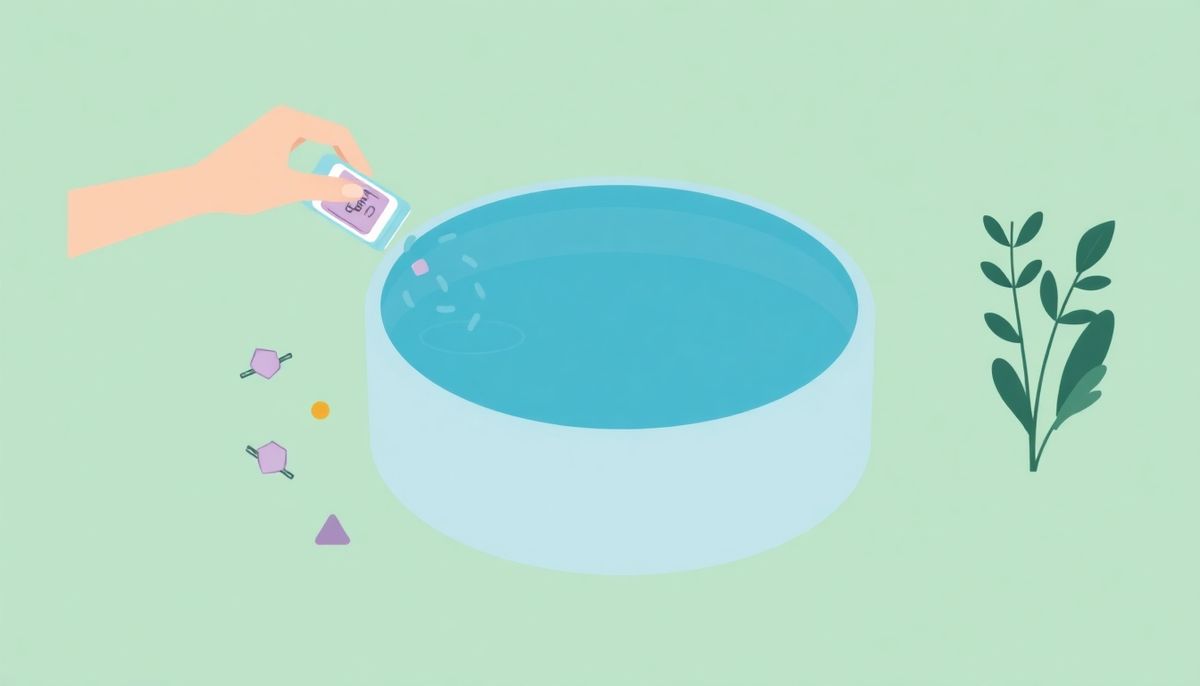
Chlorine has earned its reputation in the hot tub world. It's effective and widely trusted. But the downsides are hard to ignore: it can leave your skin feeling like sandpaper and your hair like straw, plus that smell that clings to you long after you climb out. Mineral sanitizers offer a gentler option that still gets the job done.
Silver and copper, working together
Mineral sanitizers mostly rely on silver and copper. Silver has fought bacteria since ancient times, when people noticed it kept water fresh, and copper takes on algae with real efficiency. Together they cut the amount of chlorine you need and, with it, the harshness. Add a bit of limestone and you get a natural pH balancer, since it soaks up excess acid.
One of the best parts is the price. Compared to the steady cycle of buying chlorine or bromine, these minerals are easier on your budget, and swap-out cartridges keep upkeep simple. Just watch for copper stains if your local water already carries a lot of copper. A metal remover, used carefully, keeps your spa a place to relax instead of a chemistry experiment.
Embrace Skin-Friendly Sanitizing
Chlorine is a proven sanitizer, but its rough effect on hair and skin is real. A mineral soak leaves you feeling refreshed rather than parched, with water that won't strip your skin of its natural oils.
The trick is how little chlorine you need. By dropping chlorine to about 0.5 ppm (parts per million, a standard way to measure how much is in the water), you dodge chloramines. Those are simply the used-up chlorine particles that cause the sharp "pool smell" everyone knows. Mineral cartridges only need replacing every few months, unlike chlorine, which you top up constantly. That eases the strain on your wallet and cuts down on measuring and mixing.
Mineral sanitizers let you cut chlorine to around 0.5 ppm, enough to keep water clean without the dry skin and harsh smell.
You still need balance. Copper works well, but overdoing it can cause staining, especially in water that's already mineral-rich. A metal sequestrant, used sparingly, heads that off. Paired with a little chlorine, minerals turn your hot tub from a chemical bath into a skin-friendly retreat.
Harness the Power of Minerals
Chlorine keeps water clean, but it often leaves skin dry and hair brittle. Natural minerals give you a way around those downsides. With silver and copper doing the heavy lifting, you get softer water that's kind to your skin and a big drop in that familiar chloramine smell.
The simplicity is the other draw. Replace a mineral cartridge every few months and you're set, a far cry from the tedious routine of measuring and mixing. Just watch for copper's tendency to stain if your water is high in metals, and remember minerals alone won't fully sanitize. You'll still need a little chlorine or bromine, but the combination gives you a balanced, skin-friendly setup.
Simplify Spa Maintenance
Keeping up a spa can feel like juggling a dozen tasks at once, but it doesn't have to. A mineral sanitizer simplifies your routine while keeping the water in great shape. You can forget the endless cycle of testing and tweaking chlorine, along with the harsh smells and skin irritation.
Steadier water, fewer surprises
Instead of constantly measuring and mixing, you replace the cartridge every few months and test the water less often. The real beauty is how the system holds a steady pH, so you get fewer of the swings chlorine tends to throw at you.
The upfront cost might look similar to chlorine, but over time the smaller need for extra chemicals adds up to savings. You're also likely to have fewer skin and hair problems, which trims the products you'd otherwise buy to fix chlorine's effects.
Choose Between Chlorine and Minerals

Choosing between chlorine and minerals can feel like deciding between a familiar show and a new one everyone's raving about. Chlorine has long been the go-to, reliably knocking out bacteria. But it can leave your skin feeling like you crossed a desert and your hair begging for conditioner, and the cost climbs once you factor in chloramine buildup.
Minerals offer a gentler path. Silver's antibacterial power teams up with copper's algae-fighting to keep your water clear while cutting chlorine use way down. That means softer skin and no more of that notorious odor, and swapping a cartridge every few months is a lot less work than constant balancing.
It's not all easy soaks, though. Copper can stain your tub if you're not careful, especially with metal-rich water, and a sequestrant takes a light touch so you don't weaken the sanitizer. For many people, a slightly bigger upfront cost and a little leftover chlorine is a fair trade for the more natural feel.
Consider Mineral Benefits
Mineral sanitizers are small but powerful additions to your spa. They tap into the natural strengths of silver, a longtime bacteria fighter, and copper, prized for taking on algae. Both let you cut back on chlorine, sparing your skin the harsh chemicals and easing that unmistakable smell. You can soak without worrying about dry skin or frizzy hair.
Minerals are also easy on the budget, with less frequent replacements and simpler upkeep. Still, it pays to know the pitfalls. Copper can stain your spa if you don't manage it, so a metal sequestrant, used in moderation, keeps the minerals working. Pair the setup with a touch of chlorine or bromine and your water stays thoroughly clean, handling bacteria and viruses well.
Evaluate Cost-Effectiveness
Watching the budget while enjoying a hot tub is its own balancing act, and cost savings are a big reason people switch. Unlike chlorine or bromine systems that need regular buying and careful handling, mineral sticks or cartridges just drop into your filter. No gloves, no measuring.
Many owners who switch find their skin feels softer and their shelves less cluttered with chemical containers. The upfront cost can look steep, but cartridges last three to four months, and that longevity means real savings, especially with moderate use.
Because you buy so much less chlorine, mineral cartridges that last three to four months usually pay for themselves over time.
Cutting the need for high chlorine also trims your extra purchases and maintenance time. You still buy some chlorine, but you need so little that trips to the store come around less often. If ease and economy matter to you, mineral sanitizers are worth a look.
Manage Potential Downsides
No hot tub solution is without its quirks, and mineral sanitizers are no exception. Copper, a key player here, cuts both ways. It fights algae well, yet it can stain your tub if it gets out of hand. If your local water is already high in copper, adding more invites trouble.
Where a metal sequestrant helps
That's where metal sequestrants come in. Think of them as a stain preventer that grabs copper and keeps it from settling where it shouldn't. Use them sparingly, though. Too much can weaken the sanitizer.
Keep in mind that mineral systems don't fully replace chlorine or bromine. They let you use far less, but you still need a bit for thorough sanitation. Finally, watch your water balance. Minerals work best when pH and alkalinity sit in the right range, and a well-managed tub means fewer surprises and more relaxing soaks.
Combat Bacteria with Silver-Copper
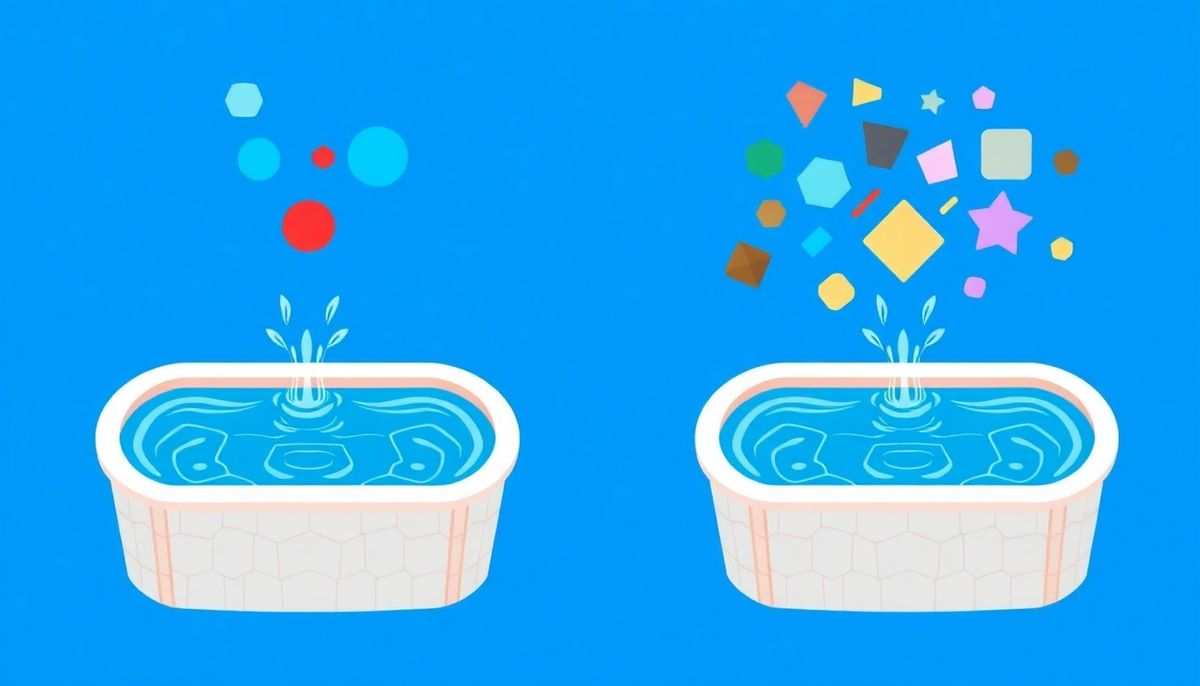
Some of the best ideas in hot tub care come straight from history. Silver and copper have been prized for killing microbes for a very long time. The Romans noticed that silver kept water fresh and used it to fend off infection, and copper has fought algae with a stubbornness that makes it hard to do without. Put the two together and you get a strong defense against both bacteria and algae.
Old wisdom, modern convenience
Many longtime hot tub fans who once complained about how rough traditional sanitizers were on their skin notice a real change after switching to a silver-copper system. Their spa time gets more enjoyable, free from the dry skin and sharp chlorine smell they'd put up with for years.
These systems are gentle on skin and hair, and they cut the need for heavy chlorine doses, which means fewer chloramines. One caution: copper can stain if you don't manage it, so regular upkeep and maybe a sequestrant might be in order. Bringing silver and copper into your routine mixes old know-how with modern convenience.
Embrace Mineral-Sanitizer Benefits
Mineral sanitizers make for a soak that feels gentle on your skin. Silver and copper keep your spa clean, so you spend more time relaxing and less worrying about chemical levels. With so little chlorine needed, that dreaded chloramine odor becomes a distant memory.
Setup is easy, too. No fumbling with gloves or measuring cups; just slip a cartridge into the filter or let a floating dispenser do the work. These systems also need fewer replacements than chemical routines, so they save you money over time. The trade-offs are familiar by now: staining if your water is high in copper, which a sequestrant handles, and a little chlorine or bromine still needed for full sanitation. In return you get softer skin, less maintenance, and a more natural soak.
Prevent Staining with Metal-Sequestrants
Staining can be an unwelcome surprise after a relaxing soak. The same mineral sanitizers that make upkeep easy can bring a risk of discoloration when copper is involved. As copper levels in your water climb, they can leave marks on your surfaces. The fix is a metal sequestrant.
A sequestrant binds with the metals in the water and keeps them from settling where they'd leave a stain. Used right, it lets copper stay active in cleaning your tub without the staining downside. Getting the balance right matters, though. Overdoing it waters down how well your sanitizer works, a bit like over-seasoning a dish. Use it sparingly, follow the manufacturer's guidelines, and you get all the benefits without fighting stains.
Simplify Maintenance with Mineral Systems
Keeping up a hot tub can feel like an endless loop of testing and adjusting. Mineral systems break that loop. Silver and copper do the cleaning quietly, so leaning less on chlorine pays off right away: gentler water and a big drop in that familiar smell. A cartridge does its job over several months with little effort from you.
The money side favors minerals over the long haul, too. There's an upfront cost, but the savings usually follow. These systems also work well alongside both chlorine and bromine, so the switch is smooth. Whether your tub gets frequent use or is a weekend treat, a mineral system adapts and keeps your water quality steady without constant chemical tweaks.
Avoid Stains with Metal Sequestrants
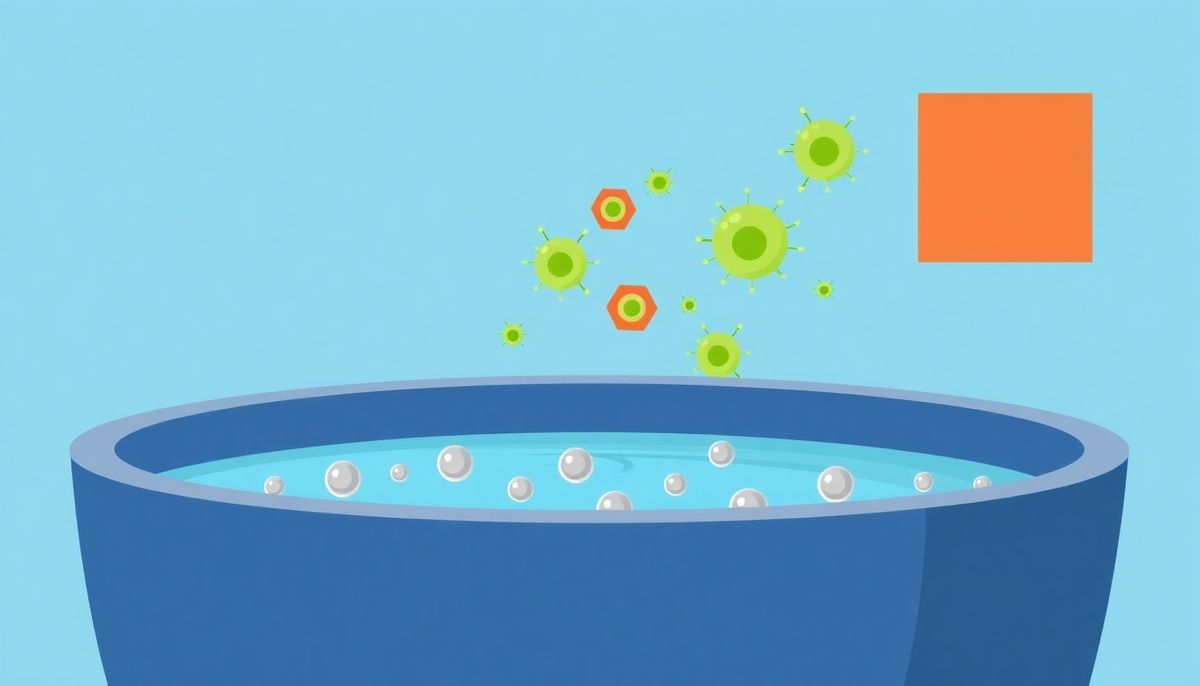
A relaxing soak can turn into a headache if stains start showing up. If you're running a mineral system that uses copper, there's a small chance of staining, because extra copper can drop out of the water and settle where you don't want it.
A metal sequestrant acts like a watchful guard. It binds to metal ions like copper and stops them from landing on the spa shell, keeping the metal suspended so your filter can sweep it away. Moderation still matters. Overdoing sequestrants undercuts how well your sanitizer works, leaving water that's not as clean as you'd like. Plenty of owners learn this the hard way, so use a little and let it do its job.
Prevent Copper Stains
Copper stains are as unwelcome as coffee on a white shirt. Copper plays a big role in mineral sanitizers by fighting algae, but too much can leave your spa looking less than clean. The best defense is understanding your water's chemistry.
Test before you treat
If your water source is already high in copper, adding more through a mineral sanitizer is asking for problems. In that case, a metal sequestrant is your savior: it binds with the copper, stops it from settling, and lets your filter carry it away. Tread carefully, though, since overusing a sequestrant quietly reduces how well the sanitizer works.
Regular water testing is your best defense against copper stains, so check and adjust metal levels before they build up.
Get that balance right and you can enjoy mineral sanitizers without the stains. That's a win for you and your hot tub both.
Enhance Water Balance
Balancing your hot tub water is the key to a truly comfortable soak. Mineral sanitizers bring a natural harmony to your spa, cutting the need for harsh chemicals while keeping the water clean. Unlike chlorine, which can strip your skin and hair of natural oils, they work gently, using silver and copper to keep things clear.
The appeal is the simplicity: fewer chemicals, fewer adjustments, and fewer worries about chloramines spoiling your quiet time. Owners who switch often describe the water as feeling "silkier," a sign of the natural balance a mineral system provides. Your skin feels softer, your hair stays healthy, and you sidestep the chemical smell. With a steady, gentle release of minerals, your hot tub stays a calm escape.
Optimize Mineral Sanitizer Use
Balancing hot tub water can be tricky, but mineral sanitizers offer a simpler, gentler alternative to chlorine-heavy systems. The secret is putting silver's germ-killing power and copper's algae-fighting strength to work. You may still need a small amount of chlorine, but cutting it back sharply eases the harsh effects on your skin and hair.
Adding minerals to your routine is straightforward. Cartridges or sticks sit in your filter and release minerals as water circulates, so there's no measuring and no guessing with chlorine granules. If you're eco-minded and watching your spending, that's a real plus, since you buy and replace chemicals less often. Watch your copper levels, keep a sequestrant on hand, and remember minerals should back up your chlorine or bromine rather than replace it.
Simplify Spa Maintenance Tasks
If you've ever felt buried by spa upkeep, here's some good news: it doesn't have to be a chore. Mineral sanitizers make maintenance simpler and more forgiving. With chlorine, there's a steady need for measuring, adjusting, and balancing. With minerals, the elements do most of the heavy lifting.
Silver and copper keep going after bacteria and algae around the clock, so your routine relaxes. That means fewer days with test strips and more time soaking in peace. Switching is easy, too. Slip the cartridge into your filter or use a floating dispenser and let it work, replacing it every few months. Less work in, more enjoyment out.
Optimize Chemical Usage
Chemical balance is the quiet part of a soothing soak. Chlorine has long been the default, but its rough side effects send plenty of spa owners looking for something else. Mineral sanitizers are that something else, using the natural disinfecting power of silver and copper to keep your water clear.
Dropping your chlorine use to just 0.5 ppm is kinder to your skin and eases that infamous smell. Adding a mineral sanitizer to your filtration, whether a stick or a floating dispenser, simplifies the whole thing. There's no precise measuring or protective gear, just a simple setup that slowly releases minerals. Keep an eye on copper staining if your water runs high in metals, use a sequestrant sparingly, and you'll spend more time enjoying your hot tub and less managing it.
Explore Mineral Sanitizer Benefits
Mineral sanitizers are a refreshing option if you want a gentler way to care for your hot tub. Instead of the brittle hair and dry skin chlorine can bring, silver and copper give you fresh, clean water with no irritating smell. Every soak feels more pleasant because you need far less chlorine.
Silver and copper work together against bacteria and algae, and some systems add limestone to balance pH so your spa stays in a comfortable range. The simplicity saves time, too: swap a cartridge every few months and let the minerals do their thing. Mineral systems are usually cheaper than traditional options, saving money while keeping the water safe. Just watch for copper staining if your water is high in it, and with careful upkeep your hot tub becomes a place to relax, free from harsh chemical fallout.
Conclusion
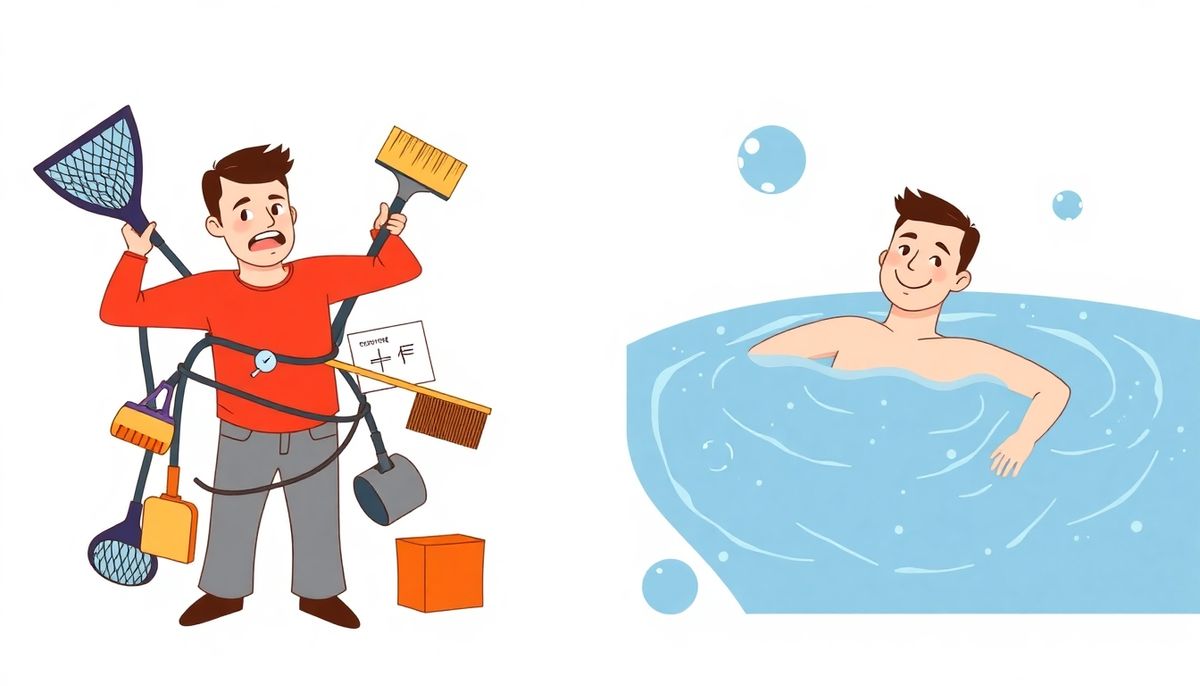
This guide covered how mineral sanitizers keep your hot tub clean, gentle on your skin, and easier to look after. Ready to take your water care further?
Want to become a spa and pool care expert? Our free Pool School course covers everything you need to know, from basic upkeep to advanced troubleshooting. You'll learn how to:
- Save thousands on repairs and chemicals
- Keep your water crystal clear year-round
- Prevent and solve common water problems
- Handle water chemistry with confidence
Join over 10,000 owners who have already transformed their water care routine. Get started with our free Pool School course today!
What you need
To make the switch, grab a mineral cartridge or floating dispenser, a small supply of chlorine or bromine, a metal sequestrant, and test strips to keep your water balanced.