


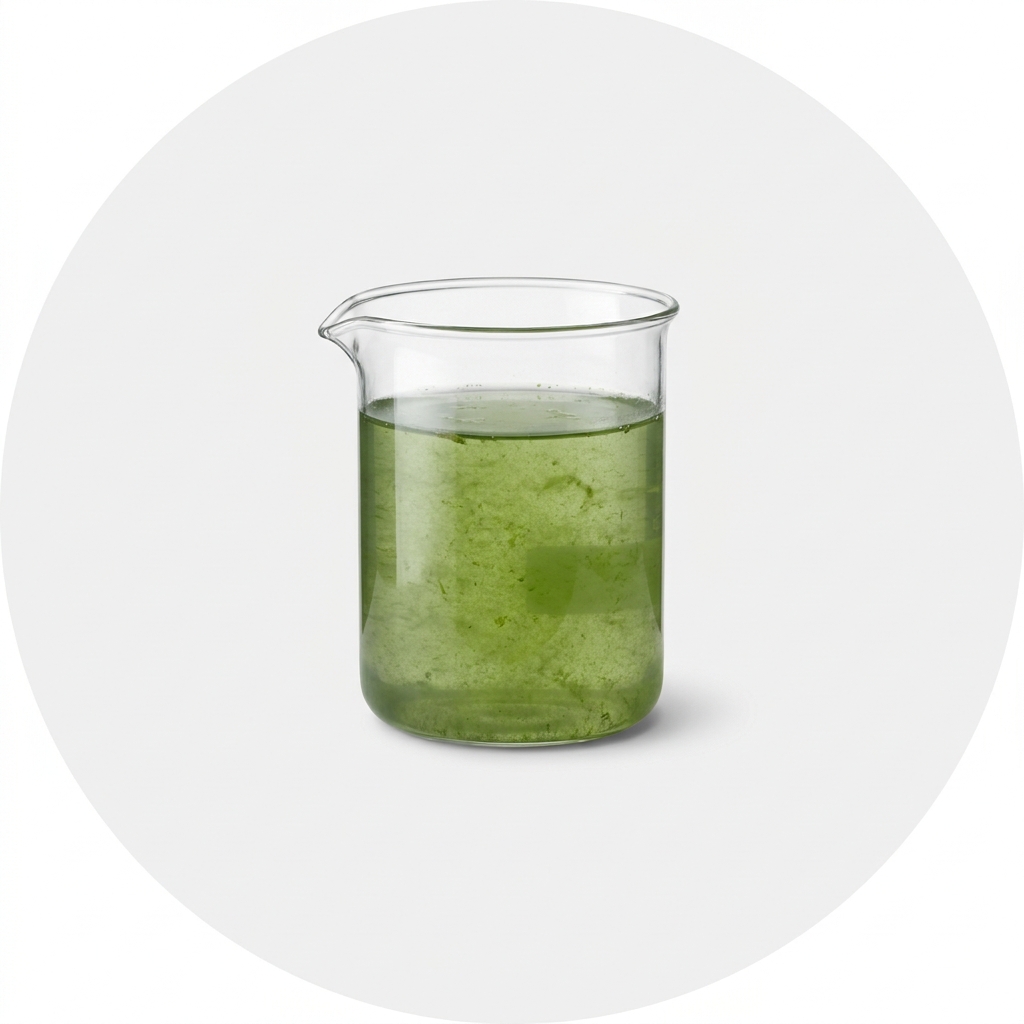
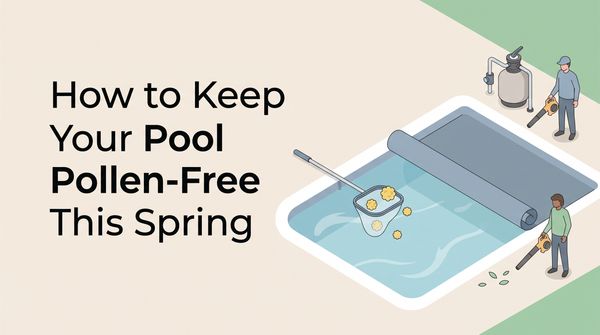
Spring rolls in, and pollen comes with it. That fine yellow dust settles on a lot of pools every year, and it can turn clear, sparkling water into a cloudy mess. One sunny afternoon last spring, I looked at my pool expecting the usual sparkle and found a thin layer of pollen floating on top instead. I knew right away I'd have to deal with it.
Pollen is more than a seasonal annoyance. It clouds your water and puts extra load on your filter, and if you leave it alone long enough, it can even feed algae. Clearing it takes more than a quick pass with a skimmer net. It takes a real plan.
You don't need to be an expert to handle this. With a little patience and the right steps, you can get your water clear again without wearing yourself out. Let's walk through it together.
Your Action Plan
- Confirm it's pollen, not mustard algae, by watching where the yellow settles.
- Skim the surface each morning with a fine-mesh net.
- Run your filter longer during peak pollen hours.
- Add a clarifier or aluminum sulfate to clump the fine particles.
- Shock the pool at dusk to kill what's feeding on the pollen.
- Vacuum the floor for anything that settled.
Identify Pollen Quickly
Spot the difference before you treat
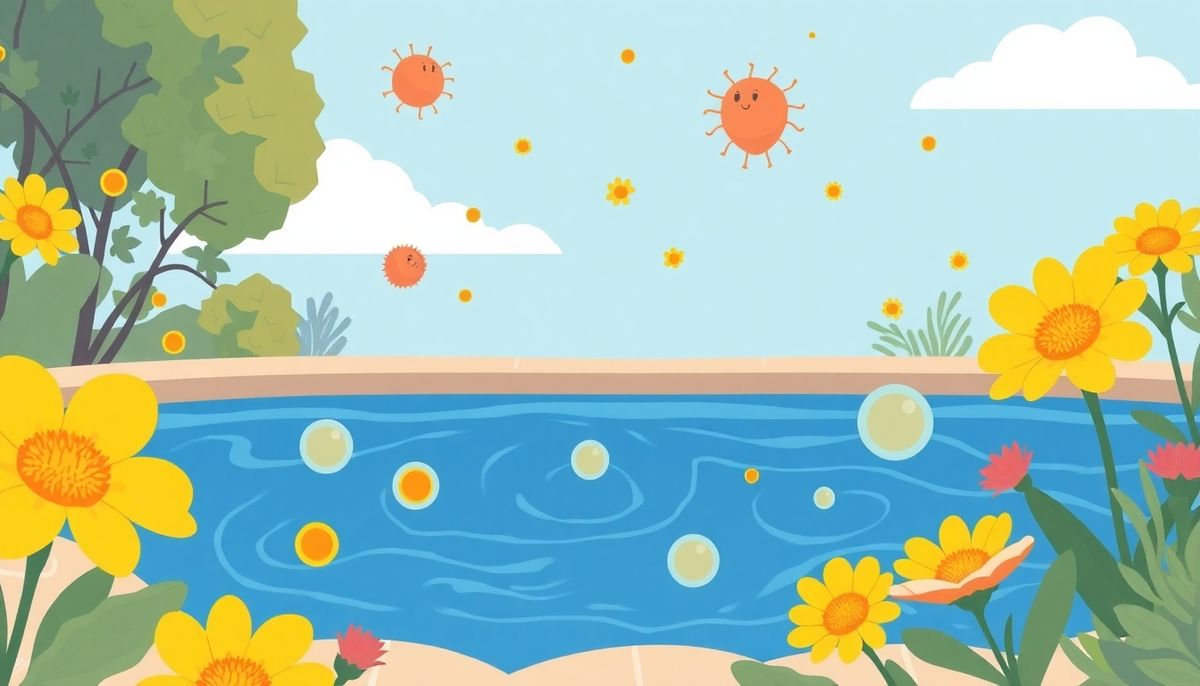
A hazy yellow film on the water is frustrating when you're ready for a quick swim. The first thing to do is figure out whether you're looking at pollen or something worse, like mustard algae. Look closely. Pollen drifts and gathers on the surface, so your filter catches it fairly easily. Algae is different. It clings to the walls and floor and won't let go without a fight.
You've probably seen that same yellow film on your car or porch in spring. The wind carries it off nearby trees, flowers, and grass, and your pool is fair game. Once you know what to look for, it's easy to spot.
Timing helps too. When trees and flowers are in full bloom, the pollen count climbs. Check your local forecast or a pollen tracking app so you're not caught off guard. Deal with it early and it never gets the chance to take over.
Identify Pollen Versus Algae
Pollen floats, algae clings
That yellow tint can leave you guessing. Pollen or mustard algae? They look alike, but they behave differently. Watch where the yellow settles. Pollen floats in a thin, dusty layer on the surface, waiting for a breeze or your filter to carry it off. Check the filter basket. If it's catching fine particles, you're likely looking at pollen.
Mustard algae is sneakier. It grips the walls and floor and won't budge no matter how long your filter runs. It tends to show up in shaded spots where sunlight doesn't reach, and it takes scrubbing to remove. I learned the hard way that a net won't touch algae. You need to scrub it off and use a targeted algaecide. Pollen is far more forgiving; a good skim and some filter time usually does it.
Pollen floats and rinses away, but mustard algae grips the walls and needs scrubbing plus algaecide, so telling them apart saves you wasted time and money.
Utilize Effective Pool-Filtering
Let your filter do the heavy lifting
A strong filter is your best help against pollen. Skimming by hand works, but running the filter regularly takes a lot of weight off your shoulders. Instead of switching it on now and then, run it during peak pollen hours, early morning and late afternoon. That catches the fine particles before they settle. A neighbor of mine went from a pollen-covered pool to clear water just by running the filter a few extra hours a day.
For pollen that slips past the filter, a clarifier helps. It binds the tiny particles together so they're big enough for the filter to grab. Stay on top of it, and every swim feels refreshing instead of turning into a sneezing fit.
Employ Skimming Techniques
Build a simple morning skim routine
Every pool owner knows the routine of skimming, but during pollen season it matters more. Start with a fine-mesh net, one that catches even the smallest particles. A regular leaf skimmer lets those tiny specks slip right through.
Mornings are usually the best time. The water is calm and still, so it's easy to spot and scoop the pollen that floated up overnight. It's a quiet, simple way to start the day. Skimming again through the day, especially in peak months, makes a big difference. A longtime pool owner once told me a gentle zig-zag pattern works best and covers the whole surface. Stick with it, and it stops feeling like a chore.
Use Your Pool Filter
Run it longer when pollen peaks
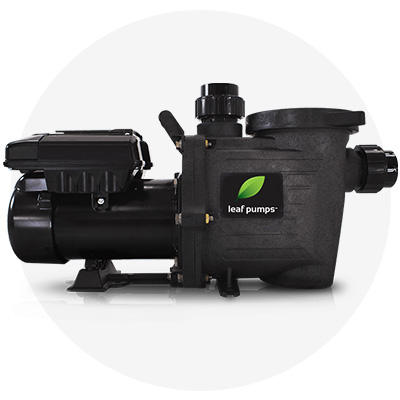
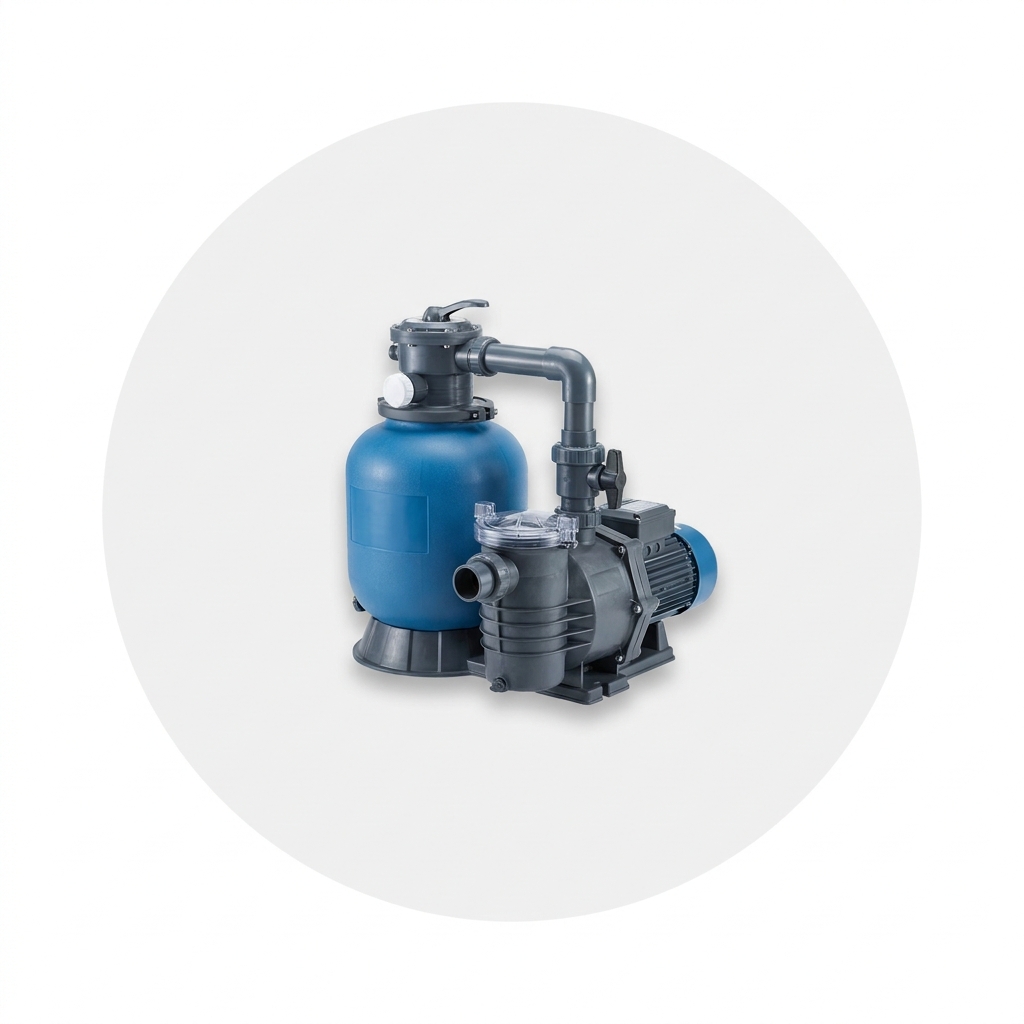
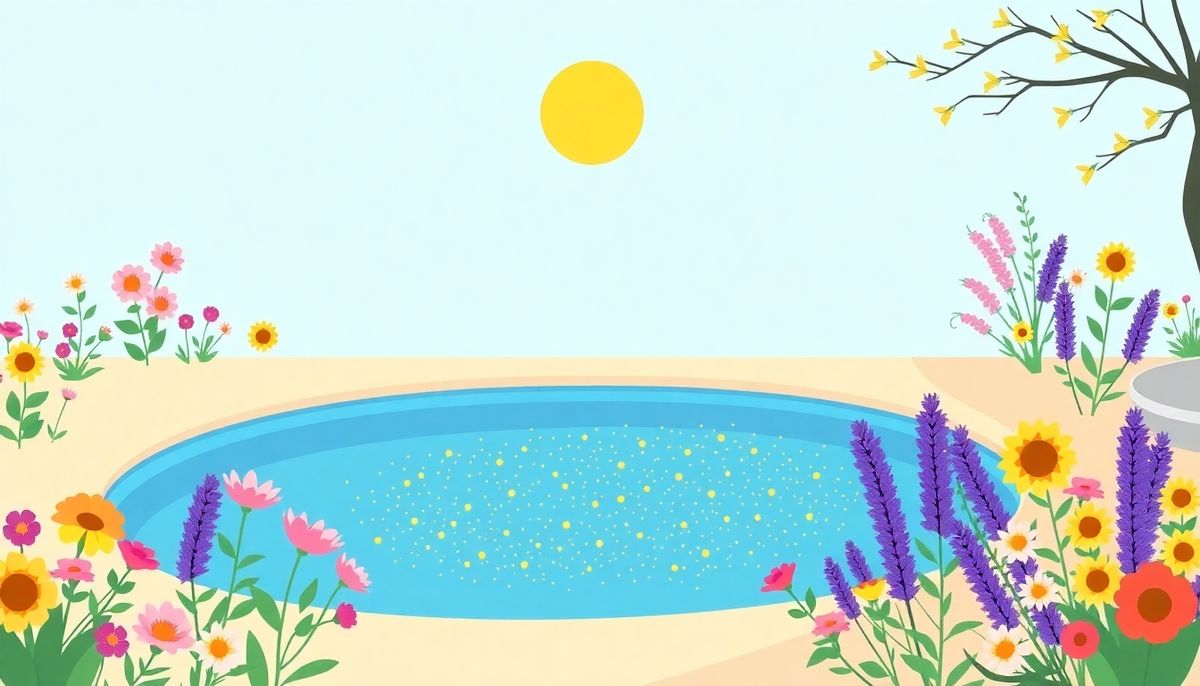
Your filter is the quiet workhorse of pool care, and it's your main help against a steady stream of pollen. It grabs much of the pollen before it clouds the water. During heavy pollen stretches, run it longer than usual. A longer cycle gives it more chances to catch the tiniest particles.
One neighbor runs their filter 12 hours a day during heavy pollen season and says it cuts way down on skimming time. Yes, it nudges up the electric bill, but you get cleaner water and fewer cleanups. If the filter starts to struggle, give it some care. A backwash or a new cartridge brings it back to full strength.
Running your filter several extra hours a day during peak pollen season is the single easiest way to cut your skimming time.
Identify Pollen in Your Pool
A quick check saves a wasted weekend
Waking to a yellowish film on your clear pool can be a shock, and it's easy to mistake it for mustard algae if you're new to pool care. Before you buy any treatments, take a moment to figure out what you've got.
Pollen drifts on the surface; algae clings to the walls and floor. If your filter has caught some of it, it's probably pollen. A friend of mine spent a whole weekend fighting what he thought was algae, only to check his skimmer basket and find plain yellow dust waiting for a windy day. Getting the diagnosis right is the first step, and it keeps you from wasting money on algae products you don't need.
Enhance Skimming Techniques
Long, overlapping strokes
Skimming isn't the most exciting job, but good technique makes all the difference with pollen. When the morning light hits the water, grab your fine-mesh net. Move it across the surface in long, overlapping strokes, like sweeping a floor. Pay extra attention to corners and edges, where pollen gathers unnoticed. On heavy days you might skim more than once.
A net won't catch every speck, so back it up with the filter. Skim first, then run the filter to pick up the finer particles. That one-two combination keeps the water clear and cuts down on irritants for swimmers too.
Optimize Filtration Efficiency
Keep the filter clean, then consider an upgrade
When pollen tints your water, an efficient filter really matters. First, keep it clean. A clogged filter can't trap fine particles. Backwash or clean it regularly, especially on peak pollen days.
It's also worth upgrading your filter media. If you run a sand filter, switching to glass media catches finer particles. With cartridge filters, check the cartridges and replace any that look worn. Then adjust your run time. Adding hours on heavy days makes a real difference and gives the system more chances to catch particles before they settle. A flocculant or clarifier helps too, clumping the tiny bits so your filter can grab them.
Skim with Fine-Mesh Head
Why a fine-mesh net matters
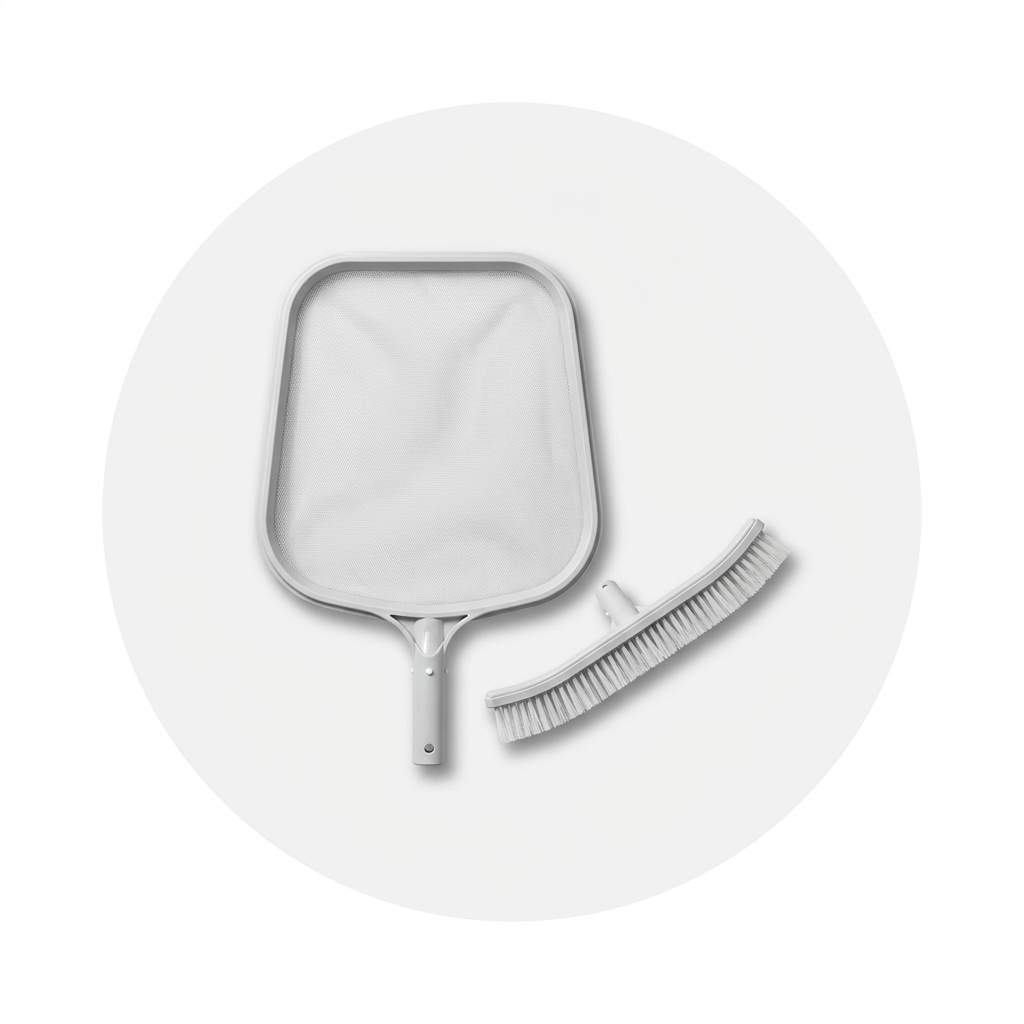
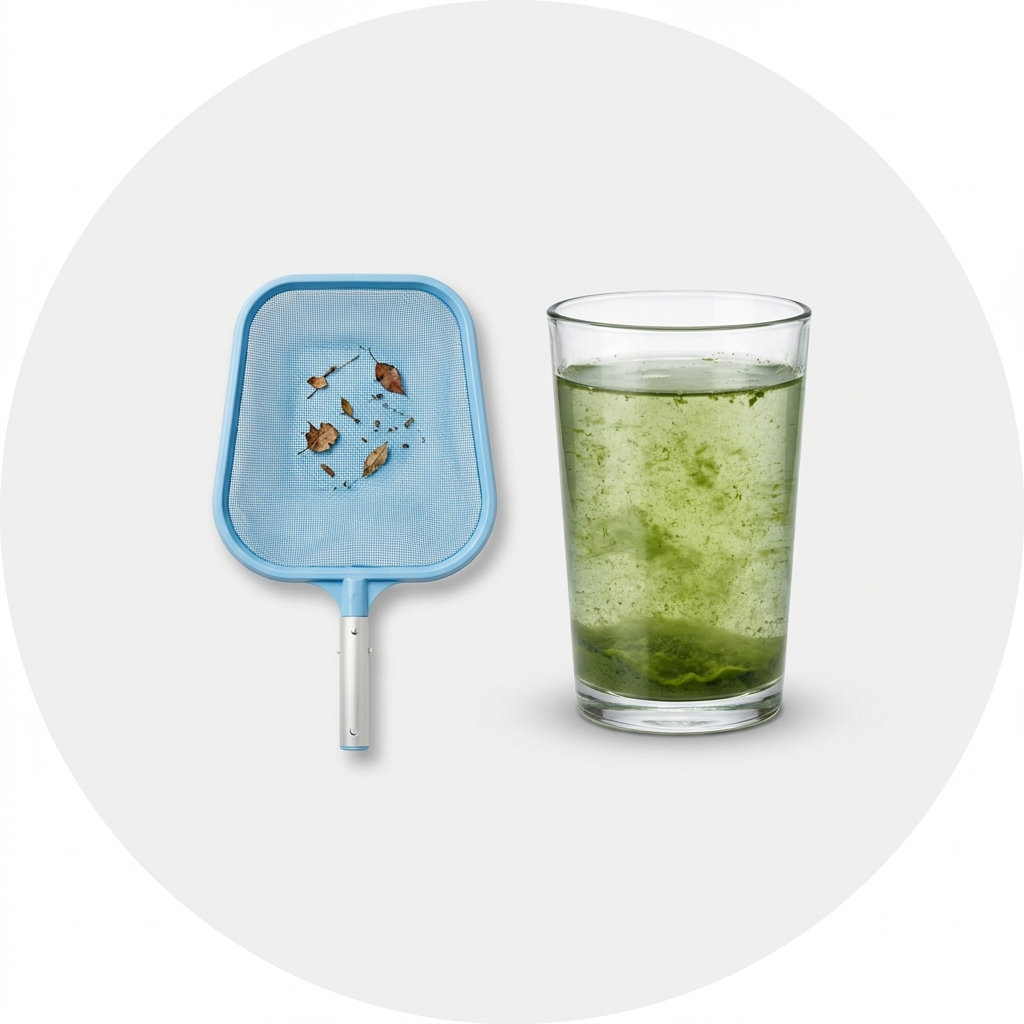
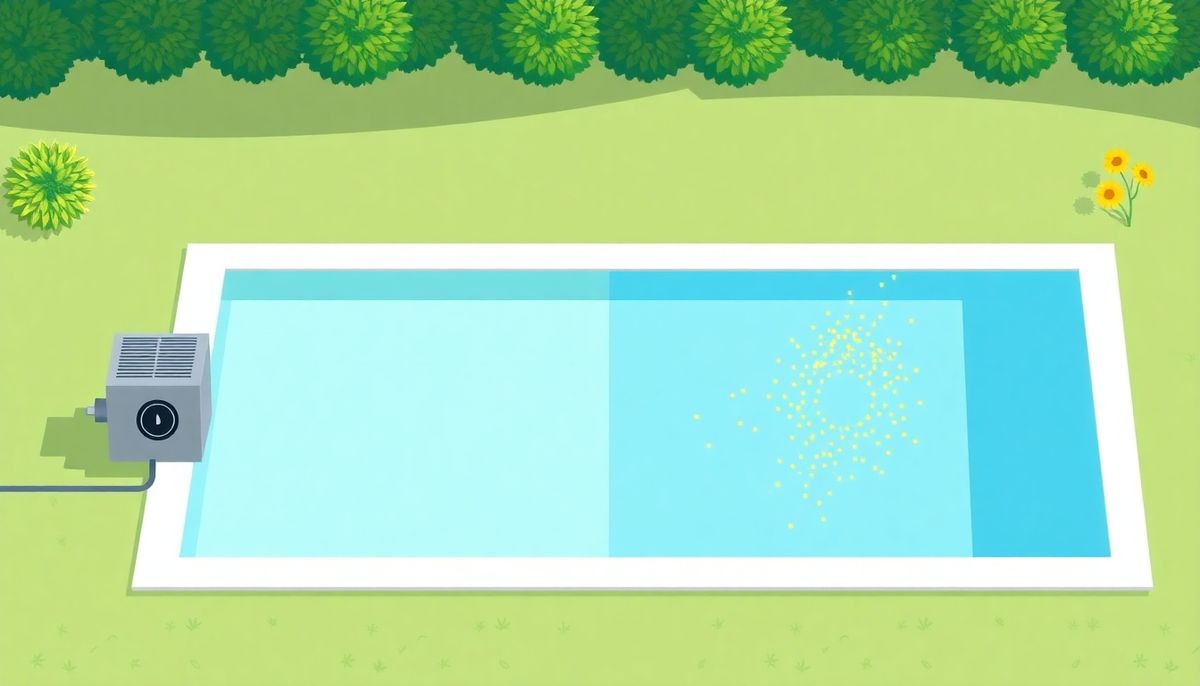
A pool can lose its sparkle fast once pollen piles up and leaves a film on the surface. The one tool you really need is a fine-mesh skimmer. Regular skimmers let the small stuff through; a fine mesh holds onto it. One morning, after spotting golden dust on my pool, I reached for mine and it scooped up the floating pollen cleanly. Pollen grains are tiny and slip right past generic nets, which is why the fine mesh matters.
Use it daily during peak season and you'll cut the time it takes to keep the water clear. It won't catch every speck, but it drops the pollen load so your filter can handle the rest. Make it a habit and your pool needs less heavy maintenance down the road.
Identify Pollen Accurately
Match the treatment to the problem
Finding your pool wearing a golden tint isn't the morning surprise anyone wants. Figuring out whether it's pollen or something more stubborn like mustard algae is the first step. Mix the two up and you'll waste effort and supplies.
Pollen drifts across the surface and often gets snagged by the filter. Mustard algae clings tightly to the walls and dodges the filter. Watch where the tint settles: floating on top means pollen; stuck to the interior like unwanted wallpaper means algae. Knowing how each one behaves lets you go after the right problem with the right tools, so you can put your filter to work and skim at the right times.
Employ Fine-Mesh Skimmer
A minute each morning
A pool sprinkled with pollen is an unwelcome sight, but an easy one to handle with a fine-mesh skimmer. It traps even the smallest bits of debris. Pick one with a net fine enough to catch pollen but sturdy enough for heavier debris. Each morning, before the sun gets strong, take a minute to glide it across the surface. It's a calm way to start the day, and it keeps the water clear.
During peak season you might repeat it in the afternoon or after a windy day. The skimmer also grabs fallen leaves and other debris along the way. A durable head saves you from frequent replacements, so it's worth keeping a good one in your kit.
Enhance Filtration Efficiency
Finer media, cleaner water
When that yellow haze floats on your clear water, your filter is the quiet hero. Start by running it longer than usual during high pollen season. It may nudge your energy bill, but it's a small price for the clear water you want.
Think about finer filter media, like diatomaceous earth (DE) or a cartridge with a smaller micron rating. These trap fine particles that slip through sand filters. Keep the filter in shape with regular backwashing and timely replacements. And if the pollen won't quit, a clarifier clumps the tiny particles into larger ones your filter can scoop up more easily.
Bind Pollen with Aluminum

Clump the pollen so it's easy to catch
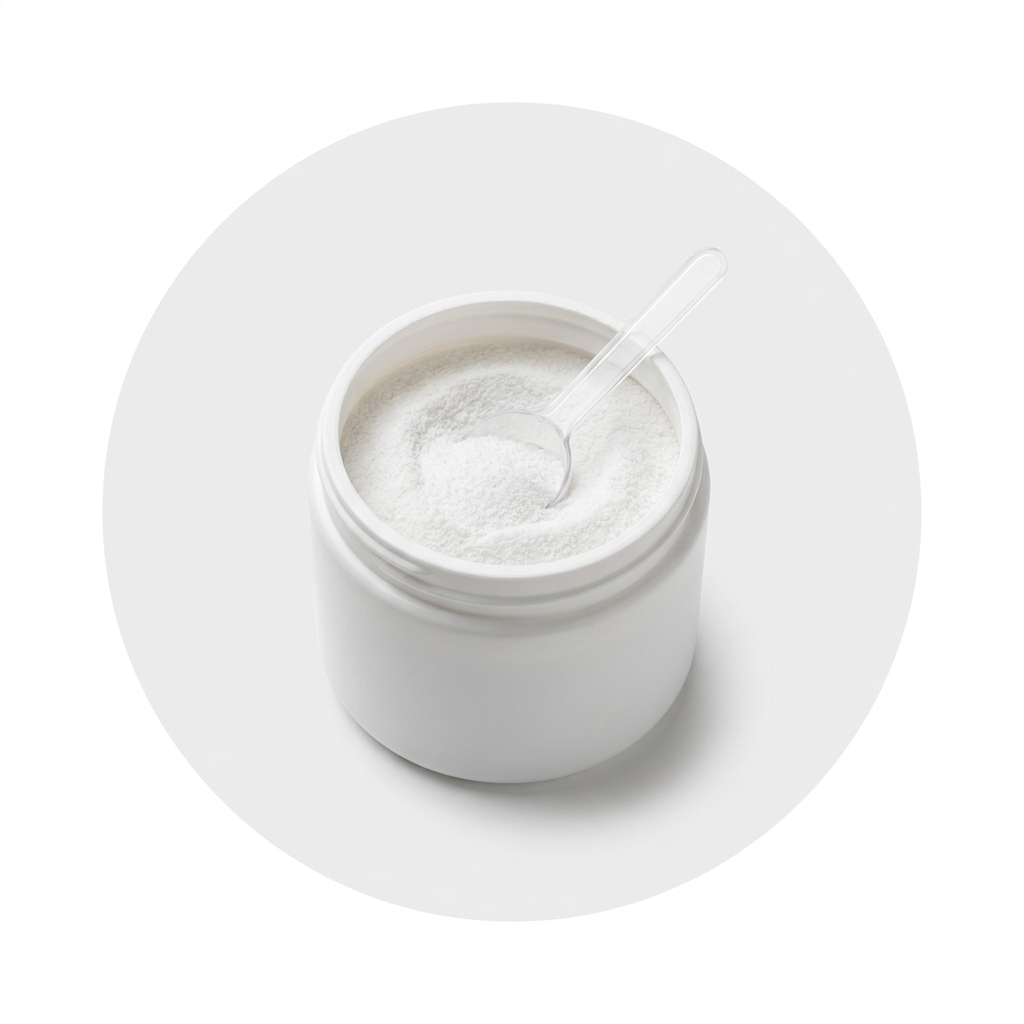
Spring air carries pollen into every corner, and your pool is no exception. One simple trick makes a big difference: aluminum sulfate. Added to the water, it pulls those tiny floaters into clumps big enough for your filter to catch. It turns something you can barely see into something you can actually remove.
You sprinkle it in, it binds with the pollen, and the clumps get caught by your skimmer and filter. It's low effort for a big payoff, and it eases the load on your filter during peak season. A friend of mine had the same pollen problem; she tried it and woke up to a clear pool the next morning.
A coagulant like aluminum sulfate, or a good clarifier, clumps fine pollen together so your filter can finally catch it, which is exactly what you want when skimming alone isn't keeping up.
Identify Pollen in Pool
Look around the pool for clues
There's something nice about stepping outside to your backyard pool in the morning sun, right up until a yellow tint shows up on the water. Is it pollen or mustard algae? Telling them apart saves you real time and hassle.
Pollen floats on the surface and sometimes rides through your filter. It usually shows up when trees and flowers are in full bloom. Mustard algae clings to the sides and bottom and shrugs off the filter. Take a walk around your pool. Are there trees dropping golden dust nearby, or has the wind carried it in from farther away? If the buildup floats and gathers in clumps, you're looking at pollen. A correct diagnosis speeds up the cleaning and means less worrying.
Utilize Skimmers Effectively
Stay on a schedule
A pollen-dusted pool might not be the view you were hoping for with your morning coffee, but your skimmer is ready for it. Its fine mesh scoops up the pollen that settled overnight. Unlike leaves or bigger debris, pollen takes a little more finesse, and that's where the fine mesh shines. Just glide it across the surface.
Each pass is a small win, and a regular schedule is the key. On breezy days pollen piles up faster, so you might need an extra skim in the afternoon. For the specks that slip through, a high-quality mesh really matters. A sturdy skimmer gives you a reliable partner season after season.
Apply Aluminum Sulfate for Clumping
How to use aluminum sulfate
Among the tools for stubborn pollen, aluminum sulfate stands out. Here's a quick chemistry lesson: it's a coagulant. Add it to the water and it nudges tiny pollen particles to bind into larger clumps that are much easier to trap and remove. The first time I tried it, my pool looked like a giant pollen latte. A friend suggested it, and a few hours later those particles had gathered on the surface, ready to skim.
To use it, mix it into a bucket of pool water first, then walk the edge of the pool to spread it evenly. Let it work for several hours, then run the filter to catch the clumps. Go easy, though. Too much can throw off your pH balance.
Shock Pool for Enhanced Cleanliness
Shock kills what feeds on pollen
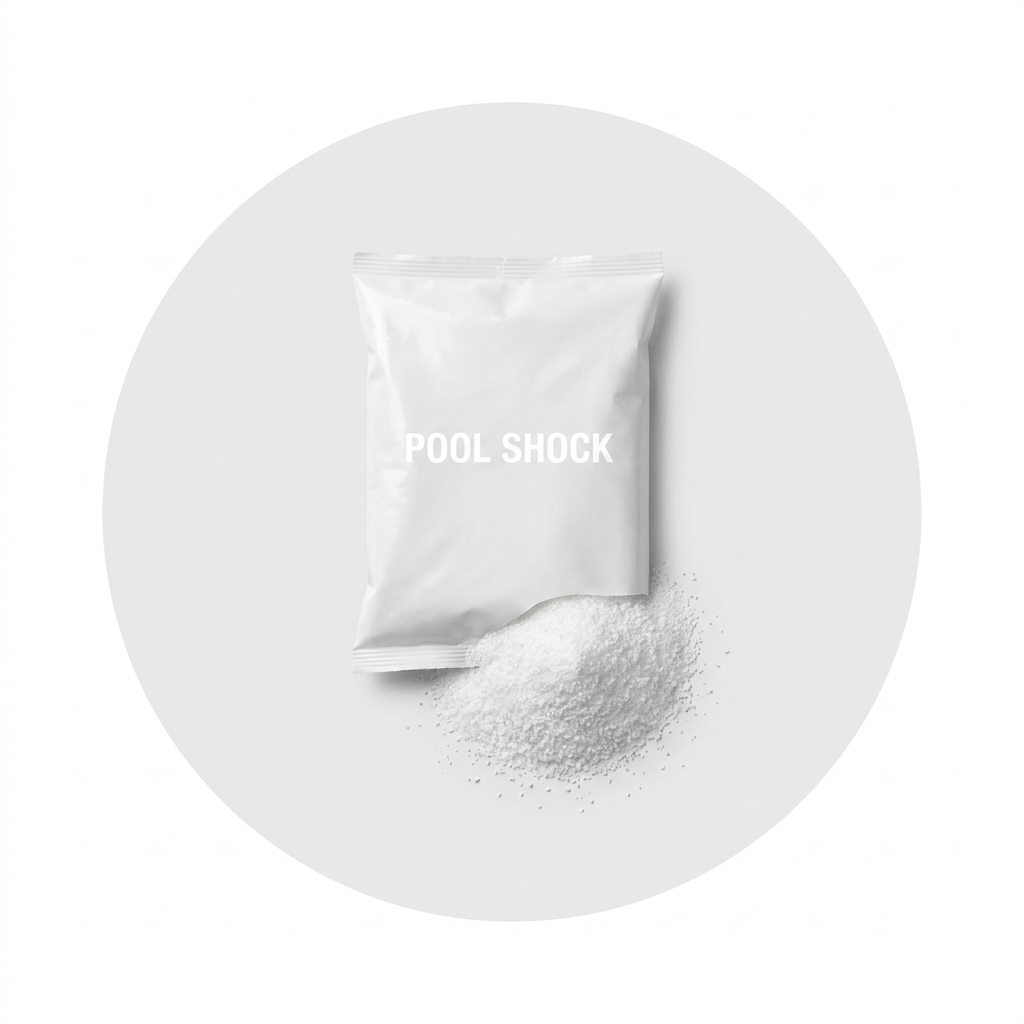
Notice your pool's sparkle fade after pollen piles up? Shocking it can turn things around by clearing out what your eyes can't see. Shocking means adding a strong dose of chlorine or a non-chlorine product to wipe out the organic contaminants and microorganisms that thrive alongside pollen. Shock won't remove the pollen itself, but the bacteria and algae feeding on it won't stand a chance.
Do it at dusk. With the sun down, the chlorine doesn't have to compete with UV rays, so it works more efficiently. The next morning, take a slow walk around the pool with your skimmer and clear out anything that got stirred up. You'll wake up to clearer, safer water.
Vacuum as a Last Resort
When to break out the vacuum
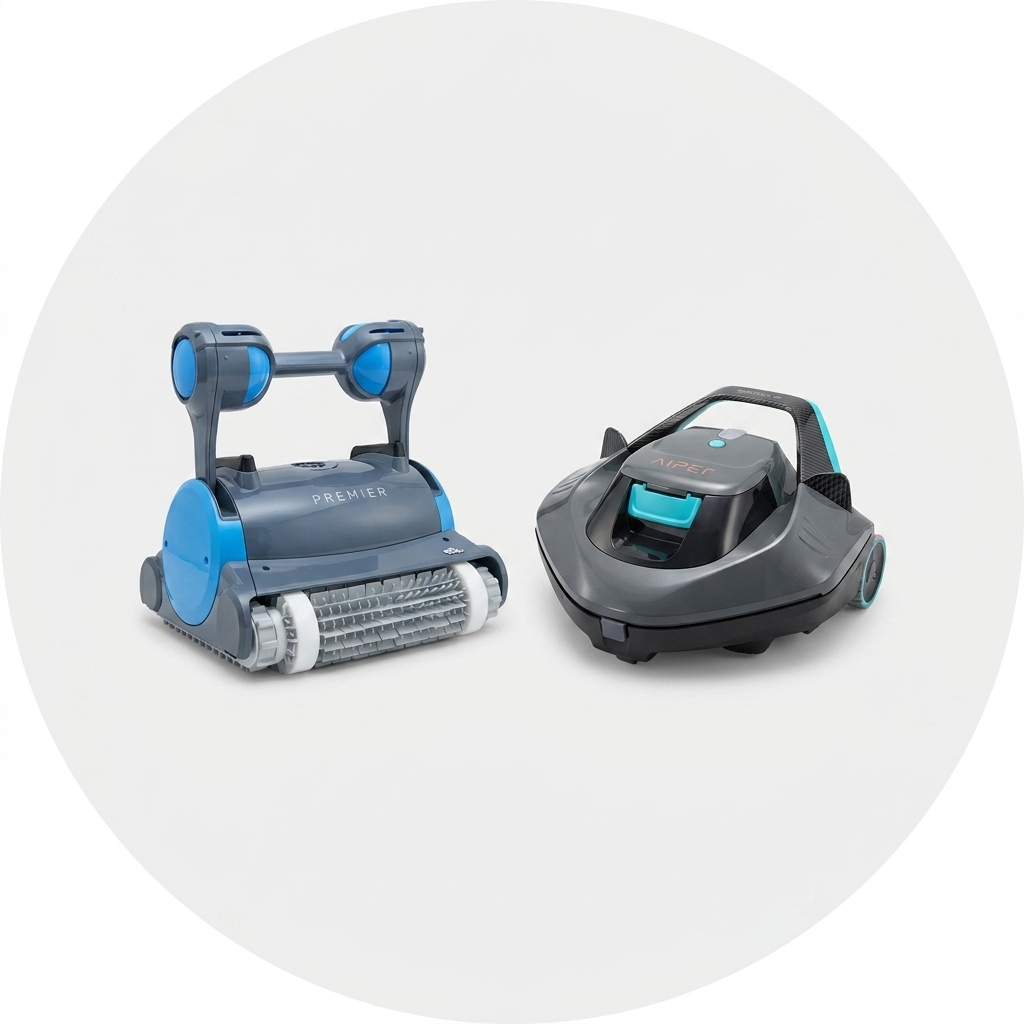
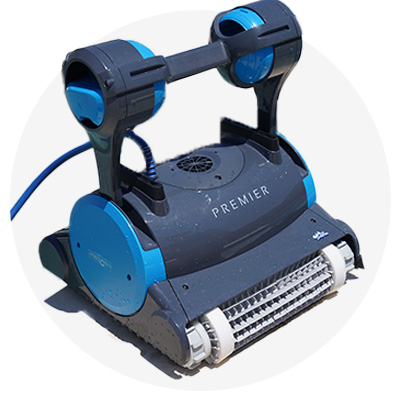
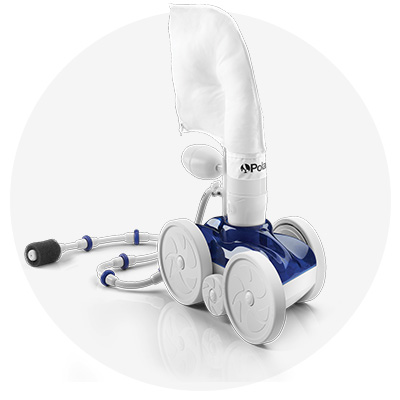
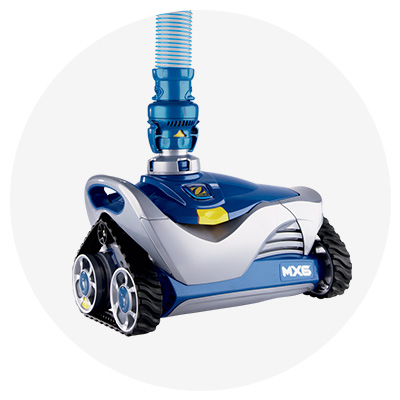
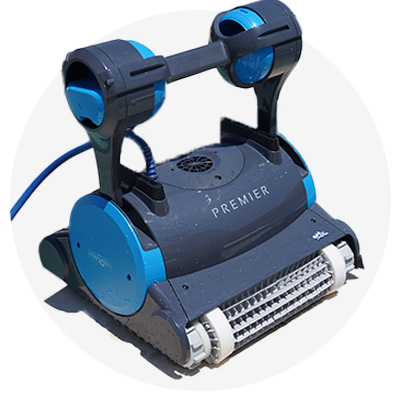
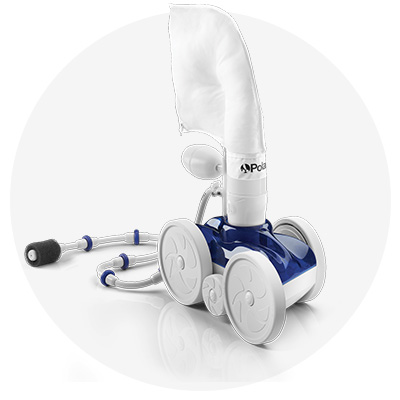
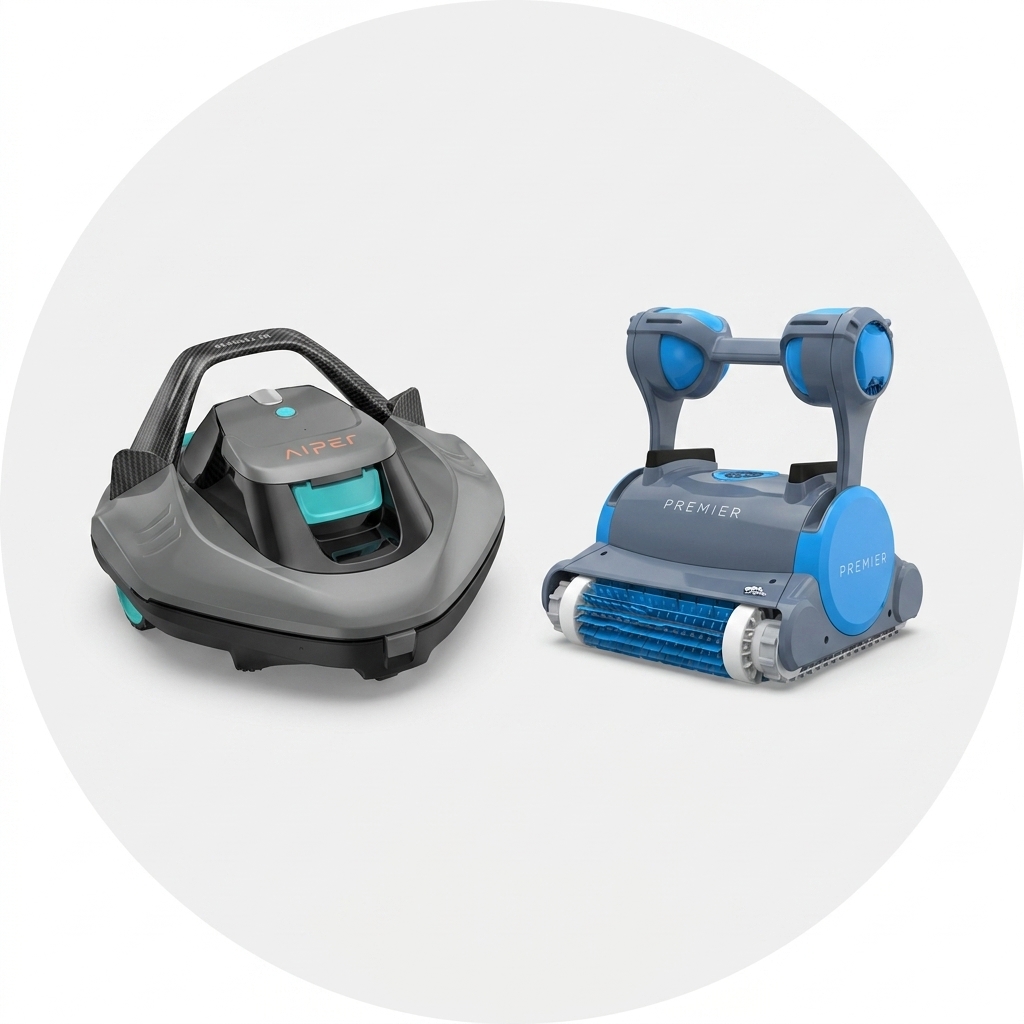
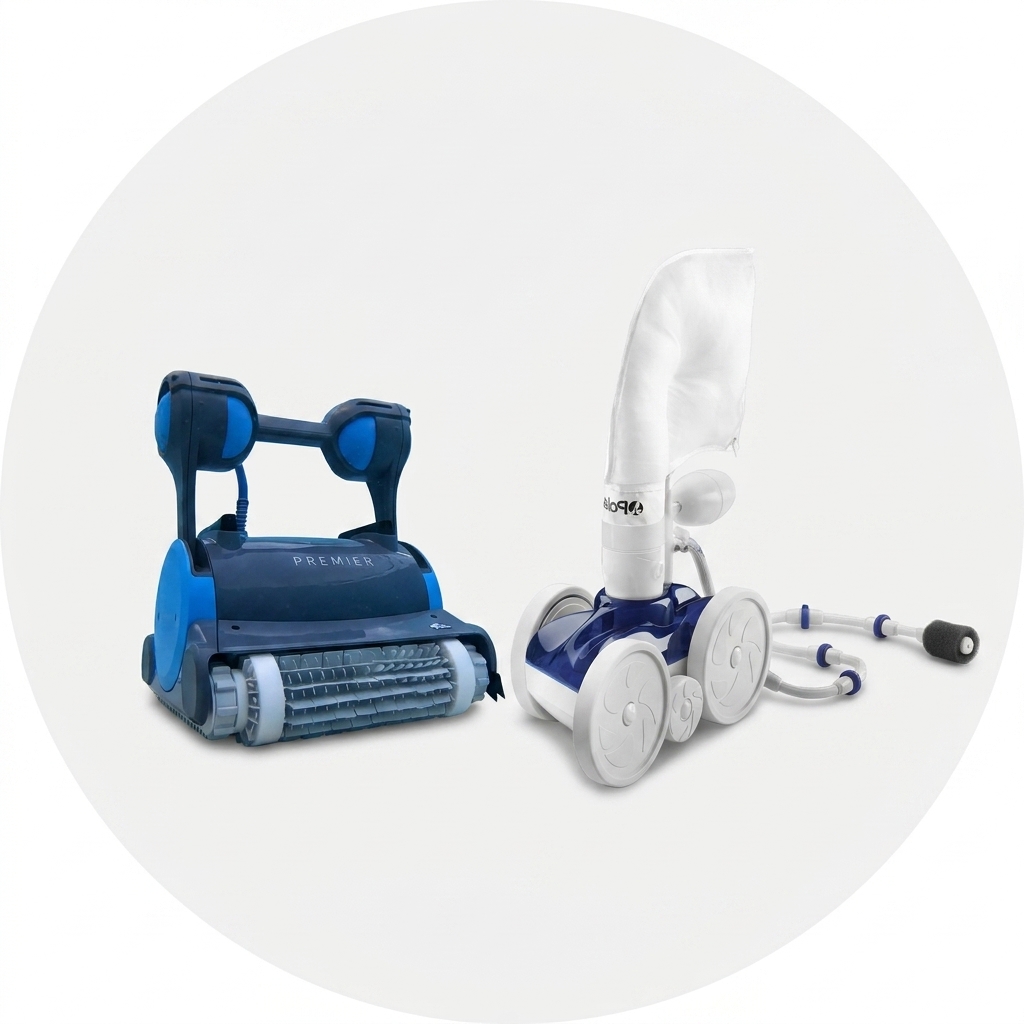
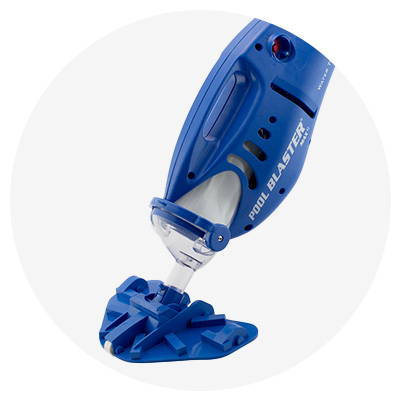
When nothing else is enough, the pool vacuum can save the day. Vacuuming becomes necessary when pollen has settled and won't leave despite your work with skimmers and filters. A manual session feels like a workout, but the control is worth it. Unlike automatic cleaners, a manual vacuum lets you guide the head carefully over the floor and corners so no pollen escapes.
There are trade-offs. You'll see a small bump in utility bills from the power it uses and the extra water you need to refill afterward. Even so, jumping into a clear pool makes it worth it. Keep the vacuum in mind as your final step to get your water back.
Shock for Added Cleanliness
Treat at dusk, skim at dawn
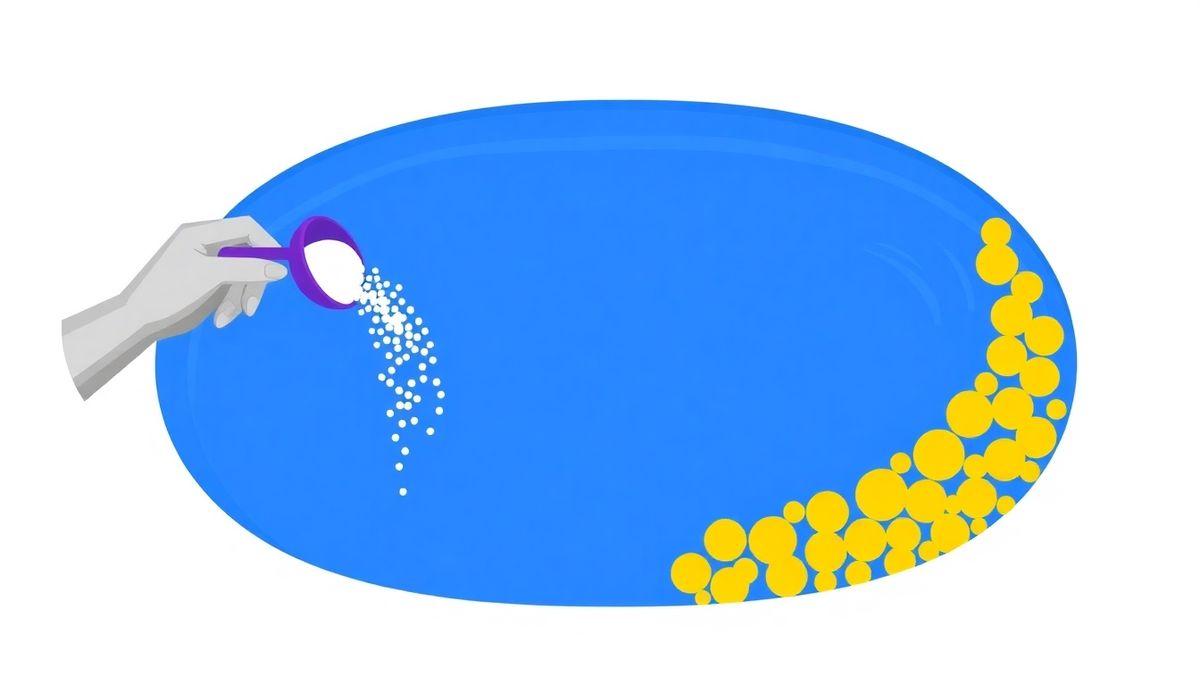
Spring and summer bring sunshine and warmth, but they also invite pollen into your pool. When it won't quit, pool shock is a reliable helper. It handles the visible mess and goes after the unseen troublemakers below the surface. Shock won't make the pollen vanish, but it wipes out the microscopic organisms feeding on it.
Evenings are the best time. As the sun sets, pour in the shock and let it work overnight. By morning the bacteria and algae are gone, and a thorough skim at dawn clears the rest. The first time I skipped this step, I figured skimming alone would do it, and I got a greenish tint that took days to clear. The lesson stuck.
Conclusion
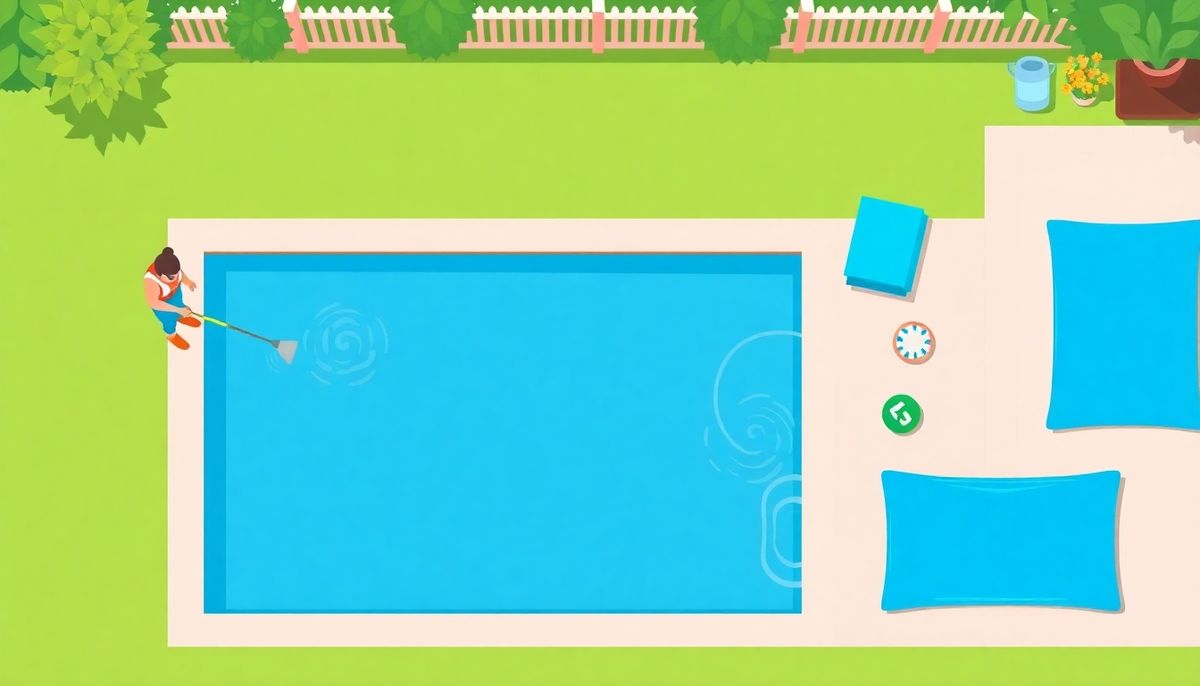
That's the whole routine for keeping pollen out of your pool. Ready to get your water back in shape?
Want to get more confident with pool care? Our free Pool School course covers everything from basic upkeep to tricky troubleshooting. You'll learn how to:
- Save thousands on pool repairs and chemicals
- Keep your water clear year-round
- Prevent and solve common pool problems
- Get comfortable with water chemistry
Join over 10,000 pool owners who have already changed their pool care routine. Get started with our free Pool School course today!
What you need
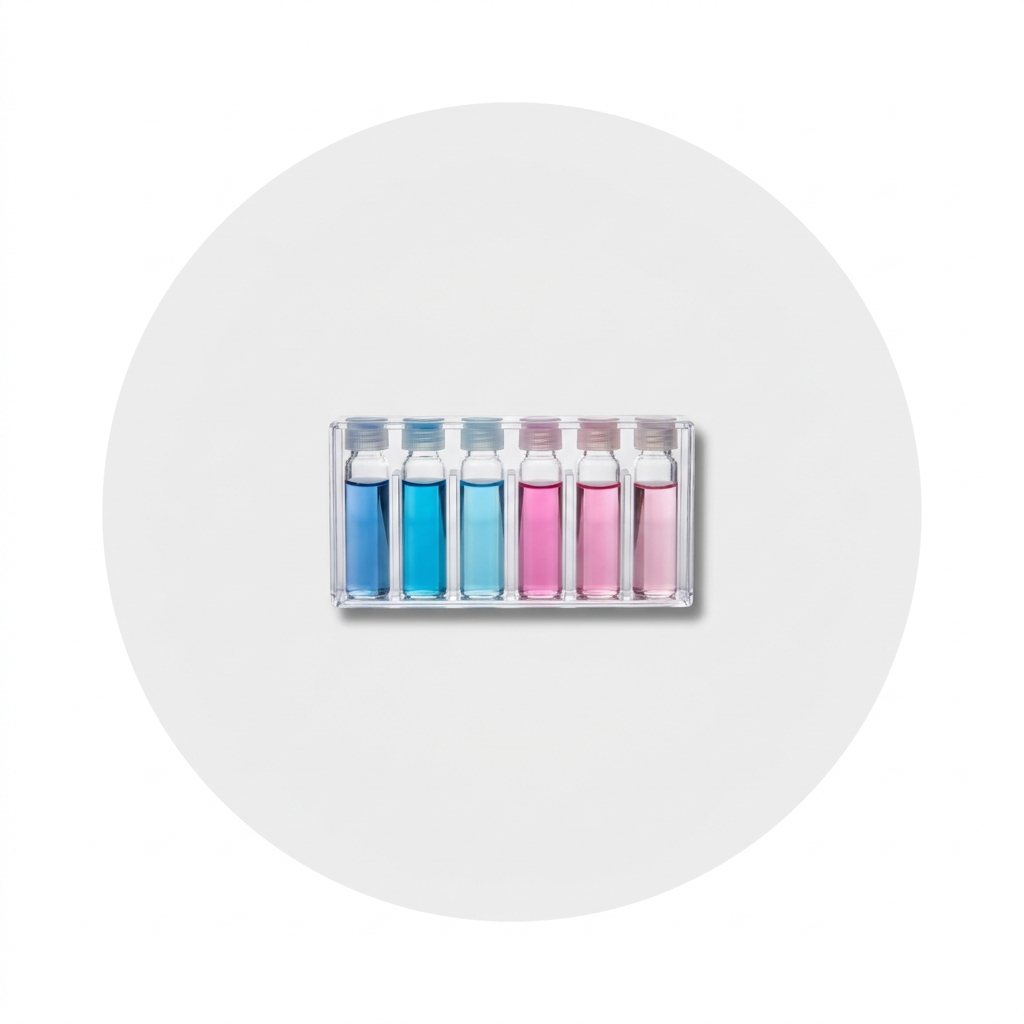
Grab a fine-mesh skimmer, a clarifier or aluminum sulfate, pool shock, and a manual vacuum, then run your filter longer to keep pollen from settling.