


Keeping a pool clean can feel like juggling chemistry and plumbing, but one of the biggest jobs is keeping your filter clean. Whether you have a sand, cartridge, or diatomaceous earth (D.E.) filter, cleaning it right can take your pool from murky to clear. The filter is the hardest-working part of your pool. It pulls dirt and gunk out of the water so you can actually swim in it.
I can't stress enough how much this matters. A few summers back I let mine go too long, and the green tint that showed up was not a good look. Friends who came over for a swim were more interested in the little ecosystem forming in the water than in getting in. That taught me a thing or two about regular upkeep.
Each type of filter has its own quirks. Sand filters are tough and reliable but need the occasional backwash. Cartridge filters give you better filtration but ask for more frequent cleaning. D.E. filters catch the tiniest particles for amazing clarity, though they need careful attention. Whichever you own, learning what it needs helps you get more life out of it and enjoy clear water all season.
Your Action Plan
- Figure out which filter you have: cartridge, sand, or D.E.
- Gather your supplies: hose, bucket, the right filter cleaner, gloves, and goggles.
- Check the pressure gauge and clean when it reads about 10 psi above normal.
- Rinse or backwash to clear out everyday debris.
- Deep-clean once a year with a chemical soak.
- Inspect for wear, reassemble, and restart the pump.
Master Pool-Filter Cleaning
Once you get the hang of cleaning your filter, pool care gets a lot easier. Your filter quietly catches debris and gunk while you're not looking, and keeping it clean means it lasts longer and your swims are nicer. Each type wants a slightly different routine.
A quick routine for each type
With a cartridge filter, pull it out, check it for wear, and rinse it with a hose nozzle. For stubborn grime, soak it in a filter cleaner. Sand filters do best with regular backwashing to flush out trapped gunk, plus one chemical cleaning a year for the residue backwashing leaves behind. D.E. filters need a good spray after backwashing to clear off the caked-on powder, and an occasional overnight acid soak for a deep clean. Build a routine and you'll dodge most nasty surprises.
Select the Right Cleaning-Method
Picking a cleaning method is simpler than it looks. The first time I cleaned my cartridge, I thought a quick rinse would do it. The water turned cloudy, and I learned that a light rinse isn't always enough. Cartridge filters need gentle, regular cleaning to clear the debris stuck between the pleats. A hose with a spray nozzle usually does it, with a dedicated cleaner for tougher grime. Sand filters rely on backwashing, which reverses the water flow and washes the dirt out. D.E. filters use a mix of backwashing and careful hand cleaning. Match the method to your filter and you get clear water with less effort.
Gather Essential Cleaning-Supplies
Every filter cleaning starts with the right supplies. Skip the prep and a simple job turns into a headache.
For a cartridge filter, grab a garden hose with a high-pressure nozzle, a bucket big enough to sink the cartridge, a filter cleaning solution, and a soft-bristle brush for lightly scrubbing the buildup off. Sand filters need a backwash hose and sand filter cleaner; a shop vacuum helps if you're pulling out old sand. For D.E. filters, safety comes first: acid-resistant gloves and goggles if you're using muriatic acid, plus your hose, a D.E. filter cleaner, and a large container for soaking the grids or fingers.
Any time you clean with muriatic acid, put on gloves and goggles first, no exceptions.
Perform Routine Filter Maintenance
Routine filter care is about as necessary as sunscreen on a sunny day. Ignore your filter and the neglect shows up in the water, and not in a good way.
Watch the pressure gauge
Check the pressure gauge often. When it climbs about 10 psi above normal, it's time to clean. For cartridge filters, that means hosing down the cartridge and checking for wear. Sand and D.E. filters usually need backwashing. And once a year, plan a deep clean; an overnight soak in diluted muriatic acid can revive a D.E. filter, for example. It sounds like a lot, but it's a small price for a summer of clear water.
The single best habit you can build is checking the pressure gauge, and cleaning the filter when it reads about 10 psi above normal.
Deep-Clean Sand Filters
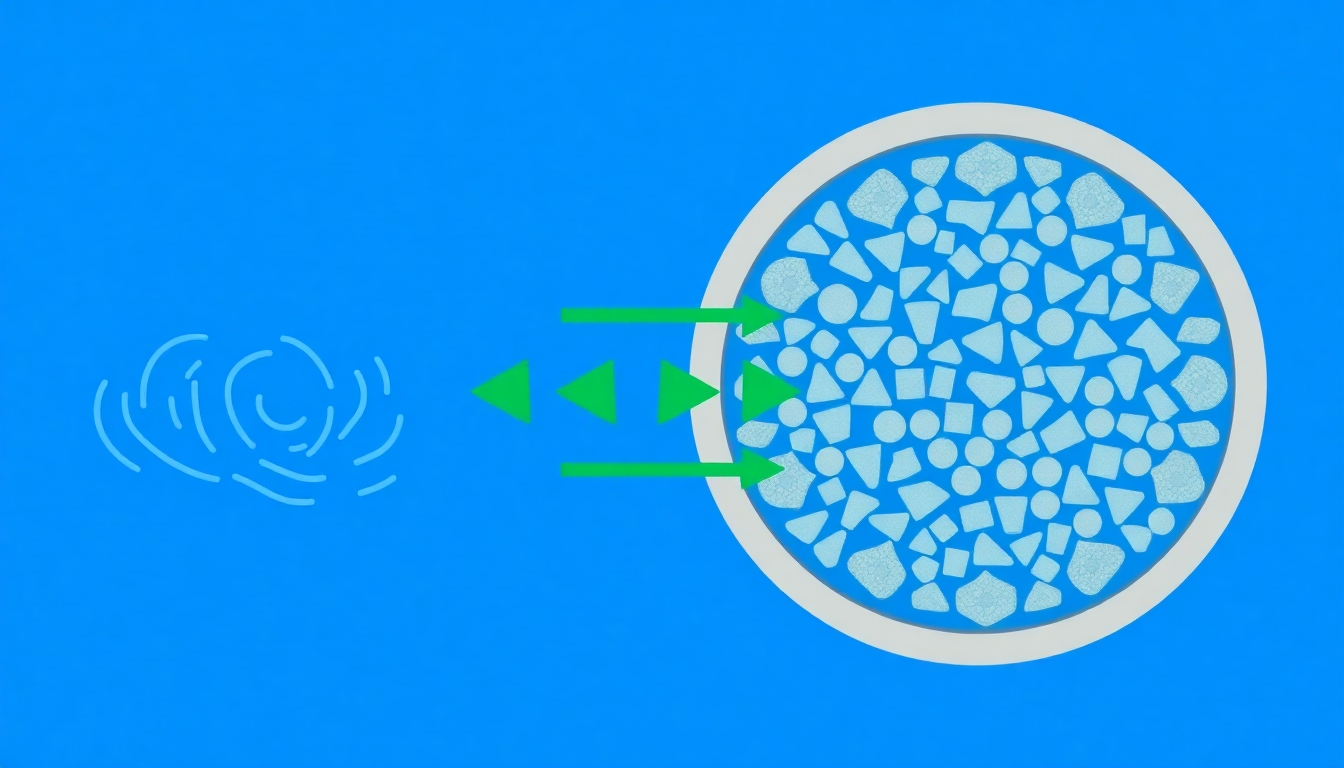
Sand filters are the workhorses of a clear pool, but they still need attention. Start by switching off the pump and setting the multiport valve, the big handle on top of the tank, to "Backwash." A gauge reading 10 psi above normal is your cue.
Once you've backwashed, step up to a chemical cleaning about once a year for the dirt that's dug in deep. Pour a sand filter cleaner into the pump's strainer basket, run the pump briefly to move it through, then let it sit about eight hours. Backwash again to flush out what's left. Done regularly, this keeps the sand in good shape, which usually lasts 3 to 5 years, and your water clear.
Perform Routine Filter Inspections
Regular inspections aren't just another line on your checklist; they catch trouble before it starts. Glance at the pressure gauge every week; a rise of 10 psi above normal means it's check-up time. When you open the filter housing, look for cracks, tears, or unusual grime.
For cartridge filters, make sure the pleats are clear. A quick rinse may be enough, or a longer soak if it's been a while. Sand filters may need backwashing, and D.E. filters do well with a fresh powder recharge. A little care now keeps your pool inviting later.
Execute a Thorough Backwash
A thorough backwash is like your filter stretching after a long workout, shaking off built-up grime. Turn off the pump first, always. Set the multiport valve to "Backwash." If you have a sand or D.E. filter, attach a backwash hose to the waste port, the outlet that sends dirty water away from the pool. Tighten the connections and restart the pump.
Watch the sight glass, the small clear bubble on the pipe, or the end of the hose. When the murky water runs clear, usually after a couple of minutes, the backwash worked. Then switch the valve to "Rinse" and run the pump briefly so leftover debris doesn't sneak back in. Return the valve to "Filter," restart, and you're back to normal. Do this monthly, or whenever the gauge climbs.
Apply Chemical Cleaning Solutions
Sometimes a rinse just won't cut it. A few summers ago my water looked more like a murky pond than a pool, and chemical cleaning bailed me out.
For a cartridge, a dedicated cartridge cleaner breaks down the sunscreen, body oils, and minerals that pile up between the pleats. Let it soak overnight and it comes out ready for another season. Sand filters take a sand filter cleaner poured into the pump basket, circulated briefly, then left to work overnight. For D.E. filters, a mild muriatic acid wash handles the toughest stains. Handle the acid with care and wear your gear.
Maintain Cartridge Filters Easily
Cartridge filters are a favorite for how simple they are. First, turn off the pump; this protects both you and the system. Remove the top and gently pull out the cartridge. Check it for cracks or tears, since even small ones cut efficiency, so replace a damaged cartridge sooner rather than later.
To clean, aim a hose with a spray nozzle between the pleats to knock loose dirt. When grime won't budge, use a dedicated filter cleaner, or soak the cartridge overnight in a bucket of cleaning solution. Rinse well so no cleaner is left behind. Before reinstalling, check the O-ring for dryness or wear and add lubricant if needed. Secure everything, turn the system on, and you're set.
Identify Your Filter Type
Figuring out which filter you have is the first step to cleaning it right. There are three main types.
The three types at a glance
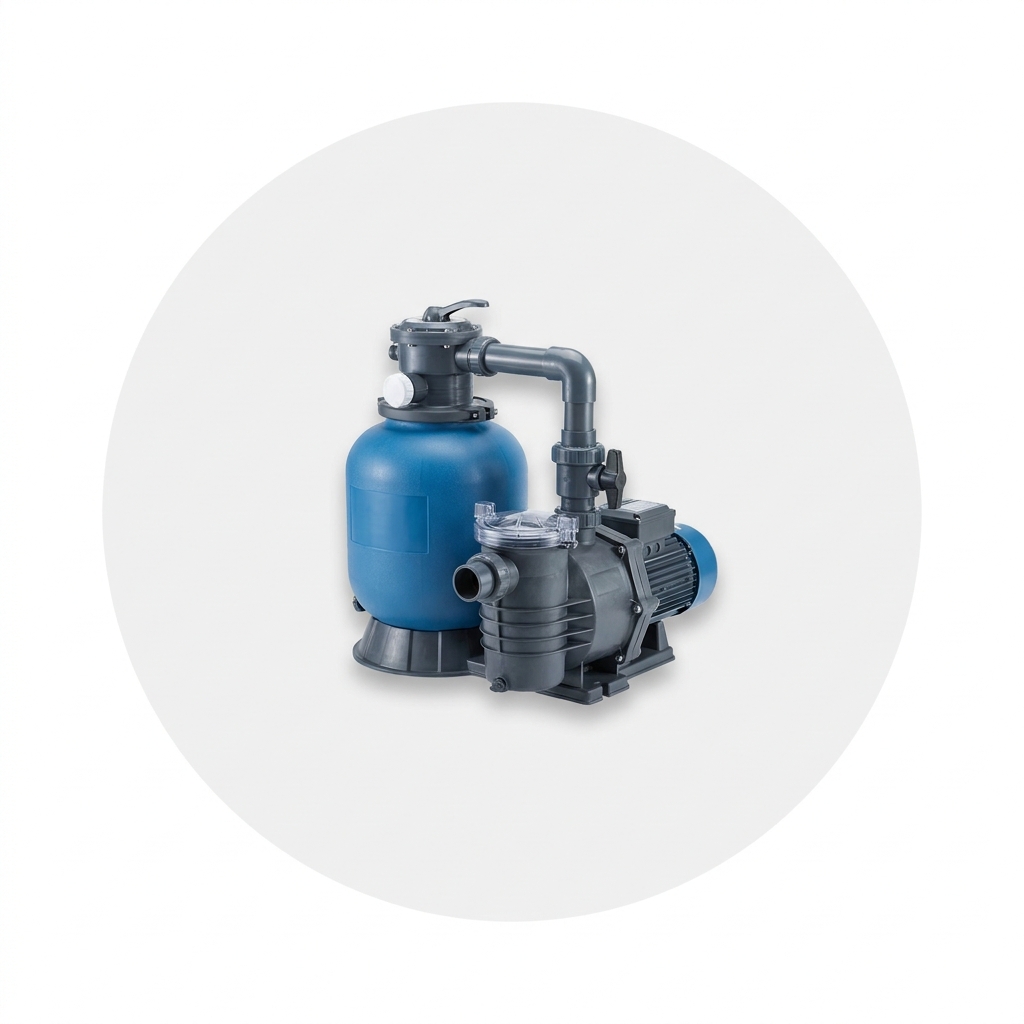
A cartridge filter holds a cylindrical element of pleated polyester or paper that you can see once you lift the top. A sand filter is a large tank full of sand, usually with a multiport valve on top or the side. A D.E. filter is packed with a fine white powder made from fossilized aquatic organisms, held on grids or fingers inside the tank. Not sure? Look for a brand name or model number on the housing and check the manual. Hayward D.E. filters often use fingers, while Pentair tends to use grids.
Gather Essential Cleaning Tools
Having your tools ready before you start saves a mid-job run to the store. For a cartridge filter, keep a hose with a spray nozzle and a cartridge cleaner handy; a nozzle made for pool cartridges flushes the pleats better. Sand filters need a backwash hose and sand filter cleaner. D.E. owners want gloves, goggles, and a large plastic container for soaking the grids, along with the usual hose. Lay it all out first, and the whole job goes smoother.
Perform Regular Deep-Cleaning
Regular cleaning keeps a filter working, but once a year it needs a real deep clean to bring back full power.
Aim for at least once a year to clear the oils, minerals, and fine debris that regular cleaning misses. For cartridges, soak them overnight in a filter cleaner or diluted muriatic acid to dissolve embedded particles and open up the pleats. Sand filters take a chemical cleaning that breaks down the grease and scale backwashing can't touch, keeping the sand's rough texture. D.E. filters want a thorough rinse plus an occasional acid wash of the grids or fingers to clear mineral deposits.
Even with regular rinsing, plan on one deep clean a year to clear the oils and minerals a quick hose-off leaves behind.
Backwash DE Filters Properly
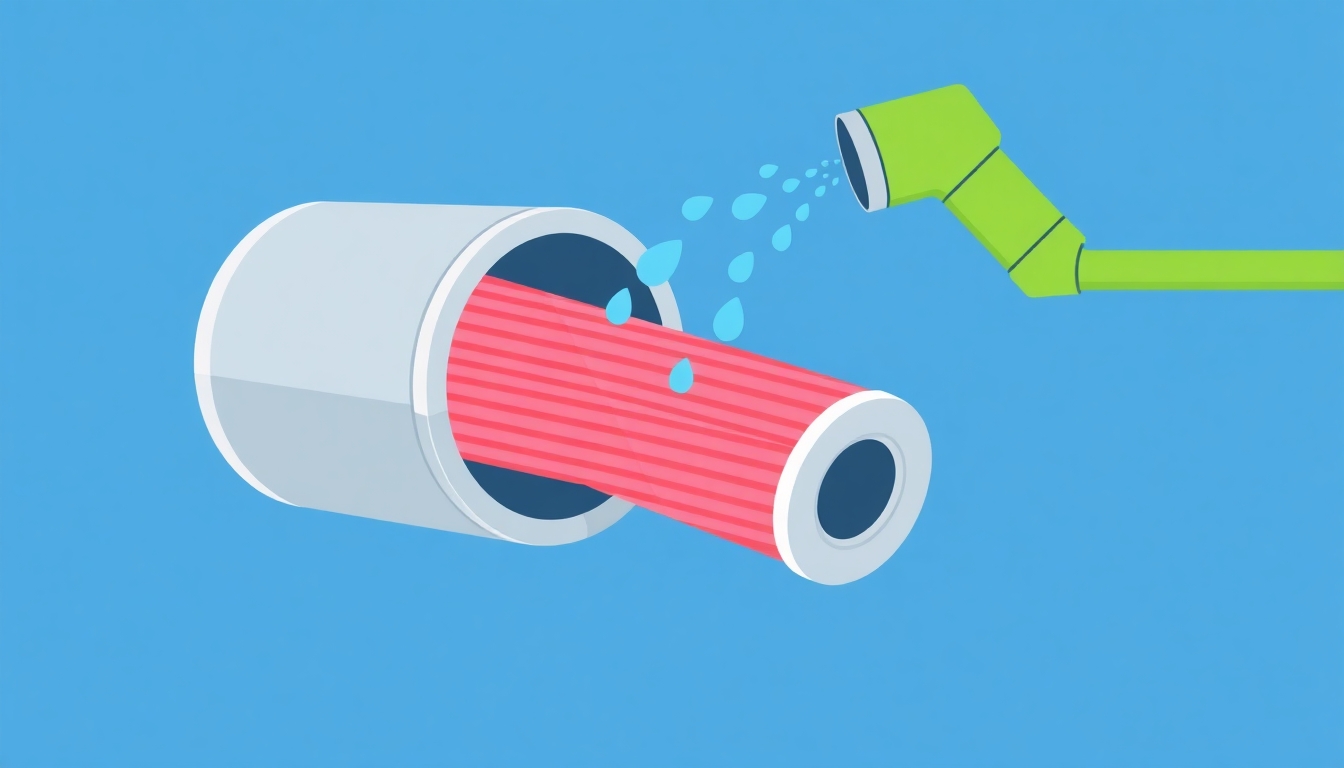
Cleaning a D.E. filter is more routine than rough. Shut off the pump and set the multiport valve to "Backwash" (or your push/pull valve to backwash mode). Attach the backwash hose to the waste port and turn the pump back on. When the water runs clear, usually after a couple of minutes, shut off the pump and open the air relief valve to release pressure. Pull the drain plug and let the tank drain fully so things don't get messy.
Remove the filter clamps, then rinse the grids or fingers with a hose and spray nozzle until all the D.E. residue is gone. For stubborn dirt, use a D.E. filter cleaner. Reinstall everything securely. Mix fresh D.E. powder with water into a slurry and pour it into the skimmer while the pump runs. That recharges the filter and gets it back to its best.
Gather Necessary Pool Equipment
Rounding up your tools matters as much as the job. The basics: a hose with a spray nozzle, a sturdy bucket, a pool filter cleaner, a wrench or screwdriver for your fasteners, and gloves and goggles for chemicals. Cartridge owners want a filter brush, sand owners a backwash hose, and D.E. owners fresh D.E. powder to recharge after cleaning. A friend once had to quit halfway through because he was missing O-ring lubricant. Check your supplies first and save yourself the delay.
Perform Regular Filter Maintenance
Every filter type needs its own routine, but a few basics apply to all. Check the pressure gauge regularly; 10 psi above normal means it's time to clean. Monthly cleaning is a good habit, and a yearly deep clean removes the stubborn stuff like sunscreen and calcium. Each time, check for wear, whether it's cracks in a cartridge or worn-out sand, and lubricate O-rings to prevent leaks. Consistency is what counts. Tie it to a monthly task you already do, and your pool stays clear all season.
Address Cloudy Water Issues
Cloudy water is more than an eyesore; it usually means your filter isn't keeping up. Start with your filter type. A sand filter may just need backwashing, or a chemical clean if the cloudiness sticks around; rinse well afterward so no chemicals linger. For a cartridge, pull it out, check for damage, and give it a high-pressure spray or an overnight soak if the grime has settled in. Put everything back carefully, make sure each part seats right, and stay on top of regular cleaning. It's your best defense against murky water.
Troubleshoot Filtration Issues
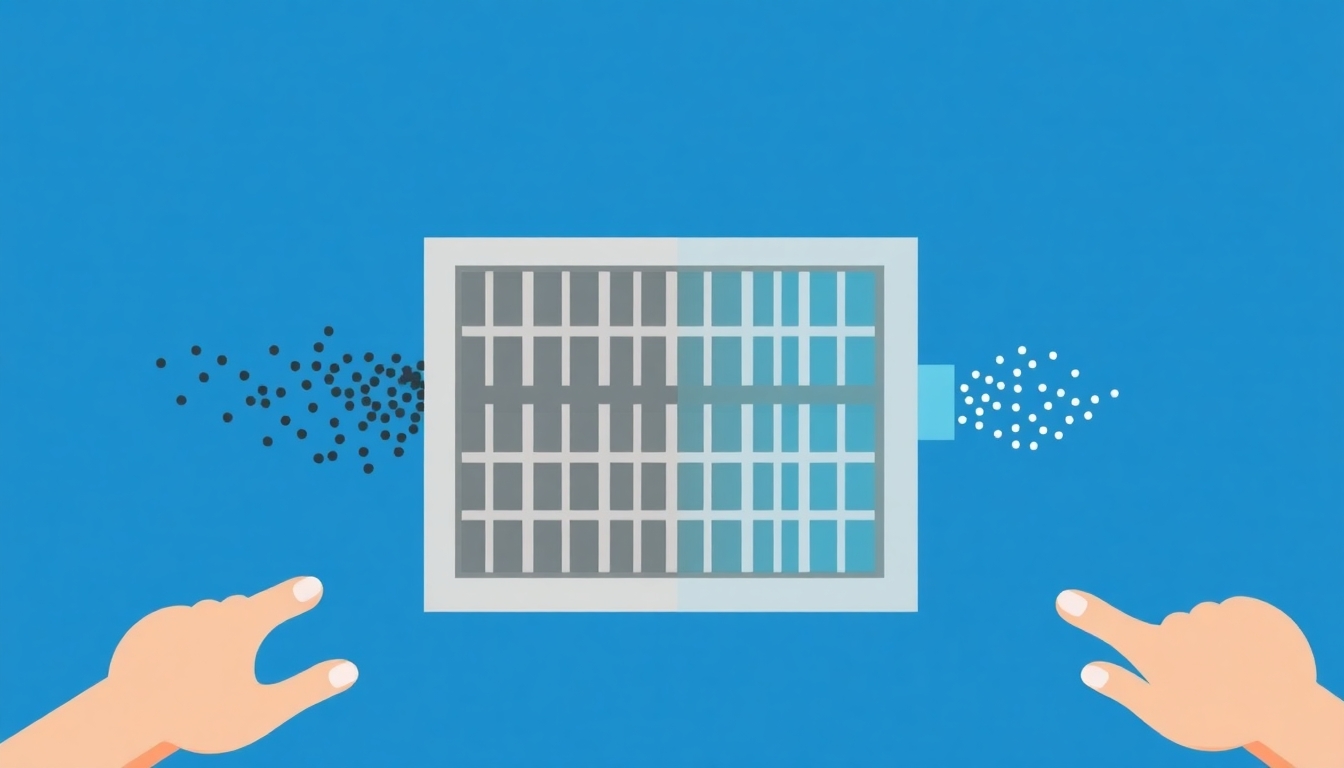
Even careful pool owners hit filter trouble now and then. Start at the pressure gauge; an unusually high reading points to a blockage. With a cartridge, make sure it's intact and free of tears, since a small oversight there can keep the pool murky. Sand filters often just need a good backwash, but if the sand looks clumpy or packed down, it's time to replace it. D.E. filters take more finesse: make sure the grids or fingers are properly coated, and if they're not, take the filter apart and clean each piece. Once I traced a recurring problem to grids that were simply out of line, and straightening them fixed it. A sharp eye and steady upkeep keep the water clear.
Before you clean, it helps to nail down your filter type once more. A cartridge filter sits in a cylindrical housing and opens up easily, much like swapping a car's air filter. A sand filter is a big round tank next to the pump with a multiport valve on top for backwashing. A D.E. filter uses grids or fingers coated in fine powder and needs fresh D.E. after every cleaning. Once you know which you have, the right method follows.
Conclusion
Hopefully these tips help you keep your filter clean and your water clear. Once cleaning your filter becomes routine, the rest of pool care falls into place.
Want to go further? Our free Pool School course covers everything from basic upkeep to troubleshooting, so you can save on repairs, keep the water clear year-round, and handle water chemistry with confidence. Over 10,000 pool owners have already taken it: Get started with our free Pool School course today!
What you need
Grab a hose with a spray nozzle, a bucket, the right filter cleaner for your type, and gloves and goggles for any acid work.