



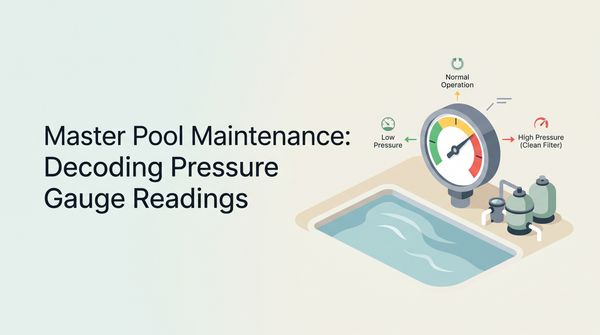
Your pool's pressure gauge is a small dial on top of the filter, and it does more than show a number. Think of it as your pool's check-engine light. When something's off inside the filter, the gauge shows it early, often long before you'd notice cloudy water or hear the pump complaining. Growing up, my family had an old pool with a mind of its own, and every spike or drop on that gauge was a clue we had to figure out.
If you're a first-time pool owner, the gauge can feel like a mystery. But once you learn to read it, it tells you a lot. A sudden jump in pressure usually means the filter is clogged and needs cleaning. A sharp drop can point to a blockage or a leak. Both are worth checking right away, and catching them early usually saves you time and money.
Reading the gauge isn't really about numbers. It's about knowing your pool. A quick glance each week keeps small problems from turning into big ones, the same way listening to your car's engine warns you before it strands you on the highway. Build that habit, and your pool stays a place to relax instead of a chore.
Your Action Plan
- Find your baseline pressure with a clean filter and write it down.
- Check the gauge weekly and log the reading.
- Clean the filter when pressure climbs about 10 psi above baseline.
- If the reading drops, check the skimmers, pump basket, and impeller for blockages.
- Release trapped air with the air relief valve when pressure spikes.
- Replace the gauge if it keeps giving readings that make no sense.
Monitor Pressure for Pool Health
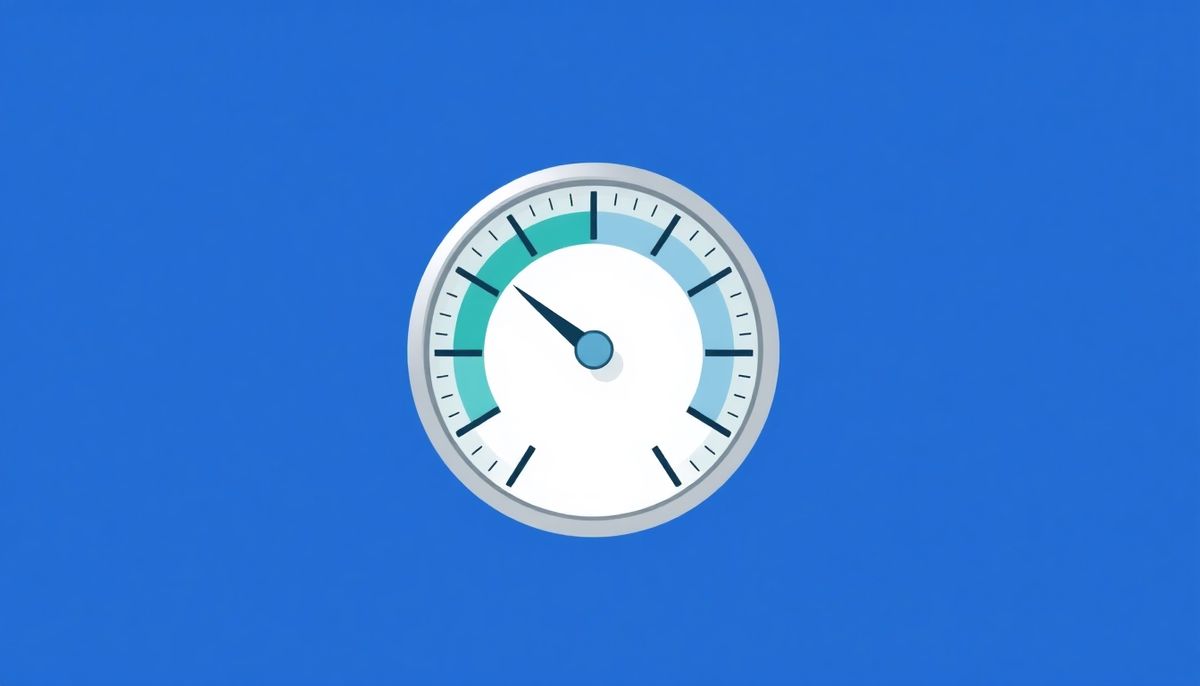
The pressure gauge works like a quiet guard, keeping tabs on your filter so a costly repair doesn't blindside you. Say it's a scorching summer day and the needle creeps past its usual mark. That can look alarming, but often it just means the filter is doing its job and holding onto built-up debris.
Set your baseline first
Your gauge only means something once you know what normal looks like for your pool. When the system is new and the filter is clean, note the reading. That's your baseline, your reference point for everything that follows. Every pool runs a little differently, so your normal might not match your neighbor's.
Here's the rule worth memorizing. If the needle climbs about 10 psi above baseline, clean the filter. A rinse often does it, though badly clogged filter media, the sand or cartridges inside your filter, may need replacing. A reading that drops well below baseline points the other way, usually a blockage or, less often, a leak.
Once the needle sits about 10 psi above your clean baseline, clean the filter; when it drops below baseline, hunt for a blockage.
Understand Pressure Gauge Readings
When you look at the gauge, you're reading how hard your filter is working, measured in pounds per square inch, or psi. Most pools sit between 10 and 25 psi, but your own normal is the one that counts. Note the reading when the filter is freshly installed and clean, then compare against that every week.
What a rising or falling number means
A rising number means the filter is trapping more debris than it can comfortably handle. That's not an instant worry, since a slightly dirty filter catches finer particles and cleans a touch better. But once you pass 10 psi over baseline, clean it, or you risk weak circulation and strain on your equipment.
A falling number tells a different story. Water isn't reaching the filter well, usually because something's blocking it, or there's a leak. Sometimes the gauge itself has quietly worn out. Either way, a quick weekly check lets you catch these shifts and fix them before they grow.
Maintain Optimal Filter Pressure
Keeping your filter healthy comes down to keeping its pressure steady, and that means checking in regularly. A weekly glance at the gauge is like keeping up with oil changes; both are small habits that pay off over the long haul.
Make it a weekly habit
Once you know your normal range, a quick look tells you whether the system is coasting or straining. A small rise now and then is fine, since a lightly dirty filter traps finer particles. Past 10 psi over baseline, give it a cleaning. If the pressure stays stubbornly high afterward, the media is probably worn out and due for replacement.
A drop usually means a blockage, so start with the skimmers, pump basket, and drain covers. A problem that keeps coming back can mean a leak, often around the pump. Read these clues and you keep your pool in balance. The gauge is your guide, not your boss, so if the numbers keep misbehaving after you've ruled everything else out, the dial itself may be the culprit.
Address High or Low Pressure
Filter pressure works like a thermometer. It doesn't fix anything; it just tells you what's happening inside the system. Learn to read the swings, and the rest is straightforward.
High versus low
High pressure means the filter needs attention. As it collects debris, the pressure naturally climbs. A small bump can even help, but a big jump, roughly 10 psi over baseline, is your cue to clean. If cleaning doesn't drop it, look at the media, since it may need swapping out.
Low pressure comes from restricted flow or a leak. Start with the obvious suspects, the skimmers and pump baskets, and clear any debris. For a suspected leak, especially near the pump, listen for odd sounds and look for water where it shouldn't be. Handle these quickly and your pool keeps running efficiently.
A slightly dirty filter isn't a problem; it actually traps finer particles, so don't grab the hose at the first small bump.
Identify Common Pressure Problems
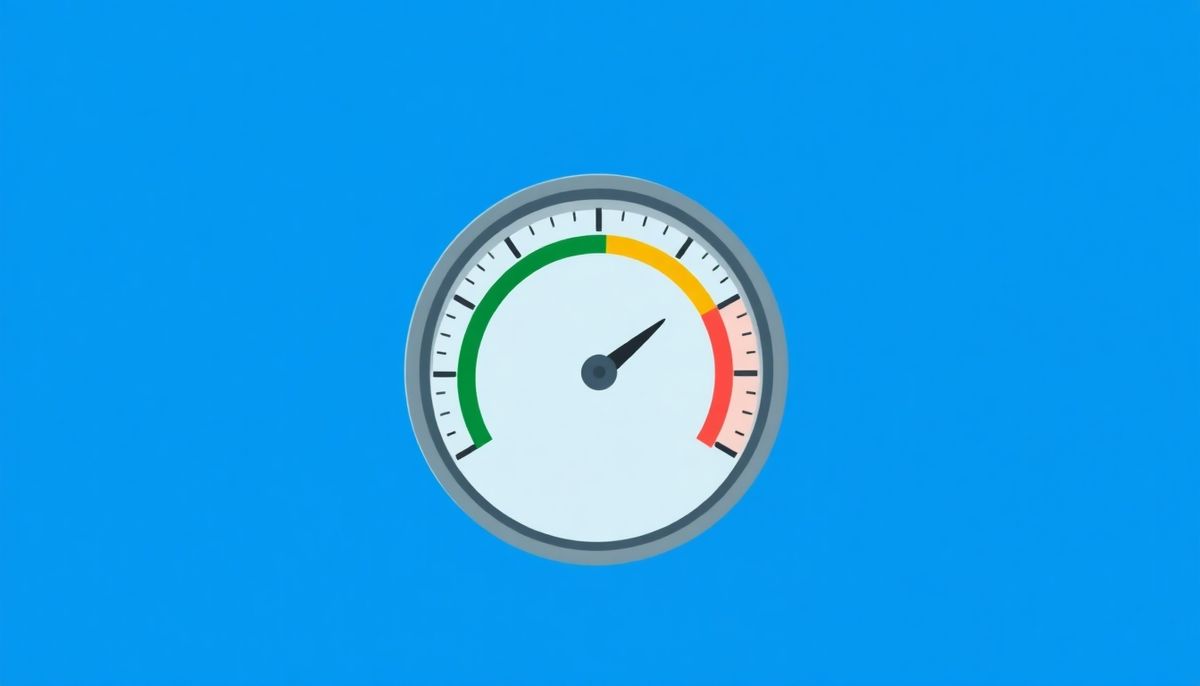
Small shifts on the gauge are your first warning of trouble. A modest rise above normal often just means the filter is catching debris nicely. Once it climbs more than 10 psi above baseline, though, it's time to roll up your sleeves and clean. A good cleaning usually brings things right back.
Low readings bring their own puzzle. If the gauge dips 5 psi or more below normal, something is disrupting the flow upstream of the filter, usually a blockage in the skimmer, pump basket, or impeller, the spinning blade inside your pump that pushes water through the system. If those parts are clear and the pressure is still low, look for a trickier cause like a leak, usually around the pump.
If everything checks out but the gauge keeps acting up, don't rule out a bad gauge. Like any tool, it wears out. Steady monitoring and quick action are what keep your pool running smoothly.
Monitor Pressure Gauge Regularly
The gauge might look plain, but it's the pulse of your filtration system, and a weekly check catches trouble before anything goes wrong. Every pool has its own baseline, shaped by pump size and filter type, so set yours under ideal conditions: clean media, a well-running pump, and debris-free water. That number tells you whether the system is a little stressed or badly strained.
Keep a simple log
My neighbor once brushed off a slight rise on his gauge, figuring it was a fluke. A week later his pump had worked itself to death. A simple filter cleaning would have prevented the whole thing.
Keep a notebook or a note on your phone with your weekly readings. You'll be surprised how fast the patterns show up. When the gauge hints at trouble, a quick check of the skimmer, pump basket, and media saves you a lot of grief. A few minutes each week can buy you a whole season of easy swimming.
Set Baseline Pressure Levels
Setting your baseline might sound trivial, but it's the foundation of good pool care. When I first set up my pool, I underestimated that little dial until an experienced friend pointed out how much it mattered.
Get two reference points
Take your first reading during ideal conditions, right after the filter is installed, the media is clean, and the pump is running smoothly. That reading is your normal. Then take another after your first cleaning, or whenever you put in fresh media. Now you've got a range to compare against, which makes it easy to spot the changes that hint at a blockage or leak.
From there, weekly checks become routine, the same way you'd glance at your car's oil. Writing the numbers down gives you a history, and a history makes trends and problems obvious. This head-start approach saves you time and stretches the life of your equipment.
Address Abnormal Pressure Readings
Just about every pool owner has had that moment when the gauge shows numbers that make no sense. Odd readings can be unsettling, but sorting them out is usually simple once you know the pattern.
When the reading runs high
A slightly high reading often just means the filter is a bit dirty and working harder, which can actually boost filtration for a while. Once you're 10 psi above baseline, though, clean the media. If it stays high afterward, replacing the media is the next step.
When the reading runs low
Low usually means something is choking the flow before it reaches the filter. Check the skimmers, pump basket, and drain covers for debris. More worrying, a low reading can point to a leak, usually around the pump, so inspect it closely and fix anything you find. If none of your troubleshooting budges the numbers, the gauge itself may have failed. Act fast on these signs and you'll dodge bigger headaches.
Maintain Optimal Pressure Levels
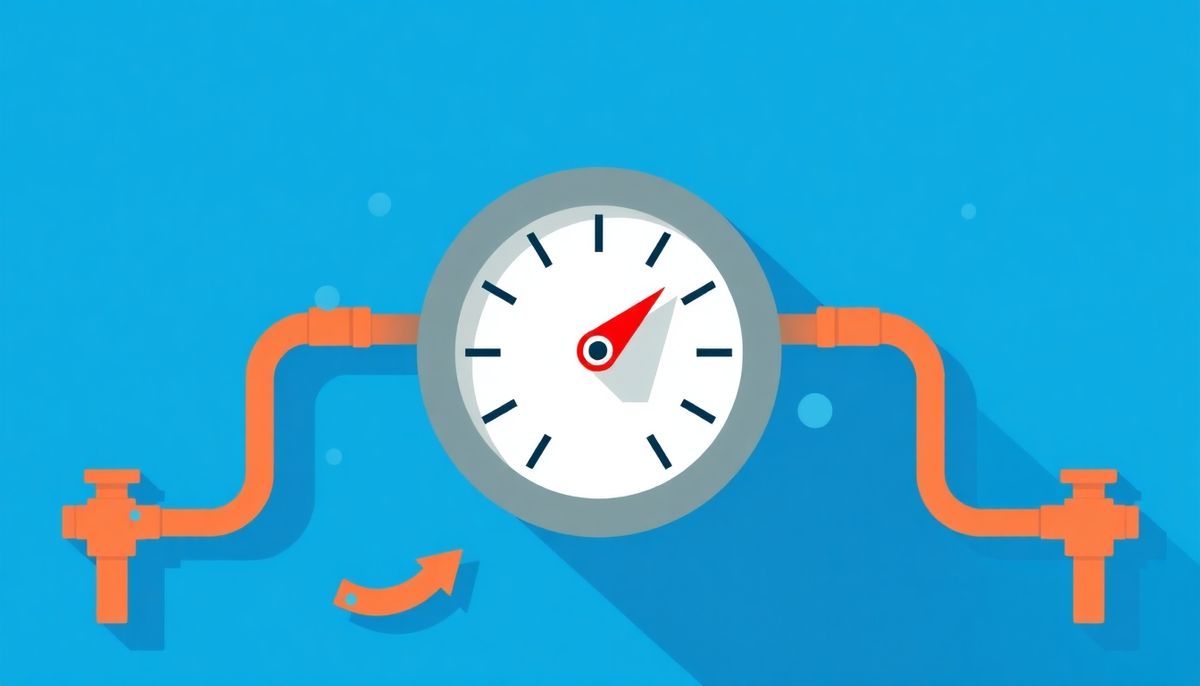
Clear water starts with understanding how pressure moves in your filter. That little dial tips you off about changes before they snowball. Every filter has its own personality, shaped by size, pump strength, and how clean it is, so get to know yours by noting the psi right after you install a clean filter. That's your benchmark.
Check the gauge weekly and jot the reading down. A slight rise might just mean the filter is grabbing more debris and doing its job. A spike of 10 psi over normal means it's time to clean or replace the media. And don't ignore a low reading; it often means a blockage or a leak. Watch the gauge, act fast, and you protect both your pool and your wallet.
Monitor Pressure with Regular Checks
Building pressure checks into your routine means you catch problems while they're still small. Start by setting a baseline when the system is new or freshly cleaned, and write it down, since it's unique to your setup. With that number in mind, weekly checks let you spot when things drift.
A high reading isn't always a disaster; a slightly dirty filter can even run a touch better. But a jump of 10 psi over baseline calls for a cleaning, and stubborn high pressure afterward usually means new media. A low reading points to blockages or leaks, so work through the system from skimmers to pump impeller. Now and then, ongoing trouble means the gauge, not the system, is at fault. Fold these checks into your maintenance schedule and your pool keeps running smoothly.
Troubleshoot High-Pressure Issues
A high reading can look scary, but a few focused steps usually clear it up. Most of the time a dirty filter is to blame. Remember, a slightly dirty filter cleans a little better, but once you're 10 psi above normal, rinse out the debris and built-up dirt. That solves it more often than not.
Check for trapped air
If cleaning doesn't drop the pressure, trapped air might be the cause. Air sneaks in when the water level drops or after you restart the system. Open the air relief valve to push that air out, and water flows freely again.
Air and dirt aren't the only culprits. Check the skimmer baskets and pump impeller for anything stuck, since a blockage there chokes the flow and drives pressure up. If the media is badly clogged or worn, replace it. And if high pressure sticks around despite all this, look at the gauge itself, because sometimes the dial is what's broken.
Before you assume the worst, remember trapped air can spike your pressure, and the air relief valve clears it in seconds.
Address Low-Pressure Concerns
When the gauge drops below its usual psi, your filter is telling you something's up, and finding the cause is a bit like detective work. Start with the skimmers, pump basket, and pool drains. A stray leaf or wedged toy can block the water's path before it reaches the filter, and pulling it out often brings the pressure right back.
If those are clear, a low reading can hint at a leak somewhere in the system. The pump is the usual suspect, so inspect it closely for moisture or drips. If you spot a leak, it might be time to call a pro or, if you're handy, take on the repair yourself. And if every check turns up nothing, your gauge might be fibbing. Staying alert helps you catch these issues early and saves money down the road.
Troubleshoot Low-Pressure Issues
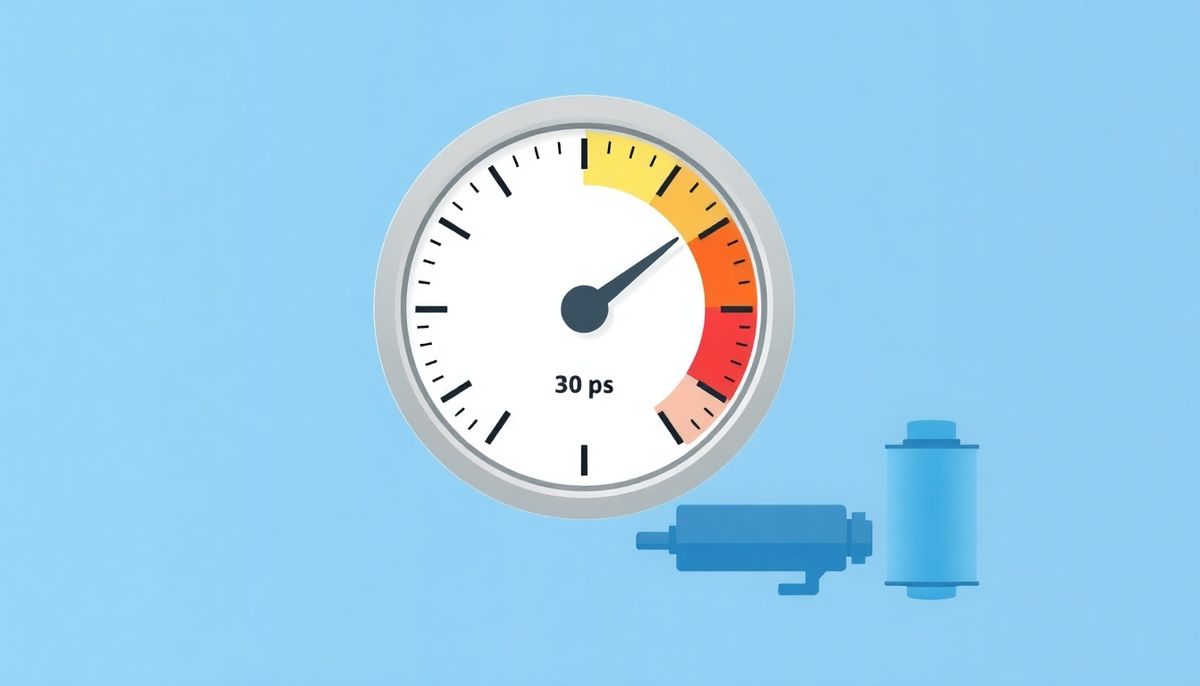
Chasing down low-pressure trouble can feel like a mystery, but the clues are usually right in front of you. First, check the skimmer and pump basket for debris. Leaves and clutter block the flow, and it's an easy fix people often miss.
Don't forget the impeller
Next, look at the pump's impeller. This small part clogs with debris fast, and a careful cleaning can solve the whole problem. A more serious cause is a leak, so check the pump and plumbing lines for any sign of escaping water. A wet spot around the pump is a giveaway, and the sooner you handle it, the better.
If everything checks out and the gauge still insists something's wrong, the gauge itself may be worn out. Replacing one is cheap, usually under $20, and it gets you accurate readings again. Stay on top of these small checks and your pool stays sparkling.
Monitor Pressure-Level Changes
Watching your filter pressure is like keeping an eye on a pot that could boil over or cool down too much. Every move of the needle tells a story. A rise above normal can look alarming, but it usually means the filter is doing its job as debris helps catch finer particles. See a jump of 10 psi or more, and it's time for a good cleaning.
A reading below normal means water isn't reaching the filter well, usually from leaves clogging the skimmers or pump baskets, and now and then from a hidden leak. Fix that fast to avoid bigger problems. Check this small part regularly and you'll head off trouble before it grows. A healthy gauge means a healthy pool.
Identify and Resolve Blockages
When the gauge strays from its normal range, it's telling you something's off. Ever stood poolside wondering why the water isn't as clear as it was last weekend? Often the cause is a blockage.
Start with the skimmers and pump baskets, where leaves and twigs pile up and choke the flow. A simple cleaning may be all it takes. If the pressure stays high or low, check the pump impeller, since this easy-to-overlook part can jam and drag down the whole system. Clearing it usually restores the flow.
Sometimes the problem isn't a blockage but trapped air, especially when the water level is low. Top up the water or use the air relief valve to fix it. And if nothing works, ask whether the gauge itself is simply due for a replacement.
Release Air from System
The air relief valve is easy to overlook, but this little part quietly protects your system from damage. Picture yourself relaxing when the gauge suddenly spikes. Your first thought might be a cleaning, but releasing trapped air could be the real fix.
Where the air comes from
Air sneaks in when the water level drops too low, or after you shut things down for maintenance or a vacation. On restart, it competes with water for space, which raises pressure and strains your equipment. Gently open the valve, and the air escapes, bringing the flow back to normal.
My own pool hit this snag after a long winter break. The gauge hinted at trouble, and a quick release through the valve set everything right, saving me time and worry. Keep the air relief valve in mind as a quiet ally, and let the air out whenever you need to.
Use the Air-Relief Valve Effectively
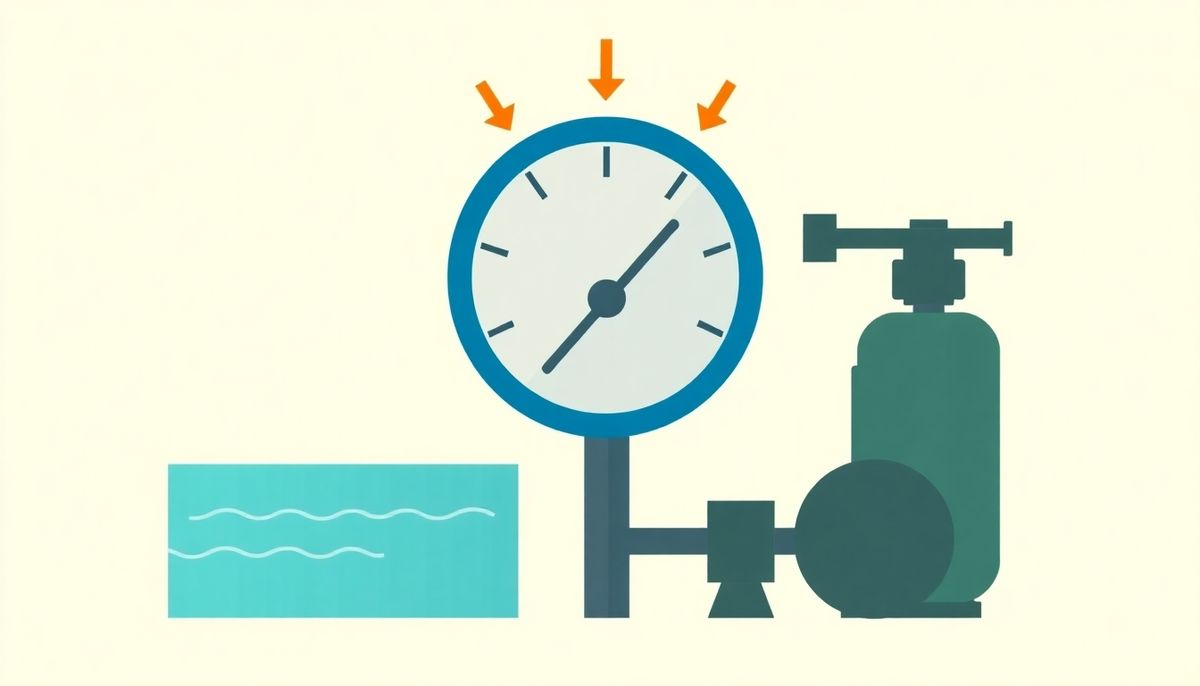
The air relief valve sits quietly next to the more noticeable gauge, but it plays a big part in keeping your pool healthy by letting trapped air escape so water flows the way it should.
Think about coming back from a trip, firing up the system, and finding the gauge creeping toward the high end. That spike often means air is trapped and fighting the incoming water for space. Open the valve, let the air out, and the water flows smoothly again, which spares your pump from strain.
Get in the habit of checking the valve during routine maintenance. If the gauge is swinging or acting up, a quick release of trapped air might be all you need. Add this small step, and your filter and pump last longer.
Monitor Pressure Levels Regularly
Checking the gauge regularly is like glancing at your dashboard while you drive; it keeps you informed and in control. A friend once told me how skipping this simple task landed him a hefty repair bill when his filter failed. Steady monitoring heads off exactly that kind of surprise.
Write down what you see
Each week, when you do your pool care, jot down the current reading alongside skimming leaves and checking chemicals. Those numbers reveal trends, like a slow climb that says the filter needs cleaning, or a sudden drop that points to a blockage. A high reading isn't always an alarm; a slightly dirty filter works a little better for a while. But once you hit 10 psi over baseline, clean it. If the pressure dips below normal, look for blockages or leaks. Listen to the gauge, and your pool rewards you with clear water and no surprise repairs.
Address High-Pressure Warnings
Every so often the gauge throws up a high-pressure alert that needs attention right away. A slightly dirty filter can run more efficiently, but pushing 10 psi past normal calls for action. Start with a cleaning; that usually restores the balance. If the pressure stays high afterward, the media may be past saving.
Sometimes the cause isn't dirt but trapped air, common after the pool has been off or when the water level is low. Air drives up the pressure and strains the pump, so use the air relief valve to let it out. Regular upkeep of the skimmers, pump basket, and drain covers keeps out the debris that causes most swings. And when stubborn high pressure hangs on, check for a leak around the pump. Handle these warnings promptly and your system stays in top shape.
Conclusion
Now that you can read your gauge, you're a big step closer to hassle-free pool care. Keep up the weekly checks, trust what the needle tells you, and most problems will stay small and cheap.
Want to go further? Our free Pool School course covers everything you need to know about pool care, from basic upkeep to advanced troubleshooting. You'll learn how to:
- Save thousands on pool repairs and chemicals
- Keep your water crystal clear year-round
- Prevent and solve common pool problems
- Master water chemistry with confidence
Join over 10,000 pool owners who have already transformed their pool care routine. Get started with our free Pool School course today!
What you need
Grab a replacement pressure gauge, a filter cleaner or fresh cartridges, and a simple log to track your weekly readings so you can act the moment something drifts.