



Looking out at your pool, the last thing you want is a bunch of worms ruining a good soak. Yet there they are, wriggling around in water that was clean yesterday. Finding worms in your pool is both puzzling and annoying, and it turns inviting water into something you'd rather skip. I've been there. After one rough, stormy night, I woke up to worms lining the edges of my pool. Not the morning surprise I was hoping for.
So why do worms end up in your pool? Usually it's a mix of heavy rain and whatever's growing around your home. When rain soaks the soil, worms come up looking for higher ground and slip right into the water. They can't climb back out, which leaves you to handle the cleanup.
In this guide, I'll walk you through practical ways to take back your pool and keep it worm-free. From steps you take ahead of time to quick fixes on the spot, there's plenty you can do. Whether you've owned a pool for years or you're new to all this, these tips will help you keep the water clear and your backyard easy to enjoy.
Your Action Plan
- Cover the pool with a solar cover on cool nights and before storms.
- Raise your pool deck a few inches to slow worms down.
- Lay a line of crushed limestone along the deck's edge.
- Move garden beds and plants at least 20 feet from the water.
- Skim and clean the deck after every rain.
- Save insecticides for a true last resort.
Implement Solar Pool-Cover Solutions
The quiet hero: a solar pool cover
A solar pool cover might feel like an extra chore, but it does a great job against worms. Think of it as a blanket that keeps your pool warm while blocking anything trying to crawl in. It can raise the water temperature by up to 15 degrees and cut evaporation a lot, which saves both your water chemistry and your patience.
Yes, pulling the cover on and off is a hassle, especially on spur-of-the-moment pool days. But timing is everything. Put the cover on during the risky stretches—cool nights, or when heavy rain is coming. That one move means worms hit a wall instead of open water when they surface.
One tip: buy a cover that's easy to handle. Some designs are simple enough that it barely feels like a job, and many come with warranties, so you get a little peace of mind too.
Install Solar Pool Covers
Why solar beats a standard cover
Worms are great for gardens but a lot less welcome by the pool. A friend of mine learned this last summer. Her pool sat among thick landscaping and drew worms every time it rained. Tired of the cleanup, she tried a solar cover and hasn't looked back.
Unlike a plain pool cover, a solar cover keeps worms out and gives you extras. It warms the pool by up to 15 degrees, which makes an evening swim far more tempting, and it cuts water and chemical evaporation, which helps the environment and your wallet. They can be awkward to move when you're rushing, but newer designs handle easier.
During wet or unpredictable weather, covering the pool matters most. It's not an everyday fix, but paired with your usual maintenance, it cuts worm invasions a lot. Next time a storm's on the way, slip the cover on.
Covering your pool before a storm is the single best move you can make against worms.
Optimize Deck Design
Let your deck do the work
Here's a twist: your deck design can be your first line of defense. Worms aren't great navigators, so changing their path noticeably cuts their accidental swims.
Raise your deck a little above the ground around it. That mild rise is tough for worms to cross. It won't turn your pool into a fortress, but it tips things in your favor. When my uncle redid his pool deck, the small slope he added looked good and clearly cut down worm visits.
Smart landscaping helps too. A border of gravel or stone around the pool makes the area far less welcoming, since worms prefer soft soil. Just make sure the gravel doesn't wash into the water during heavy rain. For a bit more deterrence, run strip lighting along the deck's edge. Bright light throws worms off and sends them looking for darker spots, and it adds a nice glow for evening swims.
Utilize Limestone Barriers
Crushed limestone: a natural barrier
Limestone is useful in all sorts of ways, and it might be the quiet workhorse in your fight against worms. Lay it around the edge of your pool and it forms a barrier few worms will cross. I doubted this at first—could a plain rock really keep them away? It can, and here's why.
Crushed limestone raises the soil's pH. Worms are sensitive to that change and find the new ground unwelcoming, so they stay away. A friend tried it after a rainy season and saw a real drop in worms. Best of all, it's non-toxic, so your garden's safe.
Keep the weather in mind, though. Heavy rain can wash limestone into the pool, which can raise your pH, cloud the water, or leave scale on the walls. I found traces of it in my filter after one downpour. So regular water testing is a must. Even with that caveat, it's a natural, effective way to keep the numbers down. Next trip to the garden store, grab a bag.
If you use limestone, test your water regularly—rain can wash it in and cloud your pool or spike the pH.
Elevate Pool Deck for Fewer Worms
A few inches makes a difference
Raising your pool deck might be the quiet hero against worms. Lift the deck a little and you create a small barrier. That rise acts like a gentle slope, making it harder for worms to reach the water.
During my own backyard redo, raising the deck by just a few inches meant fewer unwanted guests. It's not a total fix, but it seriously cuts the number trying to breach the edge. If you're planning a renovation or building new, that's the perfect time to work a rise into the design.
Is such a small change worth it? The results say yes—fewer worm rescues and a cleaner pool. Paired with crushed limestone or smart landscaping, a raised deck becomes a cornerstone of your defense.
Utilize Solar Pool Covers
Make the cover part of your routine
A solar cover pulls double duty: it cuts worm invasions and warms your pool. Rolling it on and off isn't glamorous, but using it during cool spells or before a downpour keeps your water worm-free and warm.
The sun's heat, held in by the cover, can raise the water temperature by up to 15 degrees, so every swim feels better. It also cuts evaporation, saving water and chemicals. Modern covers are built for easy handling, and many come with multi-year warranties. A quick roll on when rain threatens, off when the skies clear, and it's part of your routine.
Elevate and Modify Pool Deck
Reshape the edge of your pool
Walking barefoot on a warm deck should feel great, not squishy. One good way to keep worms away is to change the landscape around the pool's edge. Raise the deck a little and you create a gentle incline that's much harder for worms to cross. Even a few inches of raised concrete cuts the number of would-be swimmers—some stubborn worms will try, but many turn back or dry out first. A decorative border of crushed rock or gravel discourages them further.
For a natural barrier, sprinkle crushed limestone along the deck's edge. It raises the soil's pH, which worms dislike, and it looks tidy. Just watch for heavy rain, which can carry limestone into the pool and throw off the balance. Regular testing keeps everything in check.
Adjust Landscaping for Worm Control
Give worms a longer trip
A nicely landscaped poolside is hard to resist—and it's a quiet invitation for worms. A few smart changes keep both the looks and the peace.
Start with the distance between your pool and the plants around it. Push that gap to about 20 feet and you create a buffer that discourages worms from heading for the water. The extra ground makes it less likely they'll reach the pool before the sun sends them back.
Raising the edge of your deck helps too. If it meets soil or grass seamlessly, a slight rise acts as a subtle barrier—even a small incline puts worms off. And a border of crushed limestone shifts the soil's pH into poor worm territory. Just remember rain can wash it into the pool, so keep testing.
Relocate Landscaping to Prevent Entry
Move your garden beds back
Your yard's layout plays right into whether worms show up in your pool. When flower beds or green patches sit too close, you're rolling out the welcome mat. Move garden beds and soil-heavy landscaping at least 20 feet from the edge.
I learned this the hard way. A patch of marigolds near my pool wasn't just drawing bees—after I moved the blooms farther out, I saw far fewer worms. Give them a longer trip and more turn back or dry out before they reach the deck.
Raising the concrete where the deck meets the garden helps, since worms aren't climbers. A line of crushed limestone along the boundary nudges them the other way too. Small changes, big payoff—your pool stays clean and your garden stays healthy.
Implement Pool Deck Adjustments
Tweak the slope and keep up with cleanup
An ongoing worm problem often eases with a few deck tweaks. First, change the slope. A slight rise puts worms off, since they struggle with even modest inclines. My neighbor Mark saw a real drop after raising his deck a couple of inches—not a total fix, but it eased his skimming.
Next, think about materials. Crushed limestone along the edge works as a natural barrier because worms avoid the higher pH. My cousin tried it and cut the numbers way down. Keep an eye out, though, since heavy rain can wash it into the water.
Finally, regular upkeep matters most. After a storm, spend a few minutes clearing stray worms off the deck before they tumble in. That simple habit keeps plenty of them out of the water.
Stretch your swimming season
Among all the fixes, solar covers stand out for their extra perks. In the wetter months they can become your best friend—they block worms and warm the water at the same time. A cover that holds heat can stretch your season by a few weeks.
I get the reluctance to roll them out and reel them back in. So use the cover mainly during cooler months or when rain's in the forecast, when worms are most active. Look for easy-handling features like built-in reels or lightweight material. They save on water and chemicals by cutting evaporation, and many come with long warranties.
No single trick keeps every worm out—layering a few of them together is what actually works.
Incorporate Crushed-Limestone Barriers
Draw a line worms won't cross
Even clean pools get uninvited guests, and a crushed-limestone barrier is a clever way to stop them. Lay a line around the edge of your deck and worms find it far from inviting.
They avoid high pH, so they'll think twice before crossing. The limestone shifts the soil's acidity and steers them away, and it blends right into your landscaping.
One caution: during heavy rain, limestone can wash into the pool and throw off the chemistry. Check your pH and alkalinity regularly, especially after a downpour, to keep the water clear and your filter clean.
Use Crushed Limestone as a Deterrent

Watch the weather when you use it
Crushed limestone is a lesser-known but effective trick. Sprinkle it around the edge and it shifts the pH of the nearby soil—worms are picky about their surroundings and find the new ground unwelcoming, so they change course.
It has its wrinkles. Heavy rain can wash it into the pool, upset the chemistry, and even clog filters, so you'll want to watch your pH. A friend swears by this and says it saved him hours of fishing worms out of the skimmer. Give it a try, just stay on top of the weather and your chemical balance.
Implement Landscape Modifications
Rework the borders
You've just skimmed a worm out, and now you're eyeing the landscaped borders. This is where a little reworking earns its keep. Look at where your deck meets your garden—worms end up in the water because the soft, worm-friendly zone sits too close. Move garden beds and plantings at least 20 feet back.
Raise the concrete slightly above the surrounding ground and you form a natural barrier. Even a small incline redirects worms and cuts their numbers. Adding crushed limestone makes the ground less inviting thanks to its higher pH—just test the water regularly, since heavy rain can wash it in. You won't say goodbye to every worm, but you'll welcome far fewer.
Utilize Crushed Limestone Effectively
A thin layer where deck meets earth
A sunny day's calling and your lounge chair is whispering your name—but first, the worms. Crushed limestone is a simple, effective ally. Spread a thin layer where your deck meets the earth and it raises the soil's pH, creating conditions worms avoid. When they surface after rain or during cooler hours, they'll steer clear.
It's easy to set up and works as a gentle deterrent, steering worms away before they slip over the edge. Still, in heavy rain it can wash into the pool and change the chemistry, so keep testing and balancing. A little planning turns your pool back into the calm spot it should be.
Consider Alternative Solutions
More ways to send worms packing
Pools and worms aren't a dream match, but a few fresh tactics help. First, invite natural predators. Birds like robins and thrushes love worms, so making the area bird-friendly can bring numbers down naturally. Set up feeders and birdbaths a safe distance from the pool so you draw the birds without inviting them for a swim.
Diatomaceous earth is another option. This fine powder, made from the fossilized remains of tiny water organisms, can be sprinkled around the edge. When worms cross it, the sharp particles dry them out. It's a good eco-friendly fix—just apply it carefully and keep it out of the water.
For a tech option, try motion-activated sprinklers. A sudden burst of water sends worms off with no chemicals, and it deters other pests too. And play with your lighting: worms are more active at night, so soft pool lighting can throw off their wandering. Come at the problem from a few angles and you'll keep the poolside healthy.
Consider Insecticides for Severe Issues
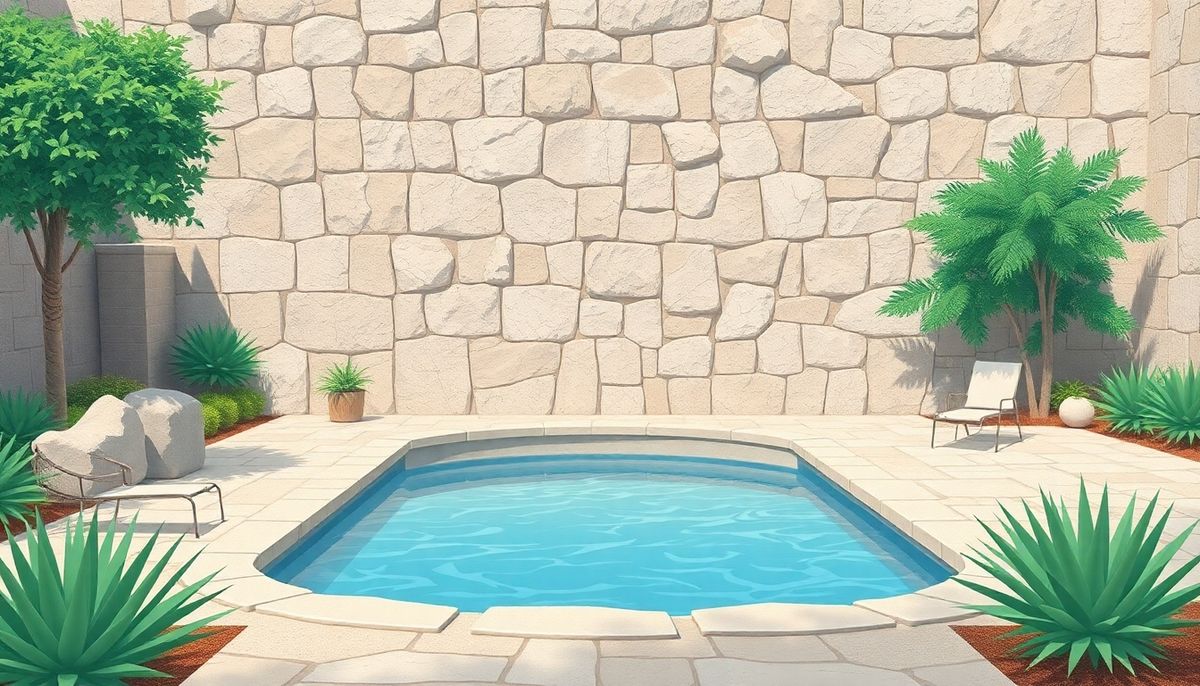
When to reach for insecticide
If worms keep invading despite everything, insecticide might be a last resort. It's not your first move, but some situations call for a stronger step. I've had my run-ins with nature, and sometimes it takes more than a gentle nudge.
Weigh the trade-offs. Spraying the grass or landscaping around the pool can cut worms and other insects, which helps if covers, deck changes, and limestone haven't worked. But insecticides don't pick and choose—they can harm helpful insects and hurt your plants.
Before you spray, weigh how bad the problem is against the damage to your garden. In my experience, a mix of prevention and a little targeted insecticide strikes a balance. If you go this route, pick products safe for poolside use and follow the directions closely.
Implement Solar Pool Covers
One more case for a solar cover
After a long day, few things beat a dip in a clear, worm-free pool. A solar cover is an easy-to-miss but effective way to keep worms out. It forms a barrier while soaking up the sun to warm the water below.
Solar covers do more than protect. They can raise water temperatures by up to 15 degrees Fahrenheit, stretching your season without a big energy bill, and they cut evaporation, saving you time and money on refilling and rebalancing. Covering and uncovering can feel like a chore, so save it for heavy rain or cooler days. Pick a user-friendly design and you'll actually use it.
Elevate Pool Deck Design
Design the deck against worms
A pool loses its charm fast when worms sneak in, so your deck design might be your secret weapon. Raising the deck is a subtle but effective barrier—worms struggle to climb even modest inclines. Build a slight rise where your deck meets the landscape and fewer worms make it to the water.
There's more than height, though. Decorative edging or a shallow gravel-filled trench improves the look and makes things harder for wandering worms. Plant smartly around the boundary, too—plants that like well-drained soil naturally keep worms from gathering nearby. These tweaks won't banish every worm, but a smart mix of raised decking and careful planting makes a real difference.
Conclusion
Keeping worms out is just one part of enjoying your pool. Want to get better at the rest? Our free Pool School course covers everything you need to know about pool care. From basic maintenance to advanced troubleshooting, you'll learn how to:
- Save thousands on pool repairs and chemicals
- Keep your water crystal clear year-round
- Prevent and solve common pool problems
- Master water chemistry with confidence
Join over 10,000 pool owners who have already transformed their pool care routine. Get started with our free Pool School course today!
What you need
Grab a solar pool cover, a bag of crushed limestone, and a reliable water test kit—that trio handles most worm problems before they start.