



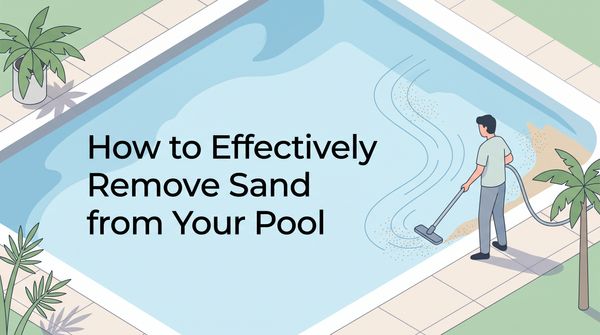
Stepping onto grit at the bottom of your pool is a special kind of annoying. You came out to relax, and instead you're standing in what feels like a sandbox. It's a common problem, and it leaves a lot of pool owners wondering how sand got into the water in the first place.
Sand sneaks in through a few surprising routes. Cannonballs or a strong breeze seem like the obvious suspects, but the real source is usually quieter. A broken sand filter can slowly drip fine grains into the water without you noticing. Nearby landscaping or recent yard work can add to the pile too.
Knowing where the sand comes from matters, but the real work is clearing it out and stopping it from coming back. The fixes range from a good vacuuming routine to a filter repair. I've been through it. Last summer I fought a stubborn sand problem, and a mix of focused cleaning and a careful look at my filter finally sorted it out.
Below, I'll walk you through what to check, how to clean it up, and how to keep the sand away for good. It's easier than you'd think.
Your Action Plan
- Confirm it's really sand, not mustard algae, with a quick brush test.
- Open your sand filter and inspect the laterals and standpipe for cracks.
- Replace any broken parts, then refill the filter with fresh sand.
- Vacuum the pool on "waste" mode, working the areas below the return jets.
- Backwash the filter, then run it to catch any fine particles left behind.
- Keep up with filter maintenance and block wind-blown sand to prevent repeats.
Identify Sand Sources
Before you deal with the gritty mess underfoot, you need to figure out where it's coming from.
Check the filter first
Start with your filtration system. Sand filters work well, but they're often the first thing to blame. Over time, parts like the standpipe or the laterals (the little arms at the bottom of the filter) can crack, letting sand slip out into your pool. If your water hasn't looked as clean lately, this is a likely reason.
Look around your yard
Maybe you don't have a sand filter. In that case, scan your yard for spots that could feed sand into the water. Wind carries sand off nearby landscaping or a construction site with ease. Kids playing close by, with sandy feet or toys, add to the pile without meaning to.
Rule out mustard algae
There's one more possibility. What looks like sand might be mustard algae, a pool pest that mimics that grainy look. A quick brush test tells you the truth: brush a patch and watch. Real sand billows up in a little cloud, then drops back to the floor within a few seconds. Mustard algae turns the water cloudy and stays suspended.
Before you clean anything, make sure you're dealing with real sand and not mustard algae dressed up to look like it.
Diagnose Sand Filter Issues
If you suspect the filter, start inside, because the trouble usually lives in the standpipe and laterals. The standpipe is the backbone of your filter, guiding water where it needs to go. A crack in it throws off the flow and lets sand slip through.
The laterals matter just as much. They sit at the bottom and hold the sand back. Each one has tiny holes that let clean water through while keeping the sand in place. But if a lateral cracks, sand sneaks through those openings and ends up in your clear pool.
A bit of prep makes all the difference. Before you start, have replacement standpipes and laterals ready to go. That planning saves you a lot of pool downtime. Swapping these parts works much like changing the filter sand, with the extra step of replacing the damaged pieces. Once the filter is fixed, grab a pool vacuum and hit the spots below the return jets, where sand likes to settle.
Replace Damaged Filter Components
When your pool turns into a sandy beach, look at the filter parts that may have let you down. That filter keeps your water clear, but now and then it wears out and lets sand escape.
The likely suspects are the laterals or the standpipe inside. These parts hold the sand in place while letting water flow back into the pool, and over time, pressure or aging plastic can crack them. My neighbor ran into exactly this. His pool suddenly looked like a tiny desert, and after a look inside, he found a crack in one of his laterals.
To fix it, take the filter apart and replace the worn or broken pieces with a new standpipe and fresh laterals. Keeping those parts around before you need them can save the day.
Address Sand Accumulation in Pool
Sand can look like a big problem at first, but it's simple to handle once you know the source. The usual cause is the sand filter, specifically the standpipe or laterals inside. Think of those as the guards of your pool's clarity. Once they crack, they let sand ride back into the water along with everything the filter cleans.
So start at the root. Check the filter for damage and replace any broken pieces; spare parts on hand make the repair quick. Once the filter is fixed, get your water clear with manual removal. Grab a pool vacuum or a fine mesh net and collect the sand off the floor. The job's easier because sand tends to settle below the return jets instead of spreading everywhere.
Repair Your Sand Filter
Sand across the pool floor is usually a signal, most often pointing to trouble in your sand filter. The good news is that fixing it is less of a chore than it looks.
First, gather the replacement parts. Broken laterals or a cracked standpipe are the usual culprits, so having spares ready saves time and stress. Replace those parts before you add fresh sand, using the same steps you'd follow when you change the filter sand normally.
With the filter back in shape, turn to the pool itself. Sand tends to collect near the returns, which makes it easier to deal with. A pool vacuum and a good brush let you sweep and remove the grains bit by bit. Repairing the filter doesn't just stop sand from coming back; it helps your whole system run better.
Diagnose Filter Malfunctions
Spotting a filter problem is tricky, but doable. When something goes wrong, the filter starts dropping hints. The usual suspects are the laterals and standpipe, built to keep sand where it belongs. When they crack or wear out, sand slips into your pool.
One summer, I noticed my pool losing its clarity. Looking closer, I found a thin trail of sand piling up on the floor, right below the return jets. A quick check turned up a crack in one of the laterals, small but big enough to throw off the whole system.
You might wonder how these parts break. The weight of the sand, plus years of steady use, causes slow wear. A shift in the filter's position or a sudden bump can crack them too. Keep an eye on any changes in your pool's sand pattern, since they usually lead back to the filter. Check these parts and replace them if you need to.
Replace Broken Parts
Those grains on the bottom are a sign something's off with your sand filter. Broken parts inside are the usual cause, and they need attention before your pool starts to look like a desert.
The laterals and standpipe are what keep the sand in place. The laterals, with their tiny holes, filter water without letting sand slip through. But these plastic parts crack with age or rough handling, and it's like a small crack in a dam: eventually everything leaks through.
What the repair actually involves
Replacing broken parts isn't just swapping old for new. You'll start by draining the filter, removing the old sand, and checking each part closely to catch every flaw. Once you've found the guilty pieces, fit in the fresh parts and refill the filter with new sand. Keeping spare laterals and standpipes around is smart, so a surprise failure doesn't leave you stuck.
Remove Pool Sand
Once you've handled the filter, it's time to deal with the sand itself, and it's more straightforward than it seems. Grab your pool vacuum or a special sand vacuum attachment. Vacuum slowly, focusing on the area around the return jets, where sand collects. This works best if the sand hasn't had much time to spread.
For stubborn grains, a pool brush helps. With gentle but firm strokes, sweep the sand into a pile so it's easier to vacuum. As you work, keep an eye on the filter pressure. If it starts climbing, stop and backwash the filter, which means running it in reverse to flush the trapped debris out of the system.
Remove Sand Efficiently
Grab your pool vacuum and set it to waste mode, which bypasses the filter so no sand gets recirculated. After you connect the vacuum head to the telescopic pole and attach the hose, dunk everything underwater to push out the air bubbles. Then focus on vacuuming right below the return jets, where sand tends to gather.
Vacuum on "waste" mode, because if you use the normal filter setting while the laterals are broken, the sand you pick up shoots right back into the pool through the return jets.
Slow and steady wins here. Fast moves stir up the sand and make it harder to catch. Once you've cleared the visible sand, switch to the pool brush and nudge any leftover grains toward the main drain or into one pile.
Every so often, tiny bits slip past you. For those, a clarifier helps, a chemical that clumps fine particles together until they're big enough for the filter to catch. Always follow up with a backwash to clear the collected debris out of your filter.
Fix the Sand Filter
The cause of sand is usually the sand filter. This gear is built to keep your pool clean, but when it fails, it becomes the source of the problem.
First, the diagnosis. Your filter relies on a set of laterals and a central standpipe to sift debris out of the water. Over time, stress or accidental damage can crack these parts and let sand escape. A friend of mine was baffled by the sudden sand in her pool until she traced it to a cracked lateral. An easy fix, but it showed why regular checks matter.
Once you've found the faulty parts, get to work. The process is a lot like changing your filter sand, with one added step: replacing the damaged standpipe or laterals. Take off the filter's top, carefully remove the old sand, check the parts for cracks, swap out what's damaged, refill with fresh sand, and put it back together. Have the replacements ready before you start so you don't take the filter apart twice.
Remove Sand from Pool
Getting sand out of your pool is straightforward with the right approach. Start by switching your pump to the 'waste' or 'drain' setting if it has one. That way, the sand goes straight out of the system instead of cycling back into the water.
Use a manual pool vacuum, since automatic cleaners often struggle with sand. Start closest to the pool returns, where sand piles up, and move slowly so you don't cloud the water and end up waiting for it to settle.
For smaller bits, a pool brush helps sweep the sand toward the vacuum. Once the bulk of it is gone, run the filtration system for a few hours to clear any leftover particles, then backwash the filter so it doesn't clog.
Prevent Sand from Returning
A few proactive steps keep sand from turning up in the first place.
Stay ahead of filter wear
Check your sand filter regularly. A quick look now and then heads off a lot of hassle, and you'll catch a lateral or standpipe that's close to breaking before it fails. Backwash regularly too, but don't overdo it, since too much wears the parts faster. When you replace the filter sand, use good-quality media. Cheap sand seems like a deal, but it leads to more frequent problems.
Keep spares and watch your surroundings
If you like a little DIY, keep spare parts around. A replacement standpipe or lateral on hand means you're ready for a surprise breakdown. It's the pool owner's version of a first aid kit. Last, watch your pool's surroundings. If you live in a sandy area, or the kids bring home half the sandbox, a quick rinse before swimming keeps that debris from hitching a ride into the water.
Prevent Future Sand Intrusions
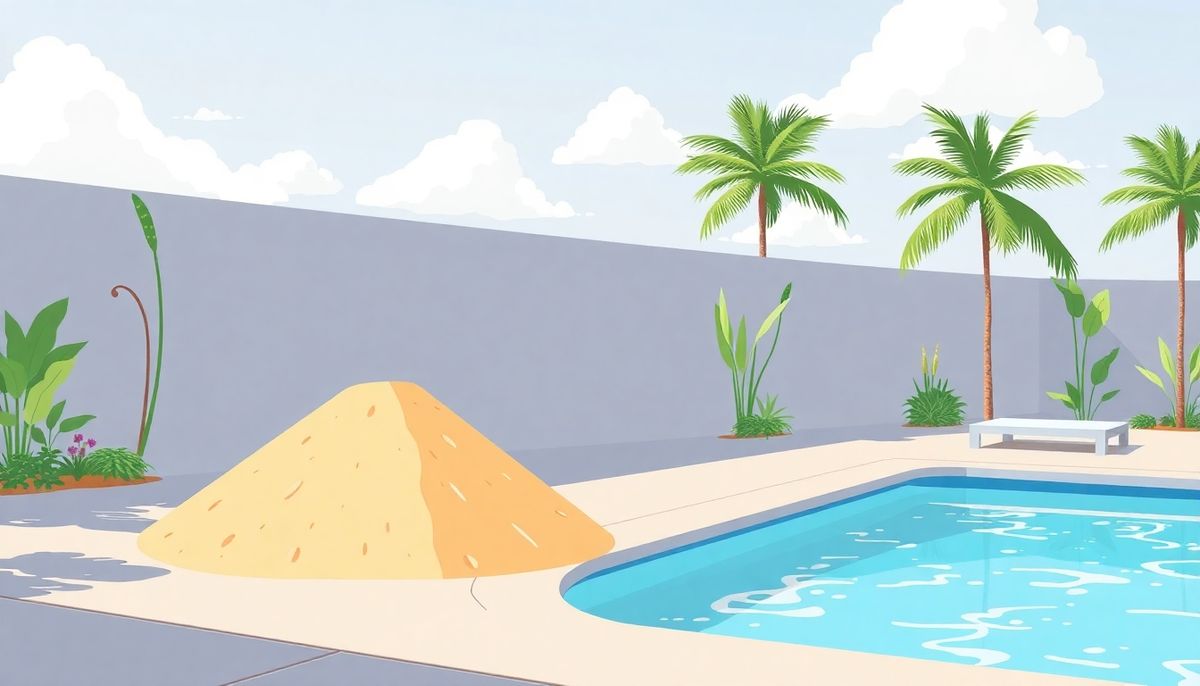
Give your sand filter a thorough check at the beginning of each swimming season. You wouldn't set off on a road trip with bald tires, so don't jump into summer without making sure your pool gear is in good shape.
A quick filter check at the start of each season prevents most sand problems before they even begin.
Routine maintenance is about more than fixing what's broken. Backwash your filter regularly to keep debris from building up, and change the sand every three to five years, depending on how much you use it. This keeps the laterals and standpipe in good shape.
Think about the layout around your pool, too. If your backyard looks like a mini desert because of the landscaping, consider barriers like plants or a retaining wall to hold back wind-blown sand. It also helps to remind swimmers to rinse off at a nearby shower or hose before they jump in.
Inspect and Repair Sand Filters
Sand filters are great at keeping your water clear, but they can also be the reason sand ends up in your pool. Start by shutting off the filter system for safety. Then open the housing and carefully scoop out the old sand. This is where you might spot the problem: cracked laterals or a damaged standpipe. The laterals look like delicate spokes at the bottom of the filter, and they crack over time, especially after heavy use or an accidental bump.
With the detective work done, replace any broken parts with new ones you've bought ahead of time. Installing fresh laterals or a standpipe follows the same steps as changing the sand. Once your filter is back together, double-check everything and line the parts up carefully before you add new sand.
When sand settles at the bottom of your pool, the cause is often a damaged filter part. Your sand filter is built to clean, but sometimes it needs a little care of its own. Whether it's the standpipe or the laterals that gave way, finding and replacing these parts is key.
The standpipe, the backbone inside your filter, can crack during routine maintenance or simply with age. The laterals at the base can also give out under pressure and let sand slip past. Swapping these parts sounds tricky, but it follows the same steps as changing the filter sand. You'll take the filter apart, remove the old pieces, and put in the new ones. Keeping spares on hand saves a lot of hassle. Once the new parts are in, reassemble the filter with care.
Identify and Remove Pool Contaminants
When an unexpected layer of grit shows up at the bottom of your pool, play detective before you grab the vacuum. Is it really sand, or something else?
Start by checking how the stuff behaves. Sand tends to sit quietly on the pool floor and drops right back down if you disturb it. But if the granular material swirls into a fine cloud and hangs there, you're probably dealing with mustard algae. This sneaky algae looks like sand but needs a different approach. For sand, a pool vacuum does the job; for algae, you'll need a shock treatment.
Once you've confirmed it's really sand, look over your sand filter for wear or damage. Cracked laterals or a faulty standpipe can let sand escape, so make sure the filter works right to stop it happening again. Then a simple vacuum session should bring your pool back.
Differentiate Sand from Algae
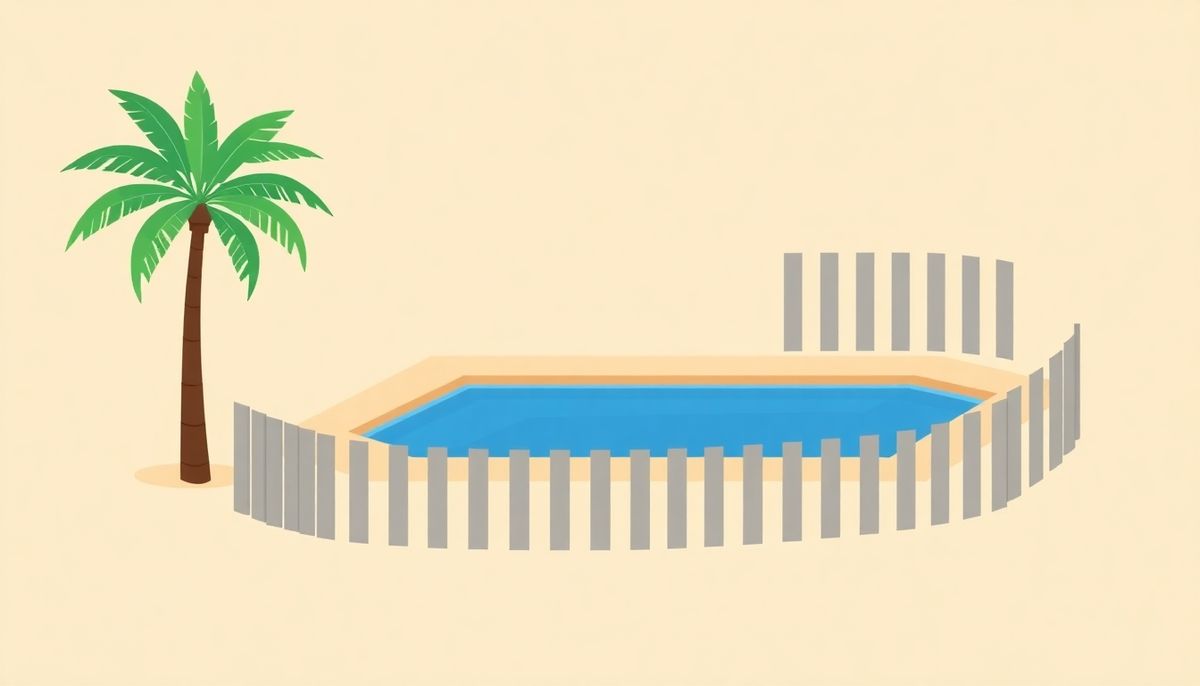
Telling sand and algae apart takes a sharp eye. You might assume any gritty residue is sand, especially with a sand filter, but looks can fool you. Sometimes what looks like sand is mustard algae, which settles on the bottom and mimics that grainy look.
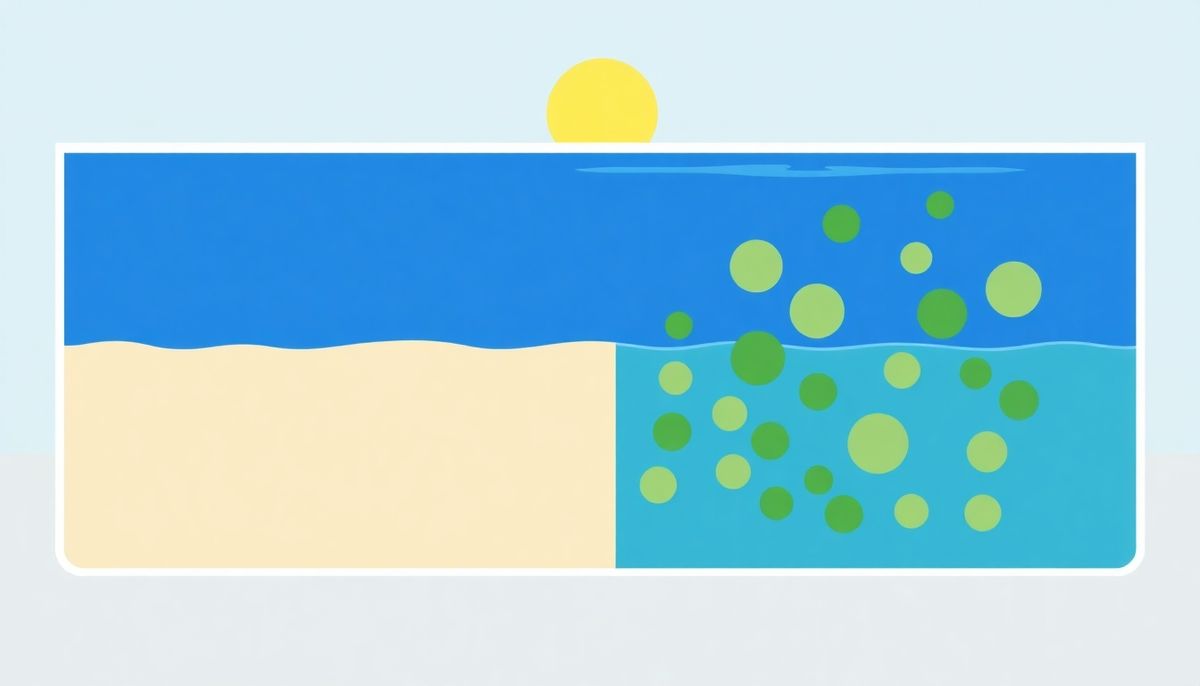
To find out, grab a pool brush and gently stir the stuff. If it breaks into a cloudy haze and stays suspended, you're probably looking at mustard algae. It clings to the walls and floor and leaves the water murky.
Real sand won't scatter and stick around. It may swirl up when you brush it, but it quickly resettles on the floor once the water calms, usually in localized piles beneath the returns. Algae tends to spread out more. Spotting the right culprit tells you which treatment to use: a cleaning and filter check for sand, or a chemical plan for algae.
Identify Sand-Filter Issues
If you have a sand filter, the cause is often the filter itself. At its center is an inner structure built to hold sand back while it strains impurities out of the water. But when something fails, sand slips through.
A typical sand filter has a central standpipe connected to laterals at the bottom. The laterals have tiny holes that let water pass while keeping the sand contained. Over time these parts turn brittle or get damaged from wear, heavy shifts in weight, or rough handling during maintenance. When a lateral or the standpipe cracks, sand rides back into the pool with the clean water.
Fixing it means getting into the filter itself. Think of it as preventive care. You'll replace the broken part, usually a lateral or standpipe, before refilling the filter with new sand. Keeping spares on hand turns a possible poolside panic into a quick fix.
Fix Broken Filter Parts
Digging into a pool filter probably isn't on your bucket list, but sometimes it's necessary. A filter is a balance of parts, and every one has to work right. Those laterals at the bottom can crack and let sand through.
First, gather your kit: new laterals and maybe a standpipe. Make sure you have these ready before you begin. Turn off the filter system and release the pressure by opening the air relief valve. Then remove the multiport valve, the control hub on top of your filter, to get into the sand chamber. Carefully scoop out the old sand until the laterals are exposed, being careful not to damage anything else, and swap the faulty parts for the new ones.
With the new parts in, refill the filter with fresh sand and make sure everything's snug and sealed. Now water can move through without dragging sand along. With the leak fixed, you can turn back to cleaning the pool itself.
Conclusion
This article gave you some insight into keeping your pool in good shape. Start your pool care journey today!
Want to become a pool maintenance expert? Our free Pool School course covers everything you need to know about pool care. From basic maintenance to advanced troubleshooting, you'll learn how to:
- Save thousands on pool repairs and chemicals
- Keep your water crystal clear year-round
- Prevent and solve common pool problems
- Master water chemistry with confidence
Join over 10,000 pool owners who have already transformed their pool care routine. Get started with our free Pool School course today!
What you need
Grab replacement filter laterals and a standpipe, fresh filter sand, a manual pool vacuum, a good pool brush, and some clarifier to catch the fine grains. That's everything you need to fix the source and clear the water.