


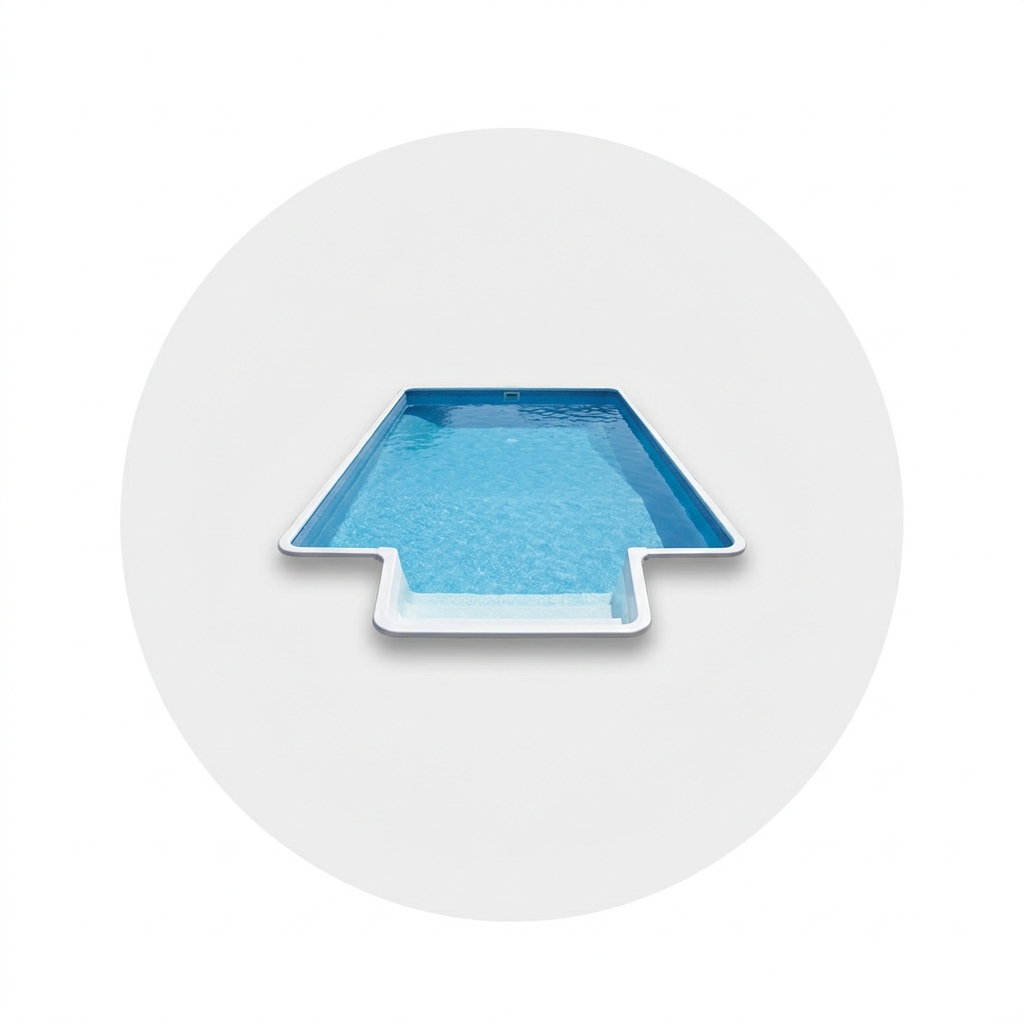

A backyard pool can be the heart of summer, giving you a cool break from the heat. But keeping that water clear isn't always as easy as jumping in. The fight against cloudy water and stubborn debris pushes a lot of owners to compare filter systems, and Diatomaceous Earth (D.E.) filters keep coming up because they're known for the clearest water. So the real question is this: is a D.E. filter actually a step up from the old-fashioned sand filter?
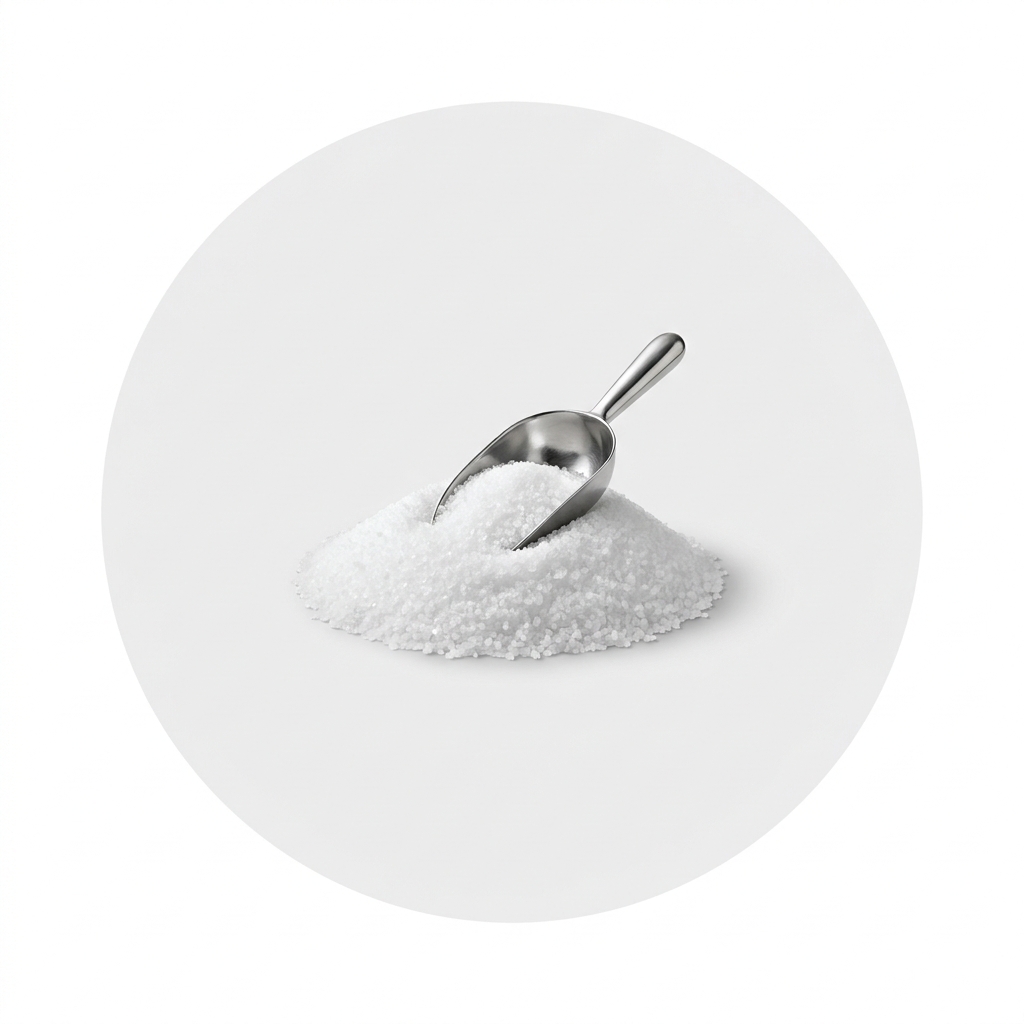
D.E. is a soft, crumbly rock made mostly of the fossilized shells of tiny water organisms. Ground into powder, it filters out bits as small as 1 to 6 microns, while a sand filter only catches particles in the 20 to 40 micron range. That means a D.E. filter grabs things like skin flakes and pollutants that slip right past sand, and your water comes out remarkably clear. I visited a friend's pool right after they switched to D.E., and the water almost sparkled. The murky spells they used to get were simply gone.
Looks aren't the whole story, though. Sand filters are usually easier to care for and need cleaning less often, but they can't match D.E. for precision. If you want spotless water and you're okay with a little more hands-on care, it helps to know how these filters work. Let's look at how they compare.
Your Action Plan
- Match the filter to your pool's size and how often you swim.
- Choose D.E. for the clearest water or sand for easy, low-cost upkeep.
- Backwash regularly to flush out trapped debris.
- Recharge with fresh D.E. powder through the skimmer after each backwash.
- Deep-clean the grids a few times a season, soaking stubborn ones in diluted muriatic acid.
- Watch the pressure gauge and keep your water chemistry balanced.
Discover DE Filter Benefits

Why D.E. filters catch more
Of all the filter types, the D.E. filter is the one that catches the finest debris. Sand traps particles in the 20 to 40 micron range, but a D.E. filter grabs bits as small as 1 to 6 microns, small enough to snag skin flakes and microscopic pollutants. That's the difference between water that looks clean and water that actually is.
A D.E. filter traps particles as small as one micron, finer than any sand or cartridge system can manage.
All that cleanliness asks something back. You'll need to backwash regularly and top off the D.E. powder to keep it working its best. Plenty of owners, me included, find the trade-off well worth it for water this clear.
Choose the Right Filter Type
Match the filter to how you live
Each type, whether D.E., sand, or cartridge, has its perks and its headaches. If you're fussy about crystal-clear water, D.E. is likely your match, but it asks for weekend upkeep, cleaning the grids and getting the powder just right. A bigger pool that gets heavy use can justify that effort. If you'd rather save money up front and keep things simple, a sand or cartridge filter fits better. Think about how much hands-on time you're willing to give and what your budget allows. The right filter is the one that matches your pool and your routine.
Maximize Filtration Efficiency
Size it right and keep it balanced
To get the best from a D.E. filter, start with the right size for your pool. Account for the surface area and your turnover rate, which is the time it takes for all your water to cycle through the system once. A well-sized D.E. filter runs your whole pool through at least once a day, and ideally three times for the cleanest results. Then keep your water chemistry balanced, because balanced water stops scale and mineral deposits from clogging the grids and dragging down performance.
Balanced water chemistry is the cheapest way to keep scale from clogging your D.E. filter.
Simplify Maintenance Procedures
Build a simple cleaning routine
Caring for a D.E. filter feels like a lot at first, but it's really just a routine, a bit like tending a small garden. Once you get the hang of it, it comes naturally. First, backwash to flush out the build-up, which means reversing the water flow to push the debris out. Then add a fresh layer of D.E. powder through the skimmer line, which forms the filter "cake" that catches fine particles. Now and then, take the filter apart for a deep clean, rinsing the grids or soaking them to break down stubborn residue. Once these steps fall into a rhythm, your pool stays clear with little fuss.
Master Pool Filter Maintenance
The hands-on backwash steps
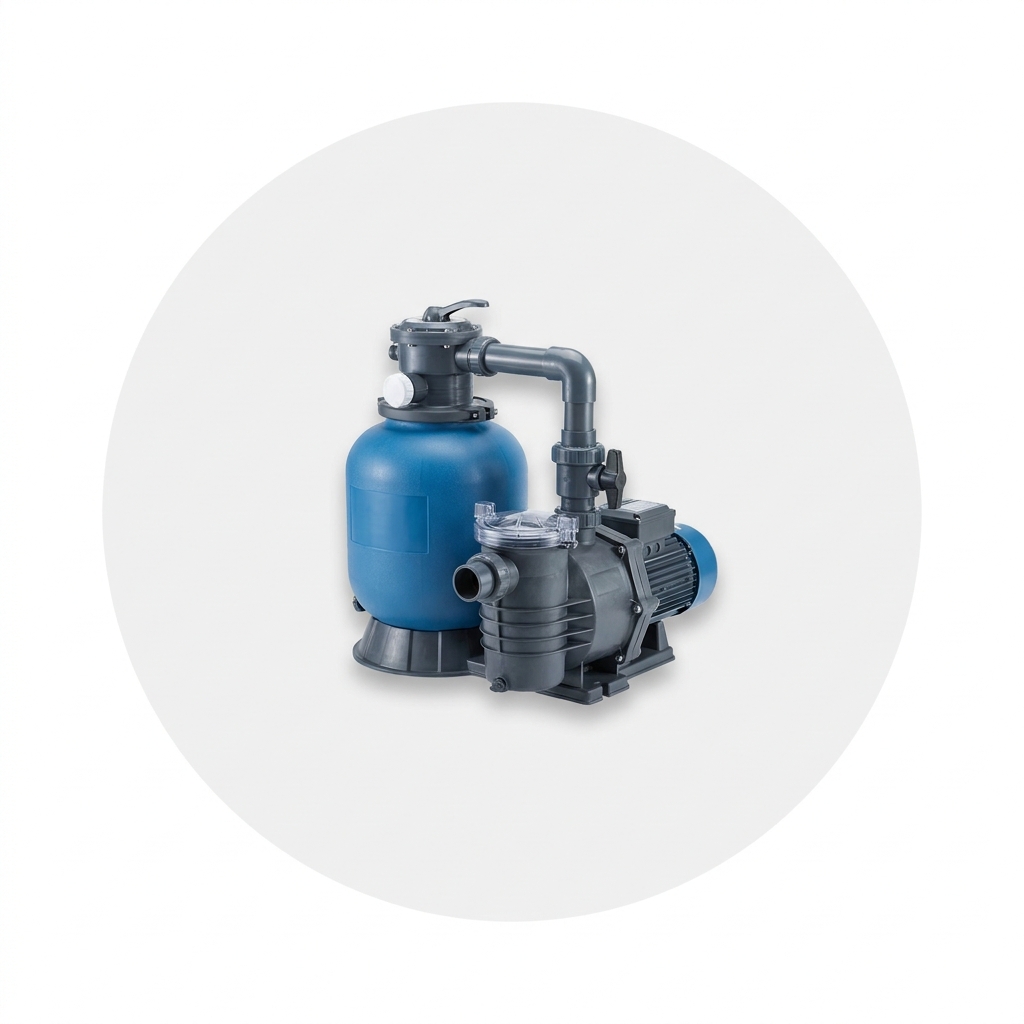
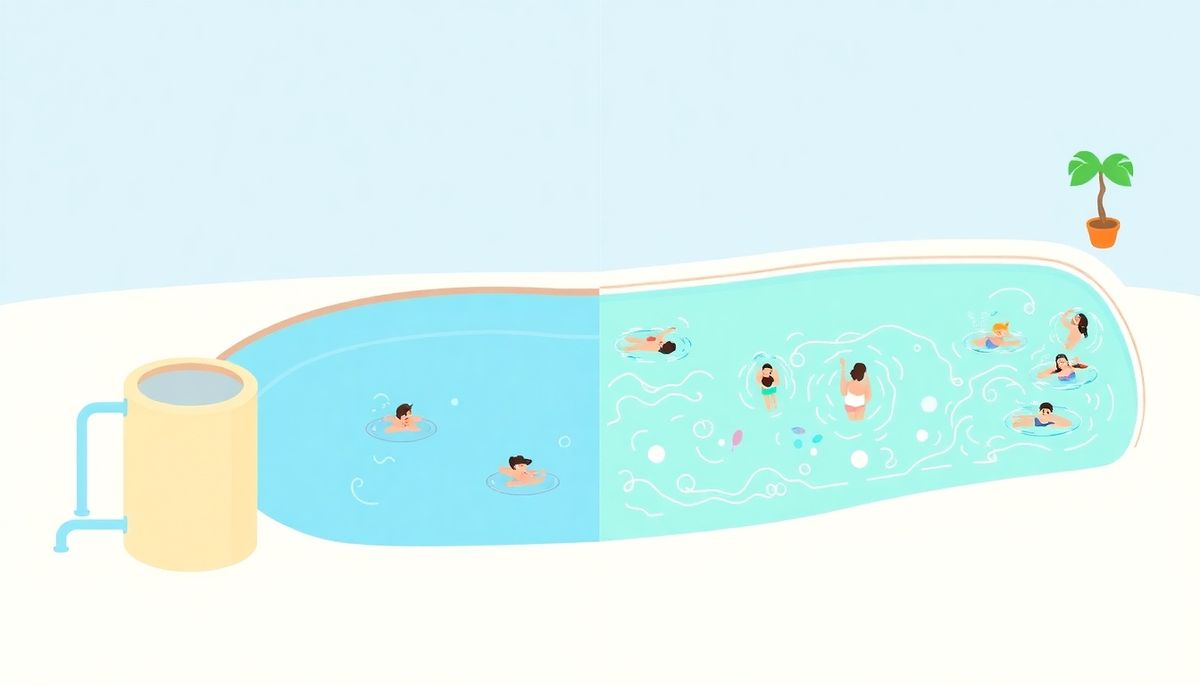
A sand filter just needs a flip of a valve, but a D.E. filter is more hands-on. Shut off the pump, switch the multiport valve, the handle that directs water through its different settings, to "backwash," and let the water run until it's clear. That reverses the flow and shakes the dirt loose from the grids. Next, remove the grids carefully and hose them down on a flat surface. When you put everything back, make sure it's snug and secure before you add fresh powder through the skimmer. Precision counts here.
Choose the Right Filter
Weigh clarity against cost
Choosing the right filter comes down to what your pool needs. An inground pool with lots of swimmers and debris gains a lot from a D.E. filter's fine cleaning, since even the tiniest contaminants get pulled out. A smaller above-ground pool, or a tighter budget, may be fine with a sand filter and its lighter upkeep. D.E. filters need regular backwashing plus the recurring job of adding powder, which is more work but the clearest water. It's a balance between top-notch clarity and the reality of the cost and effort.
Clean and Maintain DE Filters
Watch the pressure gauge
Get to know how your D.E. filter is built: grids or "fingers" coated with powder that traps debris. Over time that cake fills up and works less well. To bring it back, remove the grids and gently hose them down. If some grime hangs on, a soak in a diluted muriatic acid solution breaks down the oils and minerals that cling tight.
Whenever you soak grids in a muriatic acid solution, wear heavy gloves and eye protection, because the fumes and splashes are no joke.
Keep an eye on the pressure gauge, too. A reading that climbs well above normal is your signal it's time to clean. A little watchfulness prevents wear and keeps the water sparkling.
Compare Filter Types and Costs
D.E. versus sand, side by side
Both filters aim for the same clear water; they just get there differently. A D.E. filter catches the finest debris, while a sand filter handles the bigger stuff and asks for less. That precision comes at a price. You take the D.E. apart to clean and recharge the powder after each backwash. Sand filters cost less and are simpler to maintain, mostly just a regular backwash. Which one fits you depends on how much you value that sparkle, and how much you want to get into the craft of pool care.
Think about your lifestyle
Your choice should reflect both your pool and how much maintenance you'll take on. A D.E. filter is a strong pick if you're fussy about clarity, maybe for a pool that hosts a lot of gatherings or is on full display. A sand filter is simpler to run and easier on the budget, which suits anyone who values ease over precision. It won't catch the ultra-fine particles as well, but it handles larger debris fine for most home pools. Match the filter to how you actually use the water.
Select a Suitable Pool Filter
When you're choosing the right pool filter, keep three things in mind: your pool's size, how much upkeep you want to do, and your budget. Get those straight and the decision between D.E. and sand mostly makes itself.
Understand DE Filter Maintenance
Seasonal care
As leaves start drifting into the pool each fall, your D.E. filter needs a little extra attention to keep the water clean. Routine backwashing comes first, purging built-up dirt from the system. Afterward, add fresh powder through the skimmer to rebuild that all-important cake. Every so often, take the filter apart to clean the grids, either by garden hose or an acid soak for stubborn mineral build-up. The job seems daunting at first, but it quickly becomes familiar, and steady care rewards you with clear water and a filter that lasts.
Evaluate Filtration Efficiency
How fine is fine?
For filtration power, the D.E. filter is in a class of its own. To put it in perspective, a human hair is about 70 microns across, and a D.E. filter traps particles a small fraction of that size. It doesn't just skim the top; it goes deep, pulling out fine dirt, cosmetic residue, even skin flakes. The secret is the diatomaceous earth cake on the grids, acting like a fine sieve that lets nothing but clarity through. If cloudy water has frustrated you before, this is the fix, at the price of a bit more upkeep.
Compare DE vs Sand Filters
Precision or simplicity
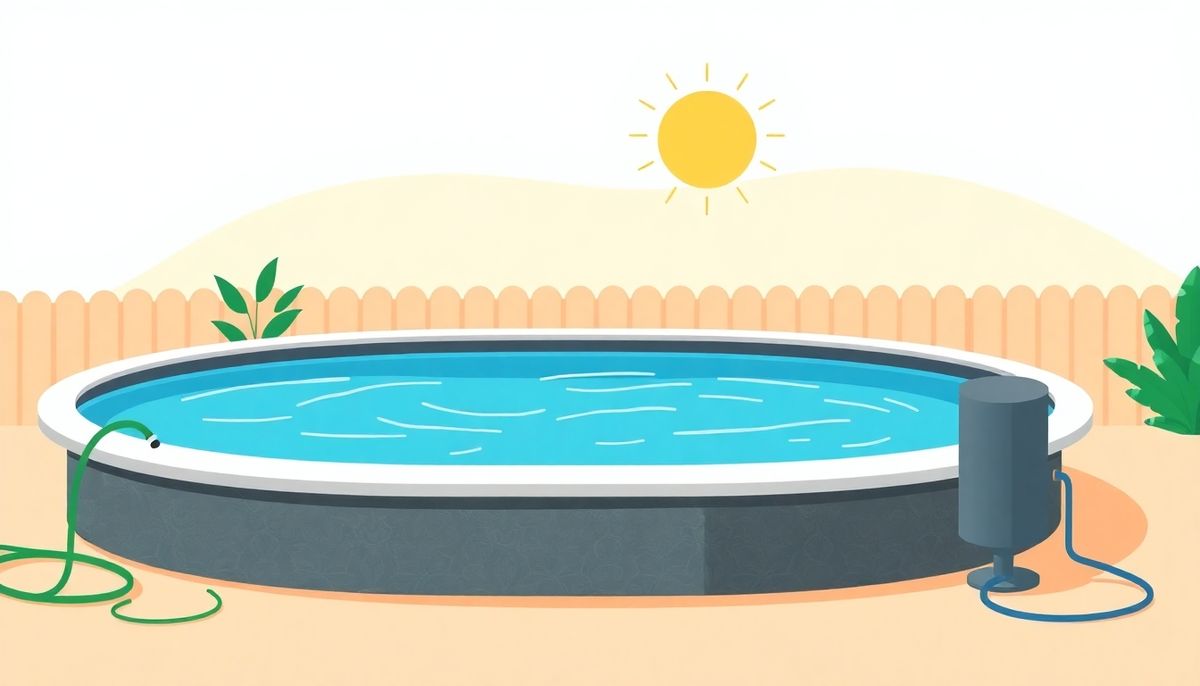
The choice between D.E. and sand comes down to what you value: spotless water or practical simplicity. D.E. filters catch the tiniest impurities, but keeping one up, with the backwashing, the grid cleaning, and the powder top-offs, takes real commitment. Sand filters are easier and cheaper, catching everyday debris well enough for a lot of households, especially folks who just want simple upkeep. If you're weighing cost, effort, and your wish for clean water, knowing these differences is the key to a smart choice.
When fine filtration matters most
Picture a summer barbecue where guests keep jumping in wearing sunscreen and hair products. A D.E. filter clears those leftovers from the water and keeps it clean, catching the microscopic debris that weaker systems let slip back in. That advanced performance takes commitment, including regular backwashing and replacing the powder. Still, if you put crystal-clear water first and don't mind the effort, the D.E. filter delivers results that are hard to beat, so every swim feels fresh.
Assess Maintenance Requirements
A steady cleaning rhythm
Learning what a D.E. filter needs is a bit like cooking a fancy meal, a little intimidating at first but rewarding once you're through. Set aside regular time to clean and backwash. Remove the grid, give it a good rinse, and now and then soak it in a muriatic acid solution to strip away the oils and mineral deposits, much like caked grease on a frying pan. After each backwash, top off the powder through the skimmer to form a fresh cake. Stick with these tasks and the filter lasts longer while the water stays clear.
Compare Cost and Installation
Cost and installation
Price is where the two really split. A D.E. filter runs about $500 to $2,000 depending on size and features, while sand filters usually start much lower. Installation asks more finesse from a D.E. unit, too. I helped a neighbor set one up last summer, so I can tell you that lining up the grids, connecting the plumbing, and mixing the powder correctly all matter. Sand filters are closer to plug-and-play, often just a simple connection to the pool system. Whether the extra cost is worth it depends on how much you value pristine water.
Understand DE Filter Operation

How a D.E. filter works
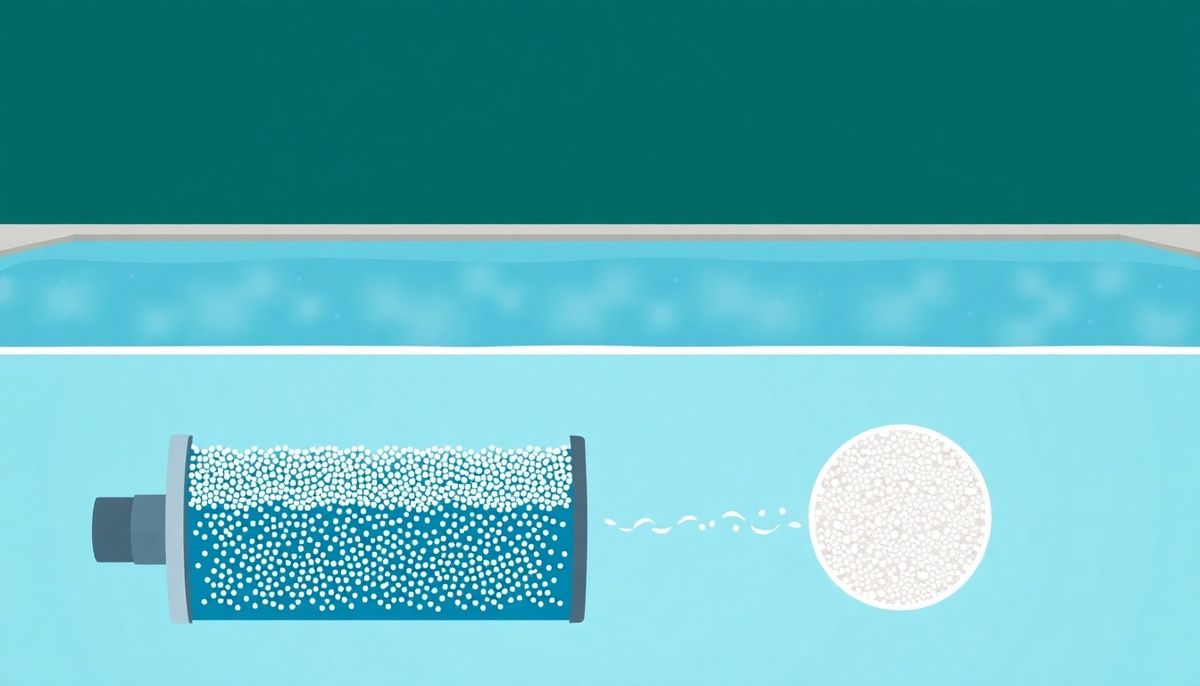
Diatomaceous earth is made of the tiny fossilized shells of water organisms. When you add the powder to the filter, it coats the internal grids, or "fingers," forming what's called a D.E. cake. Each grain acts like a miniature net, catching impurities you can't see with the naked eye, like sunscreen residue and microscopic skin flakes. That's what gives you crystal-clear water. It also means real upkeep. You backwash to flush out debris, clean the grids with a good rinse or an acid bath, and top off the powder to keep the system running right.
Choose the Right DE Filter
Picking the right model
Start with your pool's size, since that sets the capacity you need. For a big inground pool, a high-capacity model like the Hayward ProGrid holds up well with its sturdy build and steady flow. For a cozy backyard pool, the Hayward Perflex gives you enough filtration without overkill. Then be honest about the maintenance you'll accept, and check the materials. A corrosion-resistant tank, like one made from fiberglass-reinforced polypropylene, stands up to chlorinated water over the years. Finally, balance the up-front price against the long-term payoff.
Compare DE and Sand Filters
Precision versus ease, one more time
It really is a trade-off. D.E. filters give you the finest filtration but ask for diligence, with regular backwashing and adding powder. Sand filters need cleaning less often and cost less, and while they miss the finest particles, they handle larger debris well, which is plenty for a lot of home pools. Both do their jobs; they just suit different owners and different ways of caring for a pool.
Maintain Your DE Filter
Don't skip the powder
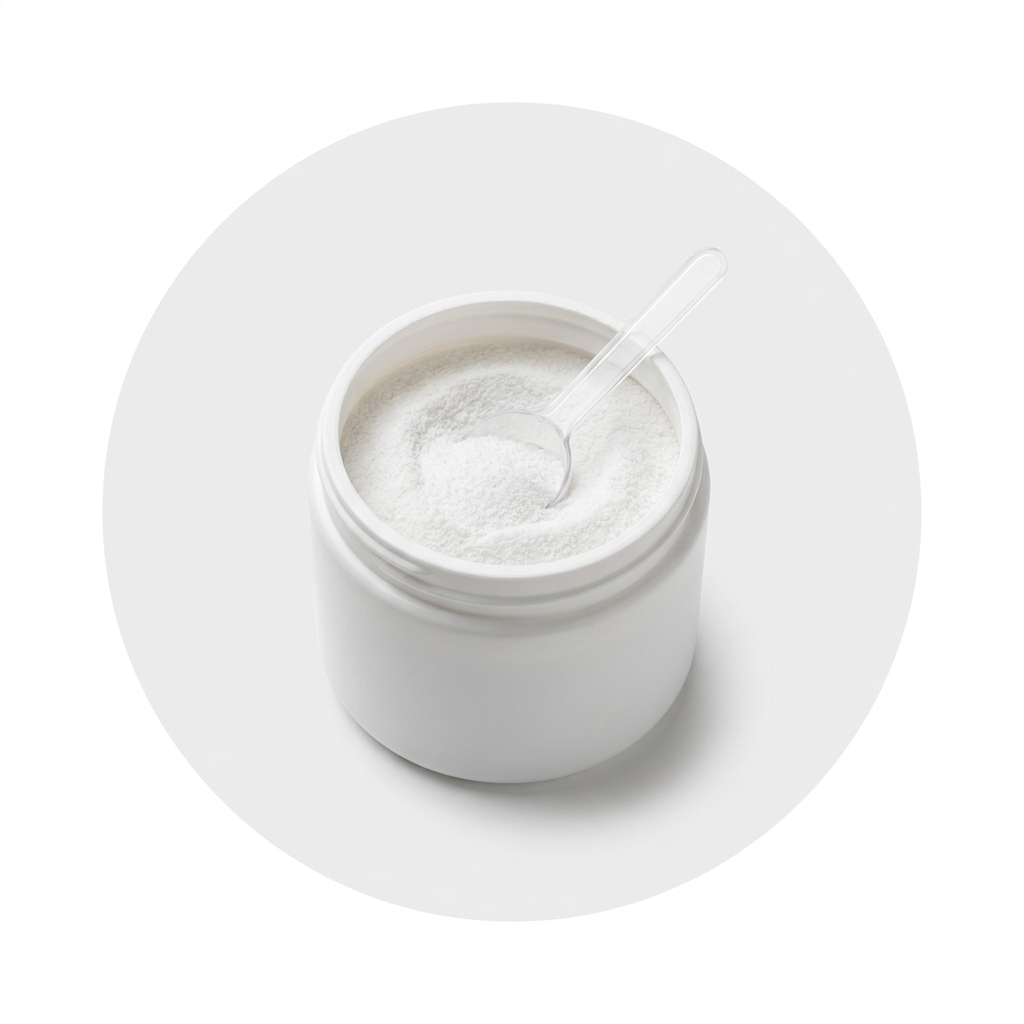
After every backwash or deep clean, you have to replace the D.E. powder, since it's what gives the filter its cleaning power. Pour the recommended amount into the skimmer while the pump runs so it coats the grids and forms a fresh filtration layer.
After every backwash, add fresh D.E. powder through the skimmer, or the filter has nothing to trap debris.
Yes, it's more elbow grease than a sand filter, but the reward is sparkling, debris-free water that makes every swim better.
Conclusion
Keeping a pool clear isn't complicated once you have a routine. Want to go deeper? Our free Pool School course walks you through everything from basic upkeep to advanced troubleshooting, so you can save on repairs and chemicals, keep the water clear year-round, prevent common problems, and handle water chemistry with confidence. More than 10,000 pool owners have already taken it. Get started with our free Pool School course today!
What you need
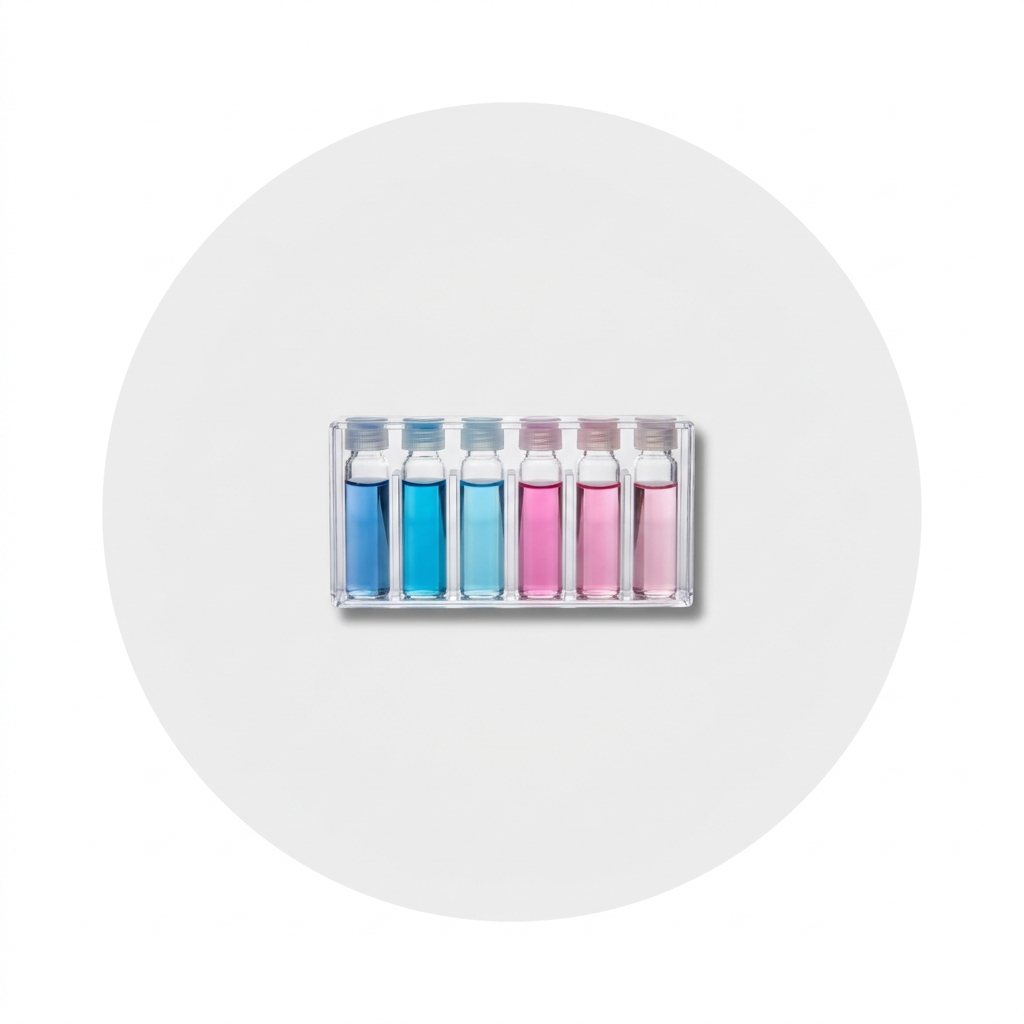
To keep a D.E. filter running clear, stock up on fresh D.E. powder, a filter cleaner or muriatic acid for the grids, gloves and eye protection, and a test kit to keep your water balanced.