




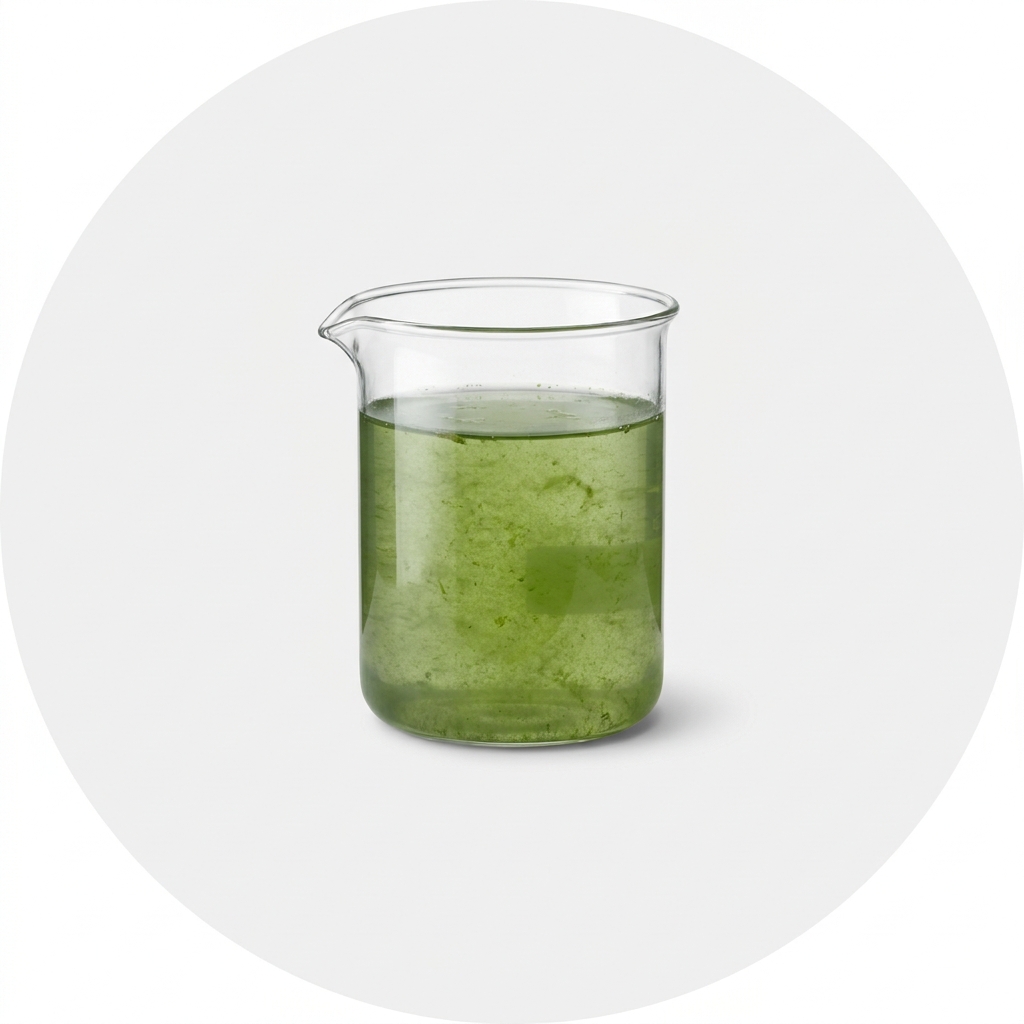
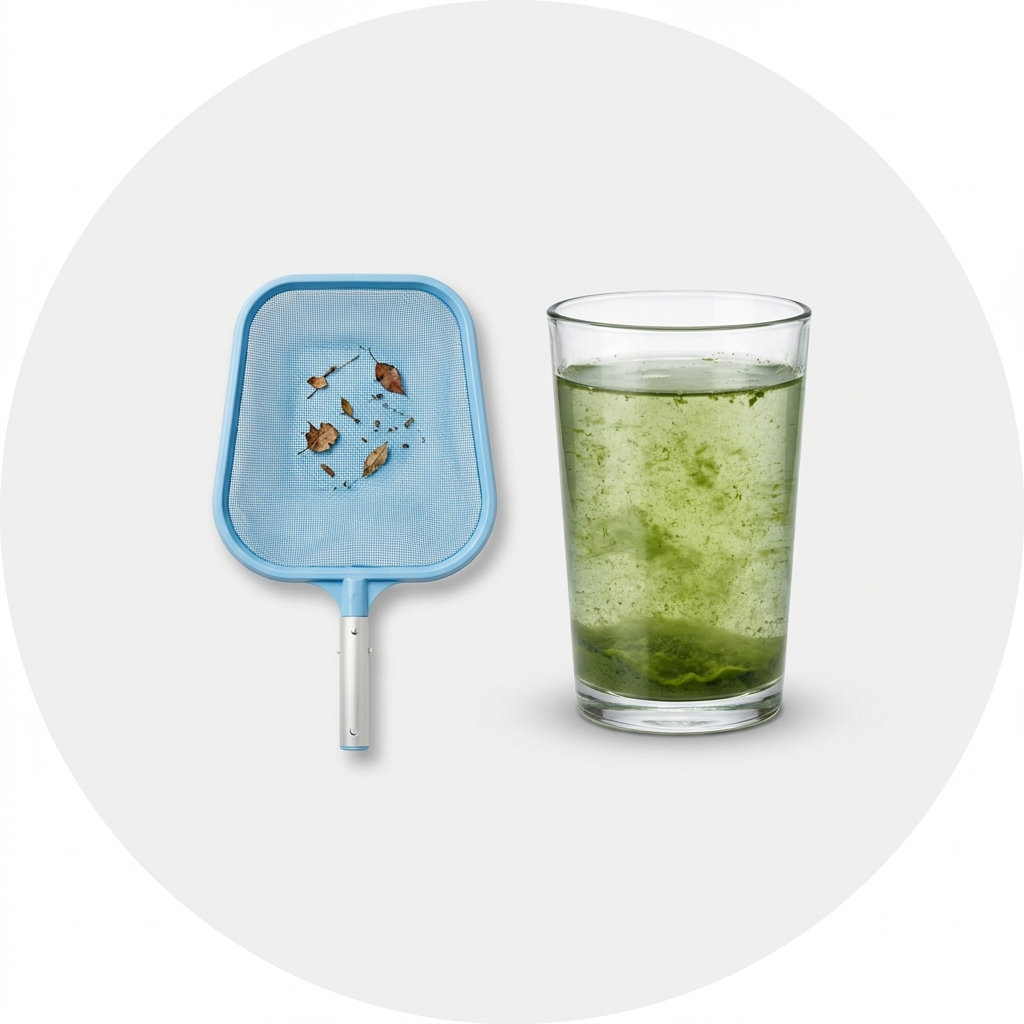



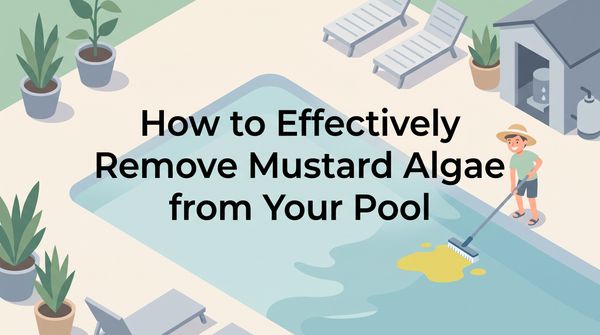
Mustard algae often gets mistaken for dirt or pollen, and it's one of those problems that can turn your clear pool into a murky, uninviting mess. It's a stubborn, yellowish-green algae that clings to pool surfaces and shrugs off any half-hearted cleaning. And it's not just an eyesore. Left alone, it can clog filters and eat up the chemicals you're using to keep the water in good shape.
In summer, when you're itching to have friends over for a swim, finding your pool full of mustard algae is a real letdown. My neighbor hit this exact problem just days before a planned pool party. Instead of a relaxing afternoon, she spent hours reading up and scrubbing. That whole episode drove home how much you need a reliable way to deal with the algae.
Understanding what mustard algae is comes first if you want to beat it. It loves warm water and can survive outside the pool too, tucked away in bathing suits and equipment, waiting for the chance to come back. Sorting it out takes a mix of careful cleaning, chemical treatment, and a few preventative habits. By the end of this guide, you'll have the know-how and the confidence to keep your pool spotless, so it's always ready for a last-minute swim or a get-together.
Eliminate Mustard Algae Swiftly
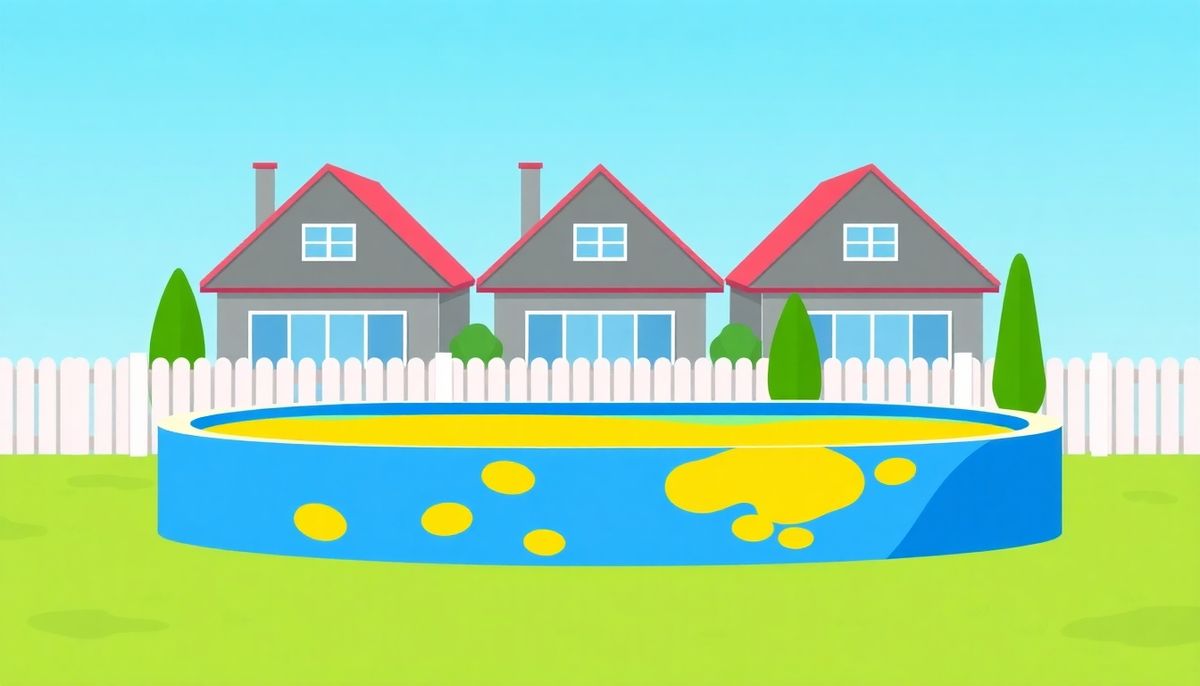
Mustard algae, with its telltale yellow color, is a stubborn pool invader. Unlike its better-known green cousin, it resists a lot of the usual cleaning methods. I once found myself in this same spot, watching the so-called "stains" on my pool walls refuse to budge no matter what I tried. But with a bit of strategy and persistence, I got rid of the algae for good.
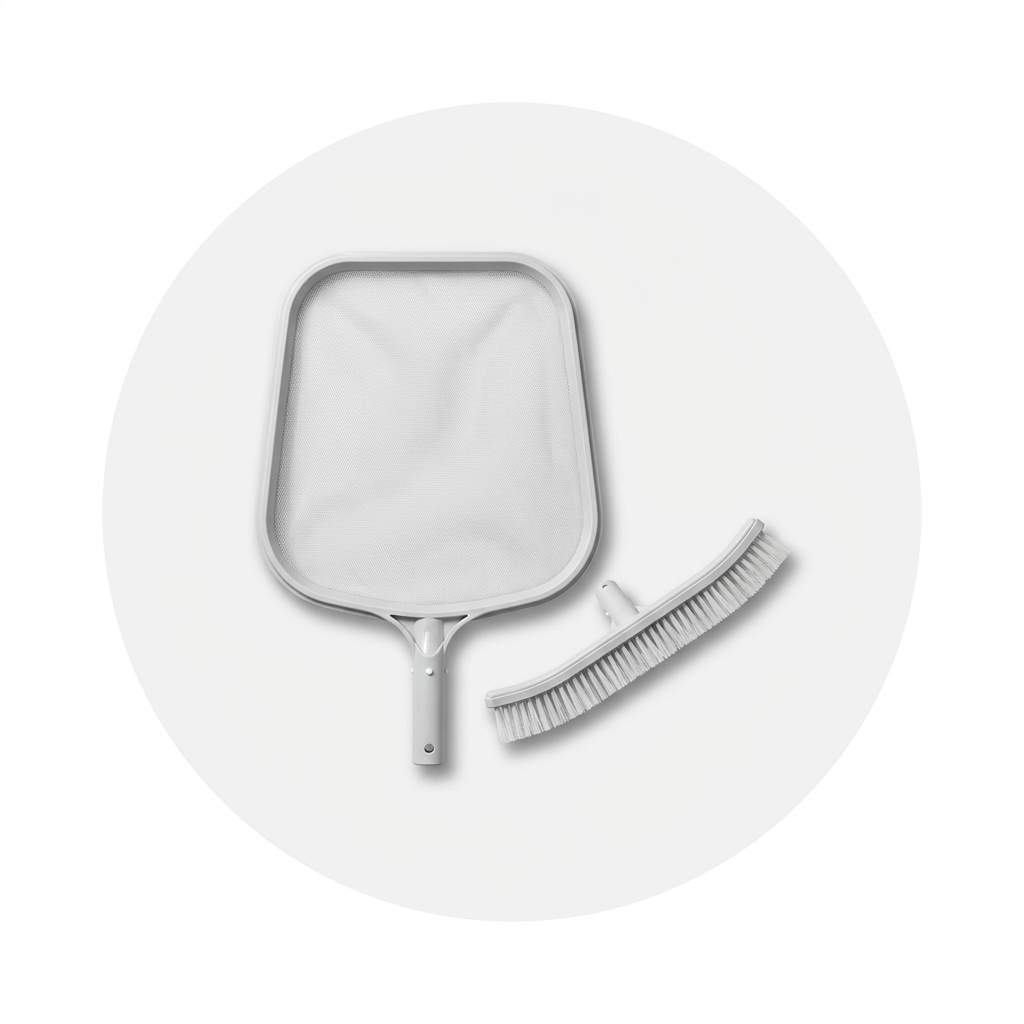
Start by playing detective. Look over your pool for the signs of mustard algae: a powdery layer clinging to the walls or lying across the floor like a carpet. Once you've spotted it, grab an algae brush and scrub those surfaces to loosen the algae's grip. A solid brushing sets you up for the rest of the job.
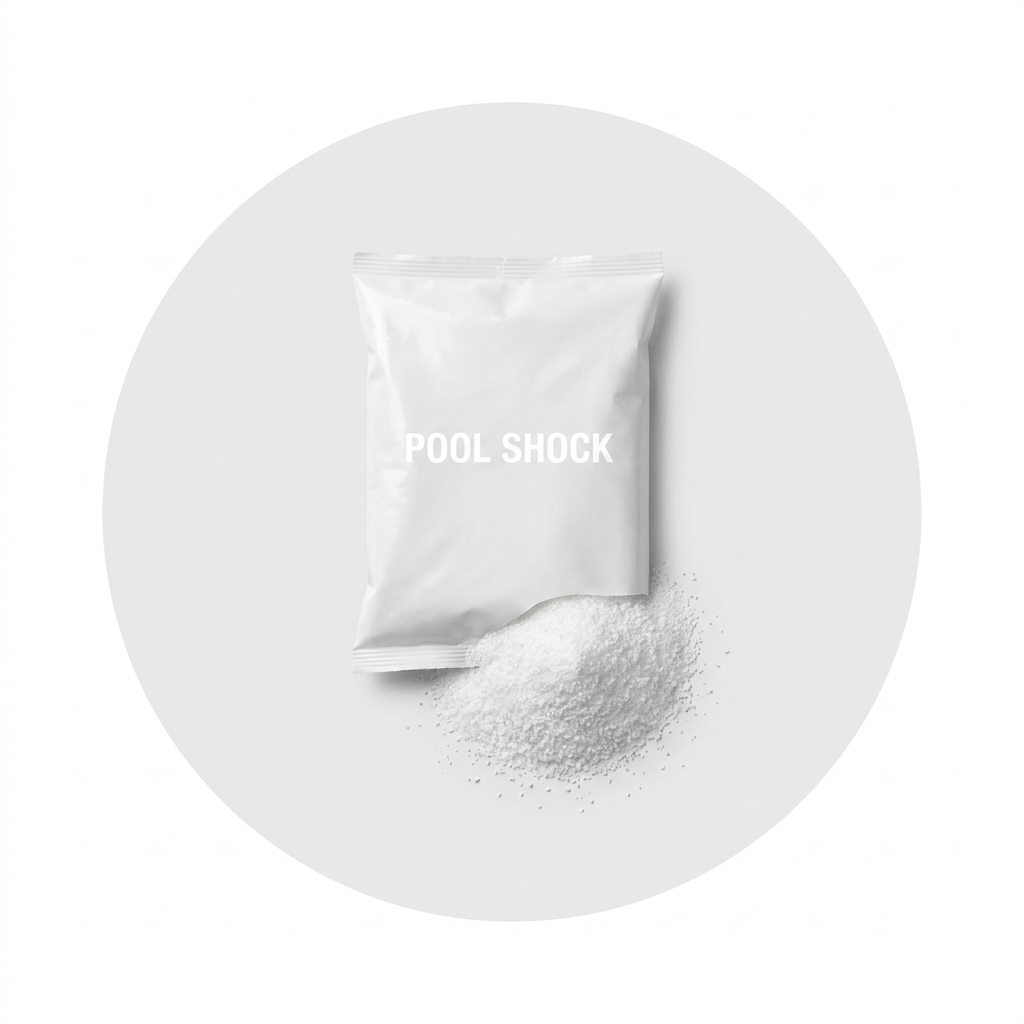
Next comes the pool shock. Mustard algae isn't just a nuisance, it's tough to kill and needs a triple dose of shock. Add it at night to get the most out of it, and keep the pump and filter churning the water. As I learned, persistence pays off, and running the system round the clock can speed up the algae's demise.
Keep a close eye on your water chemistry through all this. Adjust the pH and alkalinity to where they should be, since that boosts the algae-fighting power of the shock. After a few days of steady cleaning and testing, any leftover algae should give up. A final water test confirms the win and lets you take back your pool as the clean spot it's meant to be.
Implement Effective Cleaning Techniques
Dealing with mustard algae takes more than a casual scrub-down. It needs a systematic plan so it doesn't stick around. Start by gathering all your pool gear, nets, floats, toys, and rinse them with a chlorine-based cleaner. This matters because mustard algae loves to hitch a ride on anything it touches. If bleach is all you've got, dilute it: one part bleach to ten parts water.
Now to the pool itself, where your trusty algae brush comes in. Scrubbing the walls and floor is key to breaking up the algae's stubborn grip. The trick is persistence, since one pass won't cut it. Aim to brush at least a few times over several days while the pool shock does its work. Speaking of pool shock, this is your strongest treatment. You'll need a hefty dose: three pounds for every 10,000 gallons of water. Let it work overnight with the pump and filter running.
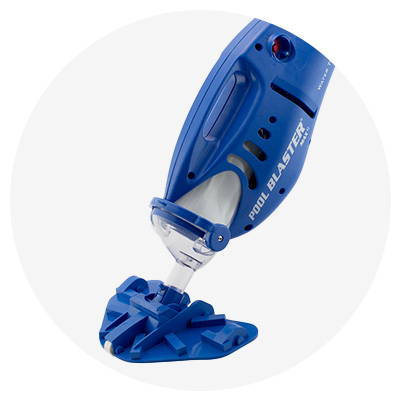
Once the algae is loose, it's time to vacuum it out. Set your filter to "waste" so you don't recirculate any bits that could reattach and grow back. Testing and balancing your water chemistry come next. Keep your chlorine, pH, and alkalinity in line and you give the algae no opening to return. Stick with this routine and you'll soon have a pool ready for cannonballs, not caution tape. Enjoy the splash without the stress.
Sanitize Pool Equipment Thoroughly
Sanitizing your pool equipment isn't just another chore, it's a big part of beating mustard algae for good. Whether it's the beloved inflatable duck or the faithful skimmer pole, any piece of gear can quietly carry the algae. I once skipped cleaning a small pool net. It sat there harboring algae spores and brought the whole mess back to a freshly cleaned pool a couple of weeks later. Lesson learned, the hard way.
Start by gathering all your gear: nets, brushes, toys, even pool floats. These things tend to hide in the background and help the algae sneak back. A simple dunk in a chlorine-treated shallow end can work surprisingly well. Just don't let them bob around on top. Make sure each piece is fully under the water so the algae has nowhere to hide.
For smaller items like goggles or snorkels, a diluted bleach solution (one part bleach to ten parts water) works wonders. Scrub them gently, like you're washing off the last of a particularly stubborn stain. If something seems too delicate, a chlorine-based cleaner is a safer bet, killing the algae without wrecking your gear.
Don't forget your pool's filter and vacuum. Algae spores can hide in there too. Clean them well and reset them properly after your deep clean. Stay watchful and treat every piece of equipment with care, and the algae has no choice but to clear out for good.
Maintain Optimal Water Chemistry
Keeping your pool's water chemistry balanced is a lot like keeping the peace in a busy household. It's all about harmony and consistency. Mustard algae thrives when the water chemistry is off. To keep the algae from crashing your backyard, make sure your pH, alkalinity, and chlorine levels are all in sync.
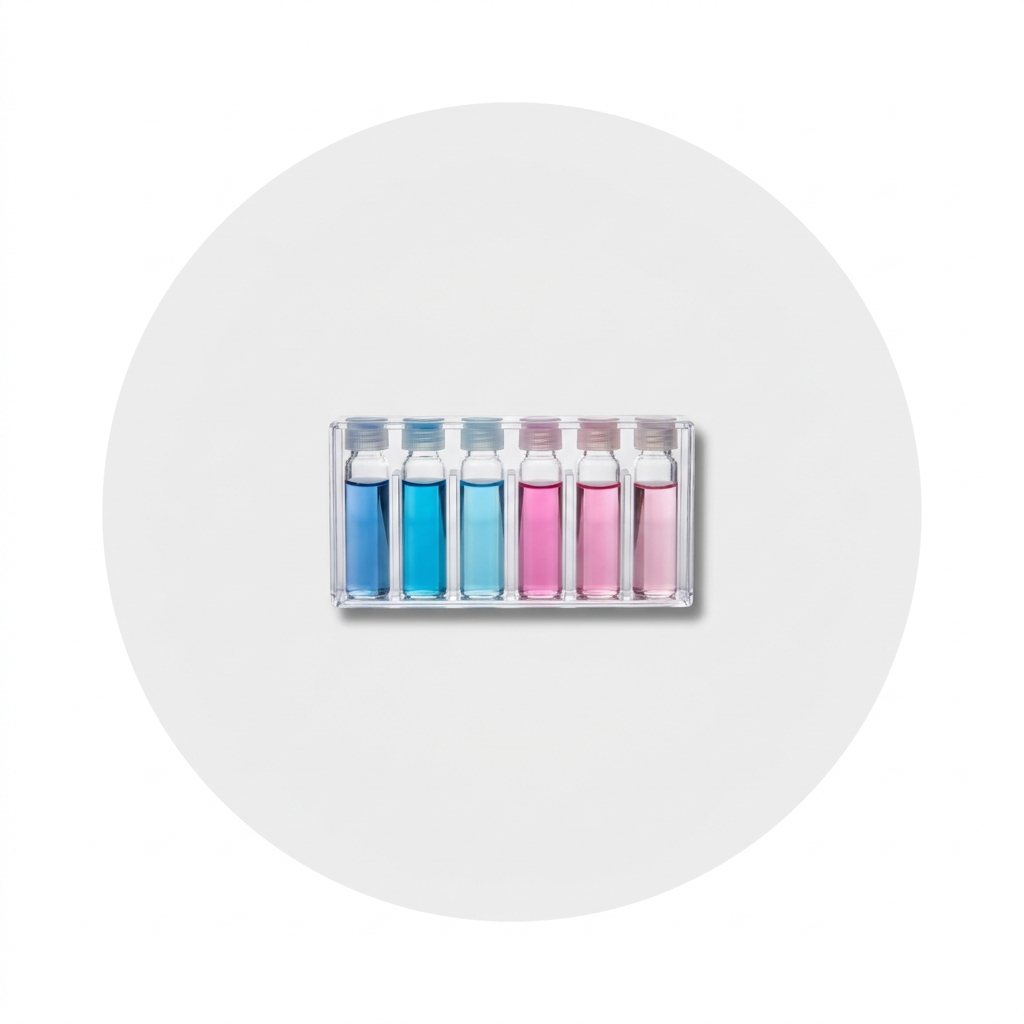
First, grab those test strips or a reliable liquid test kit. Testing should become as routine as your morning coffee. Check the pH and aim for the ideal range between 7.4 and 7.6, so the water isn't too acidic or too basic. Alkalinity should sit comfortably between 100 and 150 parts per million (ppm), acting as the buffer that keeps pH steady.
Next comes the chlorine. Mustard algae is famously chlorine-resistant, so keeping levels on the higher side works as a strong deterrent. Aim for a free chlorine level between 1 and 3 ppm, adjusting as needed based on how much the pool gets used and how much sun it gets. It's a bit like seasoning a soup, where you tweak it until it's just right.
Once you hit the right balance, you'll fend off the algae and end up with a sparkling, inviting pool too. Think of it as setting the stage for countless sunny afternoons and moonlit swims. Steady attention and small adjustments are your best allies in keeping a clean pool.
Ever notice that some pool equipment hides more surprises than your average attic? Mustard algae is one of those stowaways that thrives on your gear. Whether it's your skimmer net or that inflatable unicorn float, these items become rides for algae to spread and multiply. So thoroughly sanitizing your pool equipment isn't just a good idea, it's a must.
First, collect everything that touches your pool water: nets, brushes, floats, even your maintenance gear. Each piece gets its own spa day in a chlorine solution. Mix one part chlorine to ten parts water. That ratio cleans thoroughly without harming the material. Trust me, nobody wants their favorite pool noodle to turn into a squishy shadow of its former self.
Next, soak the items for at least 30 minutes. That gives the chlorine plenty of time to soak in and wipe out any lingering algae spores. For things that can't be submerged easily, like long pool poles or large floats, a good wipe-down with a cloth soaked in the chlorine solution does the trick.
Once they're sanitized, rinse everything with fresh water. This removes the chlorine residue and prevents any chemical irritation when these items go back in the pool. Let everything dry completely in the sun, which adds a bit of natural disinfection on top.
Take these steps and no piece of equipment becomes a Trojan horse carrying back a new wave of mustard algae. It might feel like a chore, but knowing you've cleared out every last trace is worth every minute.
Eliminate Mustard Algae
When mustard algae moves into your pool, it's not just an eyesore, it's tough to get rid of and demands your attention. Unlike the more common green algae, mustard algae clings quietly to your pool's surfaces, looking like pollen or dirt. If you live somewhere warm, this sneaky algae can be a regular visitor, but it's no less of a headache in cooler areas when it shows up.
First, grab an algae brush and get ready to scrub. A good scrub of the walls and floor knocks the mustard algae loose and makes it easier to remove. Be thorough, because these tiny spores love to hide in the nooks and crannies of your pool.
Once you've brushed, use a manual vacuum to clear out the loosened algae. Switch your filter to the "waste" setting so the algae gets pushed out of your system entirely. This step is key, because mustard algae can survive in your filter and re-infest the pool if you let it. After vacuuming, top off the pool with fresh water to replace what you removed.
The next step is shocking your pool with a strong dose of chlorine. A triple shock treatment at dusk or night, when the sun won't break down the chlorine, is your best bet. Keep the pump and filter running nonstop until the algae is gone. Brushing the pool regularly during this time keeps the algae suspended and more exposed to the chlorine.
Finally, balanced water chemistry is key. Test your water often for pH and alkalinity, and adjust as needed. This careful approach clears up the current problem and shores up your pool against future trouble. Follow these steps and you can take back your pool from the grip of mustard algae and get back to clean, easy swimming.
Disinfect Pool Tools and Toys
Mustard algae can put a damper on those fun-filled afternoons splashing around. To take this on properly, you have to address not just the pool water but every accessory that goes into it. Pool tools and toys often act as rides for the algae, carrying it back into the pool even after you think you've cleared it out.
Start by gathering every float, noodle, and toy that spends time in your pool. These can harbor mustard algae spores on their surfaces. Use a chlorine-based cleaner to scrub each item well so every trace of algae is gone. If you don't have a dedicated cleaner, a diluted bleach solution, one part bleach to ten parts water, sanitizes effectively without damaging the items. Don't forget the maintenance gear either; hoses, nets, and poles should be submerged in a bleach solution or left in the pool during a shock treatment.
Once everything's disinfected, dry it all out completely in the sun before it goes back in the water. The sun's UV rays add another layer of defense against any leftover algae. Take these extra steps and your pool stays a bright, clean spot, free of mustard algae's stubborn grip. Next time you can get in the water knowing your pool isn't just clean, but tough against any algae comeback.
Balance Pool Water Chemistry
Keeping your pool's water chemistry balanced is like playing the right chord in a song. When every element is in harmony, you get a pool that sparkles and shrugs off mustard algae. The algae thrives in water that's out of tune, so tuning up your chemistry matters.
First, get your total alkalinity dialed in between 100 and 150 parts per million (ppm). This range is like the foundation of a sturdy house, giving stability to the whole pool system. Next, focus on the pH, aiming for the ideal range of 7.4 to 7.6. Too high or too low and you're asking for trouble, like letting the wrong notes ruin a song.
Once alkalinity and pH are in line, turn to the star player: chlorine. Mustard algae has a knack for dodging chlorine's cleansing power, so keeping levels adequate is essential. Frequent testing keeps your chlorine potent and ready to wipe out any lingering threats.
Think of this routine as the rhythm of your maintenance, a steady beat that keeps everything in sync. Pay attention to these details and you create an environment where mustard algae can't get a foothold, so your pool stays clear and inviting. Grab those test strips and fine-tune your chemistry, so the only thing yellow in your backyard is the sun.
Brush Away Algae Effectively

Every pool owner knows a careful brushing is crucial when you're up against mustard algae. Unlike its slimy green counterpart, mustard algae has a knack for clinging hard to surfaces. An algae brush, built for exactly this, should become your best friend. These brushes are tougher than your average pool brush, designed to break up the algae's stubborn hold on walls, steps, and the floor.
Work in small sections so every inch gets scrubbed, and you'll watch those yellow patches disappear under your brush strokes. This dislodges the algae and gets it ready for your pool vacuum.
Once you've handled the visible algae, switch your vacuum to the "waste" setting. This simple step keeps the algae from cycling back into your pool through the filter. As you vacuum, be thorough. Pay extra attention to shaded areas, since mustard algae loves to lurk there, away from the sunlight.
After all that work, reward yourself with a clear, sparkling pool. But don't let your guard down. Regular brushing matters even after the algae is gone. It helps stop any sneaky spores from getting a foothold again. With steady effort and a good algae brush in hand, mustard algae doesn't stand a chance of spoiling your backyard.
Eradicate Mustard Algae
Getting mustard algae out of your pool can take some patience, but with the right approach you can clear it out. Begin with a thorough inspection, checking every corner and crevice where algae might hide. Don't be fooled by its sand-like look; this stubborn algae hides in plain sight.
Grab a sturdy algae brush and scrub the walls and floor of your pool. This step is crucial, because it knocks the tenacious algae loose and makes it easier to vacuum away. Manual vacuuming is your next move, and you'll want to remove all the loosened algae. If your filter allows, switch to the "waste" setting so you don't re-contaminate the water.
Next comes some pool chemistry. Test your water's pH and alkalinity, adjusting them to create an environment mustard algae won't like. Use a high dose of pool shock, ideally three pounds per 10,000 gallons of water, applied at night for the most effect. Keep your pump and filter running nonstop to circulate the shock through the water.
Over the next few days, stick to a steady schedule of brushing and testing. Keep checking and adjusting your chlorine levels so any remaining algae gets destroyed. With persistence and care, you'll turn your pool into an algae-free spot, ready for plenty of swimming and relaxing.
Sanitize Pool Equipment
Sanitizing your pool equipment is about making sure there are no hidden corners left for mustard algae to come back. Start by gathering all the pool toys, floats, and any maintenance tools like nets or brushes that might have touched the algae-laden water. These can harbor the algae, so give them a good look. I once found a toy boat with invisible algae specks after a fun pool day, so better safe than sorry.
For small items, a simple but effective move is to wipe them down with a chlorine-based cleaner. That deals with any lingering algae spores. But remember, full-strength bleach isn't a one-size-fits-all fix. Dilute it in a one-part-bleach-to-ten-parts-water mix if you're using it on surfaces sensitive to strong chemicals.
For larger equipment like pool hoses and vacuum heads, submerge them in the shallow end of your pool. This lets the pool shock do its work, sanitizing everything in one go. It's a trick I picked up watching a neighbor tackle a similar algae problem. After shocking your pool, rinse everything thoroughly with clean water to remove any chemical residue. That's especially important if you've got kids who love splashing around with their favorite floaties.
Take these steps and you're not just cleaning, you're protecting your pool against future trouble. With a bit of diligence, your equipment stays algae-free and your pool goes back to being a sparkling spot.
Test and Balance Water Chemistry
Balancing water chemistry is like tuning an instrument; every note has to harmonize for your pool to sing. With mustard algae, the first step is to grab those test strips. This is less like the chemistry exam you dreaded in high school and more like being a pool detective. You'll measure the alkalinity and pH, making sure they land in their target ranges: 100 to 150 ppm for alkalinity and 7.4 to 7.6 for pH.
Once you have your readings, it's time to play chemist. Balancing your alkalinity first makes it much easier to lock in your pH. Sodium bicarbonate can nudge your alkalinity up, while muriatic acid can gently bring it down to where you want it. Think of these adjustments as the foundation for your pool's fight against algae.
With the water balanced, you've set the stage for your pool shock to do its job. The shock needs the right conditions to beat mustard algae. A balanced pool cuts the chances of algae making a comeback and keeps your pool a welcoming spot. Next time you get in, you'll appreciate the peace of mind that comes with a well-kept pool.
Shock Your Pool Into Shape
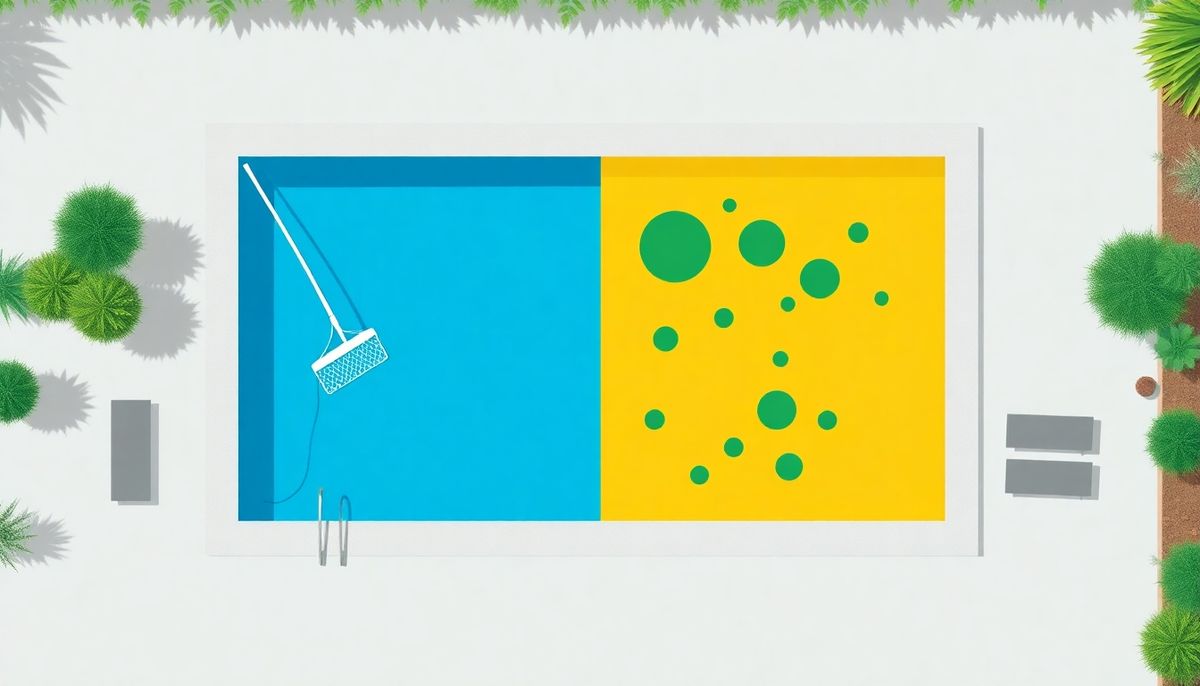
When pool days turn more mustard than mellow, it's time to roll up your sleeves and shock your pool back into shape. Beating mustard algae takes a one-two punch that leaves no room for these stubborn pests to resurface. Start by gathering your supplies: pool shock, an algae brush, and a reliable test kit. Then get ready to take back your pool.
First, scrub every inch of your pool thoroughly with the algae brush. This isn't just busywork; it's how you loosen any spores clinging to surfaces. Once the algae is dislodged, vacuum manually, using the "waste" setting to keep any spores from sneaking back through the filter.
Now bring out the pool shock. Triple the usual dose, three pounds per 10,000 gallons, and add it after dusk. Doing it at night keeps the shock effective, since sunlight degrades its potency. Keep the pump and filter running nonstop for a full 24-hour cycle so the chlorine can do its work.
Through all this, watch and balance your water chemistry closely. Test strips are your allies here, helping you adjust alkalinity and pH to their target levels. A balanced pool is a resilient pool, where algae struggles to make a comeback.
In the days that follow, keep brushing hard to keep the remnants suspended, giving them no chance to settle back down. With diligence and a few more rounds of testing and shocking as needed, you'll soon see the last of that pesky mustard hue. Goodbye algae, hello clear water.
In pool care, mustard algae stands out like an unwelcome guest at a summer barbecue. You can spot it by its yellowish-brown color, and it tends to pass for dirt or sand, fooling even careful pool owners. But once you've identified it, it calls for quick, decisive action.
Begin with a well-planned approach by brushing your pool surfaces with a specialized algae brush. This knocks the algae off the walls and floor, making it easier to remove. Don't forget the hidden nooks and crannies where the algae might be hiding. Once you've brushed, switch your filter to the "waste" setting and start vacuuming. That way the algae gets physically removed from your pool rather than recycled back through the system.
Next, it's time to balance the pool chemistry. Adjust your water's alkalinity and pH, aiming for 100 to 150 ppm and 7.4 to 7.6, to create an environment the algae can't stand. Once that's stable, shock the pool with a high dose of chlorine shock treatment, three pounds per 10,000 gallons, preferably in the evening or at night for the most effect.
Consistency is your ally. Over the following days, keep brushing and maintain good chlorine levels. This steady approach destroys any sneaky remnants of mustard algae. Once your water is clear and your chemical levels are stable, take a moment to enjoy your win over this watery problem. Follow these steps and mustard algae becomes a forgotten chapter in your pool's story.
The devil is in the details when you're getting rid of mustard algae, and that's never more true than with your pool equipment. The algae doesn't just cling to the walls of your pool; it has a knack for hitching rides on anything that touches the water. Think of your poles, nets, and inflatable toys as potential carriers that could undo your hard-won, algae-free water.
At the heart of protecting your pool from future trouble is a proper sanitizing routine. Begin by gathering all your equipment and giving each piece a good look. Items like nets, brushes, and hoses should be cleaned with a mild chlorine-based cleaner. Don't use undiluted bleach directly, since it can damage plastics and rubbers. Instead, go with a more pool-friendly solution: bleach diluted at 1:10 with water. That kills off any algae without harming your gear.
For equipment that's hard to clean by hand, try placing it in the shallow end of your pool during a shock treatment. That lets the chlorine work on a larger scale. After everything's soaked and scrubbed, rinse each item thoroughly with fresh water to clear off any leftover chemicals. It's the small steps that often make the biggest difference, and with this approach you'll keep mustard algae at bay and your pool a calm, clear spot.
Test and Balance Water
Before you take on mustard algae, you have to make sure the water isn't just sitting there, lounging around like it's on vacation. Testing and balancing your pool water is crucial, since it sets up your algae-fighting efforts and gets the most out of your cleanup. Start with a pool test kit or strips, and don't be shy, really get to know your water's chemistry. Most of all, what are its pH and alkalinity levels?
Once you have those results, adjust the alkalinity first. Aim for 100 to 150 parts per million (ppm). Balanced alkalinity acts like a cushion, keeping the pH stable and stopping the wild swings that would otherwise give mustard algae a welcoming home. After alkalinity, work on the pH, nudging it into the ideal range of 7.4 to 7.6. That's where your pool feels most at ease and where your shock treatment works most efficiently.
Meanwhile, keeping the right chlorine levels is like having a watchful lifeguard on duty. It's relentless in chasing down any sneaky algae trying to come back. Don't skip the regular testing and adjustments. A little diligence now means a lot of carefree swimming later, keeping your pool a clear spot rather than a mustard-infested swamp.
Mustard algae's tenacity can turn a clear pool into a murky challenge, but the fight starts with your water chemistry. This stubborn algae thrives where the water balance is off, so before you take on the algae, get yourself a reliable test kit. Here's why: accurate readings of your pool's alkalinity, pH, and sanitizer levels set you up for effective treatment.
Start by measuring the total alkalinity, aiming for a range between 100 and 150 ppm. This step stabilizes your pH, which should sit between 7.4 and 7.6. Why does this balance matter? Mustard algae scoffs at improper conditions, and a balanced pool lets your pool shock work at its best. A well-tuned pool means less chance for the algae to take hold.
After you adjust the chemistry, let your inner chemist shine by adding pool shock at dusk. The cooler temperatures keep the sun from eating away at the chlorine's strength, making it a night owl's best friend in this fight. With the pump and filter running nonstop, the shock works its way into lingering algae and leaves it defenseless.
Always keep a close eye on your chlorine levels after shocking. Regular testing means ongoing protection, keeping your pool clean and mustard-free. With a balanced approach, your pool won't just look clean; it'll be tough against any algae down the road.
Facing mustard algae can feel like wrestling with a particularly stubborn stain. One moment it's there, and in the blink of an eye it's spread across your pool. Unlike its slippery green counterpart, mustard algae clings with a vengeance, testing the patience of even seasoned pool owners. If you've ever mistaken those pesky yellow patches for stray pollen or a careless sprinkling of sand, you're not alone. Once you've identified it, though, dealing with it takes a methodical approach.
First things first: everything that's been in the water needs careful disinfecting. Your swimsuits? They'll need a spin through the washer with a touch of bleach so no algae lingers in the fabric. Pool toys and floats shouldn't escape a good scrubbing either. A diluted bleach solution, one part bleach to ten parts water, sanitizes them without doing damage.
Then turn your attention to the pool itself. With a sturdy algae brush in hand, scrub the surfaces to dislodge the algae. This sets up a manual vacuum session, set to "waste" so the algae gets whisked away for good. After that, shock the pool with care, using triple doses for that extra punch. Adjust pH and chlorine regularly, keeping the environment hostile to any return.
Work these steps into your pool routine and you not only clean your pool but also toughen it against future mustard mishaps. With persistence and a bit of elbow grease, you'll get your pool back to its clean state, leaving mustard algae as nothing more than a distant memory.
Conclusion

Now that your pool is clear, let's make sure it stays that way.
Want to become a pool maintenance expert? Our free Pool School course covers everything you need to know about pool care. From basic maintenance to advanced troubleshooting, you'll learn how to:
- Save thousands on pool repairs and chemicals
- Keep your water crystal clear year-round
- Prevent and solve common pool problems
- Master water chemistry with confidence
Join over 10,000 pool owners who have already transformed their pool care routine. Get started with our free Pool School course today!