



There's a special kind of frustration in dragging a manual vacuum around your pool on a Saturday morning, pushing the head back and forth while leaves swirl right back into the spots you just cleared. I've lost plenty of weekends to that job. It's what finally pushed me toward a suction pool cleaner, and I haven't looked back.
A suction pool cleaner hooks up to the pump and filter you already own and crawls around the pool on its own, pulling up dirt and debris with almost no help from you. It connects to your skimmer or a dedicated suction line, then lets your existing filtration system do the heavy lifting. Most models cost between $100 and $400, they sip less power than robotic units, and they run quietly. For a lot of owners, that turns tedious upkeep into something you barely think about.
The suction cleaners of 2026 steer better and waste less energy than older models, and there's a good match for just about every pool and budget. Whether you've owned a pool for years or you just filled one for the first time, here's how to pick the right one and get the most out of it in 2026.
Your Action Plan
- Connect the cleaner to your skimmer or a dedicated suction line.
- Submerge the hose to clear out trapped air before you attach it.
- Adjust the flow control valve at the skimmer so the cleaner moves at a steady pace.
- Clean or backwash your filter regularly so suction stays strong.
- Check the hoses for cracks and leaks every few weeks.
- Drain the hoses and store the parts out of the sun over winter.
Choose Budget-Friendly Pool Cleaners
An easy win for a tight budget
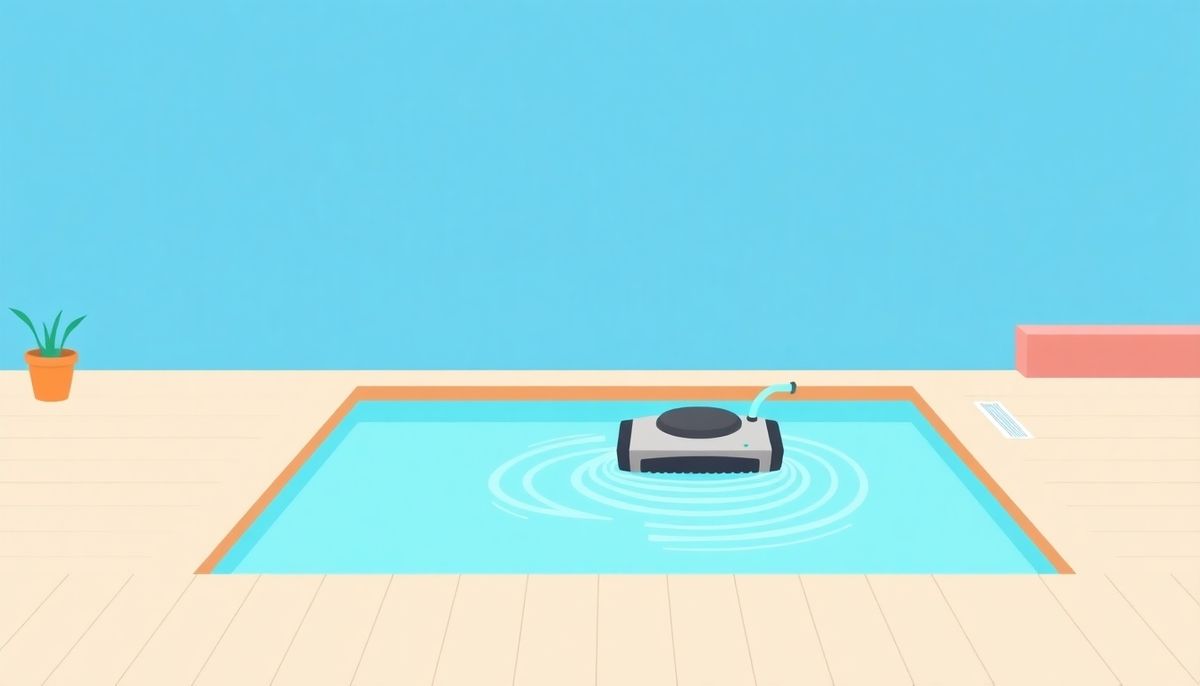
Pool gear can get expensive fast, so it's nice that suction cleaners keep things simple. Because they run off equipment you already have, you're mostly paying for the crawler itself. When I first switched from a manual vacuum, my pool stayed clean through long, sunny afternoons without me doing much beyond emptying the filter now and then.
The trade-off is that these cleaners lean on your filter, so you'll clean it a bit more often. But with few moving parts, there's less to break and less to fuss over. Brands like Kreepy Krauly and Pentair make sturdy models that work around ladders and steps without getting stuck. Above-ground or in-ground, a suction cleaner frees your afternoons for lounging instead of laboring.
A suction cleaner does its work through the pump and filter you already own, which is exactly why it's cheaper to buy and to run.
Explore Suction-Side Cleaners
Suction-side cleaners are an affordable way into pool care, and they still get real results. They glide across the floor and walls, steadily picking up debris as your pump pulls water through them.
The Kreepy Krauly is my favorite example. It's a trusted, simple design that's stayed reliable for decades, and its start-and-stop motion mimics the way you'd move a vacuum by hand, reaching the steps, the walls, and the tight corners. After years of testing different models, I've found suction-side units are the easiest on the wallet, as long as you don't mind cleaning the filter more often. Keep that filter clear and you're set for a season of clean water.
Compare Cleaner Types
Each type of cleaner has its strengths, so the right pick really comes down to your pool and your budget.
Suction-side cleaners
These are the budget-friendly option most owners start with. They vacuum up medium debris well, and some grab finer silt too. The catch is that they depend on your filtration system, so plan on regular filter cleaning.
Pressure-side cleaners
These attach to the return jet and use the water flowing out of your filter to drive the cleaner. They carry their own filter bag, so debris stays out of your pool filter. There are more moving parts to maintain, but the lighter load on your filter is a real plus.
Robotic cleaners
Robots run on their own, apart from your pool's plumbing, with built-in pumps and brushes that scrub and vacuum into their own cartridge. They cost more, but you can set a schedule and walk away.
Maintain Your Pool Cleaner
A routine that keeps it running
Keeping a suction cleaner happy takes almost no time. I start by checking every hose for cracks or leaks, since even a pinhole can drop performance fast, and I make sure the fit at the skimmer is snug.
Then I empty the filter regularly. Suction cleaners push everything they collect through your filtration system, so a clogged filter can slow the cleaner or stop it cold. Think of drinking a thick shake through a skinny straw. Clear the path and everything flows.
Every so often I check the cleaner itself. I pull trapped leaves and twigs out of the flapper and wings, which are the small rubber parts underneath that flex to move the unit along, then rinse it off. If your model has a disc, look it over for tears or warping. When the season ends, take the unit apart, drain the hoses, and store the parts flat and out of the sun.
The single most important habit is keeping your filter clean, because a clogged filter starves the cleaner of the suction it needs to move.
Explore Quiet-Operation Models
A cleaner shouldn't cost you your quiet afternoons. Suction models, the Kreepy Krauly included, are known for running softly because they work through your existing filtration system instead of a loud built-in pump. My old setup droned like a freight train and drowned out everything by the water. Switching to a quieter suction model gave those afternoons back, and it still picks up medium debris and, in some cases, finer silt while it hums along in the background. As you compare cleaners for 2026, remember your choice doesn't have to disturb the peace.
Choose Budget-Friendly Cleaners
What you'll actually spend
The upfront cost sits on the affordable end, and that's a big part of the appeal. Just remember the deal: your pool stays spotless, but your filter works harder, so it needs cleaning more often. That extra chore is a small price for the savings.
I resisted upgrading from my manual vacuum for years, and I regret waiting. The quiet operation and simple setup made the switch a no-brainer. With options from Hayward, Zodiac, and Pentair, there's a budget-friendly cleaner for just about any pool.
Discover Quiet-Operation Benefits
If you value calm, a near-silent cleaner isn't just a bonus. Picture taking an afternoon nap or hosting friends without shouting over a machine. Losing that hammering noise turns pool cleaning into a background task instead of an interruption. Brands like Pentair build models tuned for low noise, so upkeep can feel almost restful and you get to hear the yard instead of the equipment.
Maximize Cleaner Efficiency
Small tweaks, big difference
Getting the most from a suction cleaner starts with a clean, healthy filter, since a clogged one holds it back. Backwash or rinse the cartridges on a schedule so the cleaner can glide freely.
Hose length matters too. Too long and it tangles; too short and it won't reach the far corners. Match the length to your pool, and check the hose now and then for leaks that sap suction.
The one change that helped me most was adjusting the flow control valve, usually a simple plastic piece that clips onto the hose right at the skimmer. Dial it in and the cleaner moves at the right pace, handling tricky corners instead of racing past them. Set aside a regular time each week, and your water stays ready for a surprise dip.
Optimize Your Pool Maintenance

A good routine is really about the right gear plus a few habits. Since suction cleaners push more debris into your filter, check and clean it often, and especially when you notice the cleaner slowing down. Many models can be adjusted to catch finer silt, not just medium debris, which stretches the time between manual cleanings. And when the season ends, take the hoses apart, drain them, and keep everything out of direct sun to prevent wear.
Choose the Right Cleaner
Match the cleaner to your pool
Start with your pool's shape. Lots of curves? Look for a model with solid navigation. Heavy tree cover? Something like the Kreepy Krauly handles big debris well. Budget matters, but so do the hidden costs. Because these cleaners lean on your filtration system, frequent filter cleaning comes with the territory, and I've spent my share of weekends elbow-deep in mine.
Ease of maintenance is the last piece. Fewer moving parts means fewer repairs, so I lean toward a cleaner with a single moving piece and stick with trusted brands like Pentair. Durability isn't obvious at a glance, but a known name usually makes your money last.
Simplify Maintenance Efforts
Owning a pool should be about enjoying the water, not managing equipment. That's where the plain design of suction cleaners shines. Instead of a tangle of gears and wheels, many use a single flapper, so there's less to break and less to fix. I once fought a fussy robotic cleaner and switched to a suction model hooked to the skimmer line. Now I just let it roam, check the filter basket now and then, and get on with my day. Winterizing is just as easy: detach the hoses, drain the water, and store everything out of the sun.
Maximize Cleaning Efficiency
Squeeze out more cleaning power
A clean, efficient filtration system does most of the work here. Rinse the filter regularly and you'll be surprised how much better the cleaner performs. I run mine during off-peak hours to trim energy costs, which is easy if your pump has a variable-speed setting, and early morning has been the cheapest window for me.
Advanced models like the Kreepy Krauly steer themselves around ladders and steps, but it pays to watch the path once in a while and nudge things so it covers every inch. Don't skip the basics either: check hoses for wear and keep them the right length.
Master Suction-Side Cleaner Setup

Getting the setup right
Setting up a suction cleaner is straightforward. Start by connecting it to your skimmer or dedicated suction line, which is the lifeline that lets it crawl the floor and walls. Then make sure the hoses are firmly seated. A gentle tug test tells you if they're snug. Submerge the hose before attaching it so no air gets trapped in the system, since air hurts performance.
Balance the cleaner so it doesn't stall, and if your model has adjustable weights or buoyancy settings, take a minute to fine-tune them. Then adjust the flow at the control valve. Too much and it races around missing spots; too little and it turns sluggish. Keep the manual handy for troubleshooting.
Connect to Skimmer or Suction Line
Once the pieces are in place, connecting the cleaner becomes second nature. Think of your skimmer as the gateway. Attaching the cleaner there, or to a dedicated suction line, builds a cleaning circuit powered by your existing pump. The first time I set mine up I doubted it would work well, but it glided along smoothly, picking up leaves and dirt while I sipped coffee poolside. A little practice is all it takes.
Choose the Right Cleaner Model
Pick the model that fits
Picking the right model comes down to knowing your pool. Bigger or oddly shaped pools do better with strong navigation, and the Kreepy Krauly is known for handling complex layouts. Think about your usual debris, too: heavy leaves call for strong suction and wide debris channels, while lots of sand or silt might point you toward a model built for fine particles.
Price stays reasonable across the board, so there's a fit for most budgets, just remember the filter cleaning that comes with using your filtration system. Finally, favor fewer moving parts. The Kreepy Krauly E-Z Vac, for example, has very few components, which makes it easy to live with.
Maintain and Store Properly
Good care is more than plugging it in and forgetting it. After a cleaning run, check for trapped debris and clear leaves and twigs out of the diaphragm or flapper, which are the flexing rubber parts underneath that drive the cleaner. Every few weeks, look the hoses over for cracks or leaks that weaken suction. A small leak turned into a bigger headache for me once, so a little attention pays off.
When the season winds down, take the hoses and connectors apart, let them drain and dry completely, and store everything in a cool, dry spot out of the sun. That keeps trapped water from freezing and protects the materials.
Before winter, drain the hoses fully and store the parts out of direct sun so freezing water and UV can't wreck your cleaner.
Discover Durable Pool Solutions
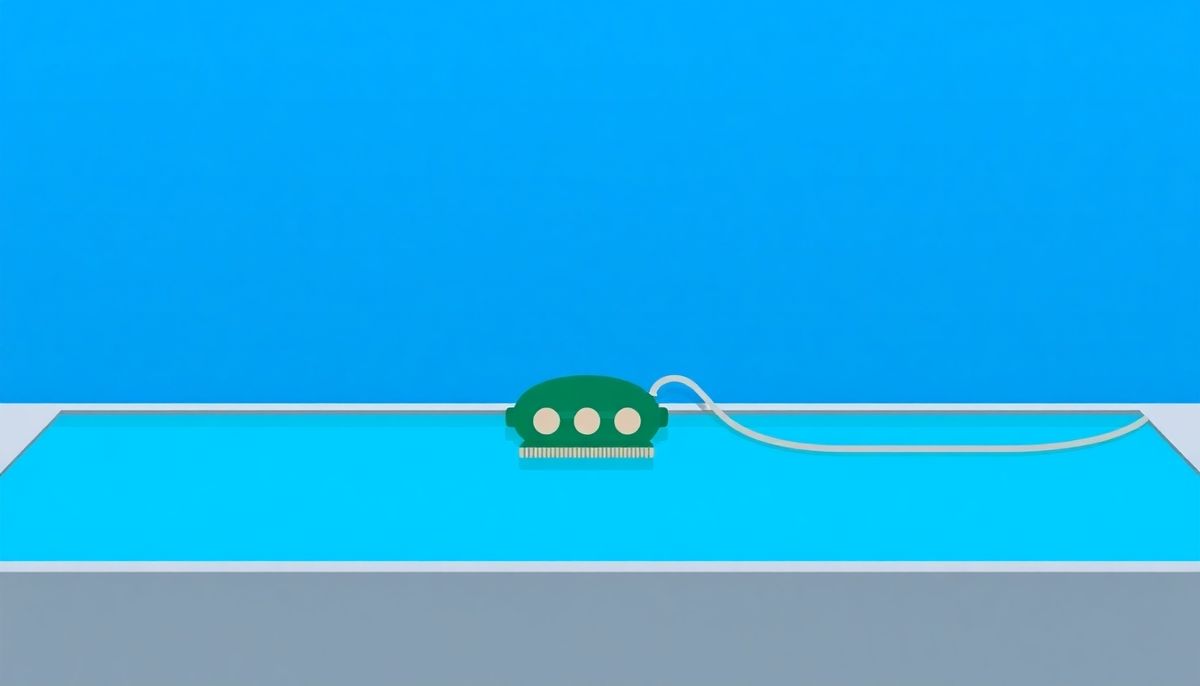
Suction cleaners stand out as dependable, affordable helpers. They handle medium debris easily, and depending on the model, finer silt too. The price is a big draw, and they perform well by using your existing filtration system. Yes, that puts a little more load on your filter, but it's a fair trade for the convenience. The Kreepy Krauly shows off these strengths: it's been a trusted design for decades, it runs quietly, and it works around steps and ladders without getting hung up. Big in-ground pool or cozy above-ground one, a well-built suction cleaner promises long, steady service.
My first suction cleaner cost just over $150 and changed how I handled my pool. It ran with almost no effort by using my pump's power. The one trade-off, again, was cleaning the filter more often since the debris runs through it, and the savings still made it worth it. These cleaners are quieter and simpler than pressure-side models, which have more parts that can act up. When you shop, think about the debris common in your area and how you feel about filter upkeep.
Getting the most out of a suction cleaner is about working smart. Start with a tight connection at the skimmer or suction line for the strongest pull. Match the cleaning schedule to how much the pool gets used: a busy pool full of cannonballs might want a daily run, while a quiet one does fine twice a week. Keep an eye on the filter, since the cleaner relies on it to trap what it collects. And give it a little help around steps and ladders. Do these things and the cleaner earns its keep, leaving you more time for the water.
Conclusion
Hopefully this helps you spend less time wrestling with hoses and more time actually enjoying your pool. Pick a cleaner that fits your pool and budget, keep the filter clean, and the rest mostly takes care of itself. If you want to go deeper, our free Pool School course walks you through water chemistry, troubleshooting, and keeping your water clear year-round. Get started with our free Pool School course today.
What you need
Grab a suction-side cleaner in the $100 to $400 range, a matching set of hoses, and a fresh filter cartridge or backwash-ready filter so your cleaner has strong suction from day one.