



In pool care, backwashing gives your filter a fresh breath of air. Your filter is the hardest-working piece of your setup. It runs nonstop, catching dirt and debris, but even a machine like that needs a reset now and then. That's what backwashing does, and it's about as essential as changing your car's oil.
Different filters ask for different methods. Sand, D.E., and cartridge filters each have their quirks. Getting the technique down means knowing your filter type, spotting a clog, and knowing when to act. One summer, my pool turned cloudy even though I kept up with maintenance. Only after I learned to backwash my sand filter did things clear up, both the water and my understanding.
Learning to backwash right keeps your filter alive longer and your pool safe and inviting. This guide gives you what you need, so the time you put in pays you back with clear water and peace of mind.
Your Action Plan
- Watch the pressure gauge and backwash when it reads 10 psi above normal.
- Switch off the pump before you touch the valve.
- Connect the backwash hose and set the multiport valve to "Backwash."
- Run the pump until the sight glass or hose runs clear.
- Switch to "Rinse" for about a minute, then set the valve back to "Filter" and restart.
- Dispose of the backwash water legally by checking with your local water authority.
Clean Your Pool Filter

No need to take the filter apart
Your pool's cleanliness comes down to the filter, and the best part is you don't have to take it apart to clean it. It sounds intimidating, but it's simple once you know the steps.
Start with the pump switched off. Skip this and you can wreck the valve gasket and land a repair bill. Connect a backwash hose to the filter's waste port so the dislodged debris has somewhere to go. Turn the multiport valve, the main dial that controls water flow, to "Backwash" and start the pump. Watch the sight glass or the end of the hose. Once the water runs clear, the dirt is gone.
For D.E. filters, add fresh diatomaceous earth into the skimmer to coat the grids inside, which helps them filter better. Sand filters need nothing extra. They just need that reverse flow to shake the grime loose.
When you're done, switch off the pump and turn the valve back to "Filter." Restart the system. Regular upkeep stretches your filter's life and keeps summer pool days worry-free.
Always switch off the pump before you touch the multiport valve, because that one step saves you from a wrecked gasket and a surprise repair bill.
Learn to Backwash Properly
Backwash step by step
Backwashing is a regular part of pool care, not a big chore. First, shut off the pump. That keeps the delicate parts inside your multiport valve from getting damaged. With the pump off, move the valve handle to "Backwash" so water runs in reverse and carries the trapped debris out.
Roll out your backwash hose and connect it to the filter's waste port to guide the dirty water away. Turn the pump back on and watch. The water looks cloudy at first, then clears. That's your cue to stop, usually after two to three minutes, or once the sight glass runs clear.
Don't skip the rinse cycle. Set the valve to "Rinse" and run the pump for about a minute. This settles the filter media back into place so loose dirt doesn't drift into your pool. Finally, turn the valve back to "Filter," start the pump, and you're done. Get this right and you stretch your filter's life, one backwash at a time.
Protect Your Equipment
Protect the parts that do the work
Backwashing is simple, but people often forget to care for the equipment so it lasts. Your filter, sand or D.E., has a few needs to keep running smoothly.
Always turn off the pump before you touch the multiport valve. Skip it and you risk a broken diverter gasket, the delicate rubber seal inside that directs water to the right ports. I've been there, and one skipped step adds up fast into a budget buster.
Check your backwash hose too. Keep it free of kinks and holes so water flows well and drains where it should. And don't ignore the pressure gauge, your best friend in pool care. Check it regularly so you can plan for backwashing instead of scrambling once the water looks bad. Every part of your pool system has a job, and protecting your equipment keeps that clear, inviting look in your backyard.
Dispose of Backwash Water Safely
Where the backwash water should go
Getting rid of backwash water wrong can make a real mess. Picture chemically treated water running into your garden or the creek down the road. You want a responsible way to dispose of it so you don't harm local wildlife or get caught by the rules.
Start by calling your local water authority. Rules vary, but they'll tell you where and how you can dump pool water. In some areas storm drains work, though you'll often need a permit and may have to lower the chemical levels first.
Another option is connecting the backwash hose to your home's plumbing cleanouts, if your town allows it. Just steer clear of the septic system. The chlorine kills off the good bacteria your tank needs to work. Where rules are tighter, a dry well can handle large amounts of water, but it's expensive and involves red tape, so it shouldn't be your first move.
Master Backwash Techniques

Small habits that make it easy
Good pool care starts with backwashing right, and it's less complicated than it looks. You're just reversing the water flow through your filter to push out the built-up debris that clogs it and drags down performance.
Always shut off the pump before you move the multiport valve. I learned this the hard way once, when a rushed mistake left a small flood in my backyard. Ever since, I follow each step carefully.
Pick a backwash hose that's easy to handle and store. Once it's connected, aim it so the water doesn't hurt your garden or nearby waterways. My neighbor, quite the eco-warrior, taught me to check city rules on water disposal, and responsible pool care helps protect the environment.
Last, watch the pressure gauge. It quietly tells you when your filter needs a hand. Keep an eye on it and you'll catch problems early, which keeps your water clear and your whole system healthy.
Implement Effective Backwashing Methods
Know your filter and its pressure
Backwashing well keeps your filter alive and working. Start by knowing your filter's needs, whether it's a sand filter or a D.E. (diatomaceous earth) filter. Each calls for slightly different handling, but the main idea is the same: reverse the water flow to knock trapped debris loose.
Get familiar with the pressure gauge. When it reads 10 psi above normal, it's time to backwash. A little dirt actually helps filtration until the system gets fully clogged, so there's no need to rush. When you're ready, grab a backwash hose that's tough and easy to store.
Always turn off the pump before you adjust the multiport valve, which saves you from costly damage inside the filter. And remember the waste water doesn't just vanish. Dispose of it responsibly and check local rules about permits for chemically treated water, so you stay both legal and eco-minded.
When your pressure gauge climbs 10 psi above its normal reading, it's time to backwash, no sooner and no later.
Safely Dispose of Backwash Water
Backwash water isn't as harmless as it looks
After you reverse the flow, you have to deal with the water that comes out. It looks harmless, but it's loaded with chlorine and other chemicals that can damage local ecosystems if you don't manage it right.
Check whether your local rules let you empty pool water into storm drains. Some towns allow it with a permit, and there may be conditions about lowering the chemical levels first. You can also ask about sending backwash into your home's plumbing cleanouts, which may need approval or some treatment.
Don't run the water into a septic system. The chemicals kill the bacteria it depends on, and that leads to expensive trouble. If the rules prove tricky, a professionally installed dry well is an option, effective but pricey. Your local water authority can walk you through what's allowed.
Maintain Optimal Filter Performance
Backwash on a schedule
Keeping your filter working its best is like caring for a well-tuned instrument. Backwash regularly and you give it a fresh start without pulling it apart, forcing trapped dirt and oils out and bringing its efficiency back.
A few summers ago my friend Sarah fretted over her cloudy pool. Her sand filter was overdue for a backwash. Once she ran through the steps, the water cleared almost right away and the pressure on her gauge dropped, a sign of a healthier system. Backwashing on a schedule wasn't just about looks. It also helped her filter last longer.
Checking the pressure gauge is the key. When it climbs 10 psi above normal, your filter needs attention. But don't overdo it. A little debris actually helps catch finer particles. Get that balance right and your filter keeps guarding your water for years.
Protect Your Filter System
Handle the multiport valve gently
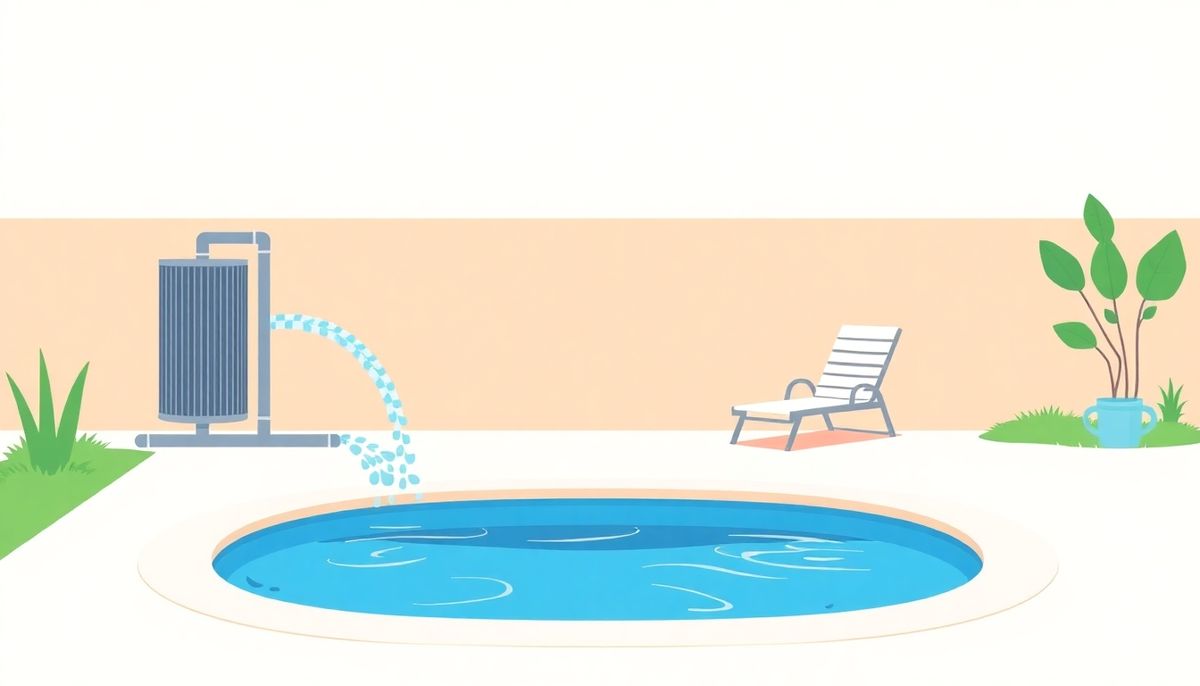
A long filter life takes more than regular backwashing. It takes respecting how your system works. Many owners miss how important gentle handling is, especially with the multiport valve. One careless twist while the filter's running can damage the diverter gasket, that little rubber ring that steers water to the right ports and stops leaks.
Get in the habit of checking your pressure gauge. When it reads 10 psi above normal, your filter is asking for a backwash. Ignore that and you not only cloud the water but also stress the filter and shorten its life.
Be mindful when you dispose of backwash water too. Chemically treated water can throw off local ecosystems, so always check with your local water authority. A little forethought keeps your filter running smoothly, saves you from surprise bills, and keeps your pool a place to relax.
Follow Backwashing Guidelines
Time it by the gauge
Knowing when to backwash matters as much as knowing how. Check your pressure gauge regularly, and when it reads 10 psi above normal, that's your signal. It's tempting to jump the gun, but a slight buildup of debris actually helps your filter catch finer particles, a bit like a net.
When you're ready, turn off the pump before you move the multiport valve. Turning it while the system's running can damage the internal gasket and leave you with frustrating leaks. It's a lesson better learned from someone else.
Plan ahead for where the backwash water goes. Careless dumping can hurt local ecosystems and hit you with fines, so check your local guidelines for the safest and most legal option, whether that's a sewer system or a designated spot.
Dispose Backwash Water Safely
Disposal done right
So what happens after you've reversed the flow and cleared the filter? The leftover water, full of chemicals and impurities, needs some thought. Sending it down the nearest storm drain or letting it spill into your yard often breaks local rules and carries real environmental risks, harming plants and water sources.
Call your local water authority first. Some towns allow treated pool water in storm drains with a permit and conditions like neutralizing the chlorine. Running the water into your home's plumbing cleanouts is another option where it's allowed.
Septic systems, though, are a hard no. The chemicals in pool water kill the bacteria the system relies on. If neither option is open to you, a professionally built dry well can handle the overflow safely. It costs more, but it soaks up the water without threatening ecosystems or breaking the rules.
Never send backwash water into a septic system, because the chlorine kills the bacteria your tank needs to break down waste.
Monitor Filter Pressure Regularly
The pressure gauge is your early warning
Watching your filter's pressure can stretch its life and keep your water sparkling. Think of the gauge as a window into your filter's health. When you set it up, note the baseline reading. That number is your filter's happy place, where it hums along and does its job.
Over time the filter fills with debris and the pressure climbs. A reading 10 psi above baseline is a clear call for a backwash. Ignore it and your filtration drops off, leaving your pool open to murkiness and algae. But don't backwash before you hit that mark, because a slightly dirty filter catches even finer particles.
Regular checks turn you from reactive to proactive. I let this slide once, and by the time I noticed, my pool had a green tint that took days to fix. That slip taught me how much monitoring pressure matters. Pick up this habit and your pool rewards you with clear water every time.
After the backwash, mind the water
Once you're done, handle the runoff responsibly, both to protect the environment and to follow local rules. Backwash water contains chlorine, and tossing it carelessly onto your lawn or into a stream can harm plants and aquatic life, which is why many places ban it.
Get familiar with your local guidelines. Some areas let you discharge pool water into storm drains, often with a permit, and you may have to adjust the chemical levels first, especially with a saltwater pool. You could also send backwash into your home's plumbing cleanouts if that's allowed, though this may take approval and some changes to your setup.
Avoid septic tanks. The chemical-laden water throws off the bacteria that break down waste. A dry well might sound tempting in a rainy region, but it's pricey, needs professional installation, and isn't always allowed. Talk to a pro or your water authority to find a method that's suitable and legal.
Identify Legal Disposal Options
Legal disposal, plain and simple
Finding legal ways to dispose of backwash water protects the environment and keeps you clear of fines. Once it leaves your pool, that chemically treated water can threaten plants, groundwater, and aquatic life. Your first move should be to call your local water authority for the allowed methods and any permits you'll need.
Some places let you discharge into storm drains, often as long as you have a permit, usually after checking or lowering the chemical levels so the water meets standards. You might also use your home's plumbing cleanouts, though you'll want to confirm any pretreatment steps.
Running backwash into a septic system is almost never allowed, since chlorine kills the enzymes and bacteria that break down waste. A dry well can seem workable but is expensive to build and often against municipal rules because of the groundwater contamination risk. Your water authority is your best ally in sorting this out.
Consult Local Water Authorities
Make the call before you drain
Before you tackle backwashing, there's a step you might not think of: calling your local water authority. The first time I backwashed, I figured the water could just drain into the yard. A quick call saved me from a possible fine and taught me the eco-friendly way to handle pool water.
Different areas have different rules for getting rid of chemically treated water, and those rules affect both public health and local ecosystems. Some towns let you discharge into storm drains, while others require a permit or want the chemical levels lowered first. And dumping into a septic system is usually a no-go, since it kills the bacteria that break down waste.
Checking in makes the acceptable practices clear and helps protect your community. They can tell you whether to route the water into a sewer system or point you to another option. It's a small bit of effort that keeps your pool clean and does right by the environment.
Prevent Environmental Damage
Keep it eco-friendly
Backwashing matters in pool care, but so does the environmental side. That chemically treated water, full of chlorine and other sanitizers, can damage local plants and contaminate groundwater.
Instead of flooding your yard or letting backwash trickle into nearby waterways, look into eco-friendly disposal. Many towns have guidelines, which might include designated storm drains, though some areas require permits and want you to reduce the chemical levels first. You could also connect the backwash output to your home's plumbing cleanouts with approval. And remember, septic systems are usually off-limits, because pool water wrecks the bacteria they rely on.
Manage the water responsibly and you protect your local ecosystem while keeping your pool clean and efficient. This careful approach prevents environmental damage and keeps you in line with the rules, so you avoid potential fines.
Enhance Pool Water Quality
Bring cloudy water back to clear
Improving your pool water doesn't have to be hard. The trick is understanding backwashing and doing it well. This brings your filter's performance back and makes sure every swim is fresh and safe.
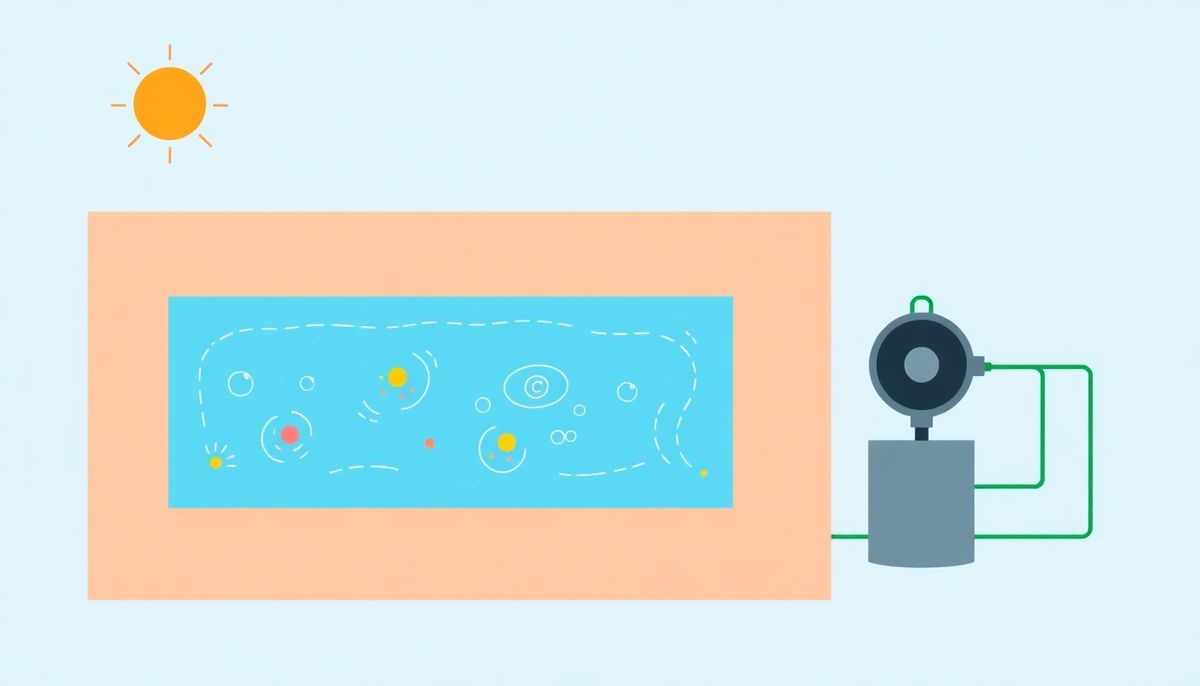
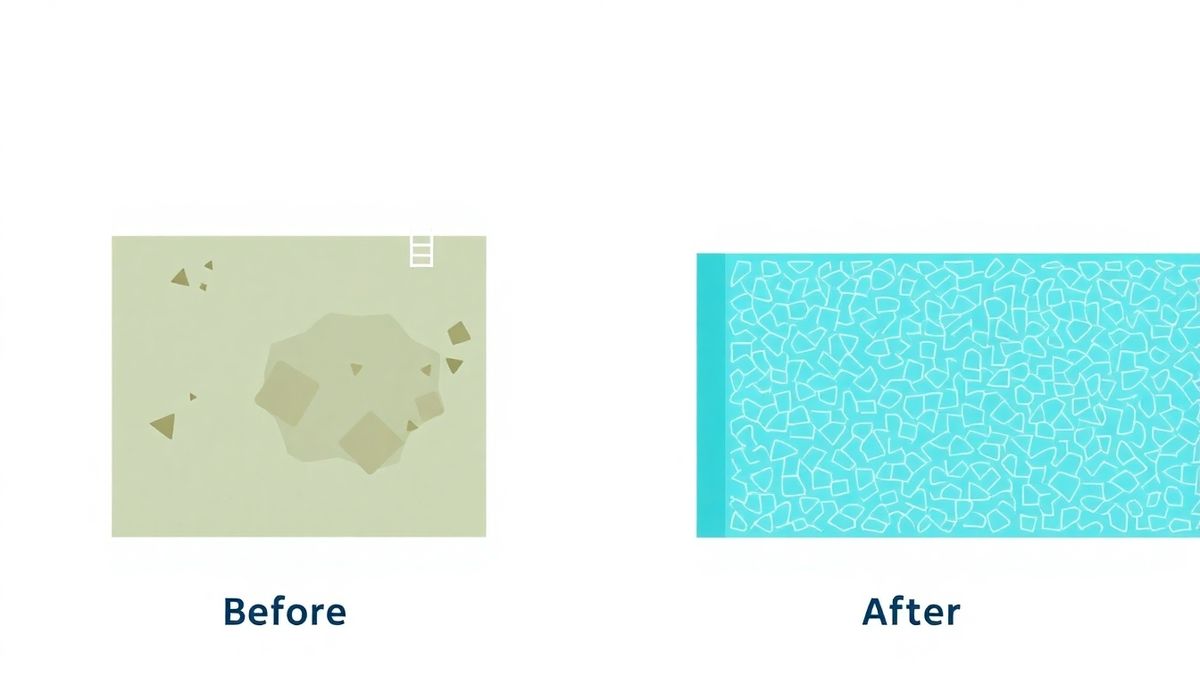
For me it started one afternoon when my pool's bright blue had turned murky. A look at the pressure gauge showed the problem: a clogged filter. Backwashing flushed out the trapped gunk and got the filter working again, like giving your pool a deep, refreshing breath.
Different filters need slight tweaks, but the core idea is the same. With a sand filter, the sand stays put while the contaminants flush out. With a D.E. filter, you add fresh powder after backwashing to reset the system, keeping the D.E. layer, the coating of powder on the grids, ready to catch even the finest particles.
Just don't forget where all that water goes. Check your local guidelines on disposing of chemically treated water. Once you've got this routine down, you'll notice clearer water, a healthier pool, and a longer-lasting filter.
Backwash Your Pool Filter
The full routine, one more time
Backwashing your filter is much easier than it looks, but it does take a little care. First, get to know your filter type, sand or D.E. Each has its own procedure, so dig out the owner's manual for a quick refresher.
With a backwash hose in hand, make sure the pump is off. That prevents trouble like a damaged gasket and the leaks that follow. Set the multiport valve to "backwash," turn the pump back on, and let the water run in reverse to knock loose the dirt that's overstayed its welcome.
Watch the sight glass or the discharge hose. When the water runs clear, shut off the pump. Switch the valve to "rinse" for 30 seconds so leftover dirt doesn't sneak back into the pool. Then set the valve back to "filter" and restart the pump. And get rid of the backwash water properly. Check local rules so you don't accidentally harm the environment or break the law.
One last word on wastewater
Behind that sparkling water sits the job of backwashing, which briefly leaves you with a lot of wastewater. The tricky part is making sure it doesn't harm the environment or break local rules.
Think about the chemistry. Backwash water is loaded with chlorine, which your pool needs but which can hurt local ecosystems if you dump it wrong. Letting it flow into your garden or down the street could damage plants or bring a hefty fine.
Some towns let you send pool water into storm drains, often after getting permits or lowering the chemical levels. Check with your local water authority for the specific rules where you live. They may want you to route the water into your home's sewer system, which sounds tough but is doable with the right guidance. The septic system, though, is a definite no. Chemically treated water throws off its balance and leads to costly repairs. A dry well is an alternative, but it needs professional installation and can get expensive. Knowing your options keeps your pool a source of joy instead of a regulatory headache.
Conclusion
Now that you know the basics of backwashing, keeping your water crystal clear is a whole lot easier. Take it one step at a time, and the routine soon becomes second nature.
Want to become a pool maintenance expert? Our free Pool School course covers everything you need to know about pool care. From basic maintenance to advanced troubleshooting, you'll learn how to:
- Save thousands on pool repairs and chemicals
- Keep your water crystal clear year-round
- Prevent and solve common pool problems
- Master water chemistry with confidence
Join over 10,000 pool owners who have already transformed their pool care routine. Get started with our free Pool School course today!
What you need
Grab a sturdy backwash hose, keep a working pressure gauge on your filter, and check your local water authority's disposal rules before your next backwash.