








Stepping into a hot tub should be pure relaxation. It's where the world fades and everything goes quiet. But this little pocket of bubbles and warmth can turn into a chemistry puzzle if the water's pH isn't right. Balanced pH matters for two reasons: your skin's comfort and the health of the tub itself. Let it drop too low and the water turns acidic, which can leave you irritated or slowly damage the tub's parts.
Years ago, I ran into this with my own hot tub. The water looked fine, but after a few soaks my skin felt oddly dry and I caught a faint metallic smell in the air. A bit of digging pointed to the cause: low pH. Plenty of owners hit this same wall, and the fixes are easy to reach, often with simple household items or products from any pool store.
Every hot tub has its own personality, and getting to know its needs is part of owning one. Whether you've had yours for years or you're brand new to the bubbling water, the basics of pH make all the difference. As we walk through how to raise pH the right way, you'll build the confidence to keep that balance steady and your tub the relaxing spot it's meant to be.
Your Action Plan
- Test your water with a strip at least once a week.
- Check total alkalinity first and bring it to 100–150 ppm with baking soda.
- Aim for a pH between 7.4 and 7.6.
- Add pH increaser in small doses with the jets running.
- Wait a few minutes, then retest before adding more.
- Use spa-grade products, not laundry chemicals.
Use a pH Increaser

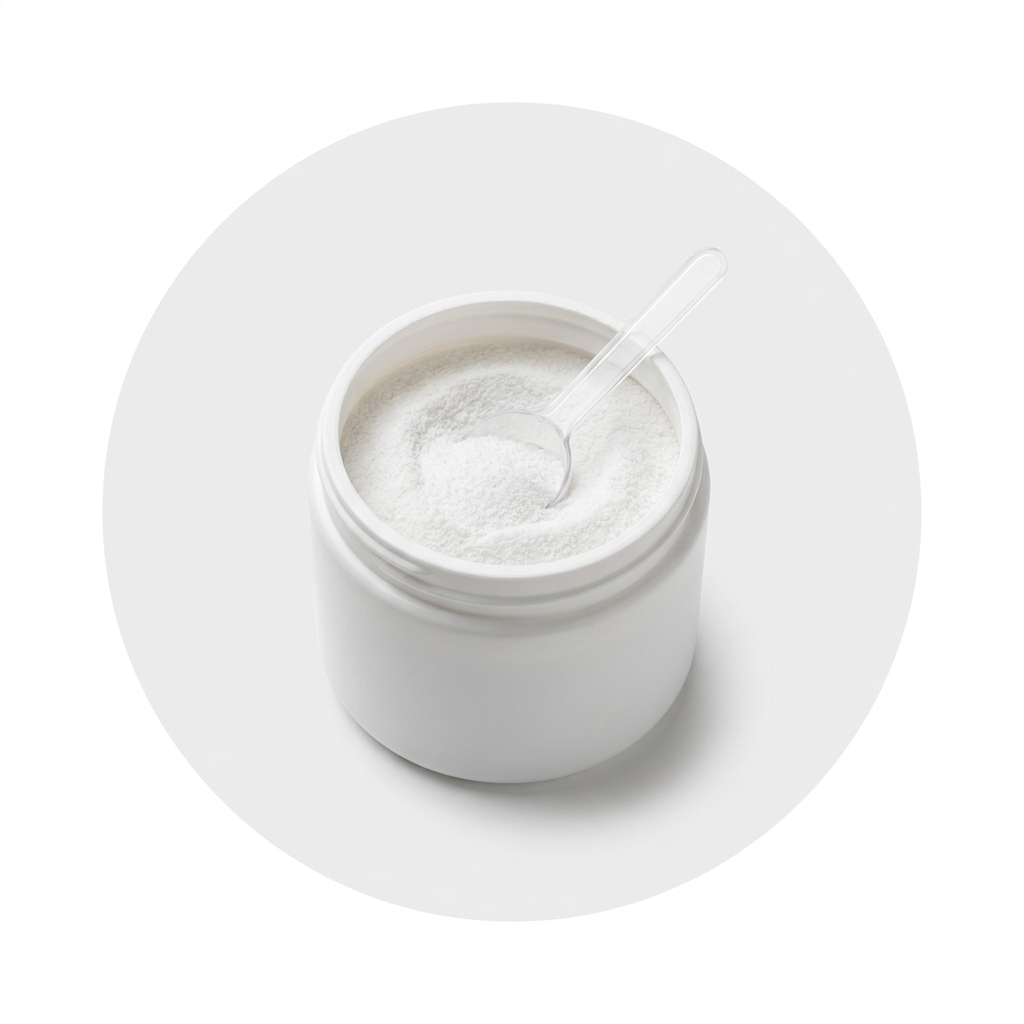
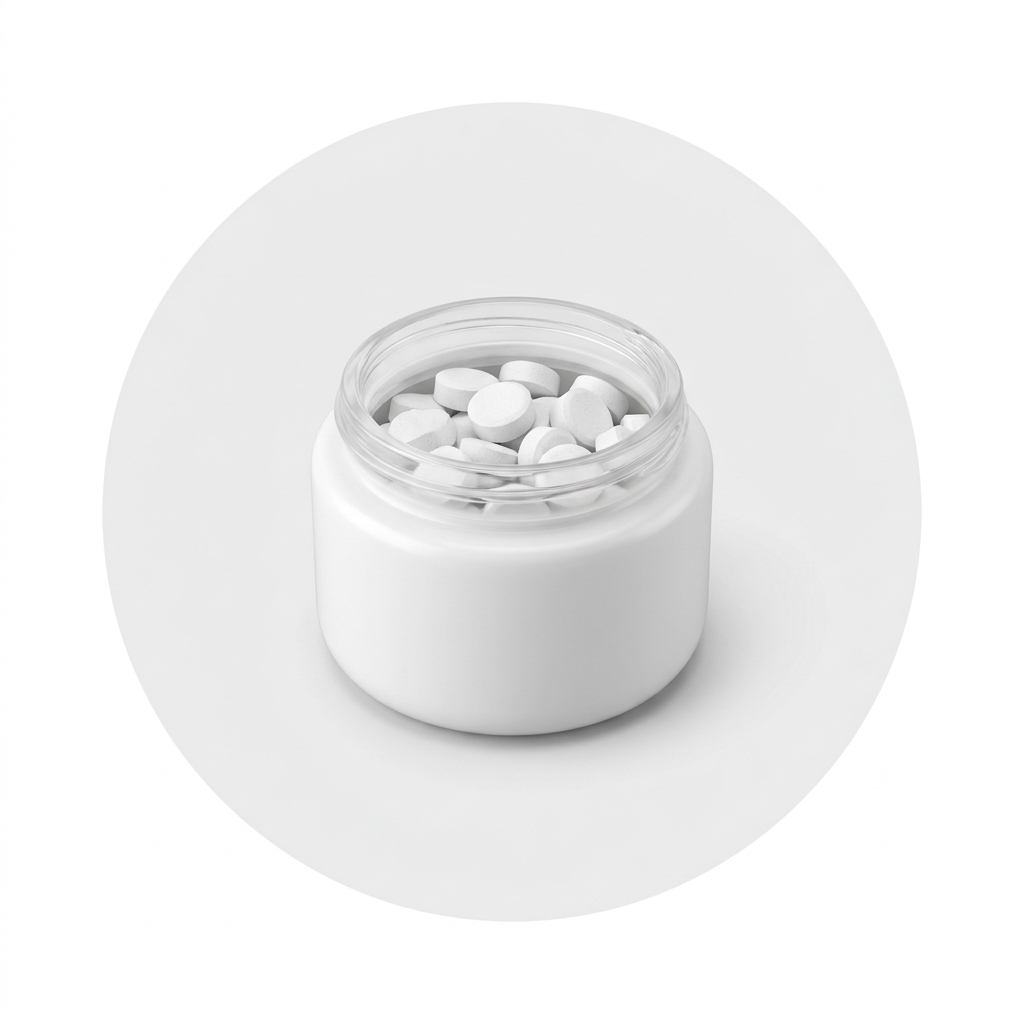
Getting the pH just right is a bit like seasoning a dish. You can tell something's off when it doesn't feel quite right. The reliable fix for low pH is a pH increaser, usually sodium carbonate (better known as soda ash), made to lift pH without disturbing the rest of your water chemistry.
Add a little, let the water circulate a few minutes, then check with a test strip. You're aiming for that sweet spot between 7.4 and 7.6. You could raid the laundry aisle for washing soda, which is similar, but you'd be buying far more than a tub needs. A pre-measured spa product is simpler and less wasteful.
Aim for a pH between 7.4 and 7.6—that range keeps your skin comfortable and protects your equipment from corrosion.
Ensure Proper Dosage
Get the dose right
Getting the dose right is where most people slip. Too little, and you're stuck with acidic water that chews at the tub's surfaces. Too much, and you get cloudy, alkaline water that sanitizes poorly.
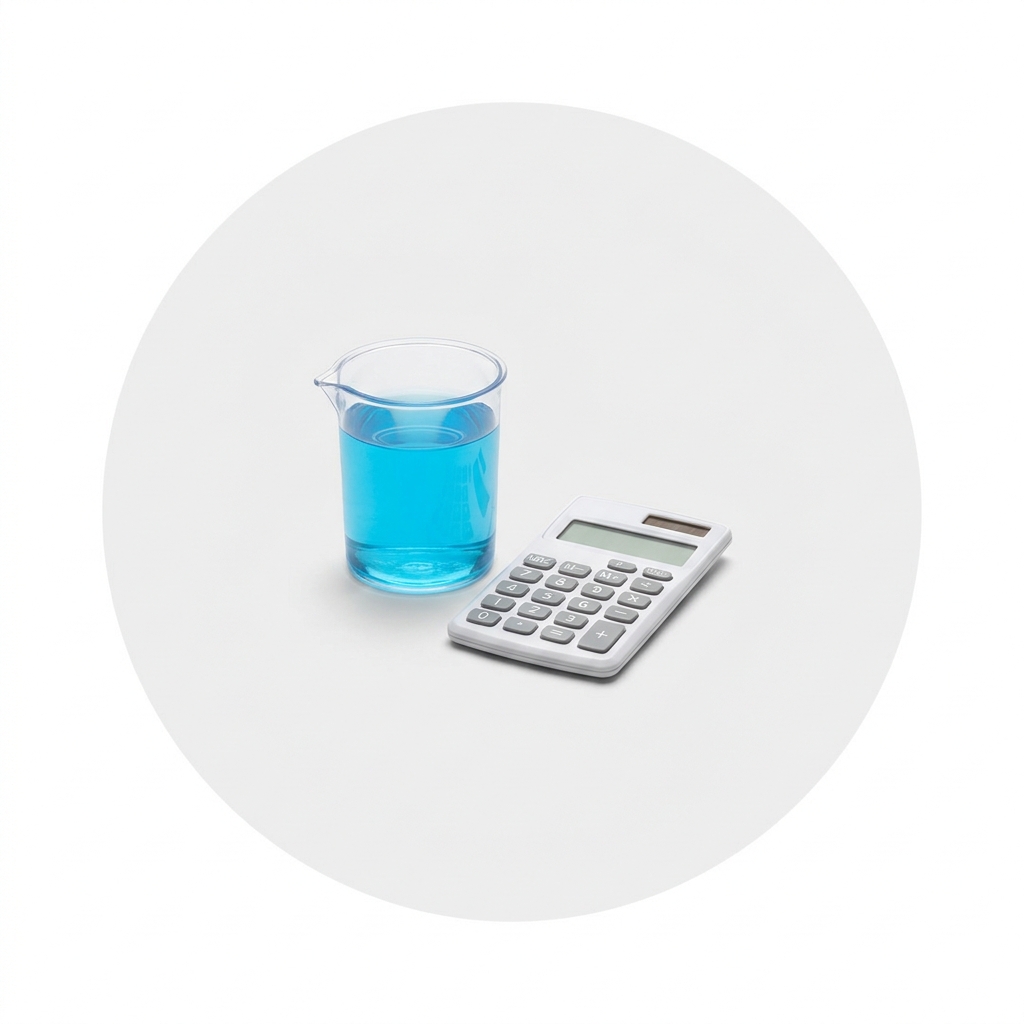
Before you add anything, know exactly how many gallons your tub holds. Read the current pH with a strip, then follow the dosage chart on the package, which is based on volume and starting pH. Add small amounts, run the jets so the chemical spreads, stir, and test again after five minutes. Adjusting patiently sets you up for a good soak and a longer life for your equipment.
Protect Equipment from Erosion
Low pH is a quiet enemy. When the water turns acidic, it slowly eats at the tub and its plumbing. A friend of mine ignored her low pH for months and paid for it with a corroded heater coil and a costly repair.
Every part of a hot tub, from the pump to the jets, helps make a good soak. Acidic water wears down those metal parts, and the damage can reach deeper into leaks or a breakdown. The fix is simple: check and adjust your pH regularly with soda ash. Holding it between 7.4 and 7.6 protects your gear and helps sanitizers like chlorine and bromine do their best work.
Optimize Water Balance
Balancing water takes more than adjusting pH; total alkalinity matters too. Think of it as the cushion that holds pH steady, so any change happens slowly instead of all at once.
I once ignored alkalinity and focused only on pH, and my readings swung every time someone got in. The fix was baking soda (sodium bicarbonate), which raises both total alkalinity and pH for a steadier setup. A weekly check with test strips helps you spot changes and catch problems early. Pros might reach for fancy meters, but strips are cheap and plenty accurate for home use.
Alkalinity is the buffer that holds your pH steady, so check it before you chase any pH reading.
Test and Adjust Levels
Test, then adjust
Testing and adjusting is a skill, and once you've got it your spa stays trouble-free. Dip a strip, wait a few seconds, and match the color to the bottle. If the reading falls outside 7.4 to 7.6, it's time to act.
Add soda ash to raise pH, or baking soda if your alkalinity is low too. Sprinkle it over the water while the jets run so it spreads evenly, then wait a few minutes and test again. Adjusting pH isn't a race. If you overshoot and the water clouds up, don't panic; it clears on its own. Just work in smaller amounts next time.
Utilize pH Increaser Effectively
When the water turns too acidic, reach for pH increaser. A friend's tub had its pH plummet during a rainy month, and a little soda ash fixed it fast. Sprinkle the recommended amount in with the pumps running, let the water circulate for about 15 minutes, then check with a strip.
Adjust slowly, and remember that steady pH between 7.4 and 7.6 makes for a comfortable soak, protects your tub's parts, and helps chlorine or bromine work better. With a light touch, your hot tub stays a place to relax instead of a headache.
Balance Alkalinity and pH
Keep alkalinity in a good range, usually 100 to 150 parts per million (ppm), and your pH stops swinging all over the place. After a rainy week, I noticed my water going cloudy and my skin feeling dry; a test showed both alkalinity and pH had dropped. A little baking soda brought things back into balance.
Here's the key relationship: raising alkalinity with baking soda also nudges the pH up. If the pH still won't hit that 7.4 to 7.6 target, add soda ash for the extra push. Set alkalinity first, then fine-tune pH, and your tub becomes an easy place to relax.
Test Water Regularly
Make testing a habit
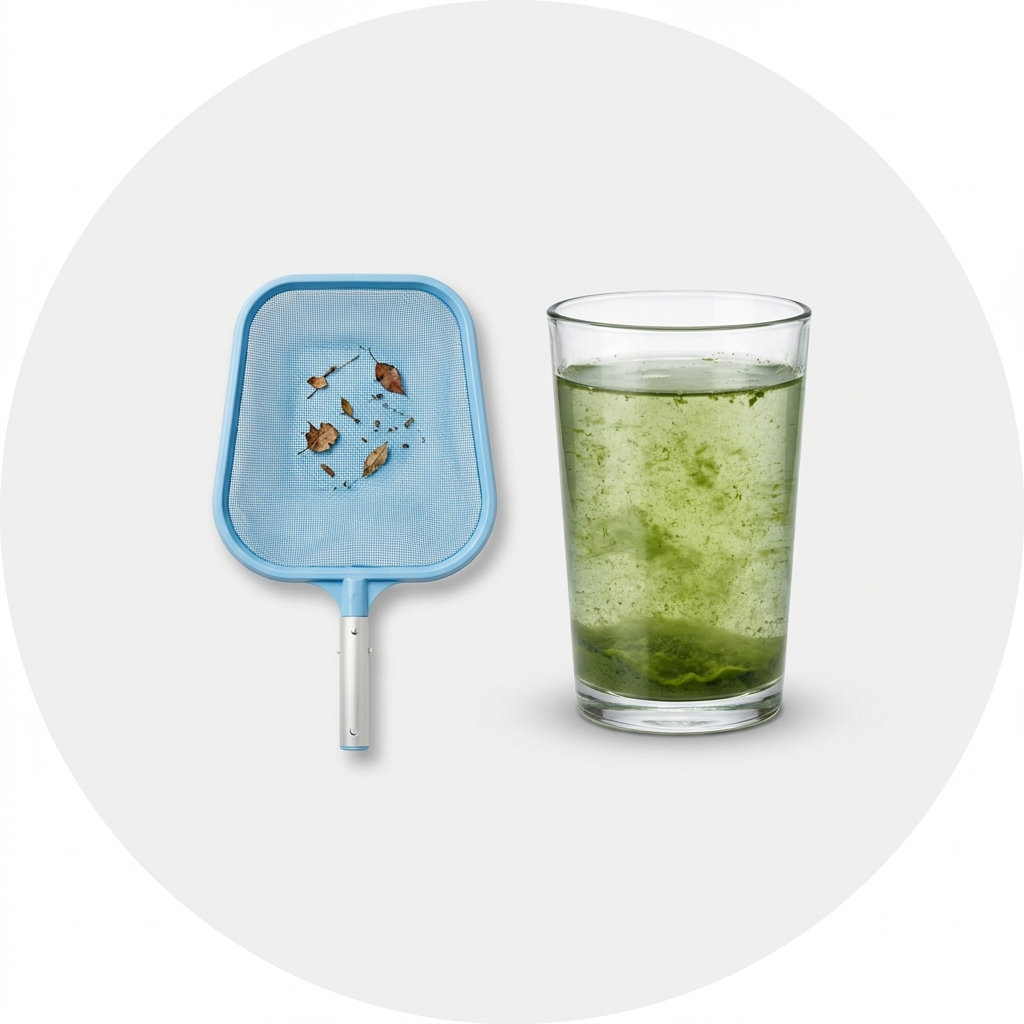
Skip testing and you're basically driving blind. A friend of mine let his routine slide, and his water turned a lovely shade of green.
Use test strips at least once a week for a quick read on pH and alkalinity. Digital probes and liquid kits are more precise, but strips mix convenience with solid accuracy for most homeowners. They also keep an eye on total alkalinity, the buffer that stops your pH from riding a roller coaster with every splash or dose. Once you settle into a rhythm, adjustments become second nature.
Testing at least once a week is the single habit that prevents most hot tub problems.
Avoid Common pH Mistakes
Common pH mistakes
A few common slip-ups cost time and money. The first is not testing often enough. Like checking tire pressure, it needs doing weekly, or you end up with water that's too acidic or too basic.
The second is dumping in too much increaser at once. Over-adjusting swings your water high, which causes scale buildup and weaker sanitizing, so add slowly and test in between. Another trap is misreading how pH and alkalinity connect: fix alkalinity first with baking soda, then tackle pH. Finally, using laundry-grade washing soda instead of spa products just complicates things. Stick with chemicals made for spa use.
Balance Alkalinity First

Balancing alkalinity is the foundation everything else sits on. Adjust the pH before alkalinity is set, and it drifts the moment you step in or add other chemicals.
A few years back, I hosted a backyard get-together and proudly set the pH on my new tub, but never checked the alkalinity. By the end of the night, the water had gone from clear to murky. Lesson learned. Start by measuring total alkalinity with a strip, aiming for 100 to 150 ppm. If it's low, add baking soda in modest amounts, stir gently, then go back and check the pH. This two-step order guards against wild pH swings.
Balance Your Hot Tub pH
When your pH dips below 7.4 to 7.6, you invite acidic water that wears on both your skin and the tub's inner parts, and it weakens sanitizers like chlorine or bromine.
The easiest fix is soda ash. This simple powder raises pH without complicating the rest of your water chemistry, much like a pinch of salt turning bland soup into something you'd want to eat. Sprinkle it in with the circulation running and watch the pH settle. Test regularly, and you'll skip the itchy-skin, cut-short soaks that come from letting the water go acidic.
Use Alkalinity Increasers Effectively
Alkalinity increasers are often just baking soda in disguise, the same box that keeps your fridge fresh. When your tub's alkalinity drops below the 100 to 150 ppm range, a sprinkle nudges it back into line.
Add it while the jets run on low so it mixes evenly, then wait about five minutes and recheck. You'll often find both alkalinity and pH have climbed to a happier spot. It's tempting to overdo it, but go easy; too much clouds the water, which is more of an eyesore than a crisis, and it clears on its own. Wear gloves and goggles whenever you handle spa chemicals.
Protect Equipment with Balanced Water
Balanced water isn't just about comfort; it protects your tub's lifespan. When the pH dips too low, acidic water slowly attacks the very parts that make your soaks good, like a tiny army eroding your investment.
A friend of mine learned this the hard way. She neglected her pH balance and faced hefty bills after the acidic water damaged her heater element. A quick strip test takes seconds, and adjusting with soda ash is simple.
Balanced water does triple duty: it protects your equipment, helps your sanitizer work, and makes every soak feel better.
Opt for Baking Soda

The kitchen fix: baking soda
For a cheap, effective fix, look in your kitchen cupboard. Baking soda mainly boosts alkalinity, which, as a nice side effect, nudges pH up. It's a two-for-one, and it's already in most homes.
If your strip shows a pH below 7.4 to 7.6 along with low alkalinity, start small: about one tablespoon per 100 gallons, then retest. Remember the last time you over-salted soup? You can always add more, but you can't easily take it out. Baking soda's gradual approach lets you make steady adjustments without big swings.
Use Baking Soda Safely
That trusty box isn't just for cookies and freshening the fridge; it's a handy tool for your tub too. There's just a right way to use it. Start small.
Test your water first. If both pH and total alkalinity are low, add about one tablespoon of baking soda per 100 gallons, sprinkled in with the jets on low. Give it a few minutes to circulate before testing again so you don't overcorrect and cloud the water. A friend once rushed it and ended up with water that looked like the Milky Way. It wasn't dangerous, but it wasn't the mood anyone's after. Patience is the whole trick.
Balance Alkalinity with Ease
Balancing alkalinity and pH is pretty straightforward once you get going. When alkalinity runs low, baking soda raises it and pH together, cheaply and easily.
One tip from my own experience: dissolve the baking soda in a bucket of warm water before pouring it in slowly. It spreads more evenly and prevents cloudiness. Once your alkalinity sits in the 100 to 150 ppm range, the pH usually falls into line on its own. If it stays stubbornly low, soda ash gives that extra push. Keeping the water balanced saves you time and money down the road.
Maintain Optimal Water Chemistry
Water chemistry is more connected than it looks. Plenty of owners focus only on pH increasers, but the pieces work together: balanced water lets your sanitizer do its job, keeps your equipment going longer, and makes every soak nicer.
Test strips give you a quick read on pH, alkalinity, and total hardness. Alkalinity acts as the buffer that holds pH steady, which matters most after you add chemicals or when several people share the tub. It's like a recipe: every ingredient has to be measured right, and skipping alkalinity while you adjust pH is like forgetting the baking powder.
Protect Your Hot Tub
Owning a hot tub is a small luxury a few steps from your back door, but it takes some care to stay peaceful. Low pH can turn a soothing spa into a corrosive problem, wearing down surfaces and plumbing over time.
Watch for the quiet warnings: a faint metallic smell, or a slightly rough surface under the water. Soda ash raises the pH and protects that balance. Keeping pH right also keeps your chlorine or bromine working, so the water stays clean with fewer chemicals and less fuss. Test weekly and you can make small fixes before real damage starts. That simple habit is your shield against costly repairs.
Balance Water Chemistry
Alkalinity and pH work together, each with a part to play. Alkalinity acts as a stabilizer, soaking up the shocks so pH doesn't dive or spike with every splash or dose. If you've ever added a bit too much sanitizer and watched the pH jump, low alkalinity was probably the reason.
Keep alkalinity in a good range, ideally 100 to 150 ppm, and you give pH steadier ground. Baking soda is your ally here; it raises alkalinity without causing big pH swings. Sprinkle it into the water with the jets running, wait a few minutes, and test again. With the chemistry in order, the water feels smooth and inviting, and your sanitizers work better.
Conclusion
This article walked you through keeping your hot tub's water balanced, from setting alkalinity first to fine-tuning pH. Put it into practice and every soak stays comfortable.
Want to get confident with spa care? Our free Pool School course covers everything from basic maintenance to troubleshooting. You'll learn how to save money on repairs and chemicals, keep your water clear year-round, prevent common problems, and handle water chemistry without second-guessing. Join thousands of hot tub and spa owners who have already sorted out their routine. Get started with our free Pool School course today!
What you need
Grab a box of test strips, some baking soda for alkalinity, and a spa-grade pH increaser (soda ash) so you're ready to test and adjust anytime.