




Under the steam of a hot tub sits an ingredient most people overlook: calcium hardness. Keep it in check and your equipment lasts longer and your soak feels better, with no skin irritation or cloudy water. Ignore it, and your spa goes from blissful to a hassle fast.
I learned this the hard way. My first hot tub was a gift to myself after a long project, and it was pure joy, until the water turned murky. Low calcium was the culprit, and the corrosive water chewed up the tub's parts. Since then, balancing calcium hardness has been second nature.
Most people fuss over pH and chlorine and skip right past calcium. But too little corrodes metal parts, and too much leaves scale, the chalky white deposits that feel gritty underfoot. Getting calcium right is how you make every soak feel as good as the first.
Your Action Plan
- Test your water once a month with strips or a liquid kit.
- Balance total alkalinity and pH first so calcium changes hold.
- Check that calcium hardness lands between 150 and 250 ppm.
- If it's below 150, sprinkle a calcium increaser over the water.
- If it's above 250, drain some water, refill, and add a scale control product.
- Recheck and make small adjustments each month.
Test Your Hot Tub Water
Start with a simple test
Testing your water is the fastest way to keep your spa in good shape. Sometimes the water looks clear while trouble builds under the surface. A test strip or liquid kit is all you need. When I first set up my tub, I assumed my tap water was fine, but a quick dip showed imbalances I couldn't see. It took a few seconds.
Test monthly and you'll catch problems early, whether calcium is creeping above 250 ppm or dropping below 150. Too high, and you risk scale that drags down performance. Too low, and corrosion sets in, along with foam that looks more like a bubble bath than a calm soak. Small, steady tweaks win here. You're not overhauling the water overnight.
Test your water once a month and you'll catch calcium problems while they're still cheap and easy to fix.
Balance Your Water Chemistry
Calcium works with pH and alkalinity
When I started, I thought sanitizer level was all that counted. But without the right calcium hardness, your chlorine or bromine may not do their job. Each month, line up calcium with pH and total alkalinity. Those three work together to keep water clean and clear. Aim for calcium between 150 and 250 ppm, which guards against corrosion and scaling, the two things that turn a calm soak into a maintenance headache. I let it slip once and ended up with a cloudy mess. Give your water the attention it deserves and your equipment stays protected.
Prevent Scale and Corrosion
Too hard, too soft, or just right
Balancing calcium is a bit of a balancing act, not too hard, not too soft, but right. High calcium leaves ugly deposits on walls and filters, and that buildup can sneak into your plumbing, clog things up, and lead to expensive repairs. Low calcium is no friend either. When there isn't enough, the water becomes "aggressive," acting like a sponge that tries to suck minerals straight out of your spa's own materials. That corrodes heaters and jets. Keeping calcium in the target zone heads both problems off. I treat calcium like the oil in an old car: check it monthly and top it up as needed.
When calcium runs low the water turns "aggressive," pulling minerals right out of your heater and jets.
Adjust Calcium Levels Safely
Read the water, then adjust
Say it's the weekend and you dip your fingers in, but the water feels off, either too silky or too rough on your skin. That's a clue your calcium needs attention. Check it with a test strip. If it reads below 150 ppm, bump it up with calcium chloride. Sprinkle the powder right over the water and let it dissolve. Never pre-mix it, because it gives off heat the moment it hits water. If you see white flakes or cloudy water, you've got too much. Partly drain the tub, refill with fresh water, and use a scale control product each week. Monthly checks keep everything steady.
Maintain Optimal Water Chemistry
The backbone of clean water
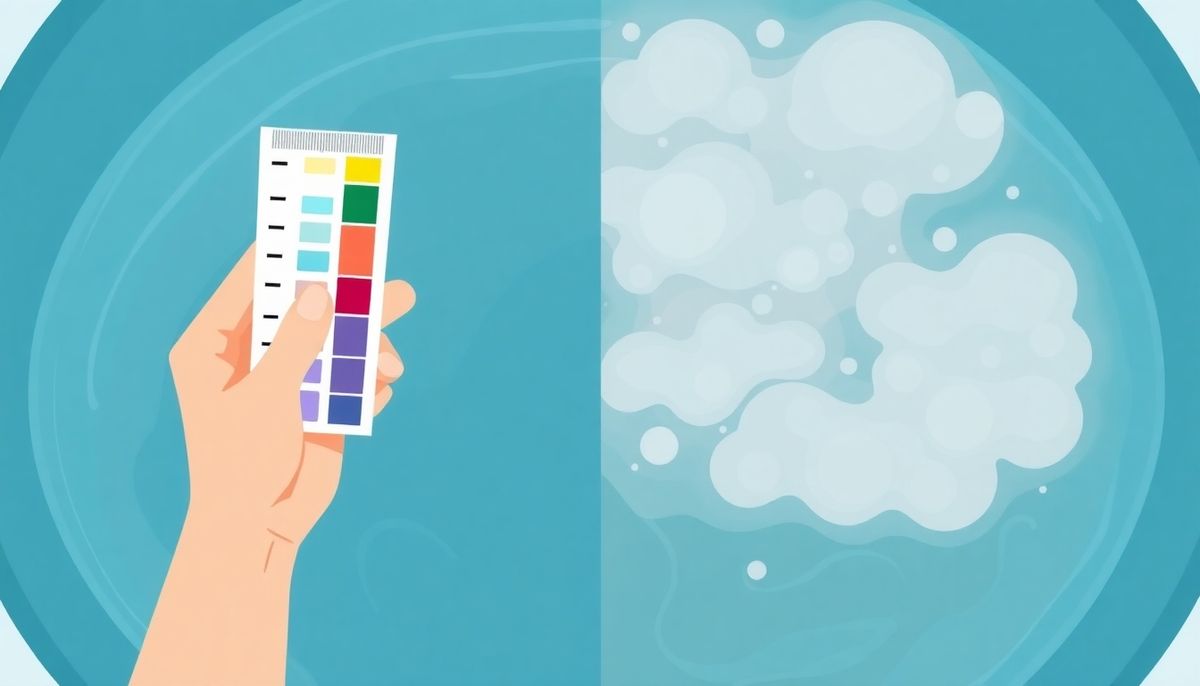
A good soak takes more than filling the tub and cranking the heat. Balanced water chemistry makes it enjoyable and trouble-free, and calcium hardness sits at the center, working alongside pH and total alkalinity. Too little and you get corrosion that eats metal parts. Too much and you get scale that clogs pipes. Keep calcium in the proper range and you're set. If it runs high, a simple water swap works. If it's low, a calcium increaser brings it back and keeps each soak as good as the last.
Test and Adjust Calcium Levels
Once you get into a testing rhythm, it becomes second nature, like checking your car's oil. A quick monthly check with strips or a liquid kit holds you in the proper range. If it reads low, reach for a calcium increaser and add it directly to the water. If it tips over 250 ppm, slowly drain some water and refill with fresh, ideally filtered, water to dilute it, then add a scale control product to keep buildup down.
Prevent Equipment Corrosion
Under that bubbly surface, corrosion waits for its chance. When calcium drops below 150 ppm, the aggressive water pulls minerals from wherever it can, including your tub's parts. A friend of mine ignored the signs and ended up with a failing heater element and jets, a bill they didn't see coming. Test often, and if the reading drops, add calcium chloride straight into the tub. That one step protects your equipment and stretches your spa's life.
Manage Scale Buildup Risks
What scale does to your spa
Scale is like a guest who won't leave. It starts when calcium deposits form on your tub's parts, much like the crust on a neglected kettle. Those deposits choke water flow, drag down the heating element, and can damage the pump's impeller. A white, flaky film on the jets or shell isn't just a looks problem. Over time it turns into costly repairs. Keep calcium in range with monthly tests. If levels climb, a partial drain and refill plus a scale control product does the trick. A hose filter when you refill cuts the mineral content before it ever gets in.
Left alone, scale clogs your plumbing and can wreck the pump, turning a cosmetic problem into a repair bill.
Increase Calcium Hardness Safely
How to raise low calcium
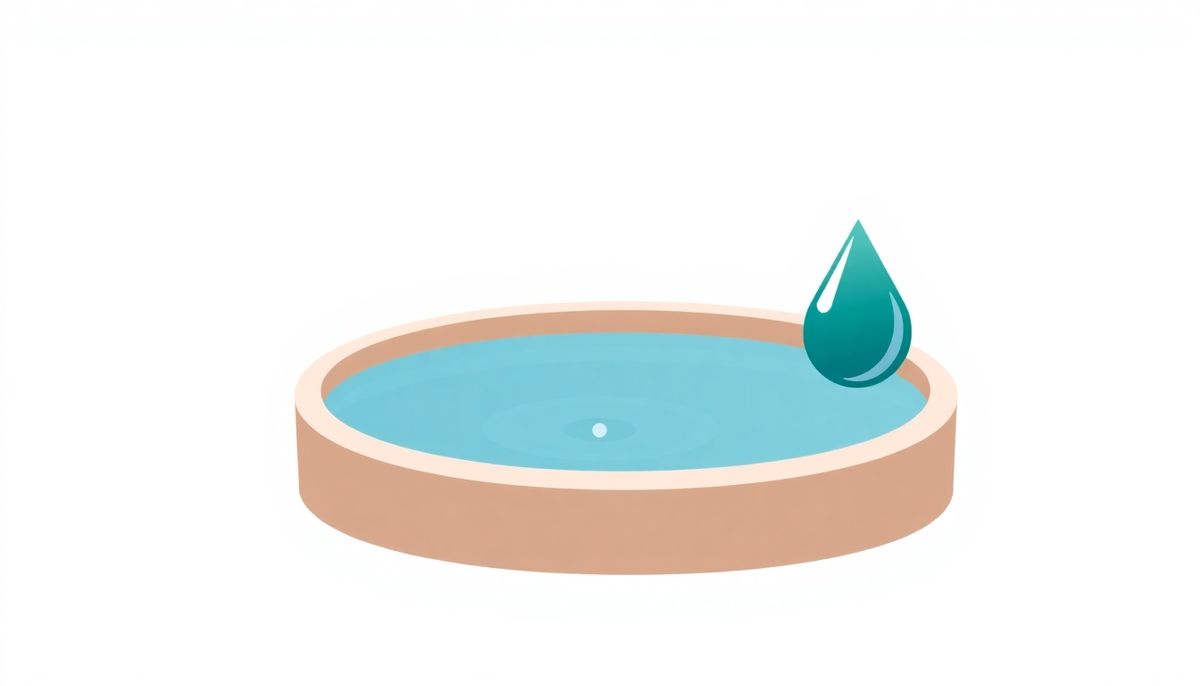
A reading below 150 ppm means it's time to act. A calcium hardness increaser, mostly calcium chloride, is made for hot tubs and does a great job. When you add it, sprinkle it right over the water surface, a step called "broadcasting," and don't pre-mix it with water first, since it gives off heat the instant it gets wet. If some granules settle on the floor, nudge them with a pool brush or skimmer pole to dissolve them, and keep your hands out of the water. Once you hit your target, monthly checks keep it steady.
Balance Water Chemistry
Ignore calcium and both extremes bite. Low calcium makes the water corrosive, eating away at jets and heaters. Too much leads to scaling that clogs pipes, a bit like a blocked artery. The right balance sits between 150 and 250 ppm. Monthly testing keeps things in line. To raise hardness, add calcium chloride directly to the water. To fight high levels, do a partial water change and follow with a scale control product. Think of it as routine care for something you value, so every soak is as good as the last.
Test and Adjust Levels
Dip a strip and match it to the color chart. If it lands in the proper range, you're clear. If not, it's time to act. Low calcium calls for a calcium increaser added directly to the water, stirred in with a skimmer or brush, never bare hands. Readings above 250 ppm call for a partial drain and refill, and stubborn cases need a scale control product. Check regularly and your tub stays a place to relax, free of surprises.
Prevent Equipment Damage
Protect your equipment
Balancing calcium protects your investment. When it sinks too low, the water pulls minerals out of your tub's parts, the heater element, the jets, even the shell. I once let mine slip, and within weeks the metal developed an odd texture and the heater lost steam. Let it climb too high and scale sneaks into the nooks and crannies, blocking the pump's impeller and clogging lines, which can force a pricey pump replacement. Keeping calcium in range gives you a smooth soak and a longer-lasting spa. Simple monthly checks stop these problems before they start.
Prevent Hot Tub Scaling
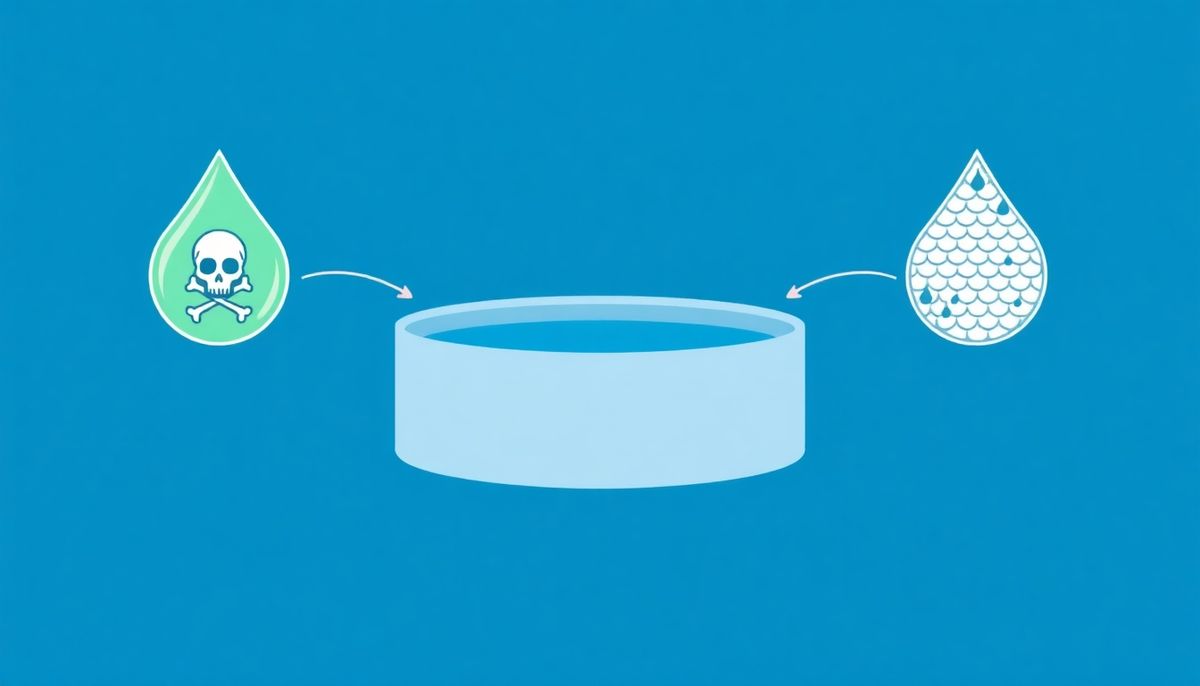
Scale can turn from small nuisance to serious foe. My own run-in taught me that. One day I noticed a gritty buildup around the jets, and weeks later the pump started making worrying noises. Ignore signs like that and you're looking at costly repairs. Check calcium regularly with a digital tester or strips, and aim for the proper range. If levels climb, drain a portion and refill with fresh water. Where the water is hard, use a hose filter when you fill. Work a scale control product into your routine, too, since these bind with calcium ions and stop deposits from forming.
Check alkalinity and pH first
Balanced water chemistry keeps a soak relaxing, and calcium hardness, the part everyone forgets, plays a big role alongside pH and total alkalinity. Balanced calcium helps chlorine and bromine work better. During a winter soak, my water felt unusually silky. A test showed low calcium, common in soft-water areas. That softness leads to corrosion and foaming. I added a calcium increaser right away. If your water leans hard instead, you get scaling like the spots on a showerhead, and the fix is gentle dilution, maybe with a scale control product. One rule: before you touch the calcium chloride, check total alkalinity and pH first. Those base numbers need to be steady to support the calcium changes.
Think of it as a monthly ritual. Just as you wouldn't skip a checkup, testing your calcium keeps your tub welcoming rather than a source of trouble. During one of my own tests, the water felt unusually slippery, and the reading had dipped below 150 ppm. A small dose of increaser set it right, and the feel went back to normal. If a reading creeps past 250, swapping out some water for fresh usually does the trick and saves you from harsher steps.
Test and Adjust Regularly
The right calcium is a shield against corrosion. When it drops too low, the aggressive water hunts for minerals wherever it can find them, including your tub's parts. A friend of mine learned this the hard way. Her neglected spa left her with persistent, ugly foam and skin that felt itchy after every soak, on top of a corroded heating element. Keep calcium between 150 and 250 ppm and it works like armor for jets, heaters, and hidden pieces like pumps. Test monthly, and a scoop of calcium chloride brings a low reading back.
Correct Low Calcium Levels
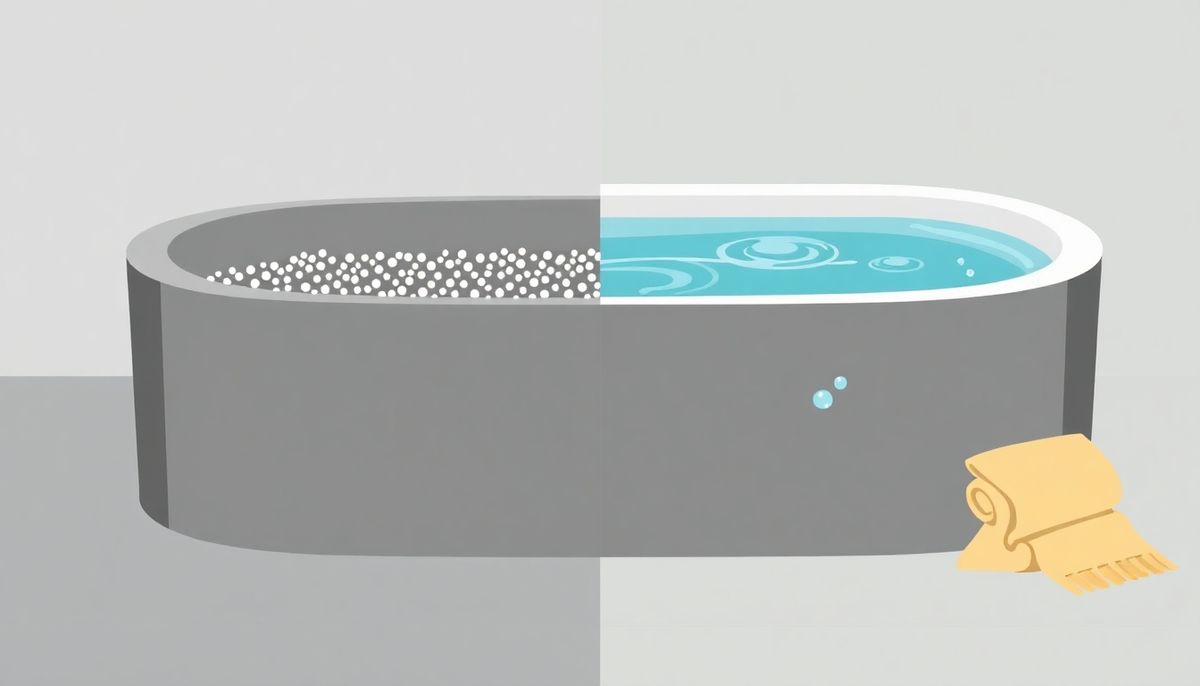
When calcium drops, the jets, heater elements, and even the shell take a beating, and you get that unappealing foam on the surface. The fix is a calcium increaser, mostly calcium chloride, added directly to the water. I noticed my jets weren't as strong as before; a test showed low calcium, and after adding the increaser the water got its clarity back and the foam faded. Regular monthly checks keep you in the right range and your hot tub in balance.
Testing made simple
Hot tub care can feel like a secret language, and calcium hardness is one of its key words. Testing is easier than it looks. Once a month, dip a strip and match the color to the guide on the bottle. Your target is 150 to 250 ppm. The first time I tested, my levels were off and I was clueless, but a simple dose of calcium chloride fixed it. Below 150, use an increaser. Above 250, dilute by partly draining the spa and topping up with fresh water, which balances the calcium and freshens things up.
Balanced water isn't just about looks; it decides how long your equipment lasts. Corrosion is a real threat when calcium drops too low. The aggressive water hunts for minerals and finds them in your metal parts. Last summer, a friend let his spa sit neglected for weeks. The low calcium caused fast corrosion and left him with a hefty repair bill. Monthly tests with strips or a kit save you from that. This small bit of care pays off in fewer headaches and lower costs over time.
Conclusion
Keeping calcium hardness balanced is the difference between a spa that lasts and one that quietly falls apart. Test monthly, make small adjustments, and every soak stays as good as the first.
What you need
Grab a reliable test kit or strips, a calcium hardness increaser (calcium chloride), and a scale control product so you're ready whether your reading runs high or low.