














There's nothing quite like slipping into a hot tub after a long day, the warm water wrapping around you while the jets loosen your shoulders. That good feeling fades fast, though, when your soak gets interrupted by a flurry of little white flakes. They're not just ugly. They're a sign something's off under the surface.
I still remember the first time I saw them. I was looking forward to a relaxing soak and instead found my tub looking like a snow globe. At first I figured it was harmless debris, but a closer look turned up the real troublemakers: calcium deposits and biofilm, the sticky layer bacteria and mold leave behind. That little frustration turned into a mission to figure out where these flakes come from and how to get rid of them for good.
Most of the time, flakes come from water chemistry that's out of balance or organic gunk in the water. Hard water is a common offender, leaving mineral residue that piles up. And when the water isn't kept clean enough, bacteria move in and build biofilm, which only makes things worse.
Once you know how to prevent and remove them, you've got the upper hand. A balanced tub stays flake-free, lasts longer, and makes every soak better. A little attention and a few steady habits are all it takes.
Your Action Plan
- Run the bleach test to see whether you have calcium scale or biofilm.
- Test your water for pH, alkalinity, and calcium hardness.
- Balance it: pH 7.2–7.8, alkalinity 80–120 ppm, calcium 150–250 ppm.
- Deep clean the tub and flush the plumbing every three to four months.
- Clean the filters monthly and keep the tub covered between soaks.
Identify White Flake Causes
The two usual suspects
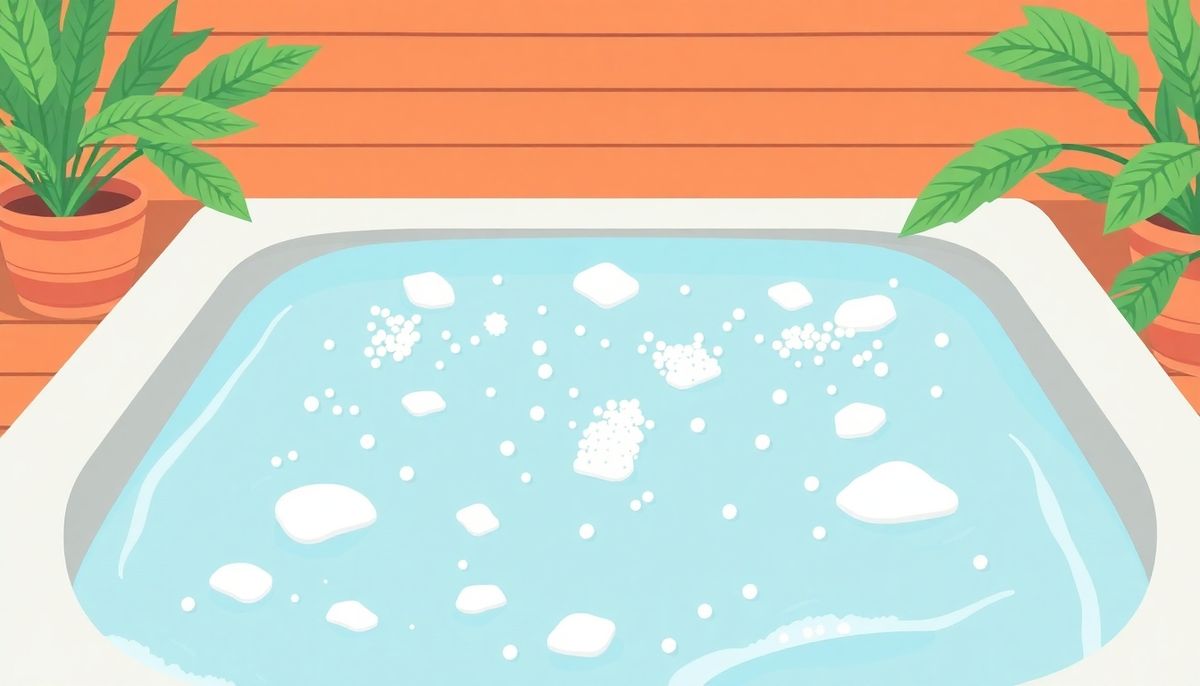
Those white flakes almost always come down to two culprits: calcium scale or biofilm. Calcium scale is the common one, and it comes from hard water, which is water carrying a lot of dissolved minerals. Over time the calcium builds up and breaks loose as flaky white bits. I've talked to plenty of new hot tub owners who moved into a home and couldn't figure out the flakes until they learned the local water was hard. A calcium reducer, used regularly, keeps it in check.
Biofilm is the other cause. It's a sticky layer bacteria and mold leave on damp surfaces, and when it breaks apart it sheds tiny flakes. It loves a tub that's been sitting unused or hasn't been cleaned well, so draining and scrubbing on a schedule is what keeps it away.
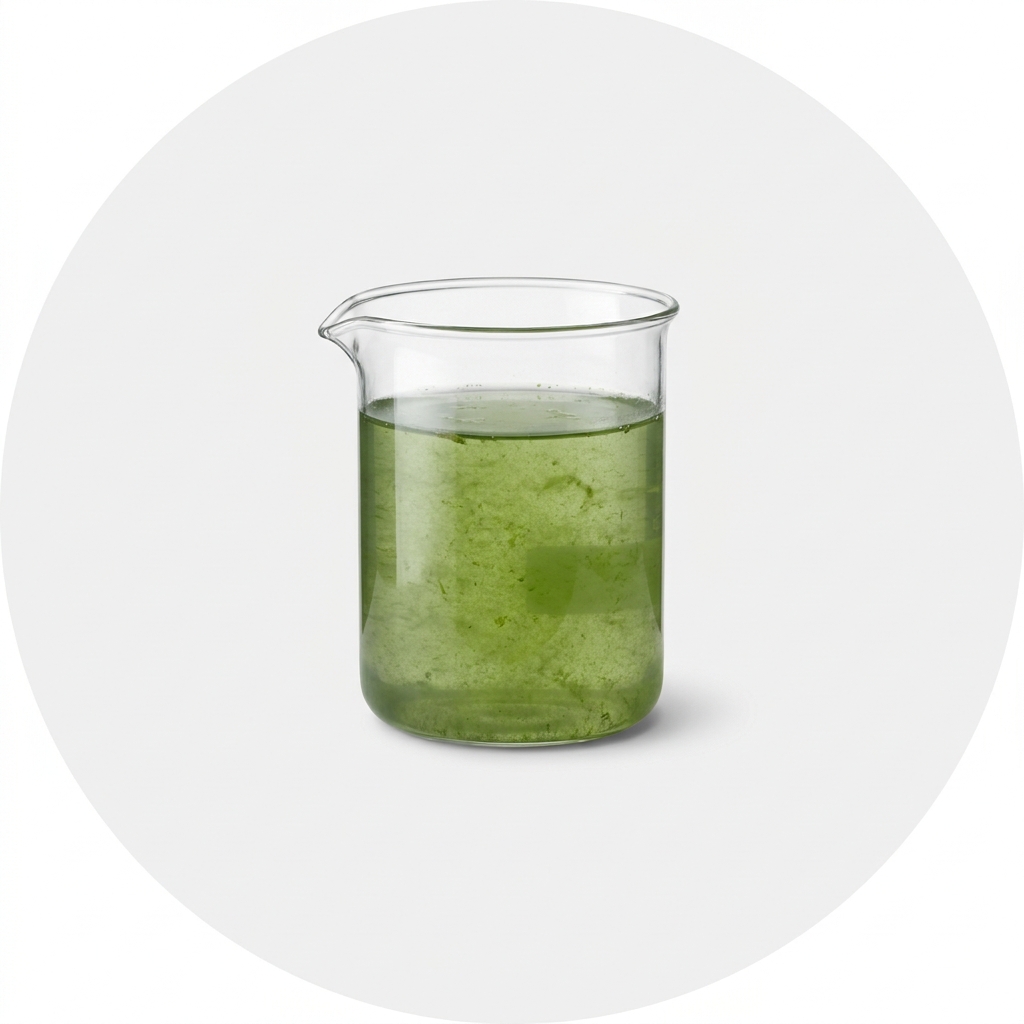
Here's a quick way to tell them apart. Scoop a few flakes and some water into a small container, add about 20 drops of bleach or liquid chlorine, stir gently, and wait 30 minutes. If the flakes are still there, you've got calcium scale. If they dissolve, biofilm is your problem.
The bleach test is the fastest way to know what you're fighting: flakes that dissolve are biofilm, flakes that stay put are calcium scale.
Identify Calcium Scale Deposits
Calcium scale is the flake you'll run into most, especially with hard water. When the water can't hold any more calcium, the extra crystallizes and forms those flakes. Left alone, it does more than look bad. It clogs filters and wears out parts.
Run the bleach test to confirm it's calcium. When I dealt with this in my own tub, the test pointed to scale. A steady water-balancing routine plus a scale inhibitor cleared out the flakes I had and kept new ones from forming. Handling it early meant plenty more relaxing soaks with nothing floating around.
Remove Biofilm Buildup
Drain, scrub, and flush the lines
Biofilm forms when bacteria latch onto surfaces and wrap themselves in a protective film that's hard to shift. To beat it, start with a full drain. Empty the tub, then scrub the shell, the jets, and every corner with a spa cleaner made for the job. A toothbrush works surprisingly well for tight spots.
Then flush the plumbing, since biofilm loves to hide inside the lines. Run a line-flush product through the system with the jets going to break up whatever's left, then refill with fresh water. After that, keep a steady cleaning schedule and check your sanitizer often so it doesn't creep back.
Implement Preventative Measures
Keeping flakes out comes down to chemistry and cleanliness. Test your water regularly, keep pH between 7.2 and 7.8, and watch your calcium hardness. If your water runs hard, a water softener or a liquid mineral blocker binds the extra minerals so they can't harden into flakes.
Clean your filter every two to four weeks to clear the debris that feeds biofilm. Drain and refill at least every three months to reset the water, and scrub the surfaces with a mild, non-abrasive cleaner while the tub's empty. In humid climates, mold spreads faster, so keep a cover on the tub to block airborne junk.
A clean filter and a covered tub do more to prevent flakes than anything you can pour into the water.
Eliminate Calcium Scale Quickly

If you've confirmed calcium scale, the fix is straightforward. Test your water's hardness first. Kits are cheap at any home store, or a pro can check for you. Once you know calcium's high, drain the tub to clear the scale that's already there, and use a hose filter as you refill to cut the minerals coming in.
Next, add a scale control product. These keep calcium dissolved so it can't flake out. Follow the label closely for the best results. Keep testing so you can adjust as needed, and stay on top of filter cleaning to prevent buildup.
Identify Flake Causes
Those flakes fall into the same two camps: calcium scale from hard water, and biofilm from white water mold. The bleach test sorts them out. Flakes that stay are scale, flakes that vanish are mold. Each needs its own fix, but knowing which one you're facing saves you from guessing.
Implement Effective Cleaning Routines
A schedule that sticks
A clean hot tub really comes from a routine you actually keep. Do a deep clean every three months: drain, scrub, refill. Clean the filters monthly. A rinse handles light debris, but a soak in filter cleaner clears stubborn residue.
Test the water weekly and adjust pH and alkalinity as needed. A water clarifier helps clump small particles so your filter can catch them, and a calcium reducer keeps hard-water minerals from settling. Sweep leaves and debris away from the tub, and keep it covered between soaks.
Balance Water to Prevent Scale
A lot of flake trouble starts with water that's out of balance. Test your hardness regularly, since test strips give you a fast read on calcium. If it's running high, a water softener or a mineral blocker keeps it from settling into scale.
Keep your pH between 7.2 and 7.8 and alkalinity between 80 and 120 ppm. When those drift, scale forms more easily and your sanitizer works worse. Get the balance right and the flakes fade.
Hold pH at 7.2–7.8 and calcium hardness at 150–250 ppm, and most flake problems never get started.
Prevent Mold with Regular Cleaning
Neglect is what invites mold, so your first line of defense is regular cleaning. Each week, wipe the surfaces and rinse the filters to stop biofilm from getting a foothold. That invisible layer clings to any damp surface and, left alone, turns into those familiar white flakes.
Every few months, go deeper. Drain the tub, scrub the shell with a non-abrasive cleaner, and soak the filters. Don't forget the plumbing, either. A pipe cleaner solution clears hidden residue so water flows freely and stays clear. Setting a reminder on your phone helps you keep up, the same way you wouldn't skip a dentist appointment.
Identify White-Flake Causes
Same story here: white flakes come from either calcium scale or biofilm mold. Scale is minerals from hard water breaking loose. Biofilm is mold thriving in a neglected, damp tub. Run the bleach test, then treat accordingly. Flakes that stay are calcium, flakes that disappear are mold.
Clean and Balance Water Regularly
Steady care keeps water clear. Test your chemistry regularly, watching pH and calcium hardness, to head off scale before it starts. I once let my pH slide during a busy stretch and ended up with a wave of flakes. The fix was quick, but regular checks would've saved me the trouble.
Beyond balancing, don't skip the cleaning. Remove and clean the filters often, since they trap the debris that feeds biofilm. Drain and refill every few months for a fresh start. Stick with it and you'll enjoy your soaks more and get more years out of the tub.
Prevent Biofilm with Proper Cleaning
Balance, clean, shock
Biofilm is a stubborn residue from bacteria that love warm, damp spots. Once it settles in, it doesn't leave without a fight. Prevention is a steady routine. Test and balance your water often so it's an unwelcoming place for microorganisms, and remember that balanced pH is your first line of defense.
Every few months, give the tub a deep clean and scrub the filters thoroughly while you're at it. They work nonstop to catch debris, so return the favor. And don't skip shock treatments. They break down organic contaminants before they can turn into biofilm. After a busy weekend with guests, shock the tub to keep it in shape.
Maintain Balanced Water Chemistry
Water chemistry keeps your hot tub healthy the way a good diet keeps you healthy. Flakes usually mean something's off, most often your calcium. Test at least once a week with a kit that reads pH, alkalinity, and calcium hardness. If calcium's high, a water softener or a mineral blocker prevents scaling.
Keep pH between 7.2 and 7.8 and alkalinity between 80 and 120 ppm so calcium can't crystallize into flakes. And change the water every three to four months so all that balancing work doesn't go to waste.
It comes back to the same two causes: calcium scale and biofilm. Scale forms when your tap water carries more minerals than the tub can handle, then breaks loose and floats around. Biofilm hides in the plumbing and on surfaces of an idle, uncleaned tub, unnoticed until flakes show up. The bleach test tells you which. Flakes that dissolve are biofilm, flakes that hold are scale.
Remove Excess Calcium Deposits
Bring the calcium down
Once flakes show up, take on the calcium directly by balancing the water. Check your hardness with a test strip. You want calcium between 150 and 250 ppm. If you're well above that, a spa-grade water softener or calcium reducer brings it back in line. Clean the filters, too, so they aren't holding onto old deposits. A soak in filter cleaner and a good rinse keeps them working.
Temperature matters as well. Very hot water makes scaling worse, so keep the thermostat within the recommended range. Once the water's balanced, a descaling agent handles any scale still clinging to the shell.
Prevent Biofilm Build-Up
Biofilm is a mix of bacteria and organic matter that clings to the hidden corners of your tub and, left alone, turns into white flakes. Keep it out with a consistent cleaning routine. Drain and scrub regularly, paying close attention to the crevices, and use a spa cleaner made to target biofilm.
Don't underestimate water balance, either. Keep your sanitizer at the right level, since that's your main defense against bacteria, and use shock treatments to kill anything lurking before it can take hold.
Remove Gunk to Keep Water Fresh

Sometimes flakes come from gunk, the residue lotions, cosmetics, and body oils leave behind as they build up. Clean the plumbing along with the water. A pipe cleaner solution flushes out the oils that stick to the inner walls, where they'd otherwise feed the bacteria behind biofilm.
Watch what goes into the tub, too. Ask guests to rinse off before they get in. It's a small thing that cuts down a lot on contaminants. Drain and refill every three to four months, and if your water's hard, a pre-filter on the hose lowers the calcium going in.
Whether it's a lazy Sunday afternoon or a cold winter evening, flakes are an unwelcome surprise. The suspects are the same: calcium scale from hard water, and biofilm from mold in a neglected tub. Run the bleach test to tell them apart, then keep up with balancing and cleaning so neither one gets a foothold.
Eliminate Calcium Scale
Calcium scale clouds the water and, ignored, clogs filters and stops jets from working right. After the bleach test confirms it's scale, balance your chemistry. Measure your calcium hardness with a strip or kit. You want 150 to 250 ppm. If you're higher, a calcium reducer or water softener additive brings it down.
Routine maintenance backs this up. Drain and refill every three to four months to flush the minerals that build up, and use a pre-filter on the hose when you fill. Balanced water keeps your soaks flake-free and helps your spa last longer.
Conclusion

You've now got a clear picture of what those white flakes are and how to keep them out for good. The same water chemistry that keeps a pool clear keeps a hot tub clear, and our free Pool School course covers spa water too.
Want to feel confident with your water? Pool School walks you through everything, from basic upkeep to trickier troubleshooting. You'll learn how to:
- Save money on repairs and chemicals
- Keep your water clear year-round
- Prevent and solve common water problems
- Handle water chemistry without second-guessing
Join over 10,000 owners who've already sorted out their water-care routine. Get started with our free Pool School course today!
What you need
Grab a test kit, a spa-safe calcium reducer or scale inhibitor, a filter cleaner, and a line-flush product so you can balance the water and clear out any buildup.