








Warm afternoons and a shimmering blue pool just belong together. But the secret to keeping that inviting color isn't only careful skimming or the odd scrub. It's the right balance of chemicals, and calcium hypochlorite is usually the star of the show. Pool owners lean on it as a shock treatment because it gives them clear water again and again.
So why does it stand out? It kills bacteria and algae better than most, it has a high chlorine content that clears murky water fast, and it doesn't leave the residue that clouds your view or bothers sensitive skin. It's also simple to use. With a little know-how, even a first-time owner can get results that look professional.
Your Action Plan
- Test your water for free chlorine, total chlorine, and pH.
- Balance pH to 7.2–7.6 and clear out debris.
- Work out your dose from the chart on the bucket.
- Add cal hypo after sunset with the pump running.
- Let it circulate overnight, then retest in the morning.
- Shock weekly, plus after heavy use or storms.
Unleash Pool-Sanitizing Power
What cal hypo actually is
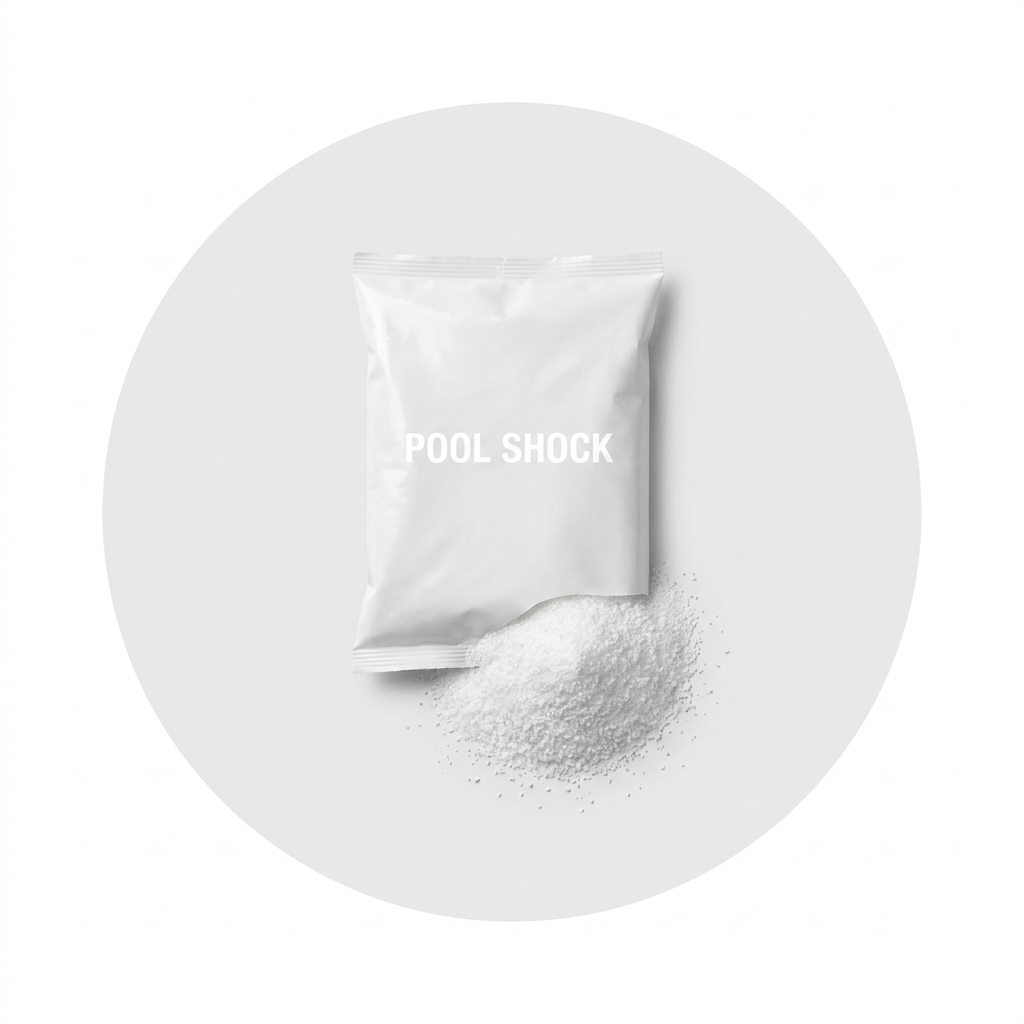
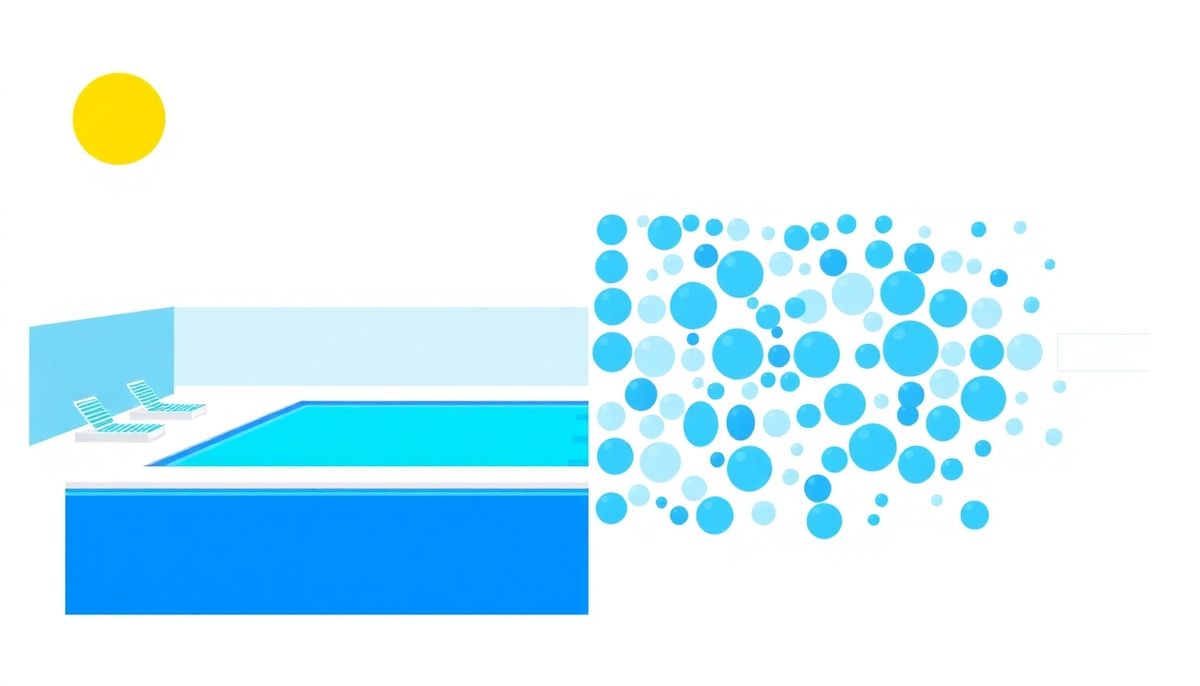
Calcium hypochlorite is the quiet workhorse of pool care. First called "chloride of lime," it's been used to fight bacteria since the 1800s. It's made by combining lime with chlorine gas, and it usually holds between 65% and 75% chlorine. When it dissolves, it releases free chlorine, the active part that goes after germs and algae. It disrupts how microbial cells work, so it clears bacteria fast.
Wait until the sun goes down before you add it. The UV rays in daylight burn off chlorine, so dusk timing lets it work undisturbed through the night, and by morning the water's ready to swim in. Shock once a week and you're not just keeping the water clear, you're keeping it healthy for everyone who jumps in.
Add cal hypo after the sun goes down, because UV rays burn off the chlorine before it can do its job.
Harness Calcium Hypochlorite Benefits
Why it clears water fast
Cal hypo's high chlorine content is what makes it move quickly. It dissolves fast and neutralizes bacteria and algae, so you're not waiting days for results. It also breaks apart chloramines, the bonded compounds behind that sharp "pool smell" and stinging eyes. When those bonds break, trapped chlorine is freed up to sanitize again. Regular shocking gives you a clean slate each week and a step toward a healthier place to swim.
Master Pool-Shocking Techniques
Get the timing and prep right
Two things make shocking work: timing and preparation. Add cal hypo at dusk, as covered, so it works overnight. Before you do, figure out how much your pool needs. You don't have to be a chemist here. The chart on the back of the bucket gives you the dose for your pool size. If you'd rather run the numbers, a 50,000-gallon pool with a total chlorine (TC) reading of 2.5 might need about 7.4 pounds to hit the right level.
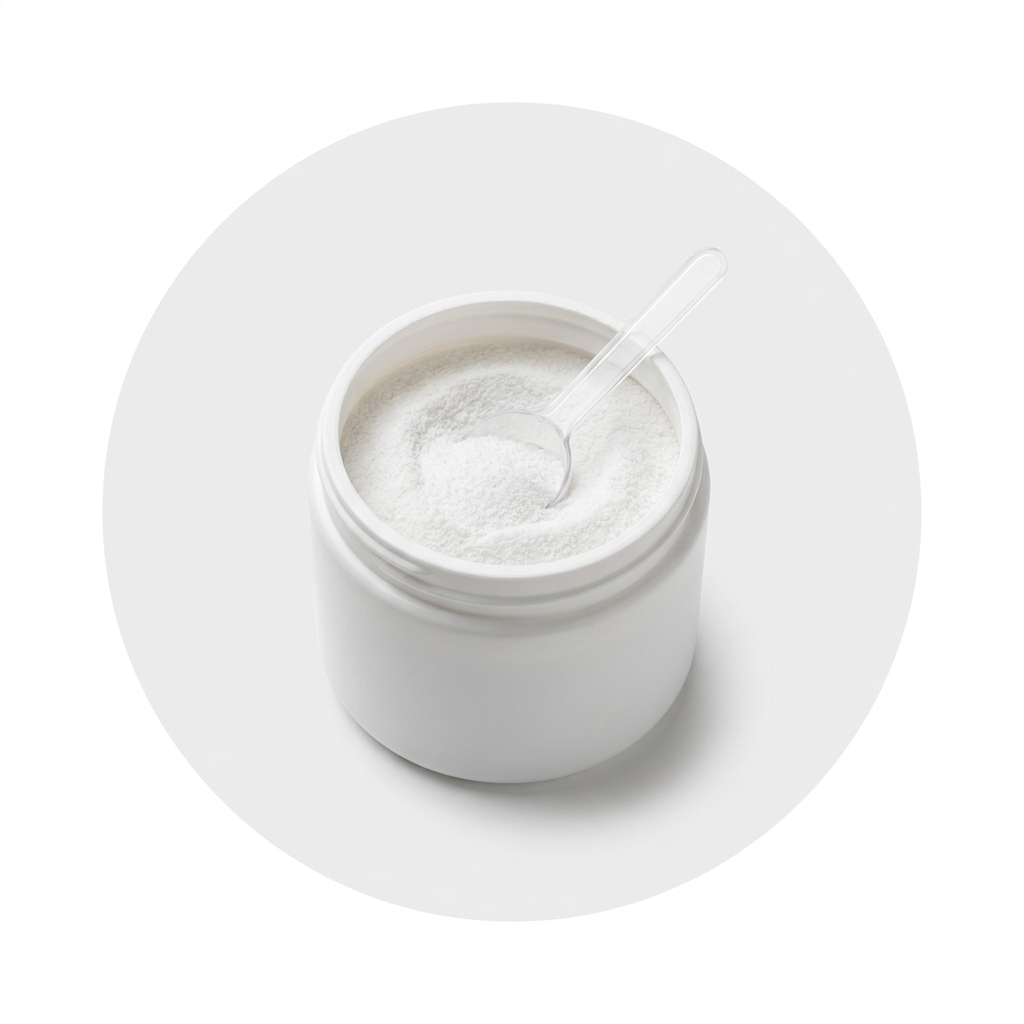
Keep a scoop, protective gloves, and something to stir with within reach. Then make it a weekly habit. With a little patience, shocking becomes second nature.
Defeat Algae and Bacteria
Warm, still water is where algae and bacteria thrive, and they'll turn clear water into a murky mess fast. Cal hypo works quickly to break them down. A friend of mine fought recurring algae blooms for ages. She tried algaecide and endless brushing, but nothing stuck until she added weekly cal hypo shocks. Her pool cleared up in a few days.
Regular shocking also keeps chloramines from building up, so you dodge the irritation and the smell that come with them. Put cal hypo to work and you take the pool back from the pests lurking below the surface.
Master Calcium-Hypochlorite Use

A staple that does two jobs
Cal hypo has improved water sanitation since the 1800s, and it still earns its place in your pool kit. The granules are easy to handle, and beyond sanitizing, it adds a little calcium to the water. That can help keep your calcium hardness in check, which matters if you have soft water. Just don't let calcium climb too high, or you'll get scaling. If you like the hands-on approach, working out the exact dose is worth the small effort, and it keeps everyone in the water safe.
Maximize Sanitization Efficiency
Fit it into your routine
Getting the most from cal hypo is about smooth habits. Clear out debris and check your pH first. Aim for 7.2 to 7.6, the range where cal hypo does its best work. Then add it after dark and let it run overnight. When I switched to nighttime treatments, the water came out clearer and the chlorine smell dropped off.
Keep a simple log of your total and free chlorine. That habit tells you when the pool needs an extra dose, like after a party or heavy rain. Get into the rhythm and maintenance turns into a smooth operation, leaving more time for actual swimming.
Ensure Proper Storage-Safety
Store it safely
How you store cal hypo affects both its strength and your safety. Keep it in a cool, dry, well-ventilated spot. Moisture is the enemy. It causes clumping and can trigger dangerous reactions. Don't store it near acids, other pool chemicals, or organic materials, since accidental contact can react badly. Keep it away from kids and pets, use the original airtight container with a child-proof cap when you can, and label everything clearly so nothing gets mixed up.
Never store calcium hypochlorite near acids or other pool chemicals, since accidental contact can cause a dangerous reaction.
Optimize Pool-Shocking Routine
Match the schedule to your pool
Skip the rigid calendar and read your pool instead. Heavy use, lots of debris, and strong all-day sun all push you toward shocking more often. If you catch that "pool smell" or the water looks cloudy, run a quick test on the free chlorine. If it's below range, break out the cal hypo.
Add it after sunset with the pump running so the water circulates well. Wear protective gear rather than handling it bare-handed, and pick dry evenings. Rain dilutes the chemical and wastes your effort. Tune your approach to what your pool actually needs.
Choose the Best Pool-Shock

Why so many owners stick with it
Picking a shock is like picking the right tool for the job, and cal hypo checks a lot of boxes. Its unstabilized form, meaning it doesn't contain cyanuric acid (the "chemical sunscreen" that shields chlorine from the sun), works best after dark. Toss it in at dusk and you'll have a crisp, clean swim by morning.
It also comes as easy-to-measure granules, it's affordable, and dosing is a quick glance at the package rather than complicated math. Even a first-time owner can manage it, which is a big part of why it stays so popular.
Understand Calcium Hypochlorite Benefits
More than a disinfectant
Cal hypo does two useful things at once. It wipes out bacteria, algae, and other contaminants fast, and it adds a small amount of calcium that helps keep your water's hardness balanced. That's handy if you've got soft water that can wear on surfaces and equipment over time. Add a long shelf life and simple storage, and it slots neatly into your routine. When it's time to shock, you can do it with confidence.
Hit the sweet spot
Too little shock and the water stays dull. Too much and the next dip feels harsh. Test your chlorine and pH regularly, and aim for a free chlorine level between 1.0 and 3.0 ppm. If you keep landing above or below that range, adjust how often you shock.
Add cal hypo in the evening so the sun doesn't weaken it before it gets to work. And for surprises, like an unplanned party or a sudden pile of leaves, don't hesitate to give the pool an extra dose. Combine that with steady monitoring and you'll spend more time swimming and less time on upkeep.
Master Chlorine Usage Techniques
Timing and consistency do most of the work. Adding cal hypo at dusk protects its strength, and a weekly schedule keeps chloramines from building up. Those compounds dull the water and can irritate skin and lungs. After heavy use or a mess like a bathroom mishap, you may need to shock more often.
For the best results, test your current chlorine first and match the dose to it. Whether you calculate it yourself or follow the label, the right amount means good sanitation without wasting product.
Boost Pool Health with Cal-Hypo
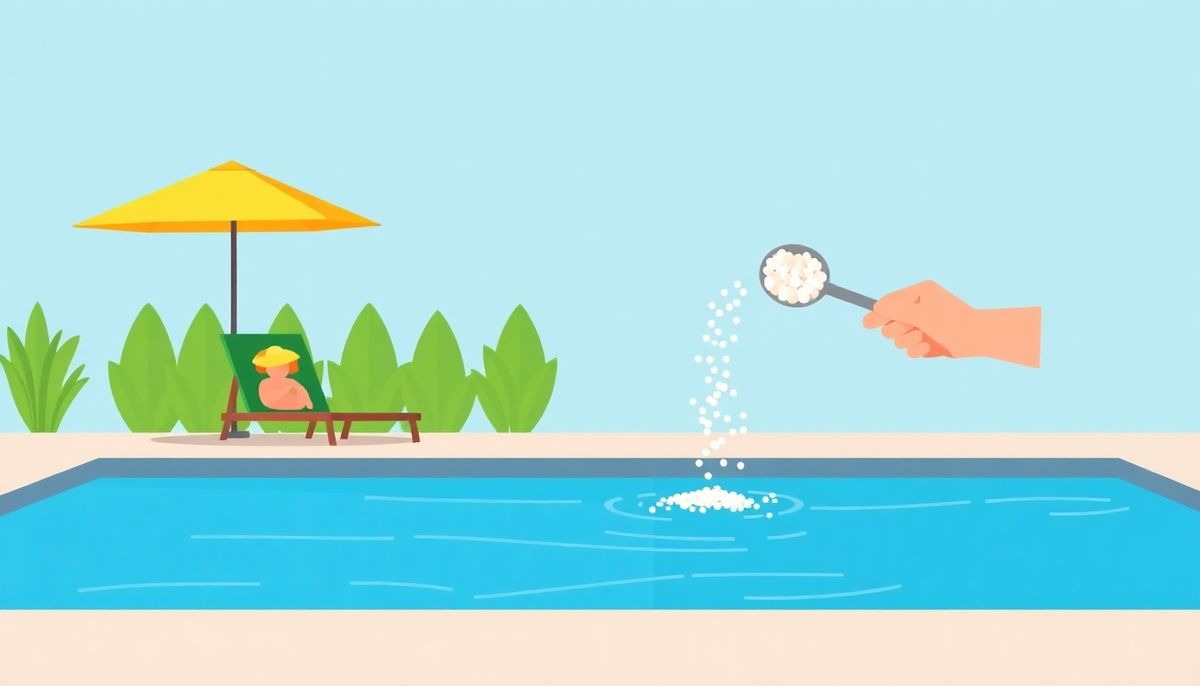
That crisp, clean feel when you step into the water isn't luck. It's the cal hypo doing its job. Along with sanitizing, it adds about 0.8 ppm of calcium for every 1 ppm of free chlorine it delivers, which helps balance the water chemistry. Just keep an eye on calcium levels so you don't end up with scaling.
Because it's unstabilized, cal hypo works best after the sun sets. Add it at dusk and let it run overnight. By morning your pool is clear, free of chloramines and their telltale smell.
Cal hypo adds roughly 0.8 ppm of calcium for every 1 ppm of free chlorine, so watch your calcium hardness over time.
Understand Cal-Hypo Benefits
Prevention, not reaction
Cal hypo's history goes back to purifying drinking water, and it still pulls double duty in your pool. It disinfects, and the calcium it adds helps support your plaster and tiles over the long run. That link between sanitation and structure is easy to overlook.
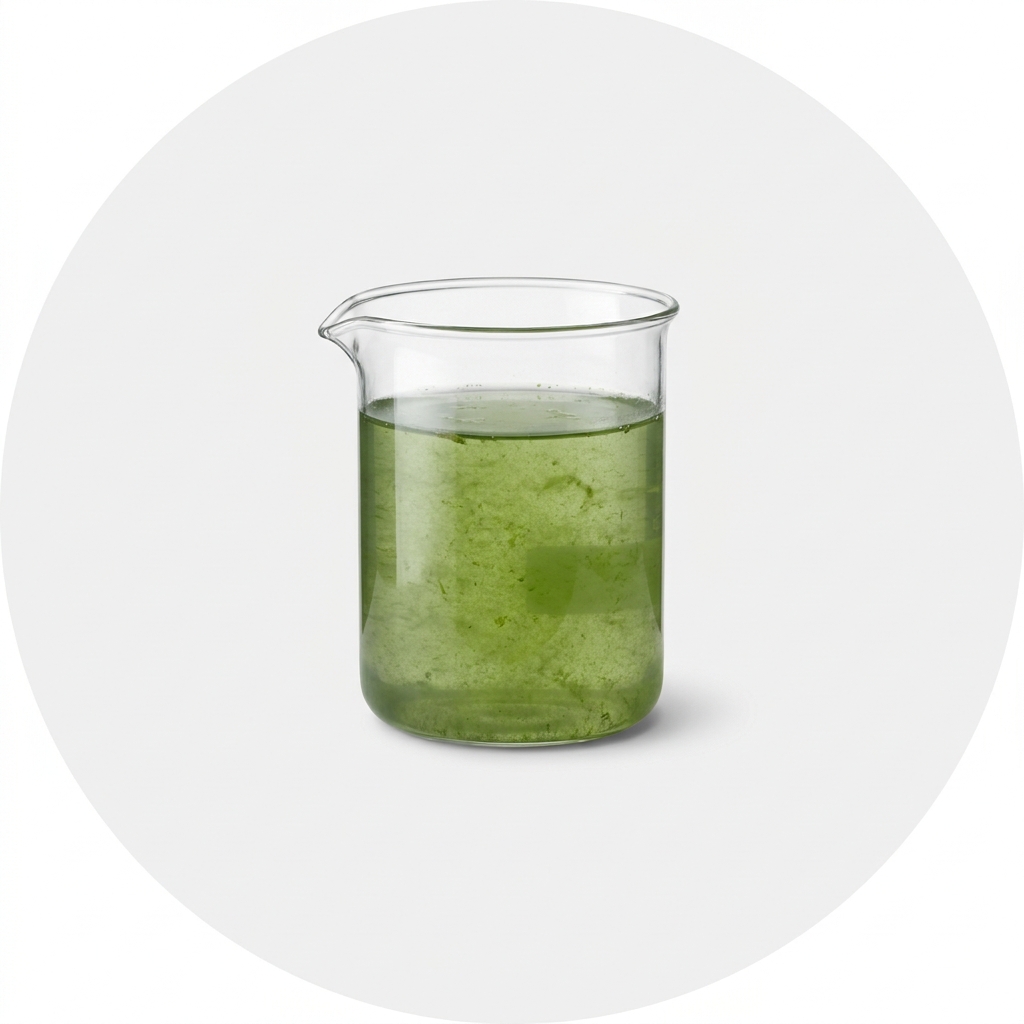
Shock regularly and you stop bacteria and algae before they become a visible problem. Think of it as prevention, which is cheaper and easier than reacting once the water's already turned green. And since it dissolves fast and works overnight, it's a simple choice for any owner.
Optimize Pool Shock Timing
Read your pool's rhythm
The best time to shock is dusk or after dark, when the sun can't burn off the chlorine before it works. Beyond that, think about how your pool gets used. After a busy weekend of swimming, all that built-up organic matter calls for a shock. Midweek, a routine dose handles surprises like storms or extra guests.
Temperature matters too. In the heat of summer, when the pool's always busy, you may need to shock more often. Cooler months let you ease off. Match the routine to your pool's actual use.
Combat Chloramines Effectively
Chloramines form when chlorine binds with organic matter like sweat, oils, or leaves. They trap chlorine, give off that unmistakable "pool smell," and can sting eyes and bother breathing for some swimmers. Cal hypo goes straight after them, breaking those bonds and freeing the chlorine to sanitize again.
When I managed a community pool in college, we leaned on cal hypo for our weekly shocks. One summer we got slammed with chloramines after a packed weekend. The air was thick with that sharp smell and swimmers' eyes were stinging. A good dose overnight turned it around, and by morning the water was clear and the air was fresh. Regular shocking keeps chloramines from getting a foothold in the first place. Adjust how often you do it based on use and weather.
Defend Against Pool Contaminants

Ever notice the water turn a little murky a few hours into a pool party? That's organic contaminants settling in, and it's exactly what cal hypo handles. Its chlorine acts fast to neutralize them, so you don't wait around for results.
Starting your routine with cal hypo is about prevention as much as quick fixes. Regular shocking makes your pool an unfriendly place for algae spores before a bloom can start. Clearing out chloramines is a bonus, since it gives you both clarity and comfort. Trust it to guard your pool and you'll have more time to enjoy those afternoons by the water.
Utilize Calcium Hypochlorite Effectively
Test, dose, circulate
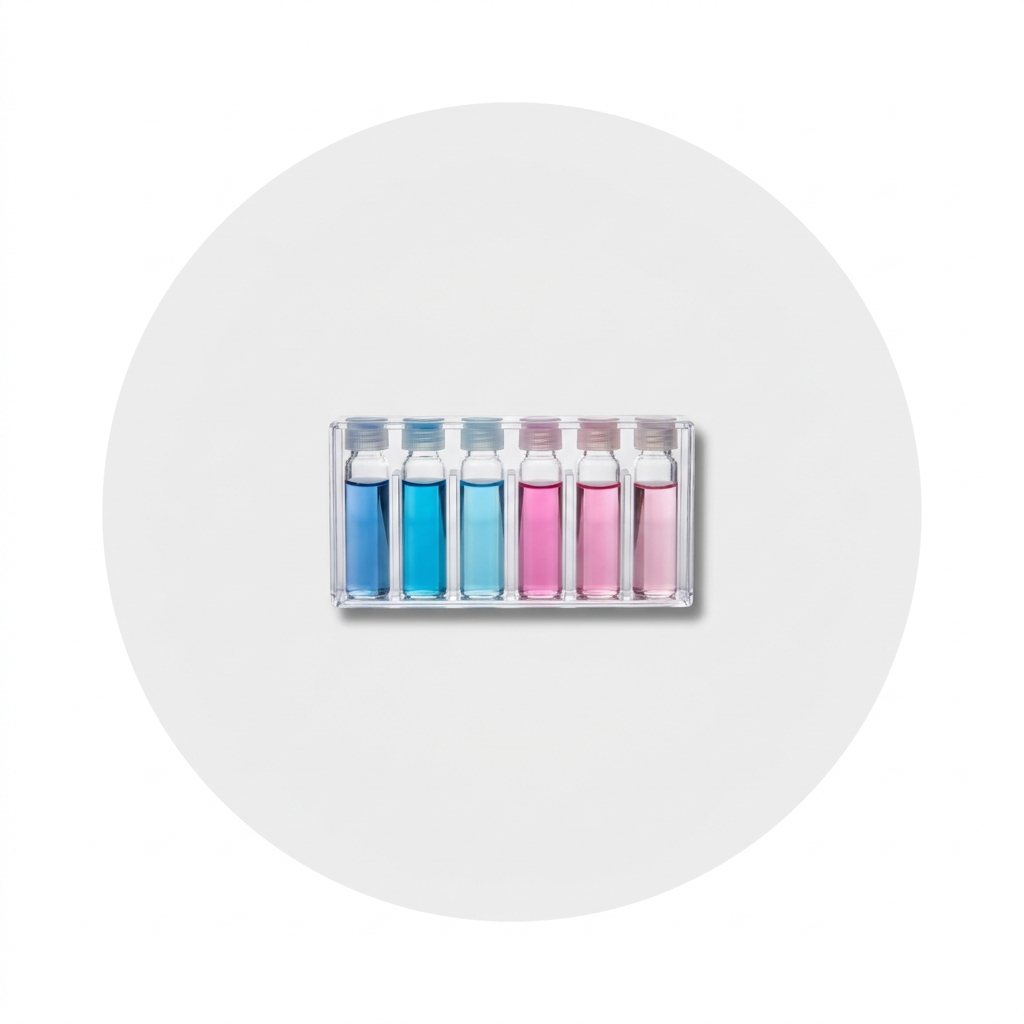
A reliable water testing kit is a must. It tells you where your chemistry stands and how much cal hypo you need. As a rule of thumb, adding 1 ppm of free chlorine takes about two ounces of cal hypo per 10,000 gallons. But again, you don't need to sweat the math. The chart on the bucket does it for you.
Add it at dusk so UV rays don't waste the chlorine, and run the pump to spread it evenly so no corner is left unprotected. With a bit of planning and steady attention, cal hypo turns pool care into a smooth part of the routine.
Combat Algae and Bacteria
Under the surface, the chlorine from cal hypo breaks down the cell walls of algae and bacteria and takes them apart from the inside. It works quickly, so you often get a clean swim the very next day. And because it's unstabilized, evening is the time to use it, when the sun can't get in the way.
Work it into a regular routine and you spend less time worrying and more time in the water. That's the whole point.
Conclusion
These tips will keep your pool in good shape, so start today.
Want to go further? Our free Pool School course covers everything from basic upkeep to advanced troubleshooting. You'll learn how to:
- Save thousands on pool repairs and chemicals
- Keep your water clear year-round
- Prevent and solve common pool problems
- Handle water chemistry with confidence
Over 10,000 pool owners have already used it. Get started with our free Pool School course today!
What you need
Grab a bucket of calcium hypochlorite shock, a good water testing kit, protective gloves, and a scoop, then shock your pool after sunset with the pump running.