



Swimming pools sparkle in the sun and promise a cool break from summer heat, but keeping that clear, inviting look takes more than a net and some elbow grease. It comes down to getting the chemistry right. Two of the big players are stabilized and unstabilized chlorine. They sound almost the same, but they solve different problems.
You've probably caught that sharp chlorine smell at a public pool, or in your own backyard. That scent is a hint of how hard chlorine works to keep water clear and safe. But not all chlorine is the same, and each type comes with its own upsides and headaches.
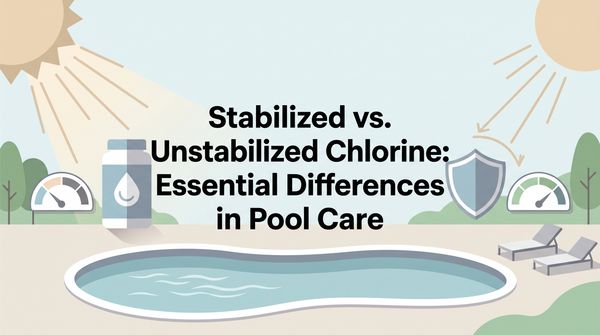
Stabilized chlorine, often called "pool-grade," has cyanuric acid in it. That ingredient shields the chlorine so the sun's ultraviolet (UV) rays can't burn it off too fast. Unstabilized chlorine has no cyanuric acid, so it does its best work in shaded spots or when you need to sanitize in a hurry. Once you understand the difference, you're much better set up to keep the water clear, safe, and easy on your wallet.
Your Action Plan
- Figure out whether your pool sits in full sun or stays indoors.
- Pick stabilized chlorine for sunny outdoor pools, unstabilized for indoor or quick-shock jobs.
- Test your water regularly, including the cyanuric acid level.
- Keep chlorine around 3 ppm and cyanuric acid between 30 and 50 ppm.
- If cyanuric acid creeps past 100 ppm, drain and refill part of the water.
Choose Chlorine Wisely

Match the chlorine to your pool
Picking the right chlorine is a bit like choosing the right spice for a dish. Both stabilized and unstabilized work, but your setup decides which fits better. If your pool sits in the sun most of the day, go stabilized. Its cyanuric acid keeps the chlorine from burning off, so you buy less and fuss less.
If your pool is indoors, or you swim a lot and shock the water often, unstabilized chlorine shines. Shocking means adding a big dose of unstabilized chlorine to quickly wipe out contaminants like algae and bacteria. With no cyanuric acid built in, you control the stabilization yourself. Add cyanuric acid separately and keep it below 100 ppm so the chlorine keeps working well.
Switching my outdoor pool to stabilized chlorine made upkeep far easier and saved time and money. Friends with covered pools love the flexibility of unstabilized. Look at your pool, sun-soaked or sheltered, and let that steer the choice.
Sun exposure is the single biggest factor: pick stabilized chlorine for sunny outdoor pools and unstabilized for indoor or quick-shock jobs.
Understand Chlorine Types
What sets the two apart
Stabilized and unstabilized chlorine look almost identical, but the difference matters for how clean your water stays. Stabilized has cyanuric acid, which protects the chlorine from UV rays and helps it last, so outdoor pools need chlorine less often and you get a more relaxed routine.
Unstabilized has none, so it acts fast. That makes it great for indoor pools or any time you need to shock the water quickly. Without the stabilizer, though, it burns off fast in the sun, so you'll add it more often. The upside is flexibility: add cyanuric acid only when and how much you want.
Maintain Optimal Chlorine Levels
Keep your levels steady
Balancing chlorine is like getting a recipe right; a little too much or too little changes everything. With my first pool I learned fast that keeping levels right around 3 parts per million (ppm) was the secret to clear, inviting water.
Stabilized chlorine, paired with cyanuric acid, lasts longer and stands up to UV, so you dose less and get a predictable routine. But cyanuric acid can turn on you. A steady buildup over the season eventually weakens the chlorine, and it can force you to drain and replace part of the water. I learned that the hard way during a scorching summer.
Unstabilized chlorine gives you flexibility and fast action, a strong pick for indoor pools or after heavy contamination. The trade-off is regular testing and frequent dosing, especially outdoors. If you love the sun, expect a little more work at the poolside.
Weigh Stabilized Versus Unstabilized
Stabilized chlorine is the faithful partner. It stands up to the blazing sun and keeps your pool clean for longer stretches, so you make fewer trips to the store and spend more time in the water. Unstabilized is the short-lived but effective one. With no cyanuric acid, it breaks down faster under UV, but for indoor pools or a strong, fast cleanse, that quick-burning nature is actually a plus. I reach for it when the water needs a swift, powerful shock.
Stabilized chlorine has its catch, though: cyanuric acid builds up and drags down the chlorine's power if you don't watch it. Regular testing and the occasional water dilution become part of the deal. Steady reliability or a strong, short-lived punch, the call is yours, and both keep your pool swimmable.
Understand Chlorine Differences
For first-time pool owners
Sorting through pool chemicals can feel like learning a whole new language, and chlorine is the essential everyone starts with. Here's where the road splits: stabilized or unstabilized?
Stabilized chlorine has cyanuric acid standing guard against UV rays. Think of it as sunscreen for your pool water, keeping the chlorine effective longer so you top it up less. That makes it a great pick for outdoor pools in full sun. Just don't overdo it; too much cyanuric acid flips from help to hindrance and holds back the chlorine's cleaning power.
Unstabilized chlorine works without that protection, which suits indoor pools or times you need frequent doses like shock treatments. Without the stabilizer, it burns off faster, so you add it more often. But it lets you fine-tune the balance for your setup. Neither is right or wrong; it's about matching the choice to what your pool needs.
Choose the Right Chlorine
Your choice affects how easy and cheap your upkeep is. A pool in the blazing sun does best with stabilized chlorine, thanks to the cyanuric acid that keeps it effective longer. Fewer refill trips, more swim time.
An indoor pool, or one you shock often, does better with unstabilized. It burns off fast, which makes it perfect for quick, powerful cleaning after heavy use or rough weather. This is really about how you use your pool. Weekend barbecues by an outdoor pool call for stabilized consistency; a private indoor retreat leans toward the flexibility of unstabilized.
Maximize Chlorine Efficiency
Get the most from your chlorine
Stabilized chlorine, with cyanuric acid on its side, becomes a long-lasting guard in sun-drenched pools. Shield the chlorine from UV and you dose less often while getting steady sanitizing. Just keep an eye on cyanuric acid; too much cuts into the chlorine's power, and you'll need to dilute the water to bring things back in balance.
Unstabilized chlorine might seem like the underdog, but it has its moments. With no stabilizer, it works fast when you need action right away, which makes it great for indoor pools or a quick, strong shock. It's a go-to for owners who want tight control over every part of their water chemistry.
Prevent Overstabilization Risks
Watch out for overstabilizing
One of the biggest traps is overstabilizing your chlorine, and it's a sneaky one. When cyanuric acid gets too comfortable in your water, it starts getting in the way of the chlorine's cleaning job, like a friend so eager to help that they slow you down. High cyanuric acid, often above 100 ppm, can cause "chlorine lock," where the chlorine is there but can't do much against algae and bacteria.
That's exactly what happened in my friend's backyard. His crystal-clear pool slowly turned murky even though he kept up with maintenance. Only after he tested the cyanuric acid did the problem show up, and the fix meant draining part of the water and refilling, a slow and frustrating job. Test your cyanuric acid regularly and aim for 30 to 50 ppm.
Keep cyanuric acid between 30 and 50 ppm; once it climbs past 100 ppm you risk chlorine lock and cloudy water.
Maximize Chlorine Effectiveness

Balance beats brand
Getting the most out of chlorine is about balancing your pool's chemistry, not just the type you buy. Unstabilized burns off fast under UV, so outdoor pools need more frequent doses. Adding cyanuric acid separately gives you a flexible way to control levels without over-stabilizing.
Stabilized does well in the sun but needs you to watch the cyanuric acid closely, since too much really does make the chlorine less effective. A friend of mine ran into this and started testing her water often to stay ahead of it. Either way, regular testing is your best friend for holding the right balance without wasting money.
Chlorine comes in two main forms, and they behave pretty differently. Stabilized, usually sold as tablets or granules, contains cyanuric acid that shields it from harsh UV and helps it last. Host a summer barbecue and you can enjoy the party without fussing over levels. Too much cyanuric acid, though, cuts into the cleaning power and forces you to dilute the water now and then.
Unstabilized is the pure form, with no cyanuric acid. It works fast and is great for indoor pools or quick fixes, like shocking your pool after a storm. The trade-off is that it needs frequent checks and refills, especially under a hot sun, to keep sanitation where it should be.
Optimize Stabilizer Levels
Test and adjust your stabilizer
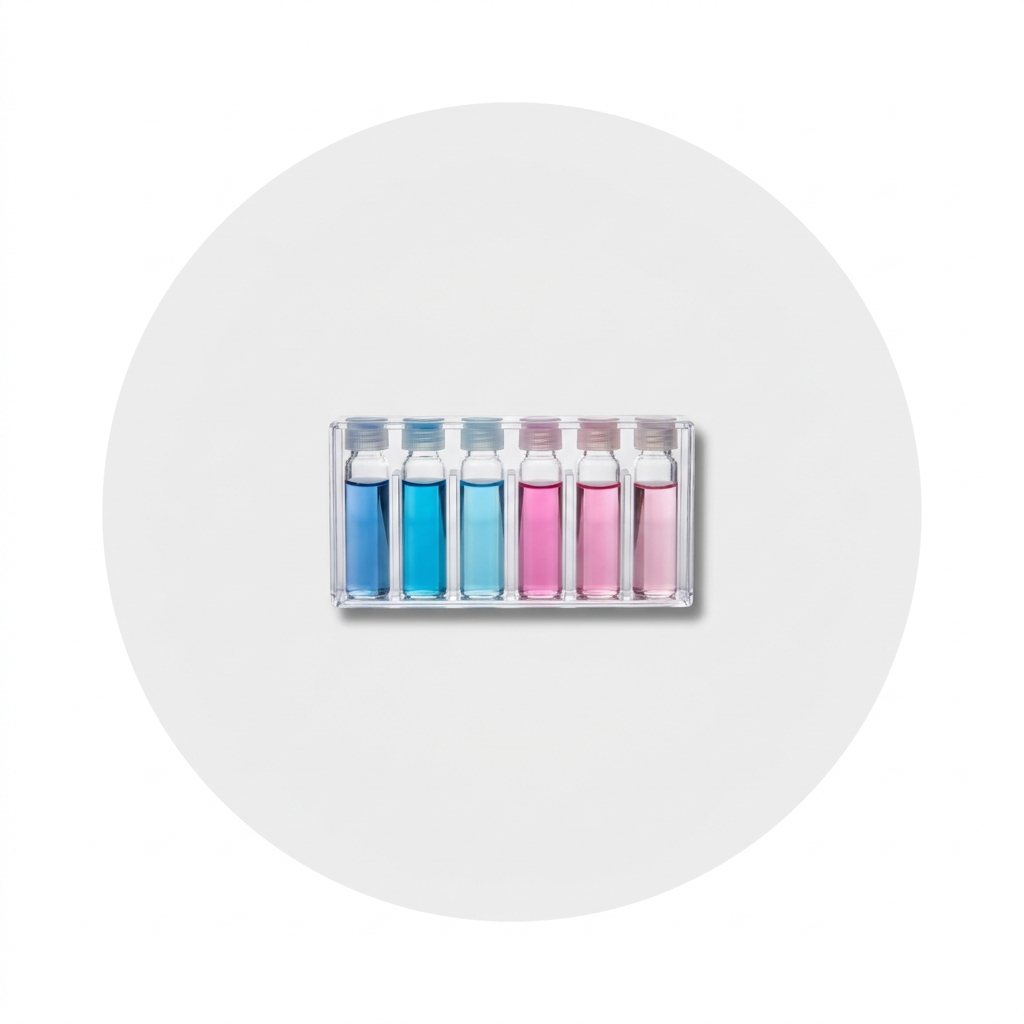
Cyanuric acid works like a shield for chlorine, helping it last under strong sun. But past 100 ppm it holds back the cleaning power and leaves you with cloudy water that struggles against algae and bacteria. A pool test kit shows whether your stabilizer is pulling its weight, and a digital tester makes it quick and precise. Aim for 30 to 50 ppm.
Fixing off levels is straightforward. Too high? Drain part of the water and refill. Too low? Just add stabilizer. It's like tweaking a recipe, a pinch more here, a bit less there, until you hit the right blend. Hold that balance and you save on chemical costs while keeping the pool clear and ready for a spur-of-the-moment swim.
I still remember standing in the pool supply store as a beginner, overwhelmed by all the options. The key is that your choice depends on your pool's setting and your habits.
Outdoor pool soaking up the sun? Stabilized chlorine is your sidekick. Its cyanuric acid shields the chlorine from harsh UV, so you dose less and swim more. Don't get too comfortable, though; over time, too much cyanuric acid works against the chlorine, so keep testing.
Indoor pool, or need quick, strong sanitizing after a party or heavy rain? Unstabilized is a sprinter, not a marathon runner. It works brilliantly but needs adding more often to hold the right level, and it lets you adjust your chlorine precisely.
Maintain Pool Sanitation

Good sanitation starts with your setup
Clean water comes down to keeping the right balance. Stabilized chlorine stays effective longer, which means less frequent dosing and lower costs over time. On sunny days, that makes upkeep feel easy instead of like a chore. Unstabilized is quick-acting, great for indoor pools or ones that need frequent shocking, but outdoor pools soaking up sunlight need close watching and more frequent additions.
When I first ran an outdoor pool, I underestimated the sun. I chose unstabilized because I thought fast action was all that mattered, then found myself constantly testing and adjusting. Switching to stabilized let me keep cleaner water with far less effort.
Choose Chlorine Type Wisely
Choosing chlorine is like packing the right gear for a trip. Stabilized, backed by cyanuric acid, is a trusty companion in the sun and a top pick for outdoor pools in direct light, with fewer store runs and less frequent dosing. Overpack, though, and too much cyanuric acid drags down the chlorine's power, so regular checks keep the levels where they should be.
Unstabilized is the free spirit. Without cyanuric acid, it's ideal when sunlight isn't a worry, like indoor pools or quick sanitizing jobs. It needs adding more often, but it gives you unmatched flexibility, perfect for owners who like controlling every part of their upkeep or who shock the water regularly.
Understand Stabilizer Benefits
Stabilizers, mainly cyanuric acid, work like a protective umbrella for your chlorine, shielding it from the UV rays that would burn it off too fast. Picture an outdoor pool at the peak of summer. Without stabilization, the chlorine fades almost as fast as you add it, leaving your pool open to bacteria and algae. Stabilized tablets hold steady sanitation by keeping the chlorine intact for the long haul.
Balance still matters. Too much cyanuric acid cuts into the chlorine's power, so watch your levels and keep them below 100 ppm. Get that right and stabilized chlorine is a real ally, blending efficiency and effectiveness for an easier routine.
Monitor Chlorine Levels Regularly
Make testing a habit
Checking chlorine regularly keeps your pool a place to relax rather than a home for harmful microbes. Stabilized chlorine, with cyanuric acid as its sidekick, sticks around longer and buffers against harsh sun. Unstabilized is the more fleeting of the two and needs a close eye to hold around 3 ppm.
Leaning only on stabilized chlorine sounds appealing because it lasts, but every choice has a catch. Too much cyanuric acid can lock up your chlorine and make it useless, so keep it below 100 ppm through regular testing. Even on the cloudiest days, UV rays keep coming, so your testing has to keep up too.
Regular water testing is the one habit that ties everything together, no matter which chlorine you choose.
Optimize Pool-Care Routine

Find your rhythm
Start by looking at what makes your pool unique. Is it an outdoor pool soaking up the sun, or tucked away indoors? That simple observation guides your chlorine choice: stabilized for sun-lovers, unstabilized for the sheltered.
On sunny days, stabilized chlorine takes the lead, armed with cyanuric acid to fend off UV, lasting longer with less frequent dosing. Unstabilized is the quiet workhorse for indoor pools, or those times your pool needs a shock to bring back its clarity. Without a stabilizer, it packs a strong punch, though it needs regular attention to hold around 3 ppm.
Think of balancing chlorine like tuning a musical instrument. Over time you get a feel for when your pool needs a little more kick or a quiet pause. Checking levels daily heads off imbalances and saves money, and the whole thing turns into a rewarding habit with a clear, ready-to-swim pool waiting whenever you are.
Stabilized chlorine comes with a built-in bodyguard: cyanuric acid. It shields the chlorine from the harsh sun, so it lasts longer and works more efficiently in outdoor pools. Imagine a relaxed week away without stressing about topping up your chemicals; that's the payoff. But too much cyanuric acid can hobble the chlorine, so you'll test regularly and dilute the water now and then.
Unstabilized chlorine steps up where sun exposure isn't much of a worry, like indoor pools. It's fast and powerful but quick to fade outside. For owners who often shock their water or manage specific cleaning routines, it offers flexibility without cyanuric acid piling up.
Standing in the pool supply aisle, new owners often feel baffled by the choices, but each type brings something clear to the table. Stabilized chlorine, boosted with cyanuric acid, stands guard against harsh UV, so you add it less often and get steady cleaning power. That's perfect for pools in relentless sunlight and a run of summer parties. Watch for buildup over time, though, since it eventually cuts into effectiveness.
Unstabilized chlorine, with no stabilizing agent, is a prime choice for indoor pools or ones that need frequent shocking. Because it fades fast, any excess doesn't linger, giving you room for quick adjustments. A friend's indoor spa thrives on it, since she can control the chlorination precisely without stabilizer buildup dragging things down.
Conclusion
Want to get really comfortable with all of this? Our free Pool School course walks you through pool care from the ground up, covering basic upkeep to advanced troubleshooting. You'll learn how to:
- Save thousands on pool repairs and chemicals
- Keep your water crystal clear year-round
- Prevent and solve common pool problems
- Master water chemistry with confidence
Over 10,000 pool owners have already changed how they handle their routine. Get started with our free Pool School course today!
What you need
Grab a reliable test kit, the right chlorine for your pool (stabilized for sun, unstabilized for indoor or shocking), and cyanuric acid stabilizer to keep everything balanced.