




Stepping into a hot tub after a long day is pure bliss. The warm water and gentle bubbling melt away stress and give you a little sanctuary. But every owner runs into the same question sooner or later: how often should you change the water?
A hot tub isn't a one-time purchase. It needs steady care to stay inviting and work right. When I first got mine, I had no clue about upkeep, and I learned fast that it's about more than balancing chemicals. Hot tubs collect body oils, leaves, and dirt, and all of that wears down your water over time. How often you use the tub, your water quality, and how many people climb in all shape the schedule. A friend of mine throws regular hot tub parties, so she changes her water far more often than I do with my quiet evening soaks. Once you understand what's driving that timeline, you can build a routine that fits your life.
Your Action Plan
- Find your tub's total gallon capacity in the owner's manual.
- Set your change schedule with the formula: gallons ÷ 3 ÷ number of regular users.
- Test pH, alkalinity, and sanitizer at least once a week.
- Rinse off before every soak and clean your filters regularly.
- Watch for foam, cloudiness, or odor as signs to drain sooner.
- Drain and refill at least every three months.
Maintain Healthy Water Quality
Keeping your hot tub safe and inviting comes down to good water quality, and that's more than tossing in chlorine and hoping for the best.
Build a weekly testing habit
Test the water each week for pH, alkalinity, and sanitizer levels. That keeps your chemistry balanced and stops harmful bacteria from taking hold. If you've ever climbed out of a tub with stinging eyes or itchy skin, you've felt unbalanced water firsthand. Grab quality test strips or a digital tester to make the job simple.
Catch small problems before they grow
Cloudy water often means your sanitizer is low or the filter needs cleaning. Adjust your chemicals or rinse the filter right away. I once shrugged off a slightly murky look, figuring it was harmless. Before long I was dealing with foam and a full water change I could've avoided. Clean water also extends the life of your equipment and keeps every soak pleasant.
Change Water Regularly
It's tempting to think a little chlorine lets you relax forever. But skip the water changes and your soothing spa turns into a murky mess.
Over time the water fills with beauty products, oils, and the natural bits our skin sheds. Even with careful cleaning, these impurities — total dissolved solids, or TDS — keep building up. That makes the water less pleasant and weakens your sanitizers. I once stepped into a friend's tub that hadn't been drained in ages: faintly gray, with a sharp chemical smell. A clear reminder of why this routine matters.
Every hot tub, from a cozy two-seater to a big eight-seater, has its own schedule based on volume and use. A rough guide: divide the tub's gallon capacity by three, then divide by how many people use it each day. So a 330-gallon tub with three regular users needs fresh water roughly every 37 days.
Address Common Water Issues
You look forward to a soak all day, then lift the cover to murky water or a bad smell. That's a clear sign your water needs attention.
Cloudy water usually points to off-balance chemistry or a buildup of tiny particles. A spa shock might clear the haze for a while, but a full water change gets to the root of it. Foam that keeps returning usually means too many contaminants like lotions and oils; a foam remover buys time, but replacing the water is the only real cure. And a foul odor usually means bacteria or mildew are thriving.
No amount of chlorine can fix a foul-smelling tub — only fresh water truly resets it.
Calculate Water Change Frequency
Figuring out how often to change your water can feel overwhelming, but a little math makes it easy. It doesn't take calculus.
Start with your tub's volume
Your owner's manual or the manufacturer will give you the exact number. Bigger tubs need changes less often because they dilute contaminants better. A cozy two-seater might hold around 170 gallons, while a party-ready seven-seater could hold as much as 610.
Factor in how many people use it
Think about how many people usually get in and how often — that's your bather load. Divide your tub's volume by three, then divide that by the number of regular users, and you get a solid estimate. With two people in a 475-gallon tub, you'd change the water about every 79 days. Water quality and whether the tub sits indoors or out will shift that, so watch the clarity and smell too.
The golden rule: divide your tub's gallons by three, then by the number of regular users, to get the days between water changes.
Prevent Spa Scaling Issues
Scale can quickly turn a relaxing tub into a maintenance nightmare — a hard, chalky crust that forms on surfaces, clogs filters, and quietly wears down your investment. Staying ahead of it is the whole game.
Keep your chemistry balanced
Balanced water is your best defense. Test regularly for calcium hardness, pH, and alkalinity. Too much calcium leads to scale, so keep it in the recommended range. If levels start creeping up, a water softener or a scale preventer helps — that's a liquid that keeps calcium suspended in the water instead of hardening on the surfaces.
Watch heat, evaporation, and filters
Hotter water speeds up scaling, so a very hot soak comes at a cost in mineral deposits. Keeping the tub covered cuts evaporation, which otherwise concentrates the minerals. Regular water changes dilute those minerals too, and if you live somewhere with hard water, add a pre-filter to your garden hose when you fill. Finally, rinse and replace your filters regularly so deposits never get a chance to settle.
At a glance, hot tub care can seem as easy as dropping in a few chlorine tablets. But regular water changes aren't optional. They affect how long your equipment lasts and how well it works.
Every time you climb in, you bring more than yourself: perfume, body oils, traces of shampoo. All of it piles up as dissolved solids, and over time that makes it harder for sanitizers to do their job and can damage your tub's internal systems. Refreshing the water isn't only about cleanliness — it's a reset button that brings back that clean-soak feeling, where the only bubbles come from the jets. Whether you own a two-seater or an eight-person tub, a regular change is an investment in your health and your equipment.
Monitor Water Quality
Keeping an eye on water quality is one of the most important parts of hot tub care, and a few simple tests head off plenty of trouble.
Check pH and alkalinity at least once a week. They're the backbone of your chemistry, and an imbalance can irritate your skin and damage your spa's parts. Then look at your sanitizer, the chlorine or bromine that keeps bacteria and algae out. Test strips or a digital tester give quick, reliable results. Even with perfect chemistry, dissolved solids build up over time, so if the water feels gritty or sticky, it might be time to change it no matter what the calendar says. And trust your senses: a strange smell or a change in clarity is a red flag telling you to act.
Address Foam and Smell Issues
Foam and bad smells aren't just annoyances. They're clear signs of deeper issues.
Foam can show up from something as simple as leftover soap in your swimsuit, plus body oils and lotions that build up over time. A foam remover is a quick patch, but changing the water is the real fix. A foul smell is a bigger worry. Ideally, hot tub water has no odor at all, so a sour or musty smell could mean bacteria, mildew, or biofilm hiding in the plumbing. Chlorine won't hide or kill that, so swap the water out and clear the cause.
Combat Unpleasant Odors
A stale, musty smell drifting up from your tub isn't just unpleasant. It's a sign something's gone wrong.
A foul odor often points to bacteria or biofilm in the plumbing. These thrive in neglected water, and no amount of sanitizer wipes them out once they've settled. It's like using air freshener instead of taking out the trash — temporary and useless. Staying on top of water changes keeps these sources away and makes every dip as good as the first. Mark your calendar, stick to a schedule, and you'll protect your investment while making each soak a real escape.
Water doesn't stay clean on its own. Over time it becomes a mix of personal care products, skin oils, and microorganisms — not exactly appealing to soak in for months on end.
Draining and refilling every three months, or sooner depending on how much you use it, keeps dissolved solids from piling up. That's not just about looks. High buildup holds your sanitizers back, leaving the water less protected against bacteria and algae. Just as you wouldn't run your car on the same oil forever, your tub needs fresh water to perform at its best.
Drain and refill at least every three months to keep dissolved solids from crippling your sanitizer.
Eliminate Foul Smells
When fresh water is a distant memory and your tub gives off a stench, that's your cue to drain it. Hot tub water should have no smell at all, so any change usually points to bacteria, mildew, or biofilm in the plumbing — problems that stick around even after sanitizer or spa shock.
I once brushed off a faint musty smell as minor. It only got worse, ending up somewhere between a damp basement and a forgotten gym bag. A timely change would have saved me from the miserable job of deep-cleaning the whole system to clear the stubborn biofilm. Frequent changes prevent these smelly troubles and protect your tub's parts, so every soak feels refreshing instead of revolting.
Prevent Foam Buildup
Foam might look playful, but it usually means unwanted residue from soaps, lotions, and sometimes poor water balance. Nobody wants to finish a long day, lift the cover, and find a frothy mess instead of a calm retreat.
Start with your own habits. Rinse off well before you get in, since shampoo and lotion cling to your skin and throw off the chemistry. Get everyone using the tub to do the same. Keep an eye on pH and alkalinity so your sanitizer works without interference. Even when you do everything right, foam can show up from stubborn residue or water nearing the end of its life. A foam reducer offers temporary relief, but it's no substitute for a regular water change.
Address Water-Foam Problems
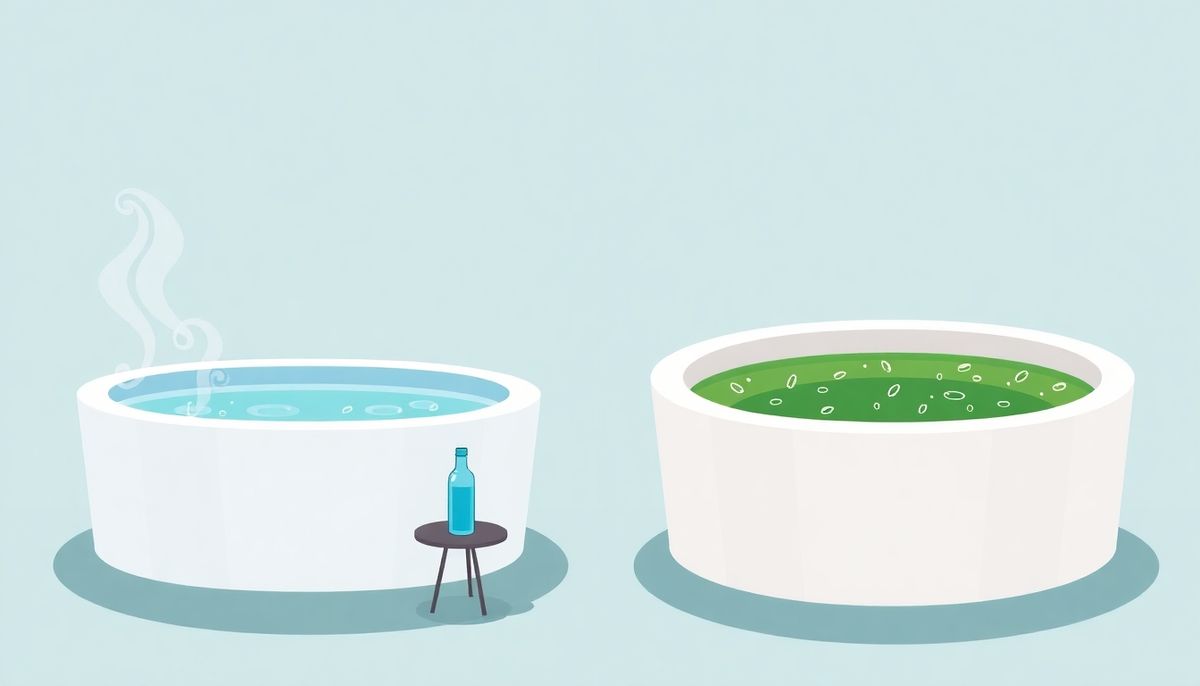
A clean tub can turn into a bubbling frustration when foam shows up. That frothy surface signals something's off, usually a buildup of lotions, oils, and detergents clinging to your skin or swimwear.
I learned this the hard way years ago. After my tub started looking like a bubble bath, I tried every trick out there with no luck. Only draining and refilling made the problem go away, and the cause turned out to be a mix of high dissolved solids and lingering contaminants from daily use. To handle foam for good, change the water at least every three months, track your buildup with a meter, and rinse off before you get in to cut down on what you bring into the water.
Prevent Cloudy Water
Cloudy water can put a damper on things, kind of like a foggy windshield right as you head out for a scenic drive. It usually comes from body oils, lotions, and even residue from swimwear detergents. Tossing in extra chlorine to fight the haze is like using air freshener to cover a smell — it doesn't hold up over time.
Regular water changes are your best defense, roughly every three months, with a watchful eye between them. A neighbor of mine keeps a spare set of filters and swaps them the moment the water looks off, which saves him a lot of hassle. Keep your pH balanced to prevent mineral deposits and help your sanitizer work, and let test strips catch imbalances early. With the right tools and a bit of diligence, your tub stays clear and inviting.
Eliminate Foam Issues
Those frothy bubbles might look playful, but they often flag a problem you need to deal with. A big cause is soap residue and body oils. If you've ever climbed in right after sunscreen or without rinsing off shampoo, you've added to the foam.
Last summer a friend of mine ran into this. She looked forward to an evening soak and found her tub looking like a bubble bath gone wild. A foam remover only worked as a stopgap, so an experienced owner suggested a water change, and with fresh water and a little attention the foam vanished. To keep it away, clean your filters, rinse off well before you get in, and switch to low-foaming products made for hot tubs. If the foam still mocks you, drain and refill.
Tackle Foul Smells
Ever walked up to your tub and been hit by a sharp smell? It's an unwelcome guest that won't leave until you take real action. Bad odors usually mean bacteria, mildew, or biofilm has built up in the plumbing. Chlorine or shock might seem like a quick fix, but they only mask the smell for a while and leave the real cause untouched.
After a rainy week, my own tub picked up an odd smell that no amount of chemicals could shift — it reminded me of a damp basement. Only draining and refilling made it disappear, and that refreshed the whole tub. Keep a regular change schedule and keep your nose out for strange scents. Don't wait to refresh the water. It's a small task for the peace and pleasure it brings.
Monitor Bather Load Impact
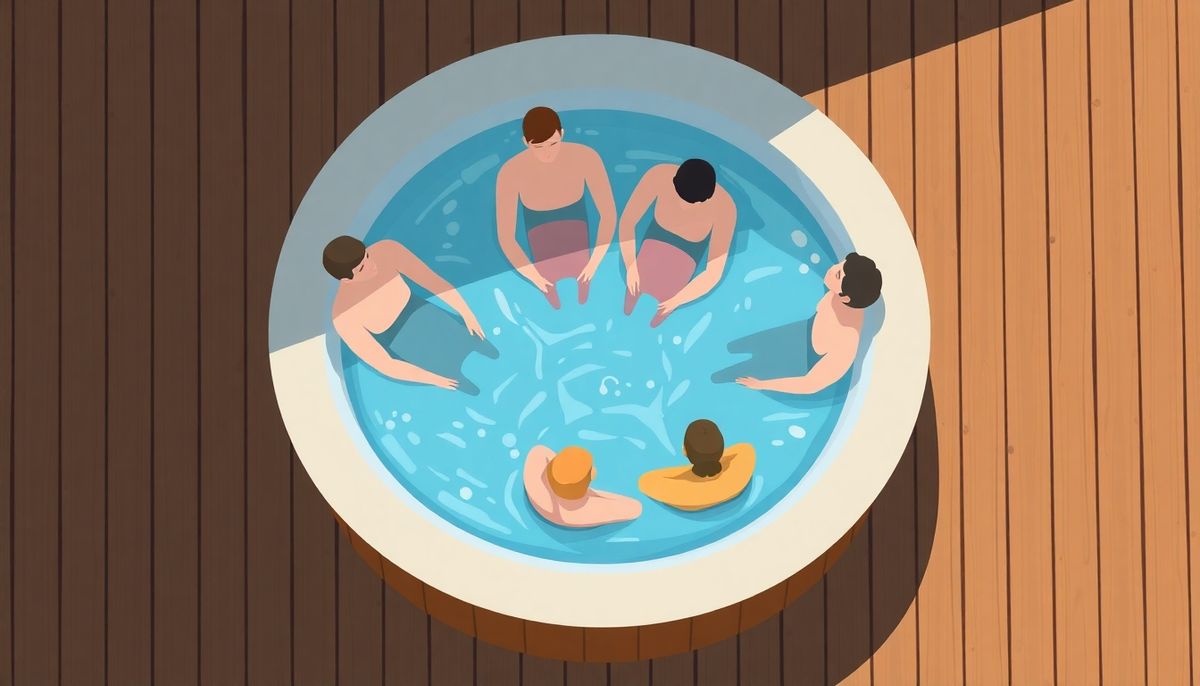
A hot tub's health often comes down to bather load. It's not just how many friends join a spur-of-the-moment spa party. It's the toll each soak takes on your water. Every person brings oils, lotions, and residue your filter and sanitizer have to handle, and over time that strains the whole system.
Earlier this summer I hosted a weekend gathering, and my tub took on nearly a dozen friends over two days. By Sunday evening the water had lost its sparkle and a film had formed on the surface. It was a sharp reminder of how fast heavy use affects quality. Watching how many people regularly use your tub is the key to knowing when to refresh the water.
The more people who regularly use your tub, the sooner you'll need to drain and refill it.
Assess Bather Load Frequency
How often you change the water usually comes down to how many friends, family, and surprise guests you host. Every soaker brings a mix of impurities, from body oils to sunscreen, that over time challenge how clear the water stays.
A tub that sees occasional use might stretch to a full three months, but one hosting weekly gatherings could need fresh water much sooner. After a few backyard barbecues, a monthly swap became routine for me. Their carefree dives were fun, but they drove home how important it is to track usage — and that routine kept the water sparkling and everyone safe. Think about how often your tub plays host, and adjust to match.
Calculate Water Replacement Schedule
Your water-replacement schedule isn't guesswork. It follows a simple formula based on volume and use.
A modest two-seater might hold 170 gallons, while bigger models top 600, so start by knowing your capacity. As we mentioned earlier, the golden rule is to take your tub's volume, divide it by three, then divide that by the number of regular users. That gives you the days you can wait before the next change. Two people in a 475-gallon tub works out to about every 79 days. Of course, water quality, location, and how diligent you are with upkeep can shift the timing, so use it as a starting point.
Conclusion
Fresh water is the quiet secret behind every great soak. Test your water regularly, watch for foam, cloudiness, and odor, and stick to a change schedule that fits how much you use your tub.
The same habits that keep a hot tub clean — balanced chemistry, steady testing, and knowing when to refresh the water — carry straight over to pool care. If you want to master both, our free Pool School course walks you through everything, from basic maintenance to advanced troubleshooting. You'll learn how to:
- Save thousands on repairs and chemicals
- Keep your water crystal clear year-round
- Prevent and solve common problems
- Master water chemistry with confidence
Join over 10,000 owners who have already transformed their care routine. Get started with our free Pool School course today!
What you need
Stock up on test strips or a digital tester, a fresh filter, and a scale preventer, then set a calendar reminder for your next drain and refill.