









Getting started with pool maintenance can feel overwhelming, especially with so many chemical options to choose from. Among all of them, pool ionizers stand out for how simple and effective they are. I still remember when my weekends disappeared into balancing chemical levels, hunting for the perfect mix to keep the water clear without leaving my skin irritated. Then a friend showed me ionization, and it changed how I take care of my pool.
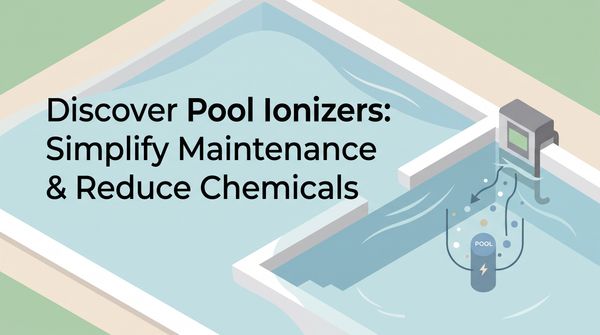
Pool ionizers use minerals like copper and silver to sanitize the water. Copper holds algae back, and silver kills bacteria. Unlike chlorine, which can leave a strong smell and sting your eyes, ionizers release ions that keep the water clean with a much gentler touch. On top of that, they cut your reliance on harsh chemicals and trim the time you spend on upkeep.
In this guide you'll learn how pool ionizers work, what they offer, and how they can change your swimming. Once you understand the technology, you can strike that balance between sparkling water and a healthy place to swim. Whether you've owned a pool for years or you're still weighing your options, this is here to help you make a smart choice.
Your Action Plan
- Install the ionizer inline, right after your pump and filter.
- Set your copper level to 0.2 to 0.4 ppm.
- Keep a low chlorine backup at 0.5 to 1 ppm.
- Balance pH (7.2 to 7.6), alkalinity (80 to 120 ppm), and calcium hardness (200 to 300 ppm).
- Check the electrodes for scale every few weeks.
- Test your water regularly and adjust as you go.
Discover Pool Ionizer Benefits

Why swimmers notice the difference right away
A clean pool without the chemical overload is the pitch, and ionizers deliver. As water flows through the ionizer's chamber, a low-voltage current charges copper and silver electrodes and releases their ions into the pool. Those ions bind to bacteria and algae and stop them from growing, which lets you cut the chlorine you need by up to 85%. Less chlorine means less of that sharp smell and far less stinging eyes and dry skin. The water feels softer, and your skin and hair come out fresh instead of parched. Talk to anyone who's made the switch and they'll tell you the same thing: clearer water, fewer trips to the store for chlorine, and kids who can splash all afternoon without complaints.
Pair an ionizer with a little chlorine and pool care gets easy, so you spend more time in the water and less time fussing over it.
Embrace Chemical-Free Sanitization
You can keep your pool clean without leaning so hard on chemicals, and that's the whole point of an ionizer. The device does the routine work of hygiene, hunting down bacteria and algae while you dial the chlorine way back. The water that comes out is easy on your skin, your eyes, and your equipment. Regular swimmers notice less irritation and none of that chlorine odor, and the softer water helps your accessories last longer. Just remember it isn't a full solution on its own. You'll still want a small amount of chlorine to finish the job. But as a way to make swimming feel more natural, it's hard to beat.
Harness Copper and Silver Power
Copper and silver do the heavy lifting
Few materials have a track record like copper and silver. People have used both to fight microbes since ancient times, and the reason is simple: copper holds algae back and stops it from spreading, while silver kills bacteria and keeps it from returning. Together they're the backbone of any ionizer. Adding one to your routine does more than clean the water; it changes how swimming feels. With less chlorine in the mix, you get fewer red eyes, less dry skin, and none of that unmistakable smell. Think of the ionizer as a steady helper that supports your usual routine rather than replacing it, turning your pool into a spot that's safe and gentle for swimmers of every age.
Extend Pool Equipment Lifespan
Keeping pool equipment alive can feel like a slow fight against wear, and an ionizer quietly helps here too. Chlorine works, but it's rough stuff. It corrodes metal pipes, hardens rubber seals, and speeds up the decline of pumps and filters. Drop the chlorine load and those parts get a real break. A pump that isn't soaking in heavy chemicals is less likely to corrode, so it lasts longer. Filters clog with fewer byproducts and stay efficient. And because the ionizer keeps algae and bacteria in check, your whole filtration system works less hard, which can shave a bit off your electric bill. Over a few seasons, that adds up to fewer repairs and lower costs.
Transform Pool Maintenance
From weekend chore to weekend swim
The people who complain loudest about pool upkeep are usually the ones wrestling with chemicals every Saturday, paying for it later with itchy skin and red eyes. An ionizer flips that. Instead of dumping harsh chemicals into your backyard, you're using copper and silver to keep the water fresh. Copper holds algae back, silver kills bacteria, and growth gets stopped before it becomes a problem. Just keep in mind that the ionizer handles the grunt work but can't do everything. A small amount of chlorine still knocks out the stubborn contaminants. For most people, the payoff is a pool that goes from a chore to a pleasure, and the only regret is not switching sooner.
Implement Ionizer Technology
Setting one up is simpler than it sounds
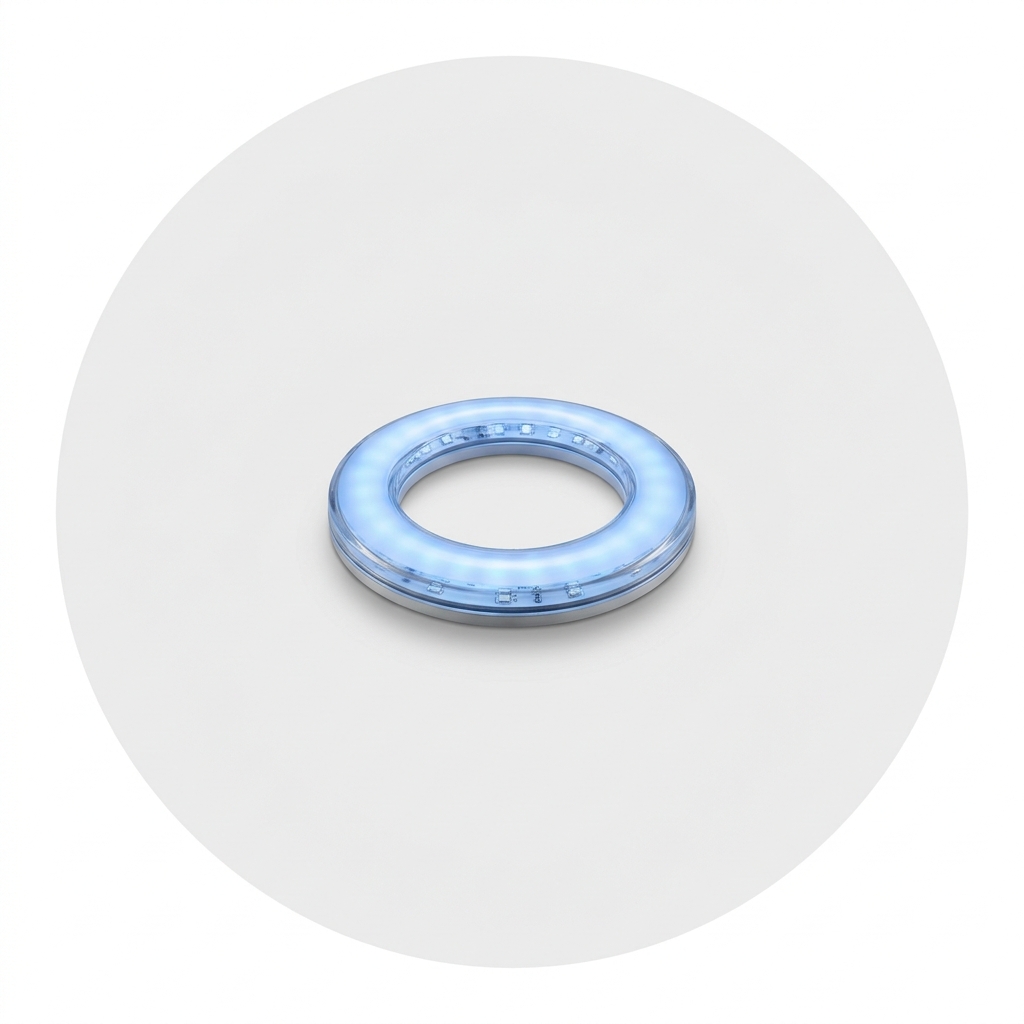
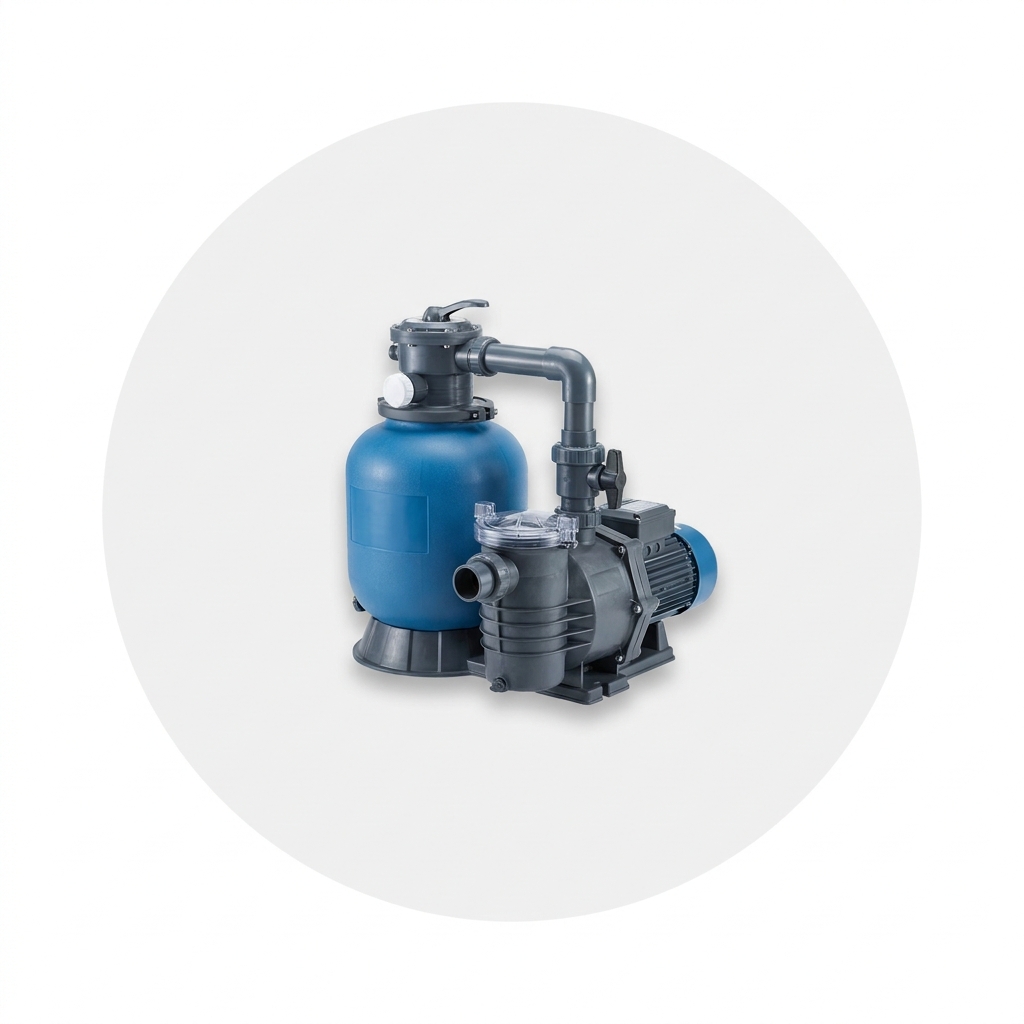
Installing an ionizer might feel like bringing science fiction into your backyard, but the reality is pretty ordinary. The device works with your existing setup and runs quietly in the background. When I put one on our family pool, it slotted right into the filtration system. Water runs through the pump and filter, then passes through the ionizer just before it flows back into the pool. Inside, low-voltage electricity charges the copper and silver electrodes and releases ions into the water. Maintenance is easy. Check the electrodes now and then to make sure they're in good shape, and keep an eye on your chemistry. Copper should sit around 0.2 to 0.4 ppm, the sweet spot for clean water without staining, and a reduced amount of chlorine tops off your protection.
Balance Chemical Levels
Getting the balance right
Dialing in your chemistry with an ionizer is a bit like tuning an instrument. Copper and silver are powerful, but they don't fully replace other sanitizers, so balance matters. The trick to avoiding that chlorine smell and itchy skin isn't just using less chlorine; it's using it wisely alongside the ionizer. Keep chlorine between 0.5 and 1 ppm, instead of the usual 1 to 3, and you get clean water without going overboard. Watch your other levels too: aim for alkalinity of 80 to 120 ppm, pH between 7.2 and 7.6, and calcium hardness of 200 to 300 ppm to prevent scaling, especially if your water is hard. Test regularly and adjust as you go. Staying on top of it saves you headaches later.
The magic number is a chlorine level of 0.5 to 1 ppm: low enough for a soft, odor-free swim, high enough to finish the job the ions start.
Optimize Pool Equipment Longevity
Protecting your equipment is one of the quieter wins here. Chlorine-heavy systems corrode metal and break down plastic over time; a lighter chemical load means far less wear on your pump, filter, and heater. Picture your heater giving out mid-summer because chemicals ate through it. That's costly downtime an ionizer helps you avoid. Routine care still counts, though. Clean the electrodes regularly so they keep performing, since mineral buildup happens over time, and hold your chemistry steady to avoid metal oxidation. Do that, and you get equipment that lasts and a pool that's more pleasant to swim in.
Embrace Science for Clean Pools
What's actually happening in the water
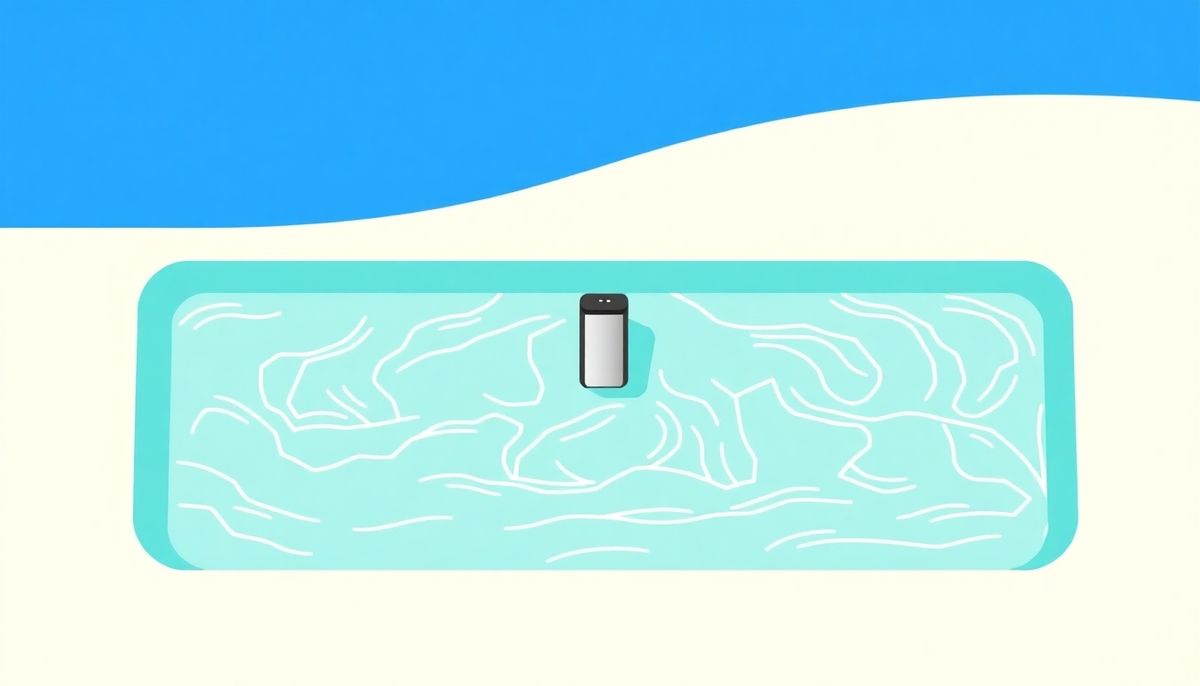
On a hot day, the last thing you want is lingering chlorine smell or irritated skin. An ionizer uses a low-voltage DC current to charge those copper and silver electrodes, releasing their ions into the water. The ions attach to bacteria and algae and break them down, so you don't need heavy chemical intervention to keep things clear. Pair that with a small amount of chlorine and you've got full coverage against every contaminant. It's a practical step toward simpler, more sustainable pool care, and a pool that feels like a natural oasis instead of a chemical bath.
Implement Pool-Ionizer Technology
The first time I swam in an ionized pool, I noticed the difference right away. The water was soft, almost silky, and my skin came out fine, none of the dryness you get from a heavily chlorinated pool. That comes down to the reduced chemical load. Installing an ionizer is a little like having a tiny lab tech watching your water around the clock, except it asks almost nothing of you; it ties into your circulation system and releases ions as the water passes through. It won't replace chlorine, but it cuts your need down to just 0.5 to 1 ppm, a fraction of the usual dose. Top off with occasional chlorine to keep the water pathogen-free and you're set.
Understand Ionization Benefits
Tiny helpers working around the clock
Ionization is a gentler way to care for your pool. Instead of relying only on chlorine, you put copper and silver to work. Copper is especially good at holding algae back, turning your pool into a place these unwelcome guests can't thrive, while silver takes on bacteria and keeps the water clear. The nice part is how little it asks of you. Once the ions are made, they move freely through the pool, finding and neutralizing threats on their own. You'll still need some chlorine for full hygiene, but using much less makes for a softer swim, easier on you and on your pool's machinery alike.
Optimize Pool-Chemical Balance
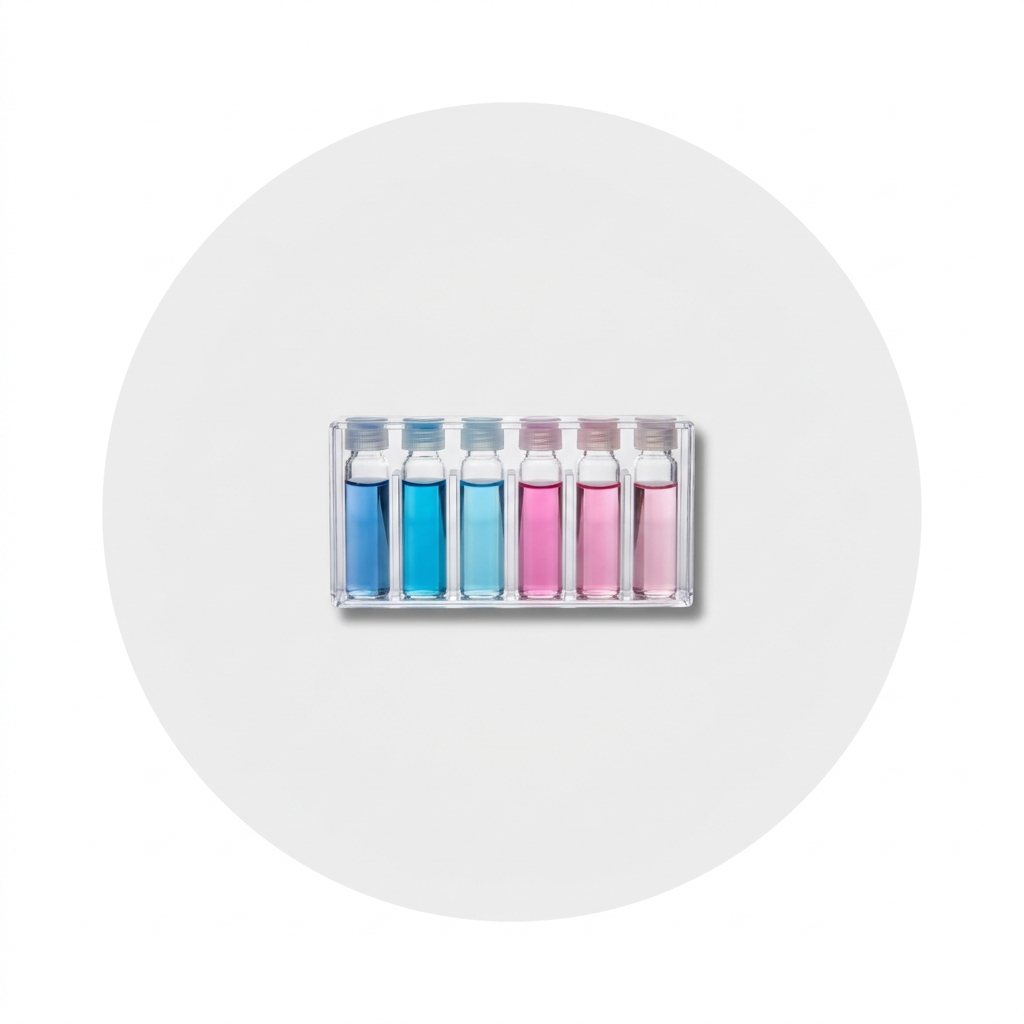
Balancing chemicals becomes almost second nature once the ionizer is doing its part. Start with what it does: copper and silver fight bacteria and algae, but they don't fully replace chlorine, so keep chlorine at that gentle 0.5 to 1 ppm. Then mind the rest. Hold pH between 7.2 and 7.6 so the ions stay active without staining your surfaces, keep alkalinity at 80 to 120 ppm to hold that pH steady, and keep calcium hardness between 200 and 300 ppm to prevent scaling on both your pool and the electrodes. A good liquid test kit is worth the money. It tracks these levels accurately so you get all the benefits without hurting your health or your pool's lifespan.
Enhance Sanitation with Ionizers
Less time balancing, more time relaxing
The real shift with an ionizer is where your weekends go. Plenty of pool owners spend Saturdays wrestling with chlorine levels and algae blooms; cut the chlorine by up to 85% and pool care becomes less about chemistry and more about relaxing. The ionizer generates its ions with a low-voltage current, and those ions handle bacteria and algae quietly and efficiently. Along the way, the water feels silkier and swimsuits last longer without the chemical wear. The one lesson everyone learns is that ionizers are powerful helpers but can't work alone. You still need a little chlorine for certain pathogens. The upside is fewer trips to the store, less smell, and less irritation.
Embrace Chemical-Free Pool Care
If mixing electricity and water makes you nervous, don't worry. The ionizer stays outside the pool, so it's both safe and effective. It uses a low-voltage current to release ions that neutralize microorganisms and algae, and it fits right into your existing setup. Think of it as a silent guardian working around the clock without that lingering chlorine tang. You'll still need some chlorine for stubborn bacteria, but far less, which means restocking a lot less often. Cutting back on chemicals isn't only about your family's comfort; it's a nod to sustainability, and it helps your equipment last while giving you a swim that feels refreshingly natural.
Harness Mineral-Ion Power
People notice the little device on the pool system and assume it's decoration. It's not. Instead of leaning on chlorine, which leaves swimmers with dry skin and a harsh smell, the ionizer uses a mix of electricity and minerals. As water flows through, a gentle current activates the electrodes and releases copper and silver ions that bind with microorganisms and neutralize them. There's a small learning curve; the ionizer cuts your chlorine use a lot but doesn't remove the need for a backup sanitizer. Think of it as a reliable sidekick to chlorine, not a replacement. It just makes chlorine's job easier and more efficient.
Protect Equipment from Chlorine Damage
Easier on your pipes, pumps, and liners
Protecting your gear from chlorine damage is easy to forget until something breaks. Chlorine keeps water clean, but it's corrosive, and over time it wears down filters, pumps, and liners. Because the ionizer lets you sanitize with far less of it, your equipment takes much less punishment. When I switched years ago, my pump sounded healthier almost right away, no more groaning or straining, and maintenance came around less often. You'll still keep a small amount of chlorine in the water, but the big cut means less corrosion and a longer life for your parts. It's a practical, budget-friendly way to balance solid sanitizing with equipment that lasts.
Cutting chlorine doesn't just help swimmers; it eases the corrosion that quietly shortens the life of your pump, filter, and heater.
Reduce Chlorine Reliance
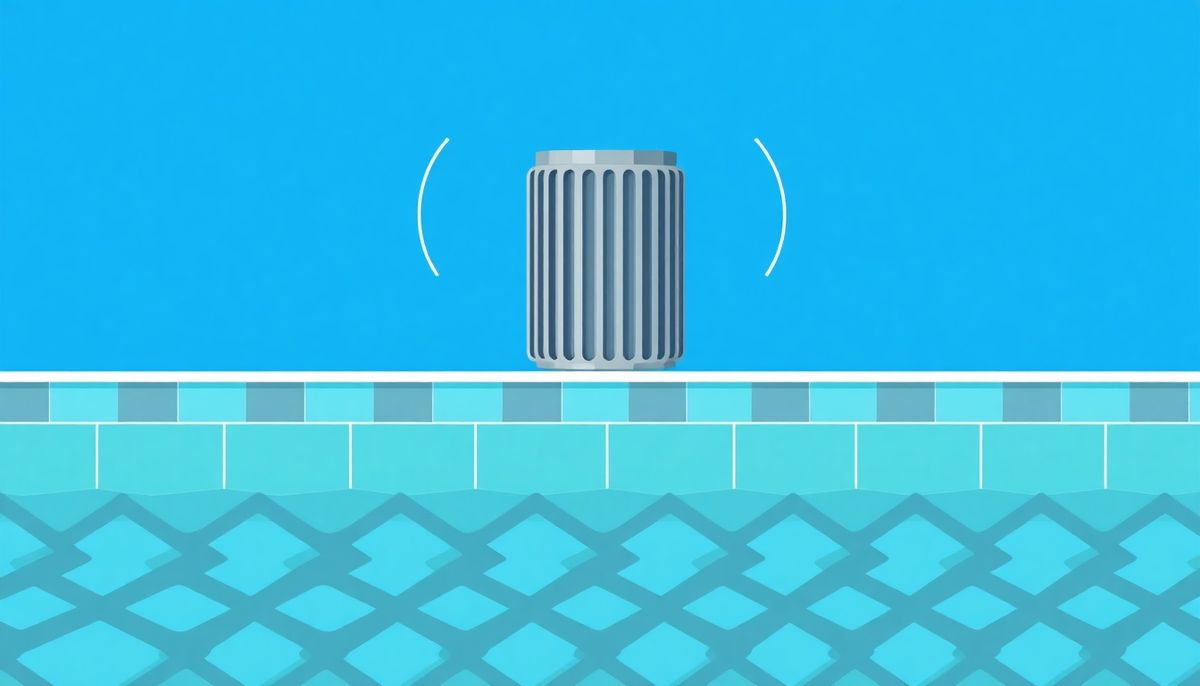
Pool maintenance can feel like running a chemistry lab in the backyard, with the harsh smell, the dried-out skin, and the endless monitoring. An ionizer changes that by cutting your reliance on chlorine and giving you a gentler way to keep the water clean. The copper side curbs algae, so there's less scrubbing, while silver moves fast to kill bacteria before it takes hold. Chlorine still has a place for its strong oxidizing power, but using less of it means fewer chloramines forming and that familiar odor fading away. You spend less time and money managing levels, your skin and hair thank you, and your equipment stays in better shape. It's not just an alternative; it's a more enjoyable pool for everyone.
Implement Pool Ionizers
Switching to an ionizer is like inviting a team of tiny helpers into your water. Installing one is simple: it attaches to your pump system and works with the flow, delivering ions efficiently into the pool where they seek out bacteria and algae. It needs little ongoing care beyond an occasional check to make sure everything's running right. People who've made the change talk about how refreshing the water feels, with no burning eyes and no chlorine smell clinging to your skin. You can't ditch chlorine completely; a little is still needed for full sanitizing. But with lower levels, you make fewer trips to the pool store and spend more time enjoying your backyard.
Protect Pool Equipment

Imagine not having to worry about your pool equipment breaking down mid-summer. Chlorine is a pool's traditional defense against germs, but it's rough on your gear and wears it out early. With gentler, ionizer-treated water, parts like filters and pumps take far less stress, so they last longer and run more efficiently. The savings are real: less wear means fewer maintenance calls and fewer replacement parts, which adds up over the years. So while you're enjoying softer water and a greener pool, your equipment is quietly thriving too.
Conclusion
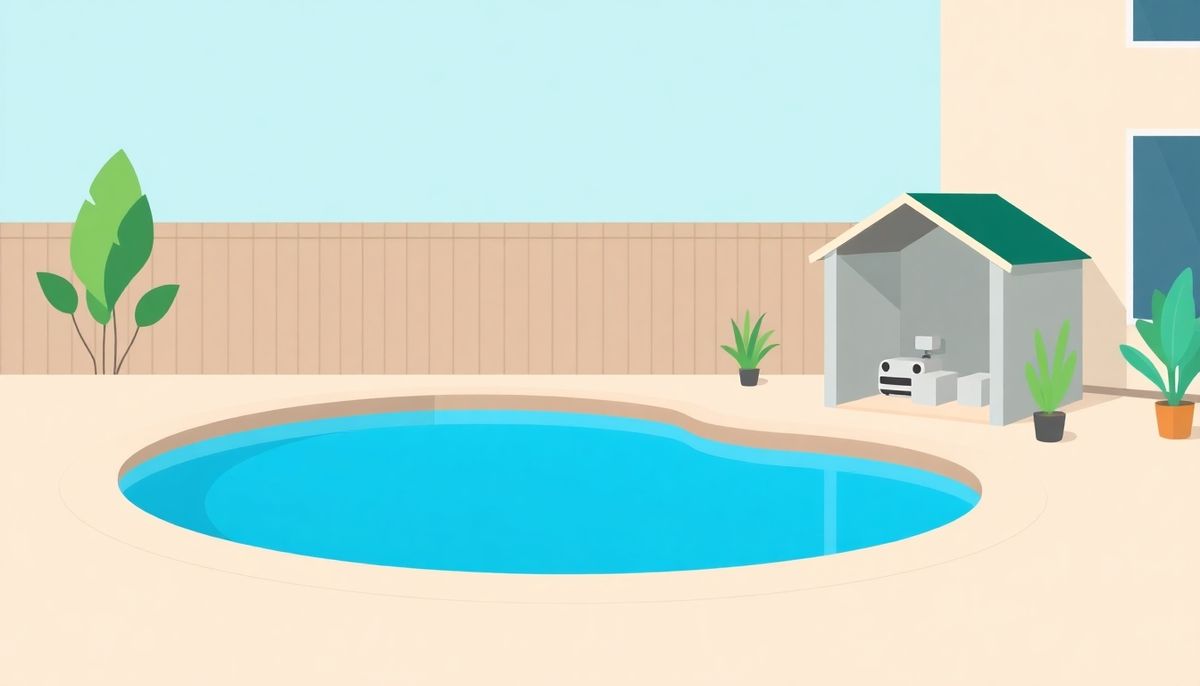
Switching to an ionizer is a great first step toward a simpler pool routine, with softer water, less chlorine, and equipment that lasts longer. If you want to keep building on that and really master your water chemistry, here's where to go next.
Our free Pool School course covers everything you need to know about pool care, from basic maintenance to advanced troubleshooting. You'll learn how to:
- Save thousands on pool repairs and chemicals
- Keep your water crystal clear year-round
- Prevent and solve common pool problems
- Master water chemistry with confidence
Join over 10,000 pool owners who have already changed their pool care routine. Get started with our free Pool School course today!
What you need
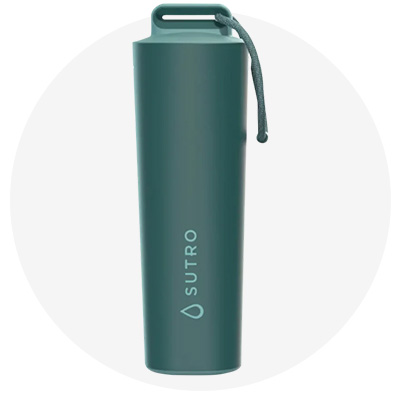
To get started you'll want a pool ionizer, copper and silver test strips, a good liquid test kit, and a small supply of chlorine for backup sanitizing.