



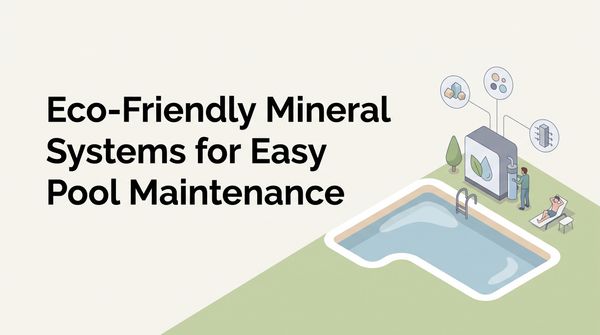
Pool care can feel overwhelming, especially with so many options for keeping the water clean. Pool mineral systems are a little different from the rest. If you know someone whose pool always seems to need less work than yours, there's a good chance they're using minerals.
Instead of leaning hard on chlorine, mineral systems use natural elements like silver and copper to clean the water gently. They cut the need for harsh chemicals and give you a softer, more pleasant swim. Wouldn't it be nice to know your pool is both easy to look after and kinder to your skin?
This guide walks you through how mineral systems work and what they can do for your pool. Whether you've owned a pool for years or you're brand new to it, you'll come away with a clearer picture of how to get cleaner, softer water with less effort.
Your Action Plan
- Test your fill water for metals, especially copper, before you start.
- Pick a system that fits your pool—copper if algae is your problem, silver if bacteria is.
- Install a simple in-skimmer or floating dispenser to try it out.
- Keep a small amount of chlorine or bromine on hand for full sanitation.
- Use a hose filter when filling and a metal sequestrant to prevent stains.
- Enjoy the softer water and swap the cartridge when it runs low.
Discover Pool Mineral Benefits
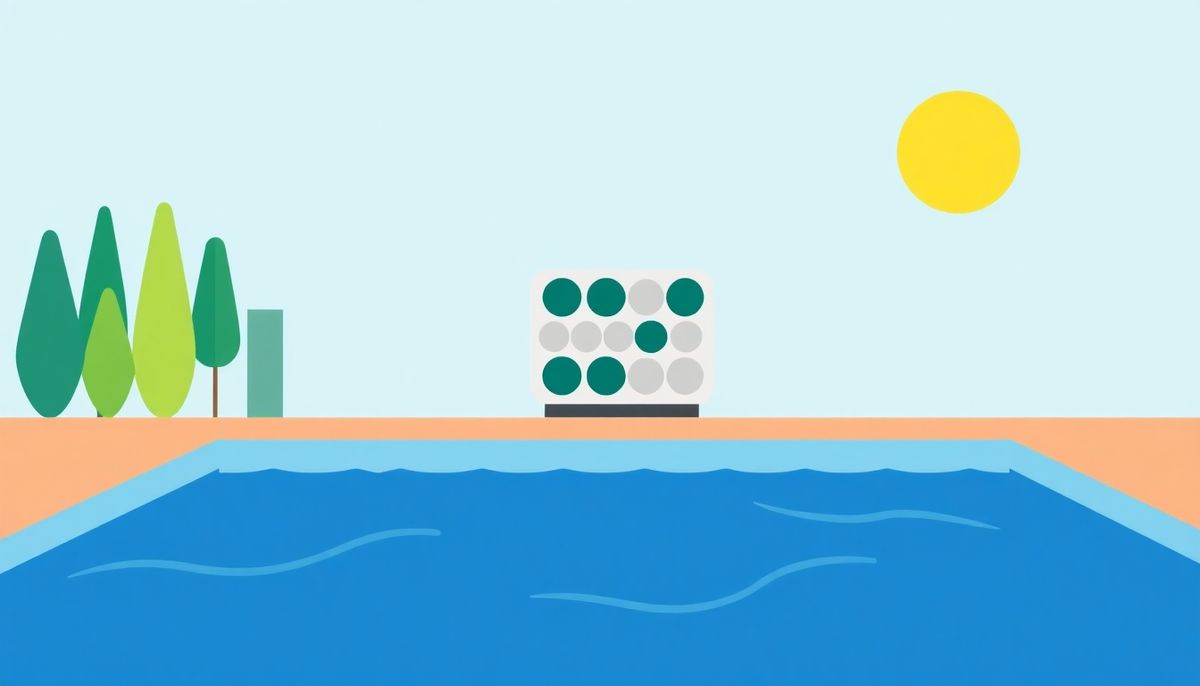
No harsh chlorine smell, water that feels soft, and a pool that mostly takes care of itself. That's the draw of pool mineral systems, a gentler alternative to the usual chemical routine. Here's why so many pool owners like them.
Easier on your skin and hair
Chlorine does its job, but it can leave your skin dry and your hair brittle. Water treated with silver and copper feels softer, so you climb out without that tight, itchy feeling.
Kinder to your equipment
Chlorine is corrosive, and over time it wears down pumps, filters, and liners. Minerals are less abrasive, so your gear lasts longer and you replace parts less often.
Fewer chemicals overall
Leaning on the natural cleaning power of minerals lets you cut chlorine by up to 50% and skip that strong "pool smell." Less measuring, less handling, more time actually swimming.
Leaning on minerals can cut your chlorine use by up to 50%, which is easier on your skin and your wallet.
Embrace Softer Healthier Water
Slipping into a pool where the water feels soft against your skin is a real treat, especially if you've climbed out of a chlorine-heavy pool feeling dry and prickly. Mineral-treated water feels more hydrating. The trick is simple chemistry: silver and copper fight bacteria and algae, while zinc helps keep the water balanced.
Your pumps and filters benefit too. They run for hours every day, and softer water is easier on them than a steady dose of chlorine. Less strain means less wear over time.
There's a practical payoff as well. Fewer chemicals means fewer trips to the store and less handling of things you'd rather not touch. Less chlorine also means fewer chloramines, the compounds behind that familiar pool smell.
Explore Easy-Maintenance Options
Simple to set up and run
If juggling chemical levels every weekend has worn you out, mineral systems are a relief. Most drop right into your existing setup, whether it's an in-skimmer unit or a floating dispenser. No special tools, no technical skills. Even if you're not handy, you can manage it.
They also cut your need for chlorine or bromine, which lowers your chemical costs and spares your equipment. That adds up to fewer repairs and replacements down the road, which matters if you've ever faced a surprise pool bill.
Most mineral systems drop into your skimmer or float on the surface, so setup takes minutes, not an afternoon.
Protect Your Pool and Equipment
Your pump and filter work quietly behind the scenes, and constant chlorine exposure wears them down and drags on efficiency. Silver keeps bacteria in check and copper handles algae, so your equipment runs in a less corrosive environment.
The upfront cost can give you pause. But using less chlorine eases your routine and stretches the life of your pump and filter, and losing the strong chlorine smell is a nice bonus. Over a season or two, the math tends to work in your favor, and you get peace of mind knowing your gear is holding up year after year.
Simplify Pool Maintenance

Keeping a pool clean can feel like juggling a dozen tasks at once. Take my friend Sarah, whose weekends used to disappear into balancing chemicals and scrubbing tiles. After she switched to a mineral system, most of that hassle went away.
How the minerals do the work
Mineral systems use silver and copper. The Romans knew silver killed bacteria, and it still does the same job in your pool today. Copper does double duty as a strong algaecide. With both at work, you need far less chlorine, which gives you softer water, longer-lasting swimsuits, and less wear on your equipment.
Sarah liked how easy it was to install. A simple drop-in unit started working right away, with no endless measuring or chemical tweaking. If your weekends feel too short, that kind of hands-off upkeep is worth a look.
Choose Mineral-Based Sanitizers
Swimming shouldn't feel like a fight with harsh chemicals. If chlorine dries you out, a mineral system is a welcome change. You step out without the tight skin and straw-like hair, thanks to the gentle touch of mineral-treated water.
Softer water helps your equipment last longer too, since it puts less strain on pumps and filters. That can mean real savings on maintenance and replacements.
One caveat worth knowing: a mineral system doesn't replace chlorine entirely. You'll still add a small amount of chlorine or bromine now and then for full sanitation. Get that balance right and you get clean, inviting water without the overpowering smell.
A mineral system cuts your chlorine use but doesn't replace it—you'll still need a small dose of chlorine or bromine for full sanitation.
Protect Equipment with Softer Water
Softer water, longer-lasting gear
How long your equipment lasts depends a lot on the water running through it. Chlorine and other harsh sanitizers leave deposits and encourage scale to build up on your pumps and filters. That buildup wears parts down before their time.
A mineral system softens the water and cuts that abrasive impact. Switch from a chlorine-heavy setup and you'll often see clearer water and lower maintenance bills, with fewer part replacements and repairs. Softer water isn't just nicer to swim in; it helps your whole system last longer.
Reduce Chemical Usage Efficiently
Cutting back on pool chemicals used to feel like guesswork—messy and unpredictable. Mineral systems make it more manageable. Silver goes after bacteria and copper handles algae, so you can lower your chlorine use by up to 50% without losing a clean pool.
Your skin notices the difference, and so does your budget, since buying fewer chemicals adds up over a season.
If you're cautious, start small. Drop in an in-skimmer or floating device and see how it goes before making bigger changes. You'll likely notice fewer harsh odors and less corrosion on your equipment. Ease into it, and pool care can start to feel a lot less like a chore.
Enhance Water Softness
That dry, tight feeling after a swim is a common complaint. Mineral systems help by making the water noticeably softer, so it's kinder on your skin and leaves your hair without that straw-like texture.
Your swimwear benefits too. Ever notice how a favorite suit fades over a summer? Minerals cut down the bleaching that chlorine causes, so your swimwear keeps its color longer.
The gentler water is easier on your pool's hardware as well. It puts less stress on pumps, filters, and other parts, so they run more efficiently and last longer. Choosing a mineral system is a well-rounded way to care for your pool that respects both you and your investment.
Explore Mineral-Based Sanitizers
Mineral sanitizers use silver, copper, and sometimes zinc instead of relying only on chlorine. Switching often means saying goodbye to the heavy chlorine smell and its drying effects, and your equipment can last longer thanks to the softer water.
There's another side to weigh, though. Minerals lower how much chlorine you need but don't get rid of it, so keep small doses on hand for full sanitation. Watch for copper stains too, especially if your fill water is high in metal. Even with those small hurdles, a mineral system is a tempting choice if you want a gentler, more natural pool.
Minimize Chlorine for Softer Water
Switching my own backyard pool to a mineral system made a clear difference. The water felt softer, almost silky. Setup was simple, and the payoff showed up fast: no more chlorine smell, no more red eyes. My kids kept mentioning how their skin felt after a swim.
With less chlorine in the mix, the water got gentler and the wear on the equipment dropped. That extends the life of the pumps and filters and keeps maintenance costs down. For comfort and efficiency both, it felt like the right call for the family and the pool alike.
Prevent Pool Stains Effectively
Keeping stains away
Stains seem to appear out of nowhere, but copper and silver can help you keep your pool clear. Copper kills algae, but it's also what causes green stains if it oxidizes in the water.
The fix is straightforward. Test your water's metal content regularly, and use a hose filter when you fill the pool to keep copper low from the start. If stains have already been a problem, a monthly metal sequestrant helps—that's a liquid treatment that binds to the metals in your water so they can't stick to your pool walls.
Silver quietly handles bacteria in the background, which lets you run less chlorine and keeps your surfaces in better shape. Keep the system balanced and stains don't stand much of a chance.
Test for metals and use a hose filter when you fill; if stains show up, a monthly metal sequestrant binds the metals so they can't cling to your walls.
Choose the Right System
Choosing a system that fits your pool
Picking a mineral system takes more than a quick glance at the shelf. What works for one pool may not suit another.
Start with your pool's own history. If algae shows up every summer, a copper-rich system is a good ally, since copper is a well-known algaecide. If bacteria worry you more, silver's antibacterial strength is the draw. Think back on what's demanded the most attention.
Then consider maintenance. A floating dispenser keeps things simple. Other systems connect straight to your plumbing for smoother operation but ask for a bit more involvement. Are you hands-on, or do you prefer to set it and forget it?
Finally, think long term. A mineral system keeps water gentler and can extend the life of your equipment, so weigh how each choice affects your pool over the years, not just this weekend.
Understand Pool Mineral Benefits
Mineral systems are where chemistry meets comfort. They use silver and copper to fight bacteria and algae, and some add zinc and limestone, which help balance pH and add another layer of protection.
The result is water that feels soft and soothing, keeps your swimsuit's color bright, and treats your skin and hair kindly. There's a financial upside too: less chemical exposure means less wear on your equipment and fewer repairs down the line.
Minerals aren't a standalone answer, though. You'll still need a modest amount of chlorine or bromine to keep the pool truly clean. Weigh the whole mix—softer water, less odor, longer-lasting gear—and see whether it fits how you use your pool.
Evaluate Mineral System Options
Choosing the right system comes down to your needs and preferences, a bit like picking the perfect paint for a room. Start with the immediate benefit: most swimmers find mineral-treated water gentler, with less itchy skin and fewer red eyes to cut playtime short.
Weigh that against the practical side. Mineral systems reduce chlorine but don't remove it, so think of them as a trusty sidekick rather than a solo act. The upfront price can run higher than traditional methods, though the savings on chemicals and equipment wear often make up for it.
Most important, check how well a system fits your current setup. If you're handy with tools, an integrated system can be a doable project. If not, a floating dispenser installs with no fuss.
Transition to Mineral Sanitizers
Switching to a mineral system is easier than it sounds, and it makes swimming more pleasant. People often describe their first dip in a mineral pool as soft, without the sharp chemical smell or the skin-tightening aftermath that chlorine leaves behind.
Silver and copper do the heavy lifting, and the softer water spares your swimwear and your skin. Just remember the balance: you'll still need a little chlorine or bromine, and a hose filter at fill time helps prevent copper stains. Once you've sorted out those basics, adding the system can be as simple as dropping a dispenser in your skimmer or letting one float on the surface.
Reduce Chlorine Dependency
The payoff beyond the water
A mineral system does more than improve your swim. Mineral-treated water feels softer and silkier, and your swimwear stays brighter without chlorine's bleaching.
Your equipment gains too. Chlorine is corrosive and slowly breaks down your pump, filter, and other parts. Using less of it helps them last longer.
The money side balances out. You invest in minerals up front, but you use less chlorine overall, and fewer repairs can make it cheaper in the long run. So a mineral system brings practical benefits that reach well beyond the water itself.
Explore Pool Mineral Benefits
Getting to know pool minerals is like finding a fresh way to enjoy your pool—water that soothes instead of irritates, leaving your skin smooth and your hair soft. It's a bit like having a small spa in the backyard.
Silver, copper, zinc, and limestone work together to keep the water clean and balanced while cutting the notorious pool smell. A mineral system can't fully replace chlorine or bromine, but its supporting role is valuable, softening the rough edges of traditional pool chemicals.
If you're thinking about switching, start with a trial run using an in-skimmer or floating dispenser. Once you feel the silky touch of mineral-treated water, going back to the old routine is hard.
Implement Mineral-Sanitizer Systems
Trading traditional sanitizers for a mineral system can really change your routine. After the switch, your hair feels less brittle and your skin less beaten up by chemicals, and your filter tends to run more smoothly on the softer water.
These systems use silver and copper to fight bacteria and algae, gently enough to spare your swimsuits and equipment. You'll still need small amounts of chlorine or bromine for full sanitation—that balance keeps bacteria away while preserving the feel of the water.
For an easy transition, in-skimmer and floating dispensers set up in minutes. Some floating models even alert you when it's time to swap the cartridge, which makes upkeep about as easy as a summer swim.
Conclusion

Switching to a mineral system is a great step toward a softer, simpler pool. If you're ready to keep learning, our free Pool School course covers everything from basic upkeep to trickier troubleshooting. You'll learn how to:
- Save thousands on pool repairs and chemicals
- Keep your water clear year-round
- Prevent and solve common pool problems
- Master water chemistry with confidence
Over 10,000 pool owners have already used it to rework their routine. Get started with our free Pool School course today!
What you need
To get started, grab a mineral system that fits your pool (an in-skimmer or floating dispenser), a metal test kit and hose filter to control copper, and a little chlorine or bromine for full sanitation.