

Stepping into a pool can be a refreshing escape from the summer heat, but for those with blond hair, a dip can sometimes come with an unwelcome surprise. Many have experienced the frustration of emerging from a swim to find that their sun-kissed locks have taken on an unexpected green hue. This phenomenon, while common, often leaves individuals puzzled and searching for solutions.
The culprit behind this color change isn't the water itself but rather the presence of copper and other metals often found in pool water. When these metals oxidize, they attach to the hair shaft, giving it that notorious green tint. Hair, especially if it's light in color, acts somewhat like a sponge, soaking up the mineral-rich water as easily as it does sunlight.
Reflecting on a similar experience, I recall a friend's beach vacation where her excitement turned to horror upon discovering her platinum waves had transformed into a swampy green. Her quick solution involved a frantic search for remedies, leading her from homemade concoctions to specialized shampoos designed to combat the green. This journey revealed a mix of science and practical wisdom—essential knowledge for anyone wanting to avoid or reverse the color change.
Understanding why this transformation occurs, and knowing how to fix it, can save a lot of frustration and hair-dye disasters. By diving into the science and solutions behind greenish hair, one can confidently enjoy the water without fear of unexpected color changes.
Identify-Pool Copper Culprits

The poolside scene is all set: sun shining, water glistening, and your golden locks primed for a refreshing dip. Yet, by the time you emerge, the mirror reflects a peculiar shade of green. What's the mystery behind this unwanted transformation? The answer lies in those sneaky, uninvited guests—copper particles.
Copper finds its way into pool water through a few different channels. If you’re using well water to fill your pool, it might carry a high concentration of copper naturally. This mineral, while invisible to the eye, becomes a real nuisance once it interacts with chlorine and oxygen in your pool. The result? Oxidized copper, much like the patina of old pennies or the iconic hue of the Statue of Liberty.
Pool chemicals can exacerbate the problem. Many algaecides include copper as the active ingredient due to its effective algae-busting properties. While it keeps the pool clear of unwanted green growth, it inadvertently transfers that green hue to your hair. Ironically, even saltwater pools aren’t immune, since they still generate chlorine that can oxidize copper.
Detecting and reducing copper levels should be your first step to reclaiming your natural blonde. Testing kits are essential in identifying copper presence. Seek out copper-free algaecides and regularly monitor your water's mineral content. By tackling the copper culprits head-on, you'll ensure your pool remains a place of fun, without the unintended hair color transformation.
Prevent Green Hair in Pools
Swimming and maintaining your blonde locks might seem like juggling two opposite pursuits, but fear not; it’s entirely possible to keep your hair golden and glowing. First, taking a proactive approach is key. A quick rinse with fresh water before stepping into the pool can be remarkably effective. By saturating your hair beforehand, you limit its ability to absorb the copper-laden water.
Next, consider applying a leave-in conditioner or hair oil. This extra layer of protection acts like a shield, preventing the metals from clinging to your strands. Some swear by using coconut oil, which not only guards against oxidation but also leaves your hair feeling luxuriously soft.
For those who frequent various pools, investing in a quality swim cap could be your hair's best defense. While not the trendiest accessory, it provides a physical barrier against pool water and is indispensable if you’re swimming laps regularly.
After swimming, don’t let the water linger. Washing your hair with a clarifying shampoo can help remove any metals that have managed to sneak in. It's also wise to finish off with a nourishing conditioner to replenish any lost moisture.
By combining these strategies, you're not just preventing an unwanted green tint—you're ensuring your hair remains healthy and vibrant throughout the swimming season. So dive in with confidence, knowing your blonde will stay as bright as the summer sun.
Understand Coppers Role
Copper's role in the transformation of blond hair to an unexpected green hue is a fascinating interplay of chemistry and aesthetics. Remember the vibrant shine of a new copper penny? Over time, it transforms, turning green due to oxidation. This same process happens on a microscopic level when blond hair takes a dip in the pool.
The presence of copper in pool water is more common than you might think. If your pool is filled using well water or certain municipal sources, there's a chance it's carrying a higher copper content. This often uninvited guest finds its way into the pool, ready to interact with chlorine.
Algaecides, chosen for their algae-fighting prowess, often list copper as a key ingredient. While it helps keep the pool pristine, it also amps up the chances of greenish tints in blond hair. A similar story unfolds with mineral sanitizers, which use copper for its effective algicidal properties.
When copper meets chlorine in pool water, it oxidizes, creating compounds that love to latch onto the proteins in your hair. Dark hair camouflages this interaction, but blond hair, in its fairness, showcases every green-tinted nuance. Understanding copper's role is not just about solving a green hair mystery—it's about safeguarding your golden locks from an unwanted aquatic makeover. With a few preventive measures, you can keep your hair as dazzling as ever, even after countless swims.
Choose Copper-Free Algaecides
Before you blame the sun for your green-tinted tresses, consider the true culprit lurking in the shimmering oasis of your backyard pool: copper. A key player in many algaecides, copper is often added to pools to battle algae but can come with an unexpected side effect for blondes. When this metal oxidizes, it bonds with hair proteins, leaving unsuspecting swimmers with rather unintended vivid hues.
To keep your golden locks free from this verdant menace, selecting a copper-free algaecide is a savvy move. These alternatives utilize ingredients that effectively combat algae without inviting copper to the party. Many pool owners, myself included, have switched to these safer options and found peace of mind—no more peering into the mirror and spotting telltale green streaks.
While shopping for pool supplies, scrutinize the labels carefully. Look for algaecides that promise to be "copper-free" or use other active ingredients such as polyquaternary ammonium compounds or sodium bromide. These options not only keep algae at bay but also maintain your pool's pristine clarity without compromising your hair color.
Incorporating these alternatives will ensure that your summer memories remain golden. If you cherish your blond hair as much as you enjoy your pool, this small change can make all the difference. After all, summer is for sunshine and splashes, not unintended hair dye experiments.
Prevent Green Hair Hassles
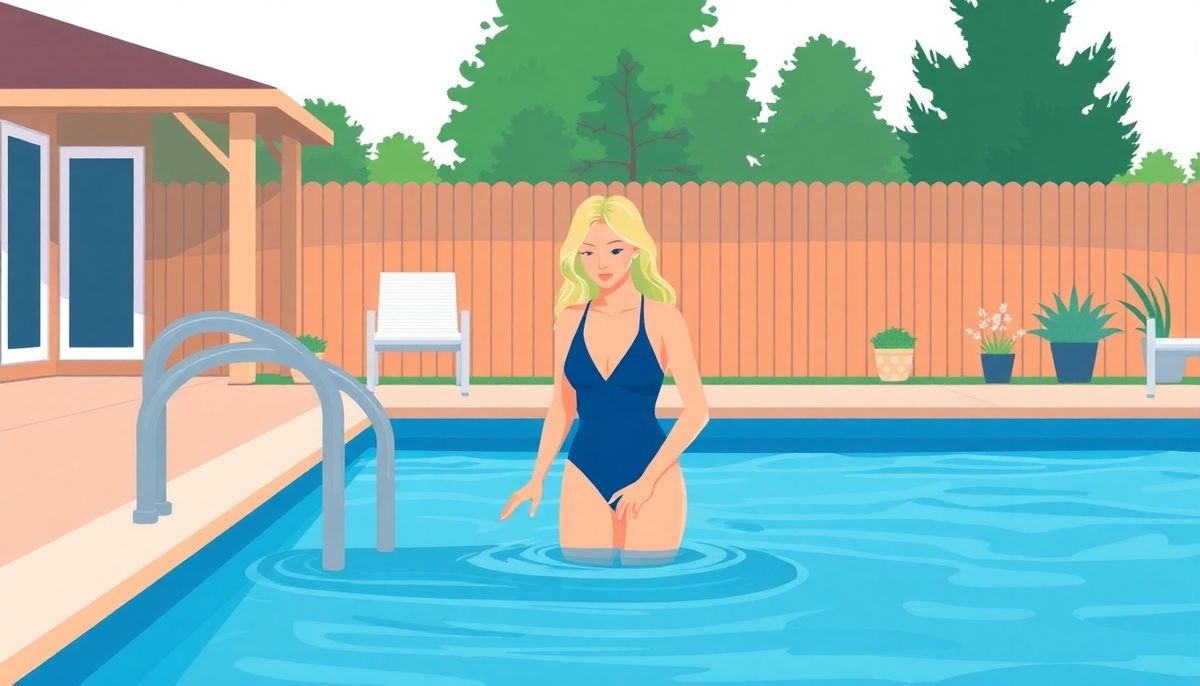
The sun is shining, the pool is inviting, and you’re ready for a refreshing dip. But the thought of your golden locks turning an unfortunate shade of algae-green can be a dampener. Fortunately, there are ways to keep that vibrant blonde intact without sacrificing pool time.
Before taking the plunge, consider applying a leave-in conditioner or a bit of olive oil to your hair. This creates a protective barrier, making it harder for copper and other minerals to latch onto your strands. A simple yet effective tip from my own experience is to thoroughly wet your hair with clean tap water before swimming. This minimizes the absorption of pool water, much like how a sponge that's already wet won’t soak up as much liquid.
If you’re a frequent swimmer, investing in a quality swimmer's shampoo is a smart move. These shampoos are specifically designed to remove chlorine, copper, and other impurities. After each swim, lather up with such a shampoo to rid your hair of any potential green-inducing elements.
Wearing a swim cap might not score you any fashion points, but it’s a practical choice. Not only does it protect your hair from the pool’s contents, but it also offers the added benefit of reducing sun exposure, which can further weaken hair.
Lastly, don’t forget to check with pool owners about the water's copper levels. Awareness and a few simple habits can make all the difference in keeping your blonde looking bright and beautiful all summer long.
Identify Copper Sources
Copper's sneaky invasion into pool waters can puzzle even the most seasoned swimmers. To tame the green beast, it’s crucial to unearth its sources. Start with your water supply; well water often harbors copper, hitching a ride straight into your pool. Municipal sources aren’t exempt either, sometimes carrying unexpected mineral guests along with them. Testing your fill water can be an eye-opener, revealing if copper is lurking from the get-go.
Another surprising source might be the chemicals you use to keep your pool pristine. Many algaecides, touted for their ability to clear unwanted blooms, contain copper as a secret weapon. While effective against algae, these treatments can inadvertently introduce copper ions into the water, setting the stage for that infamous green tint in blonde hair. Opting for a copper-free algaecide might be a worthy consideration if green strands are a persistent problem.
Keep an eye on your pool’s equipment, too. Older pipes and fittings made from copper can leach metal into the water over time. Regular maintenance checks can help identify and rectify any culprits before they contribute to the problem. Each of these sources can turn a sunny swim into a hair-color conundrum, but with vigilance and a little detective work, you can enjoy your pool without fear of turning your golden locks into green nightmares.
Choose Copper-Free Products
When it comes to safeguarding your golden locks from turning an unwanted shade of green, a copper-free approach is your best ally. Imagine a summer where every dip in the pool leaves your hair as vibrant as ever. To achieve this, the secret lies in choosing copper-free products for your pool maintenance.
Copper, while excellent for combating algae, is notorious for its hair-dying side effects. Opting for copper-free algaecides can significantly reduce the risk of that unsightly green tint. These products are equally effective at keeping your pool pristine without jeopardizing your hair's color. In my own backyard battles with pool upkeep, transitioning to copper-free solutions not only kept my pool algae-free but also spared my family from unexpected hair transformations.
Furthermore, if you’re considering a pool mineral sanitizer, it’s crucial to check the ingredient list. Many of these sanitizers rely on copper to sanitize, but alternatives exist that keep your pool just as clean without the copper-induced color shift. This small change can make a world of difference for natural or dyed blondes.
Even if you aren’t in charge of the pool, you can still take steps to protect your hair. Using a swimmer’s cap or applying a leave-in conditioner before swimming creates a barrier, shielding your strands from whatever lurks in the water. Ultimately, informed choices about pool products can save both your hair and summer memories from turning a shade you’d rather forget.
Protect Hair While Swimming
Venturing into the cooling embrace of a swimming pool on a hot summer day is blissful, but for blondes, it can also spell disaster with an unexpected green hue. To safeguard your locks against this unwelcome tint, a few precautionary measures can be game-changers. First on the list is a thorough pre-swim shower. By saturating your hair with fresh water before diving in, you create a barrier that reduces how much chlorinated water your hair absorbs. This simple step might remind you of how a sponge works better when already damp.
Another strategy involves the use of a leave-in conditioner or oil, such as coconut or argan oil. These products create a protective coating over each strand, acting as a shield against the copper-laden water. Think of it as wrapping your hair in an invisible raincoat that keeps the heavy metals at bay.
If you’re a frequent swimmer, consider investing in a swim cap. While it might not be the most fashionable accessory, it certainly gets the job done. Picture it as the helmet for your hair, defending against chlorinated water and minimizing contact with copper.
Finally, rinse your hair immediately after swimming. This helps wash away the pool water before it has a chance to dry and set, reducing the risk of absorbing oxidized copper. With these steps, you can enjoy your aquatic adventures without the fear of leaving the pool with a head-turning, unintended hair color.
Combat Oxidized Copper Effects
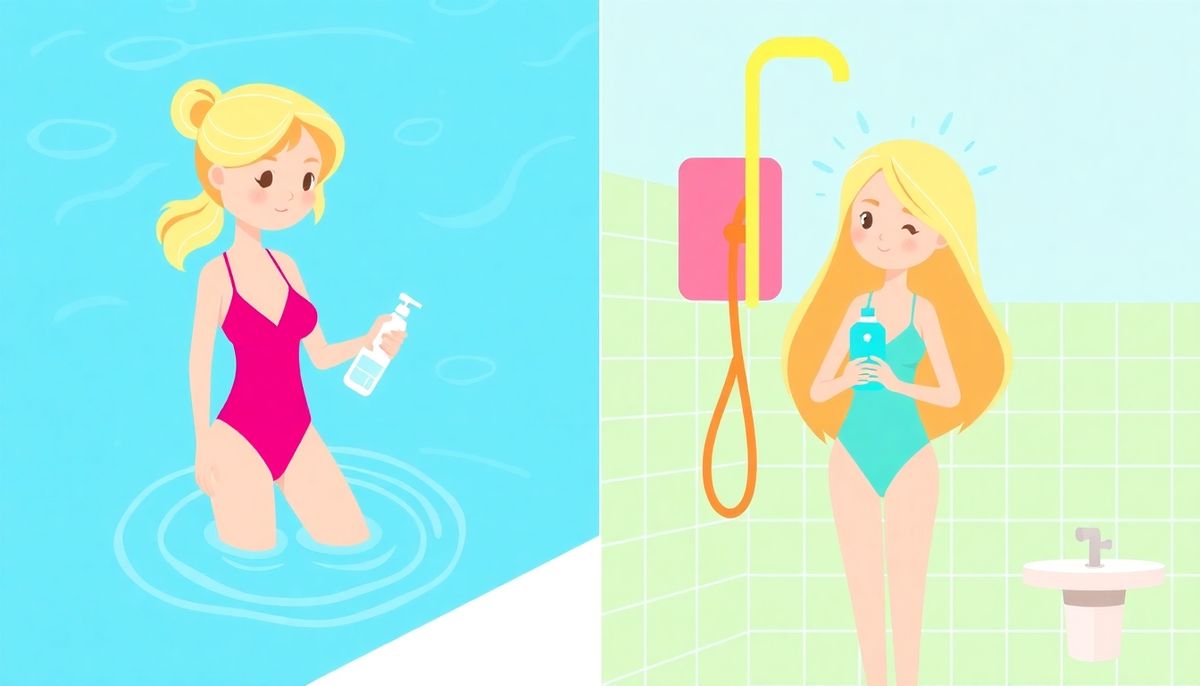
Sunshine and pool days are a blonde's best friend, until your hair echoes the hue of the seaweed swaying beneath the water's surface. The sneaky culprit behind this transformation? Oxidized copper. Understanding its mechanics is the first step in keeping your locks lustrous and green-free.
Copper weaves its way into pool water through various channels. Often, well water is rich in minerals, including copper, which fills the pool and sets the stage for oxidation. Alternatively, copper-based algaecides are a popular choice for keeping algae at bay but can inadvertently invite green tresses if not carefully managed. Once in the water, copper oxidizes in the presence of chlorine, creating that unwelcome green tinge that loves to latch onto light hair.
To combat this, prevention is paramount. If you have control over the pool, consider using copper-free algaecides and regularly monitor the water's mineral content. For those spontaneous dips in unfamiliar pools, a pre-swim ritual can be your saving grace. Wetting your hair with clean water before diving in creates a barrier, reducing copper uptake. Post-swim, a swift rinse with a clarifying shampoo can help strip away any lingering copper particles.
Should your hair already resemble a leprechaun's dream, household remedies like a rinse with lemon juice or even ketchup can help restore your hair's natural hue. These acidic treatments can break down the copper compounds, lifting the green away. With these strategies in hand, blondes can embrace the pool without fear of becoming an accidental emerald.
Prevent Green-Hair Disasters
A sunny afternoon at the pool shouldn't leave you fretting about hair disasters. Instead, arm yourself with a few savvy tricks to keep that blond mane from turning an unintended shade of seaweed. A friend of mine, Emma, learned this the hard way. After one summer dip, her hair went from golden to murky green, leaving her scrambling for a solution. But with a bit of foresight, this can be avoided entirely.
Start with a pre-swim ritual: saturate your hair with clean, tap water or apply a leave-in conditioner. Why? Wet hair absorbs fewer pollutants than dry strands. This simple step creates a barrier, reducing the amount of copper that can bond with your hair. Another trick is to embrace the fashionable and functional swim cap. While it might not be everyone's first choice, it offers unbeatable protection against pool chemicals.
Vigilance extends beyond personal care. Keep tabs on your pool's chemical balance if it's within reach. Regular testing can help minimize copper levels, thus preventing the problem at its source. For those frequenting public pools, a good rinse immediately post-swim can wash away any lingering copper elements before they have a chance to oxidize.
By incorporating these habits, you’ll ensure your blond locks stay vibrant all summer long, avoiding the unintentional transformation into a green-haired siren. Emma, armed with this knowledge, confidently faces each pool day without fear of another green-hair mishap.
Remove Copper from Pool Water
Tackling the copper conundrum in pool water begins with understanding its origins and effects. Copper, though a nemesis to blond locks, can be effectively managed with a few strategic steps. First, consider your water source: if you're filling the pool with well water, testing for metal content before a refill can save a headache later. Municipal water is typically treated, but occasional surprises do happen, so testing is never a bad idea.
If copper levels are high, a metal sequestrant can do wonders. These solutions bind to metals, preventing them from oxidizing and coloring everything green. Regular application after each pool refill or heavy rainfall helps maintain control. Pool shops offer a variety of these products, each suited for different pool sizes and conditions.
Algaecides, often loaded with copper, are another common culprit. Switching to a copper-free algaecide can reduce the risk dramatically. It’s a simple swap with significant impact. And don't forget about pool mineral systems; while effective at keeping water clear, they often introduce copper. Consulting with pool maintenance experts can guide you toward copper-free alternatives.
Finally, consistent pool maintenance is crucial. Regular testing and balancing your pool’s pH and alkalinity deter copper from oxidizing. By being proactive and choosing the right treatments, you keep the water safe and your blond hair as vibrant as the summer sun.
Protect Hair from Oxidation
There’s something oddly magical about watching sunlight glint off a pool’s surface, but that magic fades quickly when your golden locks start turning a swampy shade of green. The culprit? Oxidation, which happens when copper in the water binds with your hair. Thankfully, there are ways to protect your hair from this unwanted transformation.
First, consider creating a protective shield. Before diving into the water, wet your hair with clean tap water or, even better, apply a bit of leave-in conditioner or natural oil like coconut. This creates a barrier, reducing the amount of pool water—and consequently copper—that your hair absorbs.
Wearing a swim cap might not be the most glamorous solution, but it's undeniably effective. This accessory can keep your hair dry and shielded from copper-laden water. If caps aren't your style, rinsing immediately after swimming with fresh water can minimize copper buildup. It’s like rinsing away sand from your feet after a beach day—it prevents the pesky green from settling in.
Regular maintenance helps, too. Use swimmer-specific shampoos that are designed to wash out metals and prevent oxidation. These products often contain chelating agents, which essentially latch onto metal molecules and wash them away. Personal experience has shown that clarifying shampoos can do wonders, lifting out impurities and leaving hair fresh and vibrant.
Lastly, if you swim frequently, make it a weekly ritual to indulge in a deep conditioning treatment. This not only helps keep hair healthy and supple but also fortifies it against the harsh effects of chemicals and metals. Remember, blondes may have more fun, but with a little care, they can keep their golden glow all summer long.
Protect Blonde Locks from Green

Protecting that golden mane from the unwelcome embrace of verdant hues takes a bit of forethought and a few simple steps. Start by soaking your hair in fresh water before taking the plunge. Much like a sponge already saturated, pre-wetted hair is less likely to absorb the copper-laden pool water. Leave-in conditioners or hair oils can also form a protective barrier, offering your strands some extra armor against oxidation.
Consider investing in a swim cap. While not the most glamorous accessory, it can be a lifesaver for your locks. If wearing a cap feels too restrictive, try tying up your hair in a bun or braid, minimizing its exposure to the water.
For frequent swimmers, utilizing a specialized swimmer’s shampoo is a wise move. These shampoos are formulated to remove chlorine and metals, so they’re your post-swim best friend. Follow up with a deep conditioner to maintain your hair’s softness and shine, counteracting any dryness.
And if you find yourself at a public pool, where the water chemistry is beyond your control, rinsing your hair immediately after swimming is vital. This quick rinse helps wash away any lingering copper before it has a chance to work its magic on your hair color.
Summertime swimming doesn’t have to mean sacrificing your blonde. With these simple habits, you can keep those locks looking sun-kissed rather than seaweed-soaked.
In unraveling the mystery of why blonde hair turns green in pool water, copper emerges as the unexpected star of the show. This metal, embedded in our everyday lives, plays a prominent role in this particular summertime dilemma. Consider a time when you might have marveled at the blue-green shimmer of oceanic waves, only to realize it’s the same element at work in your swimming pool. Copper, when exposed to chlorine in pool water, undergoes a chemical reaction known as oxidation, changing into that notorious green hue. This oxidized green then clings to the proteins in hair strands, making it especially noticeable on blonde hair.
Copper finds its way into swimming pools through various avenues. Some homeowners might be pouring well water into their pools, unknowingly introducing higher levels of copper. Others might rely on algaecides, which often contain copper due to its algae-preventing properties. Even mineral sanitizers, used as a substitute for chlorine, can carry copper as a key component. Each of these sources contributes to the potential for hair to take on a shade reminiscent of the Statue of Liberty.
Understanding copper’s role in this transformation not only helps in pinpointing the cause but also in crafting strategies to prevent it. This insight allows swimmers to enjoy the poolside experience without sacrificing their golden locks, simply by managing the copper content in their aquatic escape.
Prevent Oxidized Metal Exposure
In the quest to maintain that sun-kissed, golden hue, knowing how to prevent oxidized metal exposure becomes crucial. Forget blaming chlorine for your poolside woes; the real sneaky culprit is copper. From personal experience, nothing quite compares to the frustration of jumping into a crystal-clear pool, only to emerge with a tint reminiscent of seaweed. The key lies in preventing copper from lurking in the water, ready to pounce on unsuspecting blonde locks.
To start, consider investing in a quality water source filtration system. This simple addition can significantly reduce the copper content if you're filling your pool with well water. It's like giving your pool a healthy diet, free from unnecessary metals. Moreover, next time you're reaching for algaecide, opt for a copper-free version. These alternatives work just as effectively without the metallic side effects.
Another tip is to regularly test your pool water for metals. Just as you’d monitor the pH levels, keeping an eye on copper levels can save you from green surprises. When visiting someone else's pool, or splashing around at the local community spot, protective measures become essential. A leave-in conditioner or specially formulated swimmers’ cap can create a barrier, ensuring hair remains untouched by copper’s grasp.
Preventing oxidized metal exposure doesn't have to be a chore. By adopting these precautions, you can keep your hair vibrant all summer long, leaving the green to the grass and trees where it belongs.
Use Copper-Free Solutions
Copper may be a sneaky villain in the adventure of summer swimming, but thankfully, we can outsmart it. The most straightforward approach to avoiding that unwanted green hue is to eliminate copper from the equation altogether. Copper-free solutions in pool care are a lifesaver for blond heads craving summer fun without the color mishaps.
Start with a copper-free algaecide. While it might seem tempting to reach for the usual products, opting for ones without copper can prevent that dreaded green tint. These days, several effective algaecides on the market promise to keep pools sparkling clear without relying on copper's algicidal properties. Remember the last time you tried a new recipe and discovered a game-changing ingredient? That's what these products can become for your pool care routine.
For those who fill pools with well water or suspect their municipal supply has high mineral content, consider using a pre-filter on your hose. This simple device can drastically reduce copper content before it even hits your pool. It’s like adding a splash of lemon to your water to enhance the taste—such a small tweak with significant impact.
Lastly, if you're a frequent swimmer in public pools, don't ignore protective hair products. Swim caps and leave-in conditioners designed to shield hair from chlorine and metals can be your best friends. It’s just like packing sunscreen for a beach day; a small preparation that can save you from unwanted consequences. By embracing these copper-free solutions, you’re setting up your summer for nothing but golden, sunlit memories.
Reverse Pool-Induced Hair Color

Ever notice how a favorite copper bracelet turns a rich shade of green over time? That's oxidation at work, and it's the same process that can transform your blonde locks after a dip in the pool. Copper, often lurking in pool water, is the true villain behind green-tinted hair, not chlorine. When copper mixes with the water and undergoes oxidation, it attaches to the proteins in hair strands. The result? A surprise summer hair color makeover that nobody signed up for.
If your hair already resembles a wilted seaweed, fear not. A few simple tricks can help you reclaim those sun-kissed strands. A trusty swimmer’s shampoo can act as your first line of defense, designed specifically to remove chlorine and metals from hair. Another unusual yet effective remedy is the use of ketchup. The acidity in ketchup neutralizes the green tint, restoring your blonde to its former glory. Just slather it on, let it sit for 10-15 minutes, and rinse thoroughly.
Lemon juice is another household hero. Its natural acidity helps break down the copper deposits. Apply it generously to your hair and sit in the sun for a few minutes before rinsing. While you might feel like a salad preparing for a summer picnic, these kitchen solutions can be surprisingly effective. With these tips in your arsenal, pool-induced green hair will be a worry of the past, leaving you free to enjoy every splash of the season.
Identify Copper Sources in Pools
Once upon a time, I thought chlorine was the villain behind my once-golden locks turning into a shade of seaweed green after a summer swim. To my surprise, the true culprit was copper, lurking in the pool water. Copper’s role in the transformation of blond hair isn't exactly a mystery, but its sources might be less obvious than you'd think.
In some cases, the guilty party is right at the source: your water supply. Many homeowners, especially those using well water, unknowingly introduce copper into their pools through their water. Even certain municipal water systems can carry higher mineral content, including copper. It’s like adding a dash of metal to your swimming ritual without even realizing it.
Then, there's the pool maintenance brigade—algaecides. These products often contain copper due to its effectiveness in killing algae. While keeping your pool pristine, you might inadvertently add the green-factor to your hair care regimen. Opting for copper-free algaecides is a simple swap to prevent this.
Lastly, mineral sanitizers play their part. Known for their copper content, these sanitizers ensure pool cleanliness but can also set the stage for hair drama. Each interaction, whether through sanitizers or algaecides, creates an opportunity for copper to oxidize and embrace your hair with an unintended tint. Understanding these sources helps tame the green beast, ensuring your summer stays golden, not green.
Implement Effective Hair-Protection Strategies
Summer days beckon with the promise of sunlit poolside lounging, yet for those sporting blond locks, that inviting water can harbor a sneaky nemesis. Green hair might seem an inevitable side effect, but effective protection strategies can keep your golden tresses safe.
One key strategy involves a simple yet often overlooked ritual: pre-soaking your hair. Before you even dip a toe into the pool, wet your hair thoroughly with clean, non-chlorinated water. This helps saturate your hair strands and minimizes their ability to absorb copper-laden pool water. A leave-in conditioner can add an extra layer of defense, acting as a barrier against chemical invasion.
Don a swimming cap if you’re planning a long swim. It’s not just for serious athletes; it's a smart move for anyone looking to protect their hair. A well-fitting cap limits exposure to both chlorine and copper, significantly reducing the risk of hair discoloration.
Embrace clarifying shampoos post-swim. These shampoos are designed to remove mineral build-up and can be a lifesaver for blond hair that’s prone to going green. Consider using them once a week to keep any potential copper accumulation at bay.
Lastly, regular maintenance of your pool's water chemistry can be a proactive step. If you have a pool at home, ensure it’s balanced and free of excessive metals. While you may not control the water in every swimming pool you visit, these precautions can significantly decrease the chance of your blond hair taking on an unwanted hue.
Conclusion

This article provided insights into maintaining your pool. Start your pool care journey today!
Want to become a pool maintenance expert? Our free Pool School course covers everything you need to know about pool care. From basic maintenance to advanced troubleshooting, you'll learn how to:
- Save thousands on pool repairs and chemicals
- Keep your water crystal clear year-round
- Prevent and solve common pool problems
- Master water chemistry with confidence
Join over 10,000 pool owners who have already transformed their pool care routine. Get started with our free Pool School course today!