



A sparkling pool on a hot day looks inviting, but the upkeep can feel bigger than you expected. That's where the Polaris pool cleaner comes in, built to take the grunt work out of pool care. Like any machine, though, it has off days. A few troubleshooting basics can save you time and money, and keep your pool the oasis it's meant to be.
My own story with the Polaris started a few years back. One afternoon, instead of the usual whir, there was silence. A quick search turned up common causes like blocked filters and tangled hoses, and the fix was usually simpler than I feared.
This guide pulls together what I've learned firsthand, plus tips from other pool owners. Every problem comes with a plain fix, even if you're not much of a DIY type. Whether your cleaner is dragging its feet or making a strange noise, the goal is to get you back in the water fast.
Your Action Plan
- Check the water pressure at the return jet by feeling the flow with your hand.
- Take off the quick disconnect and rinse its screen clean.
- Inspect the hose for cracks and trim it to the right length.
- Spin the wheels and check the drive belts for wear.
- Reattach any loose internal water tubes.
- Replace worn parts as soon as you spot them.
Troubleshoot Stalled Cleaners
A stalled Polaris is as frustrating as a car that won't start on a busy morning. Before you buy a replacement, a little troubleshooting often brings it back to life.
A stall usually comes down to weak water pressure. Check the return line first. Hold your hand in front of the pool jet and feel how hard the water pushes. If it's weak, a failing pump or a clogged filter could be to blame. If both look fine, check the booster pump, the one that gives your cleaner its extra push. Replacing it is often cheaper than repairing it.
Another sneaky cause is the quick disconnect and its little screen, which keeps debris from clogging the cleaner. Take it off, check for blockages, and rinse it. Make sure the fitting isn't cracked, because a crack leaks water and robs the cleaner of pressure.
Last, look at the drive belts that turn the wheels. If they're snapped or worn, replace them. Check the internal water tubes too, since loose ones bleed off pressure.
Most Polaris stalls trace back to one thing: not enough water pressure.
Inspect Pressure and Pumps
Fixing your Polaris usually starts with how it runs: the pressure and the pumps. These keep the cleaner moving, much like an engine drives a car. The pump is the muscle, and the pressure carries that force through the system.
When the cleaner stops suddenly
A cleaner that quits all at once often signals a pressure problem. Check the pump first. If the power's been fading, the pump may be clogged with leaves or debris, and a quick clean can bring it back, the same way clearing a drain stops flooding.
The booster pump is another common cause, since it gives the cleaner its extra push. If the pressure reads low, this pump might be struggling. It's like a bicycle that's thrown its chain: everything else can be perfect, but without it you're going nowhere.
Check the connections
Make sure the hoses are tight and free of cracks. A small crack looks harmless, but in a pool it's an open door to poor performance. Keep these parts in good shape and you'll stretch out the life of your Polaris.
Clean Screen and Check Disconnect
Watching a Polaris glide across the pool turns a chore into downtime. So when it takes an unscheduled break, the quick disconnect is often behind it. This small part makes sure the cleaner gets the right pressure to do its job.
Check the screen inside first. It catches debris from your filter before it reaches the cleaner. If it's packed with dirt or sand, water flow drops and the cleaner sits still. Pop the screen out, rinse it under a strong jet, and you'll usually be back in business. It's a bit like unclogging a sink, and just as satisfying.
While you're there, look at the fitting itself. A crack or break leaks water and cuts pressure, and replacing it beats any makeshift repair. If the cleaner still won't move after a good cleaning, check the hose and pressure settings too.
Adjust Hose Length and Flexibility
Ever watched a Polaris tie itself into a tangled mess? A big part of the fix is the hose. Get its length and flexibility right, and cleaning goes from frustrating to smooth.
Get the length right
Too short, and the cleaner can't reach the whole pool. Too long, and it knots up. Stretch the hose from the farthest point in your pool to the return jet, add a little slack for movement, then trim off the rest so it can't coil on itself.
Loosen a stiff hose
If yours feels stiff, lay it out in the sun for an afternoon. The warmth softens the plastic so it moves more freely underwater, which cuts down on twists and knots.
Check the swivel connectors too. These hold ball bearings that let the hose rotate smoothly. If they're stuck, a dab of waterproof lubricant works wonders.
Fix Weak Pressure Issues
Weak pressure feels like vacuuming a rug through a straw. Start with your filtration system, since a clogged or dirty filter cuts pressure sharply. Clean it well, or replace it if it's past saving. This one job may bring your cleaner's energy right back.
The pump is another common cause. Clear any debris jamming it, since sometimes a good flush is all it needs. If you're still stuck, the booster pump may need attention, and replacing it is often the most efficient fix.
Check the hoses and connections, because a small leak causes a big drop in pressure. Waterproof tape is a quick patch, but replacing faulty sections is the real answer. Don't forget the quick disconnect. As mentioned earlier, a rinse of that little screen often restores full pressure. Finally, reattach any internal water tube that's slipped out of place.
Troubleshoot Pressure Loss Causes
Pressure loss can stop your Polaris cold, so knowing the likely causes matters. Start with the booster pump, the engine behind the cleaner's movement. A quick check tells you whether it needs a small adjustment or a full replacement.
The quick disconnect matters just as much. As covered above, its screen can clog over time and choke the water flow. Detach it, rinse it clean, and replace it if it's cracked or leaking.
Turn to the hose next, which might hide small punctures. Tape rarely lasts, so replacing it is the more durable answer. Check the hose floats too. If they don't lift the hose, the cleaner won't get enough pressure and it'll struggle to move. Finally, look inside for disconnected water tubes and make sure they're firmly attached.
Inspect and Clean Quick Disconnect
Here's another reminder of how much the quick disconnect earns its keep. When a once-reliable cleaner suddenly stops, this little gatekeeper is often the reason. It shields the cleaner from debris while holding the pressure steady.
Grit or a clump of leaves can clog the screen inside and choke performance. Detach it from the hose and the return jet, then rinse it under running water. You'll be surprised how much a small screen can hold. While it's in your hands, check for cracks. A broken fitting won't hold pressure, so replacement is your only real option. That small cost saves you a stalled cleaner, and in pool care, the smallest parts often make the biggest difference.
Fix Hose and Valve Leaks
A pool cleaner earns its keep, so when your Polaris leaks from the hose or valve, deal with it right away. The first sign might be weaker cleaning or a puddle near the pool's edge.
Inspect the hose first, since it's the lifeline of your cleaner. Run your hands along its length, feeling for cracks or tears. Catching a leak early can save you a full replacement. Waterproof tape works as a temporary patch, but plan on a new hose soon. Check the connections between sections too, because failing swivel connectors cause tangles and drag down performance.
The valve can leak as well. If it's spraying or dripping, replace it. Whenever you swap in a part, confirm it fits your Polaris model, since a mismatch makes things worse. Steady water pressure is what keeps the cleaner running well.
Address Hose Leaks Fast
A hose leak can turn a reliable Polaris into a dead weight at the bottom of the pool. When my own cleaner quit one day, the culprit was a tiny puncture letting pressure escape before I noticed it.
Check the hose for visible wear. These leaks often show up as small sprays of water while the system runs. You might be tempted to wrap tape around the hole, but that's a stopgap, like a bandage on a broken arm. It buys time until you can make a proper repair.
A new hose might feel like a hassle, but it restores full cleaning power and stops small problems from growing. While you're at it, make sure the quick disconnect isn't cracked or damaged. Even a minor flaw there can undercut the whole system.
Identify Pool Cleaner Problems
It's a sunny Saturday, you're ready to swim, and your Polaris is on strike. Start by watching it. Has it stopped moving entirely, or is it tangled up like a puppet on a bad day? Each symptom points to a different cause.
Parked and not moving
Low pressure is the usual suspect. Check the pump and filter first, then the booster pump if those look fine. Weigh the cost of repair against replacement, since newer models sometimes run more efficiently.
Stalled but powered
Glance at the quick disconnect, since a clogged screen stops everything fast, and a rinse often fixes it. Check the backup valve too. If it leaks or sprays nonstop, replace it.
Wheels won't turn
This could be a broken drive belt. Lift the cleaner and spin the wheels by hand. If they're stuck, open the casing and check the belts. A fresh set gets everything rolling again. And make sure the internal tubing is snug, because pressure loss can stall even the toughest Polaris. Reattaching loose tubes or adding hose clamps can solve it.
Replace Broken Parts Promptly
Every summer I wait eagerly for that first swim, and my Polaris keeps the pool ready for it. The one habit that keeps it running: replace broken parts right away.
A friend once put off replacing a cracked float hose. The pressure imbalance eventually stalled the whole cleaner, turning a minor annoyance into a full breakdown. That delay meant a costly repair plus days of cleaning by hand.
The backup valve steers the cleaner's movements with precision, so a leaky one throws off the whole operation. Drive belts are essential too, sitting behind every smooth-turning wheel. If they snap, the cleaner's mobility goes with them. Keep an eye on parts prone to wear, like the wheel bearings and connector swivels, and good replacements keep your Polaris gliding.
Swap a failing part the moment you spot it, because waiting turns a small annoyance into a full breakdown.
Prevent Hose Tangles Efficiently
Tangle-free hoses turn pool cleaning from a chore into an easy job. Start by matching the hose length to your pool. As covered earlier, measure to the farthest point, add a little slack, and trim the rest so the hose can't coil up on itself.
The sun trick helps here too. On a warm afternoon, lay the hose out fully stretched so kinks and stubborn twists relax, then it moves more freely once it's back underwater.
Keep an eye on the swivel connectors, and add a touch of waterproof lubricant to the ball bearings so they turn smoothly. If tangles keep coming back, it may be time to swap them out.
Finally, watch the wheel speed, measured in revolutions per minute (RPM). The right RPM keeps the cleaner moving steadily without spinning too much, which cuts down on tangles. If the wheels are racing or dragging, adjust the RPM to set the right pace.
Replace Faulty Components
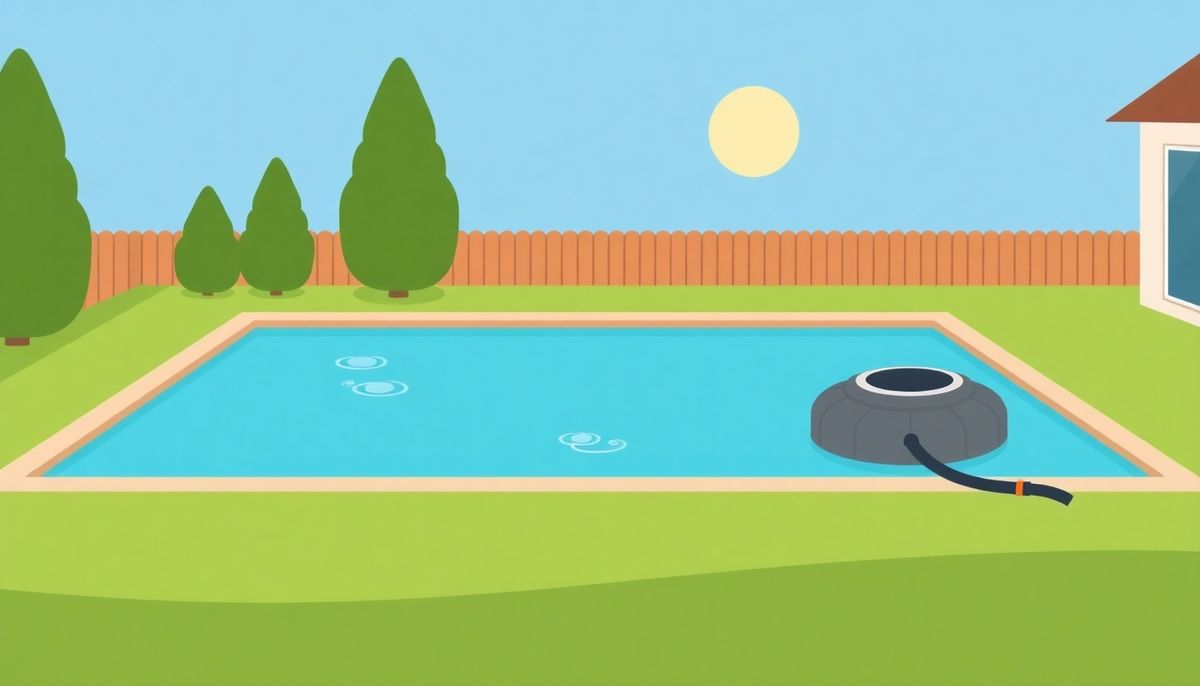
Every gadget has its quirks, and now and then you'll need to replace a part to keep the Polaris in top shape. It's not as tricky as it sounds, and a little hands-on effort goes a long way.
Start with the wheels. Like the tires on your car, they wear down over time. If your cleaner is struggling to move or drifting off course, check them. A simple replacement restores its grip so it glides over the pool again.
The hose is next. Leaks or kinks throw off its work, much like a garden hose that won't cooperate. If tape isn't enough for a patch, swap the whole thing to keep the water flowing well. Then check the backup valve, which drives those bursts of movement and can spring a leak. If you catch it spraying on its own, replace it, and your Polaris is back to its routine across the pool floor.
Diagnose Malfunction Causes
Figuring out why a Polaris has stopped can feel like solving a mystery. The first move is often to listen. If the cleaner isn't making its usual hum, the problem may be the power source, like a tripped breaker or a loose plug. I once spent hours puzzling over mine, only to find the plug had slipped slightly out of the outlet.
Next, watch the path it takes. If it's moving erratically or not at all, your eyes are your best tool. Look for debris jamming the wheels. I once found a stubborn twig lodged in a wheel that had stopped the cleaner cold, and clearing it out fixed everything.
Water pressure matters too. If your Polaris won't move, check the pressure gauge, then clean or replace a clogged filter or failing pump. A simple cleaning of the filter basket can work wonders. Last, check the hose connections, since leaks or loose fittings cut efficiency sharply.
Inspect and Clean Components
When your Polaris hits a snag, the fix often lies in the details, the parts that work hard underwater without asking for attention.
Start with the wheels. Give them a gentle spin and listen for resistance or odd noises. A friend once found a small pebble lodged in a wheel that was stalling her cleaner. It's amazing how such a tiny thing can shut down the whole operation. If you find debris, clear it out to get things moving again.
Shift to the filter bag next. This is where the captured dirt ends up, and a clogged bag slows the cleaner down. Empty it regularly and rinse it with clean water. Keeping a spare on hand helps, a bit like an extra toothbrush: one's in use while the other dries.
Finally, inspect the hose and connections for wear. A loose or cracked hose leaks pressure. Once, while helping a neighbor, I noticed his hose had a tiny crack disrupting the flow. Replacing it was quick and made a big difference.
Replace Worn-Out Parts
Like any hardworking machine, the Polaris wears down over time and its performance dips. The trick is knowing when to step in and swap the tired parts.
Take the wheels that spin day after day. If your Polaris seems to be on a leisurely stroll rather than a determined march across the floor, worn wheels might be the reason. If the treads look smooth and bald instead of rugged, put on a new set. This small change can bring back its eager pace.
Then there's the filter bag, quietly catching leaves, sand, and every other pool invader. Over time it gets too worn or clogged to do its job. Watch for frays or persistent blockages, and swap in a fresh bag when needed.
And don't forget the drive belts that keep the wheels turning. A broken belt stops the cleaner in its tracks, so check them regularly for cracks and breaks, and replace them when needed. Tending to these details is how you extend the life of your trusty pool companion.
Prevent Cable Tangles
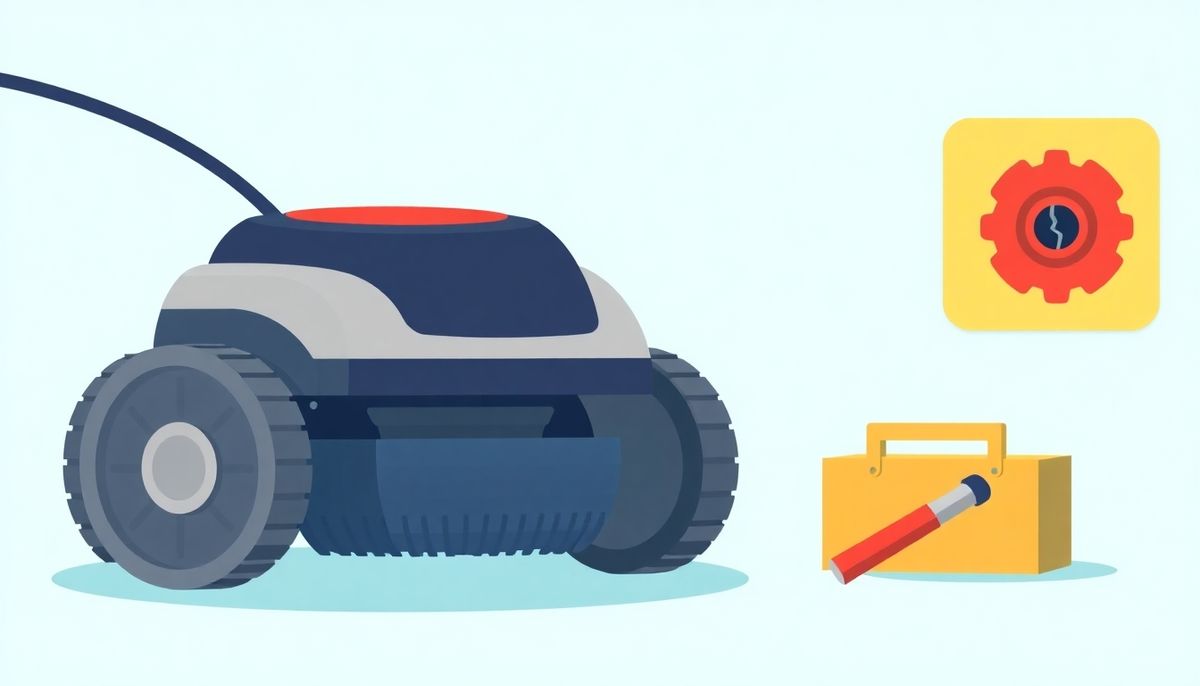
Tangled cables can feel like an underwater puzzle. Start with the hose length, since one that's too long knots up more than a thriller plot. Measure your pool's depth, add a few feet for movement, then snip off anything more. A snug fit means less twisting.
Stiff cables and power cords knot up more easily too, so use the sun trick again. On a warm day, lay them out straight across your lawn or driveway. The warmth softens them, so they're more flexible once they're in the pool. It can save you hours of unwinding.
Pay attention to the swivel connectors, which keep the hose from twisting. If they aren't turning freely, a bit of waterproof lubricant gets them going. And check the wheel RPMs. Speeds that are off make the cleaner dance around too hard or too slow, which feeds tangles. Set the wheels to the recommended RPMs for smooth, knot-free running.
Avoid Overly-Long Hoses
Even a small detail matters in pool care, and hose length is a big one. Too much slack lets the hose wrap around itself, blocking movement and cutting cleaning power. Picture a leash on a hyper puppy: too long, and it's bound to knot up. To prevent it, measure from the cleaner's connection to the farthest point in your pool and add about a meter.
I remember when my Polaris 360 was better at tying knots than cleaning the pool. After a few frustrating afternoons untangling hose spaghetti, I realized trimming it down was the answer. That one change turned pool cleaning into a hands-free breeze.
Water pressure plays a part too. A long hose can mean less pressure reaching the cleaner, which hurts performance. So when you're troubleshooting a sluggish or motionless cleaner, check the hose length. A quick snip could be all it takes.
Match the hose length to your pool, since too much slack knots up and steals the pressure your cleaner needs.
Conclusion
Now that your Polaris is back on track, you can get back to enjoying the water. If you want to keep pool care this easy, there's more where this came from.
Our free Pool School course covers everything you need to know about pool care, from basic upkeep to advanced troubleshooting. You'll learn how to:
- Save thousands on pool repairs and chemicals
- Keep your water crystal clear year-round
- Prevent and solve common pool problems
- Master water chemistry with confidence
Join over 10,000 pool owners who have already transformed their pool care routine. Get started with our free Pool School course today!
What you need
Keep a spare drive belt, a hose section, a fresh quick disconnect screen, and a tube of waterproof lubricant on hand so a stall never keeps you out of the water for long.