



It's a hot afternoon, the water looks perfect, and you're ready to jump in—until you spot yesterday's leaves sitting on the bottom of your pool. If you own a pool, you know this scene well. Polaris pool cleaners are built to handle exactly this, mixing smart design with dependability so routine upkeep takes almost no effort.
Polaris has been a leader in pool cleaning for years, known for rugged builds and features that actually work. These machines pull out debris and keep the water clear, whether you're fighting fine sand or big leaves. My neighbor swears by his Polaris 280—he'll tell anyone how well it handles his heavily wooded lot and saves him hours of hand cleaning.
Picking the right cleaner can feel overwhelming, with so many models, features, and prices to weigh. Knowing what makes Polaris stand out—strong suction, a tough build—points you toward a choice that fits your life. Understanding how these machines work keeps your pool ready for a spur-of-the-moment swim.
Your Action Plan
- Figure out your pool's size and the kind of debris it collects.
- Match that to a cleaner type: pressure-side for leaves, robotic for fine dirt, suction-side for a tight budget.
- Add a booster pump if your model needs one, and have a pro install it.
- Trim the hoses to length and set the water pressure between five and ten psi.
- Run a test cycle and check every connection.
- Empty the filter bag after each use and inspect hoses, wheels, and the backup valve regularly.
Choose the Right Cleaner
Polaris's lineup is big, so start with what your pool actually needs.
Match the cleaner to your debris
If your pool is always covered in leaves and big debris, a pressure-side cleaner is your best bet. These hook into your pool's return jets—the water that flows back in after filtering—to push themselves around and blow debris into a bag. The Polaris Vac-Sweep® 3900 Sport has strong all-wheel drive and a dual-chamber bag that handles heavy debris with ease, though it needs a booster pump to work its best.
Robotic and suction-side options
If you like sleek, tech-friendly gear, Polaris's robotic cleaners are worth a look. The 9550 Sport gives you four cleaning modes and a motion-sensing remote. It climbs walls and scrubs the waterline, perfect for a hands-off setup. On a tighter budget, suction-side cleaners—sold under the Zodiac name and hooked into your existing filter system—do reliable everyday work without the big price tag. They just need their filter cleaned more often.
Match the cleaner's strengths to your pool's real problems—debris type and size—and every other choice gets easier.
Consider Pool-Size and Debris Needs
Your pool's size and the kind of debris it collects should drive your pick. A big pool ringed by trees calls for a different answer than a small, mostly clean one.
Start with your pool's size
A bigger pool does better with a pressure-side model and a booster pump, so it reaches every corner without a struggle. The Vac-Sweep® 3900 Sport has plenty of power for large areas, and the money spent on a booster pump usually pays off in a deeper, more efficient clean.
The debris matters just as much. If your pool catches leaves and bigger bits, pressure-side cleaners shine—their bag system keeps that junk out of your pool's filter, which helps the filter last longer. A pool with little debris is a good fit for a robotic cleaner. These electric models are precise, often come with programmable schedules, and sweep away even the finest particles.
Evaluate Cleaner Power and Features
Knowing what each model can do makes a big difference in how happy you'll be with it.
A pressure-side cleaner like the 3900 Sport, with its three-jet system and TailSweep Pro, rounds up everything from twigs to acorns with barely any effort from you. Robotic cleaners run on electricity and handle demanding jobs with ease. Watch the 9550 Sport glide across the floor, climb walls, and scrub the waterline, all while running quietly. Its motion-sensing remote lets you steer it with simple gestures.
If you'd rather keep things simple, the Vac-Sweep® 280 gets the job done without a booster pump. It balances power and ease, catching smaller debris that bigger models can miss. Weigh each model's power and features against what your pool actually needs.
Optimize Installation for Efficiency
A smooth setup saves you hours of troubleshooting later.
Trim your hoses and set the pressure
Cut your hoses to the right length. With the Vac-Sweep® 165, the hose should be four feet shorter than the pool's farthest point from the return jet. This small change boosts efficiency and keeps the hose from tangling. Then set the pressure relief valve so water pressure stays between five and ten psi. That tuning improves cleaning and helps the equipment last. Check the sweep hoses and jets regularly for clogs or wear.
Booster pumps and the backup valve
If your model needs a booster pump, like the 3900 Sport, have a pro install it. A well-installed pump raises water pressure so the cleaner glides along, picking up leaves and small pebbles. Keep an eye on the backup valve too—it briefly reverses the cleaner so it doesn't get stuck. Check it now and then for trouble.
Set your water pressure between five and ten psi—get that right and the cleaner does its best work with the least strain.
Explore Polaris Pool Options
Each Polaris model has its own features for different cleaning needs.
Pressure-side cleaners are a favorite for anyone with trees over the pool. They use your return jets to scrub surfaces and collect debris, freeing your filter to focus on the finer stuff. The Vac-Sweep® series runs from the nimble 280, which pairs with a booster pump, to the strong 3900 Sport, with all-wheel drive and a TailSweep Pro that cleans without splashing everywhere.
Robotic cleaners bring a modern touch. The Polaris 9550 blends smart controls with real cleaning power—a motion-sensing remote, several modes, and the ability to climb walls. If you want ease over extra features, the F9450 Sport delivers strong cleaning with simple programming. Suction-side cleaners aren't sold under the Polaris name, but Zodiac, its parent company, offers reliable options.
Not every pool has the same needs. Start with the debris that clogs yours. If your pool is a magnet for leaves and twigs, a pressure-side cleaner like the 3900 Sport handles the load and keeps your filter from bogging down. If your pool gathers finer dirt and sediment, a robotic cleaner like the 9550 Sport moves easily around walls and stairs, picking up small particles while it scrubs and circulates the water. If money's tight, suction-side cleaners are reliable, no-fuss machines for smaller debris and simpler pools.
Enhance Cleaning Efficiency
Each type of Polaris cleaner brings its own benefits.
Pressure-side models use your pool's circulation system and are great with larger debris like leaves—a constant problem in shaded pools. They collect debris and take a load off your filter, helping it last longer. I know pool owners who cut their maintenance time way down just by switching to a 3900 Sport.
Robotic cleaners mix brains with power. They run on electricity, with programmable cycles and motion-sensing remotes that suit tech-minded owners. There's real satisfaction in steering the cleaner to a spot with a gesture. Beyond cleaning, they boost water circulation, spreading chemicals and heat evenly to keep your pool balanced.
Optimize Installation and Setup
Getting the most out of your Polaris starts with a smooth install.
Gather everything first: the cleaner, hoses, and any extras like a booster pump. Read the manual—it has the steps and troubleshooting tips made for your model. Every pool is different, so measure carefully. Cut the leader hose to match the deepest part of your pool for good coverage with less tangling. Use a simple pressure gauge and set the flow until it sits in the recommended psi range. Then run a trial cycle and watch for hiccups. If something feels off, recheck the connections and settings. A well-installed cleaner works better and lasts longer.
Maximize Cleaning Efficiency

Polaris makes a wide range of cleaners, each built for specific needs.
Pressure-side cleaners suit a leafy yard. The 3900 Sport stands out with all-wheel drive and powerful jets that handle acorns and small rocks, plus a backup valve that keeps it from getting stuck in corners. Robotic cleaners like the 9550 don't just scrub and vacuum—they climb walls and clean the waterline. They run on safe low-voltage power and come with programmable cycles and easy remote control. If you're watching your budget, suction-side cleaners cover the basics. They're sold by Zodiac, not Polaris, but they're reliable and send debris straight to your skimmer.
Optimize Pool-Cleaning Technology
Understanding how these features work helps you make the most of your money.
Pressure-side cleaners are perfect for homes surrounded by trees. They use the return jets to move around, gathering medium to large debris as they go. Their backup valve gets them through tricky corners and pool stairs. Check that valve regularly—a fault throws off the whole clean.
Robotic cleaners stand out for smart controls and easy use. They plug into a safely grounded outdoor outlet, which keeps them safe running in water. They scrub floors, walls, and the waterline with precision. The Easy Lift System makes pulling them out painless, and a programmable cycle lets you set your own schedule.
Every pool has its quirks—size, debris, surface type.
If you've got a larger pool or one surrounded by trees, a pressure-side cleaner like the 3900 Sport handles bigger debris, thanks to its rugged design and the TailSweep Pro that cuts overspray. Just factor in the cost of a booster pump. Robotic cleaners like the 9550 Sport give you hands-off operation with programmable cycles and remote control. For budget-minded buyers, suction-side cleaners handle the basics well in smaller pools with lighter debris, though they lean heavily on your filter.
Maintain Automatic Cleaner Performance
Keeping your Polaris running well takes regular care.
Empty the bag, check the hoses
Empty the filter bag or canister after each use so it doesn't clog and lose suction. The first time I skipped this, my Polaris crawled across the floor, weighed down by yesterday's leaves—a quick clean-out brought it right back. Check the hoses for wear once a month. A small crack can drop water pressure and hurt performance.
Watch the backup valve and pump
The backup valve shifts the cleaner now and then so it doesn't get stuck in tight corners. Watch it work—it should kick in every few minutes. If it doesn't, clean or replace it. If your model uses a booster pump, listen for odd noises, which usually mean it needs a pro.
Empty the filter bag after every use—skip it, and your cleaner slows to a crawl.
Avoid Common Cleaner Issues

A few common mistakes are easy to avoid.
Keep an eye on the backup valve, especially on pressure-side models. A broken valve can leave your cleaner stranded and hurt its performance. Next, check whether your model needs a booster pump—larger pools usually do—and have a pro install it to avoid compatibility problems. Hose length matters too: trim the hoses to the recommended length, not too short and not too long, so the cleaner moves smoothly. Finally, check the RPM (revolutions per minute) settings for the wheels, thrust jet, and sweep hose now and then. Small tweaks add up to a smoother clean.
#
Choose the Right Cleaner
-Type
Start by knowing your pool's needs, then match them to the right Polaris type.
Go with a pressure-side cleaner if your pool collects leaves or acorns, especially under thick foliage. The 3900 Sport runs on returning filtered water and cleans hard with its sweep hoses and debris bags, without loading down your main filter. If you're after the latest tech, a robotic cleaner like the 9550 Sport works through the pool on its own, scrubbing surfaces and filtering the water, and you can set it for different cycles. On a tighter budget, suction-side cleaners attach to your skimmer line and vacuum debris into your filter. Polaris doesn't make them, but Zodiac does.
Optimize Cleaner Efficiency
Fine-tuning the settings makes a real difference.
Start with hose lengths. For the Vac-Sweep® 165, cut the hose four feet shorter than the pool's farthest edge, and make the sweep hose two feet longer than the pool's deepest point so every corner gets covered. Then set water pressure in the five-to-ten psi range so the cleaner runs well without straining the system. Larger pools, or models like the 3900 Sport, may need a booster pump—the upfront cost looks steep, but the efficiency and cleaner pool make it worth it. Check the backup valve often, clear out the bag to prevent clogs, and on robotic models, try the different cleaning modes to fit your pool.
Prevent Cleaner Malfunctions
A few simple steps keep both the machine and your pool in good shape.
Check the sweep hose, backup valve, and filter bags regularly. My neighbor once ignored a small tear in a filter bag; debris clogged the system and led to costly repairs. Watch the water pressure too—pressure-side cleaners need it to work. If yours seems sluggish, look for hose blockages or make sure the booster pump is running right. When mine kept stalling near the stairs, adjusting the thrust jet's angle fixed it. Keep the hose trimmed to your pool's size; too long, and it tangles and drags. And replace wheels, belts, and brushes as they wear.
Discover Booster Pump Benefits
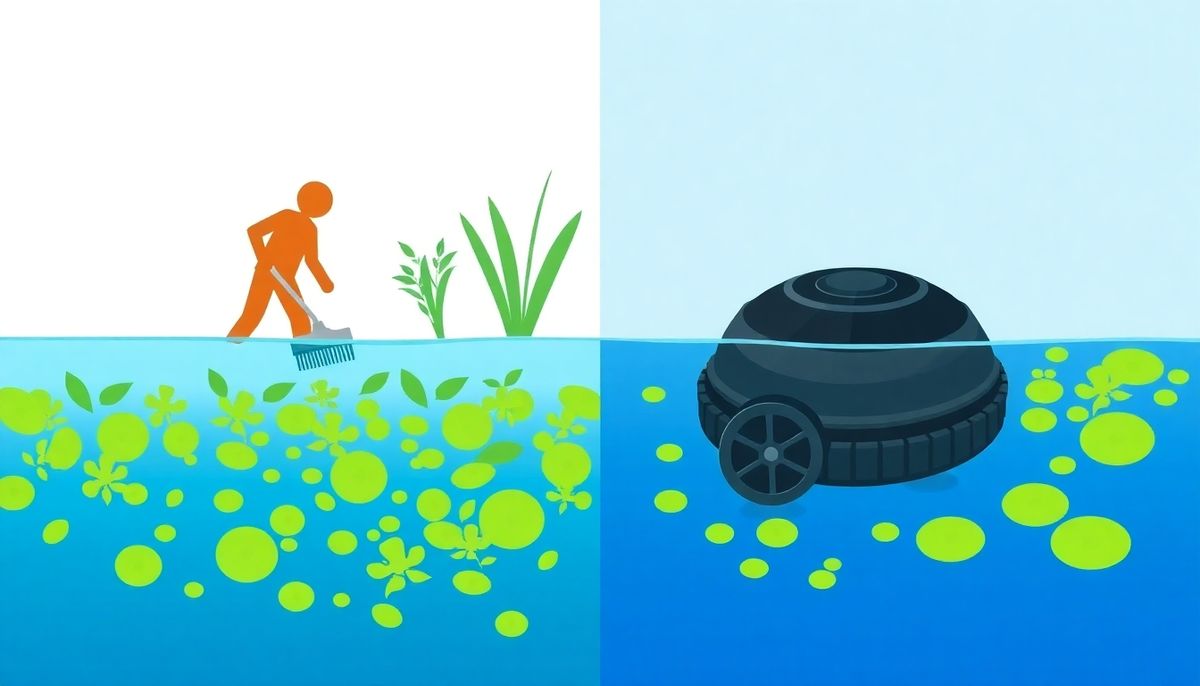
Adding a booster pump can change your whole cleaning routine.
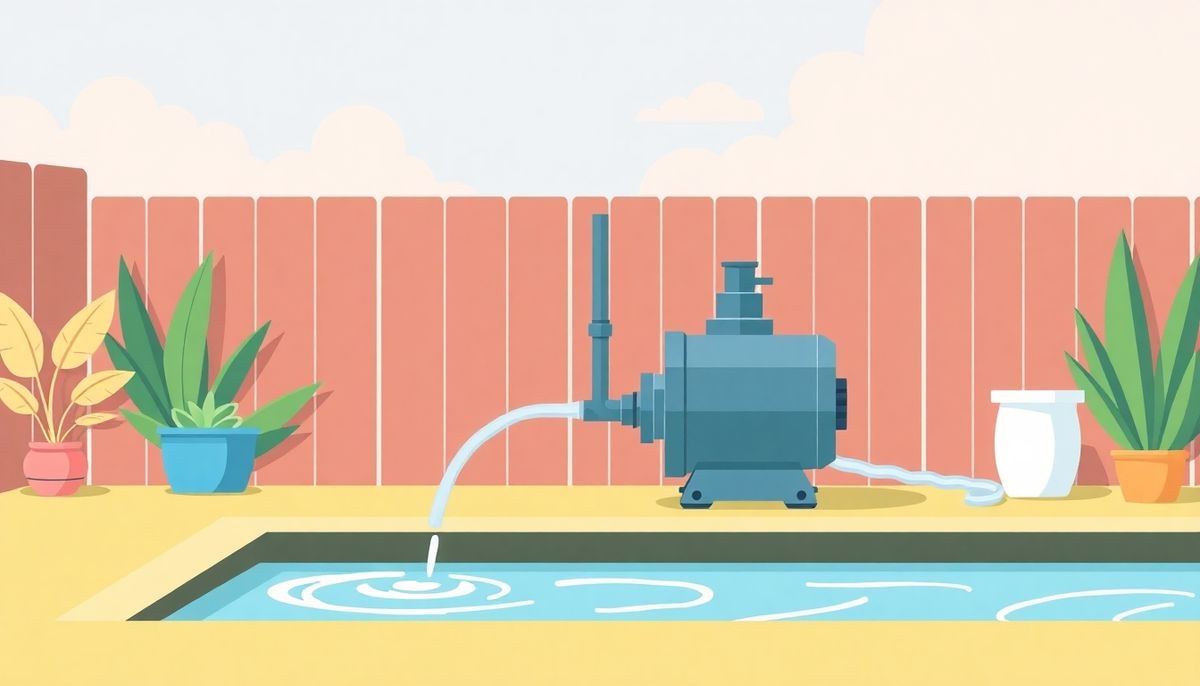
A booster pump raises the water pressure feeding a pressure-side cleaner, so it glides through the pool and takes on larger debris—twigs, acorns—with ease. That extra pressure cleans more thoroughly and eases the load on your main filter. I know an owner who fought a constant battle keeping her pool clean under shedding trees; once she added a booster pump to her Polaris, the cleaner went from slow and corner-shy to fast and spotless. For a big or oddly shaped pool, a booster pump isn't a luxury—it keeps your pressure-side cleaner working at its best.
A booster pump does more than speed things up—it also lightens the load on your main filter.
The right Polaris cleaner smooths out the work, so less time goes to upkeep and more to fun.
Pressure-side models run on your return jets and handle medium to large debris with ease—ideal if nearby trees keep dropping leaves. They also spread the water evenly, which helps keep your chemicals balanced and eases your filter's workload. Robotic cleaners are as hands-free as it gets: they scrub, vacuum, and climb walls while improving circulation and mixing chemicals. The remote lets you send the cleaner to any spot, handy for hard-to-reach areas. And the budget-friendly suction-side cleaner—sold by Zodiac, not Polaris—keeps things simple for smaller budgets without giving up performance.
Conclusion
These tips give you a solid start on keeping your pool clean.
Want to get really good at pool care? Our free Pool School course covers everything, from basic upkeep to tricky troubleshooting. You'll learn how to:
- Save thousands on pool repairs and chemicals
- Keep your water clear all year
- Prevent and solve common pool problems
- Handle water chemistry with confidence
More than 10,000 pool owners have already changed their routine with it. Get started with our free Pool School course today!
What you need
Grab the right cleaner for your pool—a pressure-side Vac-Sweep® 3900 Sport for leaves, a robotic 9550 Sport for fine dirt—plus a booster pump and spare filter bags if your setup calls for them.