



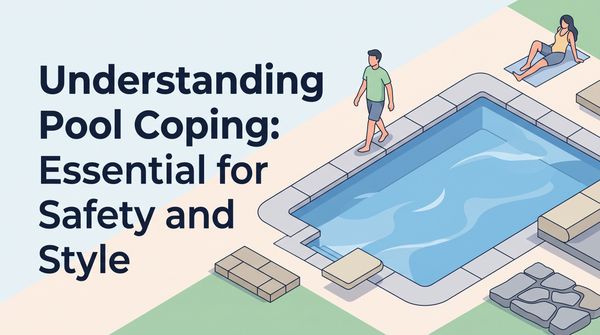
Growing up, my family's backyard wasn't just a pool. It was where we gathered for laughs and long summer days. I still remember my dad picking out the coping material, telling me it mattered as much for safety as for looks. His choice wasn't about design alone. It was about a smooth, rounded edge that stopped poolside scrapes and gave us a comfortable place to sit or lean back.
So what is pool coping? It's the finishing edge that runs around your pool, and it pulls double duty. It shields the pool from water damage, pushes water away from the edge, and gives swimmers a non-slip surface to grip. Without it, your pool wears out faster and you face pricey repairs. Pick it well, and coping ties the whole scene together, blending the water with the yard.
That makes coping a bit of an unsung hero. Whether you're a new pool owner or planning a renovation, understanding why it matters can turn your backyard into a spot that's both safe and good-looking.
Your Action Plan
- Learn what coping does: protection, drainage, and safe footing.
- Compare your materials: brick, pavers, natural stone, and composite or poured concrete.
- Choose non-slip textures and a rounded edge for safety.
- Match the color and finish to your home and landscape.
- Seal porous stone like travertine to lock out water and stains.
- Keep up with regular maintenance to protect your investment.
Understand Pool-Coping Essentials
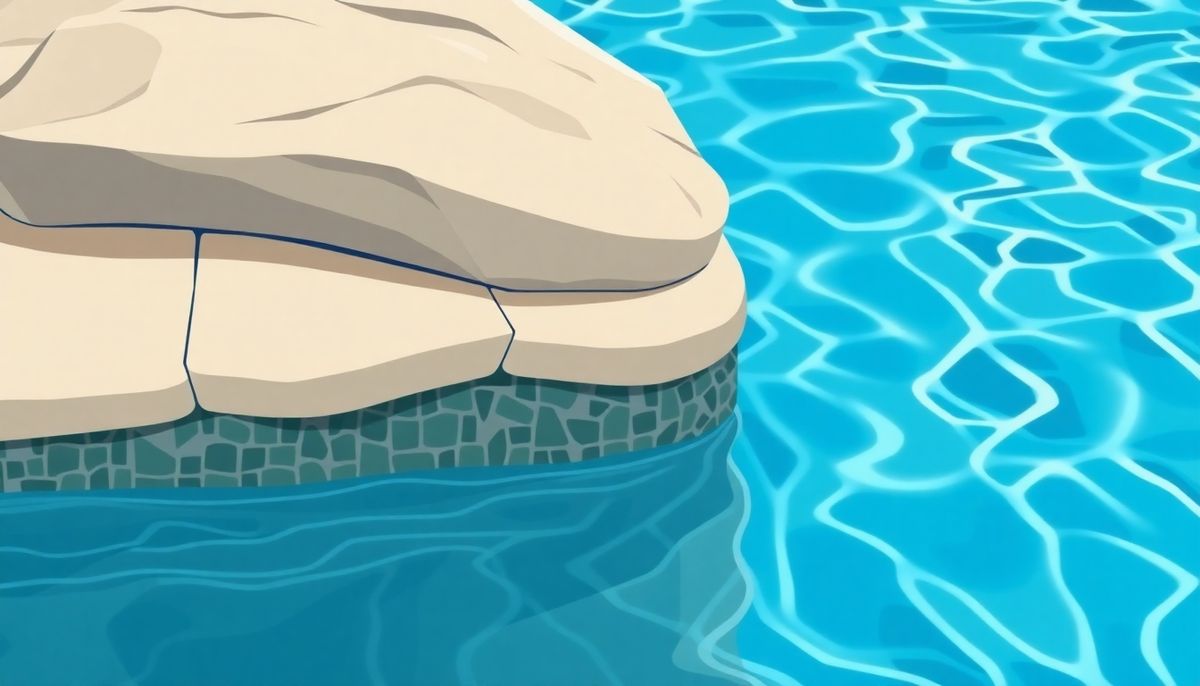
Small details make a pool feel finished, and coping is one of them. It's easy to miss, but it earns its keep. Think of it as the neat brim of a hat: style and real protection at once. Coping acts as a graceful barrier, keeping water from slipping behind the pool shell and doing damage.
Every time I visit my friend's place, I admire her travertine coping. It works beautifully with the greenery, so the pool seems to flow right into the garden, and it holds up to sun and water with barely any fuss. Your options run from classic natural stone to flexible composites, each with its own upsides and upkeep quirks. Whatever you lean toward, a good sealant guards against water damage and keeps the surface safe underfoot.
Explore Material Options
Sorting through coping materials can feel like wandering a hardware store on a slow afternoon. There are plenty of choices, and each shapes both the safety of your pool and the look of your backyard.
Brick and pavers
Brick is a timeless pick with a warm, classic look, and it's easy to replace. It stands up to weather and comes in lots of colors. A friend once told me how a stray cannonball cracked one of her bricks. Lucky for her, swapping out that single piece took no time. Pavers are close cousins to brick, but tougher and even lower-maintenance. They come in several finishes and resist salt and water well, so they tend to last.
Natural stone and composite
Natural stone, from granite to travertine, brings elegance and a rugged, earthy feel, with textures and colors that vary by type. Just know that some stones, travertine included, need extra care with sealants. Composite materials like pre-cast concrete give you design flexibility at a friendly price. They can be molded into different shapes and sealed for durability, which makes them practical for a lot of owners.
The best coping is the one that fits your yard, your budget, and how much upkeep you're willing to do.
Enhance Pool Aesthetics
A pool isn't just water in the ground. It's a place to unwind, and the right coping can make that backyard feature striking. Natural stone brings an earthy elegance that suits a lush garden, and because it's durable, you spend less time on upkeep and more time by the water.
Variety is what makes a pool look its best. Maybe you're drawn to the rustic charm of brick, each piece tinted a little differently to echo your home. Or maybe you want the smooth, tough finish of composite for a sleeker feel. How it feels underfoot matters as much as how it looks. Picture stepping onto sun-warmed pavers, or running your hand along the smooth curve of a rounded edge. Little touches like these invite you to slow down.
Ensure Safety and Durability
Building safety and durability into your coping is like giving your pool a sturdy backbone. Without it, harsh weather and constant water take a toll. Brick, stone, and composite aren't just good-looking. They fight off erosion and wear, and keep water from seeping into the pool structure, which can lead to complicated, costly repairs.
Safety matters just as much. A slip on a wet, unsafe edge can turn a relaxing afternoon into a trip to the emergency room. Go with non-slip finishes or textures that give you grip. It's a small detail that makes a big difference, especially with kids around. Regular sealing keeps everything in top shape too, protecting against the slow wear from constant contact with chlorinated water.
A non-slip edge and rounded corners are the simplest way to prevent poolside slips and scrapes.
Choose Durable Pool-Coping Materials
Picking coping is like choosing the right accessory for an outfit. It has to fit the design and take daily wear. Each material has its own strengths.
Take natural stone like travertine or granite. It looks timelessly elegant and holds up impressively, though porous stones need extra sealing to keep water out. My neighbor chose travertine and swears by how it shrugs off the weather with barely any care. If you want something more customizable, composite materials like pre-cast concrete can be molded into any shape for a tailored fit. A friend went this route and loved the seamless look around his pool, plus how it stayed easy on the budget. Brick and pavers are another practical, good-looking option. Their wide color range and easy replacement make them ideal if you value flexibility. A family down the street redid their pool area with pavers, and the results came out remarkably clean and cohesive.
Select Weather-Resistant Materials
Not every material can handle relentless sun and constant chlorinated splash. When I was weighing options for my own pool, that pushed me toward weather-resistant choices that last and still look good.
Brick is a tried-and-true favorite. It comes in a range of colors and sizes, you can swap out individual pieces easily, and it's naturally slip-resistant, a safe pick for families. Natural stone like granite and marble brings unmatched elegance and serious strength. The upfront cost runs higher, but granite is incredibly durable and stands firm with little upkeep. Sandstone offers a different texture and color range, though it needs more attention because it's porous. Composite materials like pre-cast concrete can be shaped to fit any design and hold up well against water and salt. A sealant stretches their lifespan, a smart pick where the weather gets rough.
Evaluate Aesthetic Preferences
Choosing coping isn't only about practicality. It's a chance to say something about your taste. Are you drawn to the rich textures and earthy tones of natural stone, or the clean, modern lines of concrete?
Think about how each material makes you feel. Travertine or granite brings a sense of calm and a connection to the outdoors. Picture the sun setting over the water, the stone still holding the day's warmth under your feet. Sleek composites give you the freedom to shape a modern look. Color is another big piece. A bold red brick suits a lively, playful garden, while soft sandstone blends into a calm retreat. Even a rough-hewn or smooth finish shapes the feel, giving you rustic charm or clean simplicity. Whatever you pick, it should work with your landscape and home so everything reads as one.
Enhance Pool Safety Features
Nothing takes the shine off a backyard pool like worries about safety. Coping gets praise for how it looks, but it does a lot of quiet work around the water too. Think about the moments when splashes reach the poolside. That's where the right material can head off a nasty slip, especially in a house full of energetic kids or during a busy party.
Textured stone or grooved concrete isn't just nice to look at. It gives you the grip to stay steady on wet ground. Some owners have had good luck with composite coping that has non-slip features built in. And a bullnose edge (a smooth, semi-circular finish with no sharp corners) cuts the risk of bumps and scrapes. Paying attention to drainage helps too, keeping water from pooling on the deck where it turns into a slip hazard.
Enhance Safety with Pool Coping
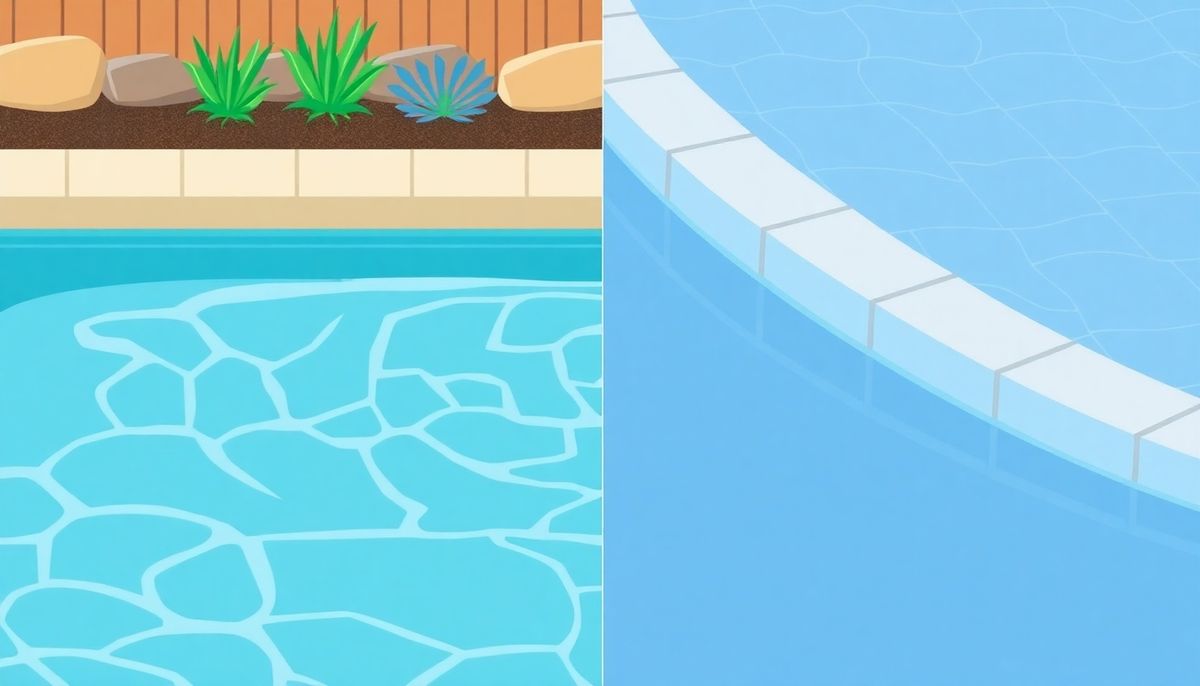
When you think about pool safety, coping is easy to overlook, but it does a lot behind the scenes. Its main job is to sit between the pool structure and the deck, stopping water from getting behind the shell. That protection lowers the risk of damage and keeps your pool in good shape.
There's more to it. The smooth, rounded edges give you something comfortable to grab, which helps kids and anyone who needs extra steadiness getting in or out. Materials like textured stone or non-slip concrete grip even when wet, so spills happen less often. Coping also guides water away from the pool, cutting down on the puddles that turn a deck into a hazard. I've dealt with a slippery deck myself, a near fall that could have gone much worse, so I appreciate the thought behind good coping.
Choose Durable Materials
When you're weighing materials, durability should sit near the top of your list. Sturdy coping stretches the life of your pool's edge and saves you from constant repairs.
Natural stones like granite and marble offer both toughness and a timeless look. Granite stands out for its hardness and its ability to take the weather, while marble gives you a classic feel but needs more care to keep from staining. Brick has rustic charm and a practical upside: if one piece gets damaged, you replace just that one. Composite materials, especially pre-cast concrete, are an affordable yet effective option that can be molded into a custom fit, and a sealant boosts their resistance to water and salt. If you want a truly seamless look, custom-poured concrete costs more upfront but blends right into your deck for a smooth, stylish finish.
Protect with Water-Resistant Sealant
Just like you wouldn't leave bare wood out in the rain, your pool's stone needs a good sealant to lock moisture out. That protective layer blocks water from soaking in, which cuts the risk of damage and stretches the life of your edging. It matters most for porous stones like travertine. Once water works into those tiny pockets, it can cause cracks and stains over time, racking up repair costs.
A sealant does more than fight off water. It helps the coping keep its color, too. A friend of mine chose a beautifully colored natural stone, then watched it fade from chlorine exposure. After she applied a high-quality sealant, the stones got their glow back and stopped fading. Sealing also adds grip, giving you a safer surface near the edge. Work it into your routine and you'll save yourself real headaches down the road.
Sealing porous stone like travertine is the cheapest way to prevent cracks, stains, and costly repairs.
Enhance Style with Creative Options
Getting creative with coping lets you turn your pool's edge into a real feature. Each choice is a chance to match the pool to your own taste.
Pavers pair durability with a touch of elegance, and their many colors and finishes slide right in with the landscape. Natural stones like travertine or granite bring a timeless feel with their unique textures and tones, and they hold up well. For a modern spin, composites like pre-cast concrete can be made in different shapes and sizes for a custom fit, and because they resist water and salt, they last through heavy use. If you want the coping to disappear into the deck, custom-poured concrete gives you a continuous flow from deck to pool edge. Every material speaks its own language, so let your pick reflect the personality of your backyard.
Optimize Your Pools Aesthetics
Taking a pool area from plain to polished usually comes down to the details, and coping plays a leading role. Think of it as the border that ties your whole yard together. Picture the luxurious feel of natural stone underfoot, or crisp tiles catching the afternoon sun.
Every choice says something about your style. Travertine's timeless appeal or the rugged grace of granite can make your pool feel like a lasting piece of art. If maintenance and budget are on your mind, pavers give you a versatile, durable option with a huge range of colors and textures. Don't overlook how the coping meets the deck. A cantilevered design, where the deck extends straight out over the water, gives you a modern edge and boosts safety by doing away with sharp corners. Spend time exploring your options and your pool becomes more than a place to swim.
Enhance Pool Safety with Coping
There's a real peace of mind that comes with a pool area that's as safe as it is stylish. Coping often gets lost in the excitement of design, but it does a lot to keep things secure.
Think about the surface as you climb in or out. Without good coping, those steps can be treacherous, especially for young swimmers or anyone who isn't fully comfortable in the water. Well-chosen coping gives you a secure grip and a stable edge, cutting the risk of slips and falls. Non-slip coatings are a great addition if your pool sees heavy use. Coping also steers water toward the deck drains, protecting the pool structure and keeping puddles from forming. Chosen with care, it turns your pool into a spot where you can relax with confidence.
Select Durable Materials
If you want your pool to last, picking the right coping is a big deal. There may seem to be endless options, but focusing on durability points you toward choices that won't let you down.
Natural stone is popular for its strength. Granite and sandstone handle weather and pool chemicals with little fuss while adding a natural elegance. If you want a touch of luxury, marble gives you an unmatched finish, though it needs extra sealing because it's porous. For a more budget-friendly route, brick or pavers offer plenty of color and design options, and because they come in modular pieces, repairs are simple. Composite materials, including pre-cast concrete, strike a nice balance of cost, durability, and customization, and sealed properly they give you a lasting border without draining your bank account.
Integrate Design with Functionality
Building a pool that pairs good design with real function is like picking the perfect frame for a painting. It brings out the beauty and does an important job at the same time. Coping is easy to underestimate, but it reinforces the structure, adds safety, and pulls your backyard together visually.
Think about the range of materials you have. Natural stone blends smoothly into the landscape, while concrete gives you freedom to shape and style. If you lean modern, composite coping offers clean lines and a contemporary edge. Choosing coping that fits its surroundings means thinking about texture, color, and shape. Imagine a stone finish that mirrors the colors of your garden, or a concrete edge that carries on the clean lines of your deck. That kind of fit frames every swim with elegance and purpose.
Protect Your Pool with Style
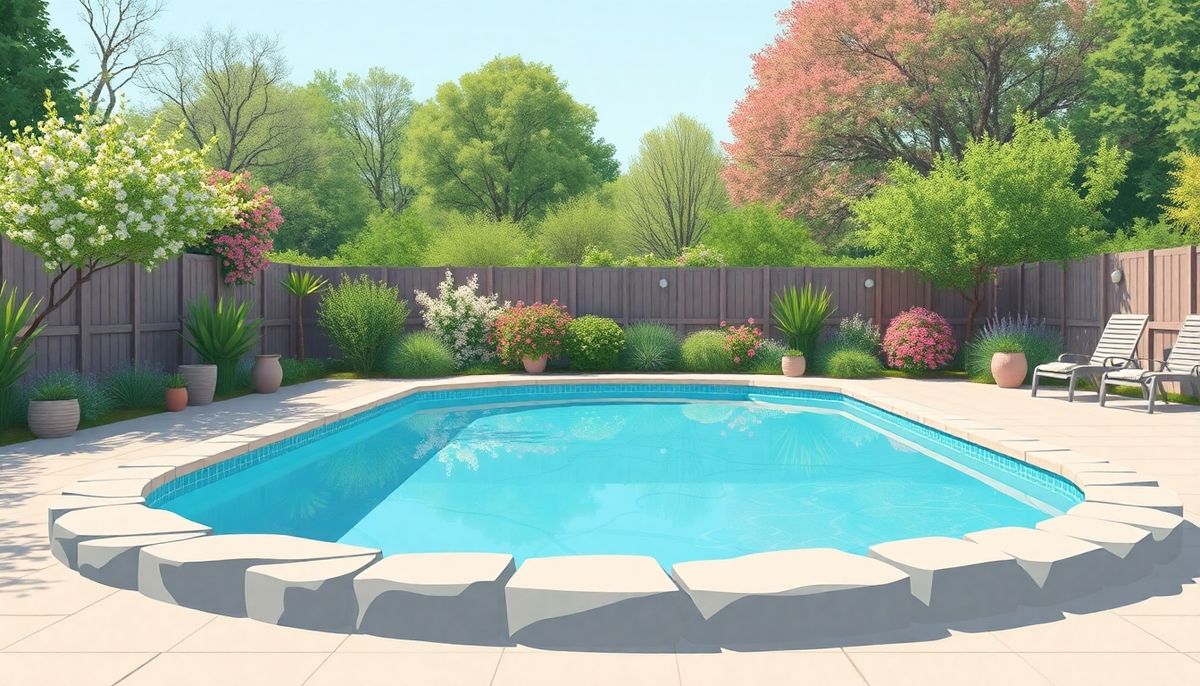
If you want to add flair to your poolside, coping is the piece that quietly pulls everything together. It protects against water damage and works as a stylish finishing touch, a bit like the right accessory to a sharp outfit.
Natural stone, brick, and composite each let you express yourself while staying durable. Stone like travertine or granite adds a luxurious feel. Brick gives you a classic look and is easy to keep up. Composite, shaped to fit your design, adds a modern twist and stands up well to the weather. Choosing the right coping isn't just about a pretty face. It's about creating a safe space that matches your style. Whether you're after a rustic, organic feel or a sleek, modern finish, the right coping can turn plain water into an inviting retreat.
The sun-dappled surface of a backyard pool is inviting, but safety still comes first, and that's where coping earns its keep. It gives you a stable, slip-resistant edge, which matters most for families with kids or older folks who might slip. Textured stone or non-slip finishes add protection so everyone can enjoy the poolside without worry.
Coping also shields the pool structure, forming a barrier that keeps water from seeping behind the shell and causing deterioration. Concrete, composite, and carefully sealed stone all stand up to chlorine and shifting weather, which cuts down on maintenance later. And it lets you add a personal touch. A friend once redid her pool area with travertine and created a Mediterranean feel that was both beautiful and safe for her young kids. Good coping marries form and function, making your pool both prettier and safer.
Explore Material Options for Style
Picking coping is a chance to blend style with function. Brick brings a classic look with warm tones and plenty of shapes, and if one piece fails, you can swap it out without any hassle. For a touch of elegance, natural stones like travertine or granite lend a stately charm. Travertine gives you a soft, rustic feel, while granite stands strong against the weather and needs less frequent care.
Pavers are versatile, mimicking the look of natural stone or brick, and you can arrange them in countless patterns for real customization. If a sleek, modern finish is more your thing, composites and pre-cast concrete can be crafted into smooth, flowing forms that wrap the pool in a clean, resilient edge. In the end, your material should reflect your pool's look, its surroundings, and your lifestyle.
Conclusion
Choosing the right coping is a big step, but it's just the beginning of keeping your pool in top shape.
Want to get better at the rest? Our free Pool School course walks you through everything from basic maintenance to tricky troubleshooting. You'll learn how to:
- Save thousands on pool repairs and chemicals
- Keep your water crystal clear year-round
- Prevent and solve common pool problems
- Master water chemistry with confidence
Over 10,000 pool owners have already changed how they care for their pools. Get started with our free Pool School course today!
What you need
To finish your poolside right, stock up on a quality stone or masonry sealant, non-slip coping in your chosen material, and the basic sealing supplies to protect it season after season.