



































The calm surface of a well-kept pool is a nice reminder of easy summer days. But under that quiet water, cracks and blemishes in the plaster can be building up. Growing up, my family's pool was the neighborhood gathering spot, and my father checked every inch, noting even the tiniest flaws. Each crack was more than a cosmetic problem. Left alone, it could turn into a leak or damage the structure.
If you're facing the same thing, it helps to understand pool plaster repair. Whether your pool sits empty or stays full changes how you fix things. You need the right materials, the right techniques, and a way to keep your pool sound.
The tricky part is usually timing. An empty pool gives you easy access and room to work, which is ideal for big jobs. Fixing plaster while the pool stays full is more of a balancing act, calling for special tools and methods to keep the water balanced and avoid more damage. Once you know your options, you can bring back the pool's good looks for many more seasons.
Your Action Plan
- Inspect the plaster and size up how bad the damage really is.
- Put on eye and hand protection, and gather the right tools.
- For small cracks, patch them underwater with putty or epoxy.
- For big jobs, drain the pool safely on a dry day and go slow.
- Repair, smooth, and cure the plaster following the product instructions.
- Call a professional if the damage is widespread or the tools feel risky.
Repair Pool Plaster Safely

Safety should be your first thought with plaster repairs. When you're ready to fix those ugly cracks and chips, it's easy to get carried away. But grinders, concrete saws, and strong acids aren't things you handle casually. A friend tackled his pool repairs alone and earned a trip to the ER, a reminder that some jobs call for real caution.
Gear up before you start
Start with protective gear. Gloves, goggles, and a mask aren't optional. If power tools are involved, learn how they work first, because a slip can cause a serious injury. And if you're feeling unsure, calling a professional isn't giving up. It's putting your health ahead of DIY pride.
Size up the damage before you plan. Small repairs might only need underwater putty or plaster mix, so you can work without emptying the pool. But if the job looks like an overhaul, you'll have to drain the pool, and that means following the guidelines closely so you don't damage the structure.
A clean, smooth pool finish is great, but not if it costs you an injury—work carefully, and bring a buddy to help steady things.
Gather Essential Repair Tools
Repairing pool plaster means picking your tools carefully. Gather the basics first so the work goes smoothly.
Start with solid safety goggles and gloves, since working with plaster and concrete can be dangerous. Next, an angle grinder with a diamond blade cuts away old plaster, which helps with heavy damage. Add a concrete saw if you expect to remove larger sections.
A chisel and hammer sound basic, but they're a must for chipping away loose plaster without cutting into the healthy surface underneath. A mixing paddle and bucket get your plaster to the right consistency so it bonds well.
For underwater repairs, you'll want special underwater putty and plaster mix that cures underwater, so you can fix cracks without draining. A trowel spreads the material smoothly for a seamless finish. And don't underrate a good pool patching compound; it gives you a lasting repair that stands up to water and chemicals. With these ready, the project feels a lot less daunting.
Ensure Personal Safety First
Before you grab your tools, put your safety first. Pool plaster repair is doable, but it involves materials and equipment that can hurt you. I once tried to fix a small crack and figured I could handle a concrete saw with no trouble. I couldn't. One small slip reminded me that safety gear is essential.
Wear protective eyewear against dust and debris, and gloves to keep chemicals off your skin. A sturdy helmet can save you from a nasty bump while you move heavy tools around. Don't skip your footwear either. Non-slip shoes are your best friend on slippery tiles around a pool.
Avoid working alone with heavy equipment or corrosive materials. Have someone nearby who can lend a hand or call for help. And if you're ever unsure you can do the job safely, hire a professional. A well-fixed pool is great, but staying injury-free is priceless.
Decide When to Hire Professionals
Every DIY job has a moment where you decide whether to call in the experts. Sizing up the damage comes first. Small cracks or a few isolated spots can often be handled with some grit and a bucket of plaster mix. But when those blemishes spread or deepen into a web of problems below the surface, it's time to think about a pro.
Say your plaster isn't just cracked but also bubbling or peeling across large areas. That's not a patch job anymore; it's about keeping the pool structurally sound. Professionals bring the special tools and know-how these bigger repairs need. They can pinpoint the real problem and apply industry-grade fixes that last.
Bubbling or peeling plaster across large areas signals a structural problem, not a patch job.
Safety matters here too. Plaster repair means using grinders and saws, which can hurt you if handled wrong. If you're not comfortable with those tools, putting safety over cost is wise. The price of a mistake is far higher than the cost of hiring a professional. Knowing when to step back protects your pool and saves you future headaches.
Choose the Right Tools
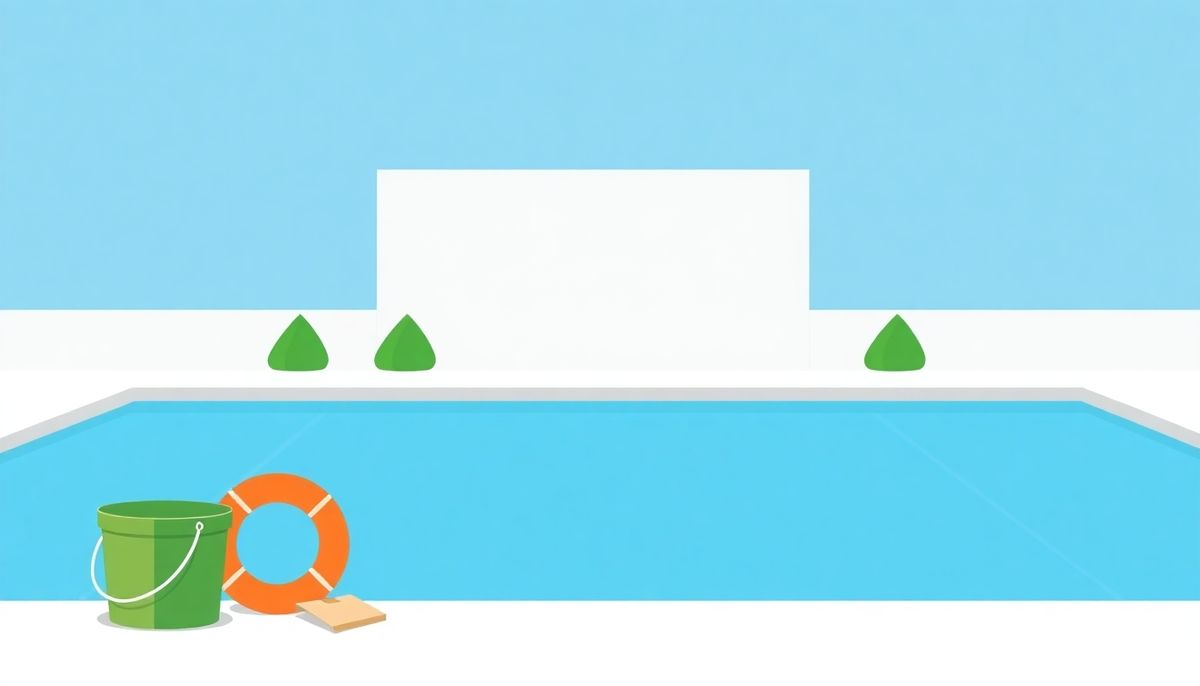
Fixing pool plaster means choosing your tools with care. First is a solid plaster mix, the backbone of the whole repair. For an underwater fix, grab a special underwater repair kit. These products cure in wet conditions, perfect for quick fixes without draining the pool.
A reliable grinder handles the tougher jobs, smoothing rough edges and prepping the crack, but its power is nothing to shrug off, so handle it carefully. For bigger damage, you may need a concrete saw, which takes precision so you don't cause more harm.
Don't forget eye and hand protection, plus a mask to keep dust and debris off you. It's easy to skip these, but they're key. One time I forgot my goggles and spent the day with irritated eyes. Lesson learned.
Last, a good trowel spreads the plaster mix smoothly and evenly for a flawless surface. With these tools ready, you're set for a successful repair, whether the water is drained or still shimmering.
Starting a pool plaster repair takes the right tools. Each one has a job that keeps the process smooth and safe.
The basics you'll reach for
First, a solid chisel and hammer to chip away loose or damaged plaster and leave a clean surface. A grinder or concrete saw is a must if the cracks run deep or spread wide. With power tools like these, eye and hand protection shield you from dust and debris.
For putting on the new plaster, a trowel spreads the material evenly. Don't overlook a mixing paddle and drill; they get your plaster to just the right consistency. If the repair is underwater, get waterproof putty made for submerged conditions.
Last, keep an acid wash solution on hand to prep the surface so the repair material sticks properly. It's like priming a canvas before you paint. Getting these basics together before you start saves you surprise trips to the store. It's not just about having the right tools, but knowing when and how to use them.
Ensure Safety Precautions
Every fix-it job comes with risks, and pool plaster repair is no different. Grinders and concrete saws can be tricky, and those sharp blades don't know the difference between plaster and fingers. I once watched my neighbor confidently run a grinder on his pool. One lapse in focus led to a small injury, a sharp reminder of why safety gear isn't optional.
Always wear protective goggles, gloves, and sturdy footwear. These small buys let you focus on the job without worry. If your repair calls for chemicals like acid for etching, work in a well-ventilated spot and think about a respirator. Strong fumes can hurt you, and fresh air is your friend.
Keep your workspace tidy, too. Scattered tools slow you down and raise the risk of accidents. And if the repair means underwater work, use the buddy system so someone's nearby to help. The bottom line: be prepared, know your limits, and when in doubt, call a professional.
Decide Between DIY or Professional
Repairing pool plaster is a bit like deciding whether to build that flat-pack furniture yourself or call a handyman. It depends on a few things, and thinking them through saves you time and money.
First, size up the damage. Minor cracks or spots might look like a weekend project. With some patience and the right materials like underwater putty, you might enjoy the challenge. My neighbor took on a few small plaster repairs himself, and while his first tries weren't perfect, he was glad he learned a new skill. But bigger problems, like loose plaster or widespread bubbling, were a whole different beast, so he called in the experts.
Your skill level and comfort with tools matter a lot. If you've never used a concrete saw or mixed plaster, it might be smart to leave the job to people who do it for a living. Professionals bring their skill plus the assurance the job gets done right the first time, which saves you from costly do-overs.
Fix Cracks Without Draining
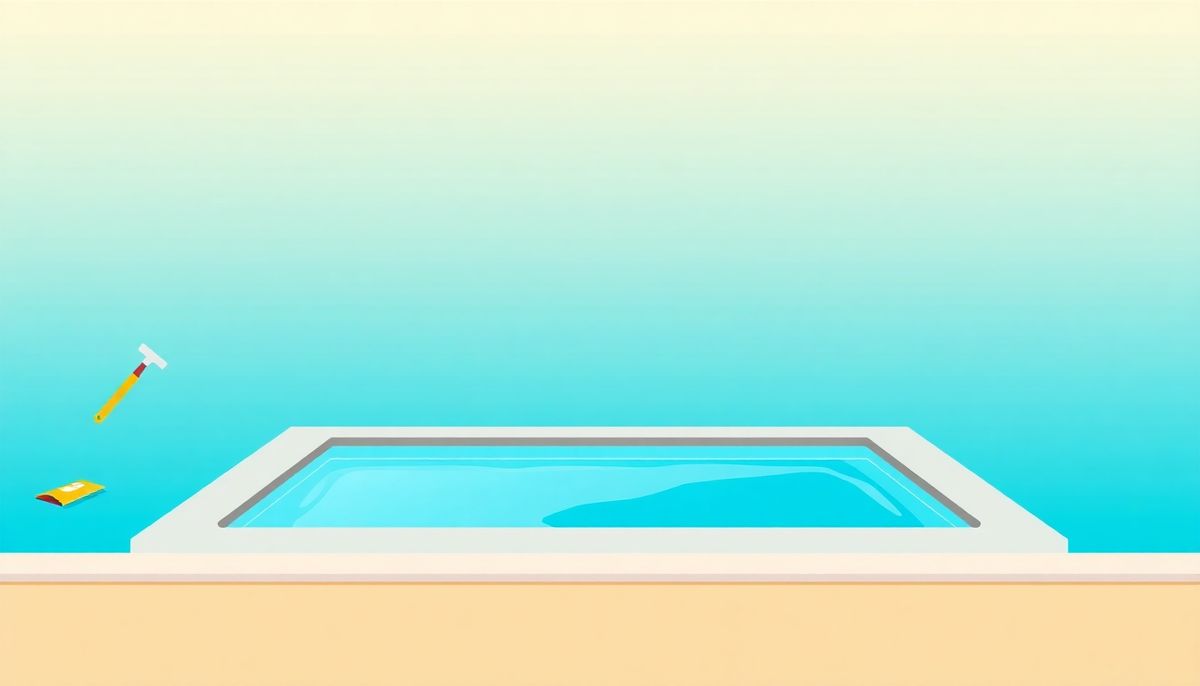
Fixing cracks without draining the pool sounds like a dream, especially when emptying all that water feels like a huge chore. The secret is underwater epoxy or special putty. These materials cure in wet conditions, and using them is surprisingly simple.
Underwater putty and epoxy cure right in the water, so you can fix small cracks without draining a single drop.
Prep, apply, and cure
First, gather your supplies: goggles, waterproof putty or epoxy, a putty knife, and a brush. Put on your eye protection, get in the pool, and look closely at the damage. The crack needs to be clean, so use a brush to clear off any algae or debris. I once found a small crack during a summer swim, armed with just a toothbrush and some determination. Scrubbing it clean was the most important step before the repair itself.
Once the spot is prepped, work the putty or epoxy straight into the crack. Use the putty knife to press it in and smooth it out. This takes a little patience, but a good repair can last for years. Then let the material cure according to the product's instructions, usually a few hours. Now your pool is ready to enjoy again, and you didn't have to drain a single drop.
Gather Necessary Tools
Pool plaster repair calls for a solid toolkit. At the top of your list should be a good plaster mix made for pool repairs. These often come in easy kits with instructions, so even a first-timer can feel like a pro. For small repairs, underwater curing products let you skip draining the pool entirely.
Next, grab a trowel and a putty knife for spreading and smoothing the plaster. A sturdy brush or wire brush cleans around the crack or gouge so no loose debris gets in the way. If the damage is widespread or stubborn, you may need a grinder or concrete saw, which makes proper eye and hand protection non-negotiable.
If you're working in an empty pool, a shop vacuum clears out dust and debris. Don't forget a hose with a high-pressure nozzle to rinse away leftover dust after grinding. Finally, keep a notepad handy to jot down anything you notice or measurements you take. A record always helps, and with these tools ready, the repair goes smoothly.
Repair with Underwater Putty
Repairing plaster doesn't always mean draining the pool. When small cracks or gouges show up, underwater putty can be a pool owner's best friend. My neighbor once called me over in a panic because his kids had turned a lazy swim into a mock battle, lightsabers and all. The result? A good-sized gouge on the pool wall. Instead of draining the whole pool, we used underwater putty for an easy fix.
This material is made to be applied and set underwater. First, make sure the area around the crack is clean and clear of debris. A quick scrub with a pool brush will do it. Next, cut off a piece of the putty and knead it until the color is even. It's like working with clay. Press it firmly into the crack and smooth it out with your fingers or a flat tool.
Once it's on, the putty starts to cure, hardening as it reacts with the water. Within a day, your pool is back to normal, with no sign of the poolside duel. Underwater putty saves time and keeps your pool open for spur-of-the-moment swims.
Assess Professional Help
In pool care, knowing when to call an expert matters as much as knowing the DIY fixes. Say your Saturday project of patching a few cracks suddenly feels like an archaeological dig. You're elbow-deep in plaster dust and realizing the job is bigger than you thought. That's the moment to think about professional help, not as giving up, but as a smart choice.
Bringing in a pro is especially wise if your plaster problems go past surface flaws. When plaster bubbles or sections come loose, it can point to deeper structural issues that need more than a surface patch. An experienced pool tech can size up the situation and make sure the repairs are thorough and built to last.
Working with pool plaster also means handling tools and materials that can hurt you. If you're not comfortable running a concrete saw or mixing acids, it's best to hand it off. Pros have the right gear and know-how to manage those risks. DIY can be satisfying and easy on the wallet, but some jobs benefit from a specialist's precision, and paying for that protects your pool and your peace of mind.
Drain Pool for Major Repairs

When big repairs are staring you down, draining the pool becomes a must. Picture a gaping crack or plaster that just won't stop bubbling. These aren't quick-patch problems; they need a thorough fix, and that means a dry surface. Emptying your pool might feel daunting, but it's often the best road to lasting results.
Drain with a plan
Start with a proper drainage plan. This isn't just about letting the water out; it's about doing it without causing structural damage. Get this step wrong and you can pop the pool, quite literally, as bad drainage can lift it right out of the ground. Follow a detailed guide or check with a professional so you do it right.
Once the pool is drained, you can fully assess the damage and handle the big issues, like loose plaster or long cracks running down the walls or across the floor. Without water in the way, you get a clear view and can work efficiently.
Safety stays paramount. Grinders and saws call for real caution. If you're not comfortable with them, hiring a professional isn't just wise, it could save your life. Sometimes the best move is to let an expert protect your pool's longevity and your safety.
Prepare for Plaster Repair
A little groundwork makes the whole thing go smoother. First, look over the damage carefully. If your pool has several cracks or large gouges, think about whether fixing each one yourself makes sense or whether a professional is the better bet. Once you know the scope, gather all the tools and materials you'll need. A checklist might include plaster mix, a trowel, safety goggles, gloves, and maybe a grinder or concrete saw, depending on how bad the damage is.
When my neighbor decided to fix her pool cracks, she spent a sunny afternoon getting everything together. By the time she started, she was sure she wouldn't have to run to the store mid-job. That prep paid off, and her repairs went quickly.
Put safety first, too. Working with grinders or handling acids carries risks. If you're uneasy about using them, call a professional. And if your repair means emptying the pool, do it properly. Getting this step wrong can lead to surprises like the pool popping. With everything ready, you can restore your pool's surface with confidence.
Drain Pool Safely
Few pool jobs matter as much as draining it safely. It's a careful balance of gravity and pressure, and getting it wrong can turn your backyard into a nightmare. Here's how to do it without the drama.
First, check local rules. Some towns have strict guidelines on where and how you can drain pool water because of chemical and environmental concerns. Once you're clear, pick a dry day. Wet ground raises the risk of the pool popping from hydrostatic pressure, which is when groundwater pushes the empty pool up out of the earth. Picture your sunken pool heaving out of the ground like a surfacing submarine. Not a pretty thought.
Drain on a dry day and go slow, because bad drainage can push an empty pool right out of the ground.
If you don't own a submersible pump, get one. It's a must for lowering the water level efficiently. Start draining from the shallow end and keep an eye on the flow. Be patient; rushing can create uneven pressure and lead to structural damage. While the pool empties, look the plaster over closely and find the spots that need work beyond the obvious cracks. This prep means you won't be caught off guard once the pool is ready to fix.
Hire a Professional for Replacement
A DIY pool plaster repair can sound appealing, especially if you've pulled off small home fixes before. But when your pool's surface is heavily chipped and pitted, it's worth thinking about professional help. Pool plastering takes specific know-how that goes well beyond mixing and applying materials.
I once tried to fix a small crack, feeling bold after a successful drywall patch. With my tools scattered around and plaster dust in the air, I soon realized a pool's unique setting calls for skills I just didn't have. That little crack grew into a costly lesson about hiring trained pros.
Professionals bring their skills plus the right equipment and materials, so the job gets done efficiently and safely. Plaster applied wrong can lead to worse problems later, like leaks or uneven surfaces, which means bigger repairs down the road. Pros also spare you the risk of draining the pool wrong and damaging the structure. The peace of mind of knowing it's done right from the start is worth a lot, and over time it can save you both time and money.
Hire Professionals for Overhauls
When your pool looks more like a lunar landscape than a calm oasis, hiring professionals for a plaster overhaul can be a smart move. Expertise counts, especially with the tricky curves and depths of a pool's interior. Plastering isn't just about spreading a new layer; it's a careful process that takes precision and a grasp of water chemistry and structural soundness.
Think about what seasoned experts bring. A professional team shows up with special tools, advanced materials, and the know-how to leave a smooth, durable finish that resists future damage. Unlike a weekend patch job, a full plaster replacement needs a sharp eye and a steady hand. It's like the difference between painting one room and repainting the whole house; scope and scale change everything.
Also, think of the time and stress you save by handing off this demanding job. There are parts of pool care where cutting corners leads to costly mistakes. From getting the drainage right to avoiding damage while removing old plaster, pros help you sidestep problems that could turn into disasters. Paying for professional work on a full overhaul isn't just about how your pool looks; it's about protecting your investment for years to come.
Ensure Pool Safety First
Swimming should be about fun, not worry. Before any repairs, focusing on pool safety is a must. Think about the tools you'll use: grinders, concrete saws, and possibly caustic chemicals. Each can be a real hazard if handled wrong. Protective equipment isn't a suggestion, it's a requirement. Always wear goggles, gloves, and if needed, a dust mask to guard against debris and harmful fumes.
Experience counts too. If handling a grinder feels like juggling knives, step back and get help. A friend thought fixing his pool over a weekend would be a breeze, until he ended up with a nasty scrape that took longer to heal than the pool. It delayed the repair and reminded him that confidence without skill can lead to chaos.
Think about your surroundings, too. Keep children and pets away from the pool area during repairs. A curious toddler or a nosy pup can turn a simple job into an emergency fast. Putting safety first lets you handle those repairs with a clear head.
Utilize Professional Services Wisely
With pool care, knowing when to grab your tools and when to lean on expert hands makes all the difference. A DIY spirit is priceless at times, but knowing your limits keeps your pool in top shape. I learned this the hard way. After an overly ambitious go at a deep wall crack, I realized not all repairs are equal.
Professional services offer more than skill; they give you peace of mind. Think about the fine points: mixing the plaster just right, applying it correctly, and smoothing it carefully to avoid ugly bumps. Pool pros have these subtleties down. Replacing plaster may look simple, but one wrong move can cause more damage, and that's where their experience pays off.
Pros also tend to have special tools the average homeowner doesn't. Those tools make the repair smooth and durable, protecting your pool from future trouble. Hiring experts might feel like a splurge, but it can prevent pricier repairs later. So while it's tempting to fix every crack you spot, knowing when to step back and let the pros handle it is key. Your pool, and your peace of mind, will thank you.
Conclusion

Taking care of your pool's plaster doesn't have to be overwhelming. With a clear eye on the damage, the right tools, and a healthy respect for safety, you can handle the small fixes yourself and know exactly when to hand the big ones to a pro.
Want to get even better at this? Our free Pool School course covers everything you need to know about pool care. From basic maintenance to advanced troubleshooting, you'll learn how to:
- Save thousands on pool repairs and chemicals
- Keep your water crystal clear year-round
- Prevent and solve common pool problems
- Master water chemistry with confidence
Join over 10,000 pool owners who have already transformed their pool care routine. Get started with our free Pool School course today!
What you need
Grab plaster mix or underwater putty, a trowel and putty knife, a stiff brush, and solid eye and hand protection—add a grinder and submersible pump if you're taking on a full overhaul.