



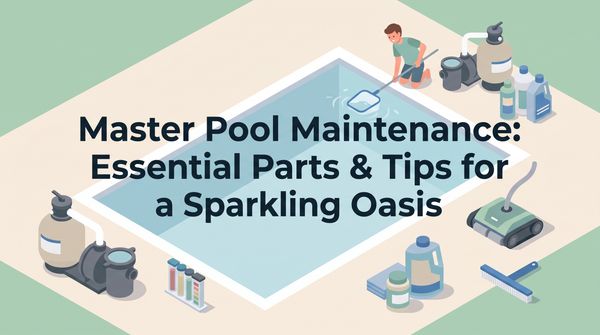
A backyard pool is a beautiful thing—a shimmering spot that promises relaxation and fun. But behind every splash sits a whole system of parts working together. Knowing how they fit isn't just for the pros. It's something you'll want to understand if you'd like your pool to stay clean and clear.
When I first inherited my family's modest pool, I had no idea how many pieces needed attention. I soon learned the skimmer is more than a simple net—it pulls out debris before it can sink. That small discovery started my education in how pools actually work.
Sooner or later, every pool owner runs into words like filter, pump, and chlorinator. Each has its own job, and together they keep your water clear and safe. The pump moves the water and spreads chemicals evenly. The filter catches the gunk. The chlorinator holds back bacteria. Once you get to know these parts, pool care stops feeling overwhelming and starts feeling like a satisfying routine.
Your Action Plan
- Empty the skimmer basket every week so debris can't sink or clog the filter.
- Run your pump 8 to 12 hours a day to keep water moving through the filter.
- Pick the filter that fits your pool: sand, cartridge, or D.E.
- Angle your return jets to create a gentle swirl that steers debris toward the skimmer.
- Keep pH and chlorine balanced to stop algae and protect your equipment.
- Add simple safety steps like clear water rules and a pool alarm.
Master Pool-Skimmer Basics
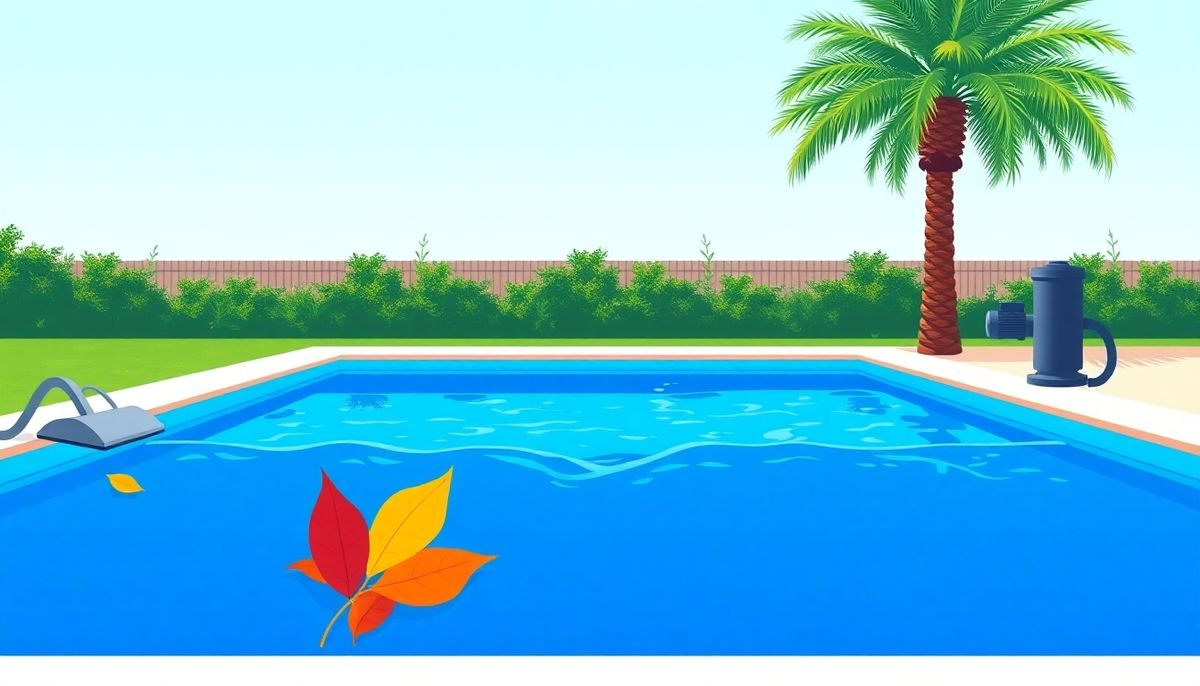
Think of the skimmer as your pool's version of a coffee filter—it makes sure only clean water heads back in, leaving leaves, bugs, and other junk behind. I still remember lifting the skimmer lid on my own pool for the first time and finding the basket packed with nature's leftovers. That moment showed me how much this little part matters.
Where the skimmer sits and why
Skimmers line the pool's edge, with their opening just touching the surface. That placement lets them grab floating debris before it sinks to the bottom. The baskets pop right out for cleaning—no tools, no fuss.
Keep it clean to protect your pump
A clogged skimmer weakens filtration and strains your pump, like trying to sip a milkshake through a skinny straw. Make checking it a weekly habit, and you're not only keeping the water clear—you're keeping the pool ready for a swim whenever the mood strikes.
Emptying the skimmer basket once a week is the single easiest thing you can do to keep your water clear and your pump healthy.
Identify Pool Parts
Once you know where your pool's parts are and what they do, maintenance shifts from a hassle to a routine you can handle.
Skimmers and the main drain
Skimmers trap debris at the surface before it sinks. The main drain, at the deepest point, pulls water up from the bottom while the skimmers handle the top. Together they keep water from going stagnant, like two hands working to scoop and stir.
Pump, filter, and return jets
The pump draws water from the skimmers and pushes it through the filter, which strips out dirt and particles too small to see. Clean water then returns through the jets, which push it across the pool to keep algae from taking hold. Adjust the jet angle and you can fine-tune the flow, creating a gentle swirl that herds debris toward the skimmer.
Understand Filtration Process
Your filtration system is what keeps that clear, shimmering water clear. At the center is the pump—its spinning impeller draws water through the skimmers and main drain and gets everything moving. From there the water runs through a filter (sand, cartridge, or diatomaceous earth) that catches the debris you can see and the bits you can't before the water flows back in.
I can't stress enough how much regular upkeep matters. One stretch, we didn't check our filter for weeks. The pool lost its sparkle, and our last-minute party plans fell apart. Watch the pressure gauge and run routine backwashes, and you'll avoid that kind of letdown. Clean water isn't only about looks—it's about a safe, welcoming spot for good memories.
Enhance Pool Comfort
With a few simple additions, your pool can go from a quick place to cool off to a true backyard retreat.
Heat and light
A good heater—gas, electric, or solar—stretches your swimming season well past the usual. One brisk autumn, I paired a solar cover with a gas heater and those late-September dips went from teeth-chattering to lovely. Soft LED lights add mood for night swims and make it easier to spot obstacles underwater. A friend once threw a twilight party, and the colorful underwater lights kept everyone in the pool long after the stars came out.
Seating and shade
Comfortable lounge chairs with umbrellas, or a retractable awning, give you a break from the sun and a spot to relax after a swim. Add these touches and a plain pool area becomes a place you won't want to leave.
Understand Pool-Drain Functions
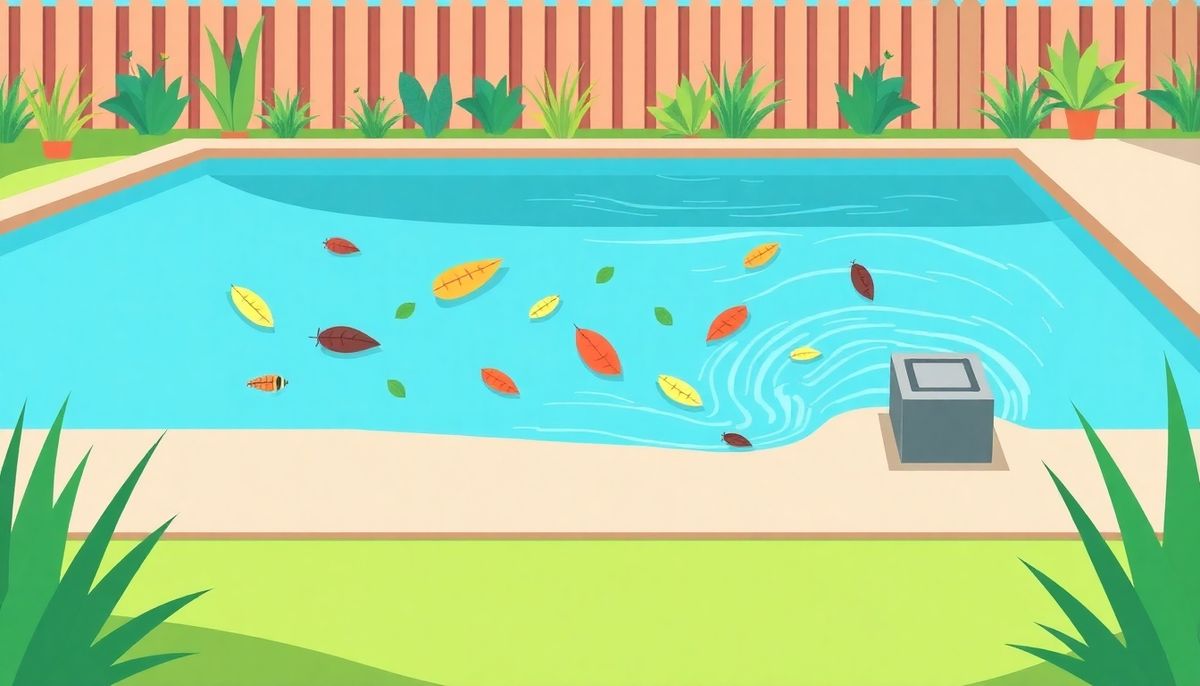
A pool drain looks like just another part, but it does real work. Tucked at the bottom, usually in the deep end, the main drain doesn't just wait for the rare day you drain the pool. Its real job is helping water circulate—pulling water up from the depths while the skimmers handle the surface. That two-way action makes sure every part of the pool gets attention.
Newer pools usually have a pair of drains working together. That's a safety improvement, not just an upgrade: splitting the suction between two drains sharply lowers the risk of anyone getting trapped, which makes for a friendlier space for both cannonballs and lazy floating. Older pools might have a single drain, which calls for a little extra care. Either way, it's quiet engineering that keeps everything balanced.
Explore Pool Anatomy Basics
Every pool, whatever its size, leans on a handful of key parts.
From skimmer to pump
The skimmer is your first line of defense, gathering leaves before they sink. The main drain pulls stray particles up from the bottom, so both the top and bottom layers stay clean. From there, the suction lines quietly carry water toward the pump. The pump's impeller creates a vacuum that pulls water into the filter—so size it with the right horsepower for your pool to move that much water without wasting energy.
Through the filter and back
Once the water clears the pump, it heads to the filter, which strips out fine particles and lingering bacteria. Clean water then runs through the return lines and rushes back in through the jets, boosting circulation and steering debris toward the skimmers.
Master Pool Circulation System
Good circulation keeps every drop of water moving so it stays fresh. That flow starts with the skimmers and main drains drawing water out. A little over a decade ago I had a pump that sounded like a small plane taking off; upgrading it changed both the water's movement and my peace of mind. The pump builds the force to push water through the filter, where debris and even microscopic particles get caught.
Once the water is filtered, the return lines and jets close the loop. Those jets do more than add water—they spread it evenly so every corner stays clear. Adjusting their direction can boost circulation a lot, which cuts down on maintenance and makes the whole experience better.
Circulation is the whole game—water that keeps moving stays clear, while stagnant water invites algae and cloudiness.
Maintain Optimal Pool Safety
Real pool safety comes from knowing the hazards and putting solid steps in place, not just buying the newest gadget or fence.
Set clear rules
Kids are curious, and shimmering water is hard to resist. A close friend used a wristband system for her kids: green meant swim, yellow meant be careful, red was a firm no. It made safety feel like a game and taught some responsibility too.
Inspect and add alarms
Check the pool area regularly for loose tiles, slippery spots, or anything that could cause a fall. A monthly checklist—covering chemical balance and a secure gate latch—keeps small issues from growing. A pool alarm adds another layer, alerting you to unexpected movement. My neighbor's alarm went off when their dog took an unplanned dip, stopping what could have been a tragedy.
Optimize Your Pool-Pump Efficiency
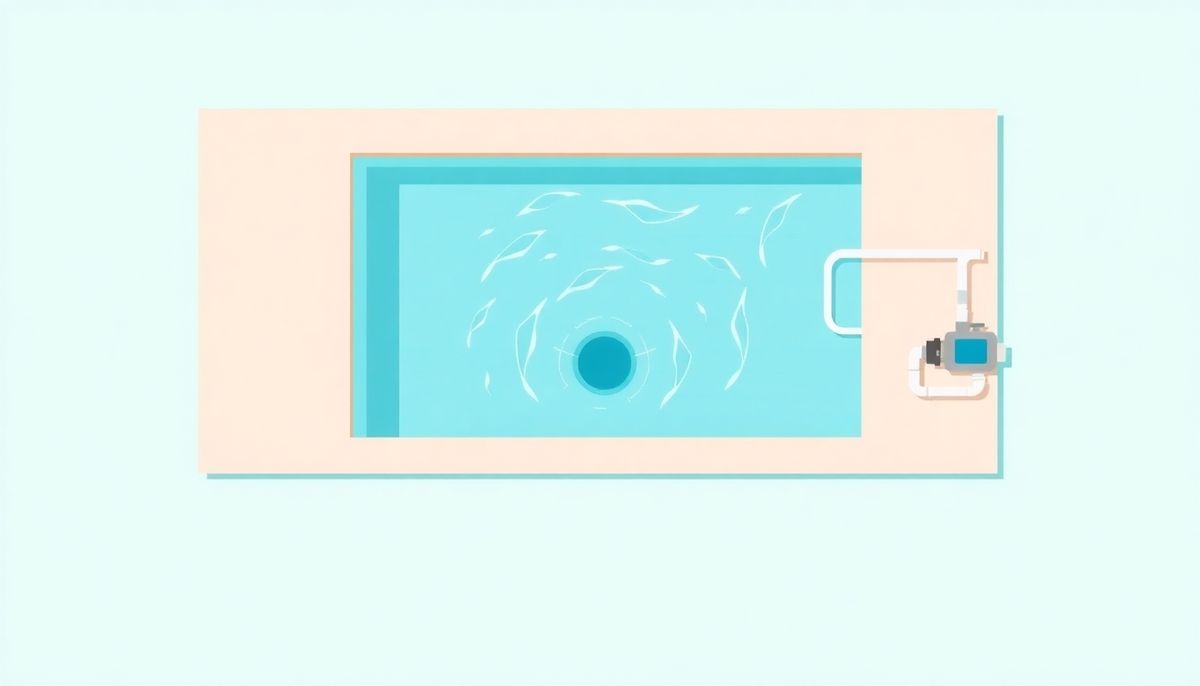
The pump is the heart of your pool's circulation, and like any machine it does better with a little care and smart operation.
Run it the right amount
A lot of owners run their pumps longer than needed, thinking more is better. Usually 8 to 12 hours a day is plenty to keep the water clear. Split that time between morning and evening to catch off-peak energy rates and trim your electric bill.
Size it and maintain it
A pump that's too powerful wastes energy and strains your filter; one that's too weak won't move enough water. Match the horsepower to your pool. Then keep it healthy: clear the pump basket, check for leaks, and make sure the impeller is free of blockages. Variable-speed pumps cost more up front but save a lot over time by adjusting their speed to your pool's needs.
Running your pump 8 to 12 hours a day—ideally on a variable-speed model—keeps your water clear without wasting money.
Understand Pool-Parts Functionality
Pools look simple, but their clarity comes from each piece pulling its weight. The skimmer catches floating leaves and twigs before they reach the filter. The main drain draws water up from the bottom, teaming with the skimmer to mix top and bottom. The suction lines carry that water to the pump, which pushes it through the filter where contaminants get trapped. Finally, the return lines and jets send the clean water back and keep the circulation going. Once you understand how they hand water off to each other, troubleshooting gets a lot easier.
Enhance Filtration and Circulation
Ignore your filtration system and the water turns cloudy fast, rolling out the welcome mat for algae. A friend once tried to save a few bucks by skipping filter changes and ended up with a green swamp that took weeks to fix. Regular maintenance isn't optional.
Match the filter to your pool
Different filters suit different pools. Sand filters are simple and dependable. Cartridge filters catch finer particles. D.E. filters need more upkeep, but they trap the tiniest bits and give you the clearest water of the three. Keep whichever you have running well, and the good times roll.
Improve Water-Sanitizing Methods
Keeping water crystal clear is part art, part science, and a big piece of it is how you sanitize.
Your sanitizing options
Chlorine tablets are the old reliables, but saltwater systems now share the stage. Those make chlorine through electrolysis, which gives a softer feel and fewer chemical tweaks—a friend found it a lifesaver during one busy summer, since it meant fewer store runs. If you'd rather avoid traditional chemicals, UV and ozone systems attack bacteria and viruses at a microscopic level. A neighbor's UV system improved her water quality and let her use less chlorine.
Let automation help
Automatic chemical feeders give you precise control over sanitizer levels, keeping the water balanced without constant hands-on adjusting. The right fit depends on your pool and your lifestyle.
Choose the Right Pool-Filter Type

Choosing the right pool filter is a bit like picking the right pair of shoes—each type is built for a different need. When I first bought a pool, I felt lost in a sea of choices, but once you know what sets each filter apart, the decision gets easier.
Sand, cartridge, and D.E.
Sand filters are the reliable sneakers: easy to use and maintain. They push water through a bed of sand and catch particles down to about 20 microns—roughly a quarter the width of a human hair. Not the most thorough, but a nice balance of cleaning power and simple upkeep.
Cartridge filters are the comfortable loafers. They trap particles down to about 10 microns—finer than the eye can see—and need only a hose rinse, no backwashing.
Diatomaceous earth (D.E.) filters are the dress shoes: they catch particles as small as 2 to 5 microns, the clearest water you can get, but they cost more and need the D.E. powder replaced regularly.
The best filter for you balances three things: your pool's size, your budget, and how much upkeep you're willing to do.
Evaluate Filter Options
So which one belongs on your pool? It comes down to those three things: the size of your pool, your budget, and how much time you want to spend on upkeep. A big, busy pool leans toward sand for its easy backwashing. A smaller pool where you'd rather not fuss suits a cartridge. And if the clearest possible water is the goal and you don't mind the extra work, D.E. earns its keep. Weigh those factors and you'll land on the filter you won't second-guess.
Understand Filtration Benefits
A working filter is the quiet workhorse of your pool, steadily pulling out the particles and debris that would otherwise cloud the water or throw off its balance. Those lazy afternoons stretched out by clear water? No accident—that's your filter earning its keep. Spend a little time understanding your setup, and you can shape your care to fit it, which makes swimming more pleasant and helps your main equipment last longer.
Optimize Pool Circulation
A pristine pool isn't only about looks—it's about getting circulation right. Circulation keeps water moving so every drop passes through the filter, spreads chemicals evenly, and never goes stagnant.
Aim your jets and watch your water level
Adjust your return jets to create a spiral flow that pushes water steadily in one direction, nudging debris toward the skimmer. With several jets, angle a few downward to stir debris off the floor. Clean your skimmer baskets and pump strainer regularly—a clogged basket cuts flow and strains the pump. Keep an eye on the water level too; if it drops too low, the skimmer sucks in air, which can damage the pump. Running the pump at least eight hours a day, especially in peak season, makes a real difference.
Enhance Water Circulation with Jets
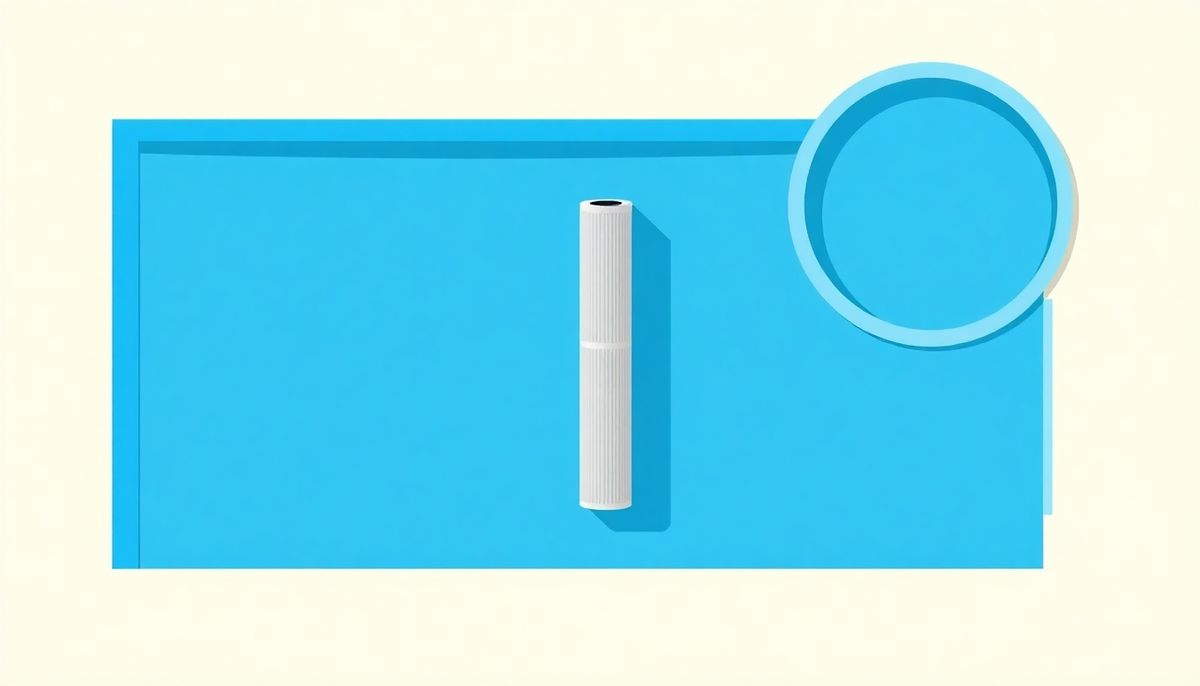
Water jets do far more than shoot streams into the pool—they set the whole thing in motion. By pushing water out with force, they drive circulation and keep the water from going stagnant, which would otherwise lead to algae and uneven chemical spread.
Ever notice how leaves gather neatly near the skimmer? That's the jets nudging floating debris toward the basket. I remember tweaking my jet angles after a friend suggested it—the water felt fresher, and my weekly routine got easier with less hand-skimming. A small nudge in the right direction pays off.
Optimize Jet Placement
Getting jet placement right is one of the secrets to a well-kept pool. Aim them well and every corner gets refreshed and stays free of debris. When my uncle first set up his pool, leaves kept gathering in pockets of stagnant water—the fix was simply adjusting the aim of his jets.
Match placement to your pool's shape
Start with your pool's shape and size. In a rectangular pool, setting jets on opposite ends at different angles creates a circular flow that pushes debris toward the skimmers and clears dead spots. Free-form pools need more precision; tilting jets slightly up or down can make a clear difference—I once repositioned the jets in a friend's kidney-shaped pool, and the water was noticeably clearer by the next day. Mind the strength too: too strong and you're fighting waves, too weak and the flow won't carry contaminants away.
Improve Pool Filtration Efficiency
To get the most from your filter, keep it in top shape. Each type has its own routine: a sand filter needs a periodic backwash, a cartridge filter a gentle rinse or replacement, and a D.E. filter attention to its grids plus regular powder top-ups.
Check, and check again
Clear the skimmer baskets and empty the pump basket so water flows freely. Watch the pressure gauge—rising pressure usually means the filter needs cleaning. Look for leaks or wear in the PVC piping and connections. Think about pump horsepower, too: an oversized pump pushes too much water through the filter and actually lowers its effectiveness, while a variable-speed model lets you match the flow to your pool. And don't overlook water chemistry—balanced pH and chlorine keep algae and scale from clogging the filter.
Conclusion
This article walked you through the basics of keeping your pool in shape—from the skimmer at the surface to the pump, filter, and jets that keep your water moving. Put these habits into practice and pool care becomes a routine you barely think about.
Want to go further? Our free Pool School course covers everything from basic maintenance to advanced troubleshooting, so you can save on repairs and chemicals, keep your water clear year-round, and master water chemistry with confidence. Over 10,000 pool owners have already used it to transform their routine. Get started with our free Pool School course today!
What you need
Grab a skimmer net and a spare basket, test strips or a test kit, your sanitizer of choice, and the right filter media for your system to keep everything running clear.