
















Owning a pool is one of life's great pleasures. It's a cool escape on hot days and a nice backdrop for get-togethers. But keeping it in shape takes more than skimming the surface and balancing chemicals. One part people overlook is the pool cover, which guards against debris, evaporation, and sudden weather. And here's a problem plenty of owners hit: the dreaded sagging cover.
I've dealt with one myself, and it's more than an eyesore. A sagging cover collects water and debris, which leads to tearing or damage. At that point it isn't doing its job. Covers sag for a few reasons: poor installation, too little tension, or a lack of support.
The good news is that with the right tools and a few simple techniques, keeping your cover tight is doable. The fixes range from quick DIY tricks to advice from the pros. With a little attention and regular upkeep, your cover lasts longer and your pool stays clean and ready for your next swim.
Your Action Plan
- Choose the right cover for your pool and fit it snugly.
- Anchor it with a cable and winch, water bags, or straps.
- Slip a pool air pillow underneath before winter.
- Clear standing water with a pump or siphon after storms.
- Lay a leaf net on top and brush off debris regularly.
- Check the seams, straps, and grommets for wear.
Use a Pool-Pump
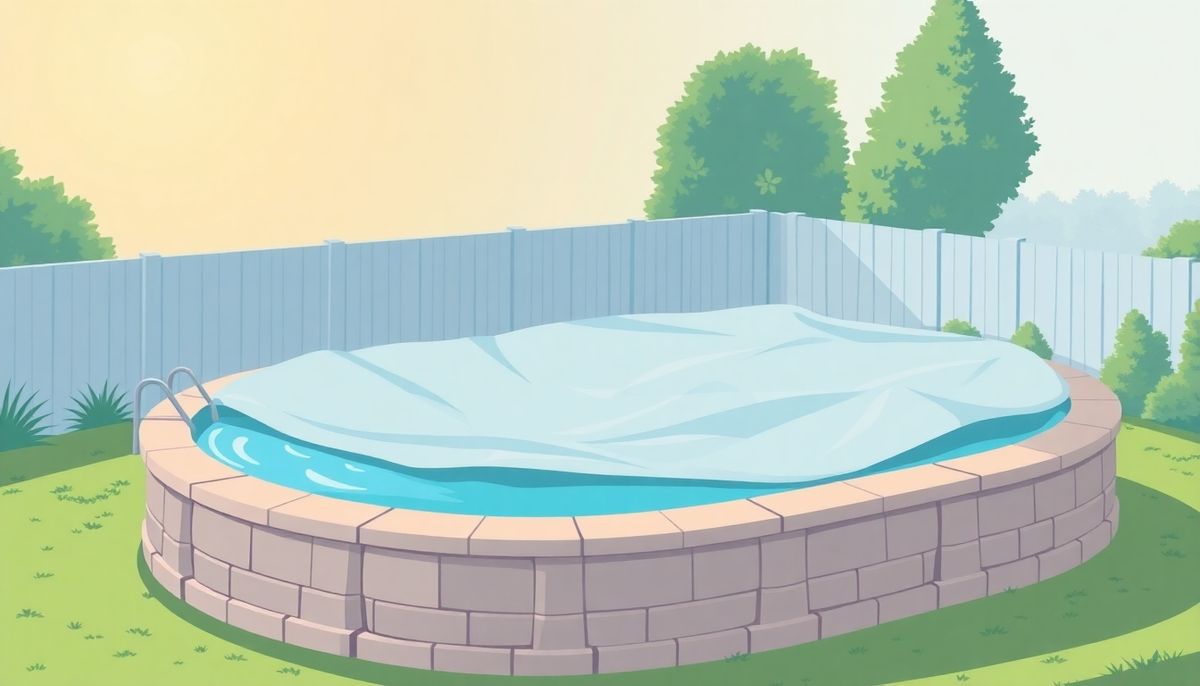
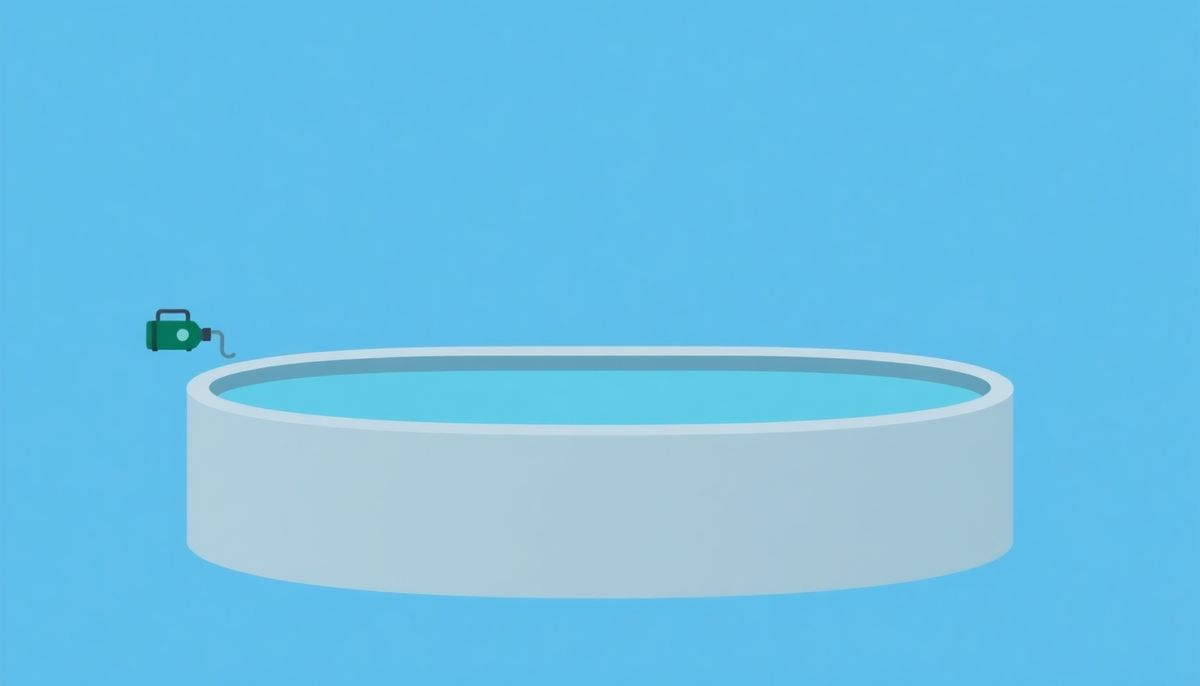
Rainwater turning your cover into a little lake is no fun. A pool pump is one of the best ways to keep it snug and dry. I was skeptical when I first saw an electric pump at a supply store. A few heavy downpours later, that skepticism turned into gratitude.
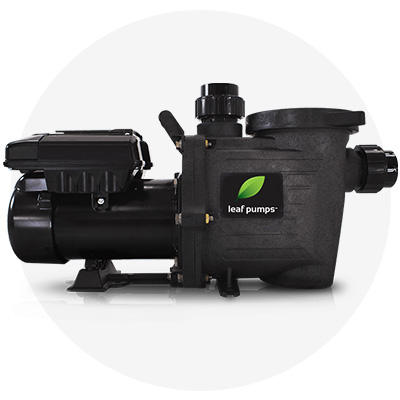
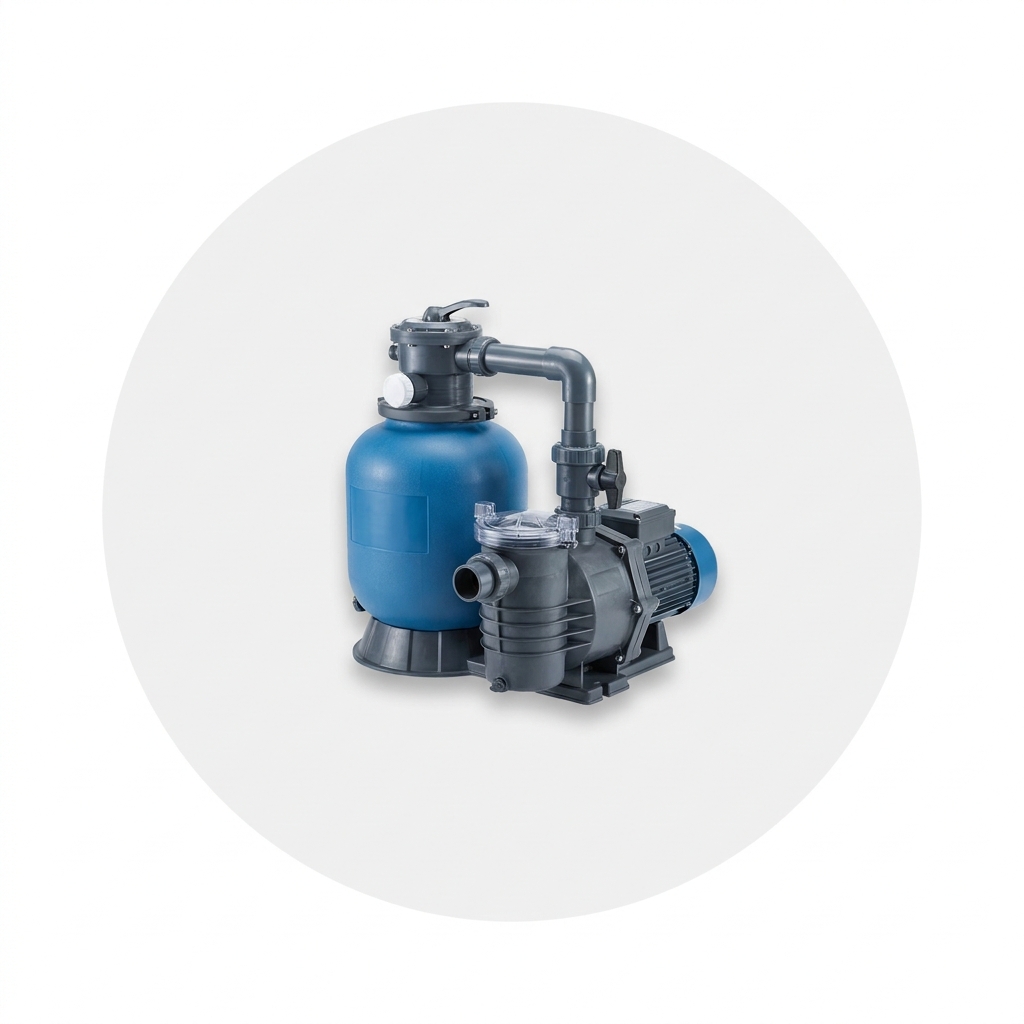
With an electric pump, especially an automatic submersible one, you can keep standing water off your cover. These pumps, made for inground pools, run around the clock to draw off water you don't want. They work quietly, and some move up to 2,450 gallons per hour. Imagine not having to check the pool every time it rains. The convenience is worth it, though I get that the price can feel steep.
Cheaper options that still work
On a tighter budget, a manual pump is a solid choice. It takes more effort, but it clears excess water and keeps sagging at bay. And if your cover is more of a tarp, a dedicated pool cover pump does the job. These are light and easy to move, great for keeping an above-ground cover tight and tear-free.
A reliable pump helps your cover last longer and saves you hours of hassle. Once you try one, you'll wonder how you got by without it.
Select the Right Pump
The right pump can be the difference between a cover that sags and one that stays taut through the harshest winters. The best pick depends on your pool and cover.
For an inground pool with a safety cover, an automatic submersible pump works wonders. It kicks on by itself and clears water fast, so you spend less time fretting over puddles. It costs more up front, but the convenience is hard to beat.
For a tarp cover, a dedicated pool cover pump is a smart buy. It's light but effective, built for above-ground covers.
Want to save money? A manual pump or even a siphon can do the trick, especially for above-ground pools. A siphon needs no electricity, which appeals to folks who like eco-friendly methods. The trade-off is more hands-on work, which stings when you're short on time.
The right pump for your pool and cover is the single best defense against a water-logged, sagging cover.
Protect Your Pool Cover
A little care now saves you from replacing your cover too soon. Start with proper installation: make sure it's tight and well-fitted, because a saggy cover asks for trouble. Anchor it with a good cable and winch system, or use water bags for in-ground tarps to hold it steady against strong winds.
Keep up with the small stuff
Regular upkeep matters too. After a storm or heavy snowfall, take a few minutes to clear off the water and debris. Cover pumps, automatic or manual, help here. One blustery winter I skipped this step, and the weight of the snow nearly pulled my cover into the water. Now I never let water sit for long.
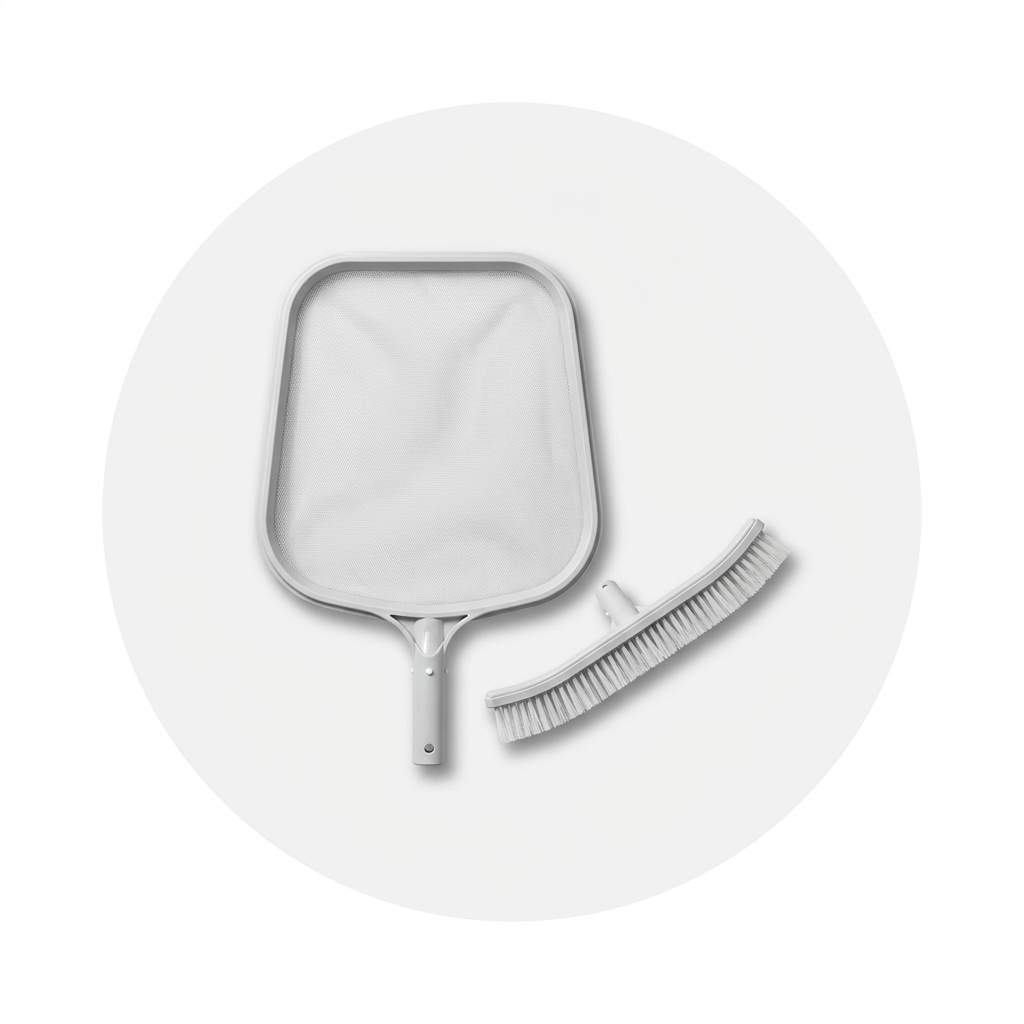
It's also worth getting a leaf net, a simple overlay that catches falling leaves before they get wet and drag your cover down. Just pull off the net, shake it out, and lay it back on.
Finally, check for wear now and then. Look over the seams, straps, and grommets for weak spots. Fixing small problems early keeps them from becoming big ones.
Secure and Maintain Properly
The simplest, most reliable fix for a sagging cover is keeping it secured and maintained. Start by choosing the right fit, whether that's a sturdy tarp for above-ground pools or a solid safety cover for inground ones. Whatever you pick, all the fastenings need to be tight. Check straps, cables, and winches regularly so nothing works loose.
Once it's secure, upkeep takes over. Regular checks, especially after heavy rain or snow, spare your cover a lot of strain. If water keeps building up, a reliable cover pump clears the weight that would otherwise pull it down, preventing both sag and damage.
You might also try a pool air pillow under the cover. It eases stress on the material by spreading the weight of water or debris more evenly. Get the alignment right and adjust it now and then to help it work better.
And don't underestimate a good cleaning. Brushing off leaves and debris with a soft broom can add years to your cover's life. Pair solid fastening with steady maintenance, and you've got a well-protected pool that holds strong season after season.
Install a Leaf-Net
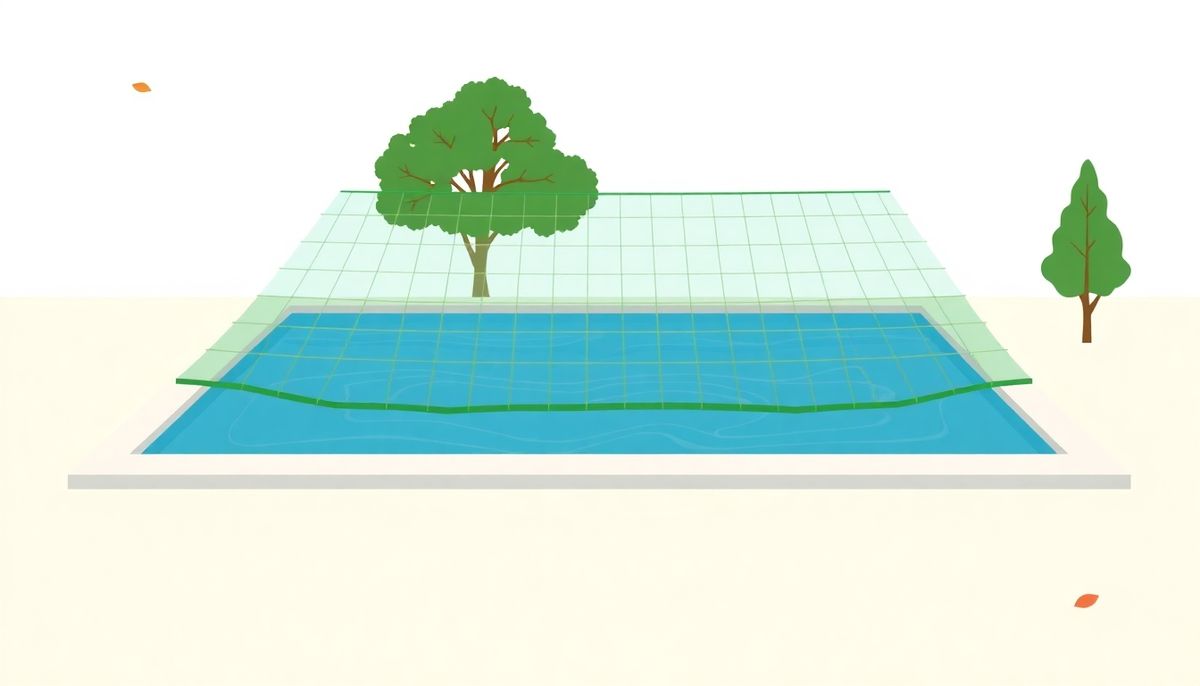
Plenty of owners know the frustration of a sagging cover, especially once the leaves start falling. A leaf net is one simple fix. It works like a shield, catching leaves and debris before they weigh your cover down. That keeps the cover in good shape and cuts your cleanup when the seasons turn.
Setting it up is easy. First, make sure your cover is fastened tight and clear of water. Then lay the leaf net over it, letting the edges stretch past the pool's rim. That overlap matters, because it stops leaves from slipping underneath. Most leaf nets are made from tough polyethylene, built to handle rough weather without ripping under a load of leaves.
Pulling off a well-used leaf net after a windy fall day is satisfying. One gentle shake and the leaves fall right off, leaving the cover clean. A leaf net barely needs attention. Just check it now and then and empty it when it fills up. That keeps extra weight off your cover, holds its shape, and saves you from pricey repairs.
Select the Right Pool Cover
There's no one-size-fits-all cover. The right one is practical, tough, and matched to your pool. I've seen flimsy covers tear and turn useless after a single big gust. A heavy-duty cover with reinforced grommets is a small upgrade that makes all the difference, staying put even through bad storms.
Match the cover to the pool
For inground pools, a safety cover with tight straps gives you the most protection, keeping debris out and preventing accidents. These come in mesh or solid versions. Mesh covers let water drain through, while solid ones block everything. For above-ground pools, a tarp cover needs a cable and winch system to stay secure. Add some clips to help it hold up against winter winds.
A leaf net is another worthwhile buy. That extra layer catches falling leaves before they pile up and saves you a heavy cleanup. The right cover does more than shield your pool from the weather. It makes upkeep simpler, so you can slide right into swimming season when the time comes.
Install a Submersible Pump
A submersible pump can rescue a sagging cover in a hurry. A friend swore by his after a brutal stretch of rain kept pooling on top, and it became his go-to fix.
There's something reassuring about being able to set it and forget it. An automatic submersible pump sits quietly under the water and kicks on when the level rises. A popular high-efficiency model runs on a 1/3HP motor and drains fast, lifting water as high as 28 feet. It handles the heavy work with impressive efficiency.
On a tighter budget, a manual pump works too. It needs more attention, but it's easier on the wallet and still keeps unnecessary weight and sag off your cover.
Whichever route you take, a submersible pump quietly gets the job done while you're not watching. It protects your cover and helps it last by keeping it dry and sag-free, even when the weather turns.
Secure the Cover Properly
Securing a pool cover looks simple, but getting it right takes some care. A snug, well-fastened cover is your best defense against sagging and the mess a winter storm can bring. The first time I tackled this, I didn't take it seriously enough, and a few weeks later my cover was flapping in the wind.
Start by making sure the cover is the right size, because an ill-fitting one is prone to sagging. For an above-ground pool, get a quality winter cover with a cable and winch system. That pairing lets you cinch the cover down tight, threading the cable through the grommets and ratcheting it snug. I once tried to cut corners with an old tarp that had no grommets. It's not worth the trouble.
Anchoring inground covers
For inground pools, especially those with tarp-style covers, water tubes or bags placed around the edges are a must. They act as anchors against the wind, much like sandbags during a flood. Skip heavy objects like bricks, since they cause more problems than they fix if the cover lifts.
You can also add a bit of water on top of the cover. Just a few inches helps hold it down, as long as you keep an eye on it so it doesn't get overloaded. Secure your cover the right way, and you're not just fighting sag. You're protecting your pool all winter.
Anchor your cover with water bags, never bricks, since a strong gust can turn heavy objects into dangerous projectiles.
Secure with Water Bags
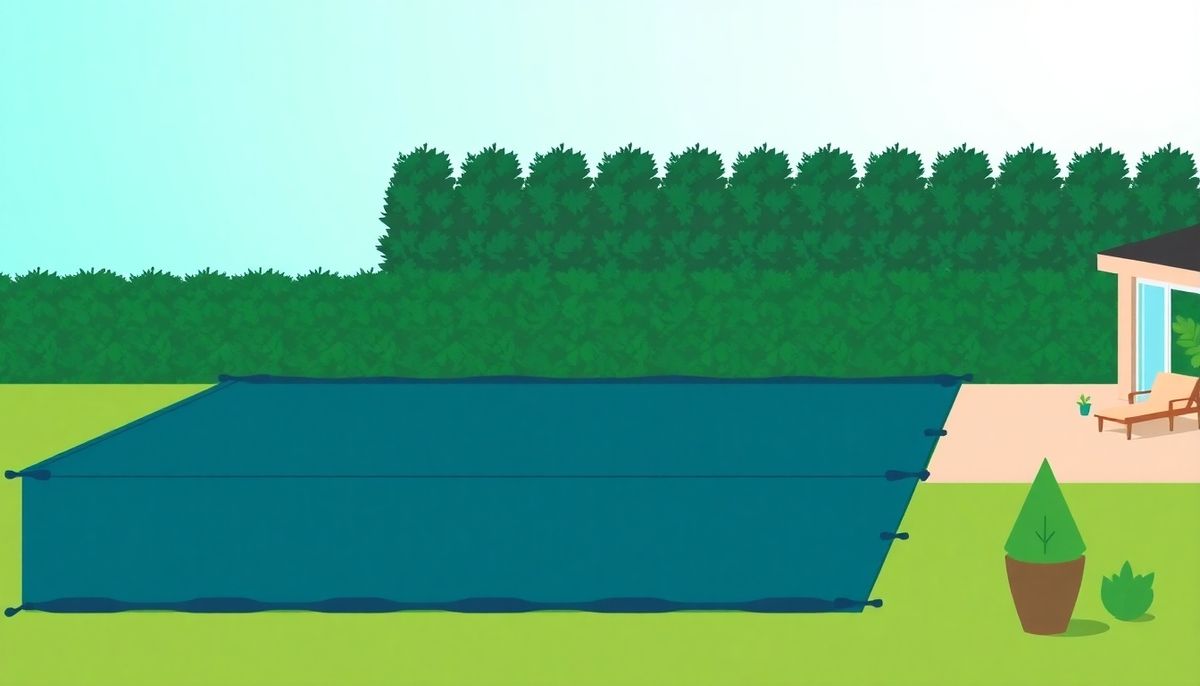
Water bags hold your cover in place without any fuss. Unlike bricks, which turn dangerous when the wind kicks up, water bags are safe and effective. They keep your cover snug against the edges so it can't blow away or sag under rain and snow.
We've all seen a pool cover blow into a neighbor's yard after a windy night. That's exactly what water bags prevent. Made of durable vinyl, they fill with water and sit around your pool's perimeter, spreading the weight evenly and holding the cover down without hurting the pool or the cover.
To get the most out of them, fill each bag properly. No half-measures. Bigger pools need more bags to keep even tension across the cover. Set them up right, and you'll help your cover last longer and rest easy knowing your pool is protected through the off-season.
Implement Effective Water-Pump Solutions
Keeping a cover tight and sag-free isn't just about looks. It keeps the cover in good shape for the long haul. One of the best ways to fight sag is the right water-pump setup. When the cold rolls in and rain or melting snow builds up, your cover can turn into a heavy basin. A submersible pump clears that water fast.
Automatic submersible pumps are a real help for inground pools. They work tirelessly to keep your cover water-free without you watching. With a motor that moves thousands of gallons per hour, these suit people who value their time. They're sturdy enough to lift water from real depths, which makes them great during stormy stretches.
Not everyone wants to spend on high-end gear, and that's fine. A manual pump is a fair contender. It takes more effort, but it's dependable, easy to use, and gives budget-minded owners a hands-on way to deal with pooling water.
For above-ground owners with tarp covers, a light, dedicated pool cover pump is a big help. Built just for these covers, it makes draining simple with easy-to-clean parts and hose connections. And if all else fails, the humble siphon is ready. It costs next to nothing, needs no electricity, and uses gravity to pull excess water away.
Utilize Cost-Effective Siphon Techniques
Picture relaxing in the backyard when you spot your cover drooping in the middle, on its way to a murky puddle. You can head this off with a simple siphon, a cheap and effective way to keep your cover taut.
A siphon relies on gravity. You can use a basic garden hose or PVC pipe to start the flow that drains water off the cover. If the DIY route feels uncertain, buy an inexpensive siphon made just for pool covers. They cost little and are simple to use, and many come with a hand pump or squeeze bulb that gets the siphon going without any electricity.
A few squeezes and the water flows away on its own, leaving the cover dry and secure. This works especially well for above-ground pools, where the drop in height helps the water drain.
Siphoning isn't as fast as an electric pump, but it's a quiet, sustainable way to fight a sagging cover. With no electrical part, it's one less gadget to worry about during the off-season.
Optimize Leaf and Debris Management
Fallen leaves and stray debris look harmless, but over time they become a real problem. Every autumn, leaves land on top, adding weight and causing sag. A leaf net that sits on the cover is one good way to fight buildup. This light but sturdy net catches leaves and debris before they weigh things down. Just lift it, shake off the mess, and lay it back for ongoing protection.
Want a faster fix? Reach for a leaf blower. A quick blast clears dry leaves in no time. Just make sure the cover is dry first. If the cover or leaves are wet, a soft broom or skimmer net comes in handy. Sweep gently so you don't damage the cover.
Here's a tip from years of owning a pool: never underestimate a routine. Cleaning your cover regularly, especially after a windy day, keeps leaves from piling up and helps the cover last. Stick to a steady leaf-and-debris routine, and you'll save money and effort down the road.
Deploy a Pool-Pillow
A pool pillow, sometimes called an ice compensator, probably isn't the first thing on most owners' minds. But it does a lot to prevent cover sag. Sitting like a cushion beneath your winter cover, it does two jobs: it keeps water and snow from pooling in the center, and it shields the pool structure from the pressure of ice as it expands in the cold.
When water freezes, it expands. The pillow gives the ice something to squeeze against, so it doesn't push on your pool walls and crack them. Without a buffer, that pressure can cause serious structural damage and leave you with a cracked, unusable mess. Using a pool pillow changed my winter routine for the better. One especially harsh winter, without it, the outcome could have been a disaster.
Placing the pillow takes a bit of thought. People often suggest the center, but it works fine from just about any spot under the cover. To keep it from drifting, try a Pool Pillow Pal, which uses adhesive patches to hold it in place. This small accessory can add life to both your pool and its cover.
A pool pillow absorbs the pressure of expanding ice, protecting your pool walls from cracks that cost a fortune to fix.
Choose the Right Pump
The right pump keeps your cover in good shape all season by protecting it from extra water and debris. For inground pools with safety covers, an automatic submersible pump is a strong choice. With sturdy motors, these push out thousands of gallons per hour, keeping your cover clear even when you're away. The up-front cost can look steep, but the time and hassle they save make them worth it.
If money is tighter, a manual approach may fit better. Manual pumps take more effort, but they're easy on the wallet and work well for smaller pools where water doesn't build up as fast.
For tarp covers, lean toward a light, dedicated pool cover pump. Made just for tarps, these clear standing water quickly and stop the sag that sets in when water collects in one spot. And don't forget the gravity trick for above-ground pools: a short garden hose can create a natural flow that pulls water off without any electricity.
Install a Pool Air-Pillow
Sometimes the secret to a well-kept cover isn't above it, but below. The pool air pillow is a simple but clever tool that can spare your cover a lot of winter grief. This inflatable cushion is a smart part of your setup, especially for an above-ground pool.
Two jobs, one cushion
The air pillow does two things. First, it spreads the weight of snow and rain more evenly, which prevents sag. When water and debris collect in one spot, they strain the cover and can even tear it. Put an air pillow underneath, and you create a peak that sends water rolling toward the edges instead of pooling in the middle.
Second, air pillows act as ice compensators. When the water in your pool freezes and expands, the pillow absorbs that pressure and lowers the risk of damage to the walls. Think of it as a shock absorber for your pool.
Placing the pillow is simple. You don't have to fuss over the exact spot. Just make sure it's inflated well and held in place. Some owners swear by the Pool Pillow Pal, which anchors the pillow without any ropes. Add a pool air pillow to your winter prep, and you'll help your cover come through the season in great shape.
Secure Your Pool Cover
A snug, secure fit can be the difference between a protected pool and a soggy, debris-filled mess. A few extra steps will keep your cover from sagging and help it last a lot longer.
Start with a winch system and a durable cable for above-ground pools. This keeps the cover tight and stops it from flapping in the wind. When winter howls, your cover stays cinched down, cutting the risk of costly tears or a cover that slips out of place. Plastic clips add extra security. They're cheap and they work, snapping on just under the pool rail to hold everything steady.
For inground pools, water bags or Aqua Blocks are your allies. Set around the edge, they keep the tarp steady and stop it from ballooning in strong gusts. Resist the urge to use bricks, because a sudden gust can turn them into projectiles.
A layer of water, about one to three inches, on top of the cover is another clever trick against the wind. That weight steadies the cover and works like a natural windbreak. Just pump out the excess regularly so you don't overload the cover and cause sag or worse.
Tighten Straps Effectively

Securing a pool cover can feel like wrangling a stubborn kite once the wind picks up. The trick to keeping it snug and sag-free is getting the straps right. Each strap protects your pool from the weather, so they deserve your full attention.
First, check the straps for wear. A fraying strap is a weak link, so replace any damaged ones for an even hold. Next, space the straps evenly across the cover. That balanced tension spreads the weight and lowers the chance of sagging. When you tighten, start at one end of the pool and work to the other, so you get a steady, even pull across the whole cover.
The right tools make a huge difference. I once wrestled with a stubborn strap until I found a ratchet strap tensioner. It turns a tough chore into a quick one. When the tension is right, each strap should feel firm but not overstrained. Pull it too tight and you risk tearing the cover.
Leverage Pump Solutions
A cover's worst enemy is standing water, and the right pump makes a real difference. A high-efficiency submersible pump lightens the load. With a strong 1/3HP motor, it discharges up to 2,450 gallons per hour and lifts water as high as 28 feet, a must-have for inground owners. This automatic workhorse keeps your cover clear even when you're miles away.
Not everyone wants to spend on automation. If you're watching your budget or have a small pool, a manual pump is a worthy ally. These skip the bells and whistles, but they give you a straightforward, muscle-powered way to remove water. Just hook up a garden hose and, with a bit of effort, you can manage the water on your cover.
For above-ground pools, a siphon pump is a clever, eco-friendly option. It uses gravity to draw water off without electricity, and it takes just a squeeze to start the flow. These are great for anyone who prefers sustainable methods or lives where the power goes out often. Whatever you choose, the right pump guards your cover against winter's worst.
Conclusion
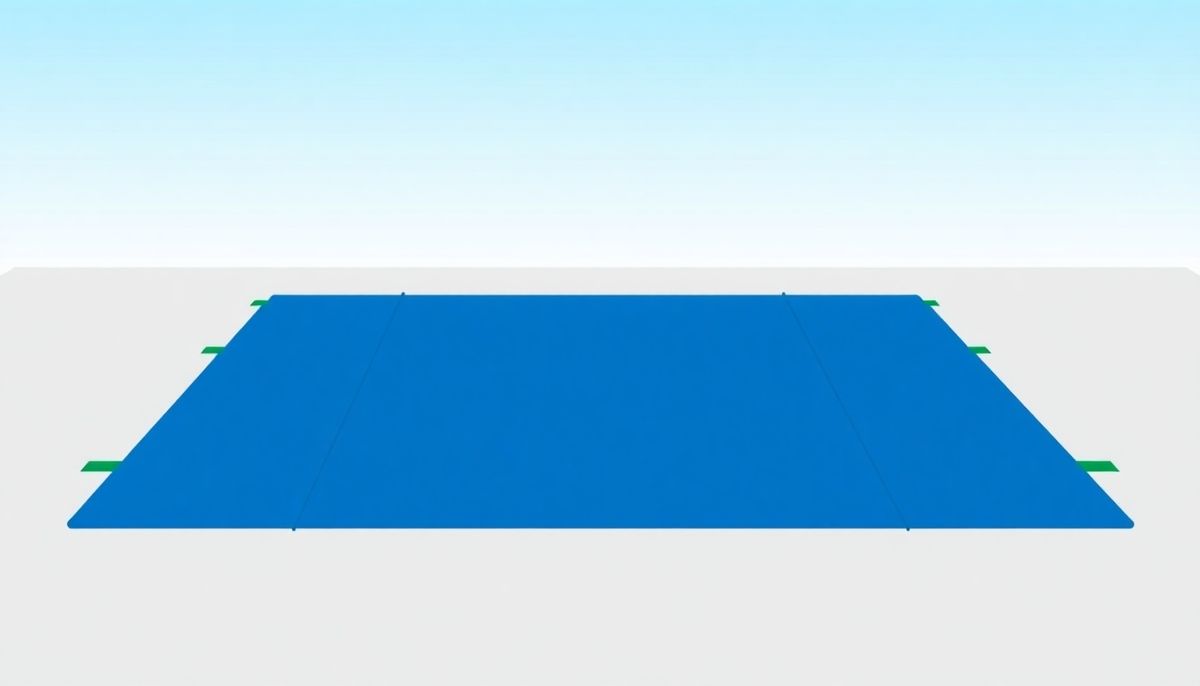
Now that your cover is secure and sag-free, you're already ahead on winterizing. Keep up the routine, and your pool will be ready the moment you want to swim again.
Want to become a pool maintenance pro? Our free Pool School course covers everything you need to know about pool care. From basic upkeep to advanced troubleshooting, you'll learn how to:
- Save thousands on pool repairs and chemicals
- Keep your water crystal clear year-round
- Prevent and solve common pool problems
- Master water chemistry with confidence
Join over 10,000 pool owners who have already transformed their pool care routine. Get started with our free Pool School course today!
What you need
Grab a submersible or cover pump, a set of water bags or a cable-and-winch system, a leaf net, and a pool air pillow to keep your cover tight all season.