




As the leaves pile up and the air turns crisp, your thoughts drift toward winter prep, and getting the pool ready for the cold usually sits near the top of the list. A good pool cover pump makes that job a lot easier. It keeps water and debris from collecting, and it helps your cover last longer, protecting money you've already spent.
Get by without a dependable pump and you'll learn why fast. Every storm dumps a fresh load of water that sits and stagnates on top of the cover, always threatening to break through and cause damage. The right pump takes that worry off your plate. As you shop for a cover pump in 2026, it's worth a look at what's new: models that run more efficiently, hold up better, and are easier to use. Electric, automatic, or manual, there's something to fit every need and budget. Think of this guide as a friendly hand while you sort through the top picks.
Your Action Plan
- Pick a manual or automatic cover pump based on how hands-on you want to be.
- Match the flow rate to your weather—up to 3,000 gph for heavy rain and snow.
- Set the pump at the lowest point of the cover, where water pools.
- Secure it with the included ropes so it won't drift.
- Clear snow promptly with a gentle foam tool and rinse the intake screen.
- Check the cover after every storm through winter.
Protect Your Pool Cover
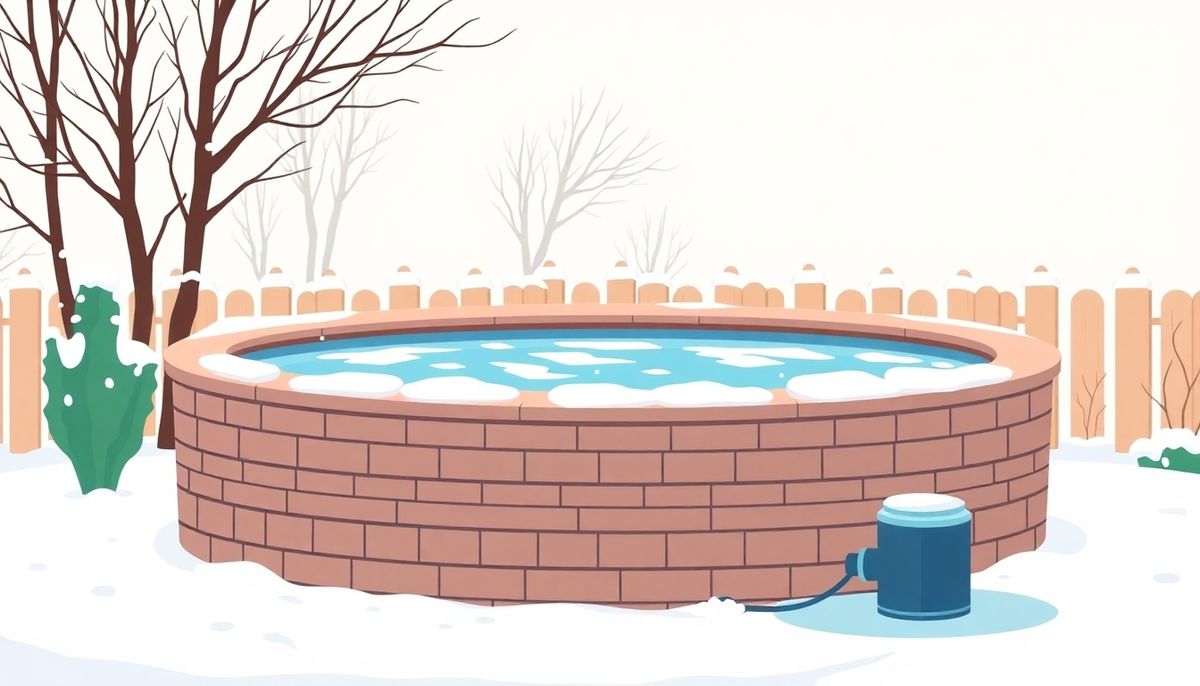
Winter is hard on a pool cover. Rain and snow pile water and debris on top, and that weight can stretch the fabric, tear it, or push it down into the pool. Then you're greeted by murky water in spring and a cover that's worn out early.
A cover pump is your first line of defense. It pulls the extra water off so the cover stays tight through the season, with no hand-bailing and no wrestling a soaked, heavy cover. Whether you go automatic or manual comes down to how hands-on you want to be, but either one keeps your cover and your pool in better shape once warm weather returns.
Left unchecked, standing water can cave in your cover and dump a winter's worth of debris straight into your pool.
Choose the Right Pump
Start by thinking about what your cover is up against. In heavy-snow country, an automatic pump with freeze protection clears water without you stepping into the cold. On a tight budget, a manual pump is simple and dependable, as long as you don't leave it out in a hard freeze.
As you compare models, look at three things: flow rate, cord length, and how easy the intake screen is to clean. A higher flow rate saves the day during a surprise storm, a long cord gives you more freedom in where you place the pump, and a quick rinse of the screen now and then keeps clogs away and helps the pump last.
Prevent Heavy Water Accumulation
When a storm dumps water fast, a cover pump does the bailing for you. An automatic model switches on the moment water rises, so you can stay warm inside while the skies open up. With a manual one, you set it down, hook up a hose, and let the water drain.
Either way, you skip the backache of bailing gallons by hand. Pick a pump with a high flow rate for surprise downpours, a tough build for the cold, and a cord long enough to reach an outlet, and your maintenance list gets a lot shorter.
Maintain Your Pool Cover Regularly
A cover only protects your pool if you give it a little care.
Keep an eye on the cover
After a big storm or snowfall, check the cover for pooled water and debris. This is where the pump earns its keep, whether it turns itself on or you flip the switch. Keep it running smoothly by checking the intake screen for clogs and rinsing it clean.
Beyond water, clear leaves and twigs after a windy day with a soft-bristled broom or a non-abrasive foam tool so you don't scratch or tear the fabric. Watch for signs of wear as the season drags on. Catch a small problem early and you'll dodge a costly repair, and your pool will greet spring as clear as the day you covered it.
The sheer number of pumps out there can feel overwhelming, but once you know a few key features, the choice gets easy.
Manual or automatic?
The first question is manual versus automatic. An automatic pump has a built-in sensor that turns it on when water reaches a set level, so you're not checking constantly. You'll still want to glance at it now and then to make sure it's working. A manual pump costs less and works fine if you don't mind switching it on yourself.
Flow rate and cord length
Flow rate, measured in gallons per hour (gph), tells you how fast the pump clears water. A high-output pump like the Wayne utility pump moves about 3,000 gph, which is great for heavy rain or snowmelt. A lighter model like the Little Giant runs around 550 gph and does reliable work on smaller pools. Add a long power cord and a solid warranty, and you've got a pump built to get through rough winters and save you pricey repairs.
An automatic pump's built-in sensor does the watching for you, switching on the second water starts to build.
Identify Essential Pump Features
Durability matters most once temperatures drop.
Built to survive the cold
Look for automatic freeze protection so a cold snap won't crack the pump if it's left out. A removable intake screen keeps leaves and debris from clogging the works and spares you frequent cleanings. And check the cord length; a 25-foot cord reaches most pool setups, so you can skip risky extension cords and awkward outlet placement. Whether you want a set-it-and-forget-it automatic model or a cheaper manual one, these features point you to the right pump for the job.
Select Manual or Automatic Pump
Both manual and automatic pumps protect your cover; the right one depends on your habits.
Manual pumps keep things simple and put you in control. With fewer moving parts and no sensors, they tend to be tough and cheaper. They just ask you to notice when water's pooling and flip them on, so they suit anyone who likes a quick routine check.
Automatic pumps are the hands-off choice. Their sensors turn the pump on the moment water reaches a set level, which pays off on stormy nights or during a hectic week. That convenience costs more, but if you'd rather not think about the cover until spring, it's money well spent. Think about your daily rhythm and your budget, and the answer usually sorts itself out.
Ensure Proper Pump Placement
Placement makes a bigger difference than you'd think.
Put it at the lowest point
Set the pump at the lowest spot on the cover, where water naturally gathers into a shallow basin of rain, melted snow, and debris. That's where it'll clear the most water with the least effort, easing the strain on the cover.
Look at the layout of your yard, too. A natural slope or dip can change how water flows, so position the pump where water drains toward it. Then secure the pump with the ropes or cords it came with, anchoring it to a sturdy part of the cover so it doesn't drift with the wind or water. A well-placed pump keeps standing water off the cover and makes opening the pool in spring much simpler.
Prevent Winter Pool Damage

Winter puts real pressure on a cover. Rain, snow, and debris pile up, and the weight can tear or sag the fabric until junk falls into your clean pool. The right pump clears that water before it collects. Automatic models kick on as soon as water rises; manual ones do the same job with a little supervision.
Pumps don't move snow directly, but draining the water before temperatures drop stops ice from forming, and ice is far harder to deal with. A quality pump protects your cover and cuts the hassle when you're ready to open the pool.
A dependable pump keeps your winter setup clean and ready for the thaw. Decide which type fits your life, then check the flow rate and cord length: a 3,000 gph output clears water fast so the cover won't sag in the dead of winter, and a cord of at least 25 feet gives you room to place the pump for any pool size or layout.
Look for handy extras like debris screens and hose adapters that cut down on clogs and make upkeep easy. In the end, the right pump isn't only about managing water; it's about protecting the money you've put into your pool and making spring openings painless.
A cover's main job is to keep debris out of your pool, but let water gather and it turns into a giant waterbed, sagging under rain, snow, and leaves. A pump that switches on by itself makes upkeep effortless, draining water before it sits long enough to cause damage.
Can't swing an automatic? A manual pump folds easily into your routine and spares the cover unnecessary strain. Either way, a good pump extends your cover's life and saves you the cost and hassle of an early replacement.
Draining water off the cover before it freezes is the easiest way to keep the fabric from tearing.
Maintain Regular Snow-Removal
Snow is sneaky. That soft white blanket looks harmless, but it keeps stacking, and once it turns to ice it can tear or collapse a cover.
Don't let snow pile up
Treat it like brushing snow off your windshield: a small, regular chore that prevents damage. Get a snow removal tool made for pool covers, with a non-abrasive foam head that won't scratch or tear the fabric, and gently push the snow off before the weight gets to be too much. Skip this step and you may be paying for repairs in spring. It's a small commitment with a big payoff.
Simplify Pool Maintenance

Think of a cover pump as your steady winter helper. It clears the rainwater and melting snow that would otherwise weigh down and damage the cover, so you won't find a swampy mess when spring arrives.
Choosing between manual and automatic really comes down to how involved you want to be. Automatic pumps like the Wayne utility pump sense the water level and switch on by themselves, clearing extra water without constant checking. A manual pump needs more watching but costs less and still handles standing water well if you use it regularly. Whichever you pick, it saves you hours of tedious work.
Choose the Right Cover Pump
You probably won't give your cover much thought until spring, but neglect it and you'll get some unpleasant surprises. Start by deciding between automatic and manual, then watch the flow rate; heavy rain or snow calls for a high one. Don't skip freeze protection and a long power cord, either, since they add real convenience and durability.
It's a common story among pool owners: a surprise winter storm nearly overwhelms an unprotected cover, while the person next door with an automatic pump sleeps right through it. Pick a pump that fits your setup and your pool comes through winter in good shape.
Prevent Pool Cover Damage
Left unprepared, a cover can buckle under piled-on rain, snow, and leaves, and that damage can force a pricey replacement.
A cover pump heads off that trouble by clearing the extra water and small debris, so the cover lasts and spring cleanup stays light. Automatic models with a water sensor keep the cover as light as possible on their own. Still, don't leave everything to the pump. Clear snow promptly with a gentle tool before it melts and refreezes into something heavier. If budget is tight, a manual pump is a solid choice that just needs more hands-on management.
Automate Water Removal
An unprepared cover sags under steady rain, snow, and leaves and eventually lets debris slip into the water below, which means costly repairs and extra cleanup in spring. A cover pump is the fix.
The automatic ones quietly get to work, sensing when water rises and turning on to clear it. If you like hands-off solutions, the Wayne automatic pump comes highly recommended, with a water sensor and automatic freeze protection for peace of mind all winter. Prefer to do it by hand? The Little Giant takes more watching but is a cheaper option that still handles standing water well.
Invest in Automatic Solutions
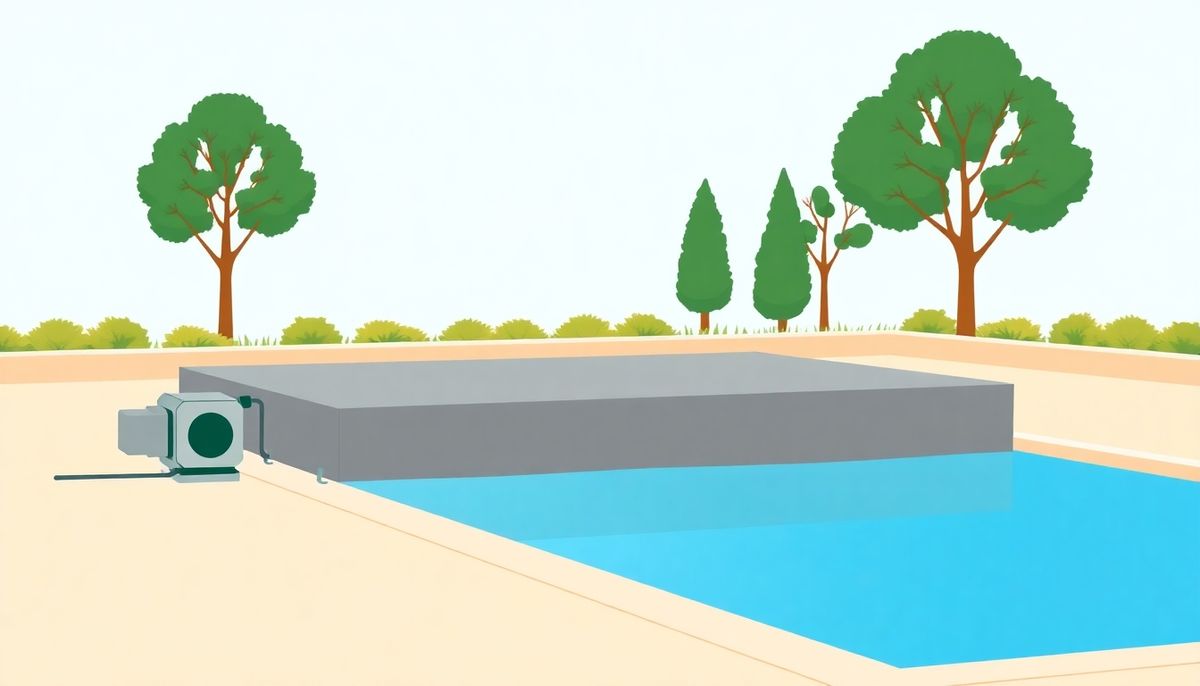
An automatic pump takes the hassle out of winter care. Instead of watching for water and clearing it by hand, you let the pump do it.
Why automatic pumps shine
The Wayne automatic pool cover utility pump uses a water sensor to run only when needed, so you can stay warm indoors instead of heading out into the cold. It moves up to 3,000 gallons per hour, clearing unwanted water fast. Its automatic freeze protection is another plus; on those days when the temperature suddenly drops, the pump keeps running without damage, so you won't sweat costly repairs. That's real peace of mind when winter throws a curveball.
Choose the Right Pool-Cover Pump
With so many pumps out there, it's easy to feel lost, especially when snow, rain, and debris are all working together to weigh down your cover.
Start with the automatic-versus-manual question. If you like a hands-off approach, an automatic pump sits on the cover, watches for water, and turns on when it's needed, so you can sip hot cocoa inside while a storm rages. Manual pumps take more attention and are perfect if you don't mind checking regularly; they cost less and still do the job well when you use them consistently. Whatever you choose, make sure it has a long cord for flexibility, a high flow rate for heavy rain, and a build tough enough for winter.
Enhance Pool-Cover Durability
Winter tests any cover. The steady weight of snow, rain, and debris can turn a spotless cover into a sagging mess, so a reliable pump is a season-long partner.
Today's pumps make it easy. A water sensor turns the pump on right when water rises, with no mad dash outside during a downpour. Freeze protection keeps it safe in sub-zero cold, so it wears out more slowly. Manual pumps prove that simple and reliable still works; the well-loved Little Giant handles standing water well and just needs a bit of watching. Keep the cover light all winter and you add years to its life.
Conclusion
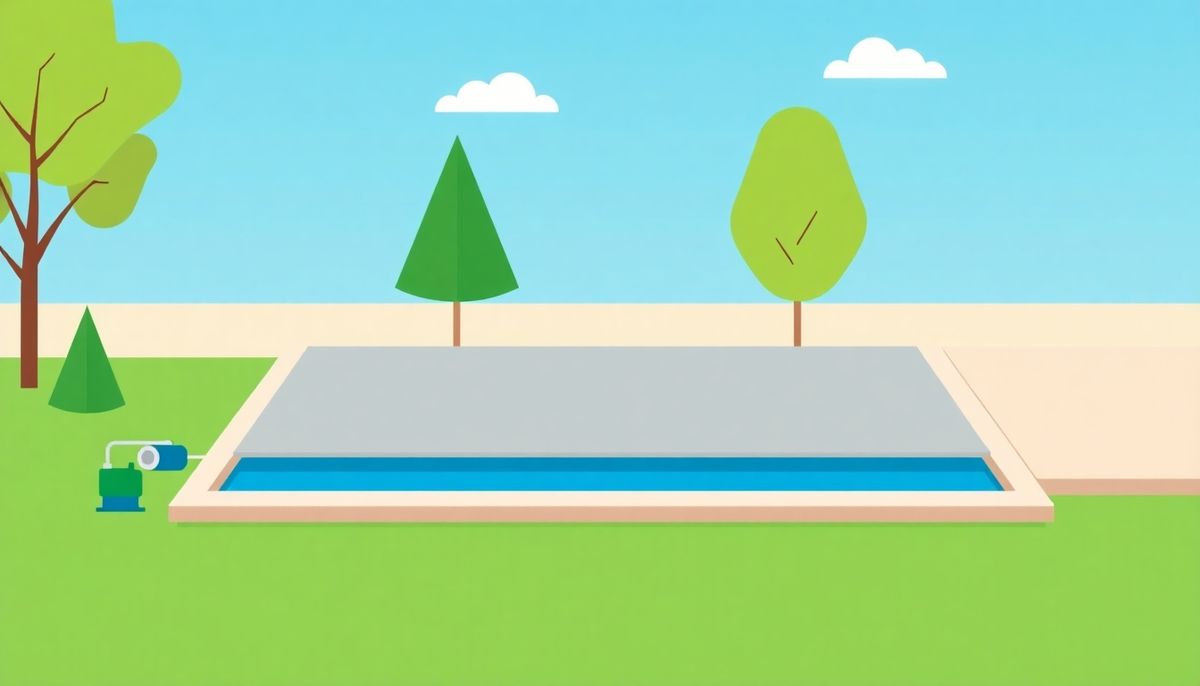
Winterizing your pool doesn't have to be a headache. Pick a cover pump that matches how hands-on you want to be, set it at the lowest point on the cover, keep the intake screen clear, and brush snow off before it stacks up. Do that, and you'll open a clean pool in spring instead of a soggy one.
Want to get better at the whole routine? Our free Pool School course covers everything you need to know about pool care, from basic maintenance to tricky troubleshooting. You'll learn how to:
- Save thousands on pool repairs and chemicals
- Keep your water crystal clear year-round
- Prevent and solve common pool problems
- Master water chemistry with confidence
Join over 10,000 pool owners who have already transformed their pool care routine. Get started with our free Pool School course today!
What you need
Grab a cover pump that fits your weather (automatic with freeze protection for heavy snow, manual for a tighter budget), plus a foam-headed snow tool and a spare intake screen to keep it running all winter.