

















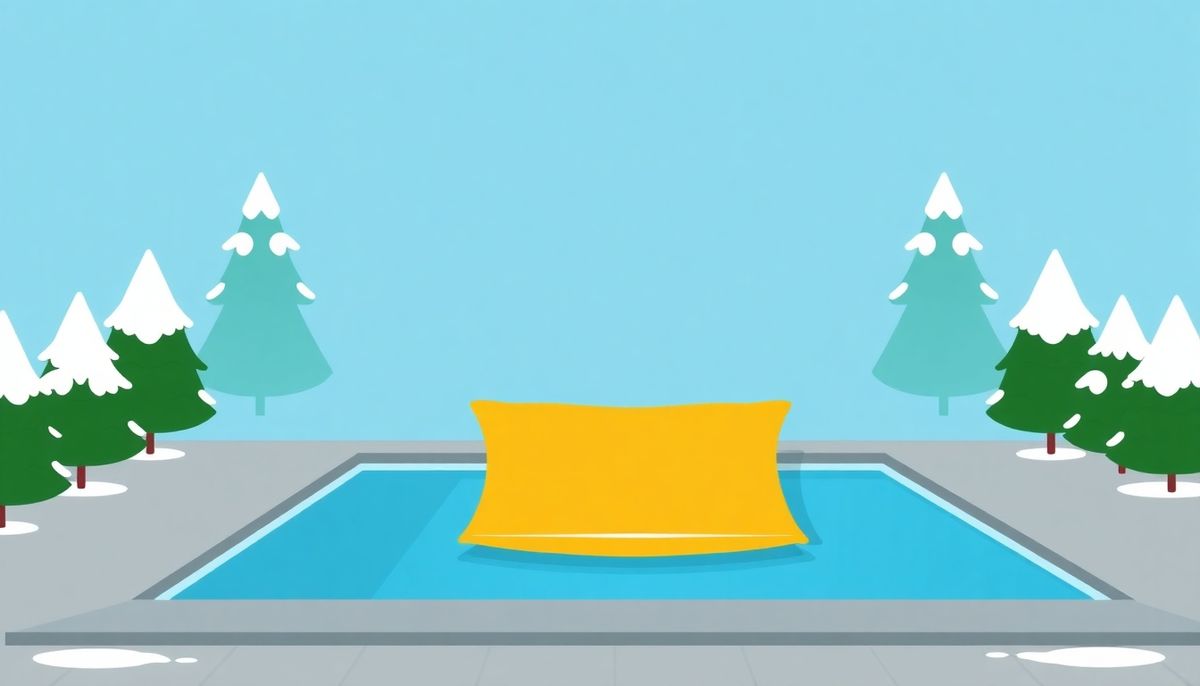
Winter's chill is coming, and for pool owners that's the cue to start some important prep. One piece most folks underrate is the pool pillow. At first glance it looks like a simple inflatable bobbing in the middle of your pool, but its job is bigger than that. A friend once asked me, "Why bother with a donut in the pool?" That donut is there to guard against the worst of winter.
A pool pillow sits under your winter cover and works as a cushion, soaking up the pressure from expanding ice. By propping the cover up in the middle, it keeps water from pooling and lowers the chance of tears. This one small tool can add years to your cover and save you money on repairs.
Using a pool pillow the right way isn't just a matter of blowing it up and tossing it in. Where you put it and how you tie it down make all the difference. A neighbor once told me how a crooked pillow cost him a whole new cover. A little care now saves you a big headache later, and the sections below cover everything you need.
Your Action Plan
- Inflate the pillow to about 60%, so it stays a bit squishy.
- Set it in the dead center of your pool.
- Anchor it with sturdy rope tied to the pool edges.
- Lay the winter cover evenly over the top and fasten it snug.
- Check it after storms and pump off any standing water.
Maximize Pool Protection
How the pillow protects your pool
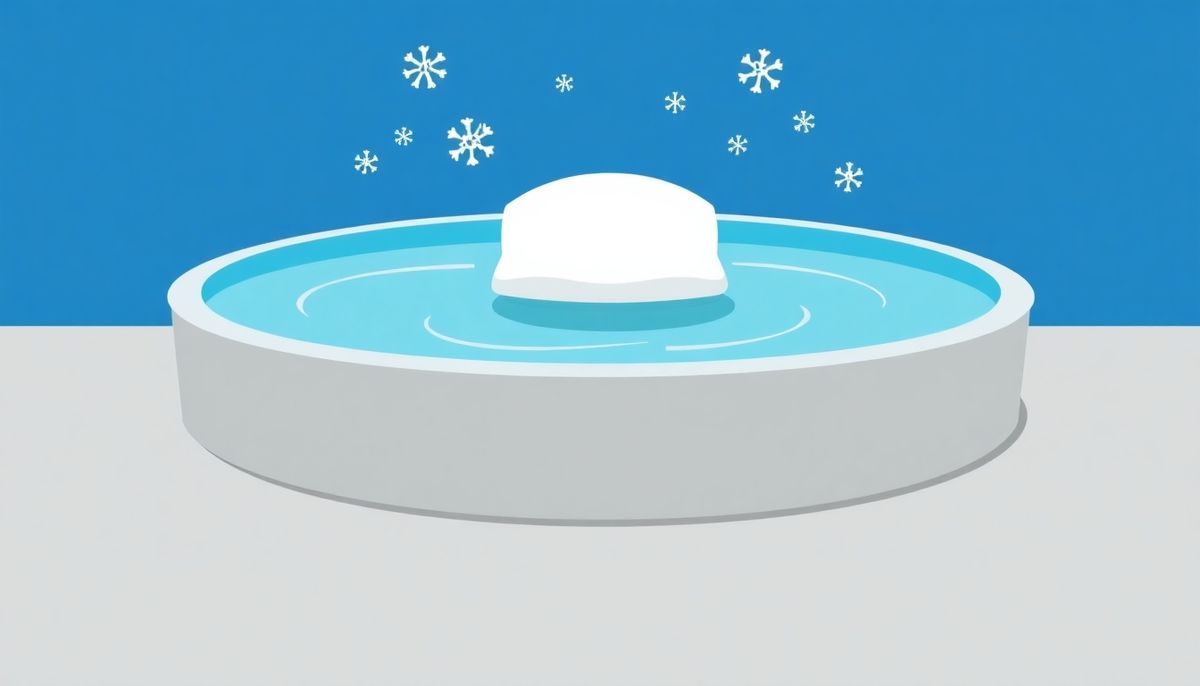
Winter can be tough on an above-ground pool, but with a plan you can handle it. The pool pillow is the workhorse of your winterizing kit. When you set this inflatable cushion in the center of your pool, it does more than float under the cover. It braces against expanding ice and piling snow.
Think of the pillow as a shock absorber for your pool. It takes the squeeze so your walls don't have to, steering the strain from ice and snow away from your pool's weak spots. That's how you dodge the kind of pricey damage that turns spring into a repair season instead of swim season.
The pool pillow takes the squeeze so your pool walls don't have to.
Tying it down is easy. Inflate it partway so it has room to give, then tether it to the sides to keep it centered. Any pressure from growing ice pushes safely inward instead of outward against the frame. Check on your setup now and then through the cold months so you can catch trouble early and make sure the pillow stays put.
Utilize a Pool Air-Pillow
Why you shouldn't skip it
One small but useful tool is ready to protect your above-ground pool: the air pillow. It gets overlooked a lot, but it plays a big part in keeping your pool sound through the roughest months. Tucked under the cover, it fends off the pressure of ice.
Imagine peeking outside after every snowstorm, wondering if your pool has turned into a ticking ice bomb. An air pillow settles that worry. It buffers the ice pressure that would otherwise stress your walls and liner. As rain turns to ice and snow piles up, the pillow steers that pressure inward, so your pool doesn't take the strain of pushing outward.
I've seen plenty of folks skip this step, only to face a big repair bill in spring when their walls buckle. This small, cheap addition makes for a smooth handoff to spring, and you can enjoy the first warm days without a snag.
Ensure Proper Pillow Placement
Getting the placement right
Getting your pool pillow in the right spot comes down to precision. Center it under your winter cover. That's not just a nice idea, it's a must. When it sits right, the pillow spreads pressure evenly across the surface and keeps your pool's structure from harm.
Inflate it to about 60%. It should feel a bit squishy, not drum-tight, so it has room to compress as ice expands. Anchor it in the center with ropes or bungee cords tied to the pool's edge. If you live somewhere windy, this step really matters, since it stops the pillow from drifting.
Inflate the pillow to about 60% so it stays squishy — it needs room to compress when the ice pushes in.
One cold fall day I fought with my cover, trying to keep the pillow from sliding around. A neighbor suggested a telescopic pole to nudge it into place without pulling the cover off, a tip that saved me both time and temper.
Protect Against Ice Expansion
What ice really does to your pool
Under the calm, frosted look of a winterized pool, there's often trouble waiting. As the temperature drops, the water freezes and expands. Left alone, that expansion pushes outward with real force and can warp your walls or tear your cover. That's where the pool pillow comes in.
The pillow makes a gap in the water so the ice can expand in a controlled way. Instead of pressing outward against your frame, the ice grows inward and squeezes the pillow. Redirecting that force is the whole point.
A few winters back I saw this for myself. A neighbor skipped the pillow and faced a hefty repair bill in spring, his walls bowed under the pressure. Ours, snug under its cover with a pillow in place, came through without a scratch. A small effort up front saves you big headaches later.
Ensure Winter Pool Safety

Keeping the area safe all winter
Your pool pillow handles the weather, but keeping the area around your covered pool safe matters just as much. A friend once spotted a raccoon that had wandered onto her pool cover, thinking it was solid ground. Animals, and even a curious kid now and then, can be drawn to what looks like a stable surface, and that's dangerous.
To cut that risk, keep the pool area securely fenced. It's not only about keeping people out, it's about preventing falls. A pool alarm that alerts you if the cover gets disturbed is a small cost for real peace of mind.
Check your cover now and then for sagging or standing water. A cover pump clears off the excess and keeps the surface tight and clean, so no one mistakes it for solid ground. A simple sign that the pool is closed for the season steers any unaware visitors away.
Install a Pool-Pillow
Step by step
You've decided to protect your pool for winter, and the pool pillow is your main tool. Start by inflating it to about 60% — firm enough to do its job, loose enough that it won't burst under pressure.
Next comes placement. The pillow needs to sit at the center of your pool, where it relieves pressure best. Anchor it with rope tied to the edge, or nudge it into place by hand if the pool is small enough. That central spot lets it soak up the ice expansion evenly.
Then spread your winter cover over the pool. Lay it out evenly so you don't leave wrinkles that could weaken its protection. If the pillow shifts while you work, a soft-ended pole nudges it back into place. Finish by fastening the cover firmly around the edge.
Protect Pool Walls
The cost of skipping it
Ice expanding inside your pool isn't a minor annoyance, it's a slow-motion disaster. The weight of piled-up snow and ice pushes outward and threatens the very walls of an above-ground pool. That's where a small vinyl cushion under the cover does a lot of heavy lifting, sending that pressure inward toward itself instead of the walls.
My first winter as a pool owner, I skipped the pillow, figuring I didn't need it. Several hundred dollars in liner repairs later, I learned my lesson. Make the pillow part of your kit, and your walls will thank you when the thaw comes.
Prevent Ice Damage
Meet the ice compensator
The pool pillow, also called an ice compensator, puts a buffer between your pool and possible disaster. Through the winter, snow and ice pile onto your cover and press down harder and harder. Without the pillow, that pressure looks for a way out and can split a liner, bend walls, or tear a cover.
A well-placed air pillow steers that force inward, toward itself, soaking up the brunt of the ice's expansion. For the best results, fasten it firmly before the cover goes on. It's a simple move that lets you wave goodbye to winter worries.
As the temperature drops, the water in your pool freezes and expands with every cold front. Set an air pillow at the center, and you let the ice expand inward rather than out toward the walls. When ice and snow sit on top of your cover, they add a heavy load, and the pillow takes on that pressure. It shifts and compresses, keeping the pool's edges safe. It's a small investment with a big return.
Install a Pool Pillow
Anchoring on a windy day
Before you begin, make sure the pillow is inflated to about 60% — firm but flexible, so it can give with expanding ice instead of popping.
Set it in the center. On a windy day that's easier said than done. A friend tried it solo one blustery afternoon and ended up in a poolside chase that would've made a good viral video. A second set of hands helps keep the pillow put.
Tether it to the sides with strong, durable rope. Keep the ropes taut but not too tight, since they need to give a little as the pillow shifts with temperature changes. Once it's secure, gently lay the cover over the pool and seal it up so wind can't sneak in.
Protect Pool Walls from Ice
On a snowy night, a clean blanket of flakes settles over your pool. As the temperature drops, the water below freezes and expands. With a pillow nestled in the center, that expansion gets steered away from the vulnerable walls and channeled toward the pillow, easing the strain on your pool's structure.
I was skeptical at first. But after watching a neighbor's pool go through winter without one and then need major repairs, I was sold. Setting one up takes just a few minutes: inflate, position, cover, and you're done.
Anchor it like a cornerstone
Placing your pool pillow well is more than tossing it in and hoping for the best. Aim for the center, which spreads out the weight of piled-up snow and ice and creates a buffer zone for your walls. Centered correctly, it also lets rainwater and melting snow run off smoothly instead of pooling on the cover.
The first time I winterized an above-ground pool, the pillow drifted around like a restless kid until I tied it down with strong rope anchored to the edges. That keeps it from sliding to one side, which could throw off the balance and lead to damage. A small step with a big payoff.
Getting the pillow just right can be a bit of a balancing act. A broom handle becomes your best friend, gently nudging the pillow into its central spot before you secure the cover. A little precision here pays off in peace of mind later. And skip the makeshift stand-ins like inner tubes — they just don't have the durability or design of a real pool pillow.
Protect Pool Walls from Damage
Use the real thing
When winter's heavy snow and ice settle over your cover, it's not just the surface that takes the hit. Left alone, expanding ice pushes outward and can buckle the walls and stress the liner. By making a central, air-filled gap under the cover, the pillow steers that ice inward and eases the strain on your pool's structure.
It might be tempting to swap in an inner tube or an exercise ball, but those don't hold up. A pillow built for the job protects your investment, and all the summer memories still waiting to happen.
Use a real pool pillow, not an inner tube or exercise ball — the cheap substitutes fail right when you need them.
Prevent Ice Expansion Issues
When the temperature drops, water freezes and expands, pushing outward in every direction with enough force to crack walls or tear a liner. Set the pillow under your cover, and you give the ice room to expand inward instead of outward.
My neighbor once skipped it, figuring he didn't need one. By spring his liner was a torn mess, leaving him a hefty bill and a lesson in the value of preparation. A well-placed pillow means you can start spring with a splash instead of a sigh.
Place Air-Pillow Correctly
One more time on placement
Inflate the pillow to about 60% and set it dead center. That spot lets it spread the pressure evenly, like a cushion between the cold weather and your pool's structure. Then secure it with sturdy ropes tied to the edges so winter winds can't push it aside.
A friend once figured her cover would hold the pillow in place. By spring it had migrated, leaving one side of her liner stretched and damaged. Taking that little extra time to secure it saves you both heartache and money.
Simplify Winterizing Process
Winterizing without the stress
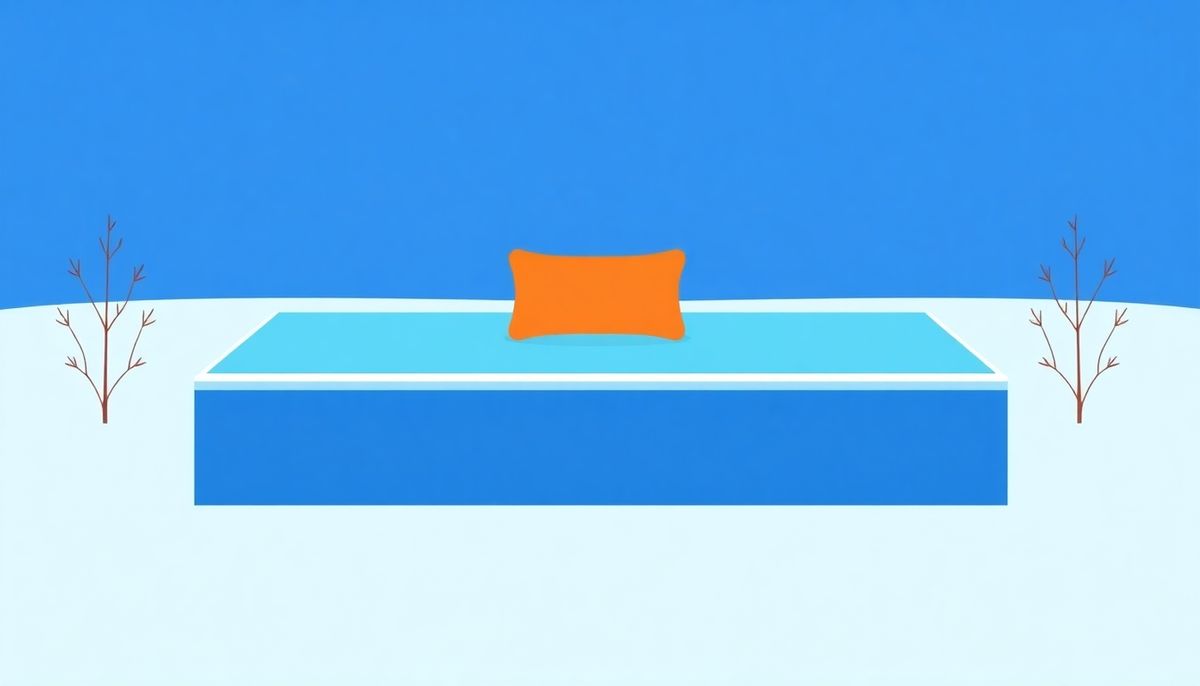
Winterizing your pool doesn't have to feel like a puzzle. This plain vinyl cushion sits between the water's surface and the winter cover, and it does the heavy lifting. Snow, ice, and rain pile onto your cover and press down hard enough to damage the walls. The pillow steps in as an ice compensator, making a gap that lets ice expand inward as it grows.
Anchoring takes a bit of finesse. If it shifts while you're securing the cover, a smooth-edged pole can nudge it back to center without doing any damage. And remember, not just any inflatable will do.
Implement a Pool-Pillow Solution
The dome effect
Inflate the pillow to about 60% so it has enough give to absorb pressure without bursting, then secure it in the center with ropes or tie-downs fastened to the sides. Dead center is where it best handles the weight of piled-up snow and ice.
Once it's secured, gently lay the cover over it. The pillow creates a gentle dome that encourages water, snow, and debris to slide off instead of collecting. That eases the strain on the cover and keeps it from sagging or tearing. A neighbor of mine was sure he could skip this and ended up with heavy wall damage come spring — not a job anyone wants after a long winter.
Protect Pool with Air-Pillow
Your pool's best friend
Set the air pillow right at the center of your pool, between the water and the cover, and you take the edge off winter. As snow and ice pile up, the pillow absorbs the expansion and sends the pressure inward instead of outward. That keeps stress off the walls, which can otherwise mean costly repairs come spring.
Because of where it sits, the pillow also keeps the cover taut, cutting down on sagging and discouraging debris from collecting. Adding one to your routine is a sensible move that spares you future headaches and hefty repair bills.
Conclusion
Getting your pool ready for winter doesn't have to be a headache. If you want to make year-round pool care just as easy, our free Pool School course covers everything you need to know. From basic maintenance to advanced troubleshooting, you'll learn how to:
- Save thousands on pool repairs and chemicals
- Keep your water crystal clear year-round
- Prevent and solve common pool problems
- Master water chemistry with confidence
Join over 10,000 pool owners who have already changed their pool care routine. Get started with our free Pool School course today!
What you need
Grab a pool pillow sized for your pool, a solid winter cover, sturdy rope to anchor it, and a cover pump to clear standing water.