




Winter's coming, and if you own a pool, it's time to get ready. As the days get shorter and the air turns cold, you need to think about protecting your pool through the months when nobody's swimming. Picking the right winter cover isn't just about keeping leaves out. It's about keeping your pool in good shape so it's ready when the weather warms up.
When I shopped for a winter cover last year, the options seemed endless. There were mesh covers that let water drain through while blocking debris, and solid vinyl covers that shut out the worst weather. Each type fits a different climate and a different pool, whether yours is inground or above ground.
Choosing a winter cover is a lot like buying a good winter coat. It has to be tough, do its job, and handle whatever the season throws at it. Spend a little thought now and spring gets a whole lot easier. This guide covers the best winter pool covers you can get in 2026, so you can pick the right one for your pool and your climate.
Your Action Plan
- Measure your pool and allow about four to five feet of overlap.
- Pick a cover type based on your climate: solid, mesh, or a basic tarp.
- Check the scrim count and warranty for a sense of durability.
- Install it flat and anchor it tight with deck pins or a winch and cable.
- Add water bags or an air pillow so it can't sag or flap.
- Check it through winter and pump off any standing water.
Choose the Right Cover
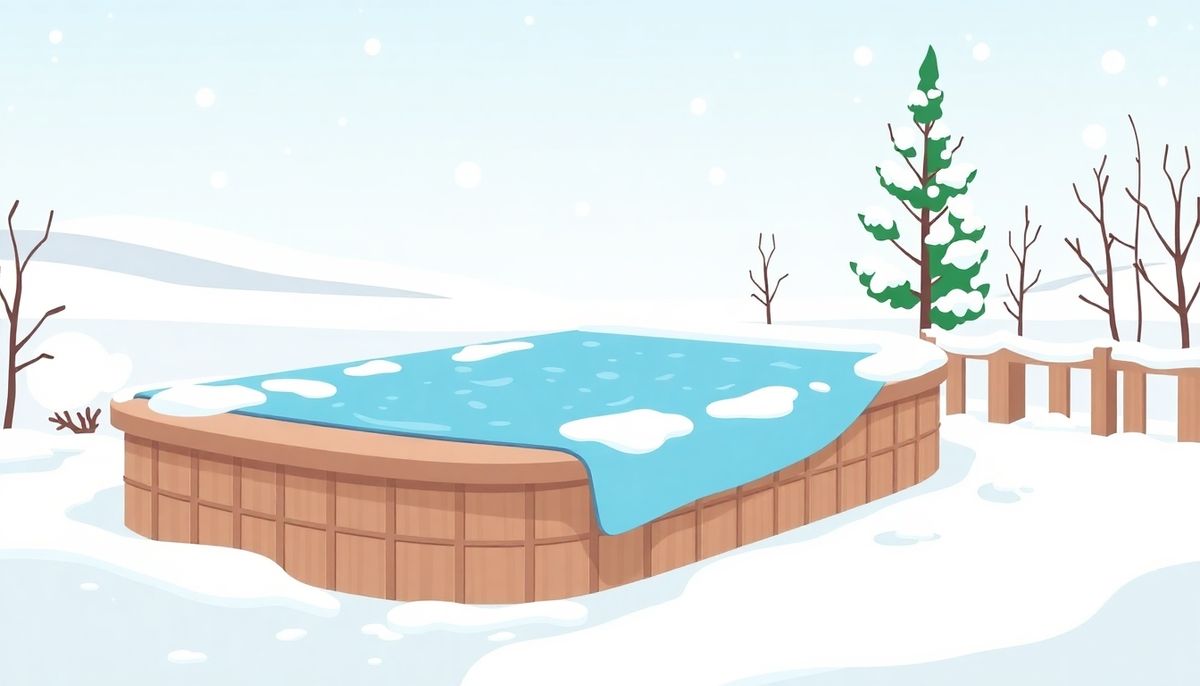
Picking a winter cover takes a little thought, but two things drive the decision: your climate and your pool.
Start with your climate
If your winters bring heavy snow and hard wind, lean toward a solid cover that seals everything out and blocks the sunlight algae feed on. Just know it collects water on top, so you'll want a cover pump for the weight of rain and snowmelt. If you'd rather skip that chore, a mesh cover drains on its own while its tight weave keeps out leaves and twigs. (More on how each one works a bit further down.)
Then look at your pool
Inground pools do best with safety covers that anchor tight to the deck. Above ground pools usually use a tarp-style cover pulled snug with a winch and cable. Whatever you choose, get the size right and match it to the weather where you live.
Explore Winter-Cover Options
You've got three broad choices, and each strikes its own balance between protection, convenience, and cost. Mesh covers are the low-maintenance pick. Rain and snow pass through, and the dry debris left on top sweeps right off in spring. Solid covers need more work, mostly pumping off standing water, but they shut out sunlight and debris completely, so your water stays cleaner and algae-free. A basic tarp is the cheapest route and works if you secure it well, though it won't last like the others, and you'll likely buy a new one every year or two.
A mesh cover drains rain and snowmelt on its own, so there's nothing to pump off all winter.
Understand Cover Material Benefits
Knowing what each material does makes the choice easy.
Solid covers
These are the workhorses. They block every bit of light and debris, which cuts the risk of algae blooms since algae feed on sunlight. The catch is that water pools on top, so a pump is a must to keep the cover from sagging.
Mesh covers
Mesh gives up a little debris blocking in exchange for convenience. Rain and snowmelt filter straight through, so there's far less pumping, and the fabric dries fast in the sun. When you shop mesh, check the scrim count. That's the tightness and thickness of the fabric's woven threads, and a higher count means stronger material that blocks finer debris.
The toughest fabrics
Covers made from high-density polyethylene or polypropylene stand up best to hard winters. They resist UV damage and tearing and carry the weight of snow without giving out. Match the material to your climate and to how much upkeep you're up for, and you're most of the way to a smooth season.
Ensure Proper Cover Installation
Even small mistakes at install turn into big problems. A loose cover lets debris slip in, or worse, sags and collects water until it tears under the weight of snow and ice.
Solid and mesh covers for inground pools anchor into the deck with pins, which keeps them tight, like staking down a tent before a windy night. Above ground covers drape over the water and cinch tight with a winch and cable running through grommets around the edge.
Line the cover up evenly before you lock it down. Uneven tension wears the fabric out fast. A few water bags along the edge stop it from lifting like a parachute when the wind kicks up. Then check on it all winter and clear off snow and water before it strains the fabric.
A loose cover is a torn cover, so even tension and a snug fit matter more than almost anything else.
Safeguard Your Pool
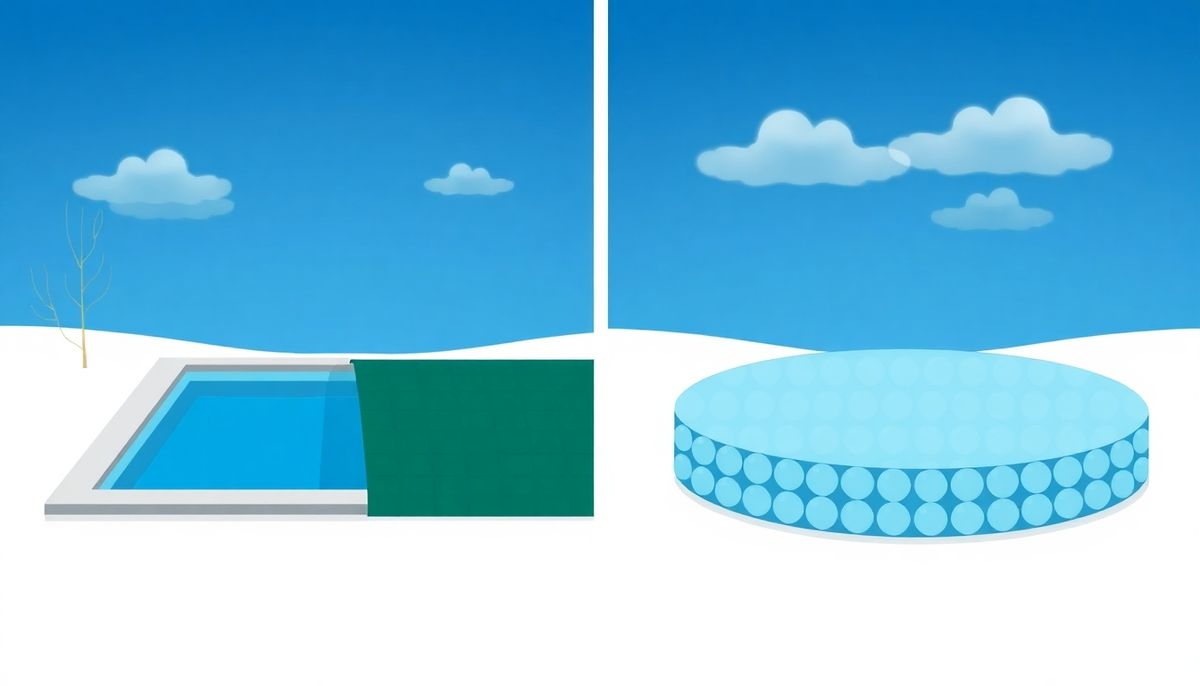
A good cover turns a tedious spring into an easy one. A friend of mine learned that the hard way. He went cheap with a basic tarp, and by spring it had ripped and sagged under the snow, leaving him a murky mess to clean up.
For inground pools, a well-fitted mesh safety cover, like the ones from Loop-Loc, gives you durability and easy upkeep. Water drains through while debris stays out, so there's far less to deal with in spring. Above ground owners should look for a high scrim count and a strong cable system for a snug fit, plus water tubes to keep it steady in storms. Many of these covers come with warranties too, which is worth it if you're tired of replacing a cover every year.
Choose the Right Winter Cover
For harsh, snowy winters, a high-density polyethylene cover with UV inhibitors handles both the weather and the sun, and it blocks debris well so spring goes easier.
Solid covers give the most protection against debris and algae since they block sunlight completely, but they collect water on top, so plan on pumping. Mesh covers let water pass through while catching leaves and twigs, which makes them the more convenient pick for a busy schedule.
Measure carefully before you buy. Most covers overlap the pool edge by about four to five feet. If you've got kids or pets, a dense mesh safety cover is worth the higher price for how long it lasts and the protection it adds. Color is just looks. Fit and material are what count.
Secure Your Pool Safely
Winter can turn a calm pool into a hazard if you cover it wrong. A safety cover does double duty: it keeps debris out and keeps curious kids and wandering wildlife from falling in.
For inground pools, a strong safety cover in mesh or solid fabric anchors firmly around the edge, hitting the sweet spot between safety and easy upkeep. One stormy winter, my own mesh cover saved me from scooping out endless leaves and twigs come spring.
For above ground pools, pair a solid cover with a tight winch and cable, then add water bags along the edge so wind can't get underneath and turn it into a sail. That trick kept a neighbor's cover in place one winter while everyone else's flapped around.
Compare Cover Materials
Choosing a material comes down to durability, function, and value. Solid covers block light and debris but need a pump to clear the water on top. Mesh covers skip that buildup and stay low-maintenance, though they let a little more light through. Reinforced polyethylene and polypropylene covers have the best tear resistance and UV protection, so they last through rough weather.
Cheap tarps might tempt you, but they often need replacing every year and don't hold up, like facing a blizzard in a windbreaker. Weigh the long-term payoff of a quality cover against the cost of buying a cheap one over and over.
Prevent Winter Damage
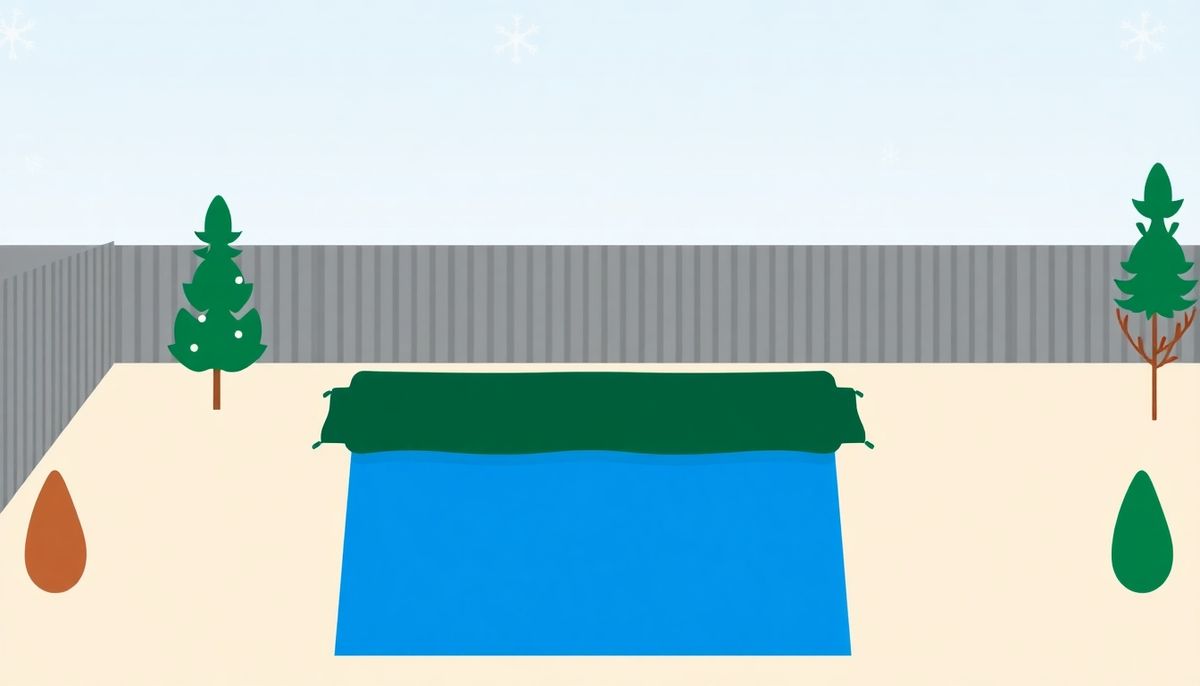
Left uncovered, winter can wreck a pool. A neighbor skipped the cover one year to save money and paid for it in spring, with a swampy mess that took hours to clean and a repair bill on top.
A good cover keeps out leaves and critters, and it steadies your water chemistry by blocking the sunlight that feeds algae. Solid covers give you a full barrier against light and debris but need a pump for the water that builds up. Mesh covers let water filter through, which keeps upkeep simple and lowers the risk of sagging under heavy snow.
Blocking sunlight starves algae, so you'll spend less on chemicals and less time scrubbing when you reopen.
Choose the Right Pool Cover
For inground pools, a safety cover in mesh or solid material is the top choice. It keeps out debris and adds a layer of safety by stopping accidental falls. It takes more work to install, since you drill anchors into the deck, but the protection is hard to beat.
Above ground pools use a simpler cover held down with a cable and winch, plus water bags or tubes to keep it steady. It keeps debris out but offers little in the way of safety.
Both call for careful choosing. Check the scrim count, since a higher count means stronger fabric, and check the warranty, which usually reflects how long a cover will hold up.
Secure and Install Pool Covers
Installing a cover is straightforward if you take your time. Start by picking your type: solid, mesh, or a hybrid that combines full coverage with low upkeep.
For inground pools, anchor the cover around the deck with pins, or weigh the edges with water bags if drilling isn't an option. Above ground pools use a cable and winch for a tight fit. Whatever you've got, make sure the cover lies flat, with no wrinkles that can collect water or debris.
I once rushed this step and opened the pool to a leaf-filled mess. Take the extra ten minutes and get it flat and tight. Proper install guards against debris, keeps things safe, and saves you a headache when the warm weather returns.
Maintain Cover Integrity
A good winter routine starts with a snug fit. Too loose and it flaps in the wind, too tight and it tears under stress. So measure twice and install once.
Keep an eye on it
Once the cover's on, keep checking it. Look for small tears and weak spots, and patch them early. A patch is far cheaper and easier than a whole new cover. A cover pump clears off standing water so the fabric never sags under the weight.
Keep it clean, too. Leaves and debris add weight and wear a cover out early. A broom or leaf blower does the job and keeps it in shape through the toughest months.
Block Debris Effectively

When the first snow falls, the right cover does more than protect your pool. It cuts your workload come spring.
A strong mesh cover lets rain and snowmelt through while keeping out branches and leaves, so there's less soggy foliage to fish out later. Solid covers block everything but need pumping to keep from sagging.
Install is simple with the right tools. For inground pools, a cover held with grommets and a winch, or with water bags, gives a snug fit. Above ground, cable systems do the same job. Either beats wrestling a loose tarp that flaps around all season.
#
Choose the Right Cover
-Type
Inground owners choose between solid and mesh safety covers. Solid is the heavy-duty option, with a full block on light and debris, but it needs regular pumping. Mesh is the breathable choice, meaning less winter work but maybe a bit more spring cleaning. Both add safety features that prevent accidental falls, which matters a lot with kids or pets around.
Above ground pools usually use budget tarp-style covers with a cable and winch. They're cheap and easy to set up but offer no safety, and they need regular tightening. Water bags or tubes help them stay put against the wind.
The right pick depends on your climate, your budget, and how much effort you want to put in over the winter.
Secure Inground Pool Covers
A secure inground cover does a lot of quiet work. Unlike a tarp that just drapes over the water, it anchors into the concrete deck with pins or ties for a taut, clean fit and a real safety net against falls.
When I first bought a quality cover, the biggest surprise was how little spring cleanup it left. No more fishing out soggy leaves, and the pool stayed safely sealed. Solid and mesh both work here. Solid blocks everything but needs the water cleared off, while mesh drains on its own and skips the pump.
High-density polyethylene or polypropylene are the fabrics to look for. They're strong, UV-resistant, and built to last.
Maximize Cover Longevity
Getting the most life out of your cover comes down to steady care. Start with a snug install. For above ground pools, drop in an air pillow. It stops water from pooling and weighing the cover down.
Through winter, check for wear and patch small holes before they spread. A pool cover pump clears off water, snow, and ice so the fabric never takes on strain.
When spring comes, rinse the cover, let it dry completely so mildew doesn't set in, and store it in a dry, shaded spot away from direct sunlight. Small efforts like these keep a cover working year after year.
Invest in Quality Covers
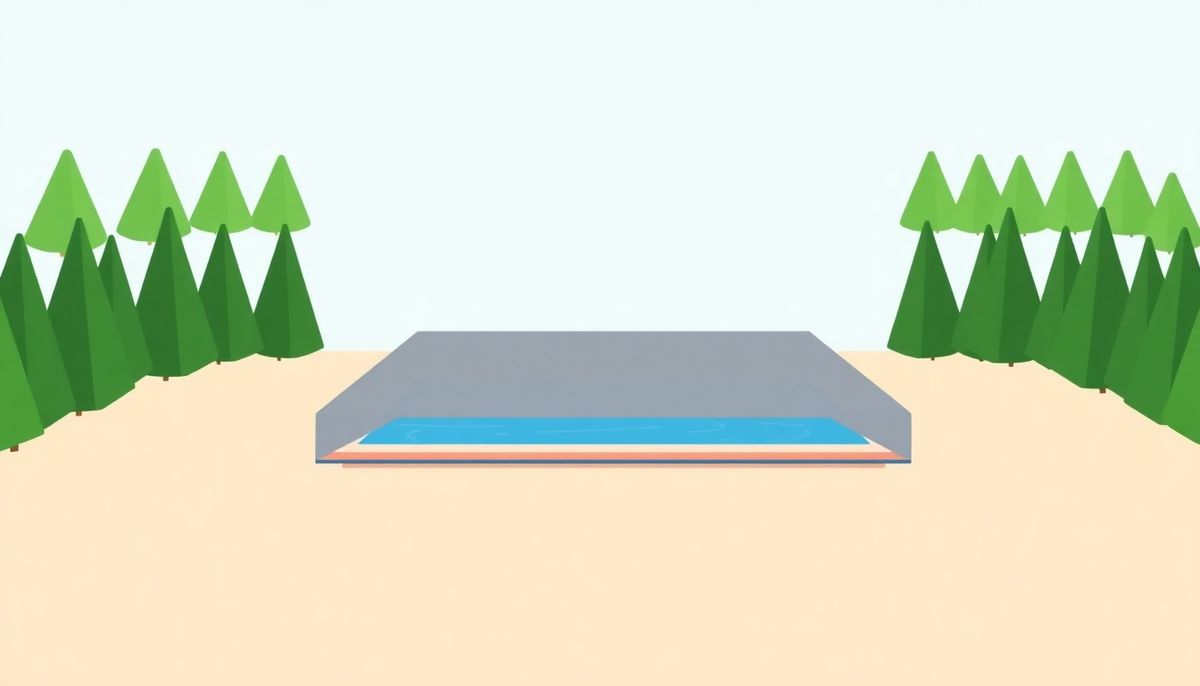
A quality cover keeps debris out and slashes your reopening work. A friend once cut corners with a cheap cover, only to fight algae and debris when spring arrived. A well-made cover costs more up front, but it saves you hours later.
Mesh covers are the go-to for most people. Water drains through, debris stays out, and there's no constant pumping. With kids or pets, a safety cover is worth the price for the protection. Solid covers give the most protection from light and debris but need diligent water clearing.
Before you buy, check the scrim count and warranty length, since both point to durability. Aim for a fit that's snug but has a little give, so it handles snow and ice without tearing.
A quality cover costs more up front, but it saves you the yearly replacement and hours of spring cleanup.
#
Choose the Right Cover
Type
Sorting out cover types is simpler than it looks, and the right one depends on your pool, your budget, and your climate.
For inground pools, a safety cover in mesh or solid material anchors firmly, keeping out debris and preventing accidents. Solid blocks sunlight to stop algae but needs attention so water doesn't build up. Mesh drains on its own for lower maintenance without giving up much cleanliness.
For above ground pools, cost usually points to tarps or simple winter covers fastened with cables and winches. They're good at keeping debris out but light on safety. If you've got a deck, a safety cover may fit and add protection. It all comes down to balancing the upkeep you'll accept against the protection your pool needs.
Conclusion
Putting your pool to bed for the winter doesn't have to be a headache. With the right cover and a little care, spring becomes an easy reopening instead of a big cleanup.
Want to become a pool care expert? Our free Pool School course covers everything you need to know, from basic maintenance to advanced troubleshooting. You'll learn how to:
- Save thousands on pool repairs and chemicals
- Keep your water crystal clear year-round
- Prevent and solve common pool problems
- Master water chemistry with confidence
Join over 10,000 pool owners who have already changed their pool care routine. Get started with our free Pool School course today!
What you need
Grab a properly sized safety or mesh cover, a set of water bags or an air pillow, and a cover pump to keep water off through winter. That's the core kit for an easy spring.