



The hum of a pool pump is the soundtrack to a lot of good summer days, but for many people the pipes and valves under the surface stay a mystery. Pool plumbing can look like a job reserved for pros, yet with a little curiosity it's something any beginner can pick up.
The first time I looked closely at how a pool works, the tangle threw me. Pipes twisted everywhere, sending water through filters, heaters, and chlorinators. It wasn't until a friend walked me through the basic layout that it clicked. At the center sits the pump, running nonstop to move water and keep it clean. Branching off it are lines of PVC pipe that carry water to the filter, heater, and other parts, each with its own job.
Learning pool plumbing is a bit like learning a new language. Every part has a role, from the skimmer that pulls in debris to the return jets that put a soft ripple on the surface. Once you know these pieces, you can fix small problems and get more out of your pool. That knowledge turns something intimidating into something you can handle.
Your Action Plan
- Learn the loop your water takes: skimmer, pump, filter, return jets.
- Empty the skimmer basket every week.
- Keep the water halfway up the skimmer opening.
- Listen to the pump and check for leaks or odd noises.
- Clean the filter on a regular schedule and angle the jets to keep water moving.
Understand Pool Water Flow
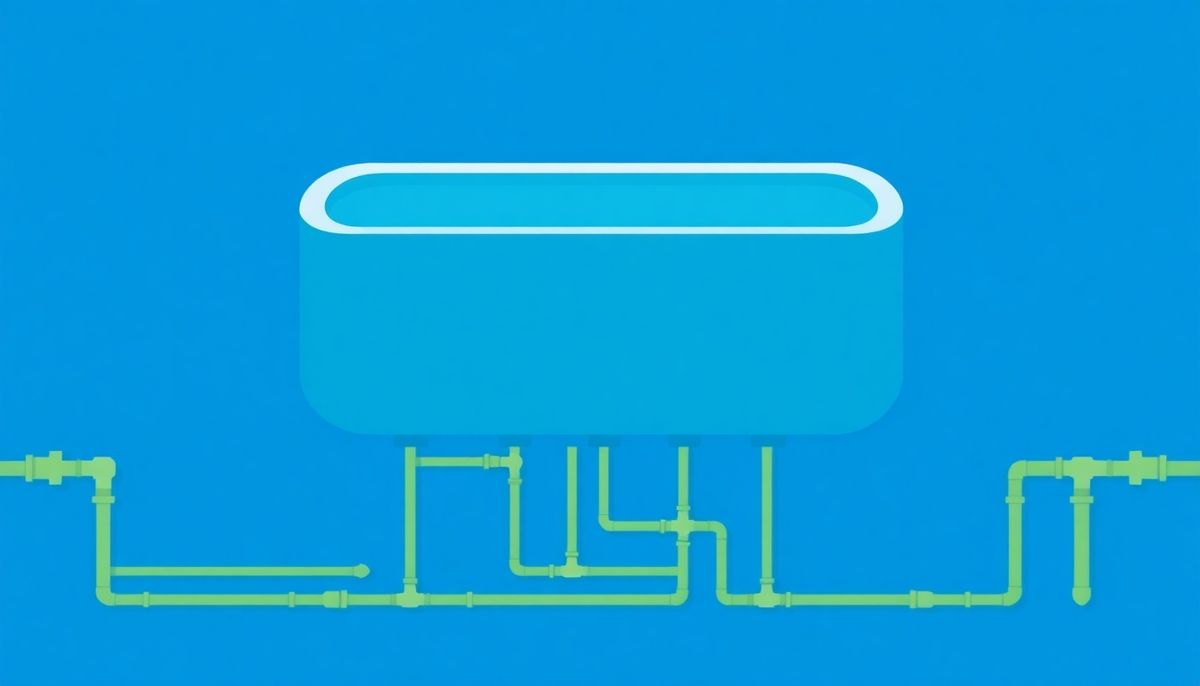
Follow the water on its loop
Good pool care starts with knowing how water moves through the pipes. Start at the skimmer, usually tucked into the pool's edge, quietly gathering leaves and debris. From there water runs down the suction line, a sturdy PVC pipe, to the pump. The pump does the heavy lifting, pulling water in and pushing it through the system. Run it dry and you can wreck it, something I learned after forgetting to refill my pool one long summer evening.
After the pump, water heads to the filter, where impurities get pulled out. Clean water then flows back through the return jets, which are angled to circulate water so it doesn't go stagnant. Get to know this loop and you'll head off expensive repairs. It's the difference between owning a pool and knowing how to care for one.
Knowing the path water takes, from skimmer to pump to filter to jets, is the single most useful thing a new pool owner can learn.
Explore Pool Plumbing Anatomy
Why the water level rules everything
Every bend in the pipes does a job. The skimmer catches leaves before they travel deeper. The pump pulls water along the suction lines and keeps it moving. The filter traps impurities, and the return jets send clean water back.
What matters most day to day is the water level. Too low and you risk damaging the pump; too high and the skimmer can't do its job. That one habit, a quick glance at the water line, prevents most beginner headaches and gives you a real appreciation for the hidden parts that turn a plain pool into a sparkling one.
Master Skimmer and Pump Roles
The skimmer and pump work as a team. The skimmer sits along the edge, catching leaves and twigs in its basket before they clog the lines. Water then runs down the suction line to the pump, which creates the pull that keeps everything circulating.
Here's a personal one: I once let my skimmer basket overflow, and the clog reached the pump and cost me a surprise technician visit. Empty that basket regularly and keep the water level up so the pump never runs dry. This pair is the backbone of a healthy pool, and they're what make every swim refreshing.
Ensure Optimal Water Levels
Keeping the water at the right level matters, a bit like balancing a recipe. A friend found this out when his pump started rattling like an old coffee grinder and was hot to the touch. The water had dropped below the skimmer, so the pump was straining and overheating, a small slip that turned into a costly repair.
Water levels shift in ways that are easy to miss. Hot days lower the level through evaporation; a downpour can raise it to the brim. Aim for halfway up the skimmer's opening. An automatic water leveler keeps it there without you thinking about it. If you'd rather do it yourself, check the level once a week and top off or drain as needed. Either way, you protect your equipment and keep your swimming reliable.
Maintain Your Pool System
Give the main parts a regular look
Under that calm surface is a network that needs attention. Check the main parts regularly, meaning the skimmer, pump, and filter. A blocked skimmer basket restricts flow and strains the pump. I remember when my pump started making strange noises; the skimmer was choked with leaves my kids had tossed in. A quick clean-up and we were back to smooth running.
You'll also want to keep an eye on the water level so the pump doesn't run dry or the skimmer get submerged. During a hot stretch last year I topped off the pool twice a week to stay ahead of evaporation. Check the pump for leaks or odd sounds, since a small drip today can be a flood tomorrow, and clean the filter on a schedule. A clean filter keeps the water clear and reduces wear on the pump.
A clogged skimmer basket is the most common cause of a straining pump, and clearing it takes about a minute.
Understand Pool Plumbing Basics
The pipes and valves working under the surface do the quiet work of keeping your pool clean. Water leaves the skimmer, runs through PVC pipe to the pump, and gets pushed toward the filter. The filter, whether sand, cartridge, or diatomaceous earth (a fine white powder that strains out tiny particles), cleans the water before it returns through the jets. Watch your water levels, since both evaporation and overfilling upset the balance. Understanding these parts isn't only about fixing problems; it's about keeping the pool steady so you get carefree days in the water.
Prevent Common Plumbing Issues
Stay ahead of leaks and clogs
A little prevention goes a long way. Look for leaks around the pump and filter, since small drips turn into big water and money losses fast. Watch the water level so the pump doesn't strain; one hot summer a friend realized too late that low water had run his pump dry, and the repair wasn't cheap.
To avoid clogs, clean the skimmer baskets and keep the main drain clear. It's worth booking a professional inspection twice a year to catch things you can't see, like an underground pipe leak. Pros have gear that finds those before they get serious. The hidden mechanics of your pool matter as much as its chemical balance.
Optimize Water Circulation
Improve your circulation
Better circulation heads off algae and uneven chemicals. Start by aiming your return jets slightly downward and at an angle to create a steady circular motion, which clears the dead spots where water goes stagnant. If you have several jets, aim them so they build one gentle, swirling current that reaches every part of the pool.
Don't skip cleaning, since skimmer and filter baskets choke the flow when they clog. Set a weekly phone reminder to clear the skimmer basket; that small habit saves a lot of trouble. And keep the water balanced, halfway up the skimmer, so the pump neither runs dry nor loses its skimming.
Troubleshoot Plumbing Issues
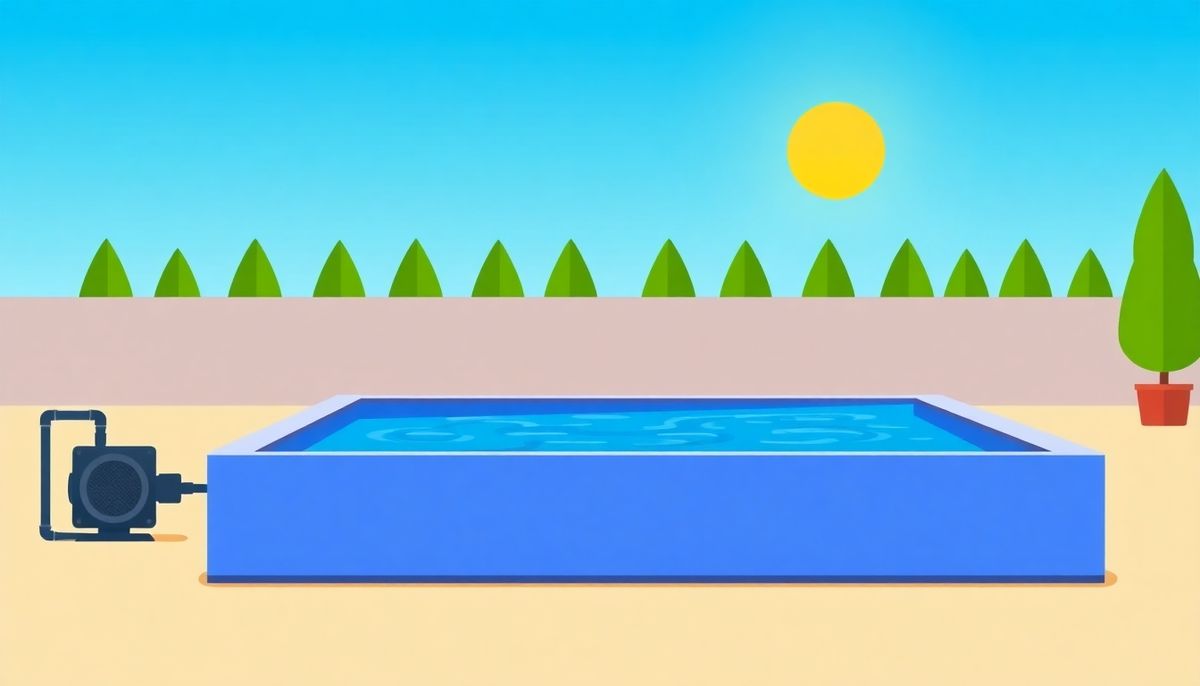
Track down leaks and lost suction
Sometimes a calm pool turns into a puzzle. Not long ago my water level started dropping for no clear reason, and chasing that down taught me how useful basic troubleshooting is.
A sudden drop can mean a leak along the suction or return lines. Look for water around the pump or damp patches at the pool's edge. A food coloring test helps: add a few drops near a suspected crack and watch whether the color gets pulled in.
If the jets lose their push, you may have a blockage or an air leak. Air bubbling from the return jets usually points to the pump lid or a loose connection; tightening the parts or replacing a worn seal often fixes it. And clean the skimmer baskets and filter regularly, since a clog strains the pump and cuts the flow.
Understand Pool-Water Flow
Here's the whole loop in one pass: the skimmers catch surface debris, the suction lines carry water to the pump, the pump powers the circulation, and the filter cleans every drop before the jets push it back. The part people overlook is the main drain, set at the deep end. It pulls water from the bottom so the deep water doesn't sit still, working with the skimmer to keep the whole pool turning over.
Maintain Skimmer Functionality
Keep the skimmer working
Keeping the skimmer working is like staying on top of your car's air filter, important but easy to forget. Check the basket every week: lift the lid, pull out the basket, and dump the debris. Keep a small net handy for the stubborn leaves that slip past.
The weir door, the little flap that stops trapped debris from floating back out, should swing freely. If it sticks, a gentle brush usually frees it. Check the skimmer throat for calcium buildup or algae in warm months, and clear it with a pool-safe cleaner. Keep the water halfway up the opening. When I first owned a pool, a minor flood taught me to adjust the level after heavy rain.
Ensure Proper Pump Operation
Care for the pump
A pump that runs well keeps everything else moving. One afternoon by the pool I heard an unsettling gurgle near the pump and found a blockage that could have done real damage if I'd ignored it. Your pump gives you signs, so pay attention.
Start with the water level: too low and the pump runs dry and overheats, too high and it covers the skimmer and stresses circulation. You'll also want to clear the pump basket, since leaves and twigs pile up and block the flow. And listen, because whining, grinding, or hissing can mean an air leak or a worn part.
Trust your ears: an odd whine or grind from the pump is usually the first sign of an air leak or a worn part.
Protect Your Pool Pump
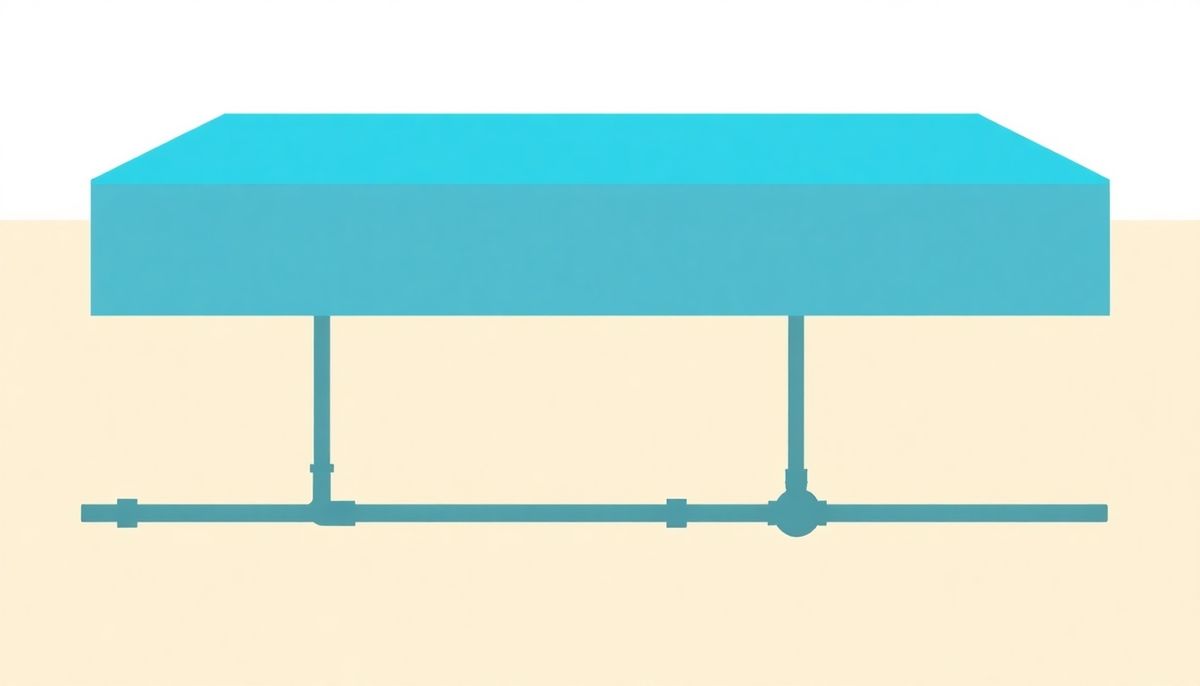
The pump deserves special attention. One summer I let the water drop too low, the pump ran dry, and I ended up with a damaged pump and a surprise bill. Keep the water around the middle of the skimmer, and that one check saves you a lot of money.
Treat maintenance as insurance: clean the skimmer and pump baskets often, and watch the pump's pressure gauge, since a big drop or spike signals a problem. When you're unsure, check the manual or call a pro before a small issue grows into a big one.
Every pipe and valve plays a part. The skimmer catches leaves and sends water down the suction line to the pump, which pushes it through the filter and back to the pool. The filter, whether sand, cartridge, or diatomaceous earth, strains out impurities, and the jets return the clean water with a gentle swirl. The main drain, set at the lowest point, works with the skimmer to pull water through for full circulation. Learn these parts and you'll spot problems before they grow.
Prevent Pump Damage
Protect the pump from running dry
A morning swim goes sideways when the pump starts coughing up air instead of water. Keep the water at the middle of the skimmer's opening; drop too low and the pump runs dry, which is like running an engine with no oil. In summer, evaporation sneaks up, so top off as needed. After heavy rain, make sure the water doesn't rise over the skimmer.
Clean the skimmer basket often so debris doesn't slow the flow and make the pump work harder. Check for air leaks in the plumbing too. An air leak can make the pump lose its suction (what pros call losing prime), which leads to overheating. A pump timer helps as well: run the pump during the cooler parts of the day to cut strain and stretch its life.
Maintain Optimal Water Levels
Water levels do a lot of quiet work. Keep the line halfway up the skimmer's opening so debris gets caught without straining the pump. Too low and you risk running it dry; too high and the skimmer can't trap debris well. Seasons make it trickier, since summer evaporation drops the level and a rainy stretch may mean draining some off to keep the skimmers from overflowing.
Keep Water Levels Balanced
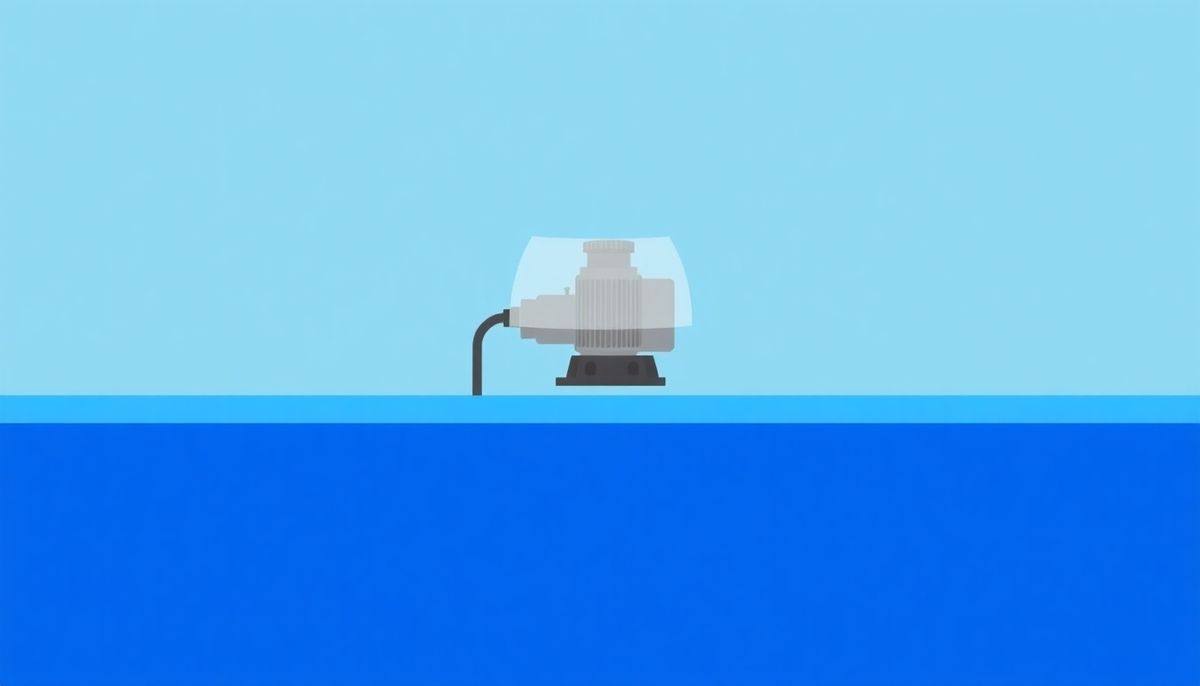
Keeping the water level right is like keeping oil in your car. The first time my pump made an unsettling noise, the level was too low and it was pulling in air instead of water, a slip that could have meant an expensive repair. Aim for halfway up the skimmer opening. Hot days drop it, rainy days raise it, so keep tabs on the balance. An automatic water leveler handles it for you and takes one more chore off your list.
Understand Pool Plumbing Anatomy
The network below the surface circulates, filters, and cleans the water so every swim is as fresh as the last. The skimmer catches debris, the pump moves the water, the filter traps impurities, and the well-placed jets keep circulation thorough so still spots where algae grows never form. Watching your water levels, keeping the pump from running dry, and clearing the skimmer baskets covers most of the work. Once you know your plumbing, pool care becomes a routine that makes sense.
Optimize Pool Circulation

Think of water moving through your pool as a piece of choreography. The skimmer funnels water to the pump, the pump pushes it through the filter, and the clean water returns through the jets. Angle those jets for a gentle circular motion to spread chemicals evenly. The main drain plays a supporting role from the bottom of the deep end, working with the skimmer so no corner goes still. Watch the levels as the seasons change, and the whole system stays balanced.
Conclusion

You've now got a solid feel for how your pool's plumbing works and how to keep it running. None of it is complicated once you know the loop the water takes and the few habits that protect your gear. Pick one thing to do this week, like emptying the skimmer basket or checking the water level, and build from there.
Want to go deeper? Our free Pool School course covers everything you need to know about pool care. From basic maintenance to advanced troubleshooting, you'll learn how to:
- Save thousands on pool repairs and chemicals
- Keep your water crystal clear year-round
- Prevent and solve common pool problems
- Master water chemistry with confidence
Join over 10,000 pool owners who have already transformed their pool care routine. Get started with our free Pool School course today!
What you need
Grab a skimmer net and basket, a pool-safe cleaner for the skimmer throat, and an automatic water leveler or pump timer to protect your gear. With those on hand, you're set to keep the water moving.